On this page
Most cleansing advice assumes a stone can go under the tap or sit in a bowl of salt water. For a handful of popular crystals, that's the fastest way to ruin them.
These are the five that should stay dry, why water damages each one, and what to do instead.
The short answer
Keep Selenite, Angelite, Pyrite, Malachite and Lapis Lazuli out of water, salt and damp soil.
Clean them with a soft brush or dry cloth, and use moonlight, smoke, sound or simple intention for the traditional side. If one gets wet by accident, pat it dry straight away and let it air-dry somewhere with low humidity.
The stones
The five stones and what water does to them
Each of these fails for a different reason, and knowing the reason is what lets you trust the rule instead of just memorizing it.
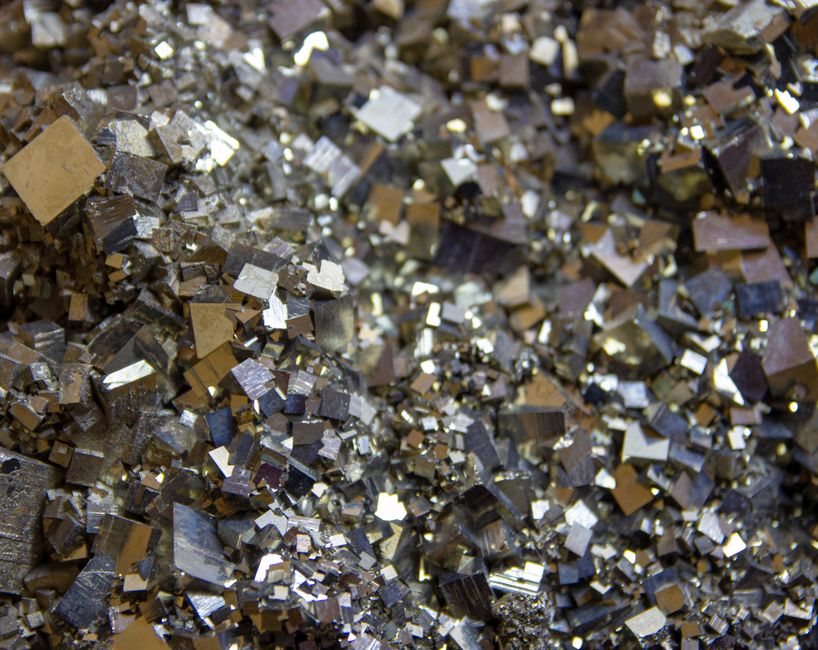

Selenite
The Cleansing Light
it dissolves
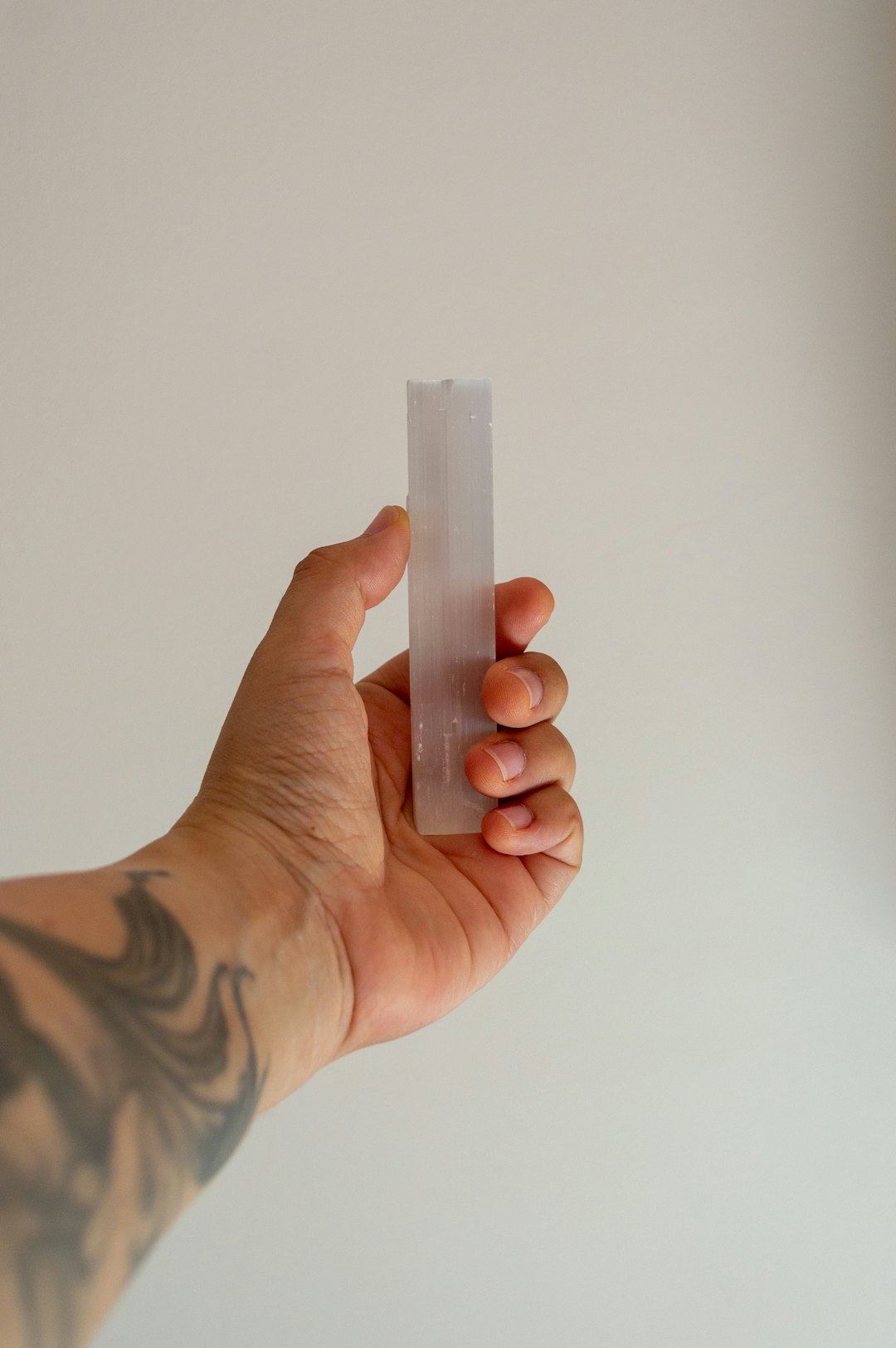
Selenite is a form of gypsum and, at 2 on the Mohs scale, one of the softest stones you can own. Gypsum is slightly water-soluble, so water clouds the surface, pits it and slowly wears it away. A long soak leaves a rough, chalky stone.

Angelite
The Peacekeeper
it converts
Angelite is blue anhydrite. Given enough moisture, anhydrite gradually absorbs water and turns into gypsum, the same mineral as Selenite. That's a change in the stone itself, not just a dulled surface, and it leaves the stone softer and chalkier than it started.
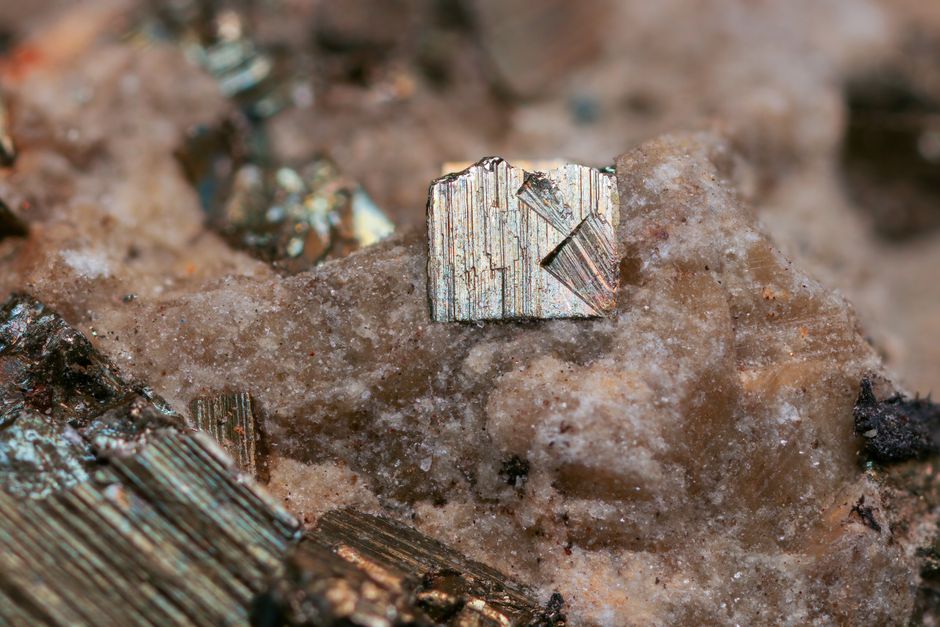
Pyrite
Stone of Abundance
it oxidizes
Pyrite is iron sulfide, and it reacts with moisture and humid air. Collectors call the result "pyrite decay": the surface dulls, a white or yellowish powder appears, and the stone can crumble. Humidity does this as well as water, so a bathroom shelf is a poor home for it.

Malachite
Stone of Transformation
a copper mineral
Malachite is a copper carbonate. Polished pieces are stable for normal handling, but soaking, salt and household chemicals degrade the surface. Never make a gem elixir or infuse drinking water with it. Copper can leach into water, and swallowing it is a real health risk.
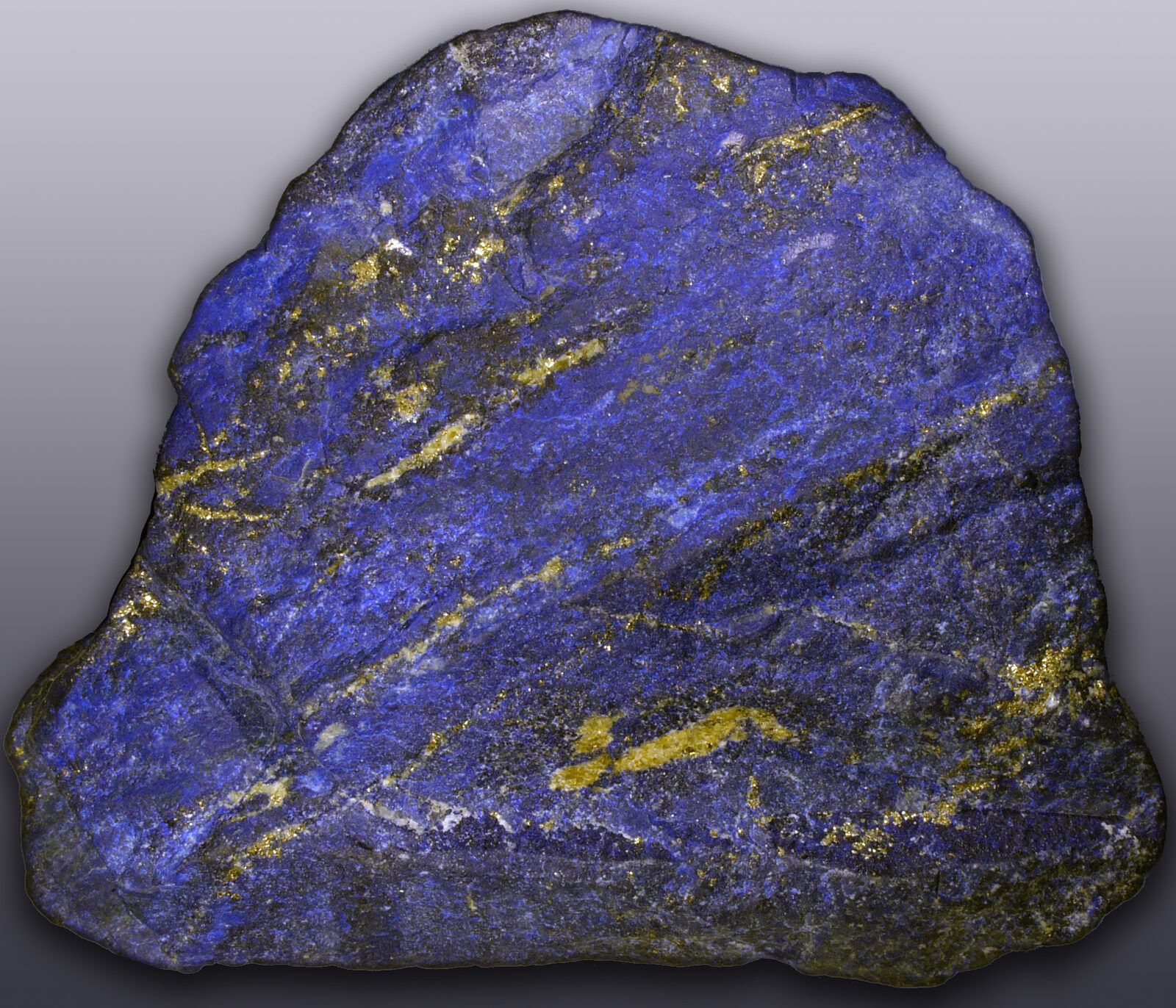
Lapis Lazuli
Stone of Wisdom
a rock, not one crystal
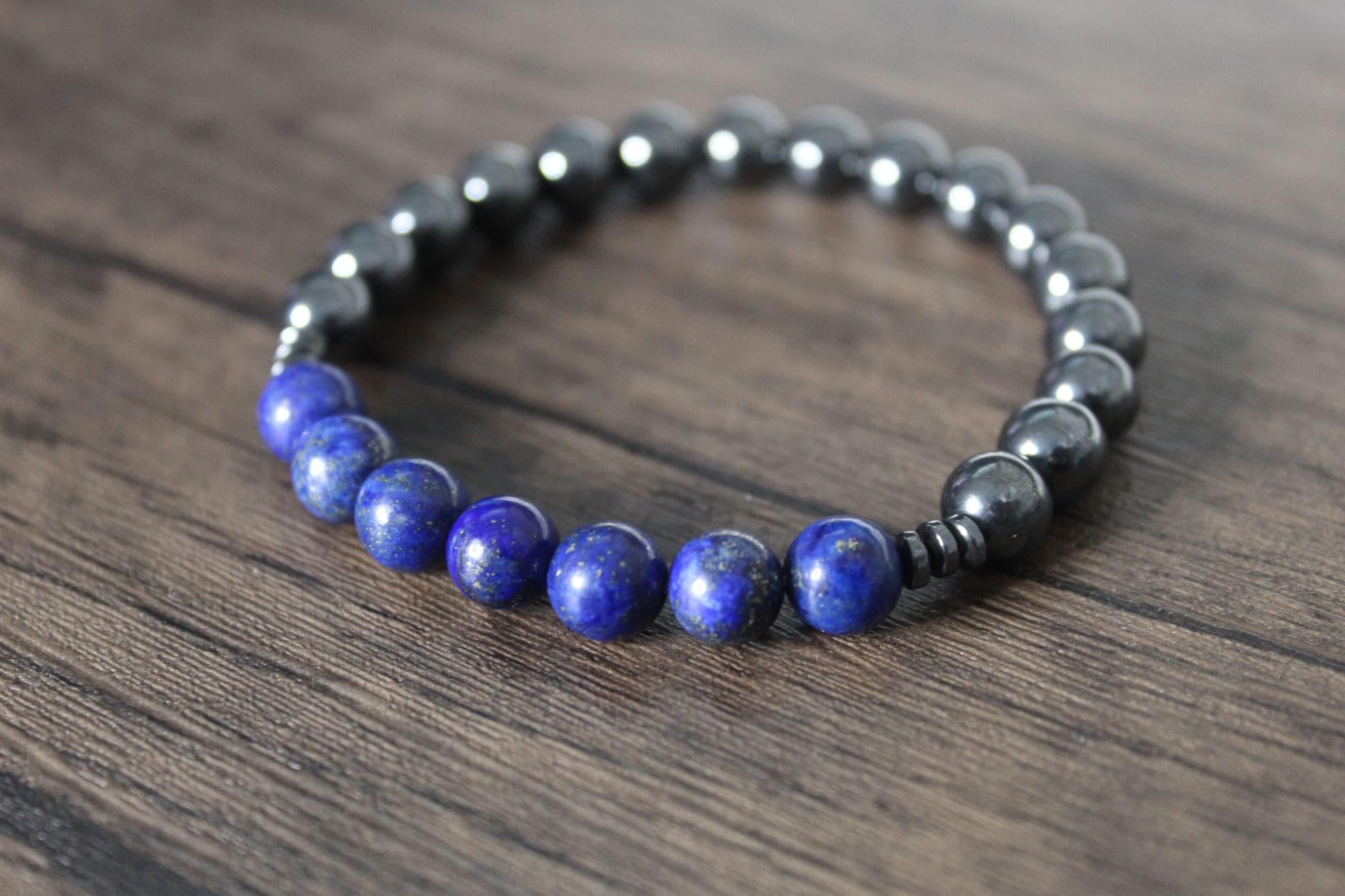
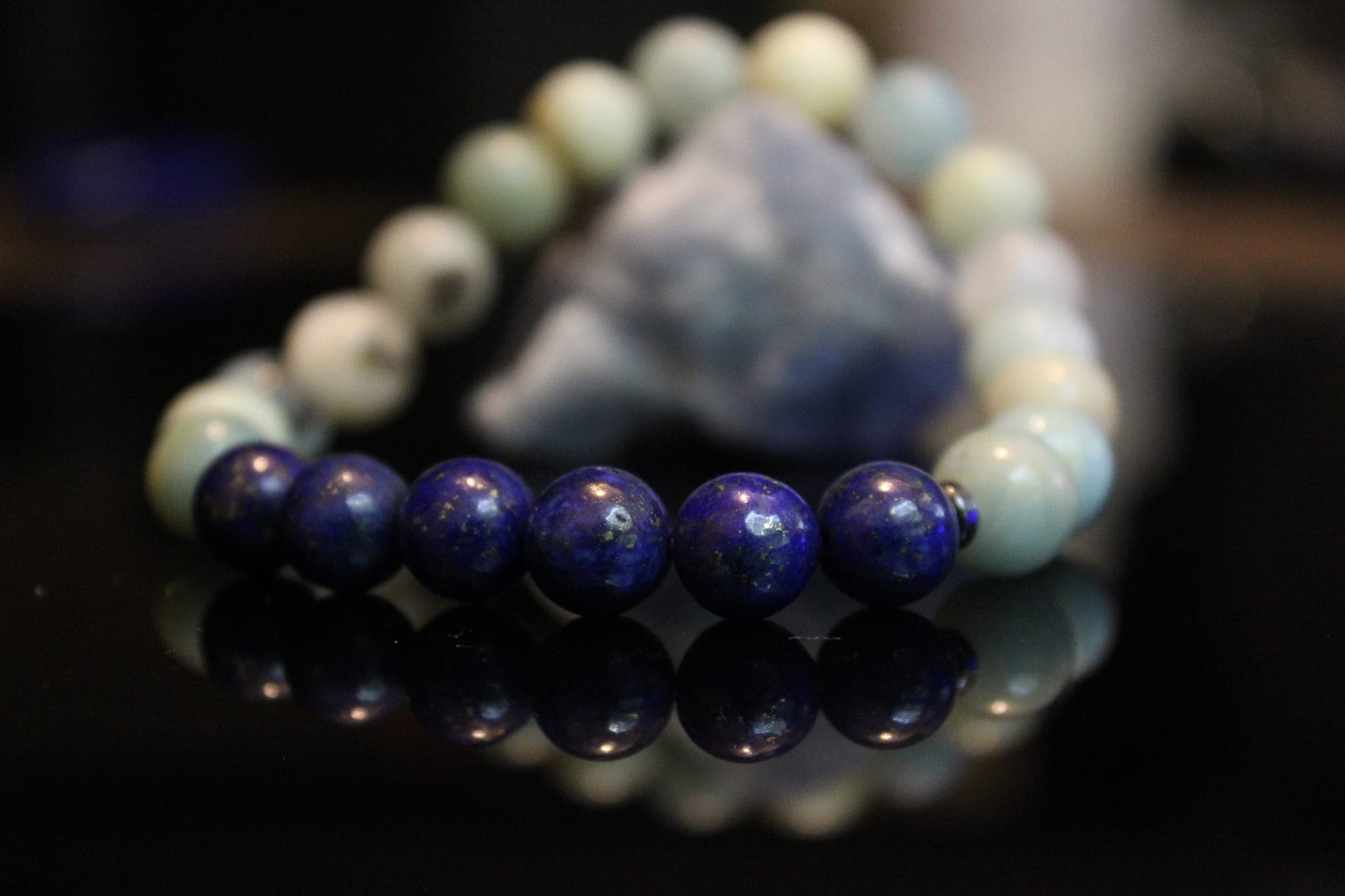
Lapis is a mix of blue lazurite, white calcite and gold flecks of pyrite. The calcite reacts to acids and prolonged moisture, and the pyrite has the problem described above. At 5–5.5 on the Mohs scale it's also softer than most stones people wear.
Quick reference
| Stone | Hardness (Mohs) | What water does | Clean it with |
|---|---|---|---|
| Selenite | 2 | Clouds, pits and slowly dissolves the surface | A dry cloth only |
| Angelite | 3.5 | Slowly turns it into softer gypsum | A dry cloth only |
| Pyrite | 6–6.5 | Starts "pyrite decay": dulling, powder, crumbling | A dry cloth only |
| Malachite | 3.5–4 | Degrades the polish; copper can leach | A barely damp cloth, dried at once |
| Lapis Lazuli | 5–5.5 | Dulls the calcite and the pyrite flecks | A barely damp cloth, dried at once |
Put it into practice
How to cleanse them instead
Cleansing in the crystal sense is a tradition, a way of marking a fresh start with a stone. Physically, the only thing a stone needs is to be free of dust and skin oils. Neither job needs water.
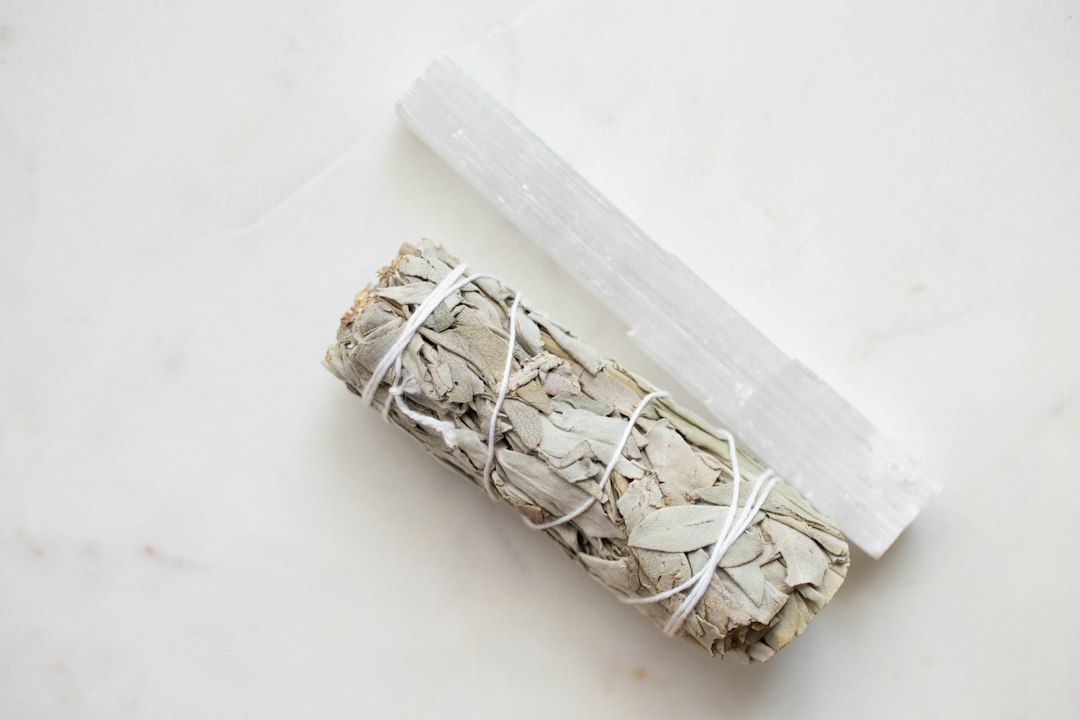
Step 1
Clean off the dust
Wipe the stone with a soft, dry cloth. For carved detail or crevices, use a soft, dry makeup brush or paintbrush. A barely damp cloth is the most you should try on Malachite or Lapis, dried immediately. Skip even that on Selenite, Angelite and Pyrite.
Step 2
Pick a dry traditional method
Choose moonlight, smoke, sound or breath. Moonlight means an indoor windowsill overnight, since outdoor dew is exactly the problem. Smoke means a pass through incense in a ventilated room. Sound means a bell or singing bowl rung nearby for a minute.
Step 3
Skip the salt and the soil
Don't bury these stones in salt, sand or soil. Salt draws moisture out of the air and can etch soft stones, and soil is damp by nature. Dry brown rice in a sealed container works if you like the idea, as long as the stone is wiped first.
Step 4
Store them dry
Keep them in a drawer or box, with a silica gel packet if your home is humid. Wrap Selenite and Angelite separately, since they scratch easily and shouldn't rub against harder stones.
What to do if one gets wet
Pat it dry right away with a soft cloth, without rubbing. Let it air-dry somewhere with low humidity and out of direct heat, since a radiator or hair dryer can crack it.
Selenite that has only been briefly wet is often fine apart from a duller patch. Pyrite that starts to show a white powder should be moved away from your other stones, because the decay products can mark whatever they touch.
The stones
Three more that like it dry
These aren't in the never-wet group, but they're happier with the same habit.

Lepidolite
Stone of Transition
layered and soft
A soft mica at 2.5–3 on the Mohs scale. Soaking can work it loose along its layers, so a dry cloth is the safe default.

Turquoise
Stone of Protection
porous
Perfume, lotion and chlorinated water can discolor it over time. Put it on last, and take it off before swimming or washing up.
Amber
Stone of Ancient Sunlight
fossil resin
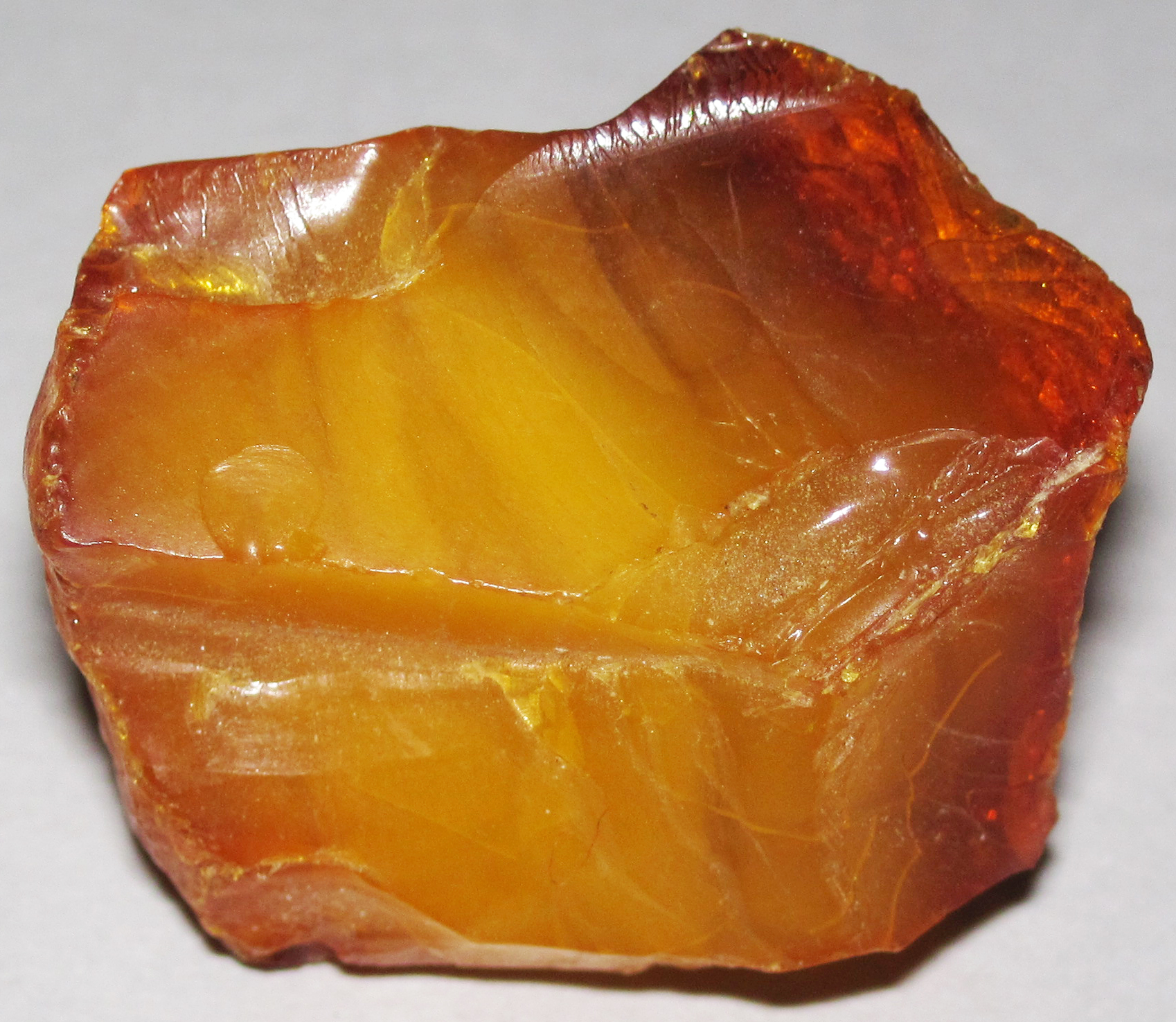
Amber is soft, at 2–2.5, and it dislikes solvents and alcohol-based products such as perfume and hand sanitizer.
The honest version
What's tradition and what's evidence
Tradition
Supported
Not supported
Watch out for
Mistakes to avoid
- Rinsing a stone you haven't identified. Check its crystal page before it goes near the tap.
- Using a salt bowl as a "cleanse." Salt pulls moisture from the air onto the stone.
- Moonlight outdoors. Morning dew is water. Use an indoor windowsill.
- Gem water or elixirs from Malachite. Copper can leach, and drinking it is a real risk.
- Storing Pyrite in a bathroom. Humidity alone is enough to start decay.
Keep exploring
When to pick a stone you can rinse
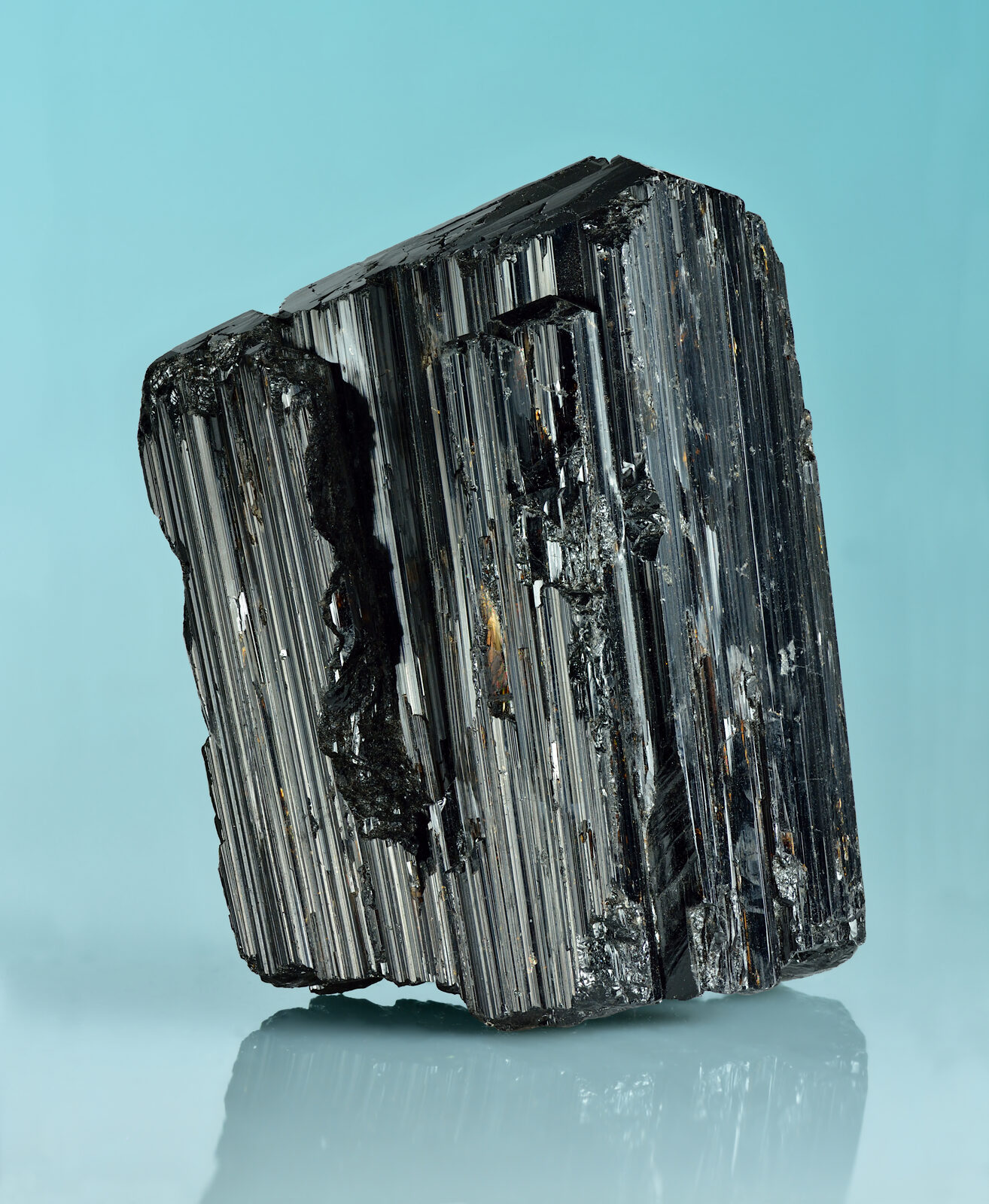
If cleansing under the tap is part of your routine, choose a harder, stable stone. Clear Quartz (7 on the Mohs scale) and Black Tourmaline (7–7.5) both tolerate a quick lukewarm rinse.
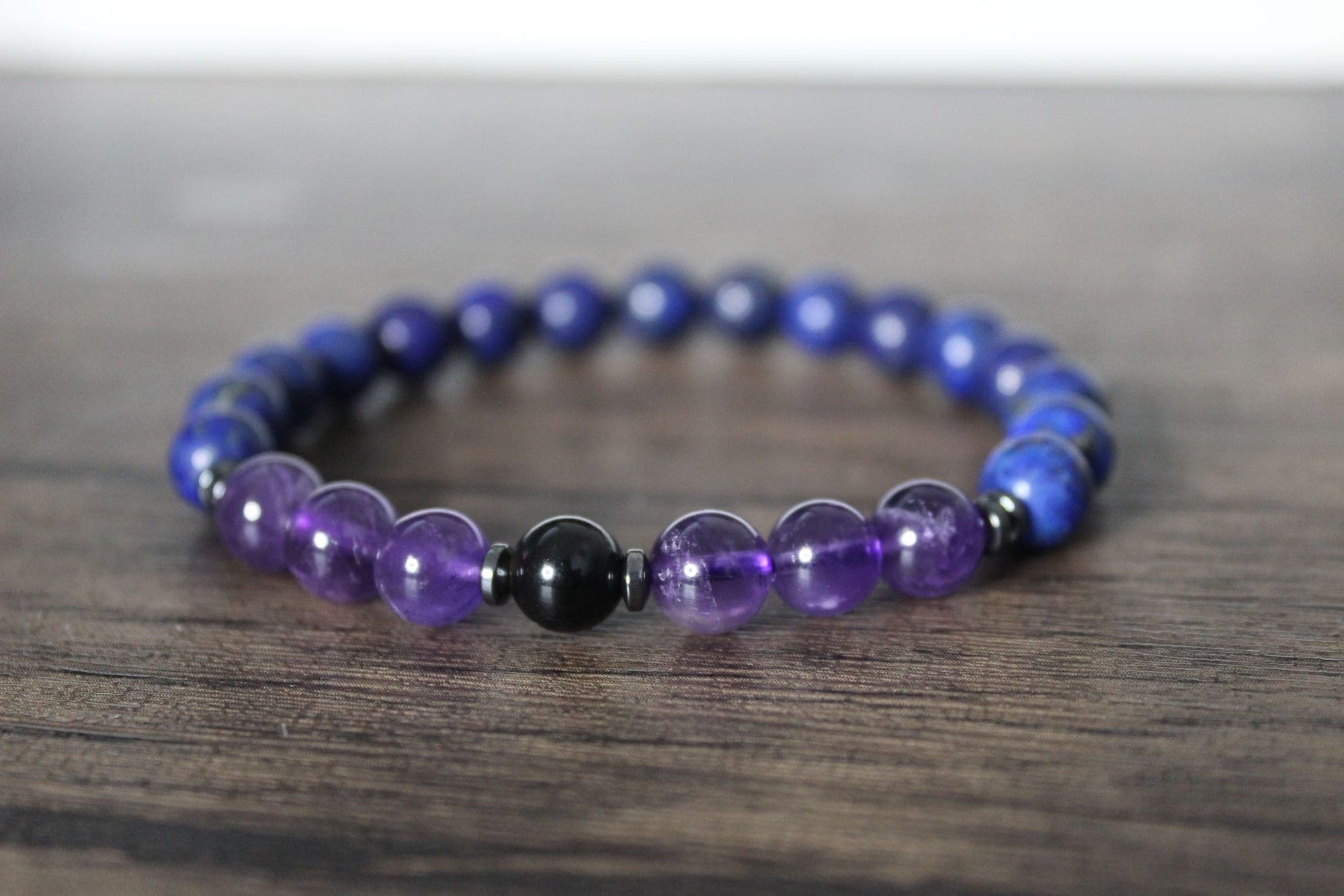
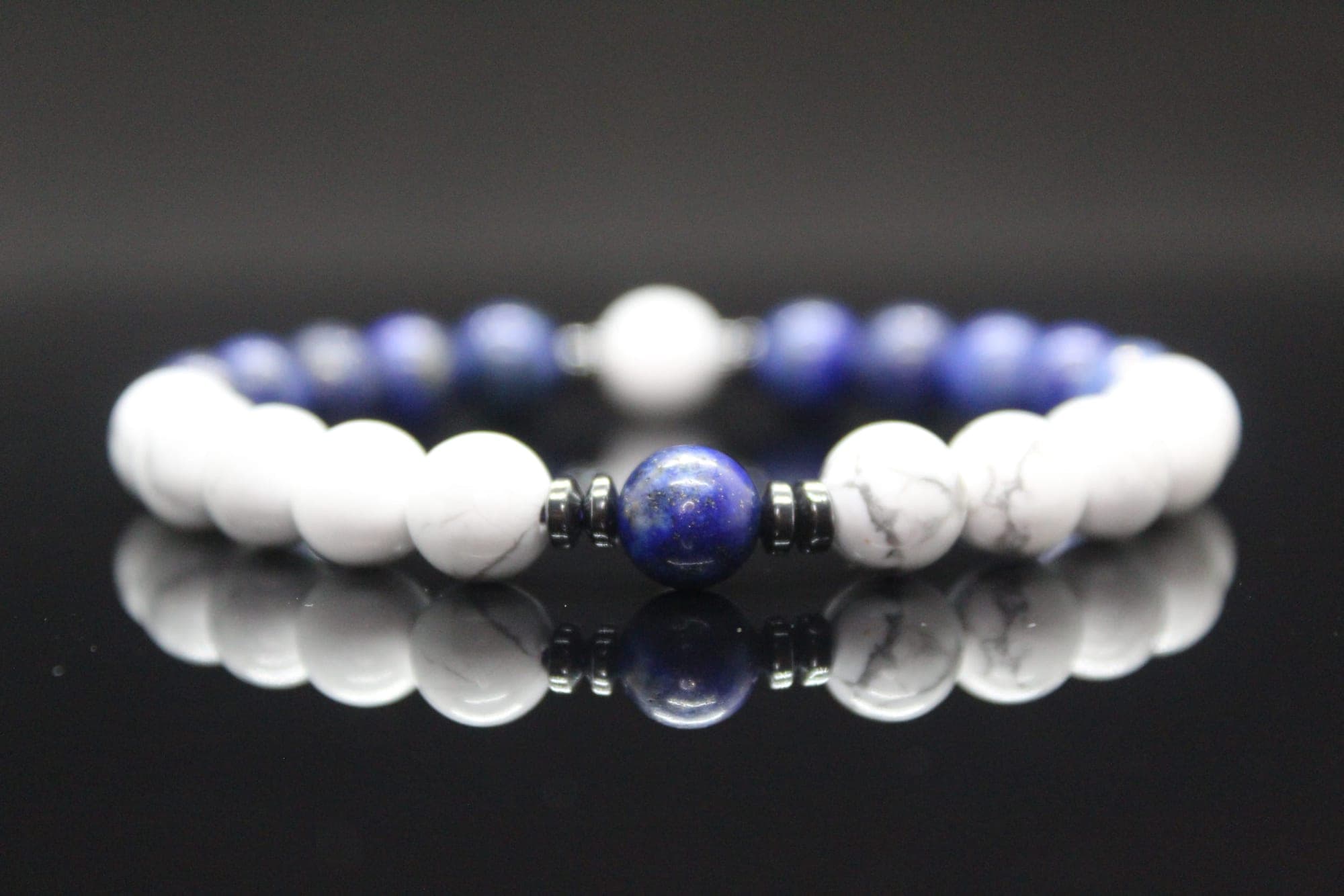
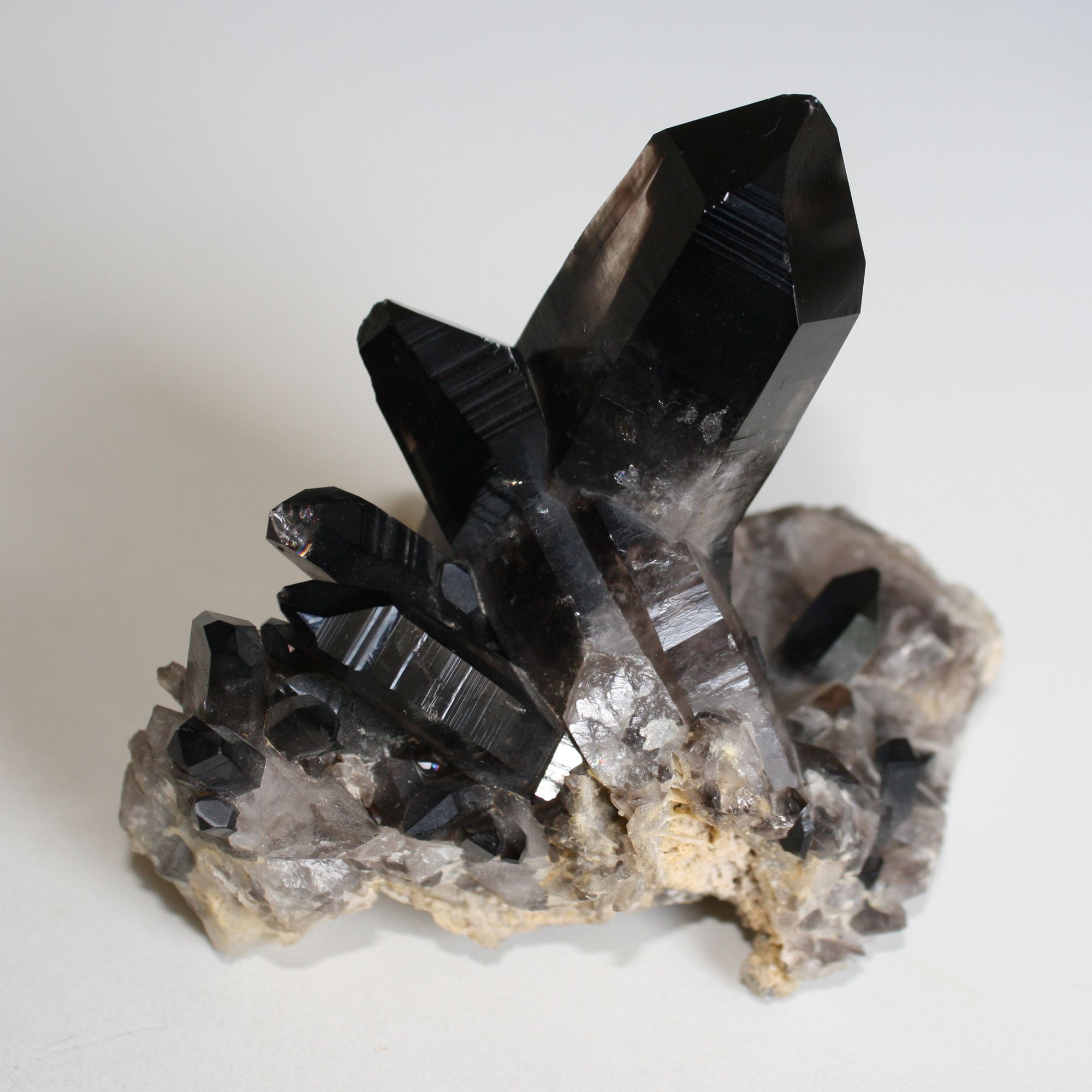
Smoky Quartz + Black Tourmaline pairs two rinse-friendly stones. If you love the dry-only stones, Lapis Lazuli + Selenite pairs two that both like to stay dry, so they share one care routine. You can also browse bracelets in the shop.
Smoky Quartz + Black Tourmaline
Nightmares, protection
Smoky quartz transmutes heavy energy rather than just blocking it; tourmaline blocks whatever's left over — one converts, the other repels.
Read more →Lapis Lazuli + Selenite
Meditation, inner truth
Lapis opens inward reflection; selenite lifts and clears the space around it — a natural fit for meditation practice.
Read more →Good to know
Frequently asked questions
Can I put Selenite in water to cleanse it?
No. Selenite is gypsum, which is slightly water-soluble, so soaking will cloud and pit its surface. Use a dry cloth, and moonlight or smoke for the traditional cleanse.
Can I cleanse Pyrite with salt?
It's best avoided. Salt attracts moisture, and moisture is what breaks Pyrite down. A dry cloth plus moonlight or smoke is safer.
Is a quick rinse okay for Lapis Lazuli?
Skip it if you can. The calcite in Lapis is sensitive to prolonged moisture and acids. A soft, dry cloth does the same job with no risk.
How do I know if my stone has water damage?
Look for a chalky or cloudy surface on Selenite and Angelite, a powdery white or yellowish film on Pyrite, and a dull, rough patch on Malachite or Lapis. A dry wipe won't undo surface damage, but keeping the stone dry stops it getting worse.
A dry stone stays a good stone: keep these five out of the sink and they'll last for decades.