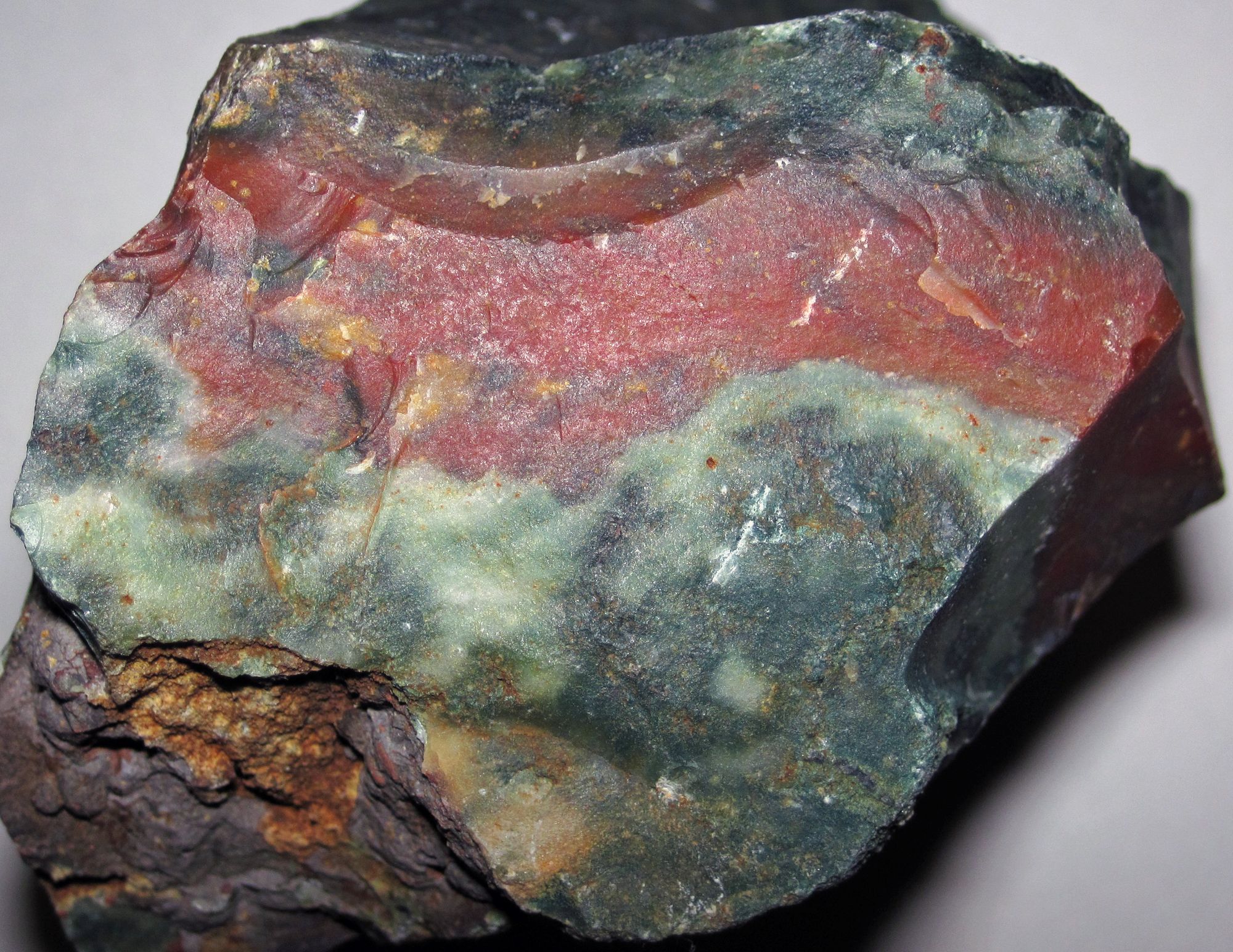
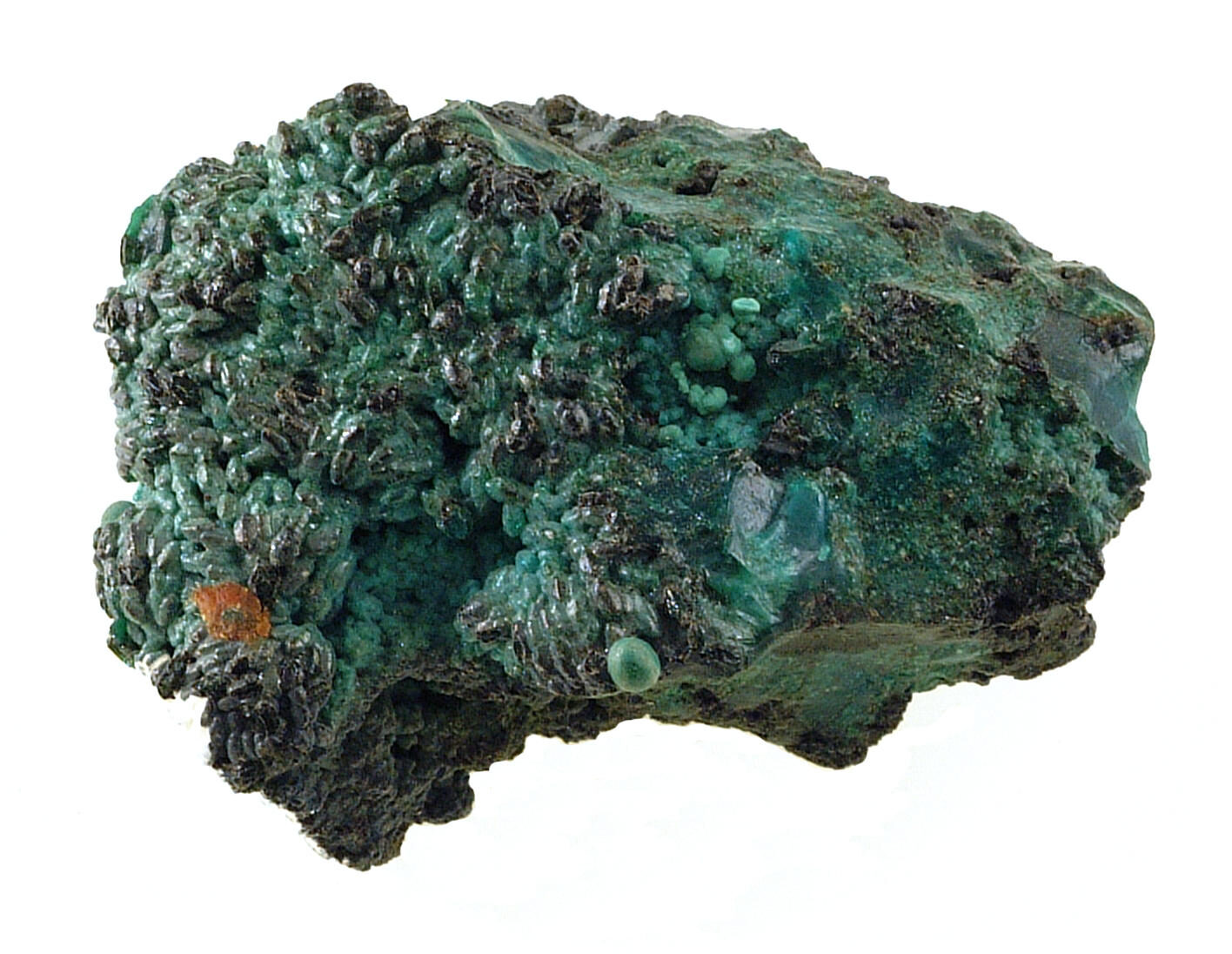
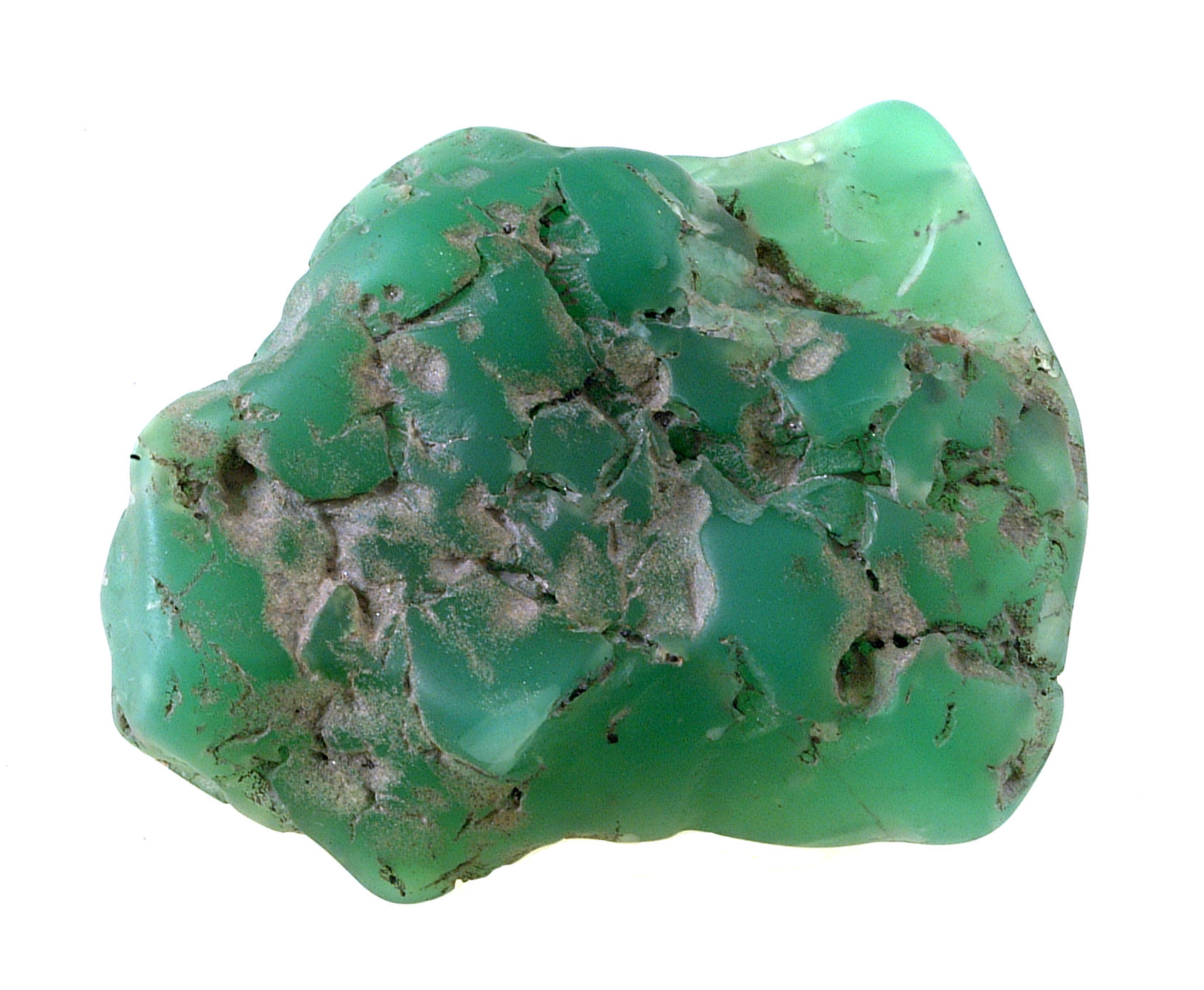
Photo: Robert M. Lavinsky · CC BY-SA 3.0 · Wikimedia Commons
Malachite
Stone of Transformation
Energy Focus
Meaning & uses
Malachite Meaning
Banded in deep, swirling green like tree rings caught in stone, Malachite has stood for change and renewal since long before it was ever cut into jewelry — because for most of human history, it wasn't a gem at all, it was an ore.
What Is Malachite?
Malachite is a copper carbonate mineral, formed when copper-bearing water reacts with carbonate rock in the weathered upper zones of copper ore deposits — a secondary mineral, meaning it forms from other minerals breaking down rather than crystallizing directly from molten rock. Its signature banding comes from that same slow process: as mineral-rich water deposited layer after layer, rhythmic shifts in chemistry produced the concentric, tree-ring-like bands Malachite is known for, sometimes rounded into grape-like clusters called botryoidal formations.
Its name comes from the Greek malache, mallow, after the plant's similarly deep green leaves — a naming convention the Greek naturalist Theophrastus already used around 300 BCE. Today the Democratic Republic of the Congo is the world's largest source, with significant deposits also in Russia and Australia.

A Stone With a History
Malachite holds a genuinely foundational place in human history: it's one of the first minerals ever smelted for metal, with evidence of copper extraction from malachite ore stretching back more than 7,000 years — among the very oldest metallurgy anywhere on Earth. Ancient Egyptians mined it extensively in the Sinai and Timna Valley, both for copper and for the vivid green pigment ground from the stone itself, used as eye cosmetic and associated with the protective Eye of Horus.
Its more recent history is architectural rather than metallurgical. Because large single blocks of gem-quality Malachite are rare, 19th-century Russian craftsmen developed the "Russian mosaic" technique — thin slices of Malachite fitted together over a base material to mimic a solid piece — used to spectacular effect in the Malachite Room of St. Petersburg's Winter Palace, commissioned by Tsar Nicholas I and still displaying some of the most dramatic decorative stonework anywhere in the world.
Meaning and Symbolism
Malachite's "Stone of Transformation" reputation fits a mineral that is, chemically speaking, genuinely unstable and reactive compared to inert stones like Quartz or Agate — its very existence as a secondary mineral is a record of one substance transforming into another. Traditional folklore leaned into that instability directly: Malachite has long been said to visibly change, even crack, when it's absorbed enough negative energy, a specific and distinctive piece of crystal lore not commonly attached to other stones.

That reputation makes it a stone associated less with gentle, steady calm and more with active release — clearing out what no longer serves, even when that process is uncomfortable.
Carried or worn to
- Release old patterns and emotional blockages
- Support courage through difficult change
- Ground intense transformation in the body
- Protect personal energy during transitions
Chakra, Zodiac & Element
Malachite is tied to the Heart Chakra, its deep, saturated green read as emotional depth rather than the lighter, more surface-level associations gentler green stones carry. Its Earth element matches its literal origin as an ore mineral, dense and mined rather than delicate.
Astrologically it's linked to Scorpio and Capricorn — Scorpio for transformation and intensity, Capricorn for the grounded discipline needed to actually follow through on change rather than just wish for it.
How to Use and Care for Malachite
Malachite needs more deliberate care than most stones in this directory, for a real chemical reason: it's a copper mineral, and copper-bearing dust from cutting or grinding raw Malachite is genuinely hazardous to breathe, which is why lapidaries wet-cut it and wear respirators. Finished, polished jewelry is a different matter — sealed and stable for normal wear — but the stone should still be kept dry, away from water, salt, and household chemicals, all of which can degrade its surface over time.
One specific practice to avoid entirely: never use Malachite to make a gem elixir or infuse drinking water, a practice sometimes suggested for other crystals. Copper can leach into water, and ingesting it is a genuine health risk — this is one of the few places in this directory where a stone's traditional use and basic safety genuinely conflict, so treat any suggestion otherwise with real skepticism. At 3.5–4 on the Mohs scale, it's also soft enough to need a protective setting in rings.
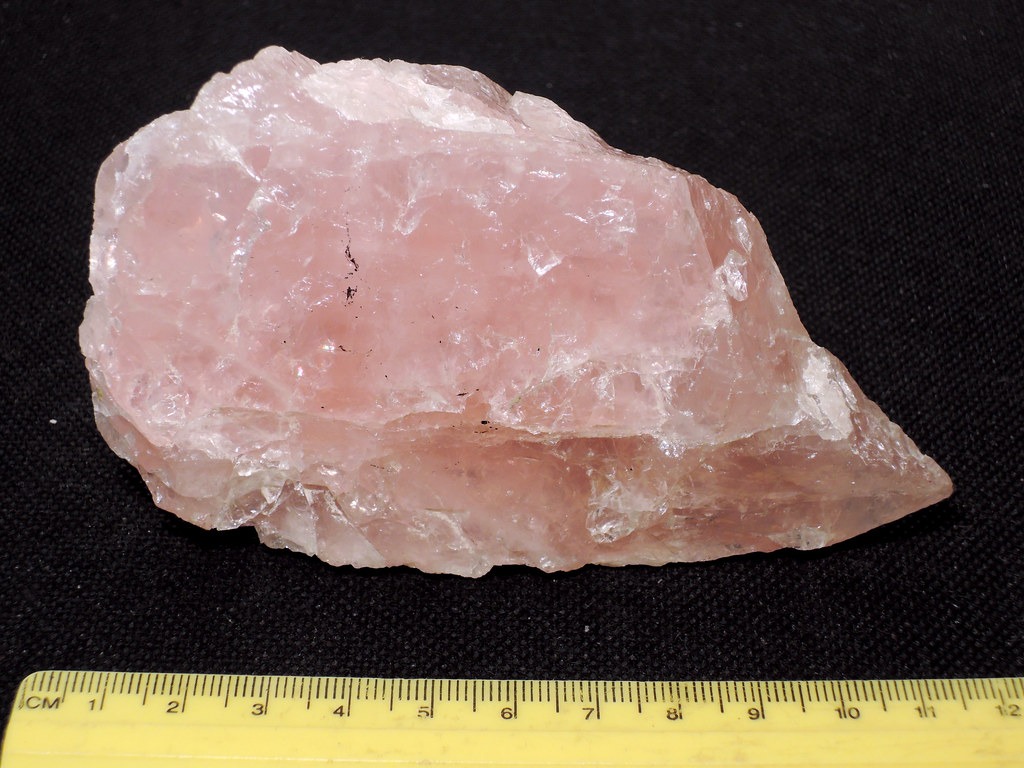
Malachite pairs well with Rose Quartz, which softens the harder, deeper work Malachite does underneath; see our Crystal Combinations guide for more on why it works.
Frequently Asked Questions
What is Malachite made of?
Is Malachite safe to wear?
Can Malachite go in water?
Why was Malachite used as Egyptian eye makeup?
What chakra is Malachite associated with?
Is Malachite rare?
A stone that doesn't just represent change — its whole chemistry is built from it.
Shop by energy
Bracelets for the Heart chakra
We don't have a Malachite bracelet yet. These share its Heart chakra energy.
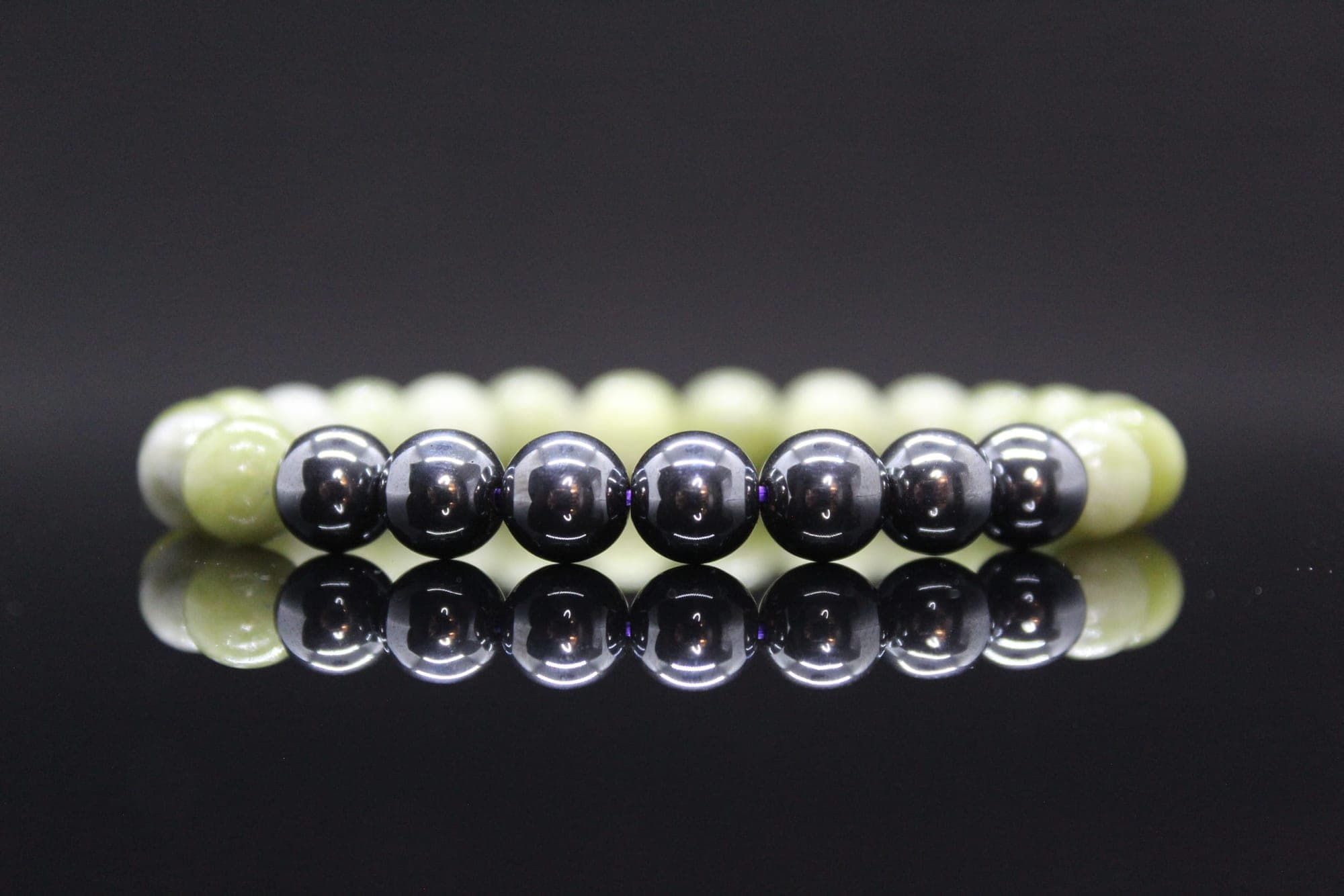
Life Force Energy Bracelet
$24.00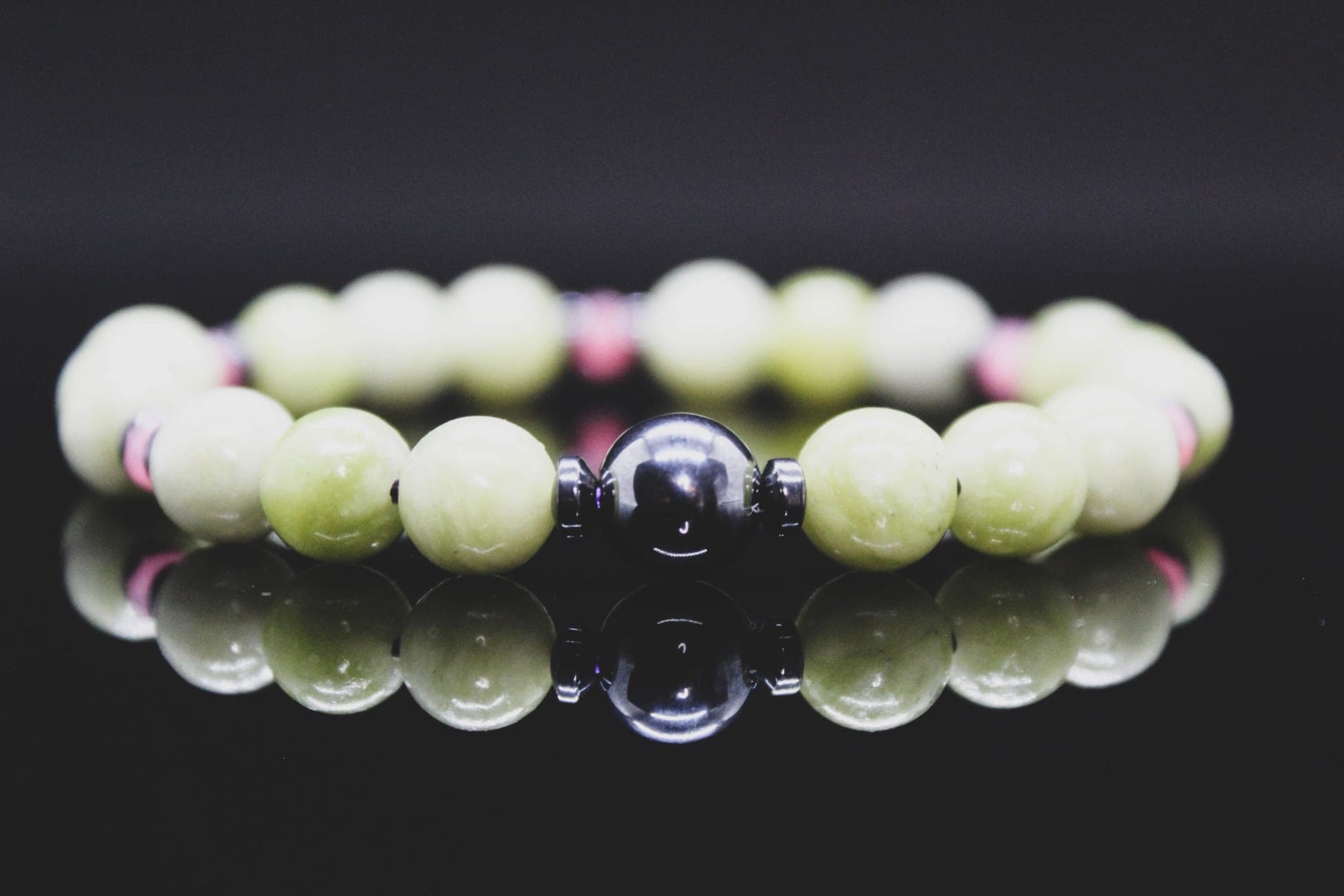
Grounding Love Energy Bracelet
$33.00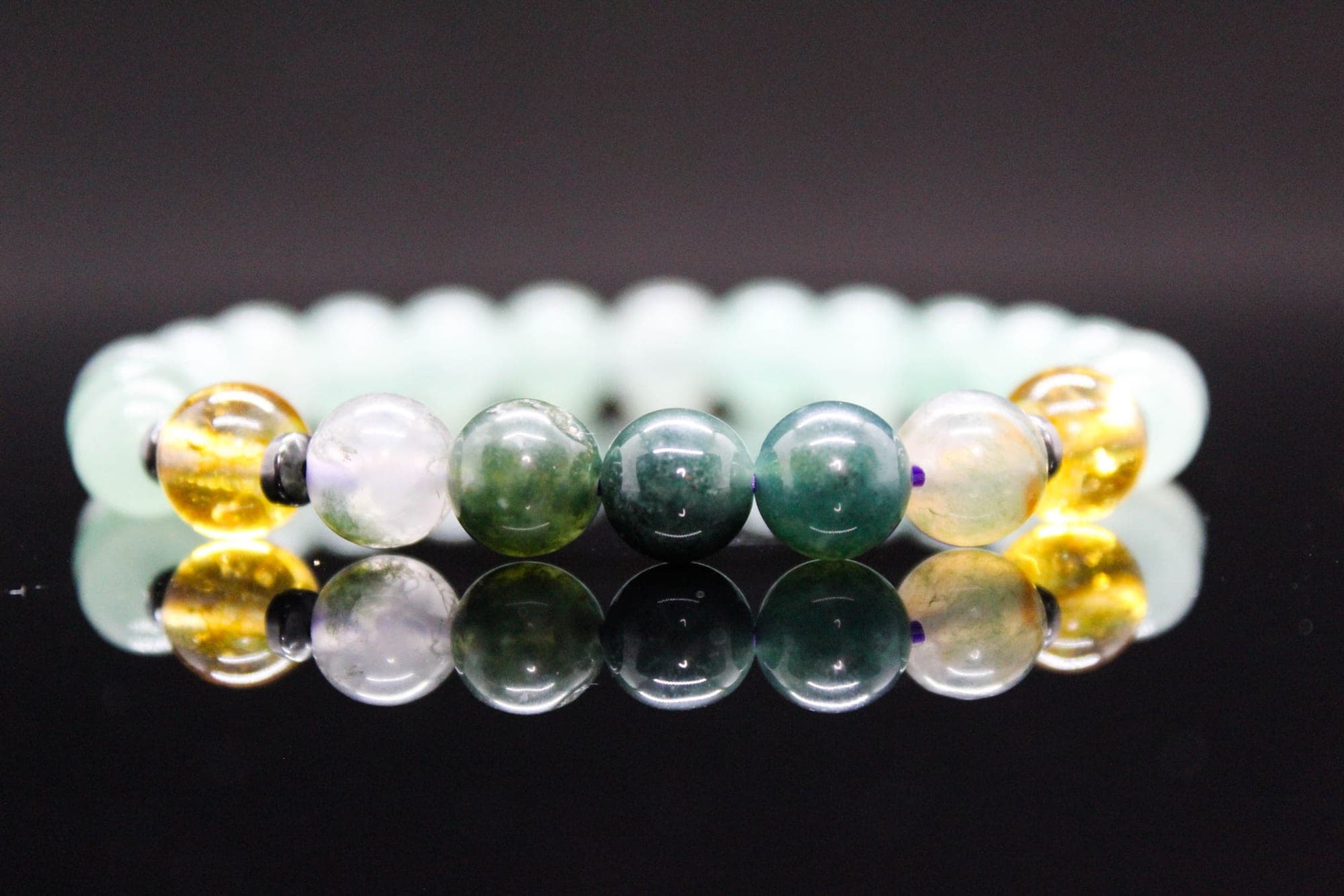
The Opulence Energy Bracelet
$33.00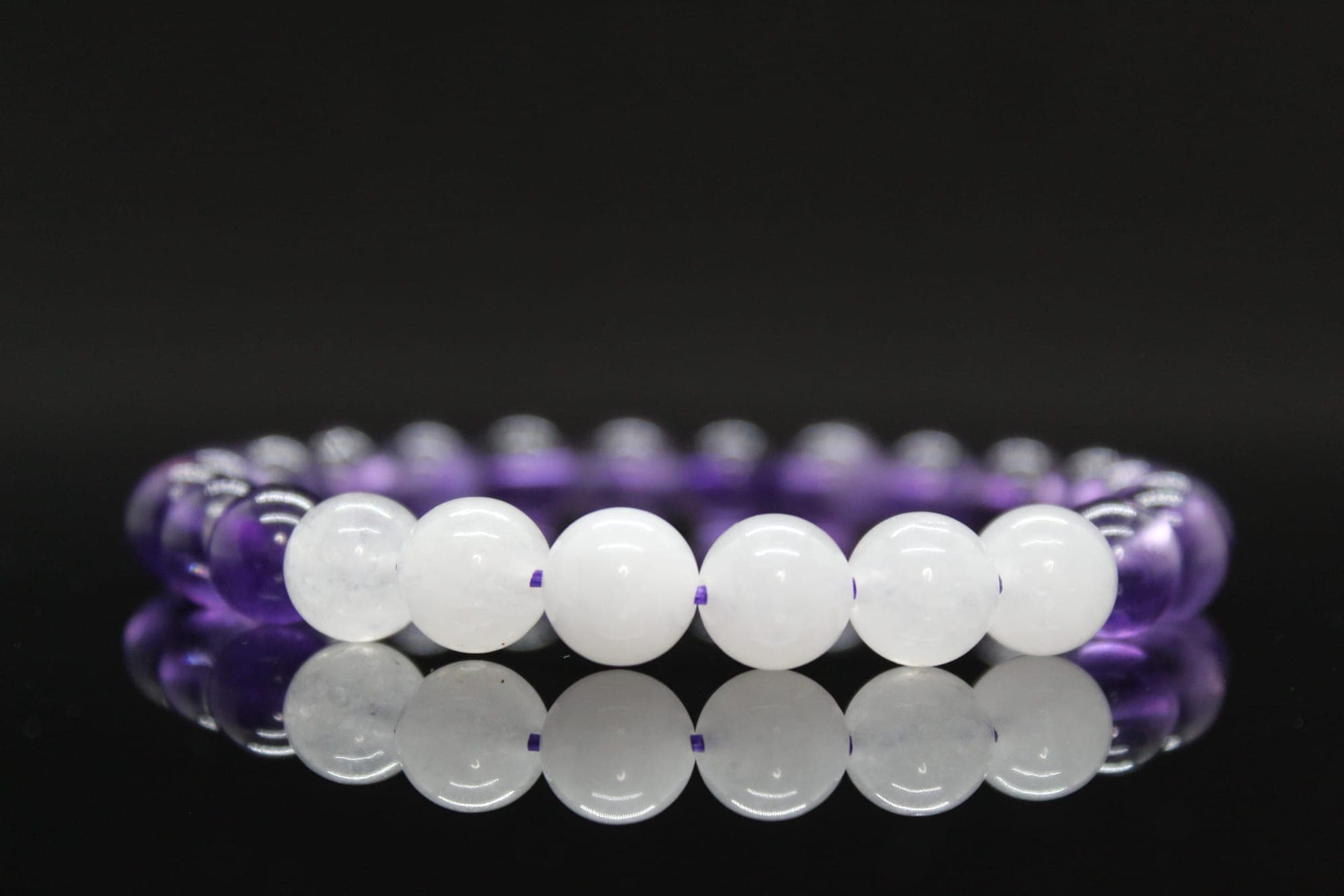
Divine Calming Energy Bracelet
$24.00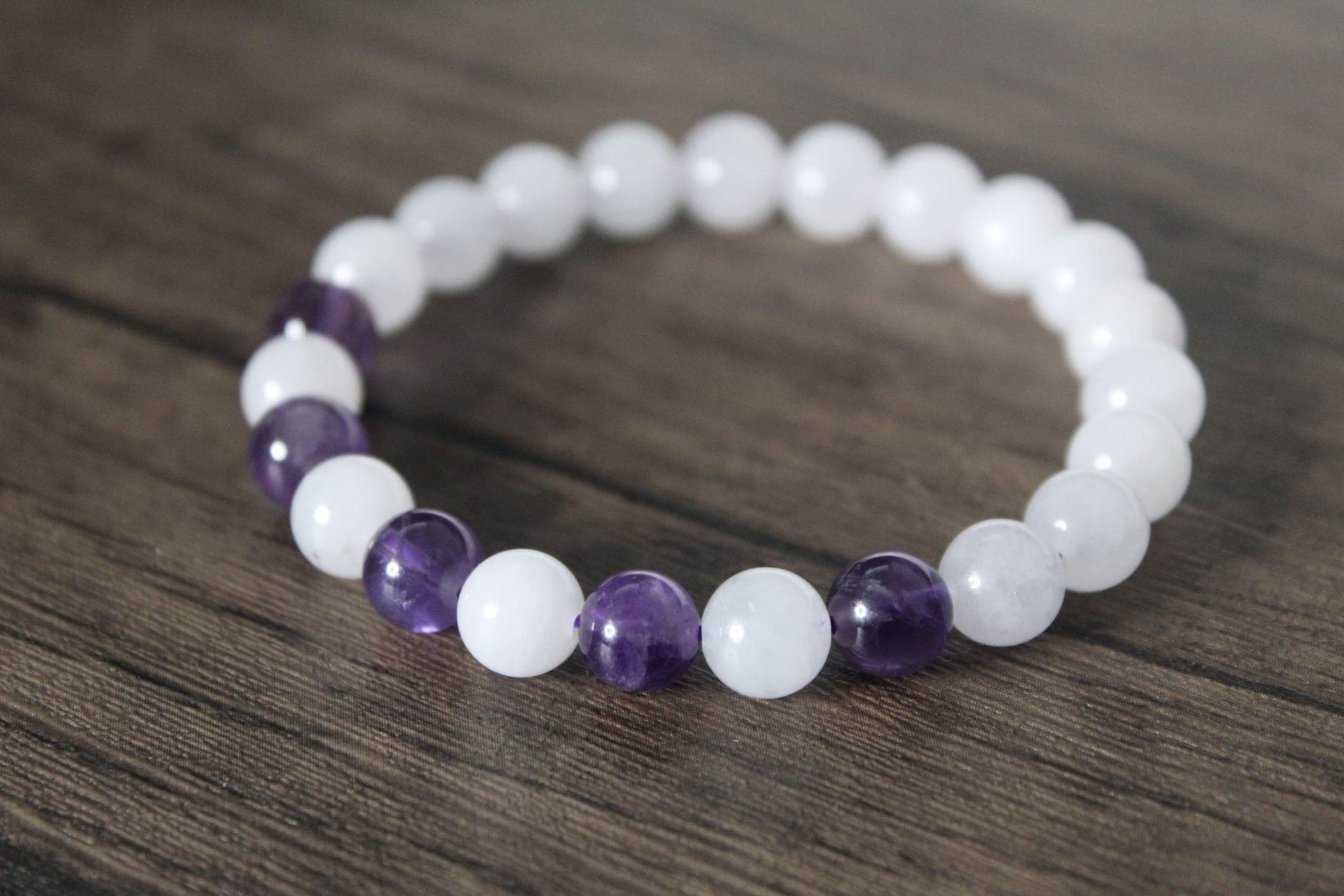
Divine Thoughts Energy Bracelet
$33.00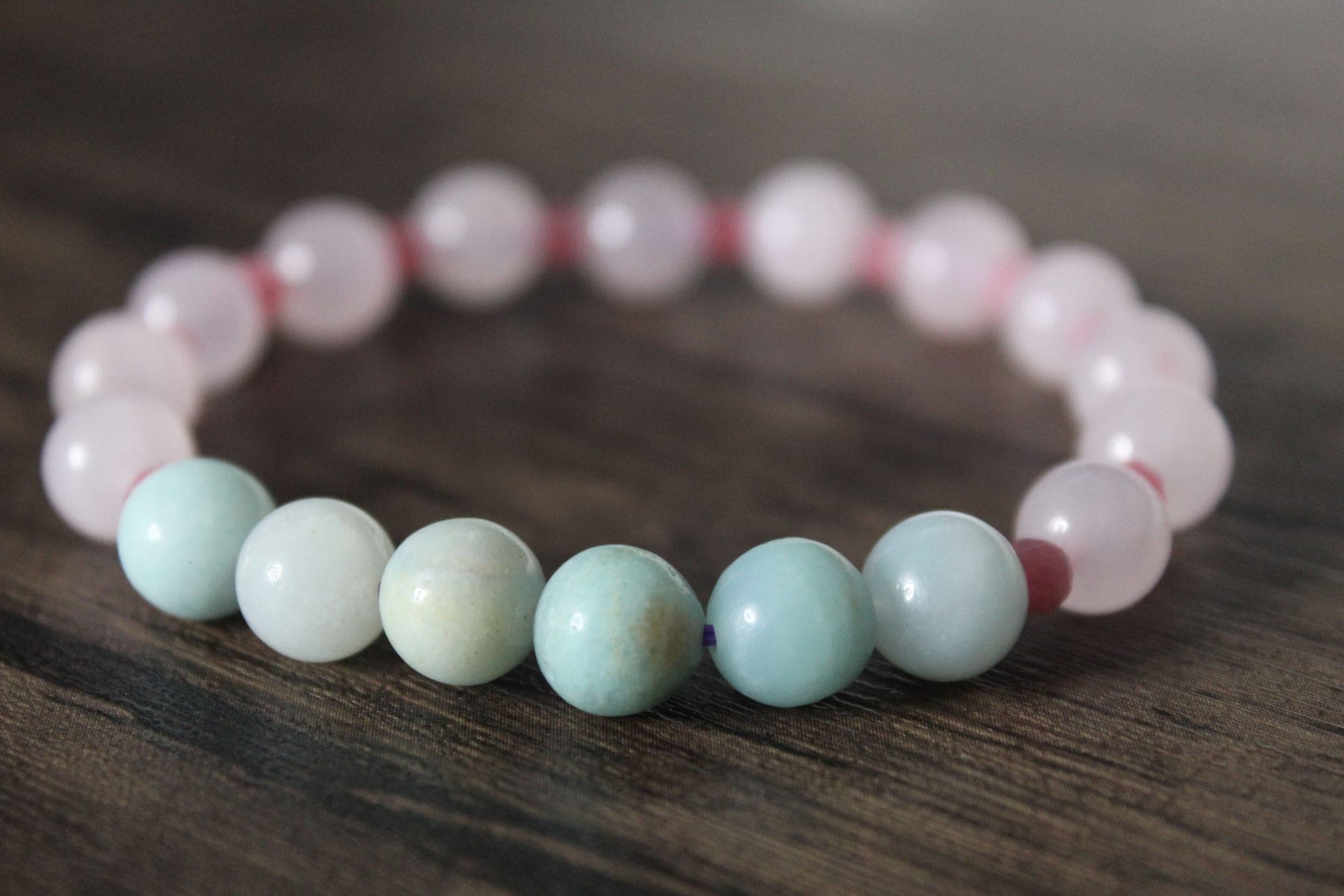
More Love Energy Bracelet
$33.00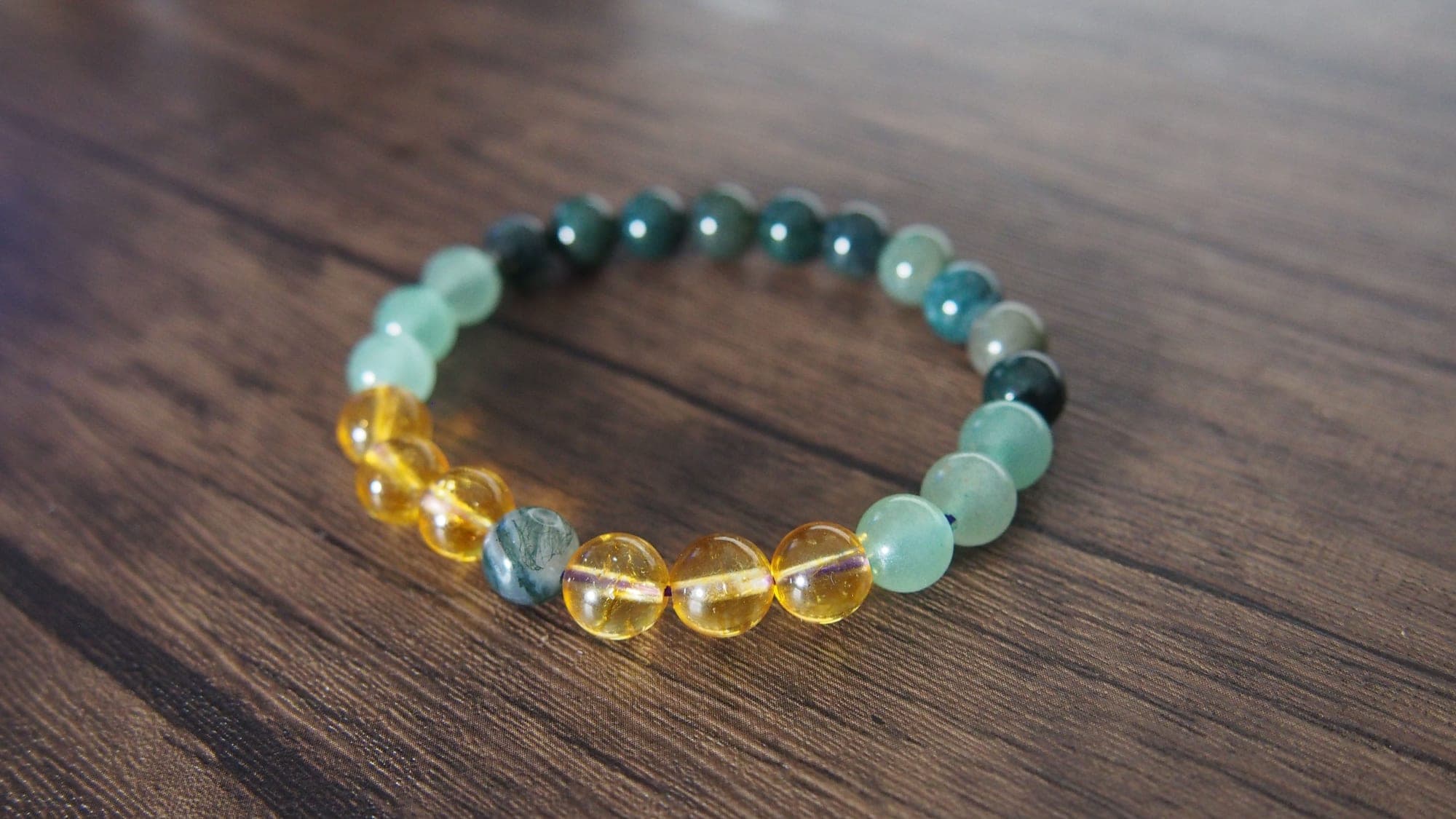
The Dinero Energy Bracelet
$33.00