Photo: Глеб Коровко · Pexels License · Pexels
Pyrite
Stone of Abundance
Energy Focus
Meaning & uses
Pyrite Meaning
Bright, metallic, and famous for fooling prospectors out of their good sense, Pyrite has stood for abundance for a very different reason than its "fool's gold" nickname suggests — it's a stone that's had to earn its reputation the hard way.
What Is Pyrite?
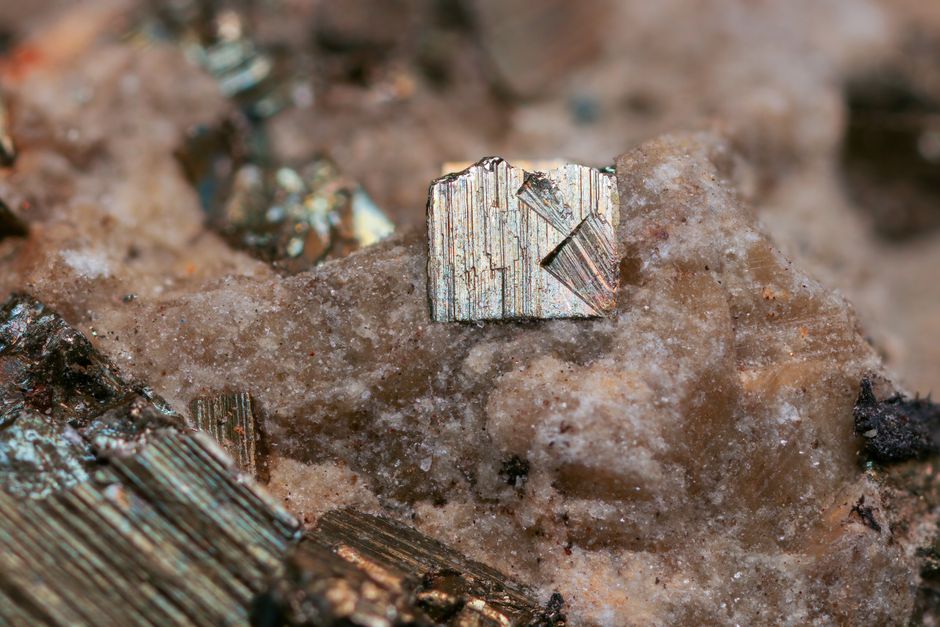
Pyrite is iron sulfide, one of the most common sulfide minerals on Earth, and one of the most recognizable — it crystallizes in the cubic system, often forming sharp, well-defined cubes with faces marked by fine parallel striations, a signature texture caused by the crystal alternating between two related growth forms as it develops. Its name comes from the Greek pyr, meaning fire, because striking Pyrite against flint or steel throws off genuine sparks.

That spark-producing property wasn't just a curiosity — Pyrite was a genuine fire-starting tool for tens of thousands of years, struck against flint to throw sparks onto tinder long before matches existed. Major deposits are found in Peru, Spain, and the United States, though one specific Spanish locality has become legendary in its own right.
A Stone With a History
Pyrite's role as a fire-starting tool is old enough to be archaeologically confirmed rather than merely traditional: Ötzi the Iceman, the roughly 5,300-year-old mummy discovered in the Alps, was found carrying a flint-and-pyrite fire-starting kit among his belongings — one of the oldest, most concrete pieces of evidence for how ancient people actually made fire on demand.
Its more recent reputation comes from the opposite direction: looking too much like something it isn't. Pyrite's brassy, metallic luster has fooled prospectors throughout mining history, particularly during 19th-century gold rushes, into believing they'd struck it rich — hence "fool's gold." The confusion is understandable at a glance but doesn't survive a simple test: gold is soft, dense, and malleable, while Pyrite is notably lighter and brittle enough to shatter rather than bend under pressure.

That town, Navajún, in Spain's La Rioja region, is where some of the most prized specimens in the world come from — cubes so sharp-edged and geometrically perfect they're mined specifically for mineral collectors rather than for Pyrite's more common industrial role as a historical source of sulfur and sulfuric acid production.
Meaning and Symbolism
Pyrite's "Stone of Abundance" reputation carries a useful irony once you know its nickname. It doesn't represent wealth handed over by luck — it represents wealth that looks convincing but demands real effort to actually become something, the same way Pyrite itself demanded real fire-starting work from anyone who carried it. That distinction shapes its traditional meaning: confidence and abundance earned through action, not wished for passively.
Carried or worn to
- Build confidence and a sense of personal power
- Support focused action toward a goal
- Attract abundance through effort rather than luck
- Shield personal energy in high-pressure situations
Chakra, Zodiac & Element
Pyrite is tied to the Solar Plexus Chakra, the seat of confidence and personal will — a direct match for a golden, spark-throwing stone associated with action rather than passive hope. Its Fire and Earth elements reflect both halves of its identity: Fire for its literal spark-producing history, Earth for its dense, mined origin.
Astrologically it's linked to Leo, a sun-ruled sign defined by confidence — a natural pairing for a stone that shines like gold and behaves nothing like it.
How to Use and Care for Pyrite
At 6–6.5 on the Mohs scale, Pyrite resists everyday scratching well, but it needs one specific care consideration most other stones in this directory don't: prolonged exposure to moisture or humidity can cause Pyrite to oxidize and gradually break down, a well-documented issue mineral collectors call "pyrite decay." Keep it dry, store it away from humid environments, and skip water cleansing entirely — a soft, dry cloth is the safer routine choice.
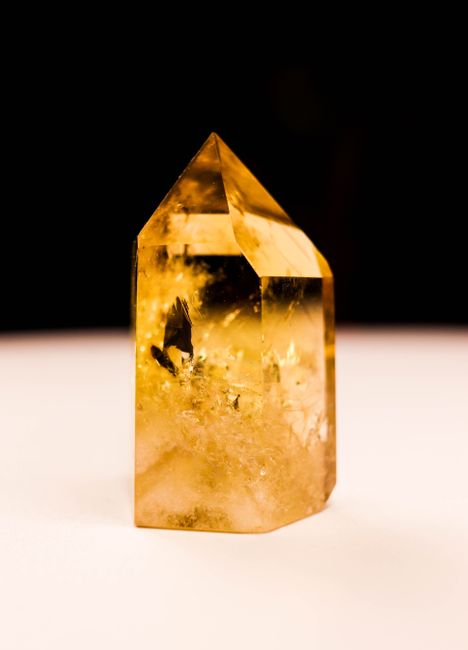
Pyrite pairs well with Citrine, the two working as a team where Citrine is traditionally said to draw opportunity closer and Pyrite supplies the nerve to actually act on it; see our Crystal Combinations guide for more on why the pairing works.
Frequently Asked Questions
Why is Pyrite called "fool's gold"?
Did ancient people really use Pyrite for fire-starting?
Where do the finest Pyrite cubes come from?
Can Pyrite get wet?
Is Pyrite safe to wear every day?
What chakra is Pyrite associated with?
A stone that looks like easy wealth and behaves like earned confidence instead.
Shop by energy
Bracelets for the Solar Plexus chakra
We don't have a Pyrite bracelet yet. These share its Solar Plexus chakra energy.
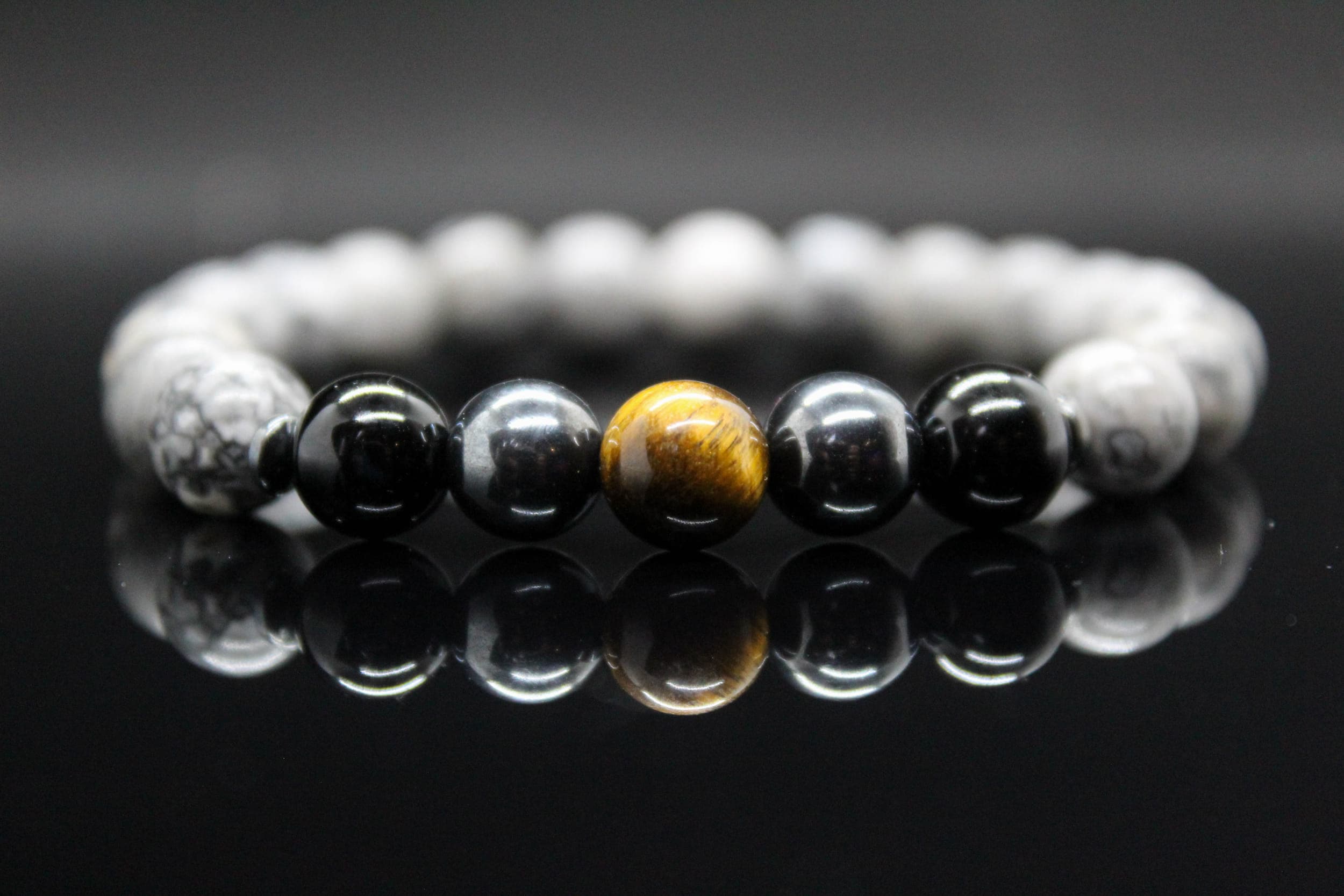
Energetic Balance Energy Bracelet
$24.00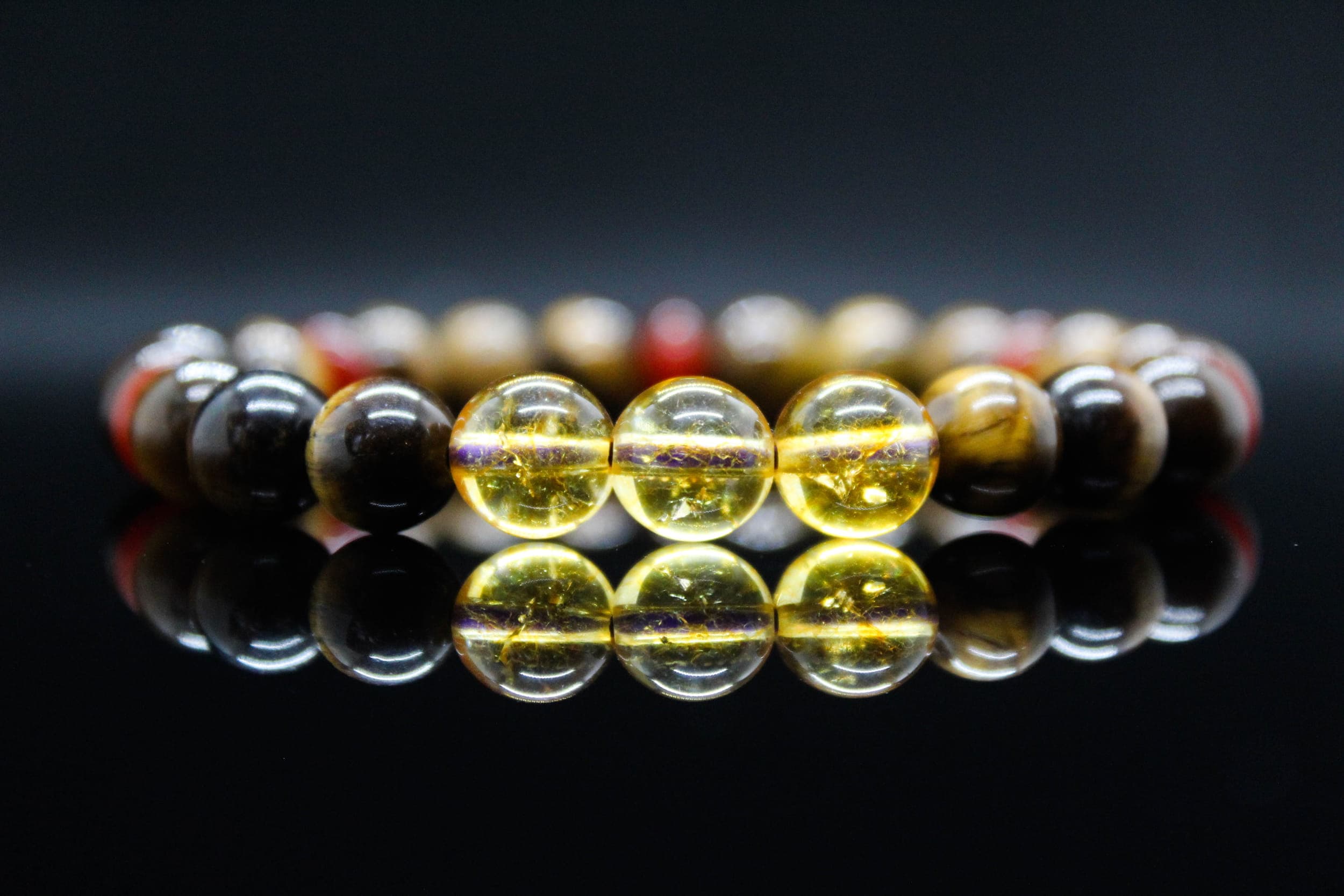
Focus Manifest Energy Bracelet
$24.00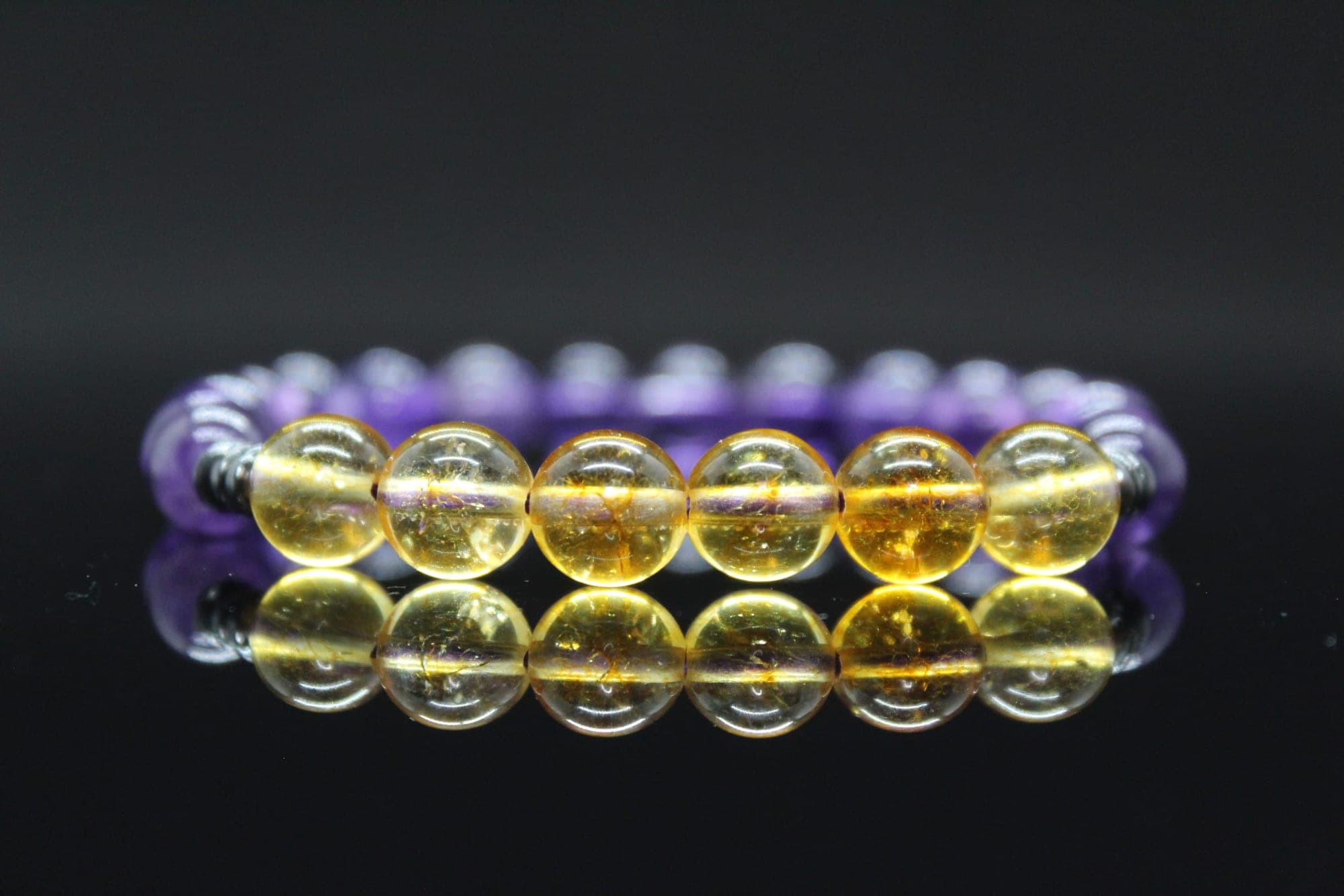
Clear Thoughts Energy Bracelet
$33.00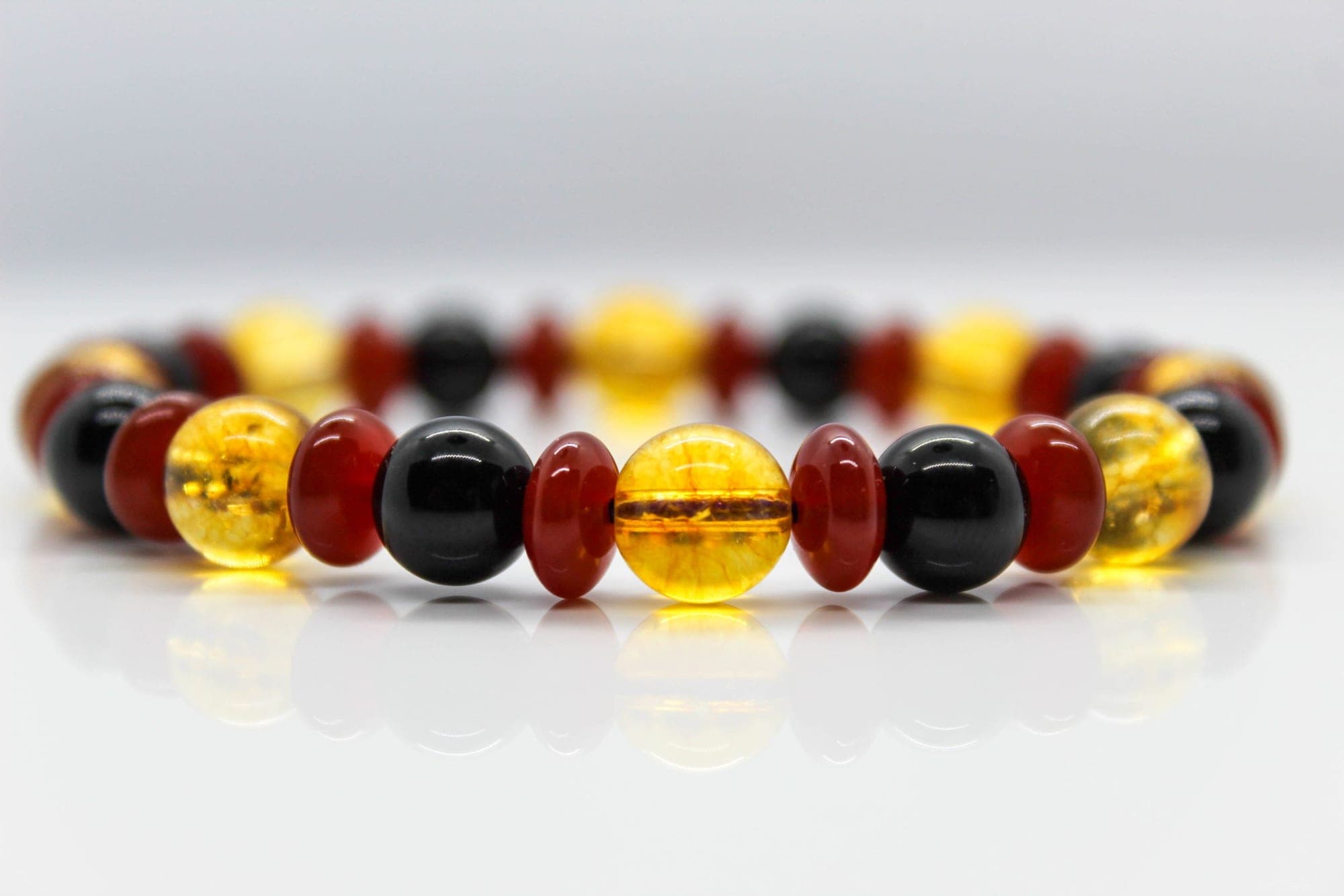
Protective Manifestation Energy Bracelet
$33.00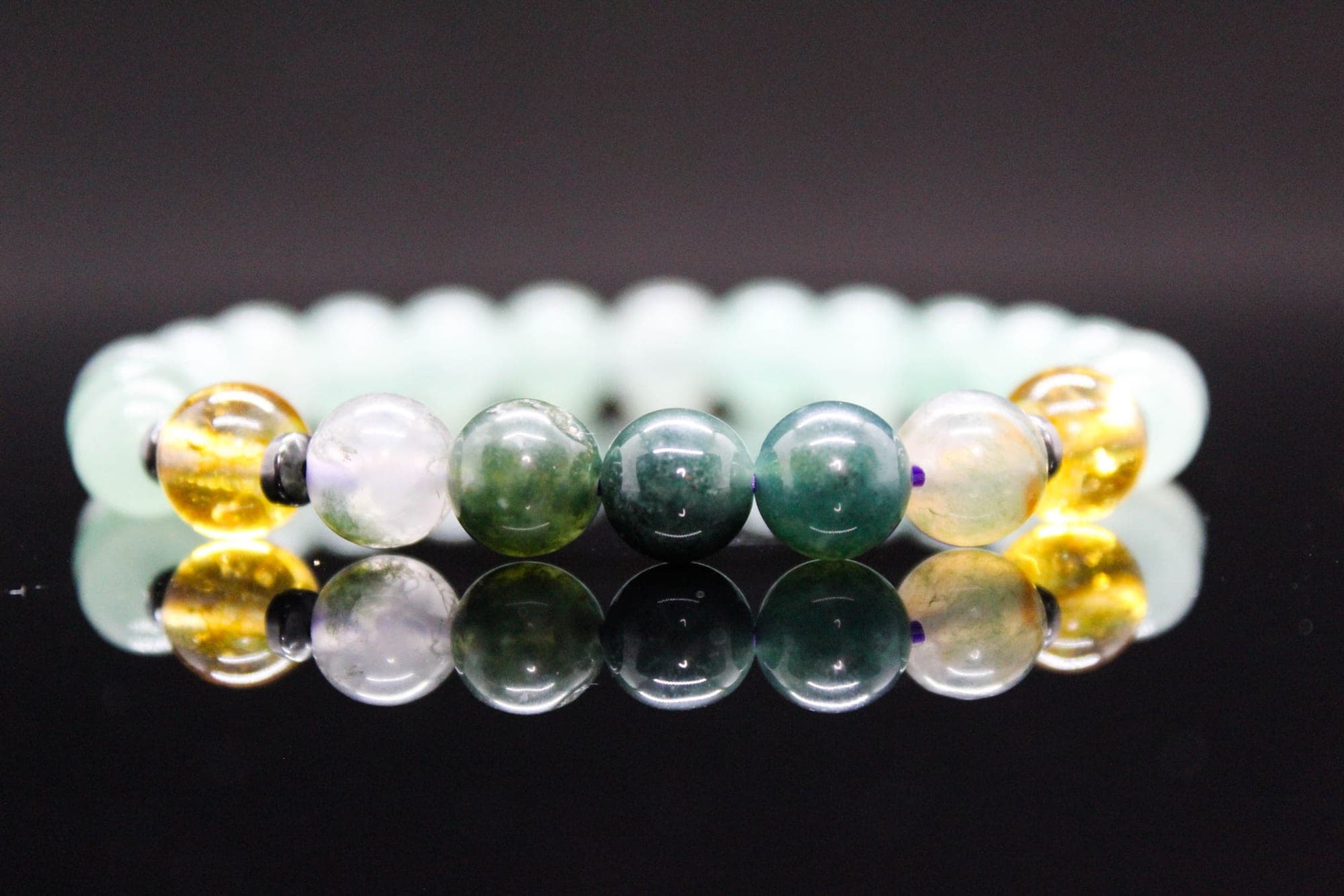
The Opulence Energy Bracelet
$33.00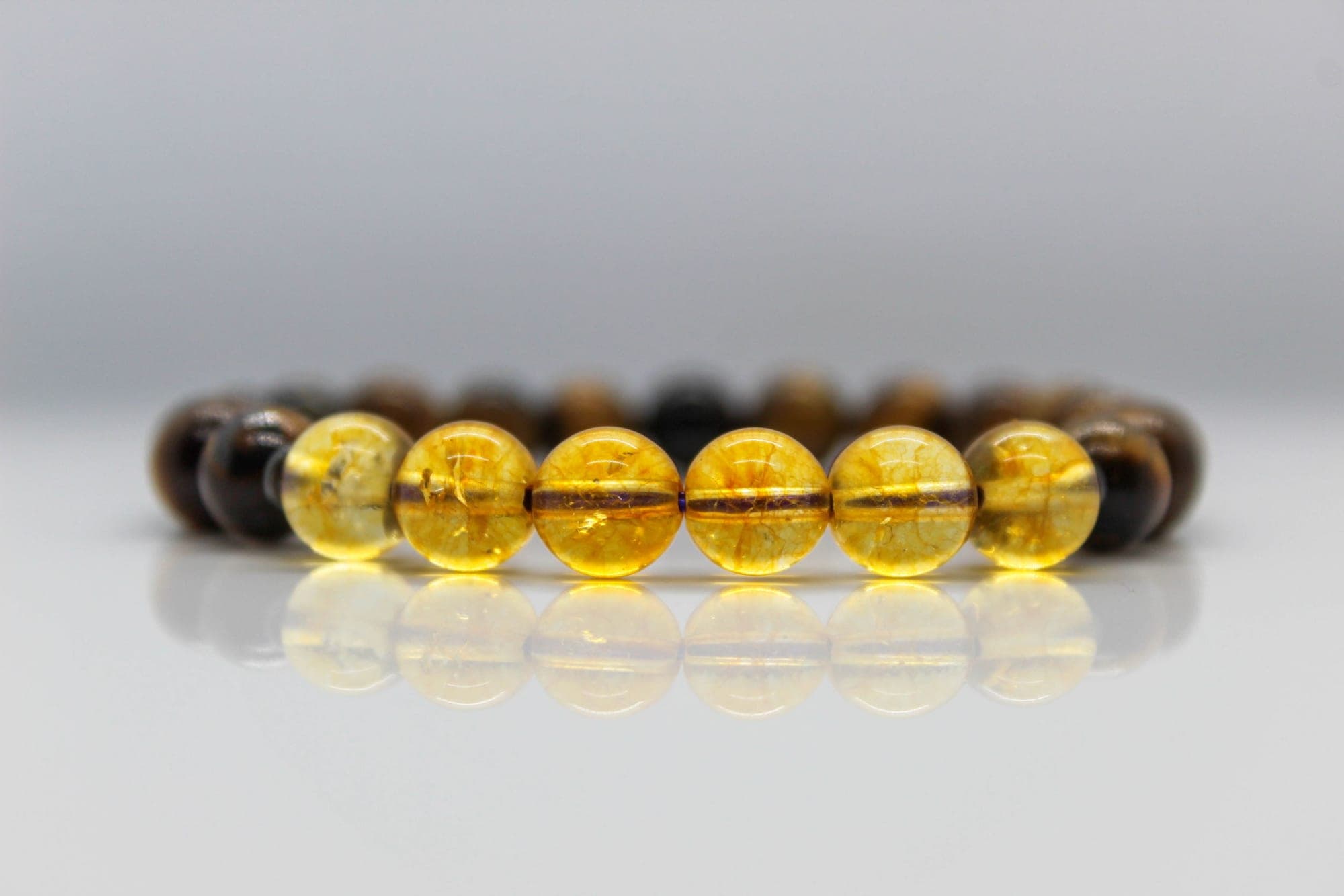
The Symba Energy Bracelet
$33.00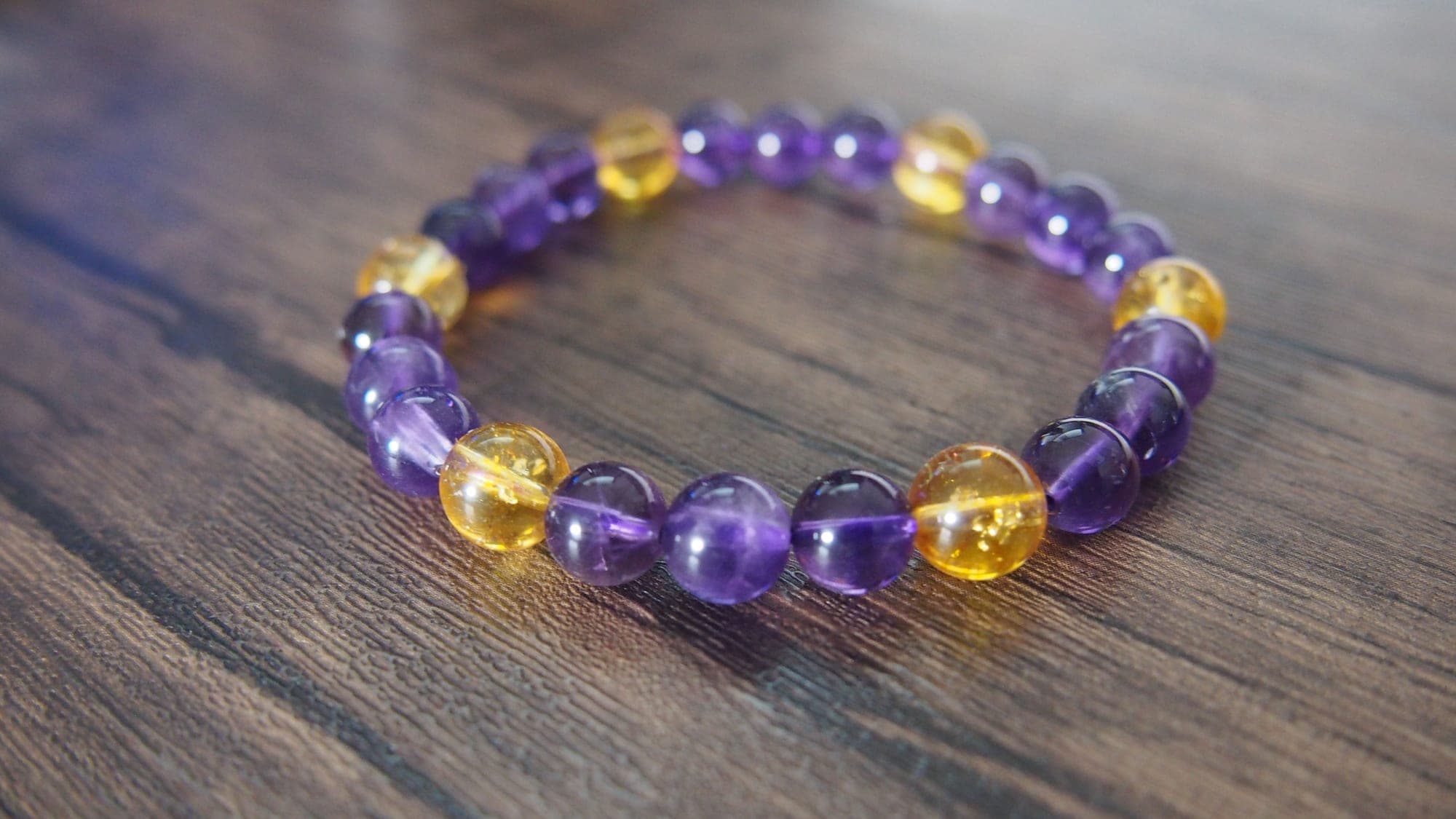
The Kobe Energy Bracelet
$33.00