On this page
You just bought a crystal, or you've had a few on a shelf for a year, and you aren't sure whether to rinse them, sun them or leave them alone.
This guide covers the three parts of crystal care (cleaning, charging and storing) and says plainly which parts are physical and which are tradition.

The short answer
Clean a crystal with a soft, dry or barely damp cloth, and only use water if you know the stone tolerates it. "Charging" is a traditional practice, not a physical process, so pick a method that can't damage the stone. Store stones apart from each other, the soft ones separately, out of long direct sunlight.
If you do one thing tonight, look up your stone's hardness and whether it can get wet. Almost every care mistake comes from skipping that step.
Cleaning versus cleansing
These two words get mixed up, and the difference decides what you actually need to do.
| Cleaning | Cleansing and charging | |
|---|---|---|
| What it is | Removing dust, skin oil and lotion | A traditional ritual to "reset" a stone |
| What it changes | How the stone looks and feels | Nothing physical in the mineral |
| How often | Whenever it looks dull or feels oily | Whenever you like; many people use the moon's phases |
| Can it damage a stone? | Yes, if you use the wrong method | Only salt, soil, water and sun can |
You can do either, both or neither. Only cleaning changes the stone.
The stones
Know your stone first
Two facts decide how to handle a crystal: its Mohs hardness (scratch resistance) and whether it reacts to water. Here are six common stones that cover most of what you'll own.
If yours isn't among them, check its page in the crystal directory before it goes near water. Our guide to crystals that should never get wet covers the water-sensitive group in depth.


Clear Quartz
The Master Healer
the easy one
At 7 on the Mohs scale, quartz handles a quick rinse in lukewarm water and a wipe dry. It's the benchmark the other stones are measured against, and it will scratch anything softer stored beside it.
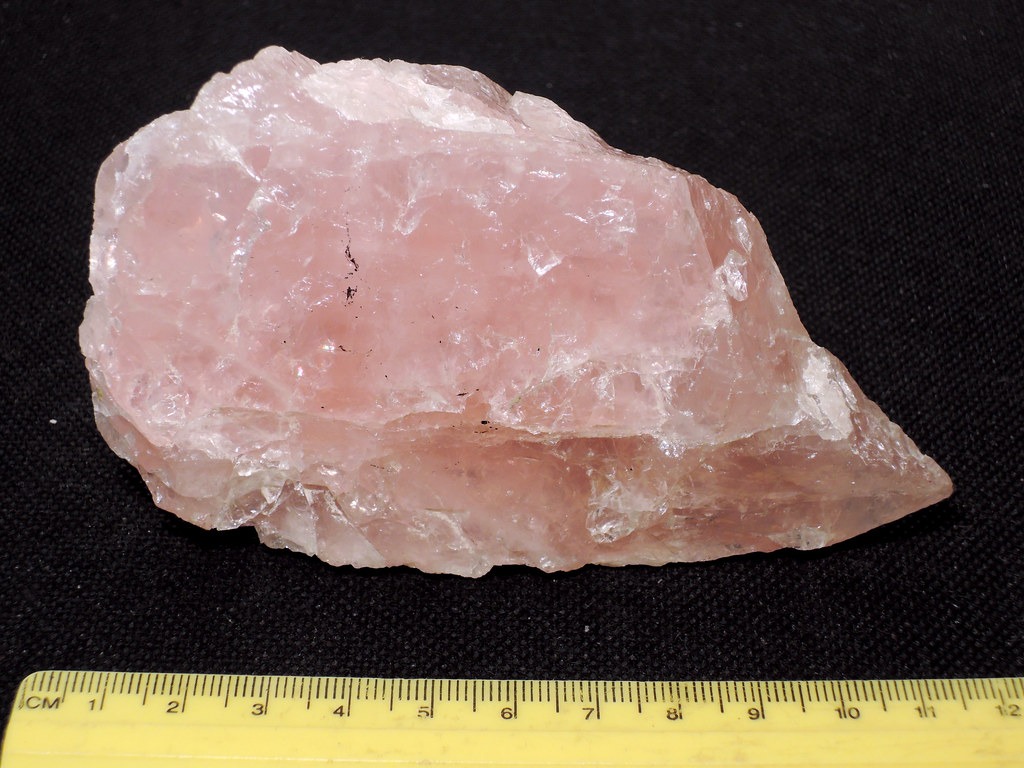
Rose Quartz
Stone of Unconditional Love
hard, but sun-shy
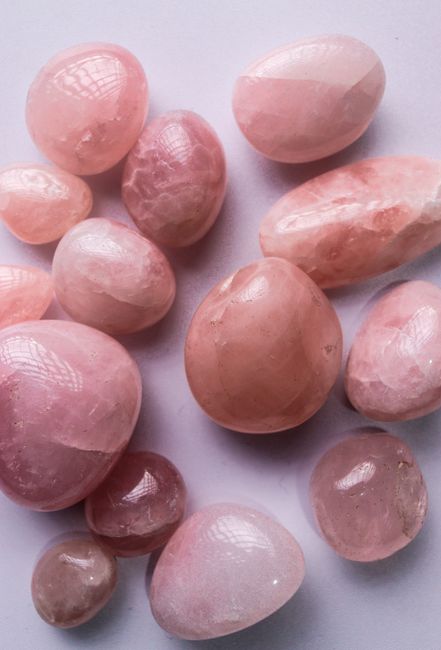
The same hardness as clear quartz, so water is fine. Its weak point is light: long exposure to strong sun can pale its pink, so keep it off sunny windowsills.

Selenite
The Cleansing Light
soft and water-sensitive
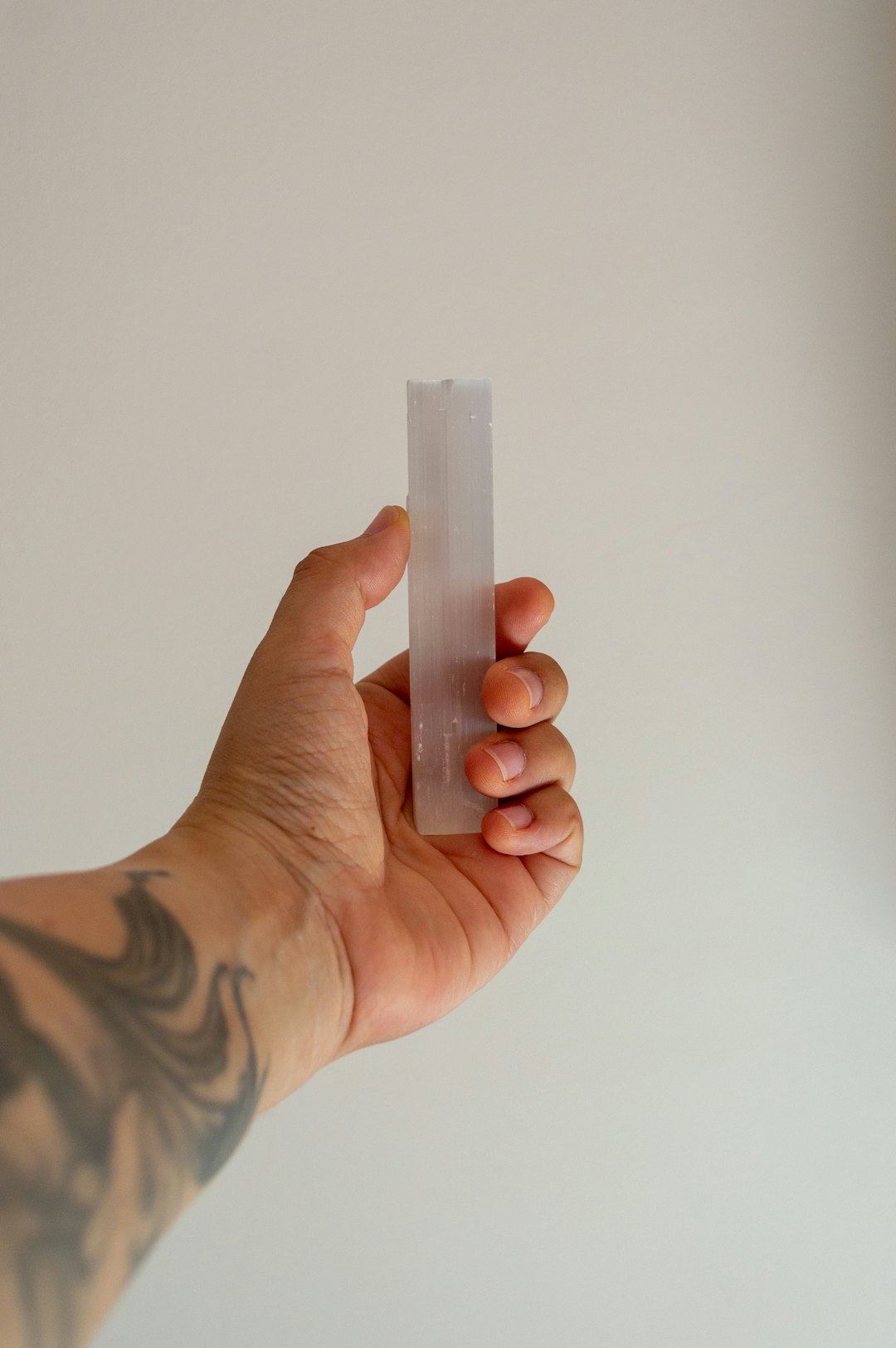
Around 2 on the Mohs scale, soft enough to mark with a fingernail, and slightly water-soluble. Dry cloth only, and its own pouch.

Lepidolite
Stone of Transition
soft and layered
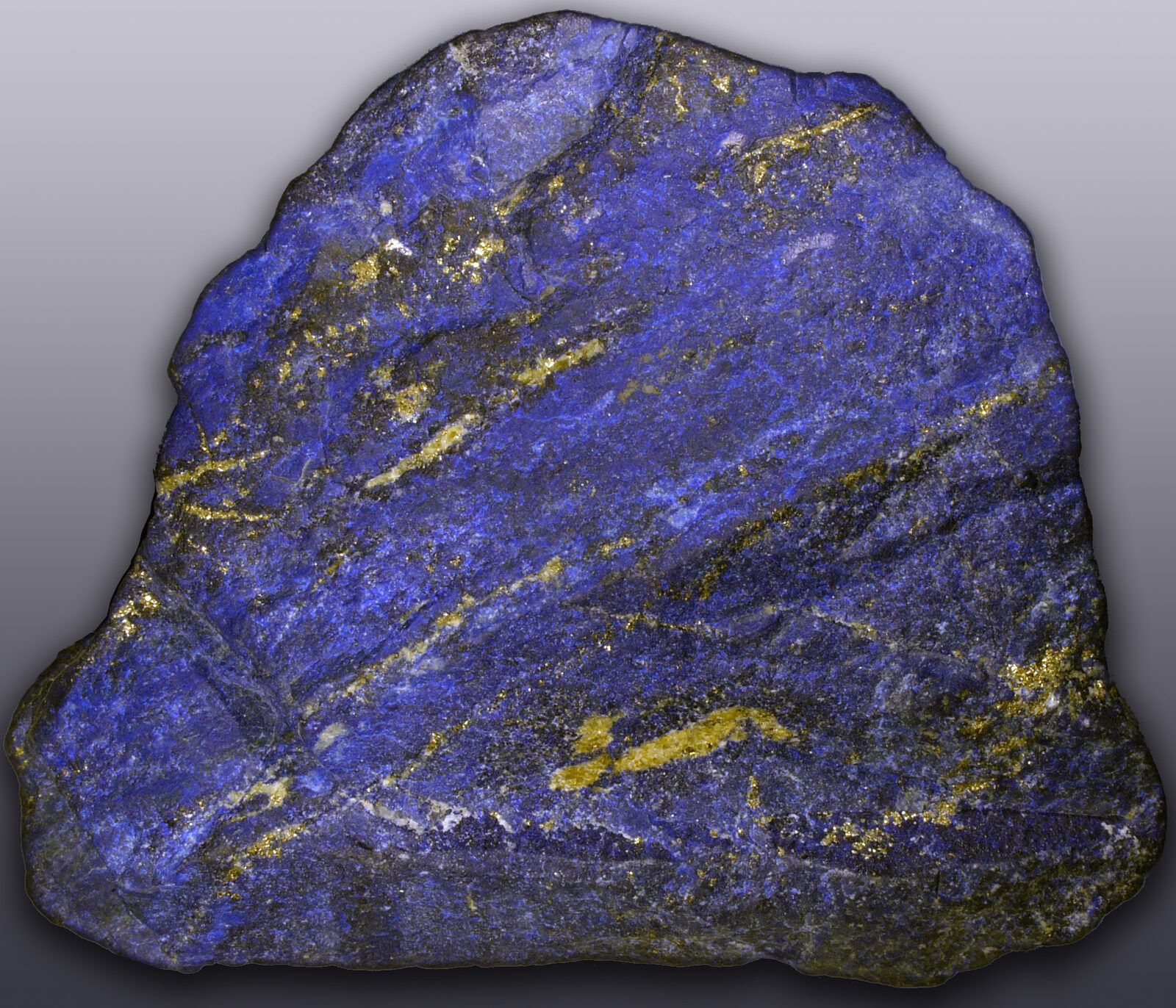
A mica at 2.5–3 that can flake along its layers. Keep it dry and away from harder stones in a bag.

Turquoise
Stone of Protection
porous
Turquoise can absorb oils, soaps and water, which can shift its color over time. Wipe it, and keep it away from perfume and cleaning products.

Malachite
Stone of Transformation
copper-bearing
At 3.5–4, it scratches easily, and it shouldn't be soaked or used for water infusions, because copper can leach into the water.
Put it into practice
How to clean your crystals
Step 1
Start dry
Brush or wipe off dust with a soft dry cloth or a soft-bristled brush. For tumbled stones and beads, this is usually all they need.
Step 2
Rinse only stable stones
Rinse hard stones like quartz briefly under lukewarm running water, then dry them with a soft cloth. Skip hot water, which can stress a stone, and skip harsh cleaners. A drop of mild soap is fine for a grimy quartz point if you rinse it off completely.
Step 3
Use a damp cloth for everything else
Wipe soft, porous or unknown stones once with a barely damp cloth and dry them immediately. Don't soak them.
Step 4
Treat bracelets gently
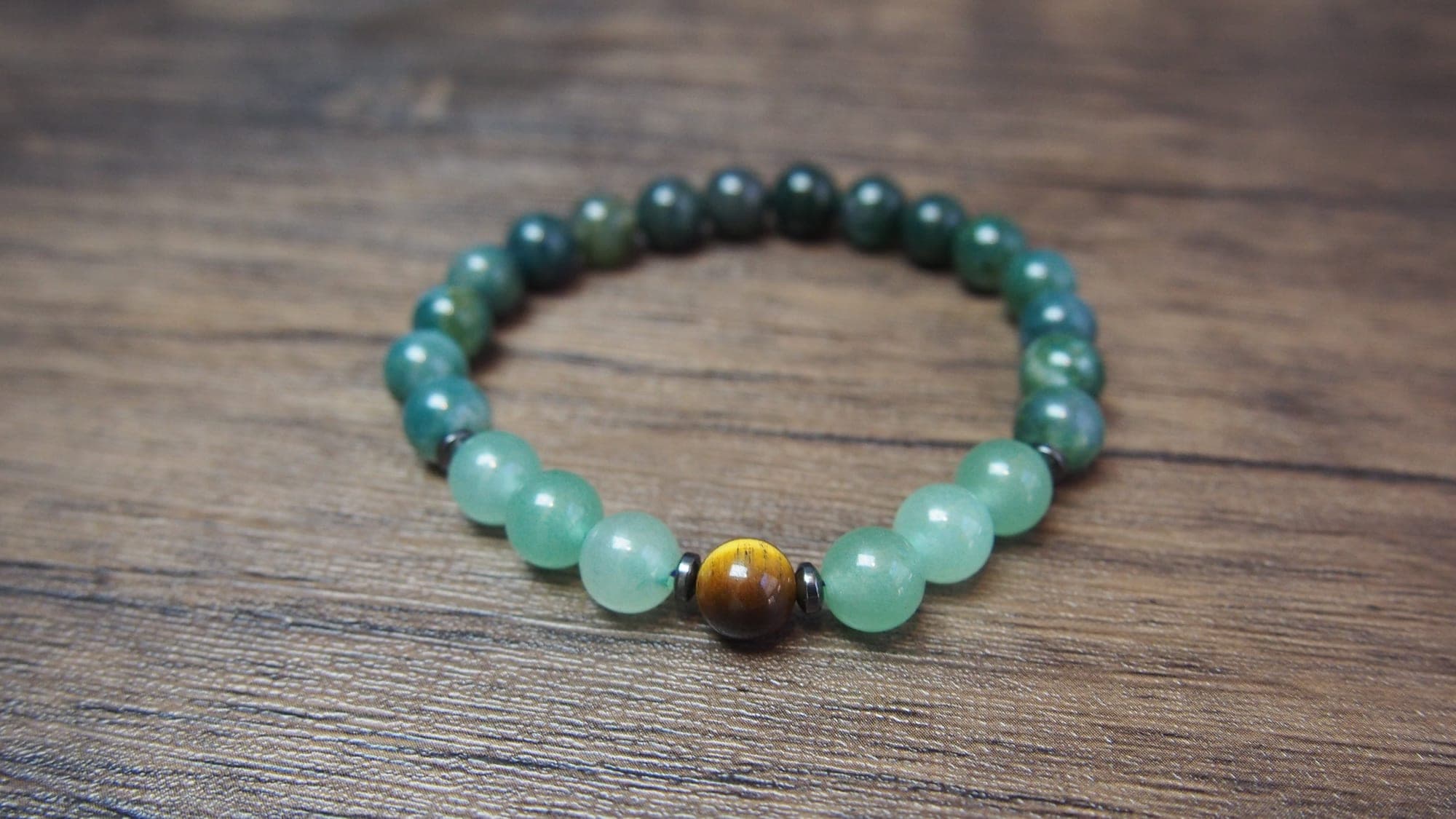
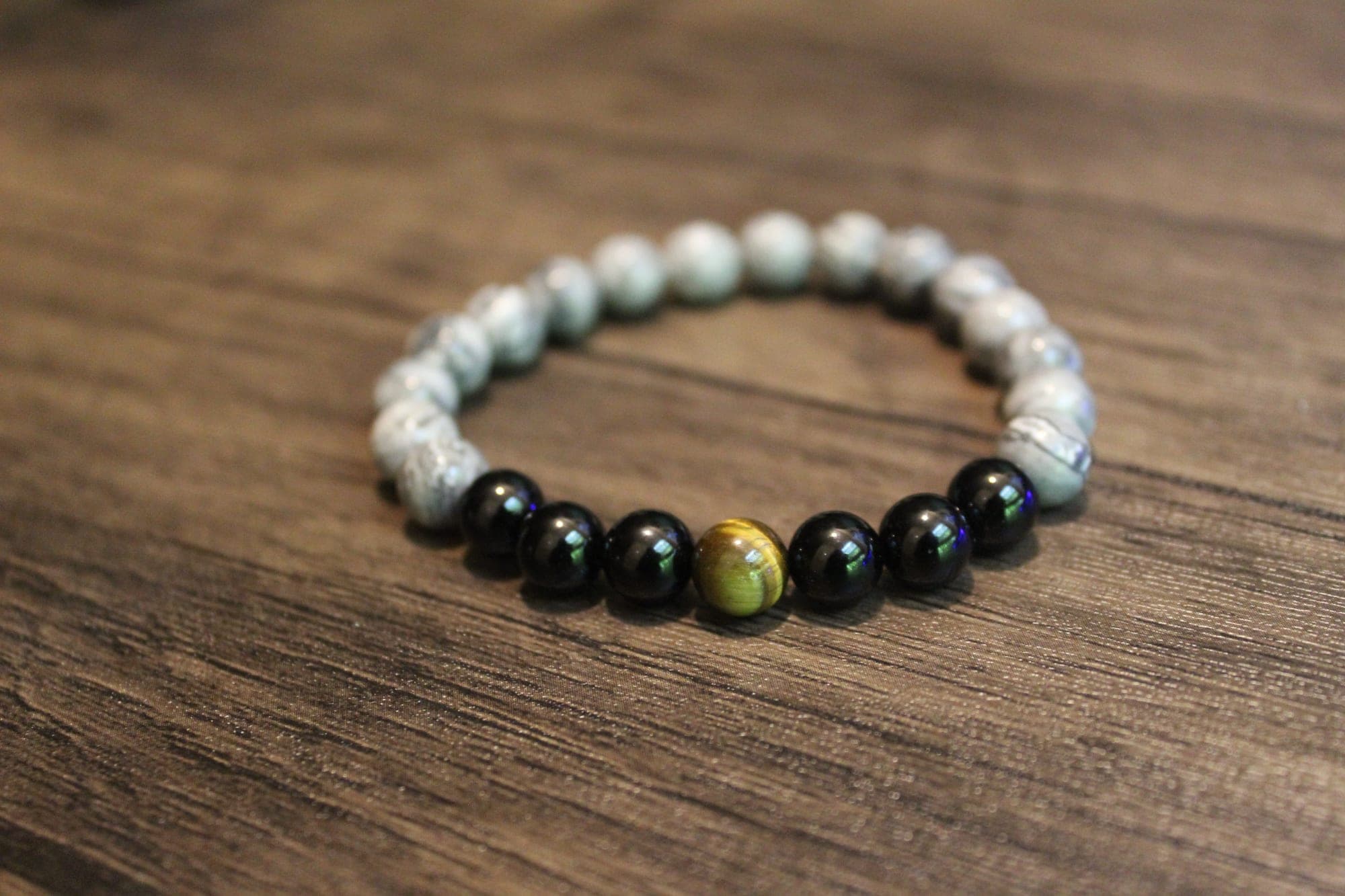
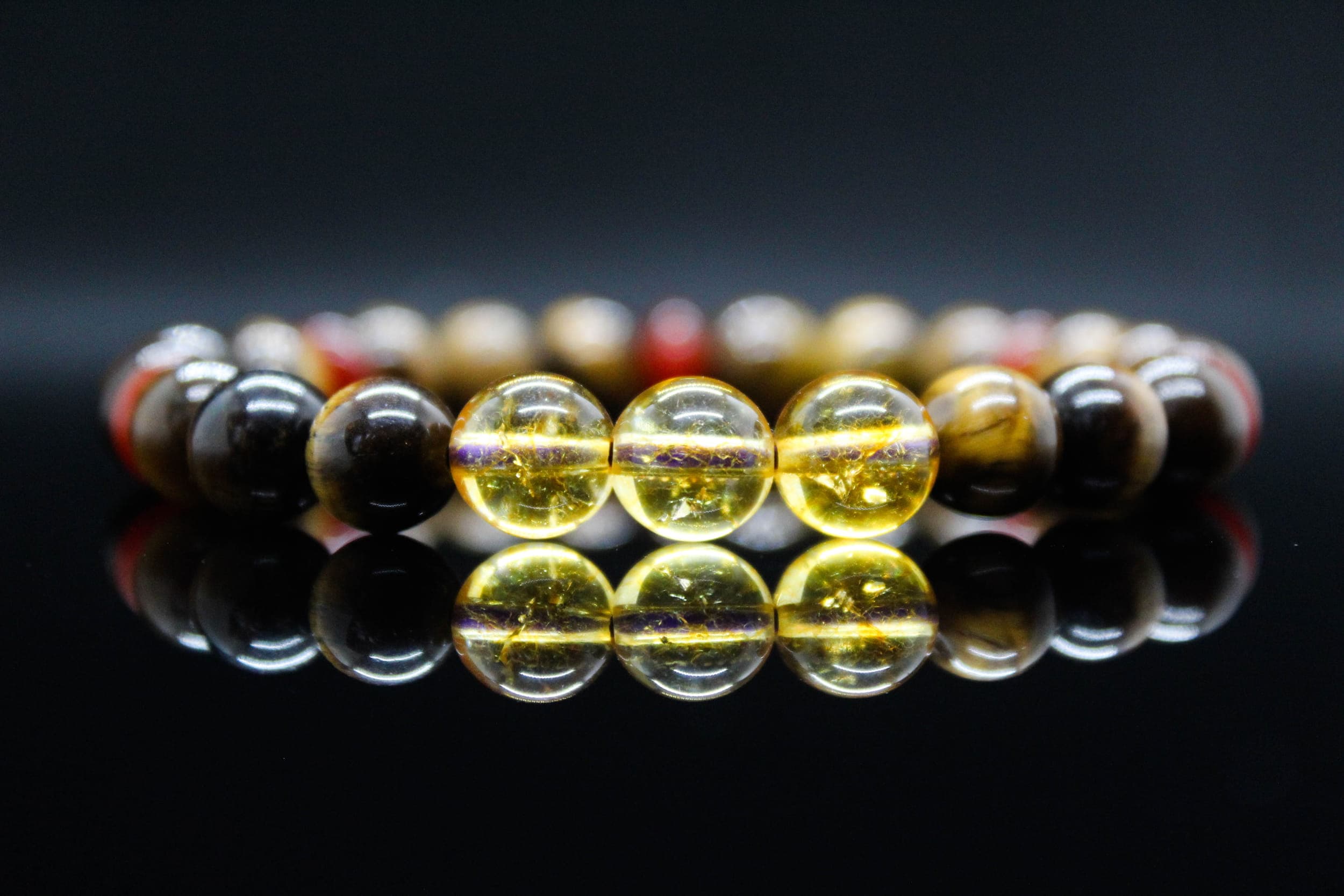
Wipe the beads and let the bracelet dry flat. Elastic cord weakens when soaked. Take bracelets off before showers, swimming, cleaning and lotion, the things that wear beads and cord down fastest. If you want stones made for daily wear, browse our energy bracelets.
Traditional ways to cleanse and charge
These methods come from tradition. Each is said to refresh a stone's energy, and none of them changes the mineral, so choose one that suits your stone.
Methods that are safe for almost every stone
- Moonlight: a night on an indoor windowsill, often at the full moon. The most popular way to "charge" a stone.
- Smoke: a pass through incense or a smudge bundle, with the room ventilated.
- Sound: a bell, chime or singing bowl rung nearby for a minute, with no contact at all.
- Intention: a minute of slow breathing while holding the stone. The simplest method, and it costs nothing.
- A bed of another stone: an overnight rest on a Selenite slab or Clear Quartz cluster. Set stones down gently, since Selenite is very soft.
Go easy on sunlight and salt. Sunlight is the "charging" method that most often causes damage, because Amethyst and Rose Quartz can fade in it. Salt and damp soil can etch or stain soft and porous stones, so skip burial unless you're sure of the stone.
The honest version
What's tradition and what's evidence
Tradition
Supported
Not supported
Many people still value the ritual as a moment to pause, which is a fair reason to keep doing it. Treat it as something you enjoy, not something a stone needs.
Put it into practice
How to store your crystals
Storage is where you can do the most lasting good, because scratches and cracks are permanent.

Step 1
Keep stones separate
Give each stone its own soft pouch, or a compartment lined with cloth or foam. In a loose bag, quartz at 7 scratches anything softer, and Selenite and Lepidolite lose their polish first.
Step 2
Store soft stones on their own
Keep Selenite, Lepidolite, Malachite and other soft stones in individual cloth pouches, away from quartz and other harder stones.
Step 3
Mind light, heat and damp
Store stones out of long direct sunlight, away from radiators and damp bathrooms. Damp is particularly hard on Selenite and Pyrite.
Step 4
Keep small stones out of reach
Keep tumbled stones away from young children and pets. They're small enough to swallow.
Watch out for
Common mistakes
- Soaking Selenite or any soft stone. Water can dull, pit or crack it.
- Leaving colored stones in a sunny window. Weeks of strong light can fade Amethyst and Rose Quartz.
- Dumping every stone in one bowl. Harder stones scratch softer ones.
- Wearing bracelets in the shower. Water and lotion wear down the cord and the beads.
- Making water infusions. Some stones leach into water; don't drink water that has had crystals in it.
Keep exploring
When to choose a low-maintenance stone
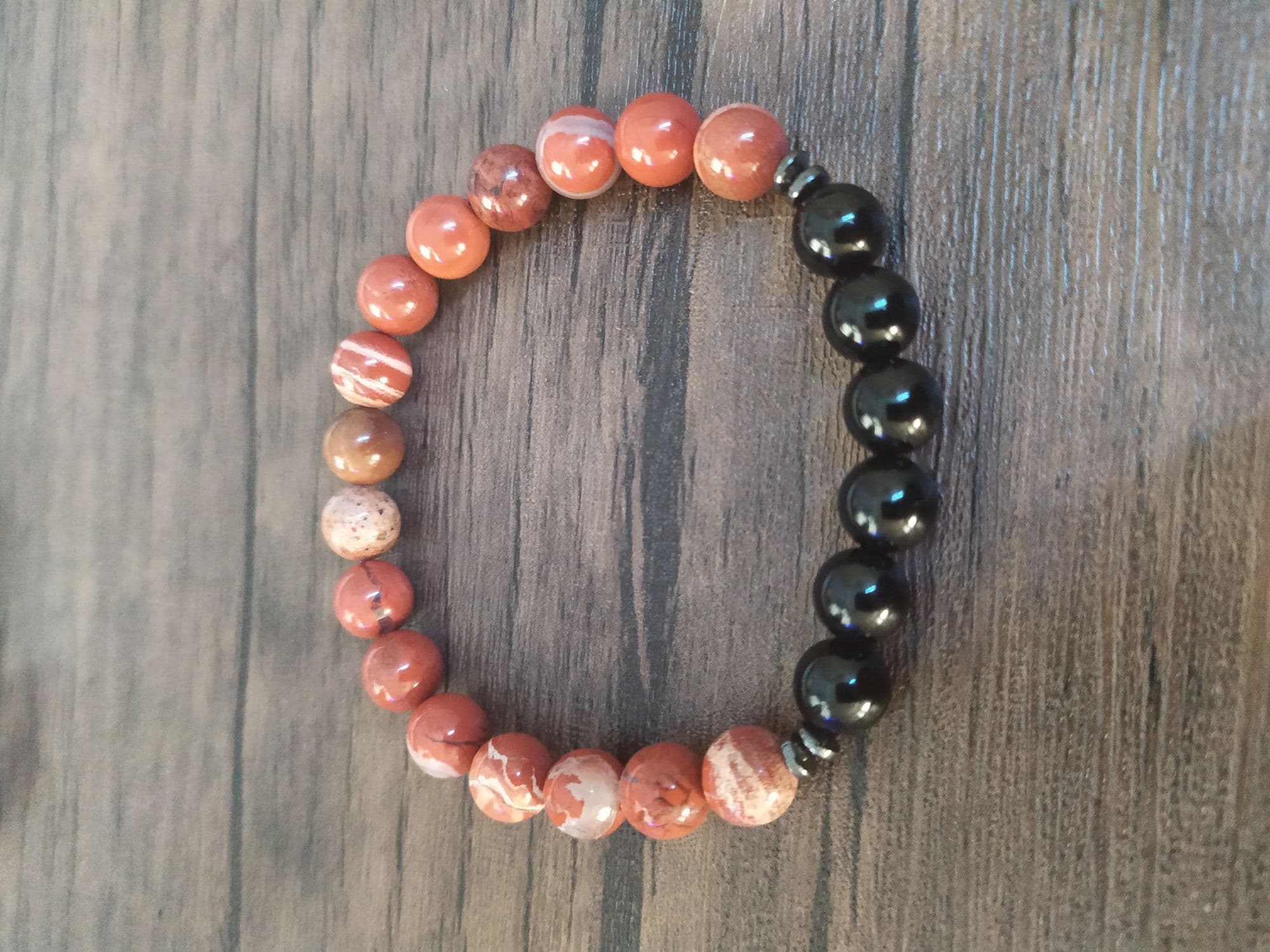
If you want stones that shrug off everyday handling, stay with hard, stable ones: quartz, Black Tourmaline, Tiger's Eye or Jasper.
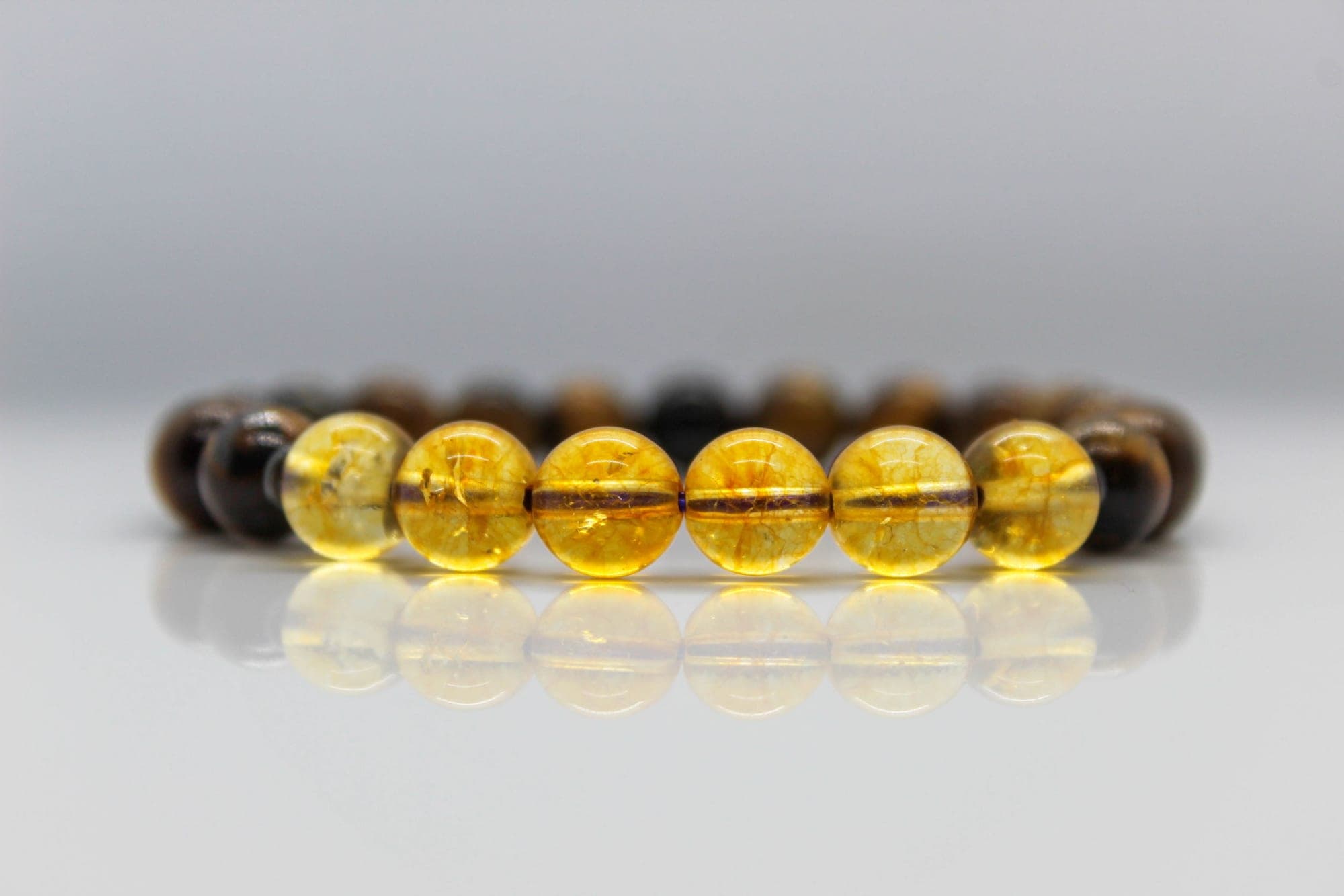
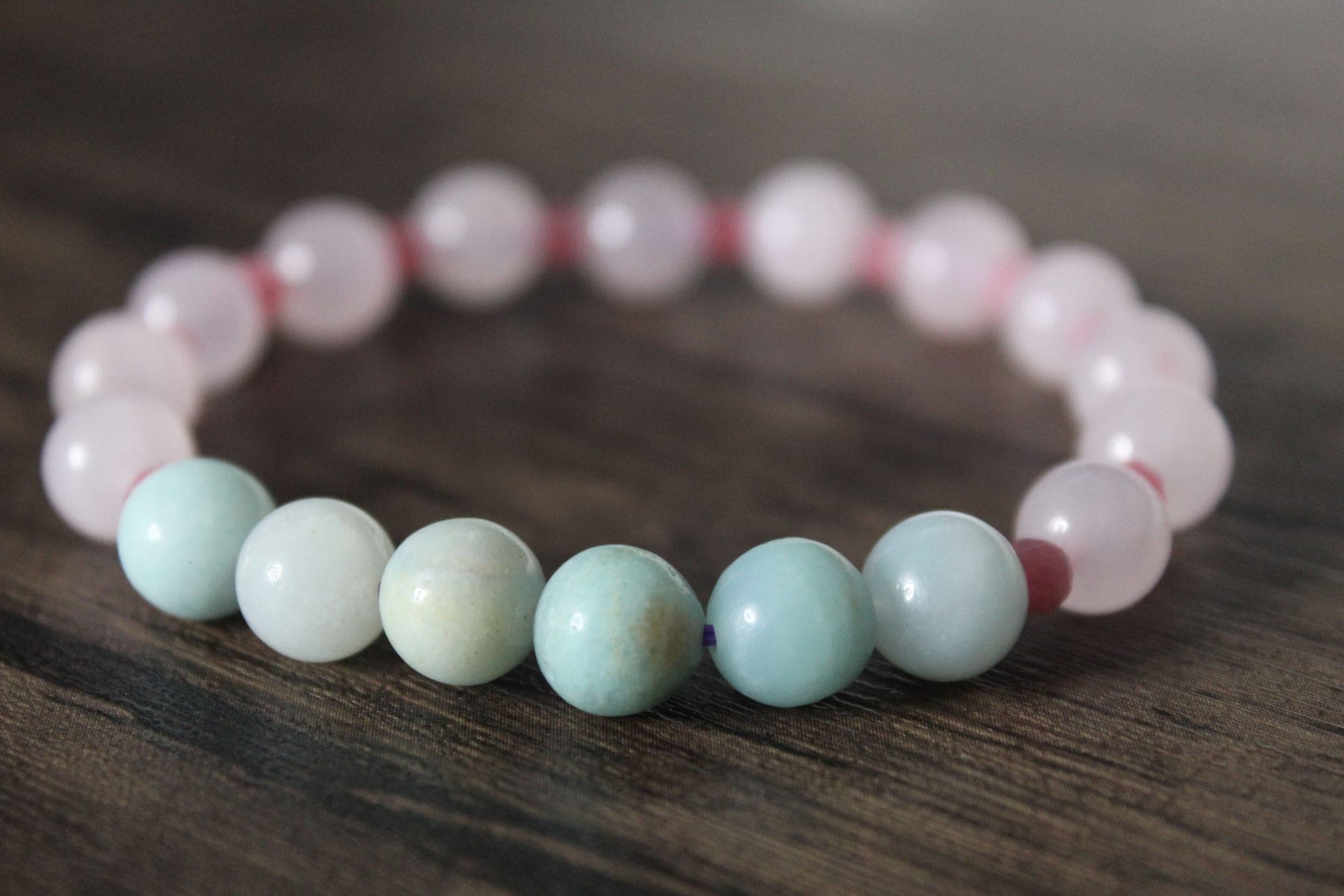
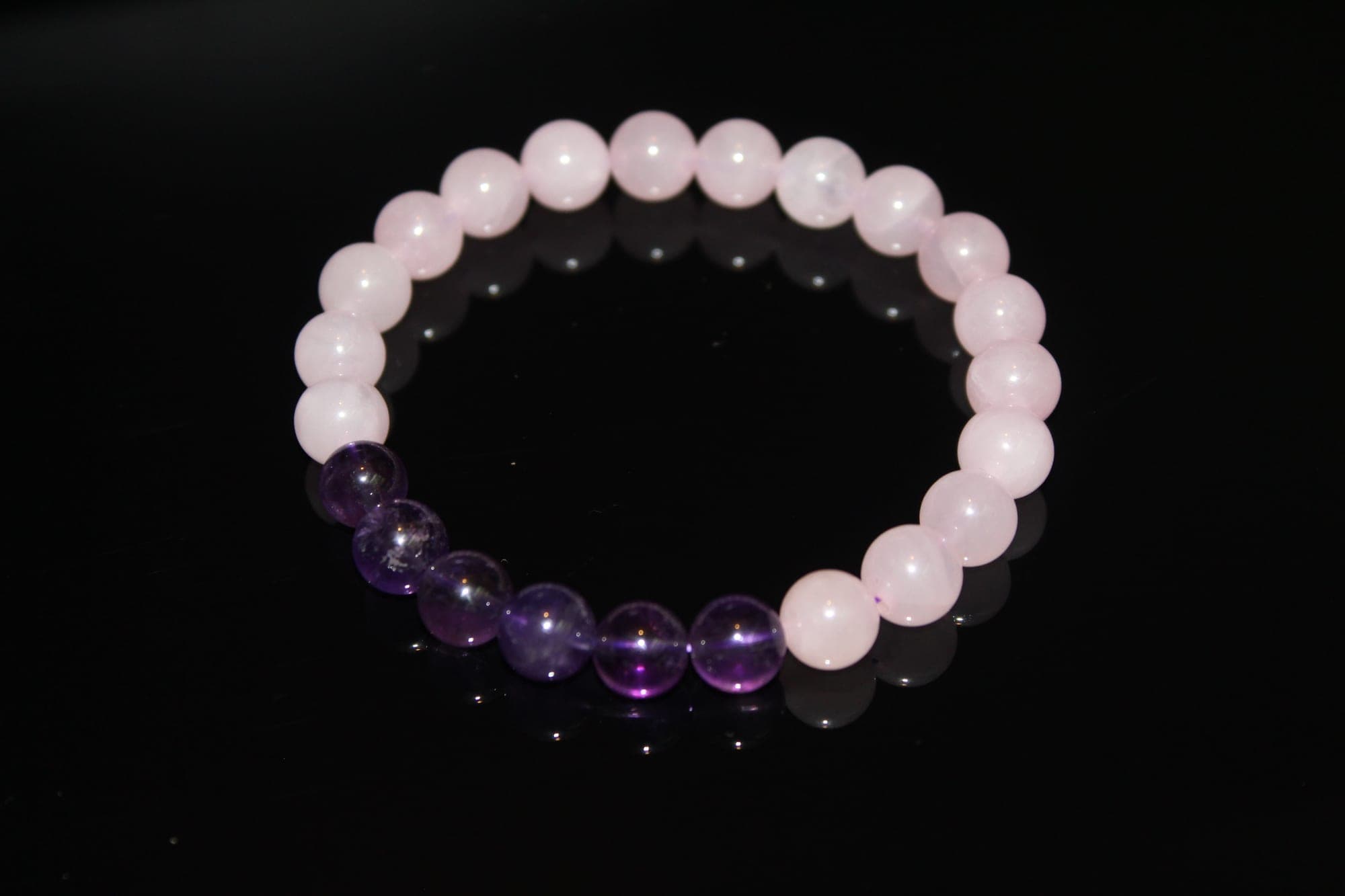
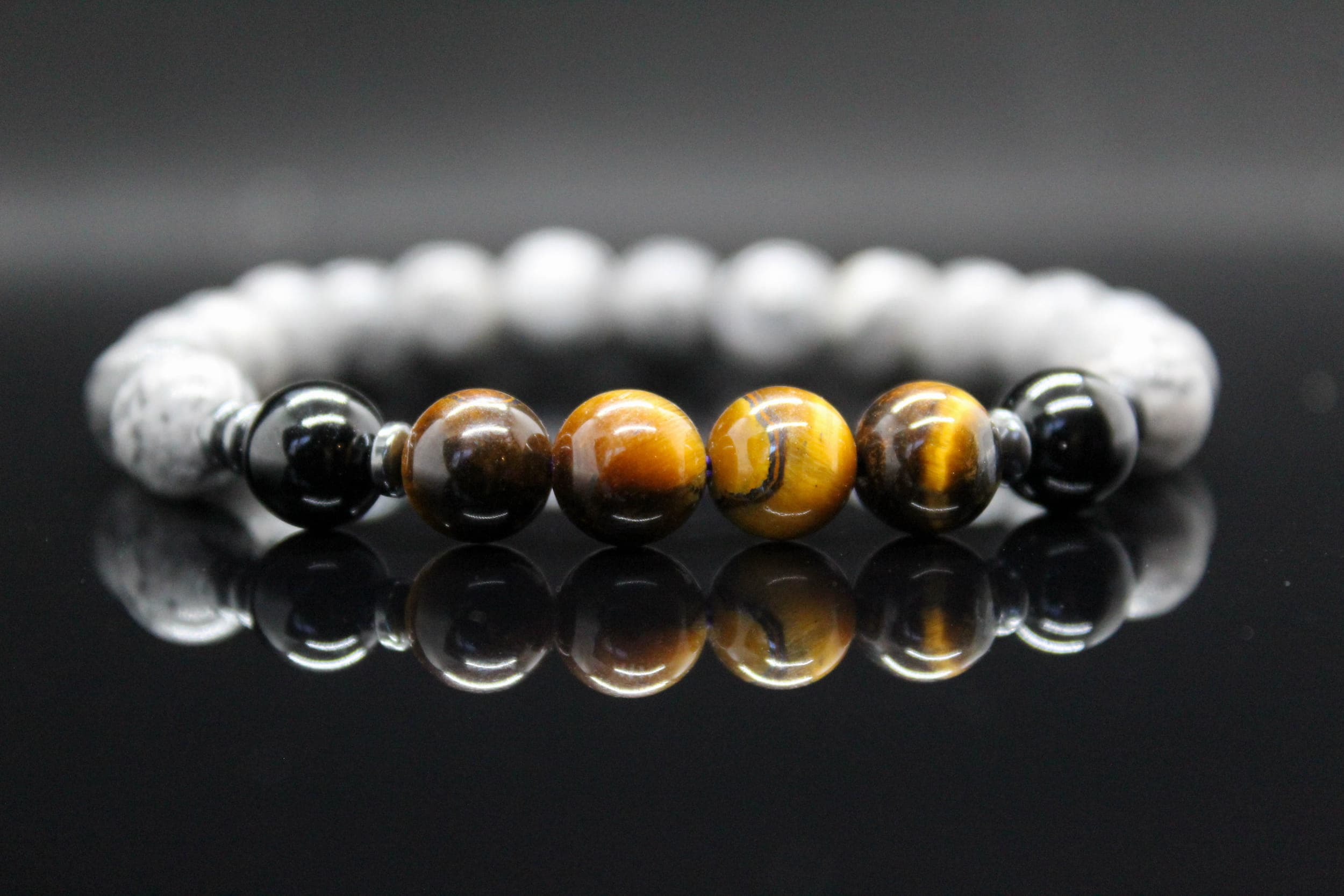
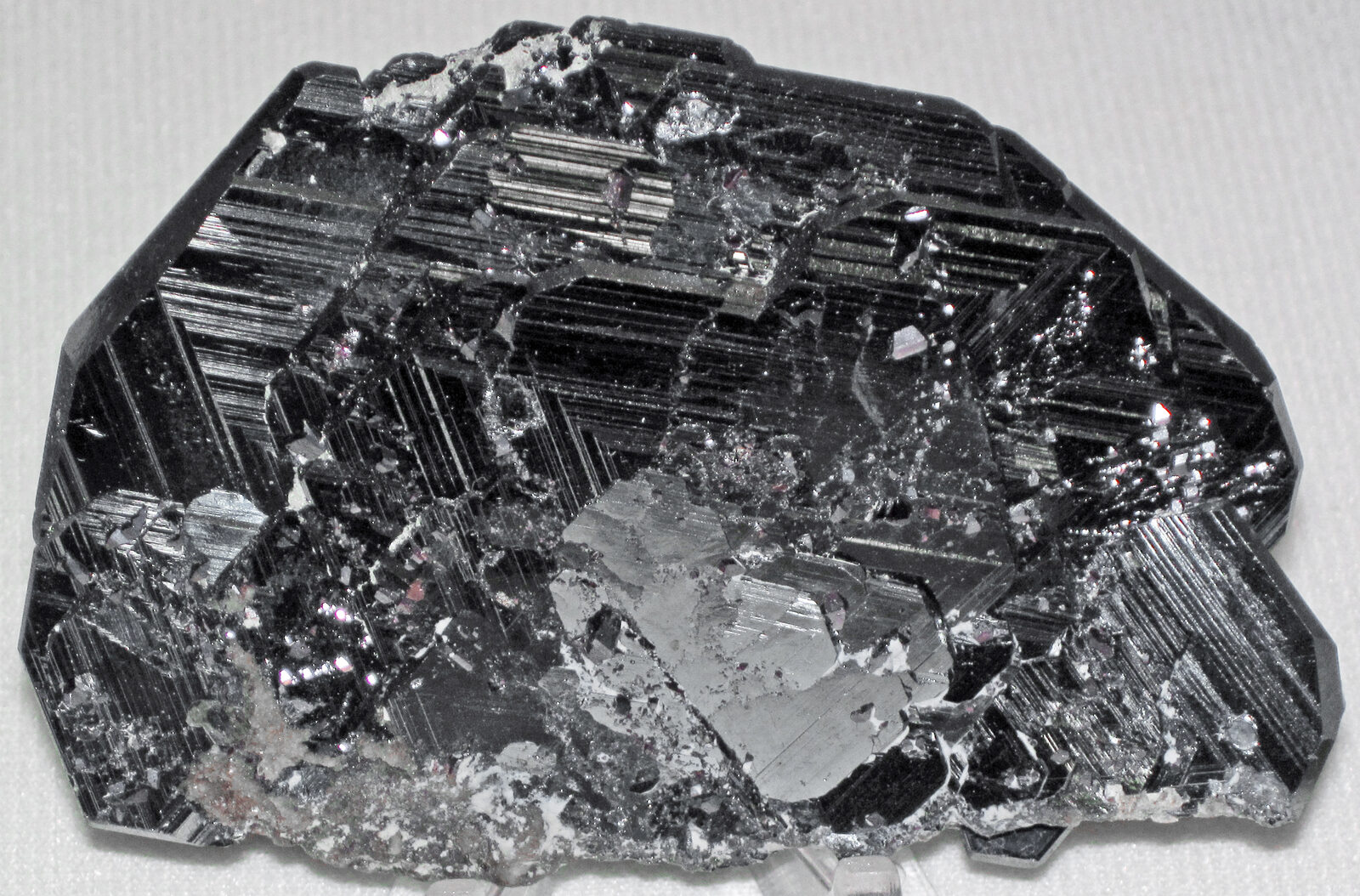
Clear Quartz + Rose Quartz pairs two stones with exactly the same care routine. Black Tourmaline + Tiger's Eye is a tough, grounding pair that handles daily wear.
Clear Quartz + Rose Quartz
Amplified self-compassion
Clear quartz magnifies whatever it's paired with, and rose quartz — being nothing but gentle — has nothing sharp for it to amplify. A safe way to turn up self-compassion work without turning up anything harder alongside it.
Read more →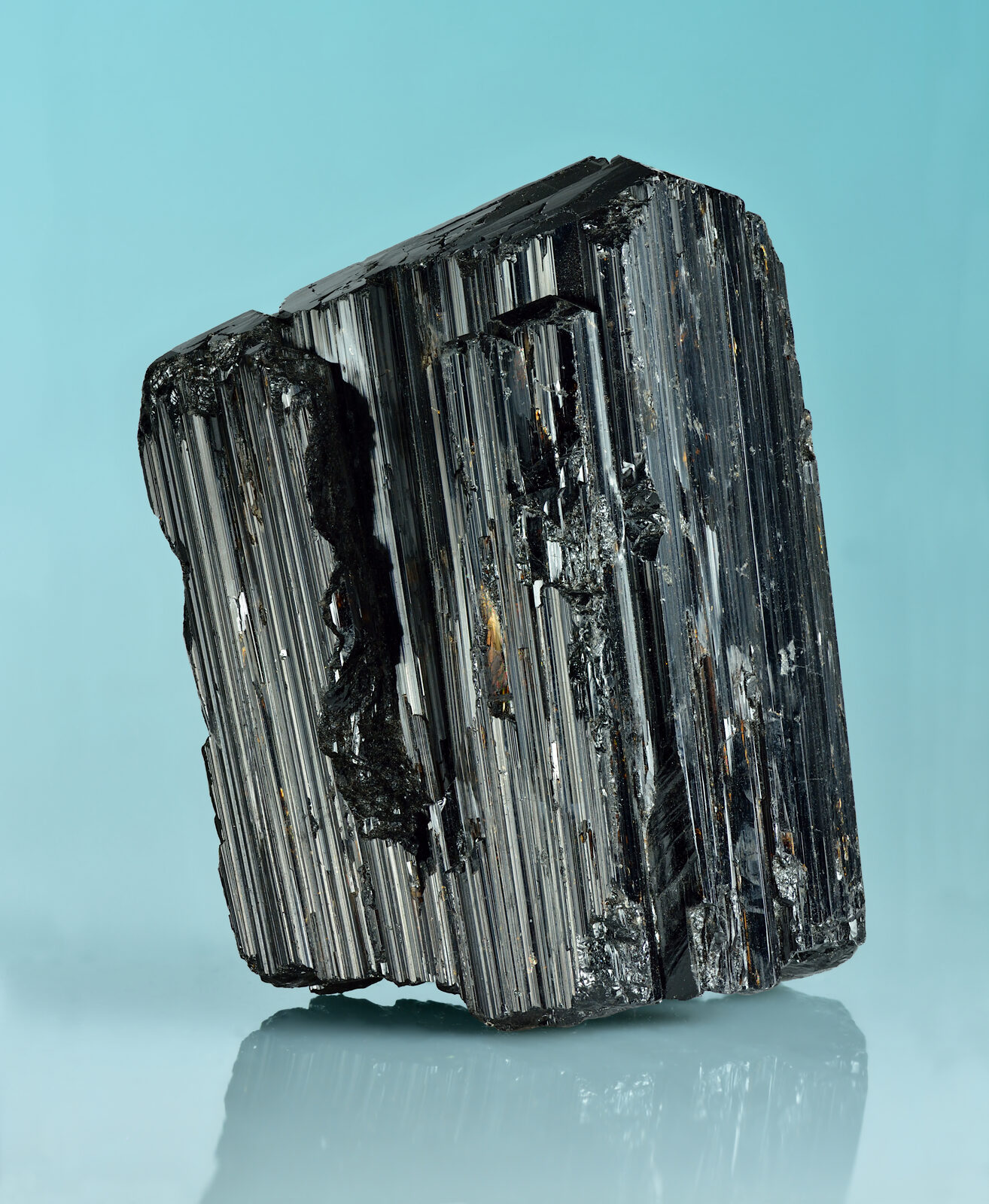

Black Tourmaline + Tiger's Eye
Working-day pocket pair
A practical, wearable combination for the office or a long day out — tourmaline as a shield against other people's static, tiger's eye to keep you moving forward through it.
Read more →Good to know
Frequently asked questions
How often should I clean my crystals?
Whenever they look dusty or feel oily. For worn bracelets that might be weekly; for shelf stones, a few times a year. Traditional cleansing has no fixed schedule, so many people use the new or full moon.
Can I clean all crystals with water?
No. Quartz is fine for a quick lukewarm rinse, but Selenite, Malachite, Lepidolite and porous stones like Turquoise can be damaged. Check the stone first, and use a dry or barely damp cloth if you're unsure.
Do crystals really need to be charged?
Charging is a traditional practice, not a physical requirement. A stone works as a keepsake, jewelry or focus object whether or not you charge it.
Is moonlight safe for all crystals?
Moonlight is gentle enough for essentially every stone, which is why it's the go-to method for soft and water-sensitive ones. Use an indoor windowsill so dew can't reach them.
How should I store a crystal bracelet?
Flat or loosely coiled in a soft pouch, away from sunlight and other jewelry that could scratch the beads. Don't hang it by the cord for long periods, since that stretches the elastic.
Good crystal care mostly comes down to knowing your stone, keeping it dry when it needs to be, and giving it a soft place of its own.