On this page
If you're going through a breakup or a loss and want a stone to carry through it, you've probably narrowed it down to three pink options: Rose Quartz, Rhodonite and Rhodochrosite.
They look alike and get described in nearly the same words, but tradition gives each one a different job. This is which one fits where you are right now, and which one can handle being worn every day.

The short answer
Choose Rose Quartz for the first raw weeks, when you want something gentle and comforting. Choose Rhodonite when you're ready to work through the hurt and let go of resentment. Choose Rhodochrosite later, when your focus moves from the other person back to your own self-worth.
For a daily bracelet, Rose Quartz and Rhodonite are the practical picks. Rhodochrosite is soft, so it works better as a pocket or bedside stone.
Three pink stones, three different minerals
They share a color, but they're three different minerals with different structures, and that decides how well they hold up when worn.
| Rose Quartz | Rhodonite | Rhodochrosite | |
|---|---|---|---|
| Mineral | Quartz (silicon dioxide) | Manganese silicate | Manganese carbonate |
| Hardness (Mohs) | 7 | 5.5–6.5 | 3.5–4 |
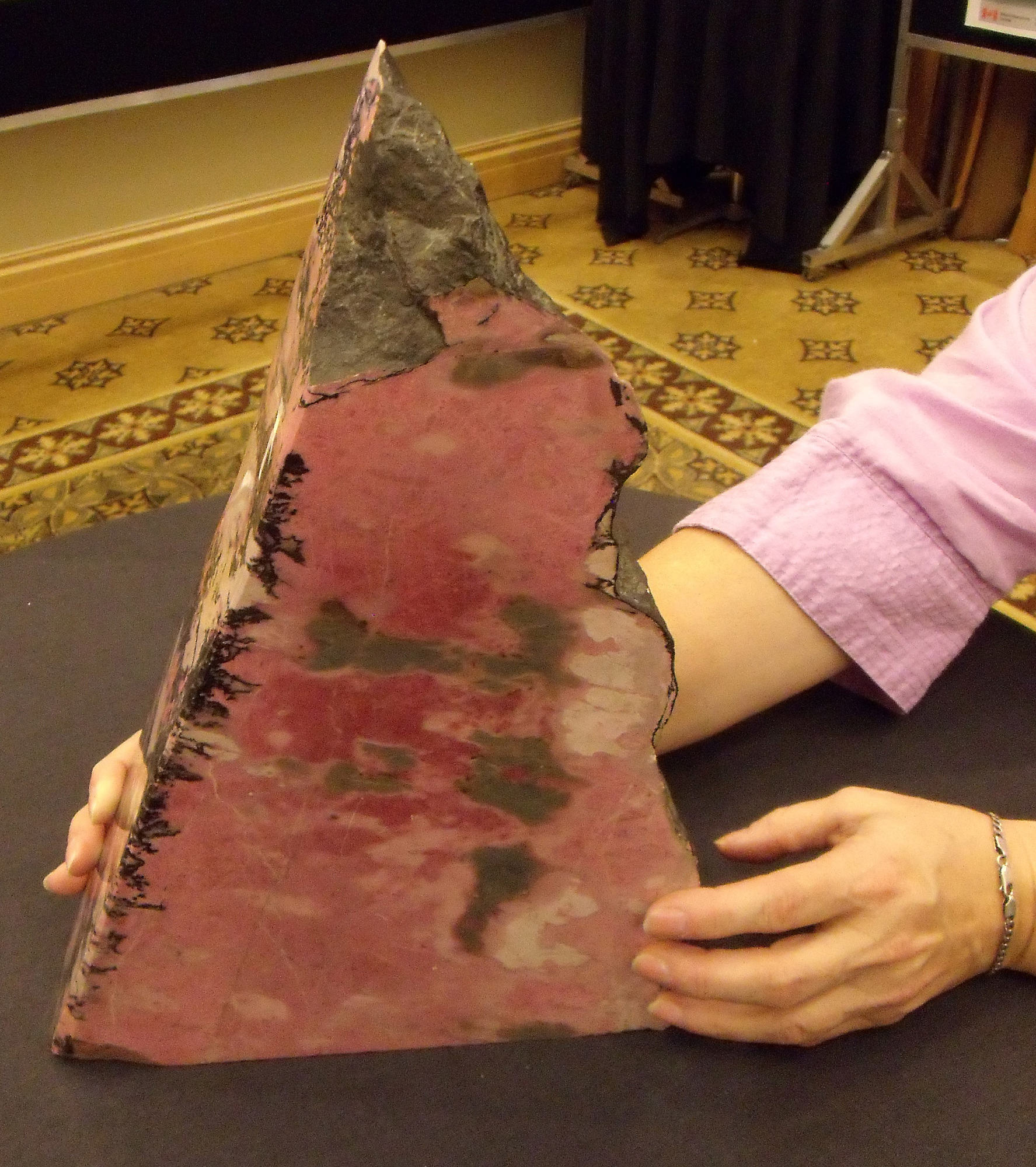
| How to recognize it | Pale, even pink, often slightly cloudy | Pink to rose-red with black veins | Bands of pink and paler pink or white, no black |
| Classic sources | Brazil, Madagascar | Russia's Ural Mountains, Australia, Sweden, Brazil | Argentina, sold as "Inca Rose" |
| Daily bracelet? | Yes | Yes | Better as a pocket stone |
The stones
Which stone for which stage
All three are traditionally linked to the Heart Chakra. They differ in the kind of heart work each is said to support, and many people move through them in order as things settle.
Rose Quartz
Stone of Unconditional Love
comfort for the first weeks
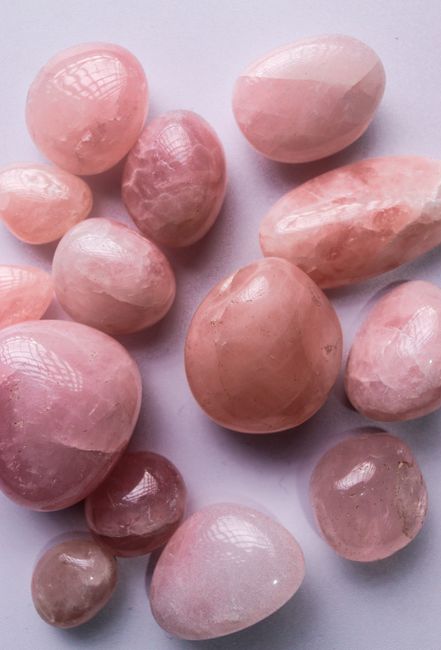
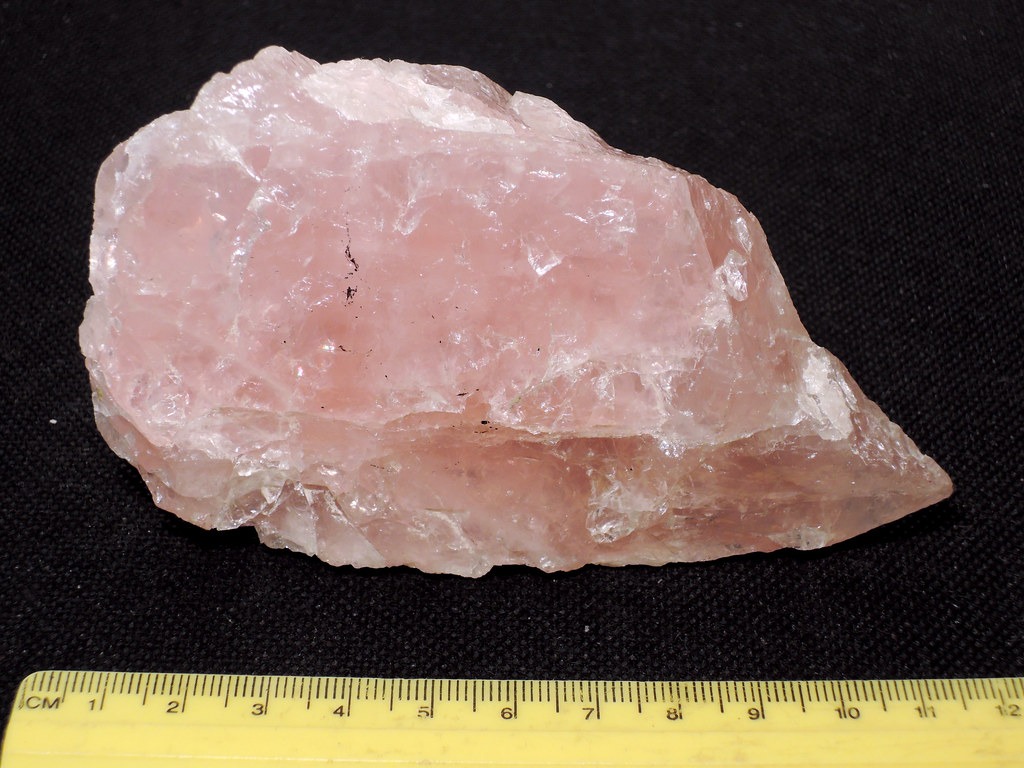
Traditionally known as the stone of unconditional love, and its soft, even pink fits that reputation: nothing about it looks sharp or dramatic. In the days right after a breakup, people traditionally hold it or keep it nearby as a reminder to be gentle with themselves. At 7, it's also the toughest of the three.
Rhodonite
Stone of Forgiveness
forgiveness and letting go
Traditionally called a stone of compassion, tied to forgiveness of the other person and of yourself. Its name comes from the Greek rhodon, "rose," and many people read meaning into its look: tender pink crossed by dark veins, the gentle and the painful in one piece. It's said to suit the middle stage, when you keep replaying what happened and want to stop.
Rhodochrosite
Stone of the Compassionate Heart
rebuilding self-worth
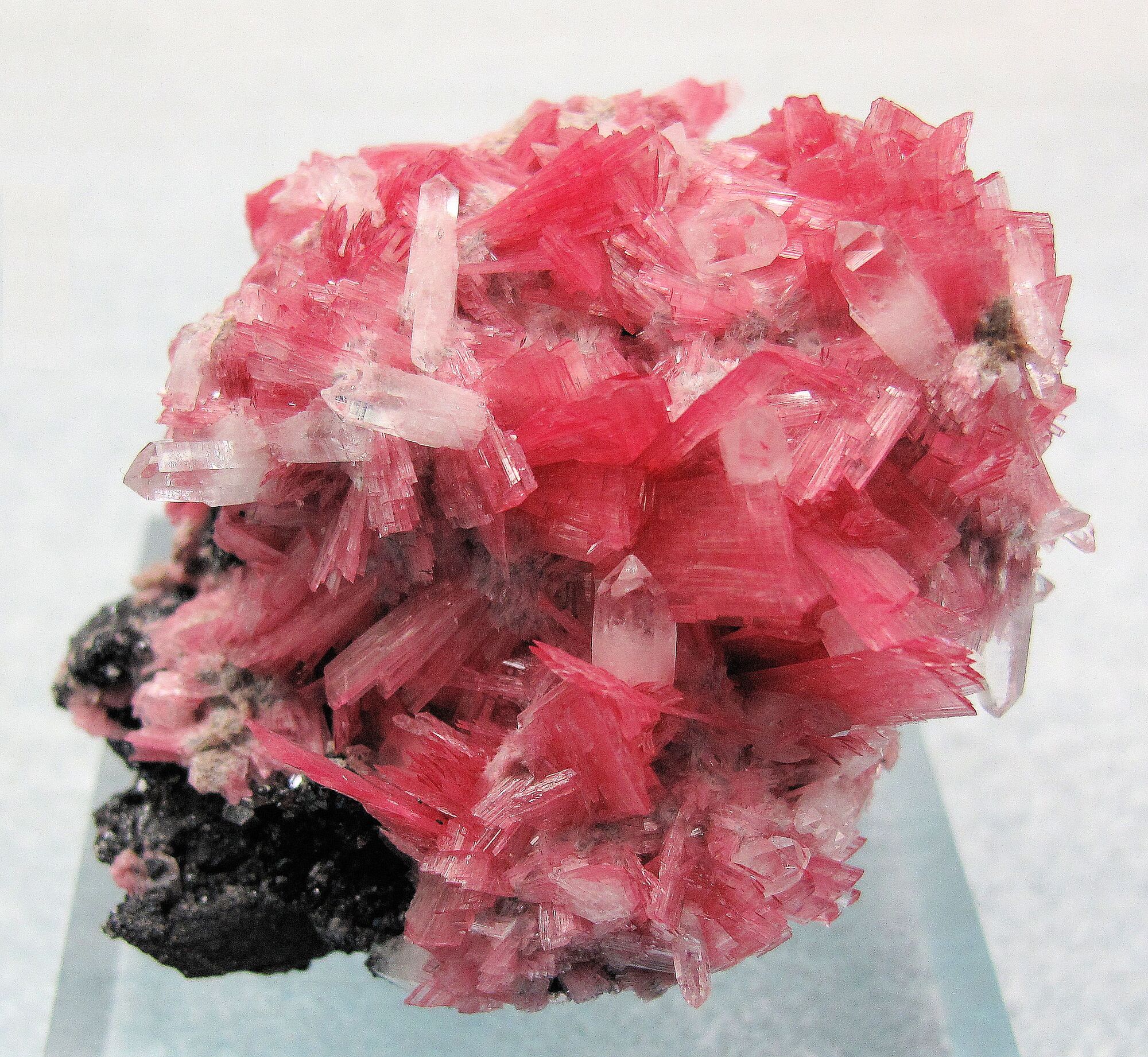
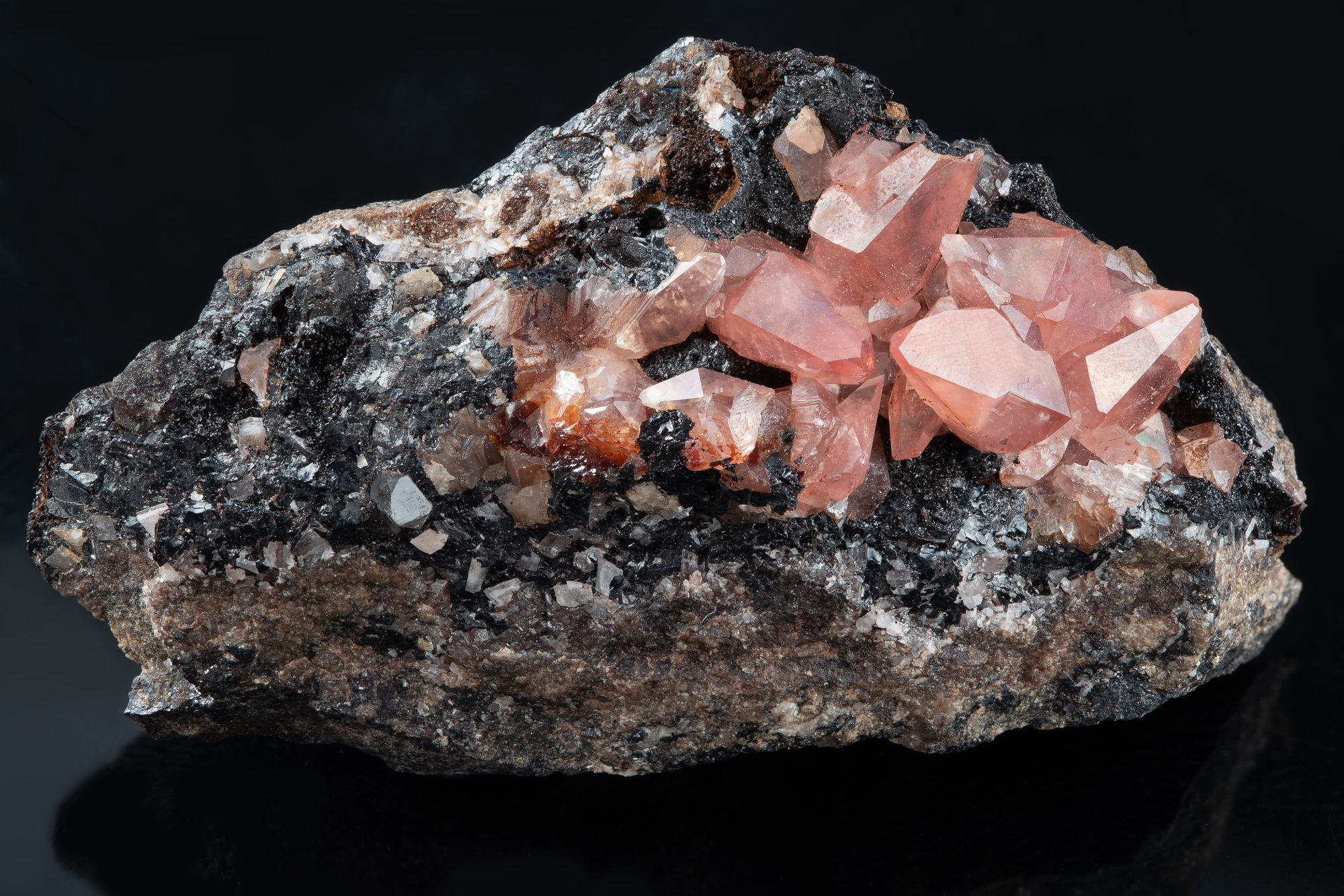
Traditionally linked to self-love and the "inner child," and sometimes to the Solar Plexus Chakra as well, which connects it with confidence. Its banded rings are often read as growth over time. It's usually suggested for the later stage, when the question has changed from "why did they leave?" to "who am I now?"
Put it into practice
How to use them
Heartbreak doesn't call for an elaborate ritual. Small habits you can repeat are easier to keep up.

Step 1
Match the stone to the stage
Pick one stone for where you are this week rather than all three at once. Rose Quartz for comfort, Rhodonite for letting go, Rhodochrosite for rebuilding.
Step 2
Make it a short daily pause
Hold the stone for a minute or two while you take a few slow breaths, once in the morning and once before bed. The stone gives the pause a shape, and the pause is what helps.
Step 3
Pair it with one honest sentence
Say or write one plain line while you hold it, such as "I'm allowed to be sad today" with Rose Quartz or "I'm done carrying this" with Rhodonite. A grand affirmation you don't believe won't help.
Step 4
Wear what can take daily wear
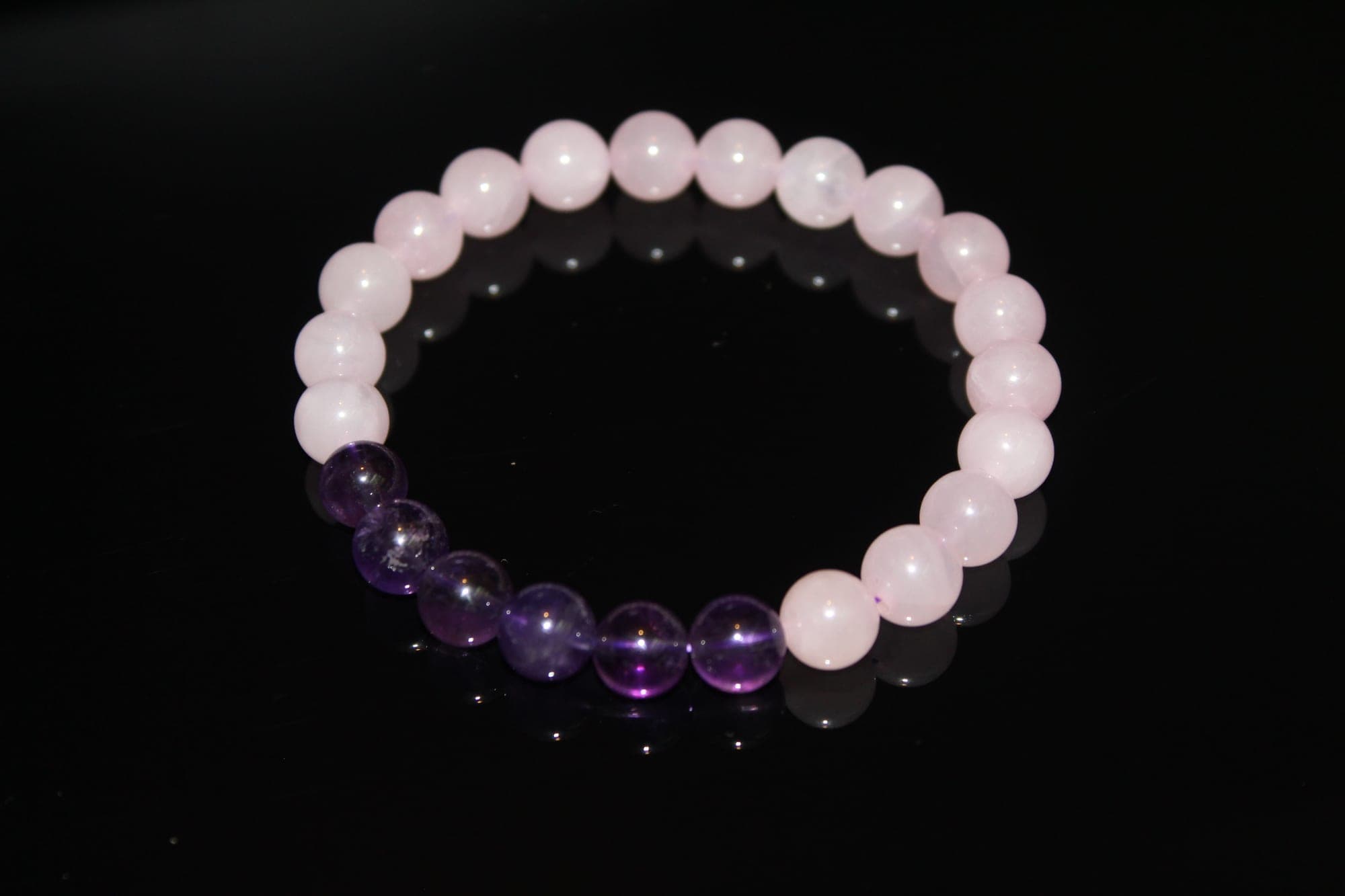
Choose a durable stone if you want it on you all day. A Rose Quartz piece like the Spiritual Love Energy Bracelet holds up to daily use. Keep Rhodochrosite in a pocket pouch or on your nightstand.
Knowing when to switch stones
There's no schedule for grief, and you don't have to move on at all. If you're using the three as stages, the shift usually shows in what you find yourself thinking about.
Signs it may be time for the next stone
- You no longer reach for comfort first thing every morning (Rose Quartz to Rhodonite).
- You keep replaying what happened, and you want to stop (a sign Rhodonite fits).
- Your questions have moved from them to you (Rhodonite to Rhodochrosite).
The honest version
What's tradition and what's evidence
Tradition
Supported
Not supported
Watch out for
Mistakes and quality warnings
- Dyed and glass "Rose Quartz." Bright candy-pink beads with perfectly even color are often dyed quartz or glass. Natural Rose Quartz is usually paler and a little cloudy. Check for dye in cracks and drill holes.
- Rhodonite and Rhodochrosite mix-ups. Sellers sometimes mislabel them. Rhodonite has black veins; Rhodochrosite has pink-and-white bands with no black.
- Fake Rhodochrosite. It's the priciest of the three, so dyed stones and resin imitations get sold under its name. A very low price for vivid banded pink is a warning sign.
- Acids on Rhodochrosite. Vinegar and lemon juice can etch a carbonate. Wipe it with a dry or barely damp cloth, and store it apart from harder stones.
- Long sun on Rose Quartz. Some Rose Quartz fades in strong direct sunlight.
Keep exploring
When to pick something else
If you'd like two of these together, Rhodonite + Rose Quartz pairs comfort with letting go, and Rose Quartz + Rhodochrosite pairs comfort with rebuilding.
If your heartbreak mostly shows up as racing thoughts at 2 AM, a calming pair may suit you better than a heart stone: see Amethyst + Lepidolite and our guide to that pairing for anxious nights.
Rhodonite + Rose Quartz
Emotional rescue after heartbreak
Rhodonite is reached for specifically in the acute aftermath of a breakup or loss, rose quartz for the softer, ongoing self-love work — paired, they cover both the sharp moment and the slower healing after it.
Read more →Rose Quartz + Rhodochrosite
Inner-child, self-love work
Rhodochrosite reaches further back than rose quartz does, into older and often childhood-rooted wounds, while rose quartz holds the gentler, present-day self-love work alongside it.
Read more →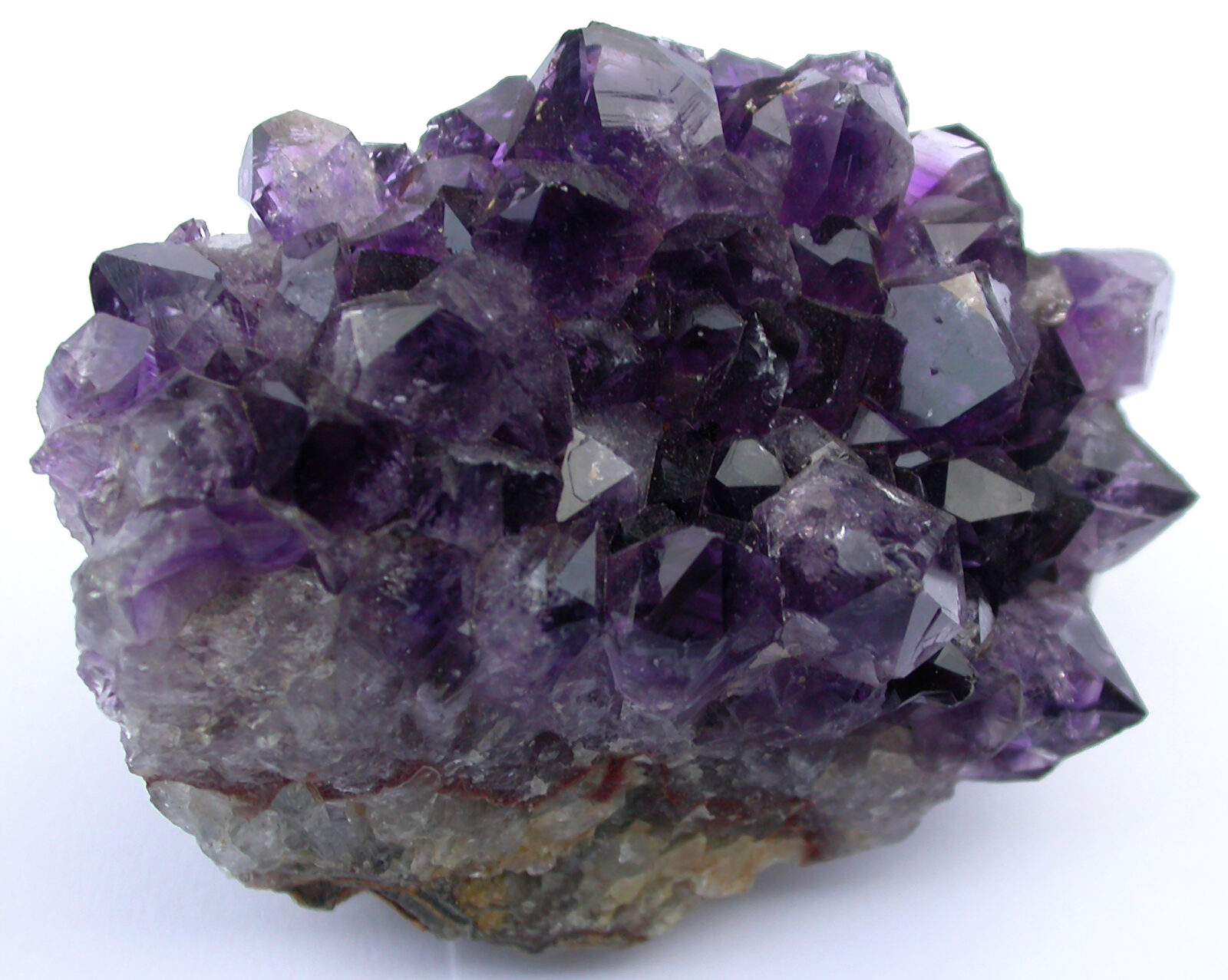

Amethyst + Lepidolite
Calm, sleep, anxiety
Amethyst switches off a racing mind; lepidolite, naturally rich in lithium, settles the body underneath it so the calm actually holds. It's the pairing most often reached for when anxiety is what's keeping sleep away.
Read more →Good to know
Frequently asked questions
What is the best crystal for heartbreak?
It depends on your stage. Tradition offers Rose Quartz for early comfort, Rhodonite for forgiveness and Rhodochrosite for rebuilding self-worth. If you only want one for daily wear, Rose Quartz is the toughest and easiest to find.
Can I wear Rose Quartz and Rhodonite together?
Yes. Both are traditionally heart-chakra stones, and both are hard enough to share a bracelet without much wear.
Is Rhodochrosite safe to wear every day?
You can wear it, but it's soft (3.5–4 on the Mohs scale) and has perfect cleavage, so it scratches and chips quickly. Take it off for washing, cleaning and the gym, or keep it as a pocket stone.
How can I tell Rhodonite from Rhodochrosite?
Look at the pattern. Rhodonite is pink to rose-red with black veins or spots. Rhodochrosite has bands of pink and paler pink or white, with no black.
Whichever stone you choose, its value is in the few quiet minutes it gives you each day to be kind to yourself while you feel what you feel.
Crystals are traditional comfort objects, not medical treatment. If grief, low mood or poor sleep persists, talk to a doctor.