Meaning & uses
Angelite Meaning
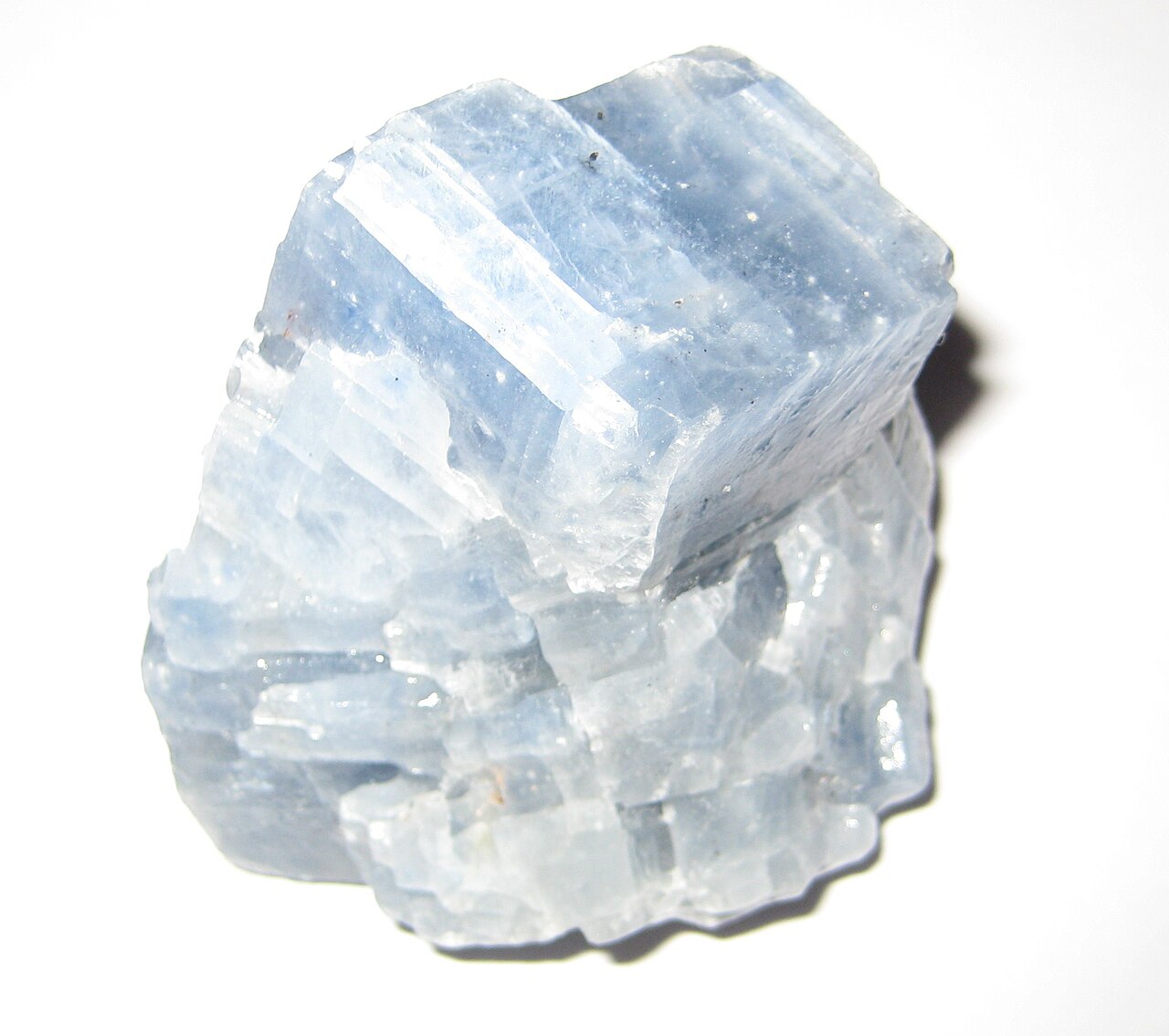
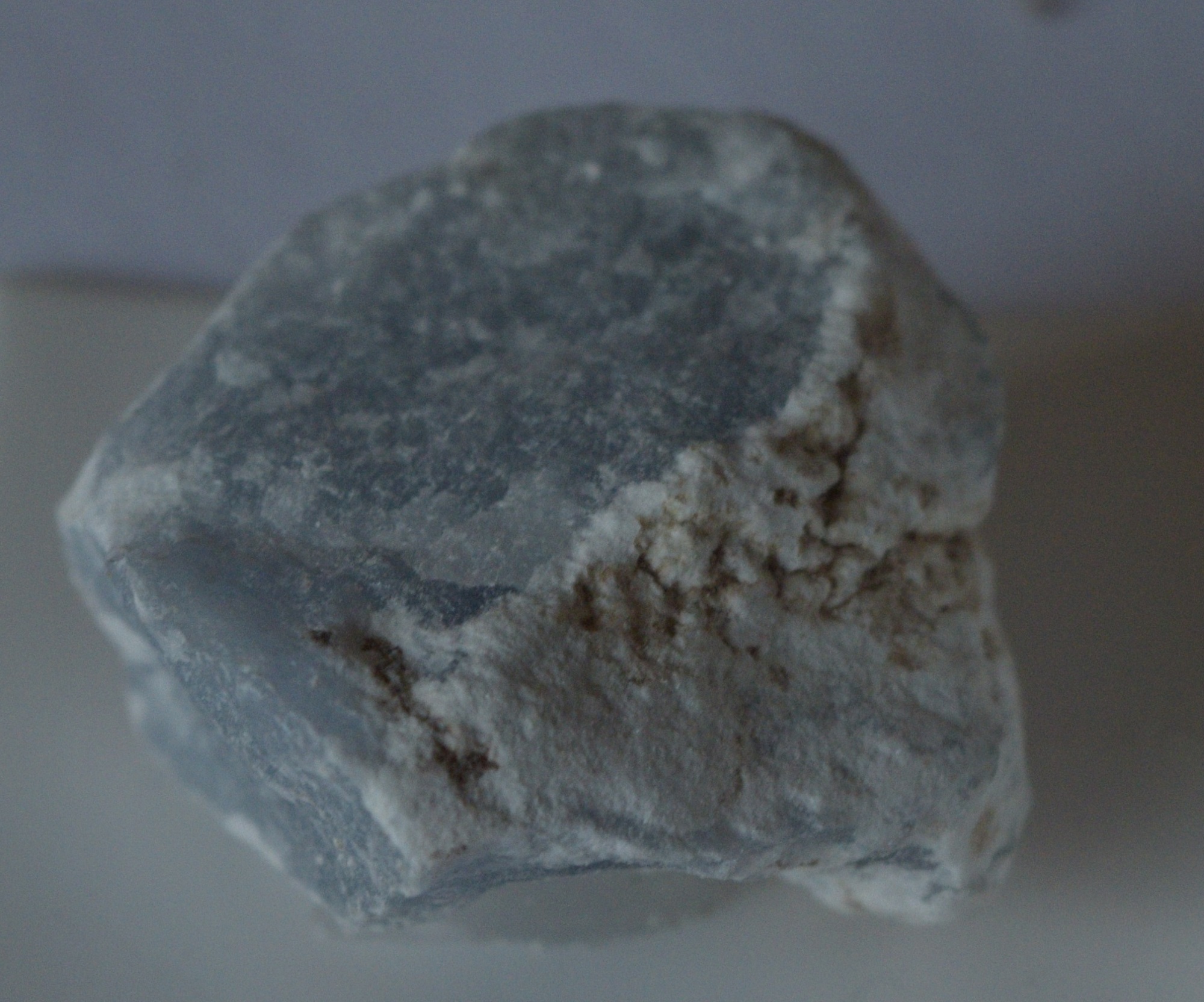
A soft, powder-blue stone formed from ancient seabeds compressed over millions of years, Angelite is prized for a calm, communicative energy that matches its sky-like color.
What Is Angelite?
Angelite is the trade name for a blue form of anhydrite, a calcium sulfate mineral that forms as ancient seawater evaporates and compresses over millions of years. It's sometimes confused with Celestite, a strontium sulfate mineral that shares a similar pale blue color and soothing reputation, but the two are different minerals entirely, distinguished by their chemistry rather than by any real geological transformation from one into the other.
Anhydrite is also notably water-reactive: given enough exposure to moisture over time, it can gradually absorb water and convert into gypsum, which makes Angelite one of the more environmentally sensitive stones in this directory.
A Stone With a History
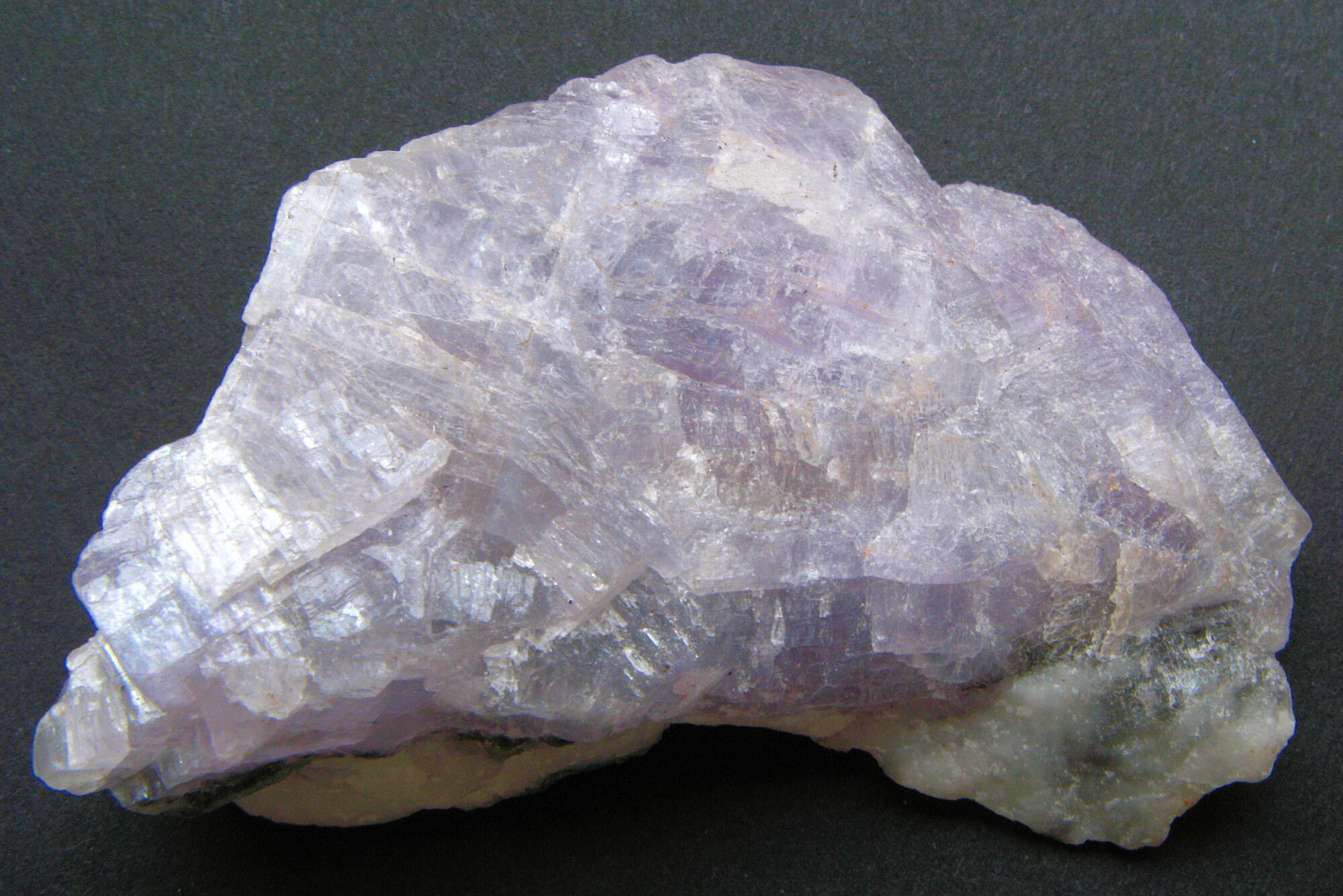
Angelite is a relatively recent addition to the crystal-healing world — the trade name itself dates to the late 20th century, coined for the stone's calm, sky-blue color and its association with angelic communication rather than for any documented ancient use. The underlying mineral, anhydrite, has been known to geologists for far longer, forming in evaporite deposits alongside gypsum and halite in ancient sea basins across Peru, Mexico, and England.
Its modern popularity grew directly out of the New Age and crystal-healing movements of the 1980s, which embraced its pale color and soft texture as fitting for meditation and spiritual communication work.
Meaning and Symbolism
Angelite's meaning is built almost entirely around its calm, pale blue color and its name — a stone reached for to support peaceful communication, both with others and with one's own inner voice. It's traditionally associated with clarity of thought and a settled, unhurried kind of awareness, the opposite of anything sudden or forceful.
Because its name so directly invokes angelic connection, Angelite is also commonly used in meditation intended to support a sense of guidance or higher perspective during a difficult decision.
Carried or worn to
- Support calm, honest communication
- Encourage peaceful, settled awareness
- Deepen meditation and inner listening
- Ease anxiety during difficult decisions
Chakra, Zodiac & Element
Angelite is tied to the Throat Chakra, its pale blue color a direct match for calm, clear communication. Its Air element reinforces the same theme — light, unhurried, and associated with thought and voice rather than physical grounding.
Astrologically it's linked to Aquarius, a sign associated with communication, ideas, and a slightly detached, big-picture perspective that matches Angelite's calm reputation.
How to Use and Care for Angelite
At just 3.5 on the Mohs scale, Angelite is soft and notably water-sensitive — because the underlying mineral can gradually absorb moisture and convert into gypsum, it's best kept dry rather than rinsed or worn while swimming or showering. It suits pendants and earrings better than rings that see frequent knocks or water exposure.
Store it away from humidity and clean it, if needed, with a dry or barely damp soft cloth rather than any soak.
Frequently Asked Questions
Is Angelite the same as Celestite?
Can Angelite get wet?
Is Angelite safe to wear every day?
What chakra is Angelite associated with?
Where does Angelite come from?
A quiet stone that asks to be kept dry and handled gently, in exchange for a calm, steady presence.
Shop by energy
Bracelets for the Throat chakra
We don't have an Angelite bracelet yet. These share its Throat chakra energy.
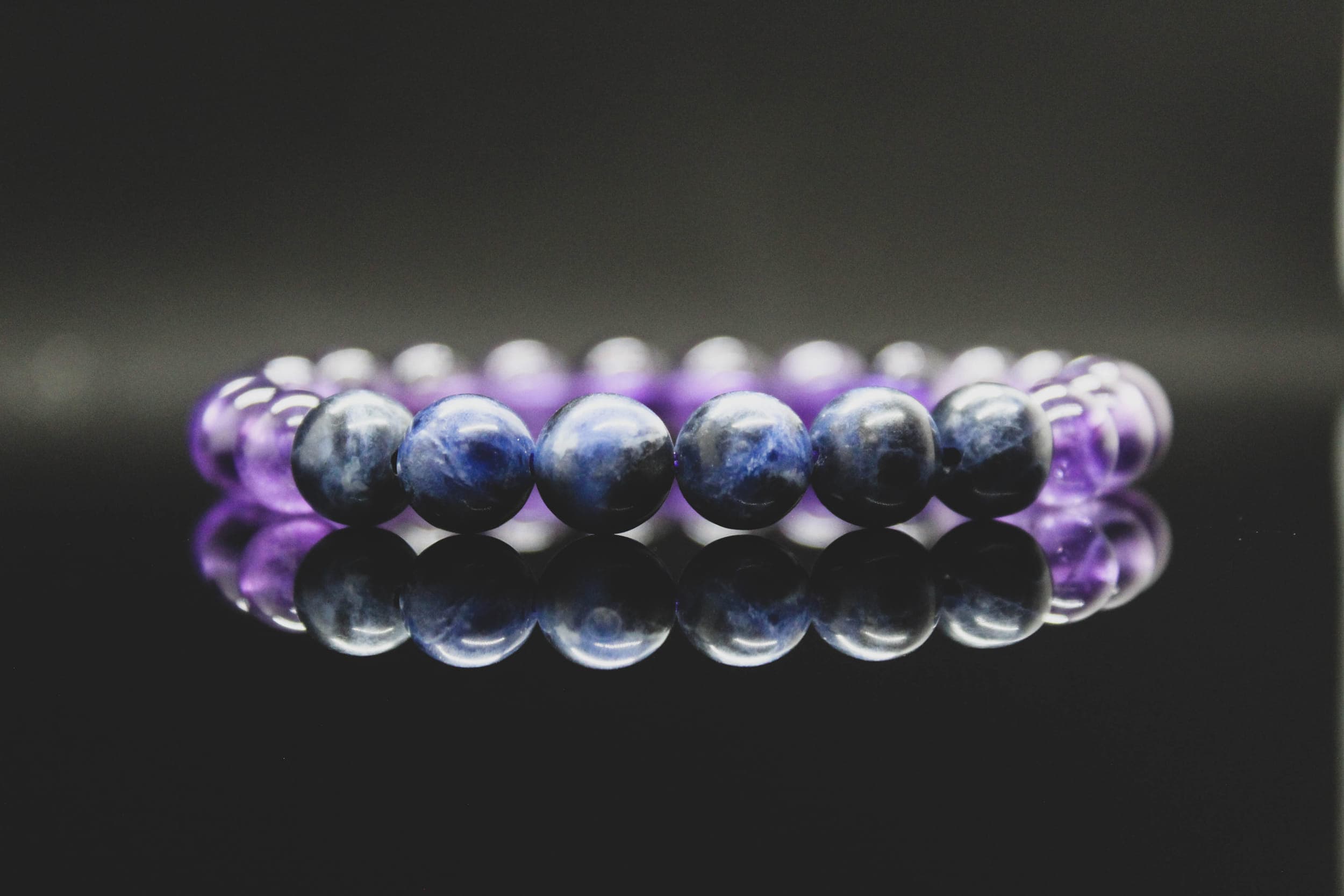
Creative Balance Energy Bracelet
$24.00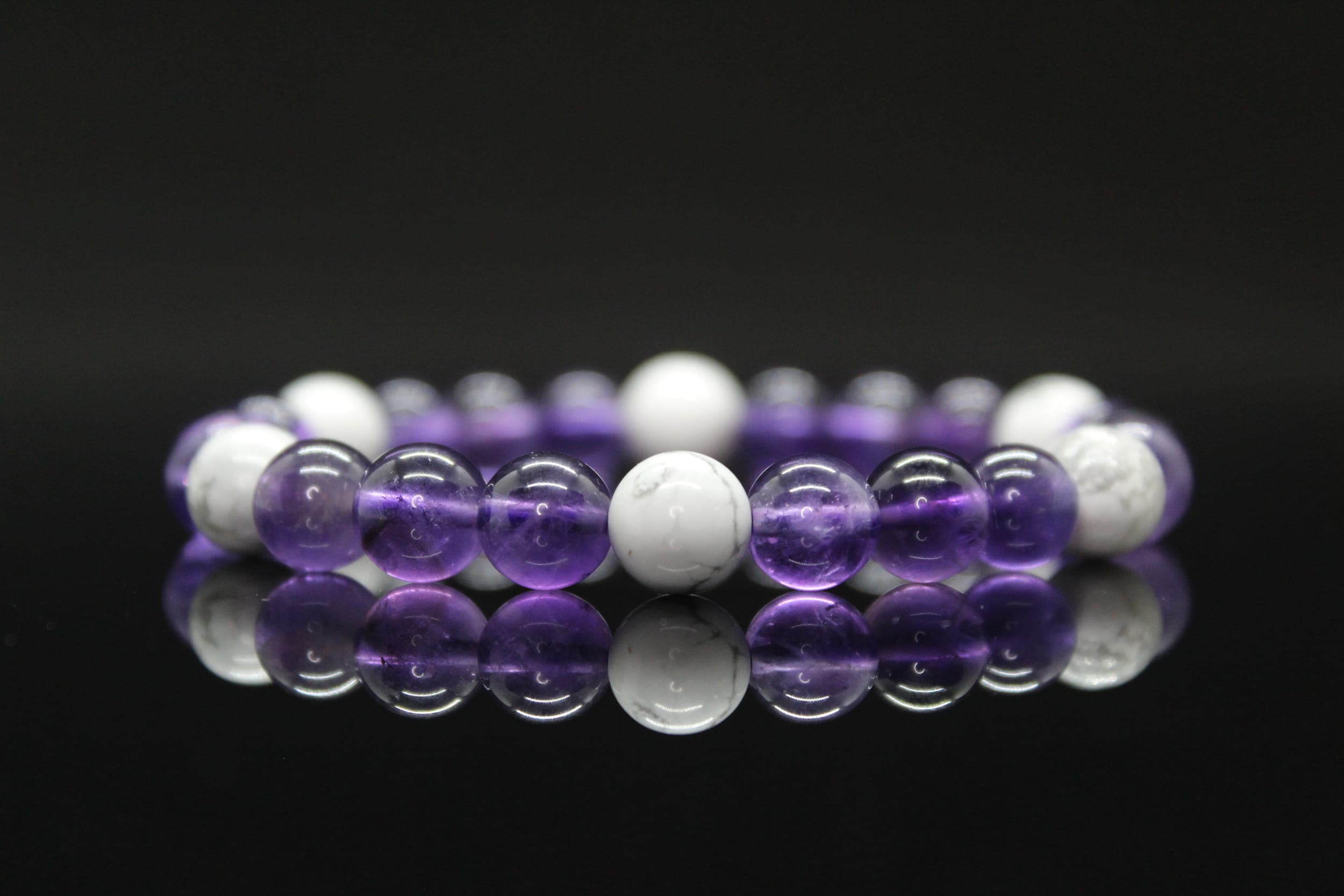
Higher Self Energy Bracelet
$24.00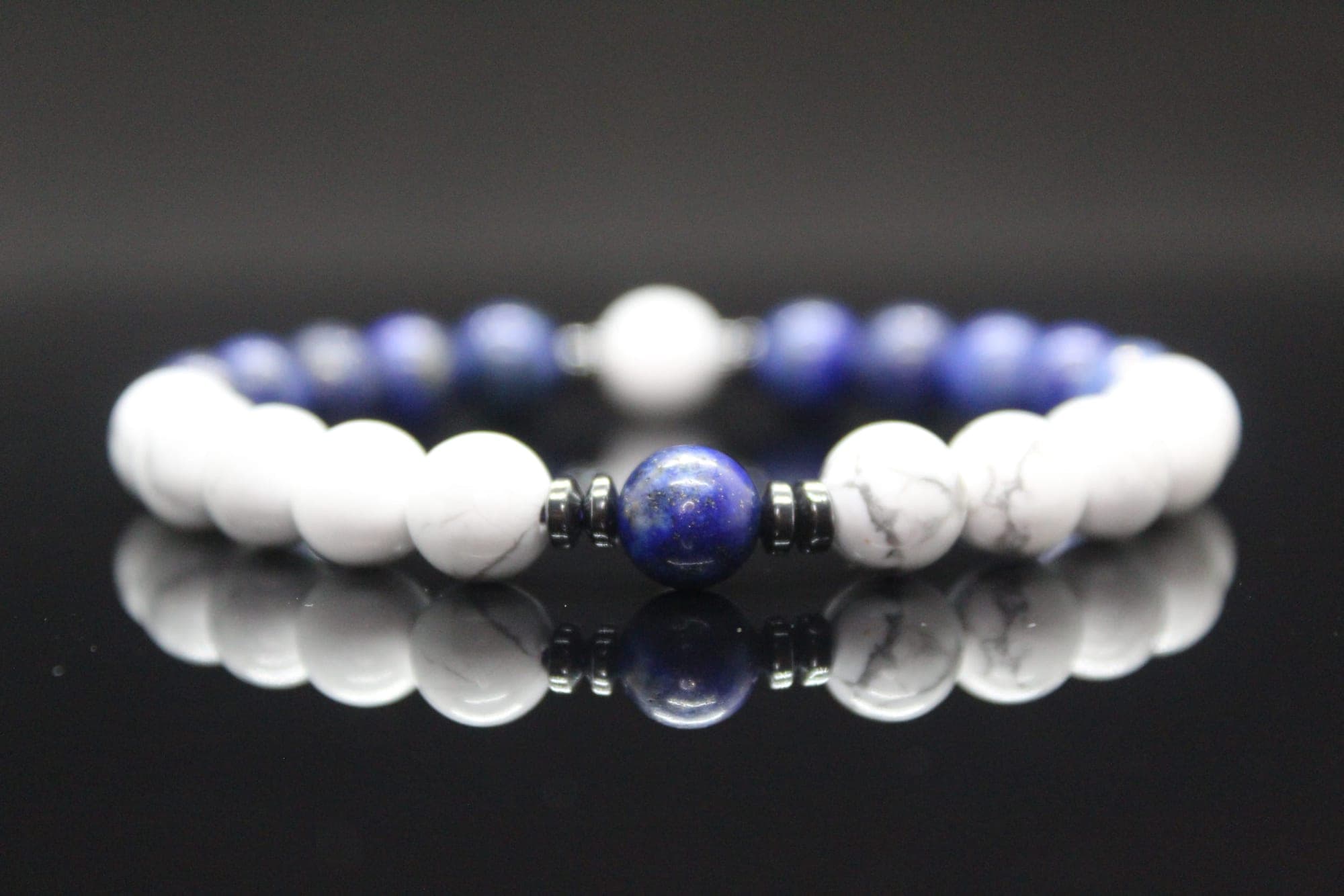
Divine Harmony Energy Bracelet
$24.00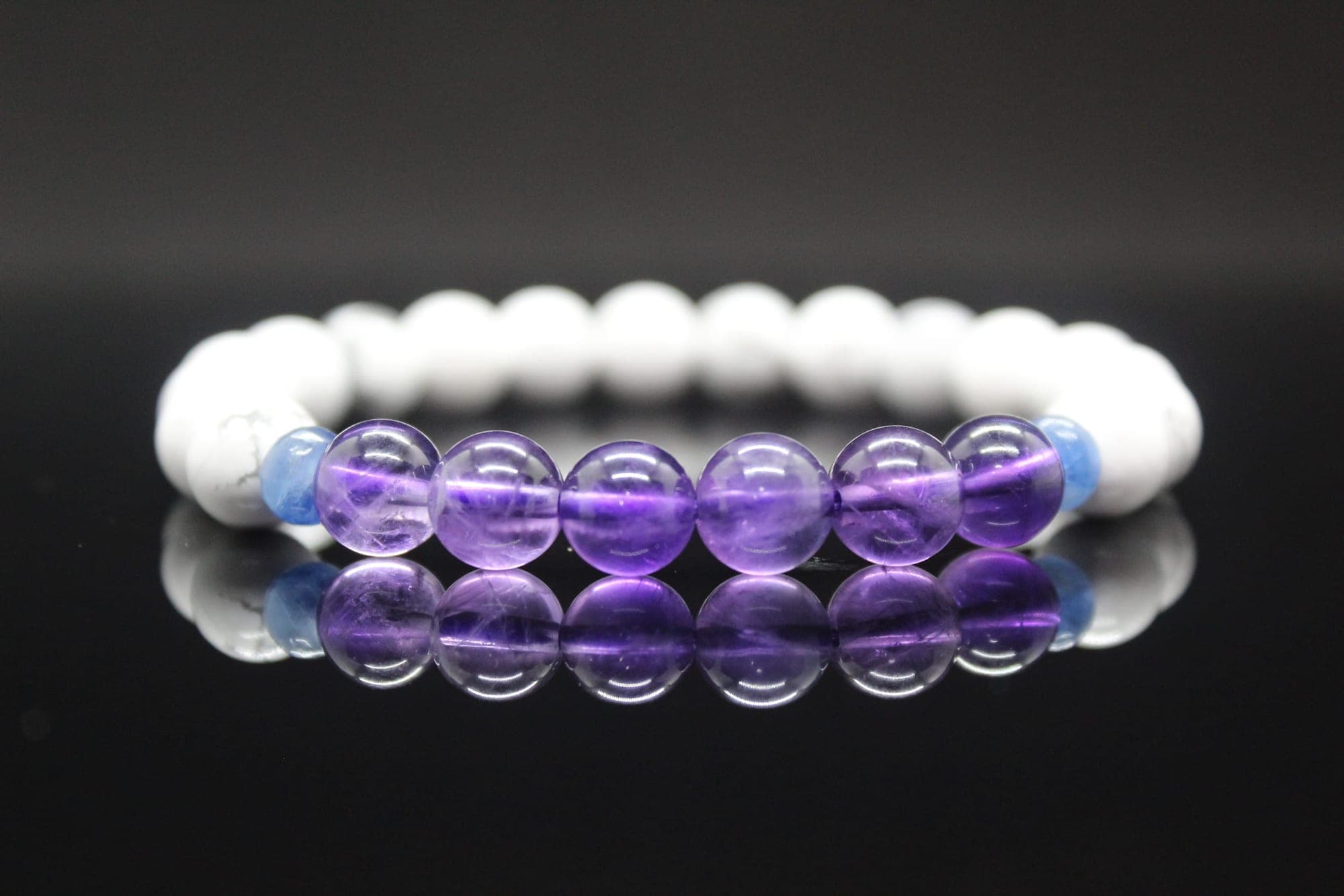
The Crown Energy Bracelet
$24.00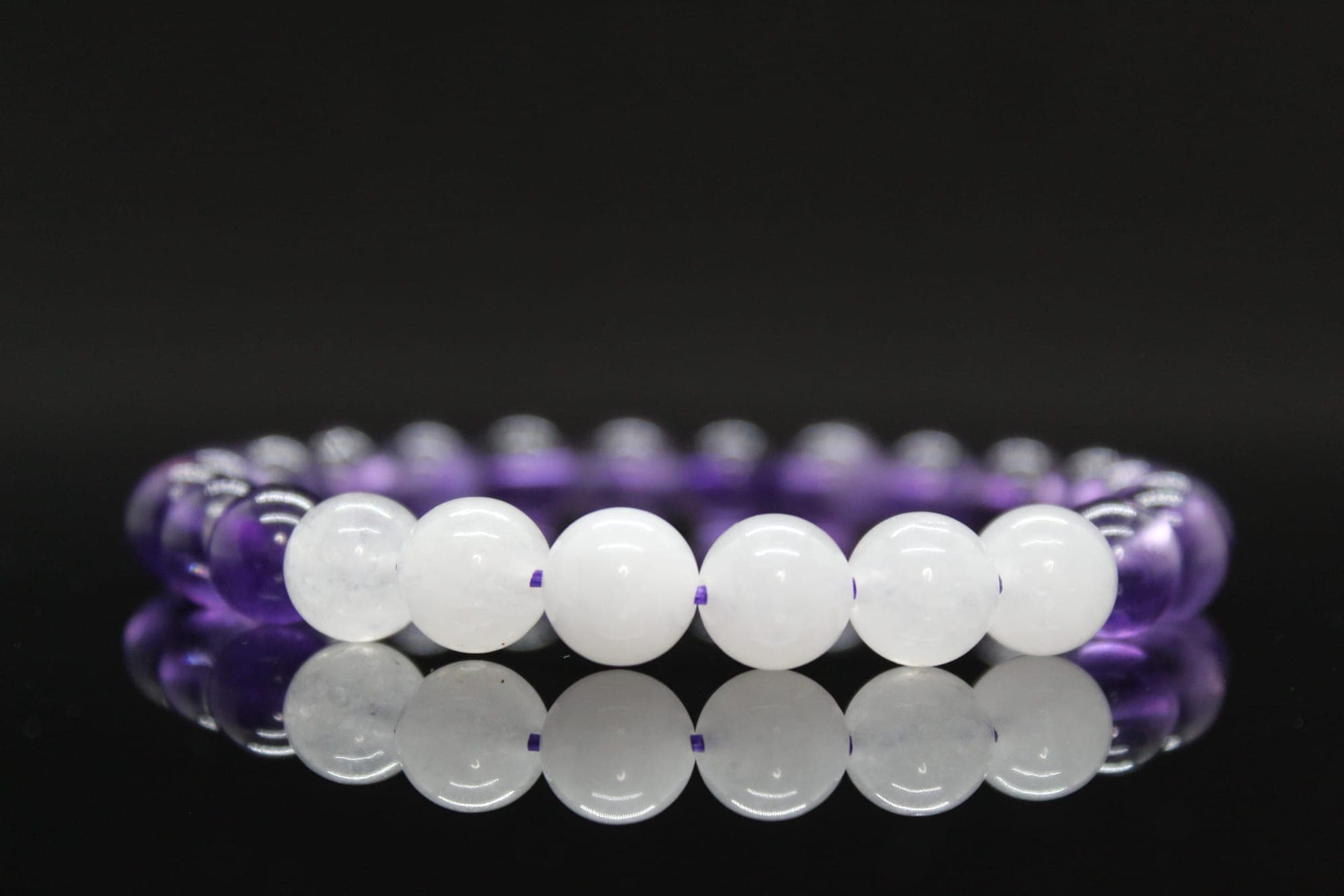
Divine Calming Energy Bracelet
$24.00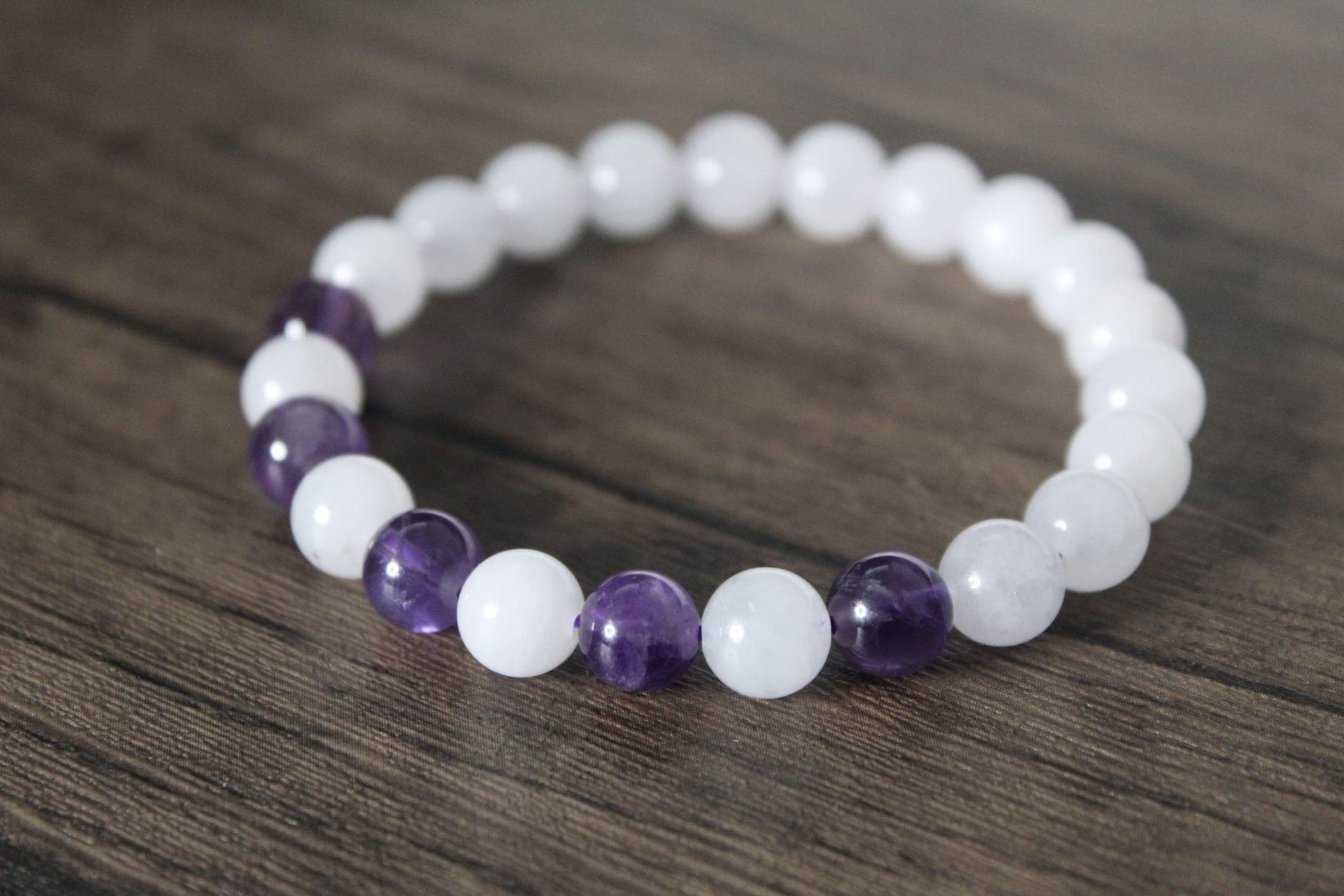
Divine Thoughts Energy Bracelet
$33.00
Creative Flow Energy Bracelet
$33.00