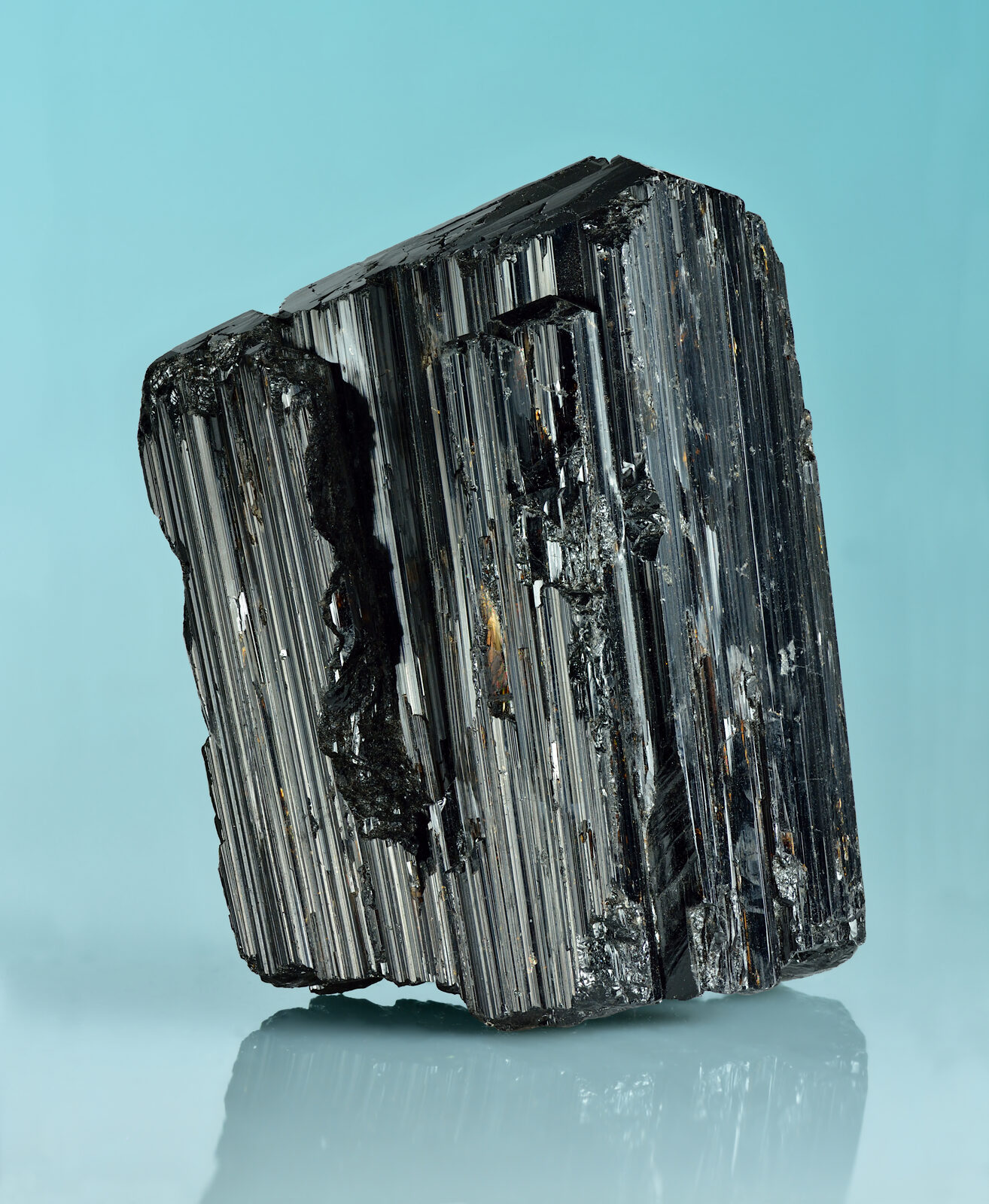
Photo: Ivar Leidus · CC BY-SA 4.0 · Wikimedia Commons
Black Tourmaline
The Ultimate Protector
Energy Focus
Meaning & uses
Black Tourmaline Meaning
Widely considered the most protective stone in the crystal world, Black Tourmaline is reached for by nearly everyone who works with energy — a dense, grounding shield against negativity of every kind.
What Is Black Tourmaline?
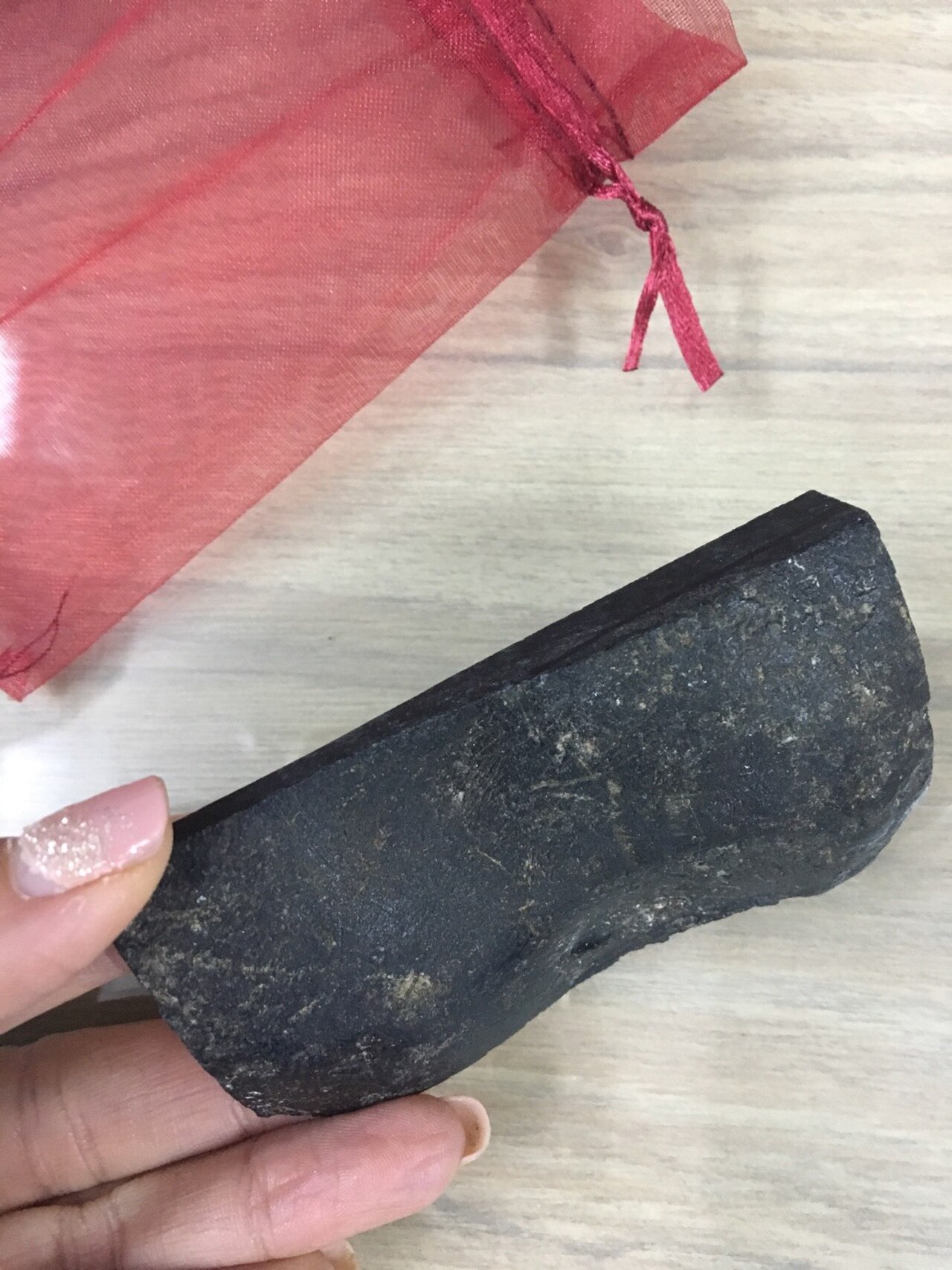
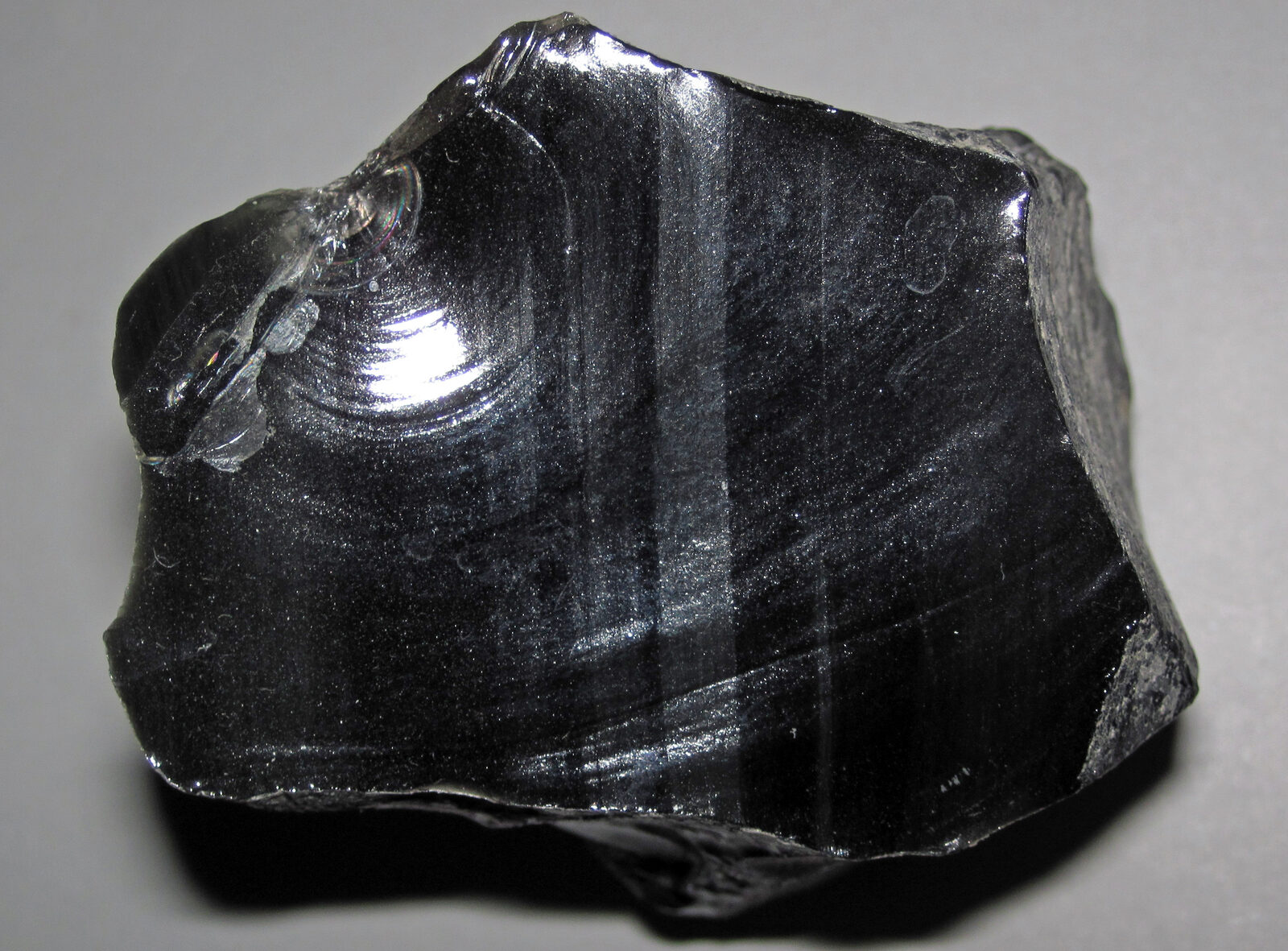
Black Tourmaline's proper mineralogical name is Schorl, and it's by far the most common member of the tourmaline group — a complex borosilicate family that also includes the pink of rubellite, the green of verdelite, and the layered pink-and-green of watermelon tourmaline. Where those varieties get their color from trace lithium or manganese, Schorl's black comes from a high iron content, and it makes up the vast majority of all tourmaline found in the earth's crust.
Tourmaline has a genuinely unusual physical property behind a lot of its reputation: it's both piezoelectric and pyroelectric, meaning it generates a real electrical charge when squeezed or heated. Eighteenth-century Dutch traders noticed this firsthand — heated tourmaline crystals would attract ash from a pipe — and nicknamed the stone aschentrekker, "ash puller," long before anyone understood the electrical charge causing it.
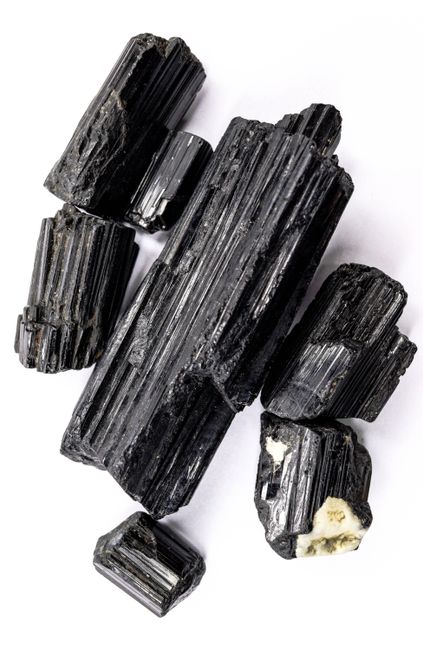
A Stone With Two Names and a Real Charge
"Tourmaline" as a general name comes from the Sinhalese word for mixed-colored gemstones found in Sri Lankan gem gravels — Dutch traders adopted it broadly before mineralogists had sorted the different tourmaline colors from other stones entirely. "Schorl," the specific name for the black variety, is older still, tracing back to a village in Saxony, Germany, where the mineral was already being mined and named by the 15th century.
That real electrical charge went on to have a genuinely practical afterlife: tourmaline's reliable piezoelectric response was used in early 20th-century pressure gauges, including instruments the U.S. Navy used to measure underwater blast pressure. It's also very likely the actual origin of Black Tourmaline's modern reputation as a stone that "blocks" electromagnetic energy — a real, measurable electrical property that folklore has since stretched further than the physics itself actually supports.
Meaning and Symbolism
Black Tourmaline's meaning is about as close to a single word as any stone in the directory gets: protection. It's traditionally the first stone recommended to anyone starting a crystal collection, framed less as a specialist tool and more as a baseline — something to have around before reaching for anything more targeted.
Carried or worn to
- Shield against negative energy and psychic drain
- Ground scattered or anxious energy
- Support a sense of calm around electronics and daily stress
- Build emotional stability and resilience
Chakra, Zodiac & Element
Black Tourmaline is tied to the Root Chakra, the seat of safety and physical stability — a direct match for a stone whose entire reputation is built around shielding and grounding. Its Earth element reinforces the same idea: dense, unmoving, resistant to outside disruption.
Astrologically it's linked to Capricorn, for discipline and endurance, and Scorpio, for the sign's own strong protective and transformative instincts. Tourmaline as a whole is also a modern birthstone for October, alongside Opal — though it's the vivid pink, green, and multicolor varieties that usually fill that role rather than Schorl's black.

How to Use and Care for Black Tourmaline
At 7–7.5 on the Mohs scale, Black Tourmaline is durable enough for daily wear in rings, bracelets, or pendants, and it's water-safe for routine cleansing. It's a genuinely low-maintenance stone — no special fragility or light sensitivity to work around, unlike several of its fellow protective, dark-colored stones.
It's traditionally paired with Smoky Quartz for nightmares and protection, or with Tiger's Eye as a practical, wearable combination for a demanding day. See our Crystal Combinations guide for the full pairing breakdown.
Frequently Asked Questions
Why is Black Tourmaline also called Schorl?
Does Black Tourmaline actually block EMF?
What's the difference between Black Tourmaline and other tourmaline colors?
Is Black Tourmaline safe to wear every day?
What chakra is Black Tourmaline associated with?
Is Black Tourmaline a birthstone?
Often the very first stone recommended to anyone starting a crystal collection.
Shop by energy
Bracelets for the Root chakra
We don't have a Black Tourmaline bracelet yet. These share its Root chakra energy.
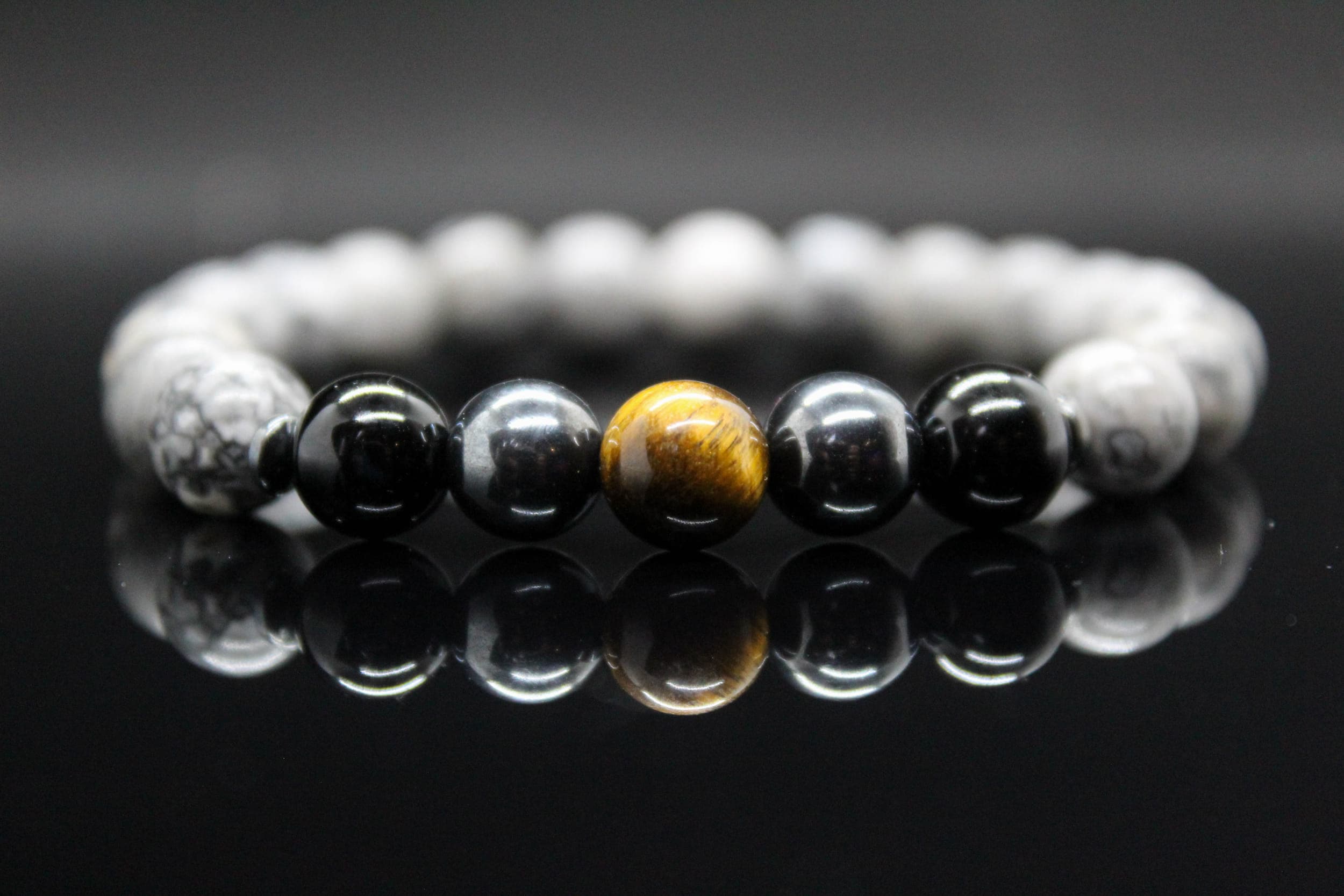
Energetic Balance Energy Bracelet
$24.00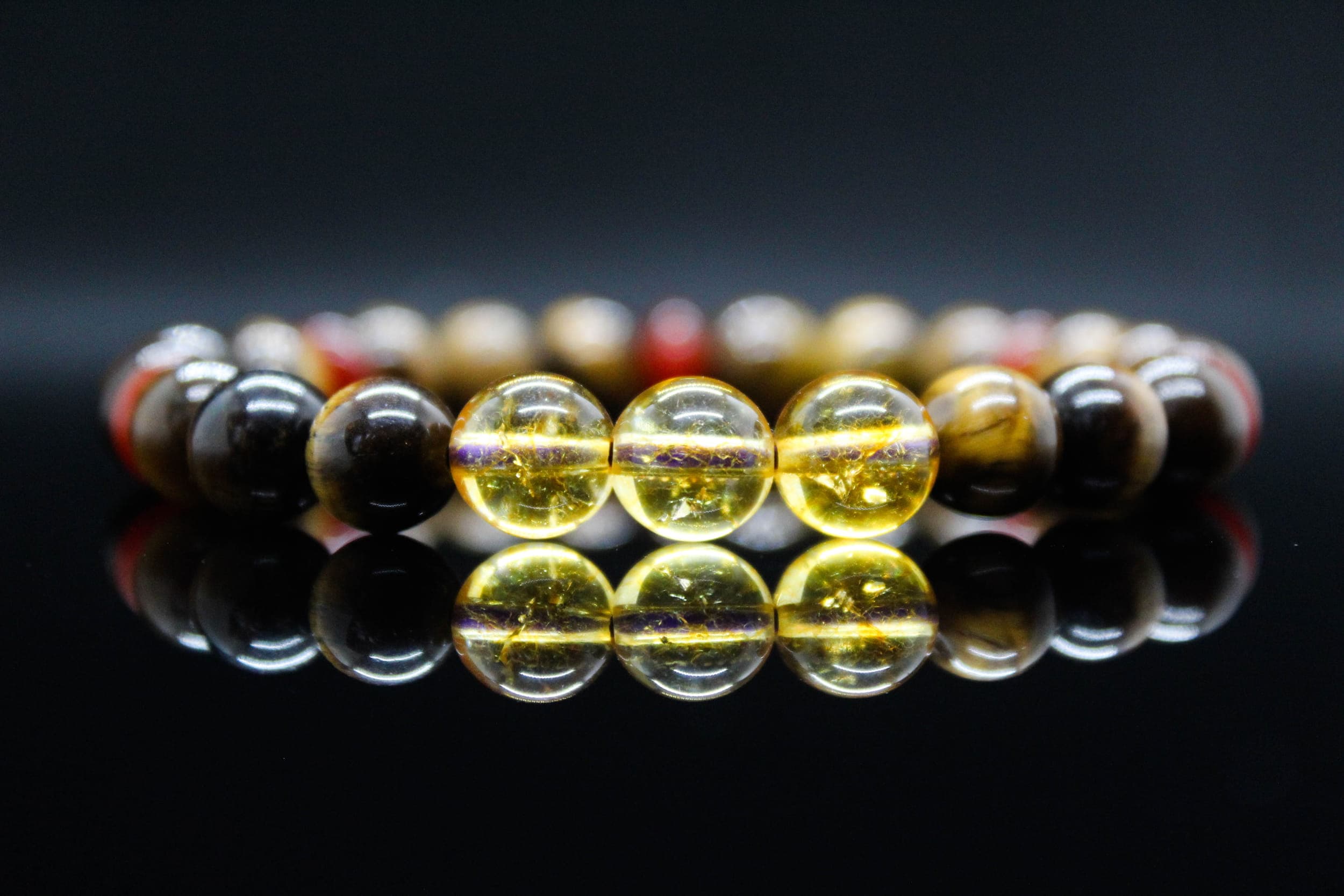
Focus Manifest Energy Bracelet
$24.00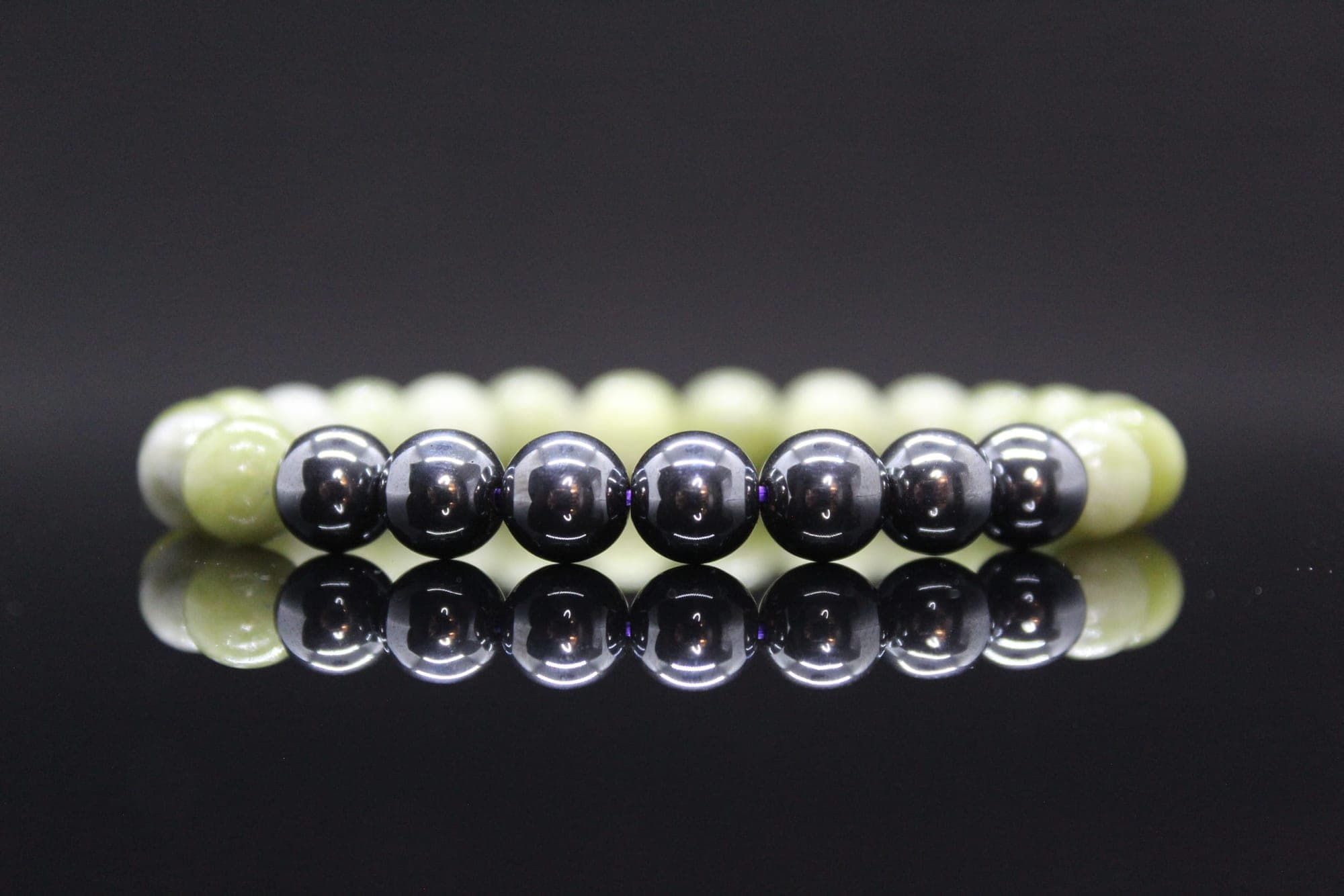
Life Force Energy Bracelet
$24.00
Divine Harmony Energy Bracelet
$24.00
Clear Thoughts Energy Bracelet
$33.00
Protective Manifestation Energy Bracelet
$33.00
Grounding Love Energy Bracelet
$33.00
The Opulence Energy Bracelet
$33.00Pairings
Black Tourmaline Pairs Well With

Black Tourmaline + Selenite
Protection, cleansing
Tourmaline absorbs whatever's coming at you over the course of a day; selenite clears it back out before it has a chance to build up. Keep both by the front door and intake and cleanup are both covered.
Read more →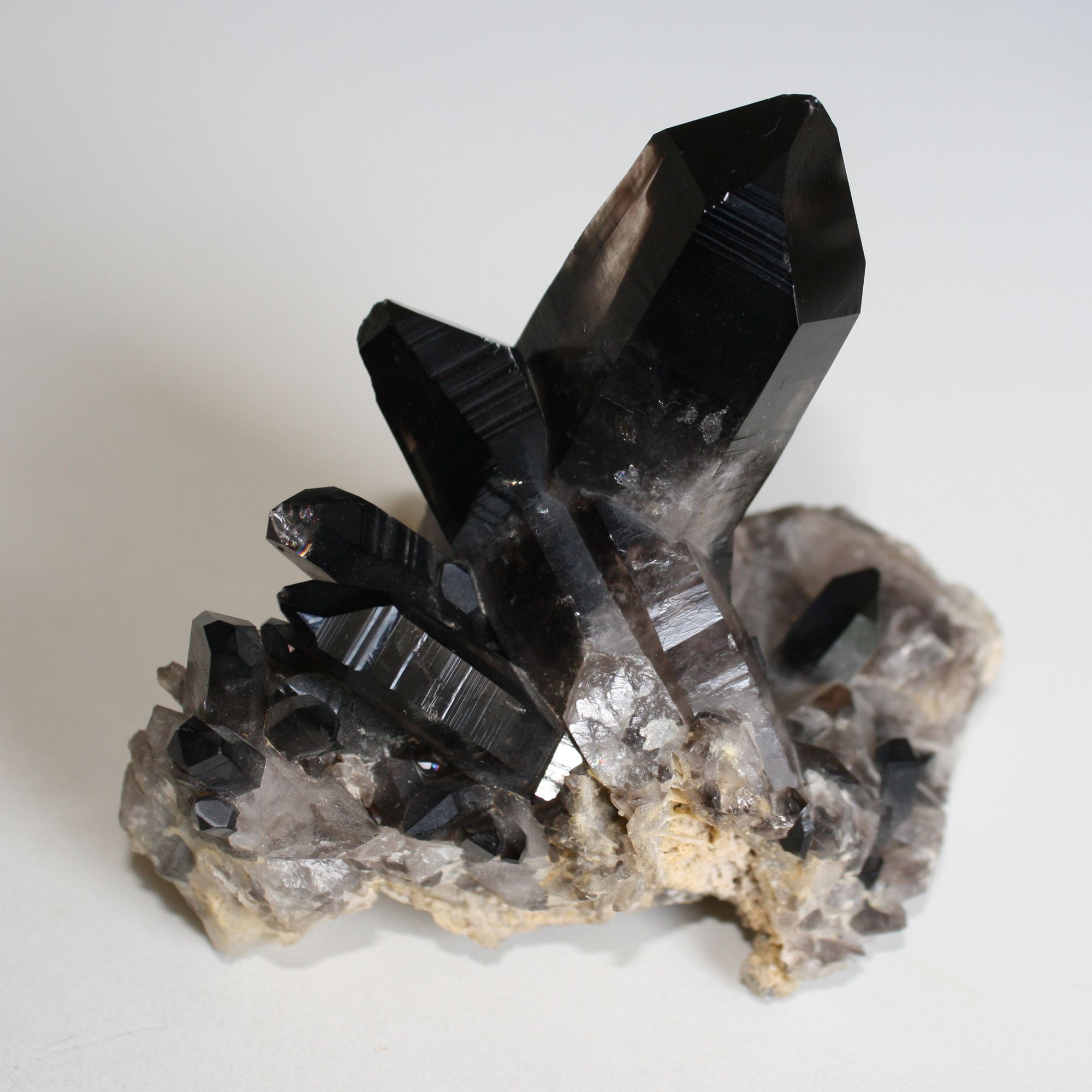
Smoky Quartz + Black Tourmaline
Nightmares, protection
Smoky quartz transmutes heavy energy rather than just blocking it; tourmaline blocks whatever's left over — one converts, the other repels.
Read more →
Black Tourmaline + Tiger's Eye
Working-day pocket pair
A practical, wearable combination for the office or a long day out — tourmaline as a shield against other people's static, tiger's eye to keep you moving forward through it.
Read more →