
Protection, cleansing
Black Tourmaline + Selenite
Intake and cleanup, both covered.
Intention
Protection, cleansing
Most protective stones do one job. Black Tourmaline absorbs and blocks; Selenite clears and lifts. On their own, each leaves something undone — a shield that only ever takes things in eventually needs emptying, and a stone that only clears has nothing standing guard.
That's the logic behind this pairing, one of the most practical in the whole collection: a stone built to take the hit, and a stone built to reset what's left. Traditionally it's kept somewhere everyone passes through — the front door, a desk, a bedside table — so both halves of the job happen in the same place.
The stones
What each stone brings
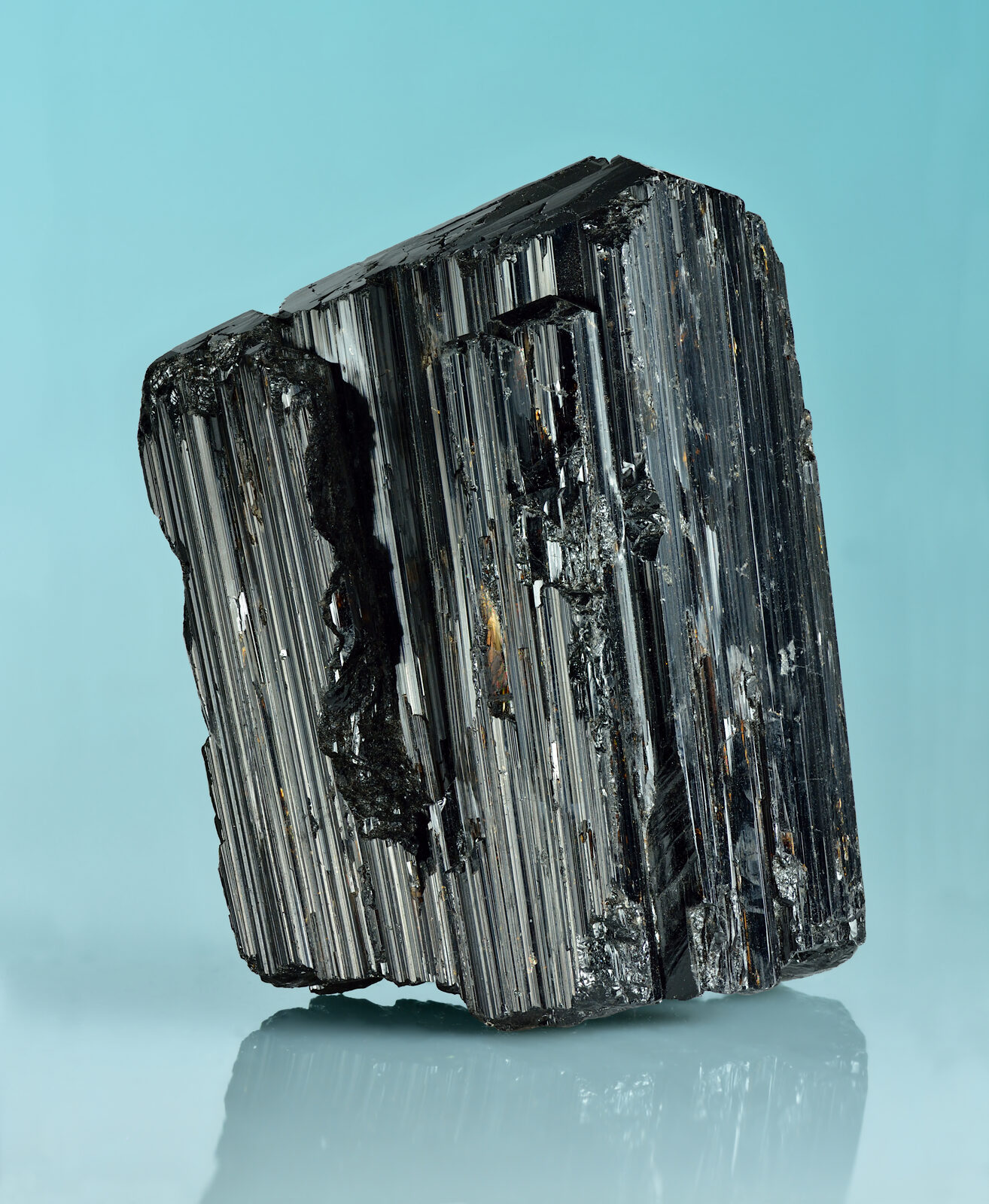
Black Tourmaline
The Ultimate Protector
Takes the hit
The Dutch traders who first brought tourmaline to Europe called it aschentrekker — "ash puller" — because heated crystals attract ash, a real effect of the mineral's electric charge. That pull toward whatever's nearby is exactly the quality the tradition borrows: a hard, dense stone at 7–7.5 on the Mohs scale that's reached for to absorb and deflect what's coming at you across a day.
Read the full Black Tourmaline guide →
Selenite
The Cleansing Light
Clears it back out
Named for the Greek moon, Selenite is a pale, luminous gypsum with the strangest reputation in the crystal world: it's traditionally said to need no cleansing itself, and to clear the stones and spaces around it. It's the reset button of this pairing — fragile and light where Tourmaline is heavy and tough.
Read the full Selenite guide →
The synergy
How the pairing works
Absorb
Black Tourmaline
Tourmaline stands between you and the day, taking in the tension, other people's static, and everything that lands on you along the way.
Clear
Selenite
Selenite lifts that residue away before it can pile up, so the shield resets instead of quietly filling up.
Protection that resets
A shield that never gets cleared eventually just holds onto what it caught. Pairing the two turns protection from a one-time event into a cycle — take it in, clear it out, start fresh tomorrow.
Put it into practice
How to use the pairing
At the front door
The classic placement: a piece of each near the entrance, so Tourmaline guards the threshold while Selenite clears whatever gets past it. Keep the Selenite indoors and dry.
A nightly reset
At the end of the day, rest your Tourmaline on or beside a flat Selenite slab or plate overnight — the traditional way to let Selenite "clear" a stone that's been on guard duty.
At your desk
A small Tourmaline by your keyboard for the tense stretch of a workday, a Selenite wand nearby for the pause between meetings.
In the bedroom
Tourmaline near the door, Selenite on the nightstand: one keeps the room steady, the other keeps it feeling light.
Reach for it when
- Busy, high-contact days full of other people's moods
- Moving into a new home, office, or workspace
- Crowded commutes and draining shared spaces
- After a difficult conversation you want to shake off
Care
One is tough. One is delicate.
Black Tourmaline is hard and forgiving, so it can be handled freely and rinsed without worry. Selenite is only 2 on the Mohs scale and water-soluble: never wet it, keep it out of bathrooms and kitchens, and clean it with a dry cloth. Store it apart from harder stones, which will scratch it.
Better skipped
Pairings involving these stones that tend to work against each other:
- Hematite + Selenite — one pulls heavily down, the other pulls just as insistently up, and the tug-of-war cancels both out
Good to know
Frequently asked questions
Why do people pair Black Tourmaline with Selenite?
Traditionally, Black Tourmaline is reached for to absorb and deflect negativity, while Selenite is reached for to clear and lift it away. Together they're said to cover both protection and reset — the shield and the cleanup.
Does Selenite really cleanse other crystals?
That's a widely repeated tradition rather than something science can confirm, but it's why Selenite is so often kept alongside other stones. Whether or not you believe it, resting Tourmaline on a dry Selenite slab is a simple, low-maintenance ritual.
Can I put Selenite in water to cleanse it?
No. Selenite is a form of gypsum and dissolves in water — even brief contact can cloud or damage it. Use a dry cloth, or leave it out in moonlight.
Where's the best place to keep them?
By the front door is the classic spot, since that's where you'd want protection and a reset. Any dry, well-trafficked place works as long as the Selenite stays out of humidity.
Can I keep both in the same bag or bracelet?
It's better not to. Black Tourmaline is far harder than Selenite and will scratch it, so give each its own pouch and keep them together only when they're on display.
Are there stones I shouldn't add to this pairing?
Heavy grounders like Hematite tend to work against Selenite, since one pulls firmly down and the other pulls just as firmly up. Skip that combination.
A stone to stand guard, a stone to lighten what it caught.
Keep exploring
More combinations to try
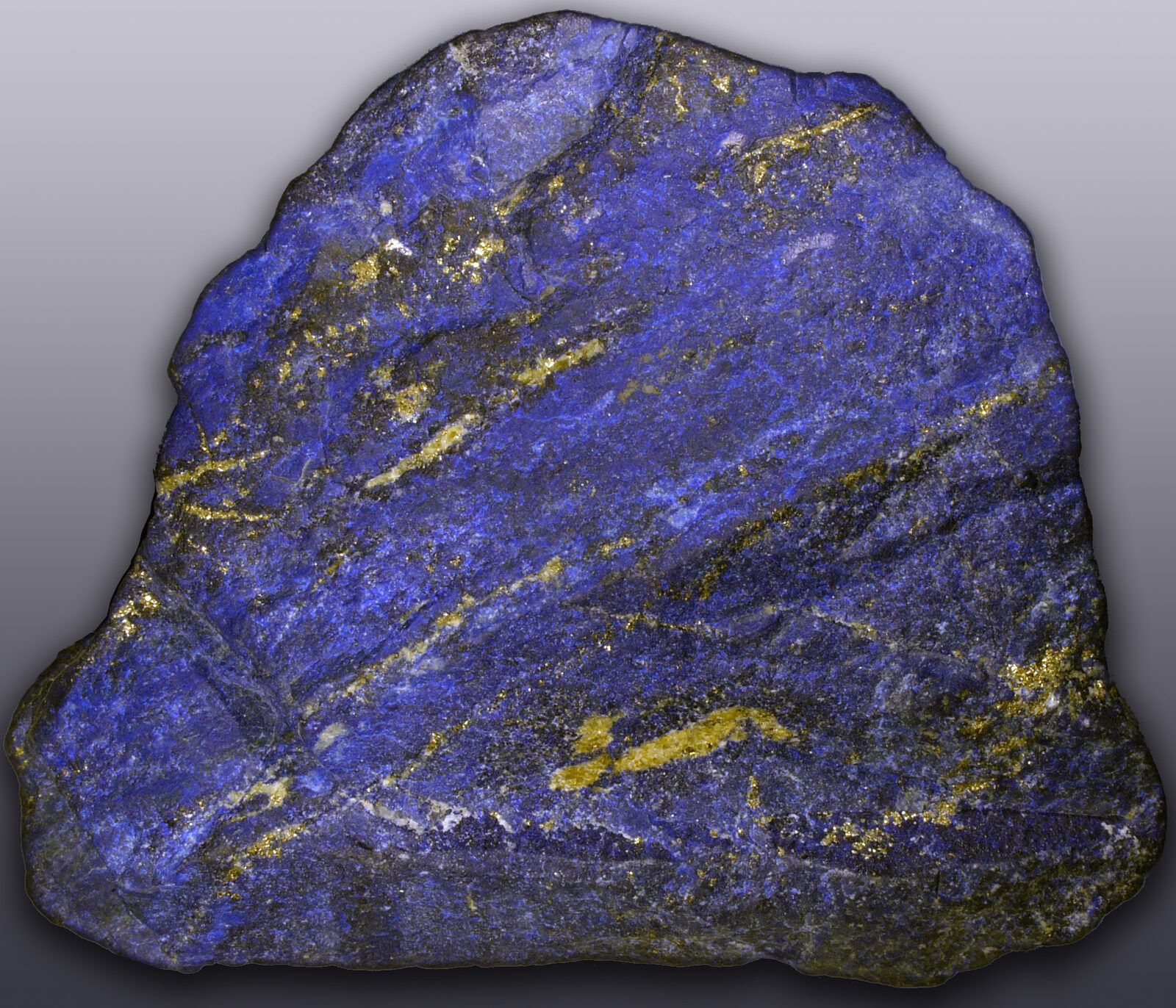
Lapis Lazuli + Selenite
Meditation, inner truth
Lapis opens inward reflection; selenite lifts and clears the space around it — a natural fit for meditation practice.
Read more →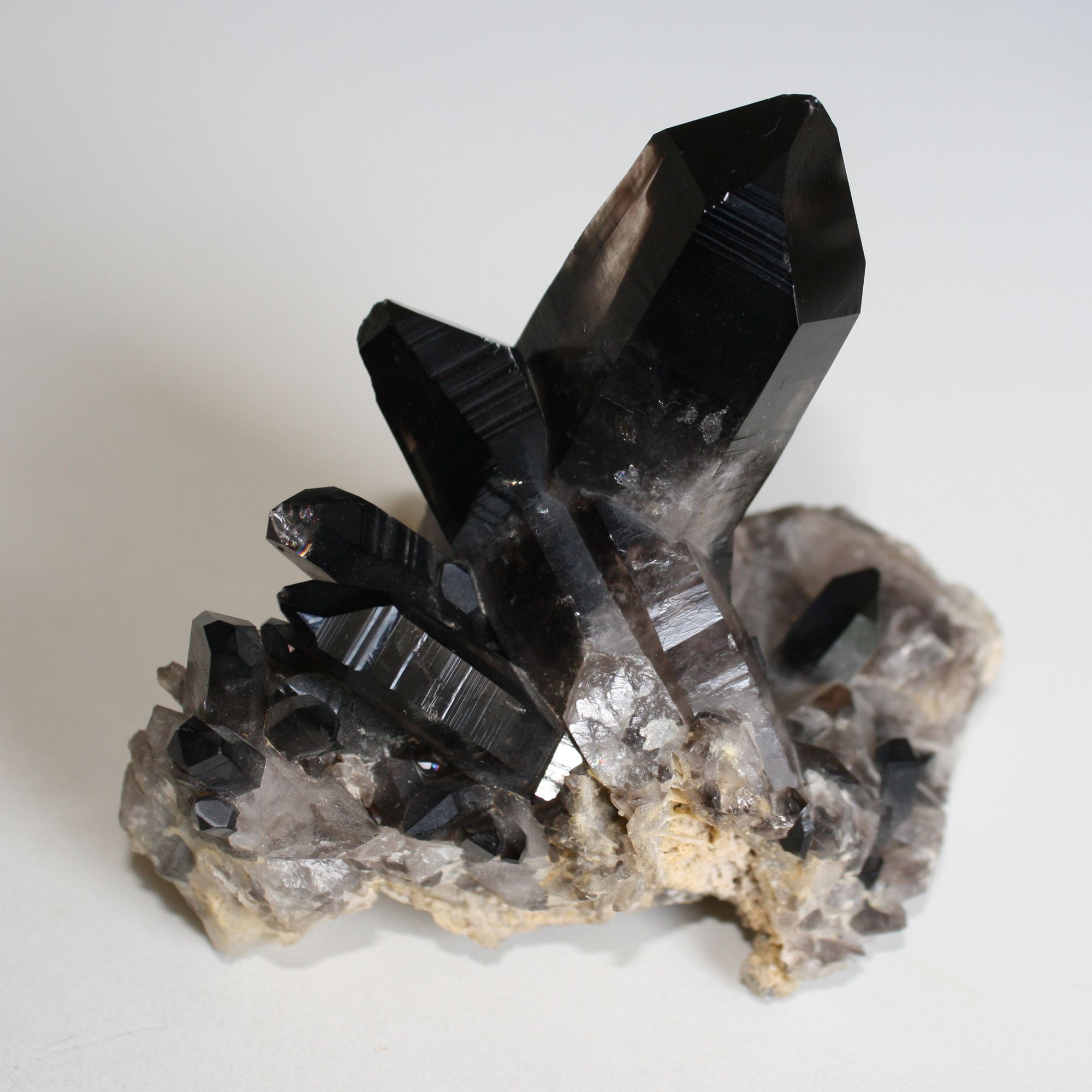
Smoky Quartz + Black Tourmaline
Nightmares, protection
Smoky quartz transmutes heavy energy rather than just blocking it; tourmaline blocks whatever's left over — one converts, the other repels.
Read more →
Black Tourmaline + Tiger's Eye
Working-day pocket pair
A practical, wearable combination for the office or a long day out — tourmaline as a shield against other people's static, tiger's eye to keep you moving forward through it.
Read more →