On this page
If you spend most of the day at the same desk, it's easy to add one stone where you'll see it. This guide covers which crystals people traditionally keep beside them while they work, how to pick one for the work you actually do, and a short routine so the stone gets used instead of collecting dust.
The short answer
Choose one stone for the problem your workday really has. Fluorite is the traditional pick for focused, detailed work. Clear Quartz is traditionally kept for clearing your head between tasks. Citrine is said to support sales, money and motivation, and Smoky Quartz is what people traditionally reach for on scattered or tense days. Put it where your eyes land when you look up from the screen, keep it out of strong sun, and link it to a habit like a short break.
The stones
Why these four work on a desk
A desk is harder on a stone than a shelf. Things get knocked over, keys and mugs slide around, and a window can bake one corner all afternoon. So we chose these stones for their traditional associations and for whether they can handle that. Three of them are quartz, which sits at 7 on the Mohs scale and shrugs off most desk hazards. The fourth is softer, and we explain why it's still worth having.
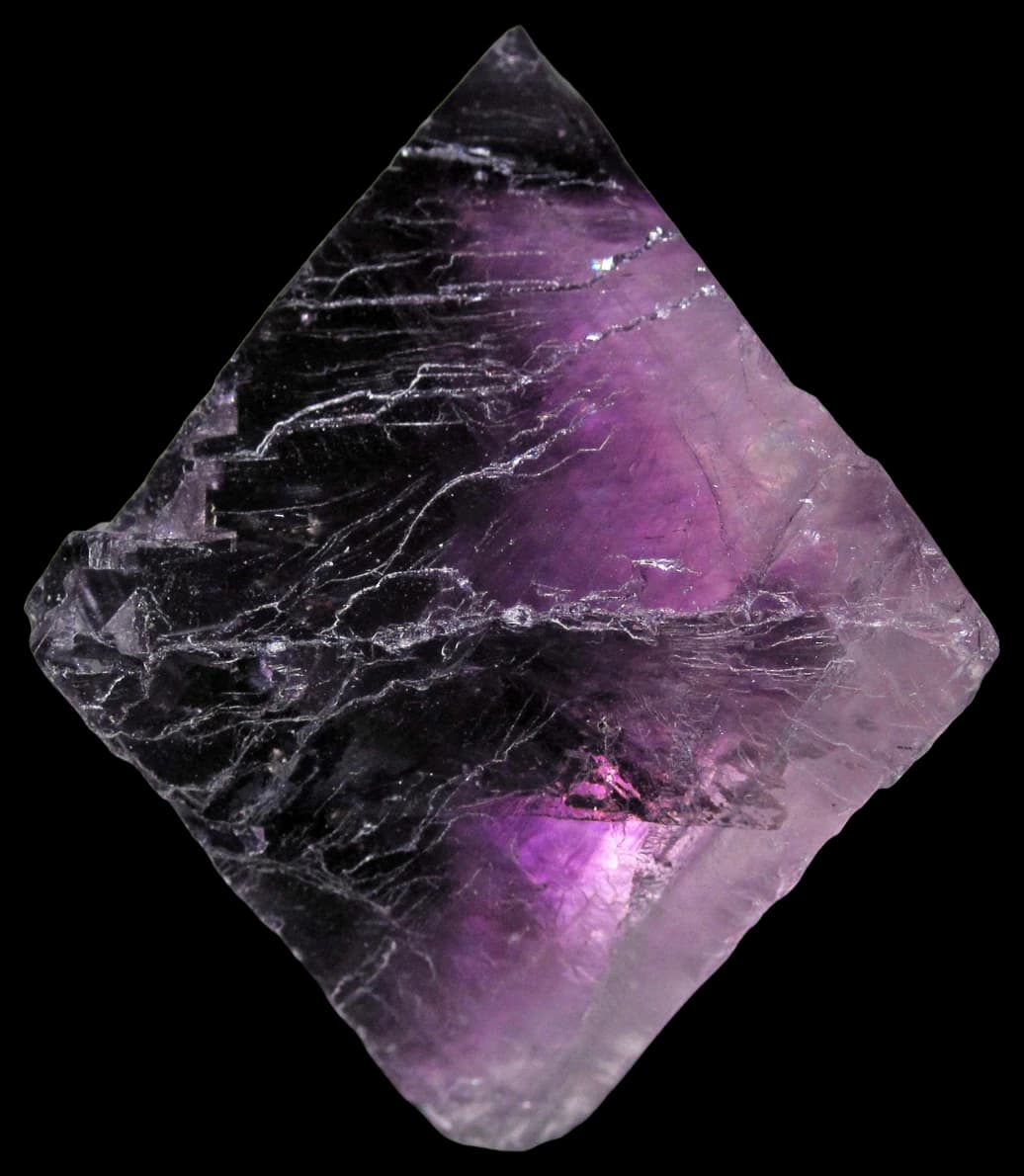
Fluorite
The Genius Stone
for focused, detailed work
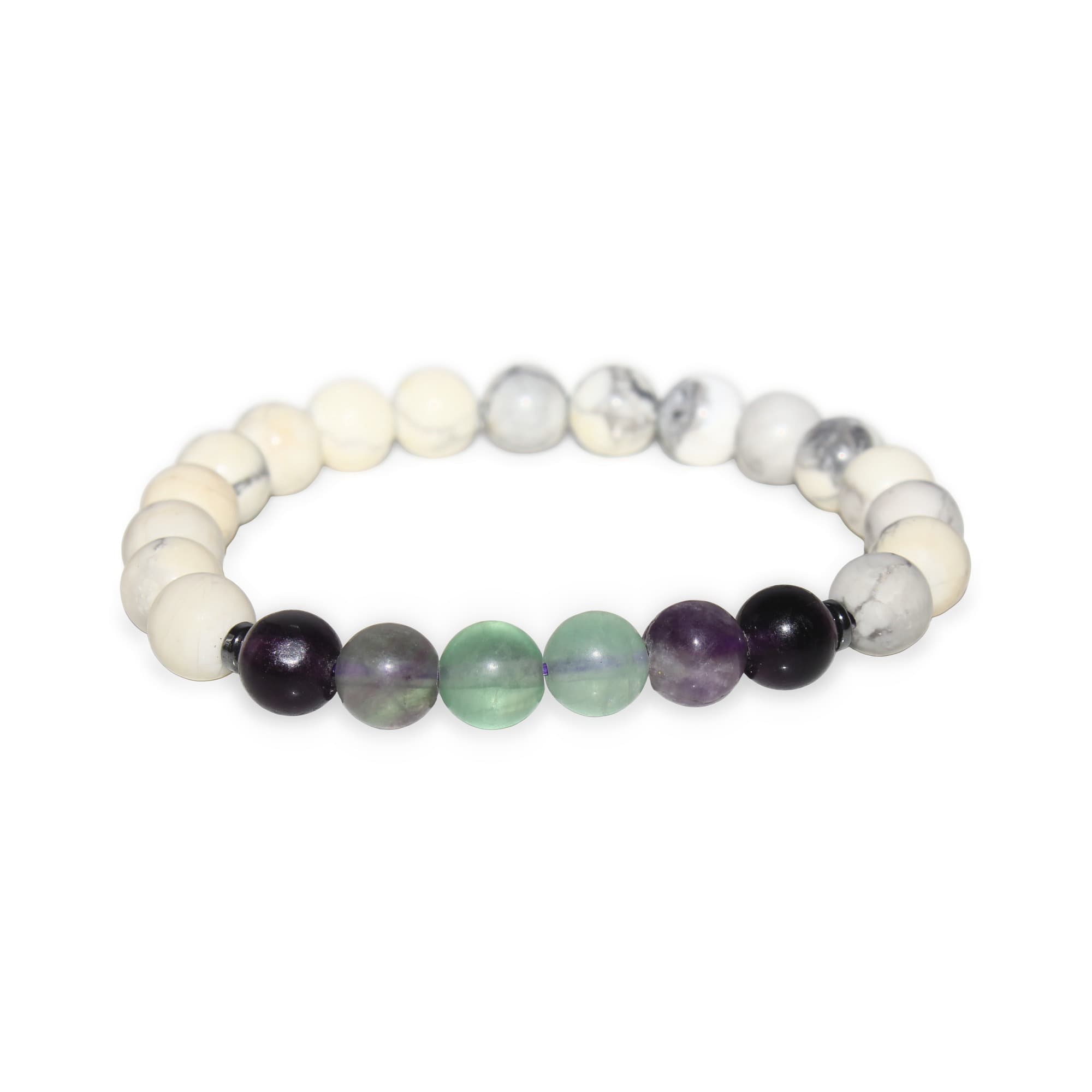
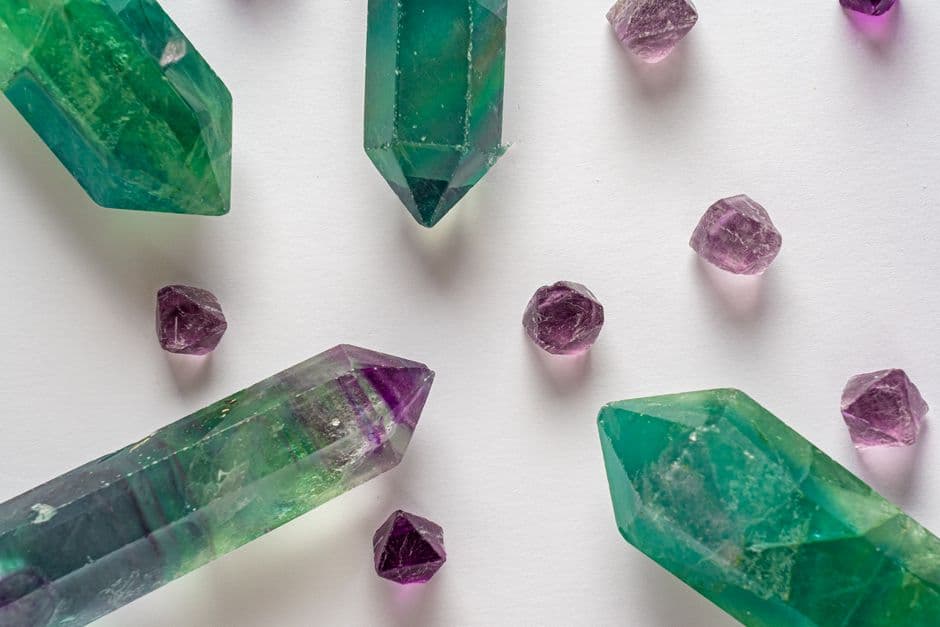
Fluorite is traditionally kept nearby for study, problem-solving and work that needs sustained attention. It's associated with the Third Eye and Crown chakras, and its banded purple, green and clear layers are often read as a symbol of sorting a jumble of thoughts into order.
The catch is physical. Fluorite is calcium fluoride with a hardness of 4, so a steel key or a ceramic mug can scratch it. It also splits cleanly along its cleavage planes if dropped. On a desk, give it a spot of its own, ideally a small dish, well away from the edge.
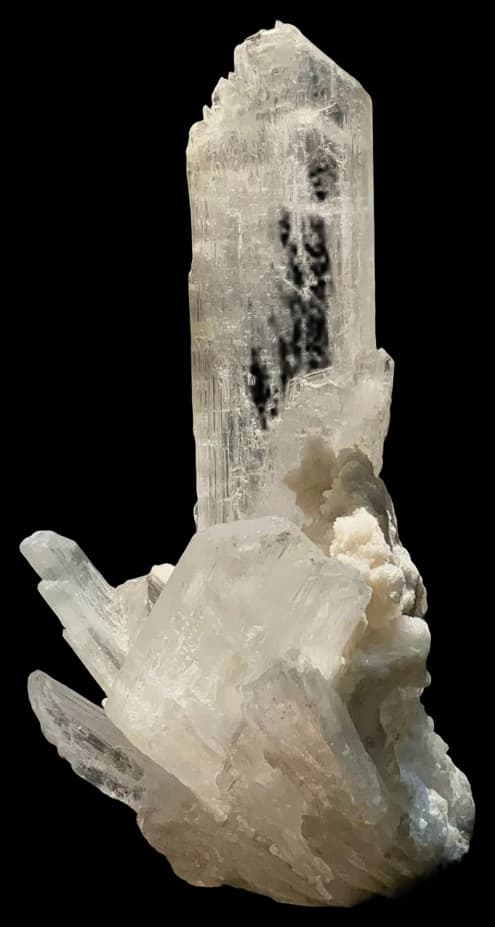
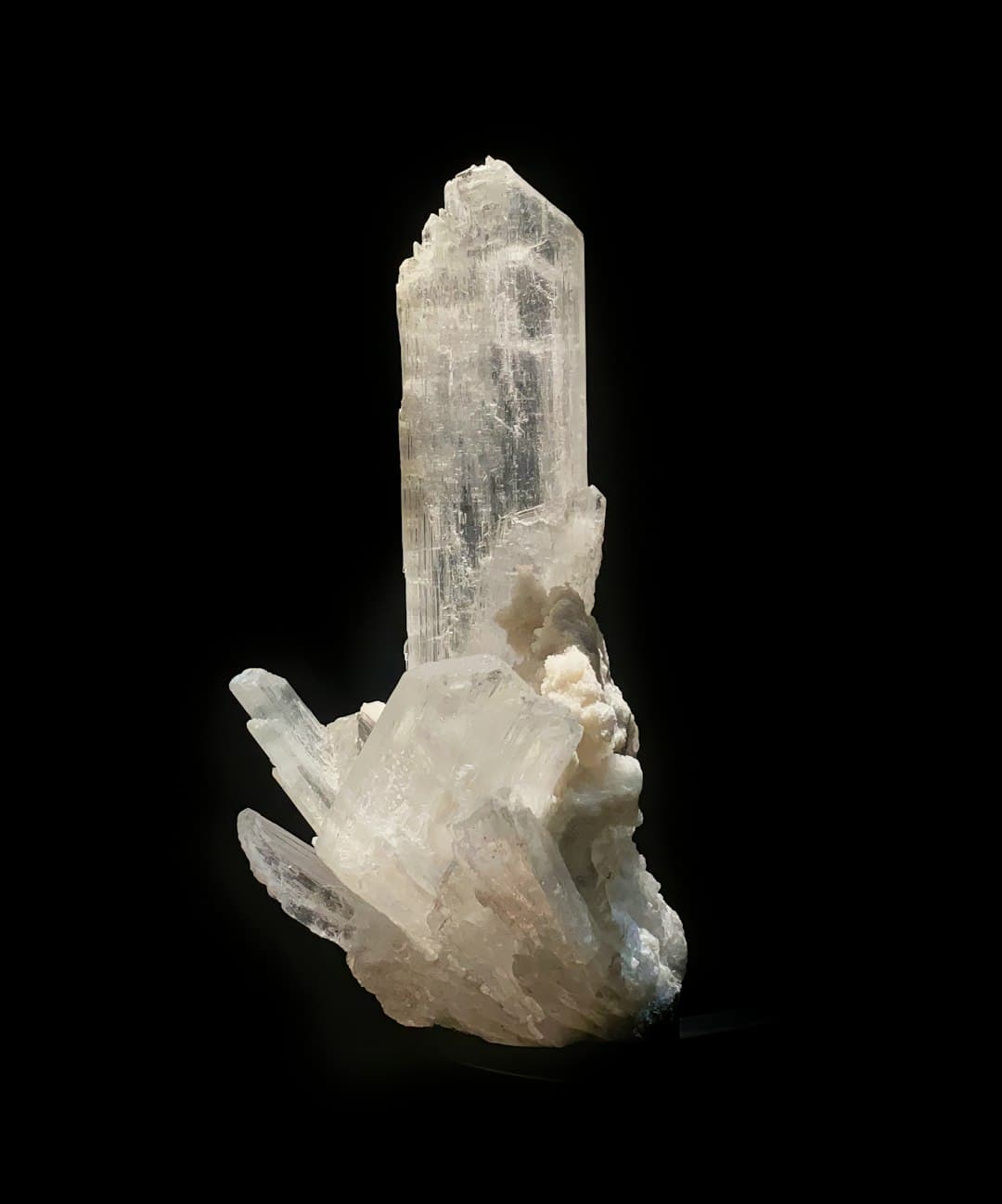
Clear Quartz
The Master Healer
for resetting between tasks
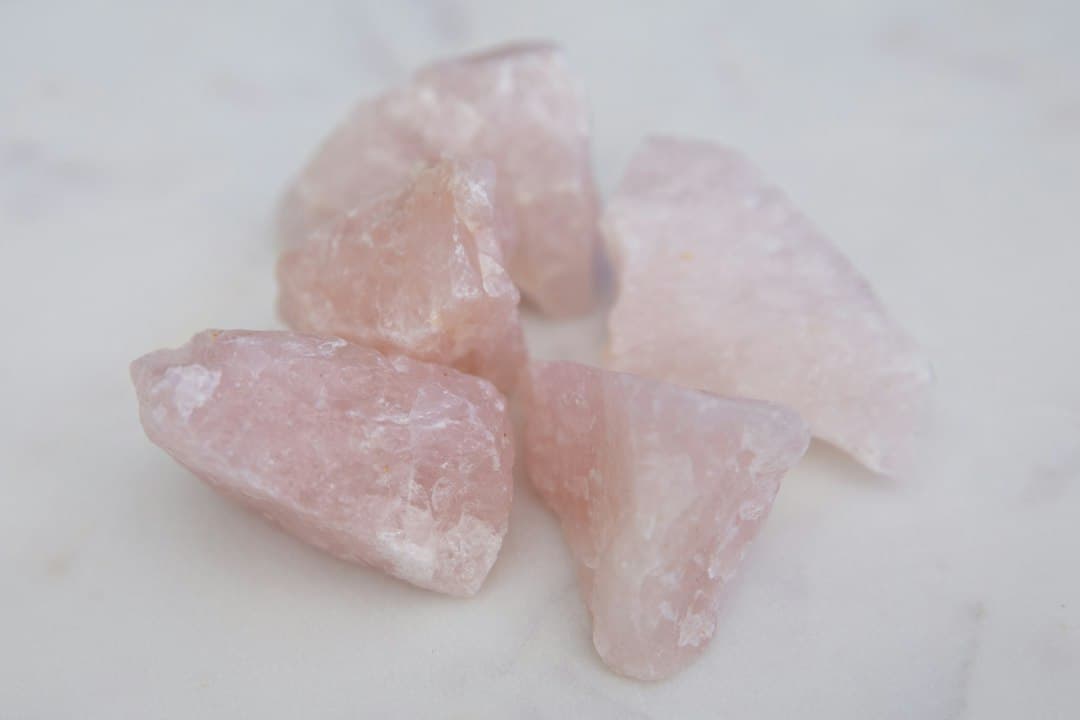
Clear Quartz is one of the most versatile stones in crystal practice. It's associated with the Crown chakra and is traditionally said to amplify whatever intention it's paired with. That's why people often keep it as the "reset" stone: you finish a call, pick it up, and decide what comes next. People who find that clarity drifts often add Hematite, and our Clear Quartz + Hematite pairing guide explains the traditional reasoning.
At hardness 7, it's the stone we'd suggest for the most chaotic desks. Coffee rings, a stray stapler and being picked up dozens of times a day won't hurt it. A point or a small palm stone both work well.
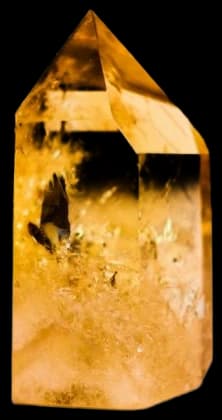
Citrine
The Merchant's Stone
for sales, money and momentum
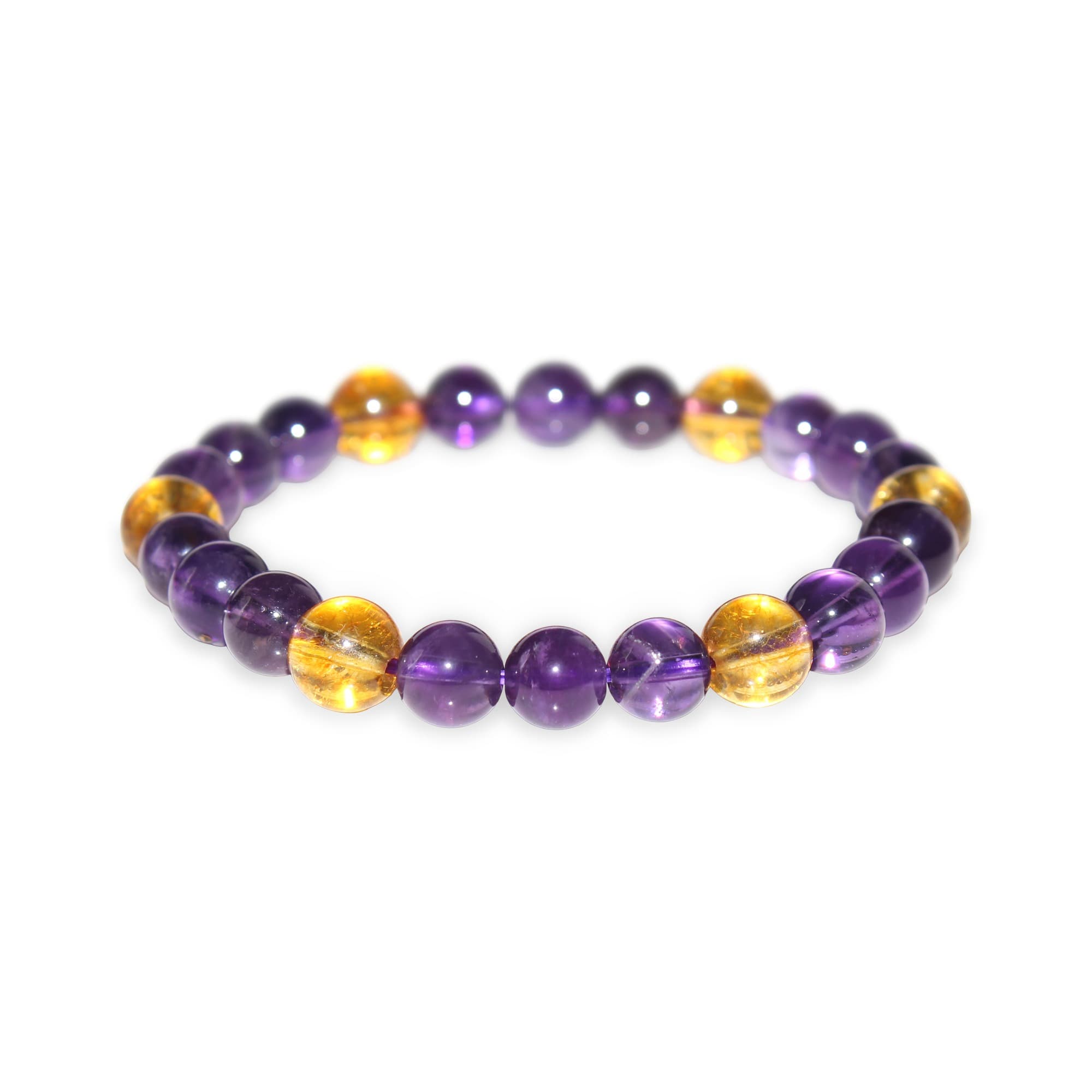
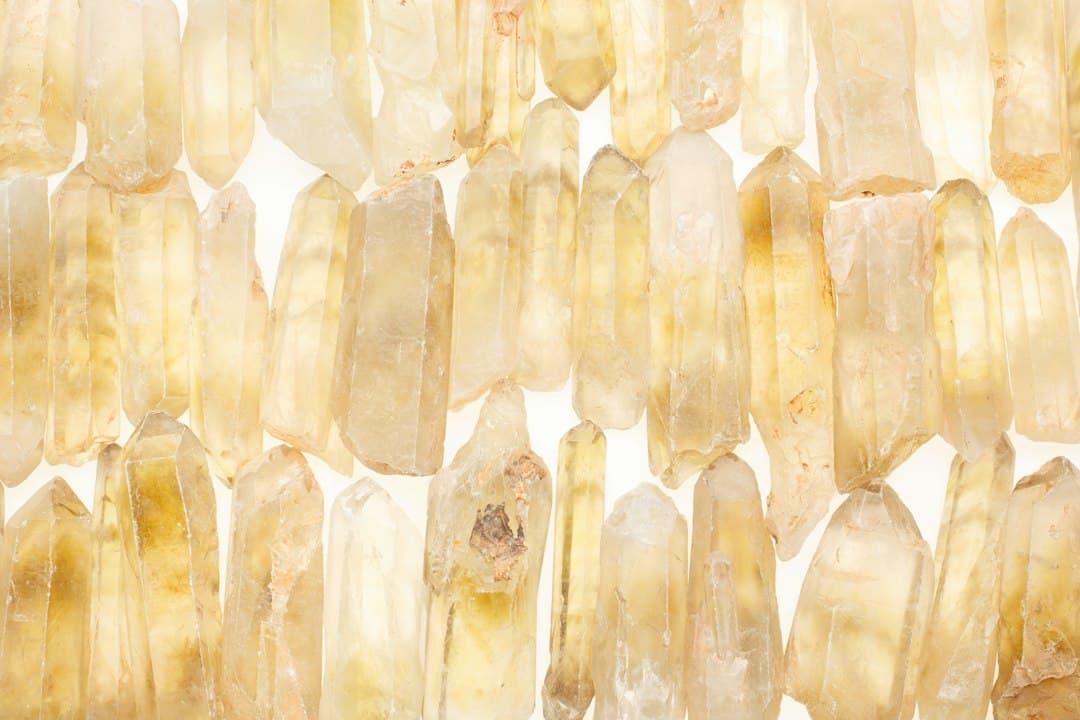
Citrine is traditionally called "The Merchant's Stone," and of the four it has the tradition most closely tied to a workplace. Shopkeepers are said to keep a piece in the till or near the register to welcome trade. It's linked to the Solar Plexus chakra and the element of fire, which suits anyone whose work is pitching, invoicing or chasing targets. Its traditional partner is Pyrite, which is said to supply the nerve to act once an opportunity shows up. Our Citrine + Pyrite pairing guide covers it.
Much of the bright orange-gold "citrine" on the market is heat-treated amethyst, while natural citrine tends to be a paler, softer yellow. Both are quartz at hardness 7. Just know which one you're paying for, and ask the seller if the listing doesn't say.
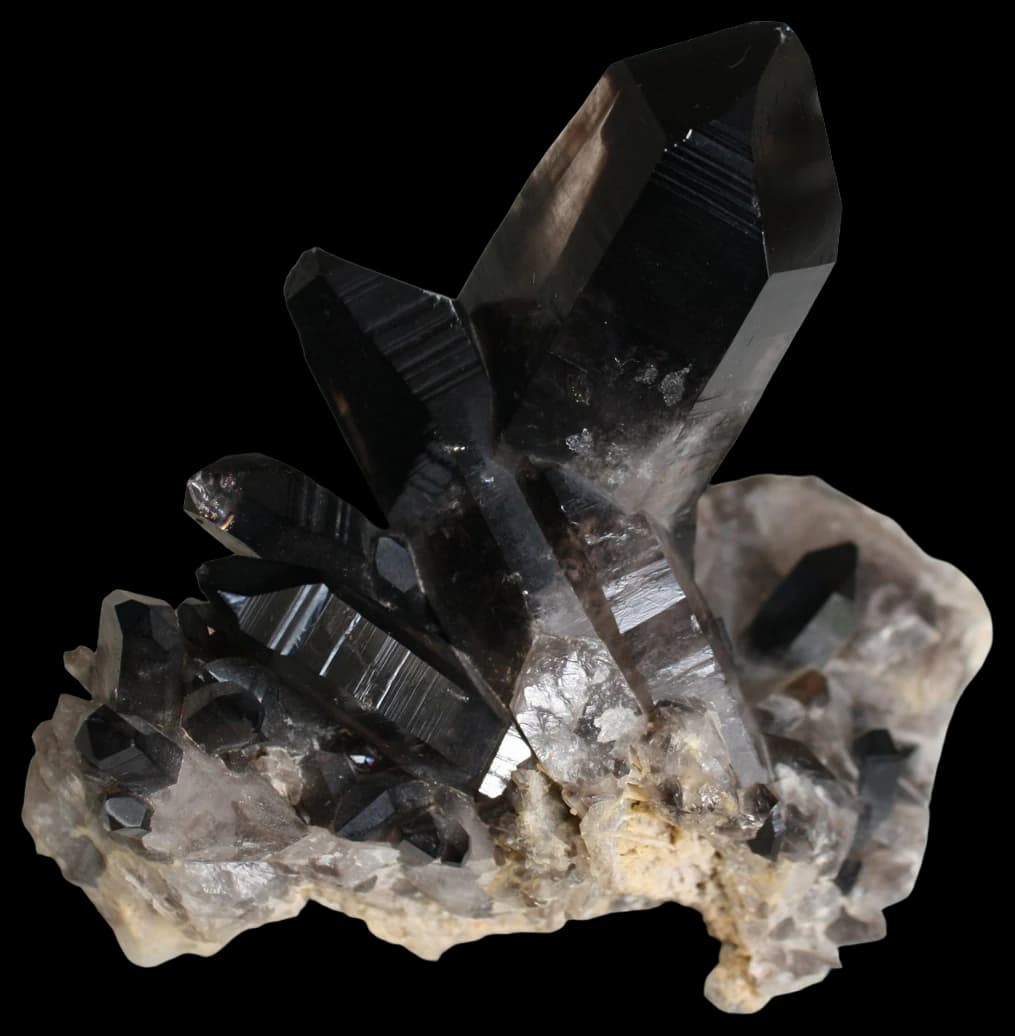
Smoky Quartz
Stone of Grounded Calm
for scattered or tense days
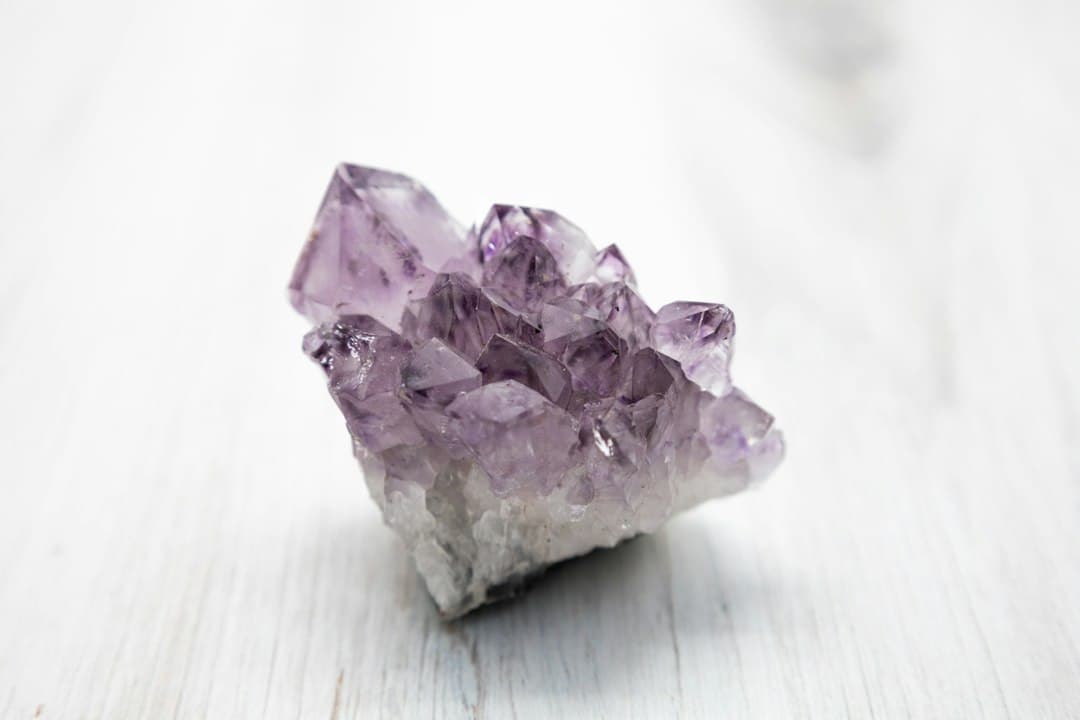
Smoky Quartz gets its brown-to-grey color from natural radiation acting on traces of aluminium in the quartz. It's traditionally linked to the Root chakra and to staying grounded. People reach for it on days with too many tabs open, literally and otherwise.
It's quartz at hardness 7, so it's as durable as Clear Quartz. Its darker color also hides dust, which helps next to a keyboard.
Put it into practice
Setting up your desk stone tonight
All you need is the stone, the desk and a few minutes. These steps work for any of the four.
Step 1
Name the job before you choose the stone
Write down the one thing your workday lacks, such as focus, energy, calm or a clean break between tasks. Then match it to a card above. If you can't choose between two, take the one your eye keeps going back to. In a tradition built on personal association, that's a good enough reason.
Step 2
Choose a size you won't knock over
Pick something that sits flat and fills your palm. A palm stone or a small chunk with a flat base stays put. Loose tumbled stones roll into keyboards and under monitors, and a tall point is easy to knock over when you reach for your mouse.
Step 3
Place it where your eyes rest
Set it just beside or below your monitor, in the spot your eyes drop to when you look away from the screen. That's what makes it a cue instead of decoration. Keep it clear of your mouse hand, and away from the window if afternoon sun hits that corner.
Step 4
Tie it to a moment in your day
Pick the stone up at the start of each work block and hold it while you decide on the single task you're doing next. When you stop for a break, put it down, look at something across the room for twenty seconds, then sit back down. The stone is the reminder. The break is the useful part.
Step 5
Reset it once a week
On Friday, wipe it with a soft dry cloth and put it back. Keyboards gather a surprising amount of dust, and a cloudy stone stops catching your eye. Fluorite in particular should be dusted, not soaked.
The honest version
What's tradition and what's evidence
Most people buy desk stones for focus and workday stress, so it's worth being clear about what's actually known.
Tradition
Supported
Not supported
Watch out for
Desk mistakes to avoid
Most of these come down to a stone's hardness, light, or where it ends up on the desk:
- Crowding the desk with five stones. One stone in a fixed spot works as a cue. A row of them becomes clutter you stop noticing.
- Leaving Fluorite on a sunny windowsill. Some fluorite fades with long exposure to strong light, and it's soft enough to chip if it gets knocked off.
- Storing a soft stone with your keys. Steel scratches Fluorite at hardness 4. Quartz stones are fine, but give Fluorite its own dish.
- Assuming deep orange means natural citrine. A very dark orange color, or a white base on a cluster, can be a sign of heat treatment. Ask the seller before paying a natural-citrine price.
- Leaving small tumbled stones out where kids or pets can reach them. They're a choking hazard. Use a larger palm stone or keep them out of reach.
Keep exploring
When to add a second stone (or wear it instead)
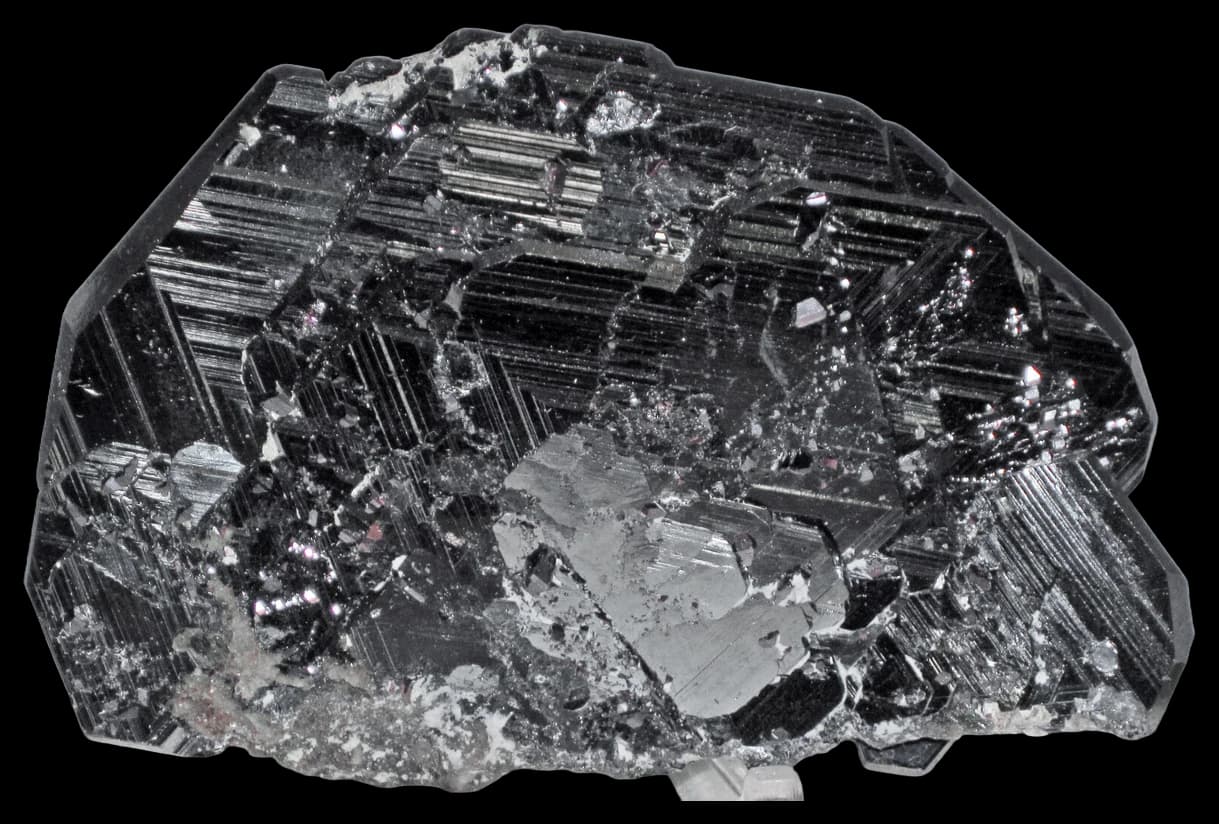
One stone is enough for most desks, but some workdays suit a pair. If Clear Quartz is your reset stone and your thinking still wanders, Clear Quartz + Hematite is the traditional pairing for clear thinking that stays grounded. If Citrine sits beside your invoices, Citrine + Pyrite adds the follow-through side.
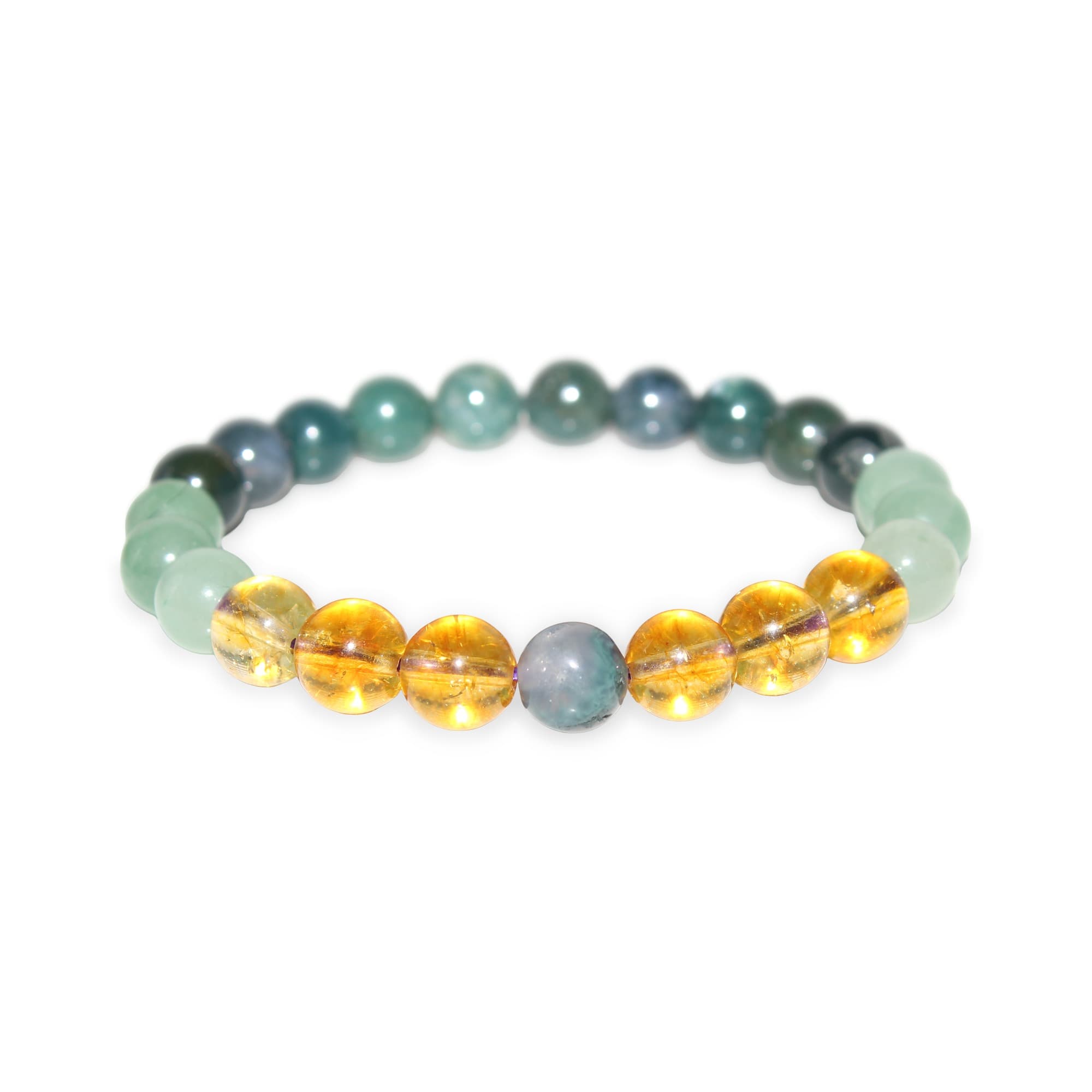
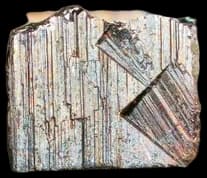
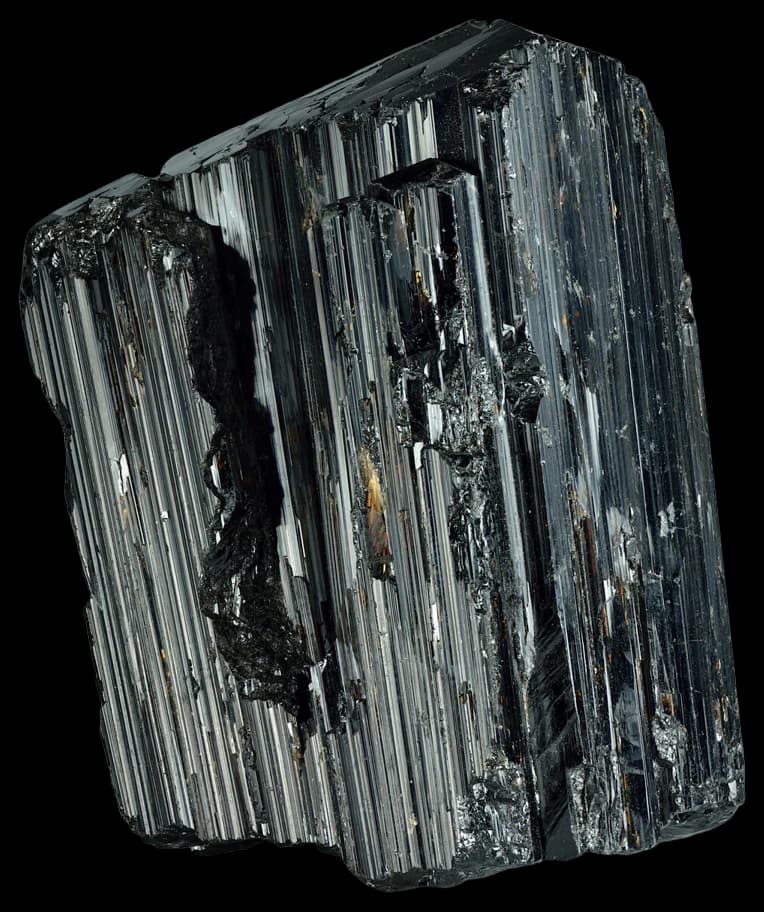
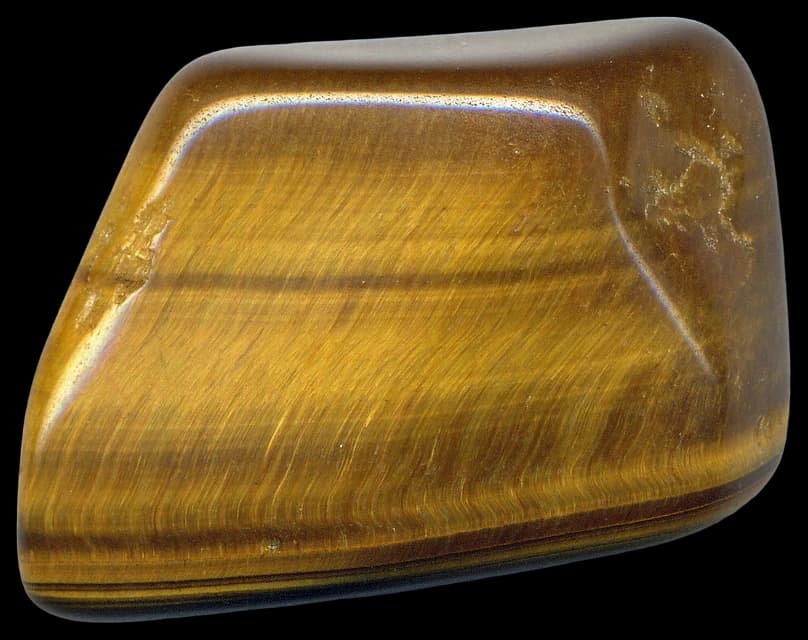
If you hot-desk, move between rooms or work from cafés, a stone on a desk doesn't travel well. Black Tourmaline and Tiger's Eye are a traditional pair for the working day: Black Tourmaline is worn as a shield against other people's static, and Tiger's Eye is said to keep you moving. Our Black Tourmaline + Tiger's Eye guide explains the pairing, and the bracelet collection has focus, grounding and prosperity combinations for that kind of day.
Good to know
Frequently asked questions
What is the best crystal for a work desk?
For general office work, Clear Quartz is the safest choice. It's hard, adaptable and traditionally linked to clarity. If your work is mostly detailed or analytical, Fluorite is the classic focus stone. Just give it a protected spot.
Where should I put a crystal on my desk?
Put it in your natural line of sight when you look away from the screen, usually beside or just below the monitor. Keep it clear of your mouse, out of direct sun and away from the edge of the desk.
Does Citrine on a desk really bring money?
Keeping Citrine where you handle money follows a long-standing merchant tradition, and many people like it as a symbol of intent. Treat it as a reminder of your goals, not a source of results.
How often should I cleanse a desk crystal?
A weekly dry dusting keeps it looking clear. If you also follow a traditional cleansing practice, like moonlight or sound, pick methods that keep soft stones like Fluorite dry and out of strong sun.
Pick one stone, give it a fixed spot, and link it to a break you already take. That's the whole routine.
Crystals are traditional comfort objects, not medical treatment. If stress or trouble concentrating doesn't go away, talk to a doctor.