On this page
It's late, the day is over, and your mind hasn't gotten the message. Two stones keep coming up for the nightstand: Amethyst and Lepidolite.
This is why they're paired, how to use them tonight, and what they can and can't do.
The short answer
Amethyst and Lepidolite are the traditional pairing for a restless mind and a wound-up body. Tradition gives Amethyst the job of quieting racing thoughts and Lepidolite the job of steadying the body underneath them.
Keep both within reach of the bed, hold them for one minute of slow breathing before lights-out, and treat the routine as the point. Our Amethyst + Lepidolite pairing guide goes deeper on each stone's role.
The stones
The stones and their jobs
Anxiety at night tends to show up in two places: a mind replaying the same loop, and a body that stays tense after the loop has stopped making sense. Crystal tradition gives each problem its own stone.
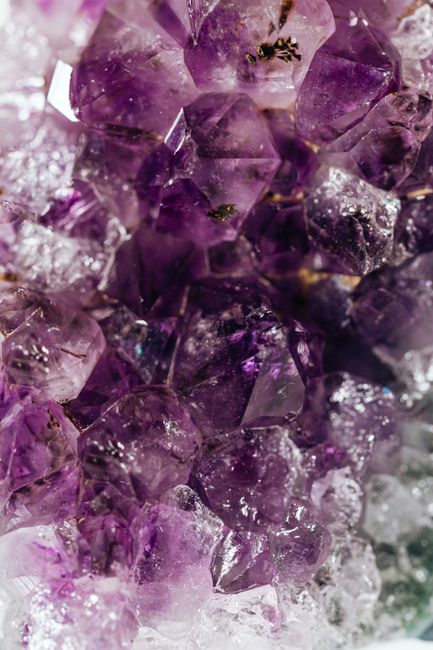
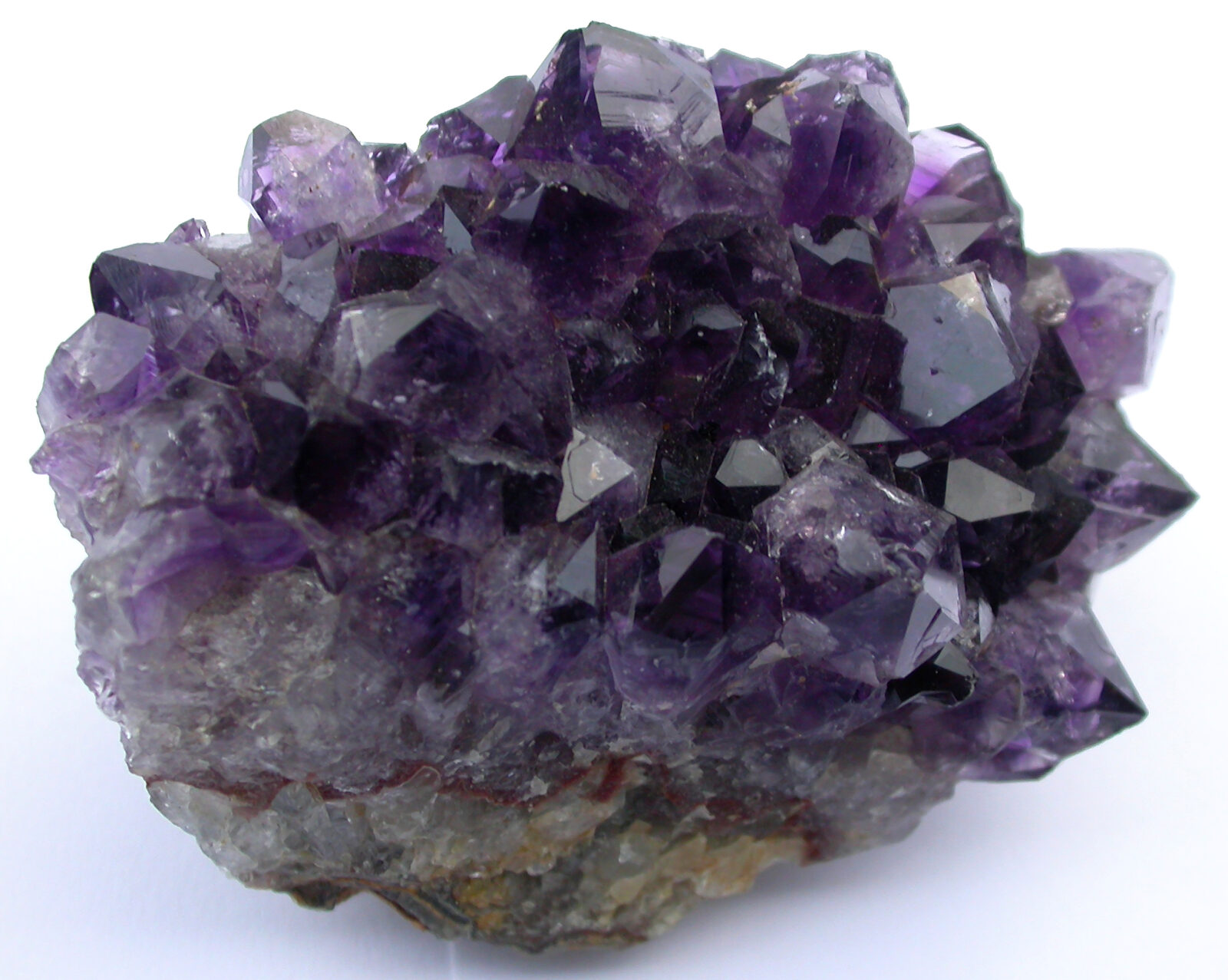
Amethyst
Stone of Calm and Clarity
quiets the loop
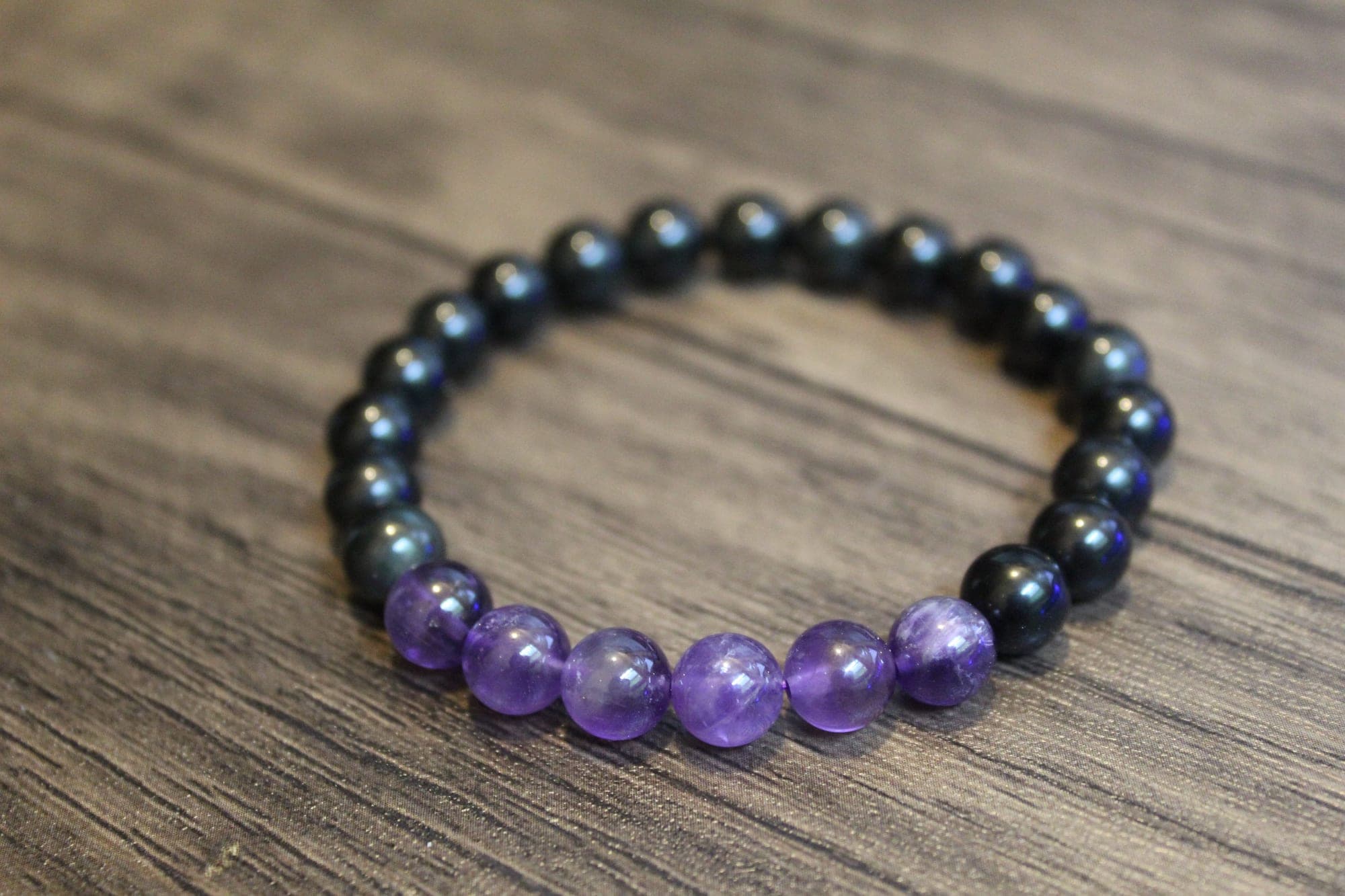
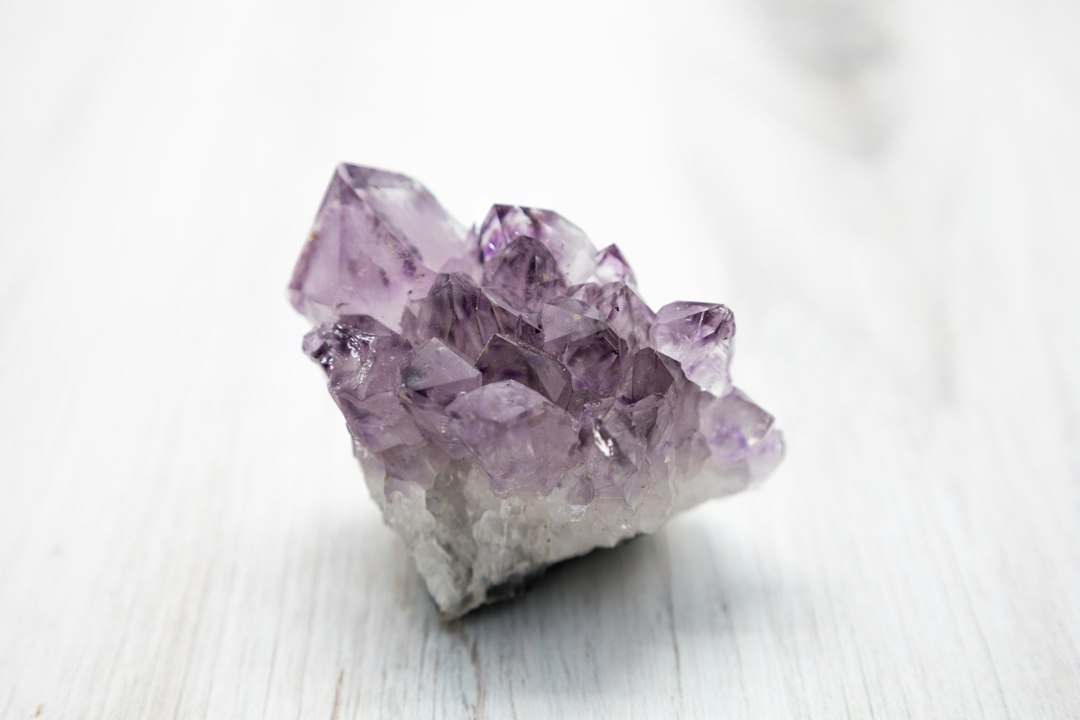
The older reputation of the two. The Greeks called it amethystos, "not intoxicated," and believed it kept a clear head. It's a violet quartz, colored by iron impurities and natural irradiation, and at 7 on the Mohs scale it's hard enough to carry every day.

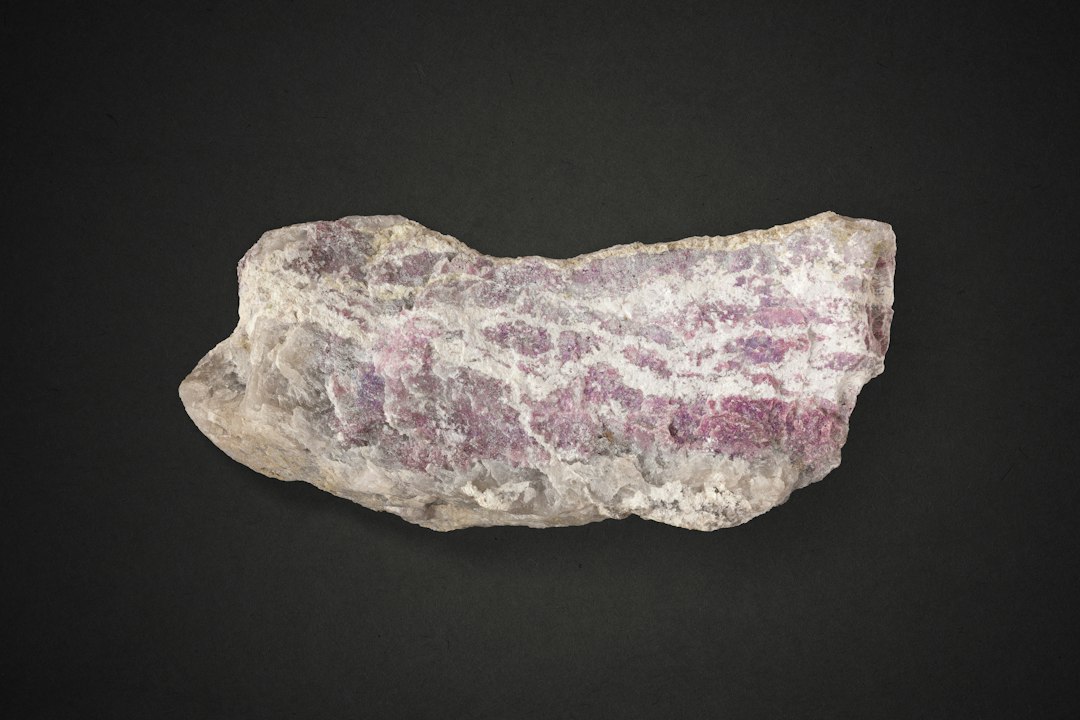
Lepidolite
Stone of Transition
lets the calm settle
The slow one. It's a lilac-to-pink mica whose name comes from the Greek lepidos, "scale," for its layered, flaky structure. Tradition reaches for it during transitions and unsettled stretches, when calm needs to settle in rather than switch on. At 2.5–3 on the Mohs scale, it's soft enough to need a pouch of its own.
Why the pairing works
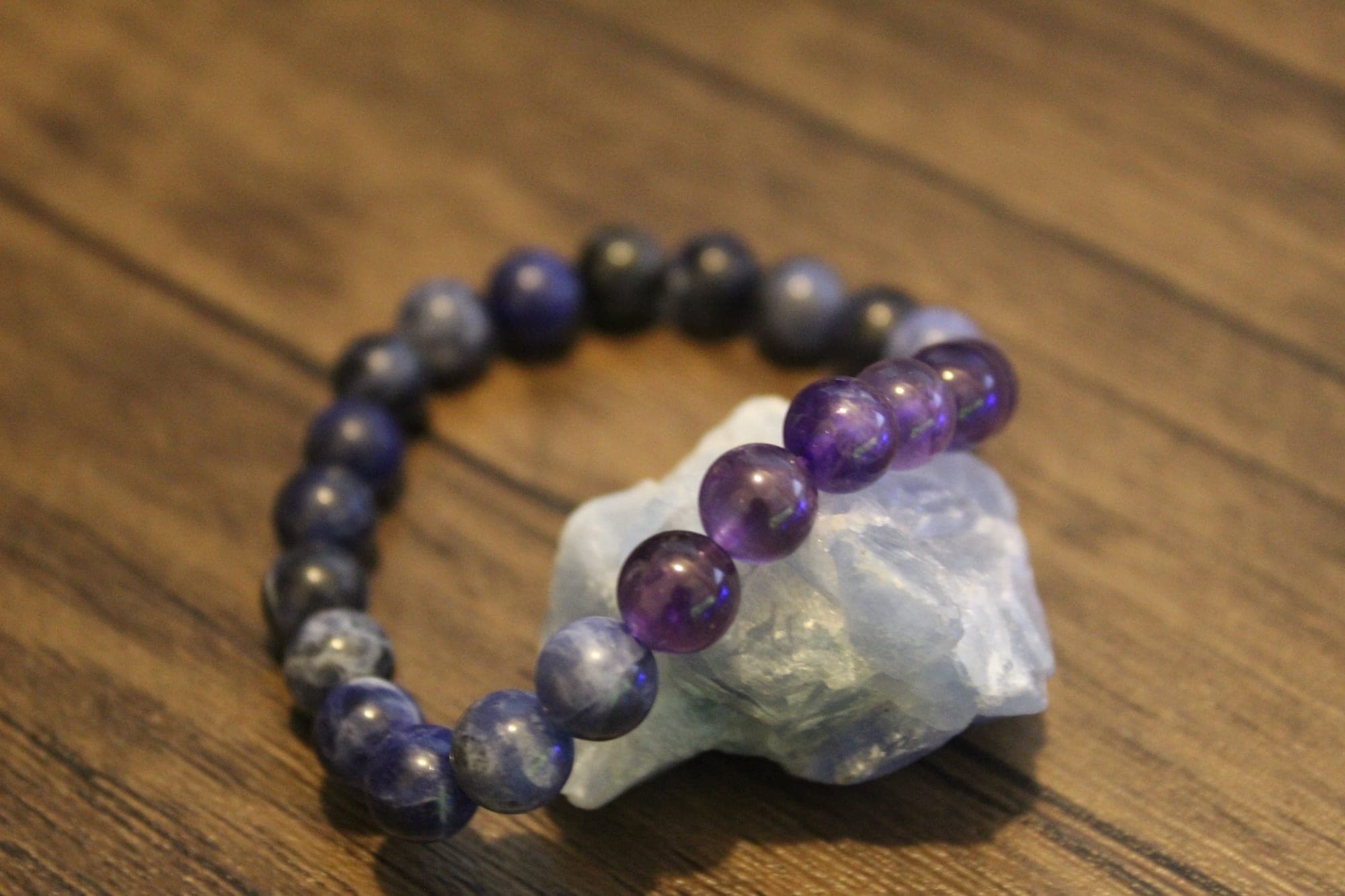
Together the idea is simple: Amethyst interrupts the loop, and Lepidolite keeps the stillness from evaporating once you lie down. One stone is about the head, the other about the body, so they divide the work instead of competing for it.
That split is also why the two are rarely suggested for daytime. Both carry calm, sleep-leaning associations, which suit the hour before bed far better than the start of a working day.
Put it into practice
How to use them together tonight
Step 1
Check what you have
Real Amethyst is transparent to translucent violet with a glassy shine; uneven color zoning, often paler at the base of a cluster, is normal. Real Lepidolite shows a fine glittery shimmer from its mica flakes.
Step 2
Cleanse gently
Wipe Amethyst with a dry or barely damp cloth. Keep Lepidolite dry, since it's soft and flakes. A night on an indoor windowsill in moonlight is the traditional option for both; skip direct sun for Amethyst, which can fade.
Step 3
Place them
Set both on your nightstand or a small dish beside the bed. If you like, put Lepidolite closer to you and Amethyst just behind it. A smooth tumbled piece in the pillowcase is common, but skip rough points you'd lie on.
Step 4
Take one minute
Hold Lepidolite in one hand and Amethyst in the other. Breathe in for four counts and out for six, about ten times. Then set them down and turn off the light.
How to tell it's helping
It's a routine, so judge it over a couple of weeks rather than a single night. Consistency matters more than intensity.
Signs the routine is working for you
- Your breathing slows down more easily after lights-out.
- You settle faster, or fall asleep before the loop starts.
- You wake less at the usual hours, or fall back asleep more easily.
The honest version
What's tradition and what's evidence
Tradition
Not supported
Supported
Watch out for
Common mistakes to avoid
- Buying dyed or glass stones. Amethyst-colored glass and dyed quartz are common. Look for natural color variation and tiny internal flaws, and be wary of an even, neon violet. Lepidolite should show its mica shimmer.
- Wetting Lepidolite. It's soft and layered. Don't soak it or make gem water with it.
- Leaving Amethyst in strong sun. Its color can fade over time.
- Storing them loose together. Quartz at 7 will scratch mica at 3. Give Lepidolite its own pouch.
- Skipping the routine. The stones are the cue, not the cure.
- Leaving small tumbled stones within reach of children or pets. They're a swallowing hazard.
Keep exploring
When to choose a different pair
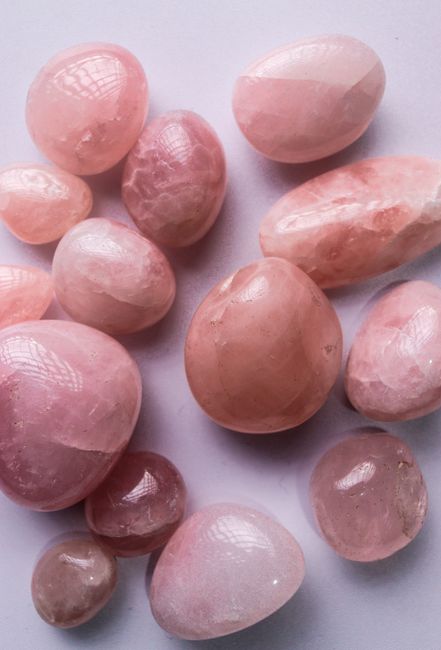
This pairing is for a busy mind and a tense body. If you'd rather have gentle, heart-focused comfort, try Rose Quartz + Amethyst. For dream-heavy, intuitive evenings, Labradorite + Moonstone is the usual choice.
For a cooler, quieter wind-down, look at Lapis Lazuli + Selenite. If you'd like this calm worn rather than kept on the nightstand, the Divine Calming Energy Bracelet is built around the same idea.
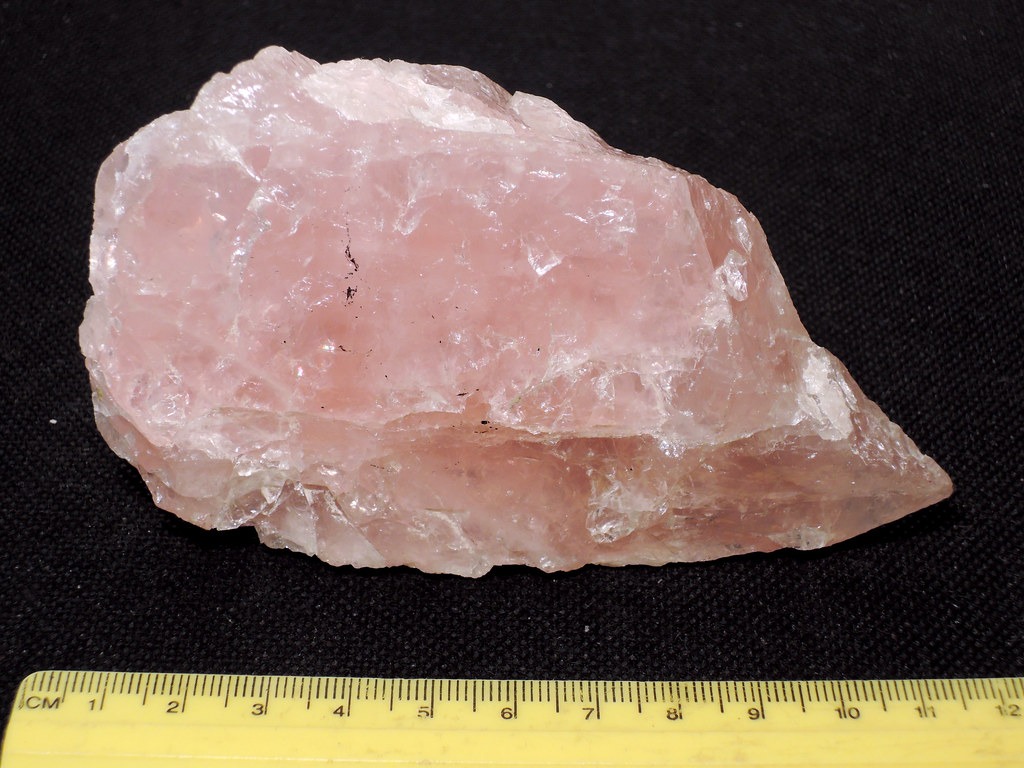
Rose Quartz + Amethyst
Emotional healing, self-love
Widely considered the most dependable pairing in the whole practice — there's no tension between the two, and together they cover both of the places grief and anxiety tend to settle.
Read more →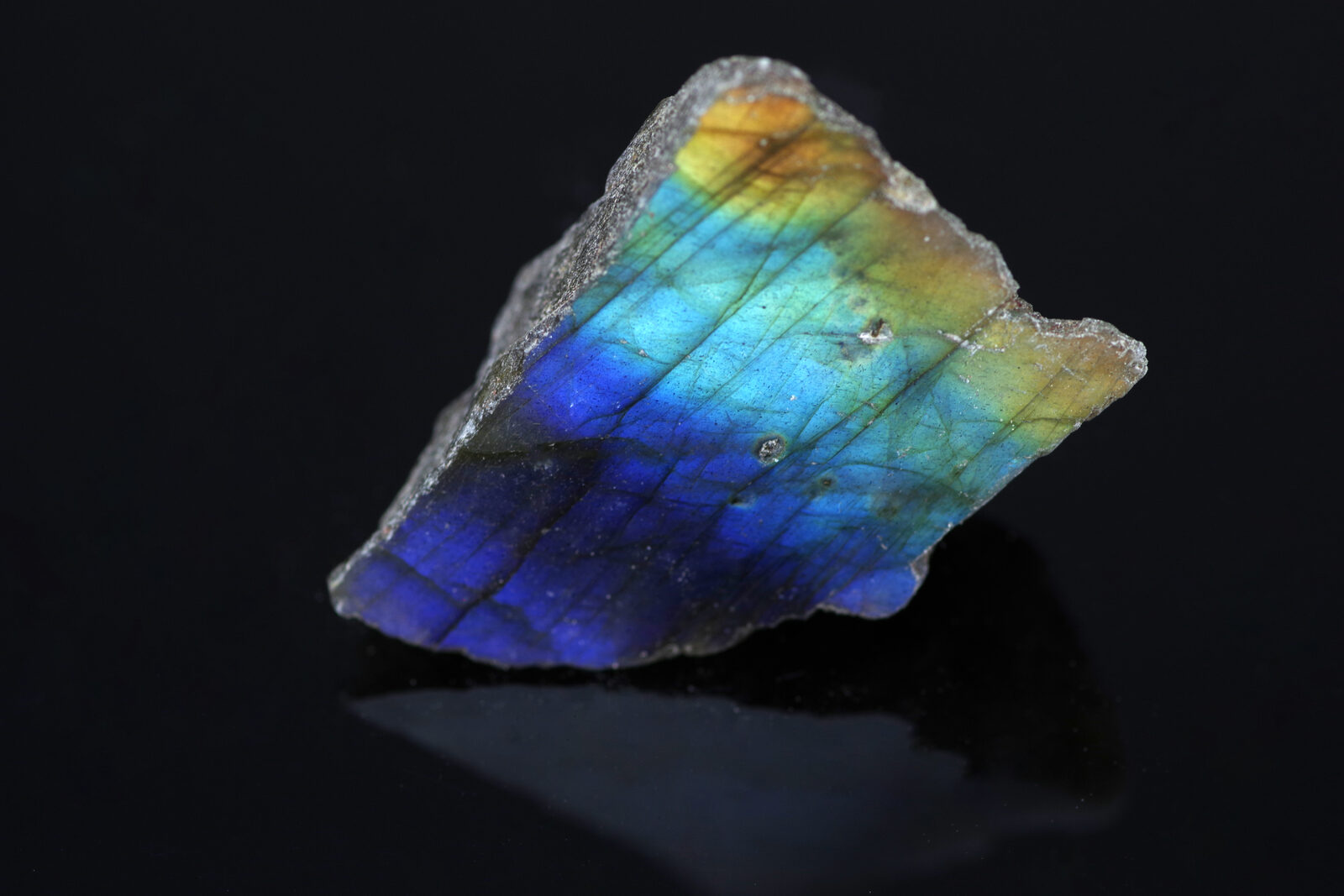
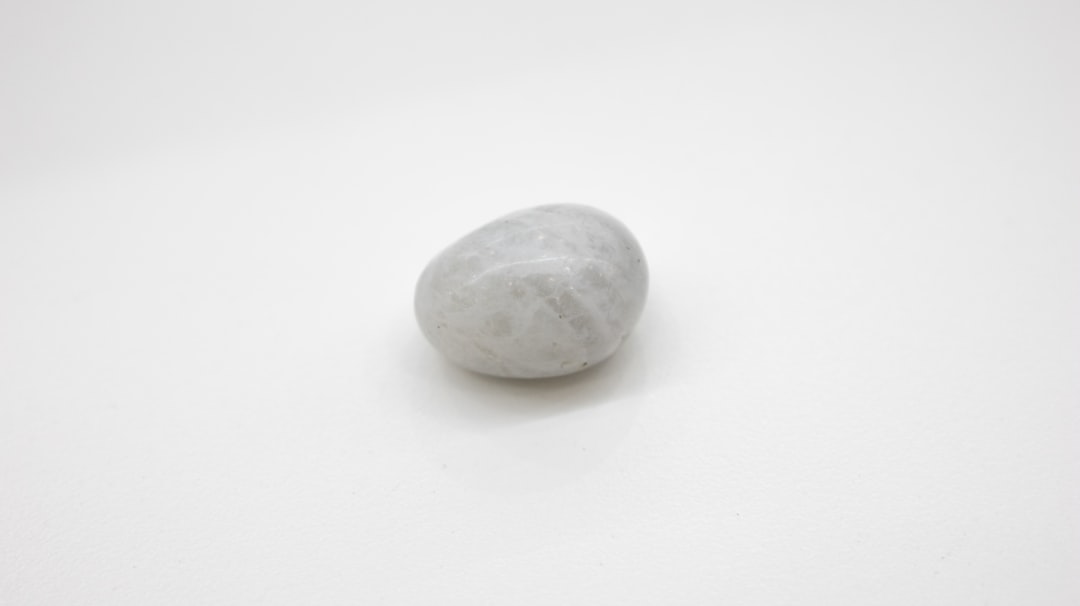
Labradorite + Moonstone
Intuition, dreams, transitions
Two stones associated with the unseen and the in-between — good company for dream work or any big life change.
Read more →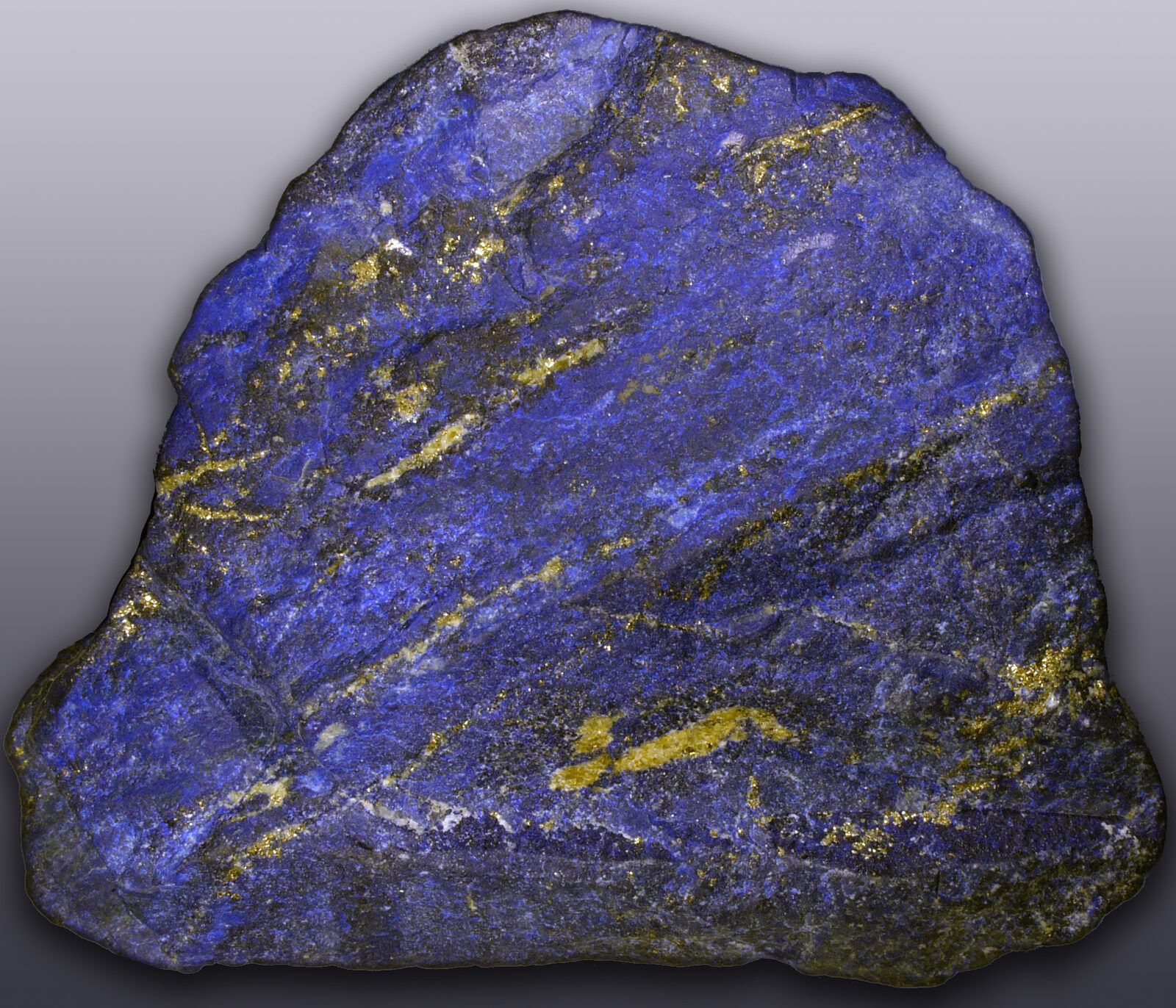

Lapis Lazuli + Selenite
Meditation, inner truth
Lapis opens inward reflection; selenite lifts and clears the space around it — a natural fit for meditation practice.
Read more →Good to know
Frequently asked questions
Can I sleep with Amethyst and Lepidolite under my pillow?
Yes, if they're smooth, tumbled pieces. Skip rough points and clusters, and keep Lepidolite in a small pouch so it doesn't flake into the bedding. A nightstand works just as well.
How long until I notice a difference?
There's no set timeline. Most people judge a bedtime routine over a couple of weeks, not a single night.
Do I need to cleanse them every night?
No. A gentle cleanse every week or two, or whenever you like, is plenty. Keep Lepidolite dry.
Is Lepidolite a replacement for lithium medication?
No. The lithium in Lepidolite is a mineral constituent and does not work like a prescription. If you take medication, keep taking it as directed.
Two stones, one minute, and a dark room: that's the whole ritual.
Crystals are traditional comfort objects, not medical treatment; if anxiety or poor sleep is affecting your days, talk to a doctor.