On this page
- The short answer
- The three patterns to avoid
- The textbook clash: Carnelian and Amethyst
- Why the clash isn't physical
- Pairs tradition says to skip
- The exception: opposites that balance
- Clash or balance? The difference
- How to check your own pairing
- What's tradition and what's evidence
- Mistakes and quality warnings
- When to pick something else
- Frequently asked questions
You've read that some crystals "cancel each other out," and now you're unsure about the stones in your pocket or on your bracelet.
This post explains where that idea comes from, which pairings it actually means, and the one kind of opposite pairing that tradition treats as a good thing.

The short answer
In crystal tradition, the pairs to avoid are stones with opposite intentions on the same theme, used at the same moment. The classic example is an energizing stone like Carnelian worn with a calming stone like Amethyst: each is said to pull against what the other is for.
The exception is opposites on different themes, such as a grounding stone with a stone for clarity, which tradition reads as balance. In both cases nothing physical cancels. The "cancelling" is about intention, not chemistry.
Watch out for
The three patterns to avoid
Crystal traditions give each stone a job, and that job usually follows something you can see, most often color. Warm reds and oranges are linked with drive; violets and blues with quiet. Most lists of combinations to avoid come down to three patterns:
- Energizing with calming. A motivating stone beside a soothing, sleep-associated one, so one says "go" while the other says "rest."
- An amplifier among mixed goals. A stone said to strengthen whatever sits beside it, placed in a set whose aims compete, so it "amplifies" the clash.
- Too many intentions at once. Several stones that each point somewhere different, so the set loses its purpose.
None of these is a warning about the stones themselves. They're warnings about a muddled intention.
The stones
The textbook clash: Carnelian and Amethyst
This is the pairing most often named when people talk about stones that cancel.
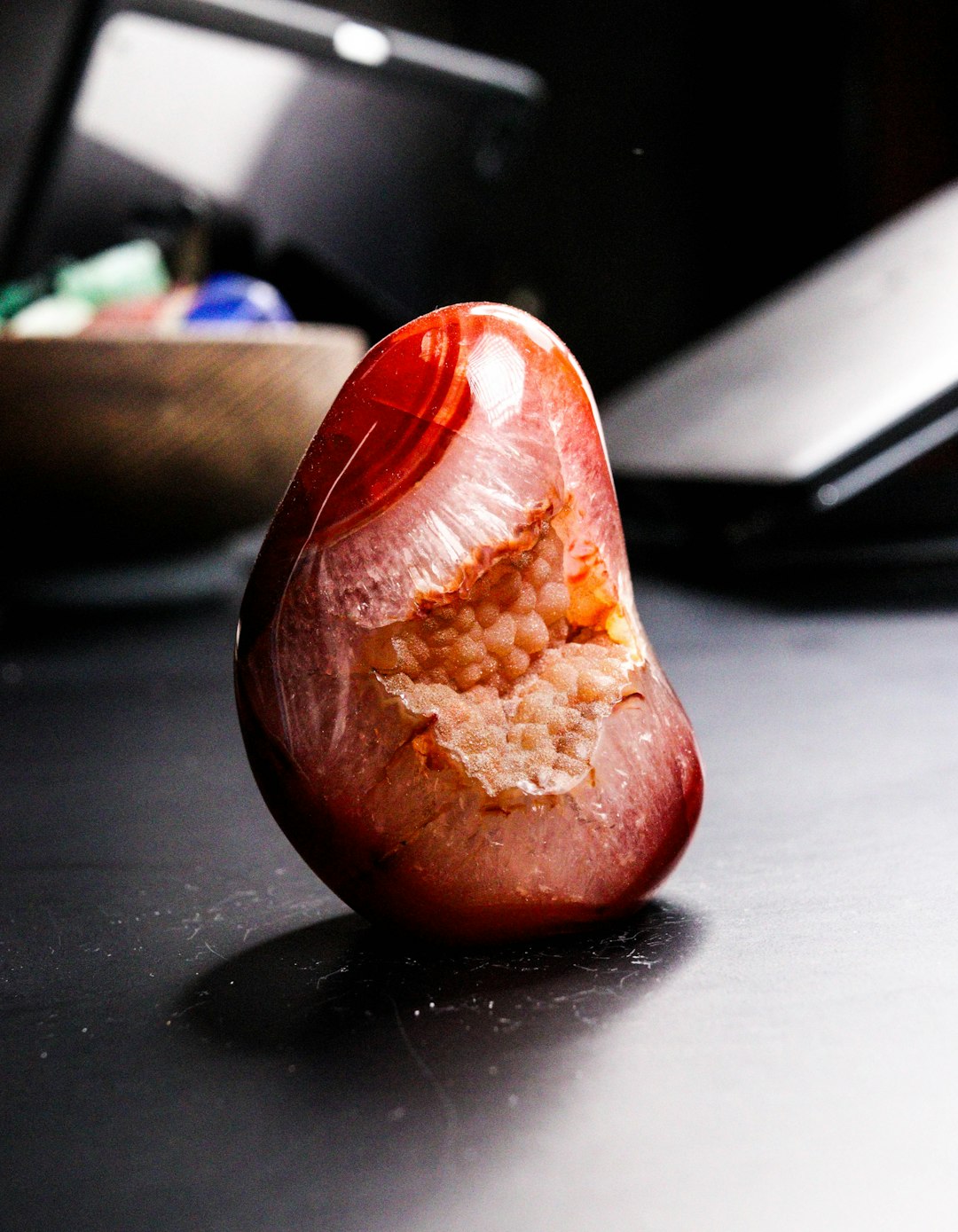
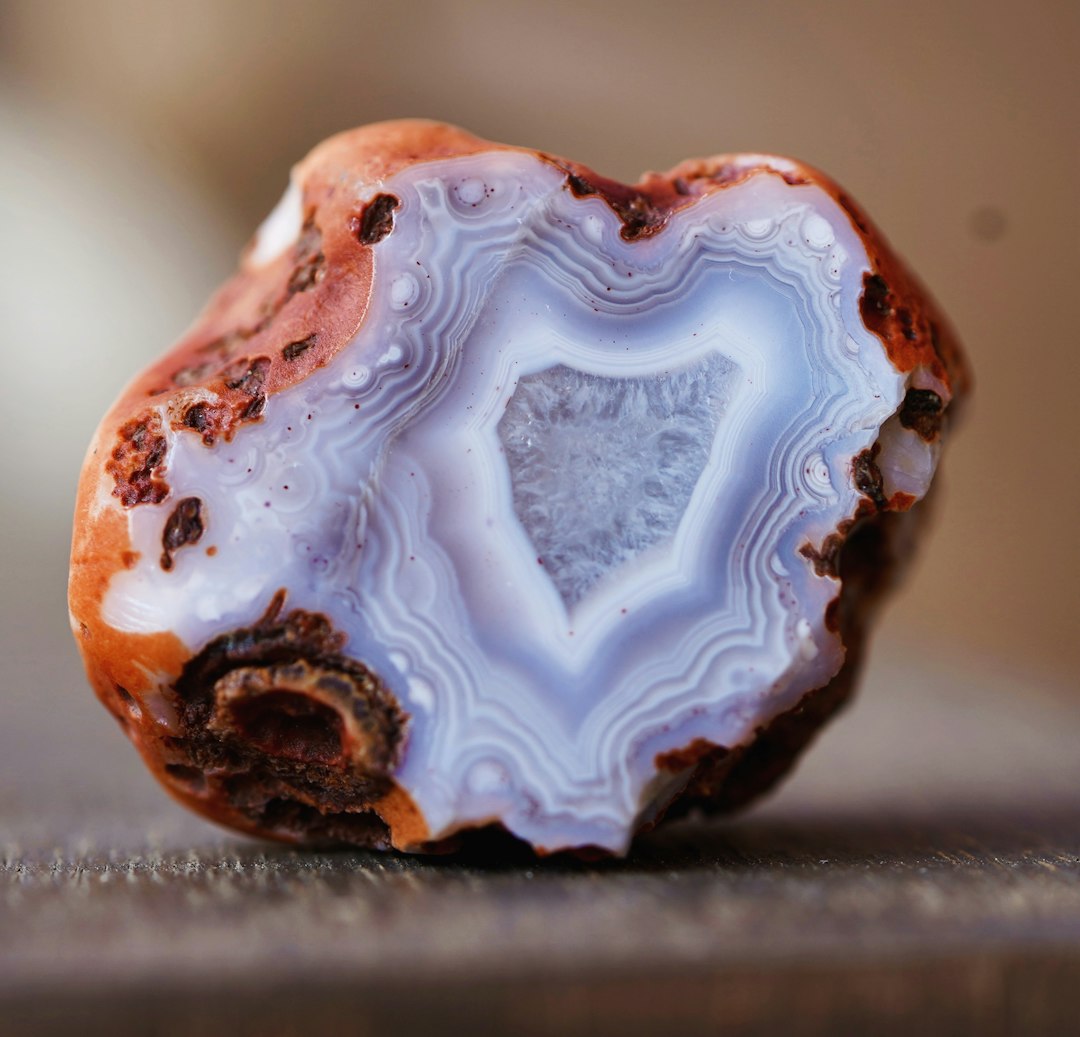
Carnelian
Stone of Motivation
says "go"
A translucent orange-to-red chalcedony. Its warm color is why it's traditionally carried for courage, motivation and creative drive, and why it's linked with the Sacral Chakra.
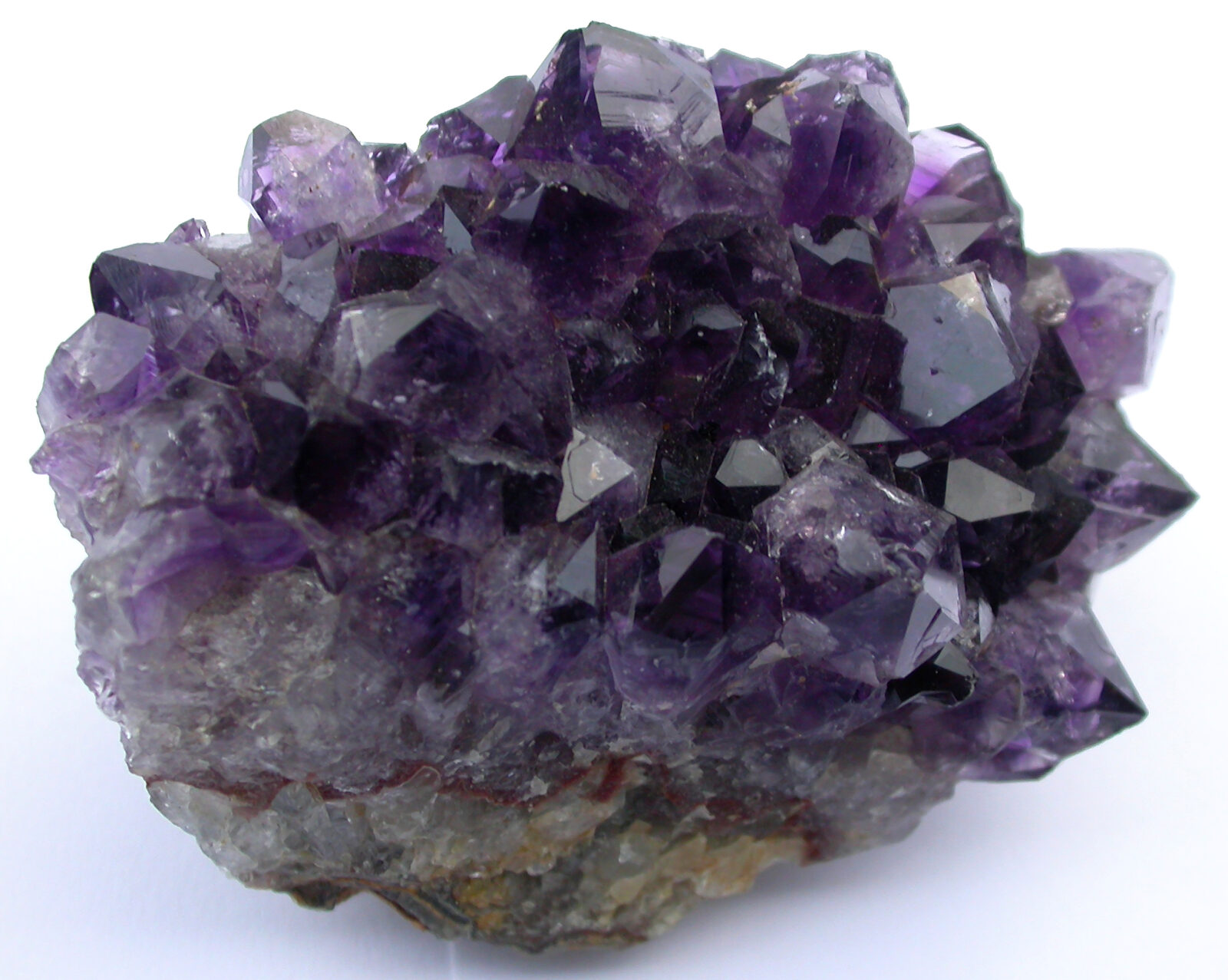
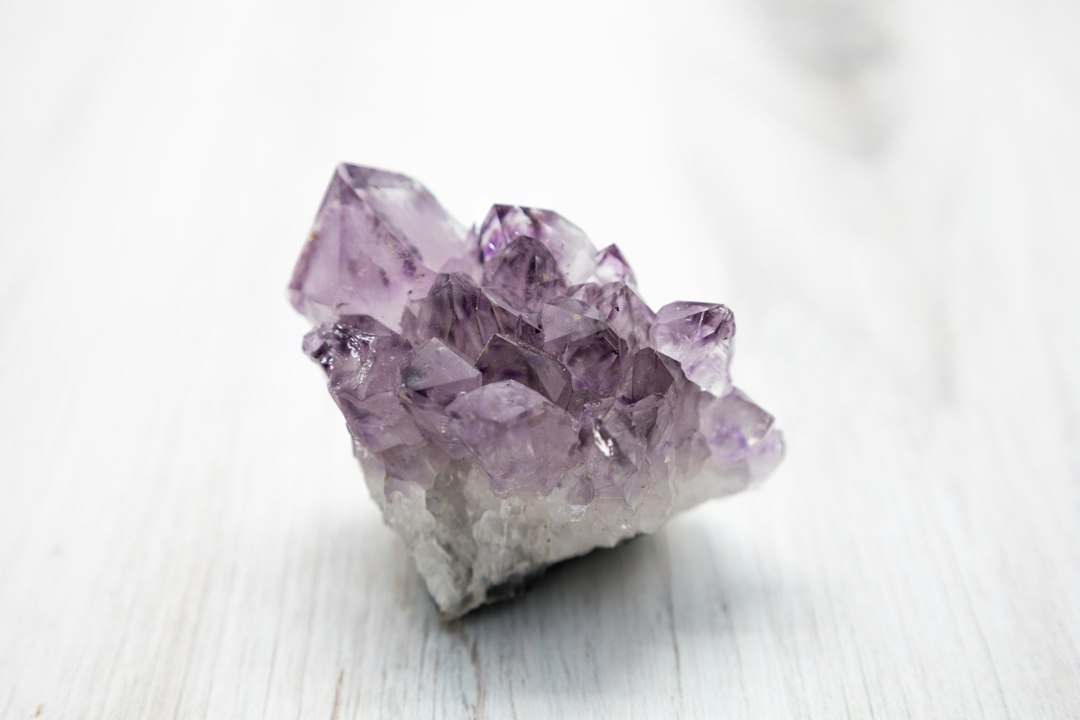
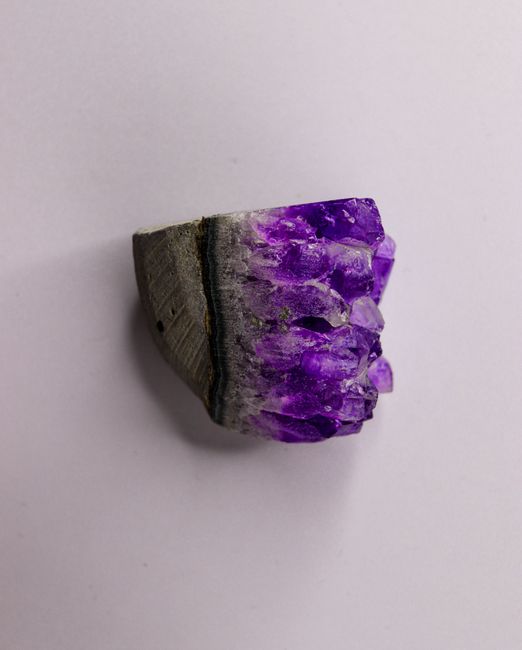
Amethyst
Stone of Calm and Clarity
says "rest"
Purple quartz, long kept by the bed and traditionally associated with calm, a quieter mind and the Crown Chakra.
Why the clash isn't physical
Physically, these two are close cousins. Both are forms of silicon dioxide, and both sit around 6.5–7 on the Mohs scale. Nothing in either one weakens or dulls the other.
If the pairing "doesn't work," it's because the symbolism is mixed. The usual fix is timing: Carnelian for the working day, Amethyst for the evening.
Pairs tradition says to skip
These are the same pairings our crystal combinations guide flags. Each one sets two stones against each other on the same theme.
| Pair | Why it's said to clash | A better plan |
|---|---|---|
| Carnelian + Amethyst | Drive against rest | Carnelian by day, Amethyst at night |
| Carnelian + Lepidolite | Drive against deep calm | Keep Lepidolite for the bedside |
| Blue Lace Agate + Carnelian | Quiet, measured speech against fiery push | Choose one for the conversation ahead |
| Hematite + Selenite | One pulls heavily down, the other insistently up | Pair Hematite with Clear Quartz instead |
| A Fire-element stone + a Water-element stone | The two elements are said to work against each other | Keep the set within one element |
The stones
The exception: opposites that balance
Some opposites sit on different scales rather than the same one, and tradition often recommends those pairs. The clearest example is grounding plus clarity.
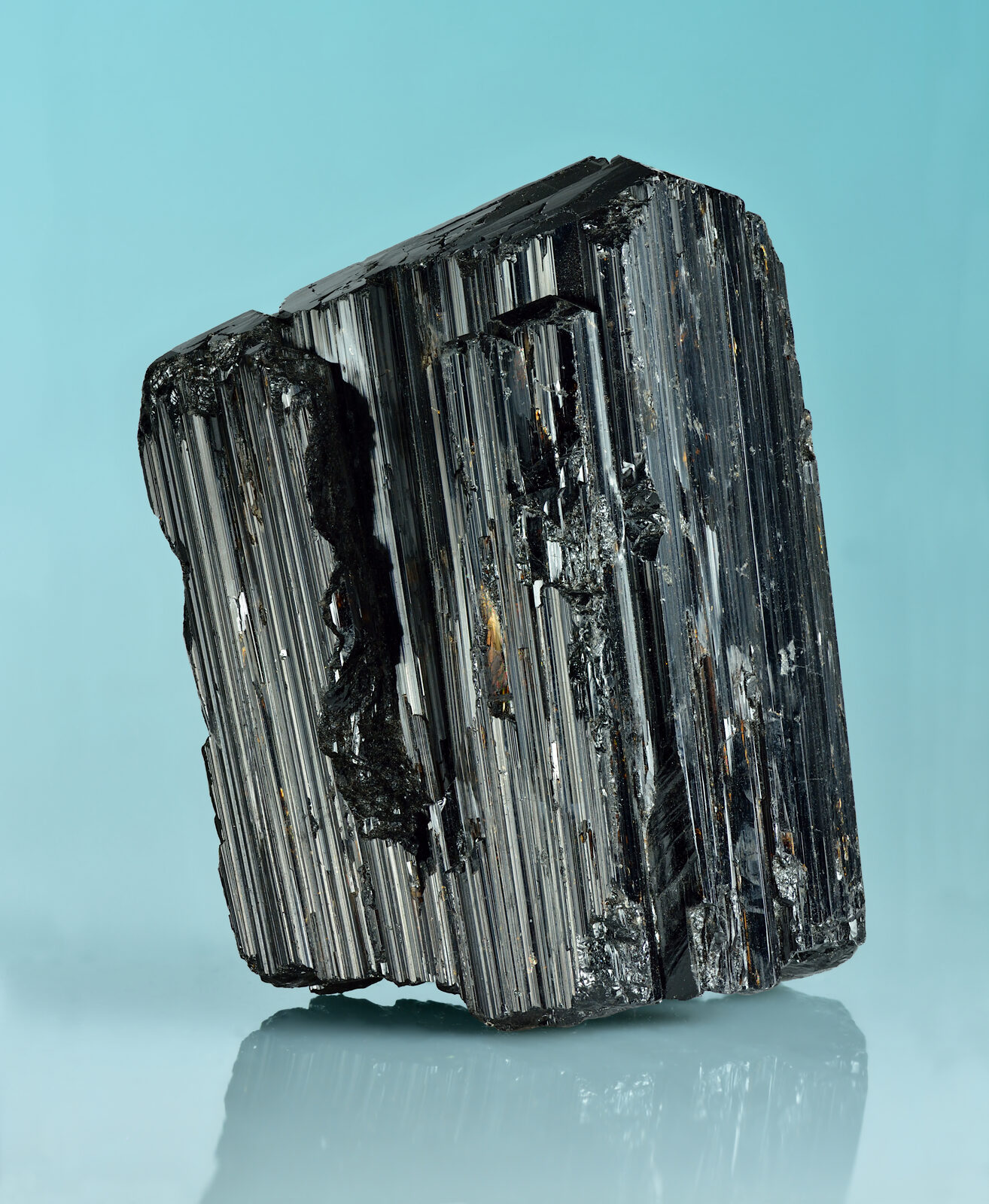
Black Tourmaline
The Ultimate Protector
feet on the floor
An opaque black borosilicate, traditionally associated with the Root Chakra, protection and feeling steady.

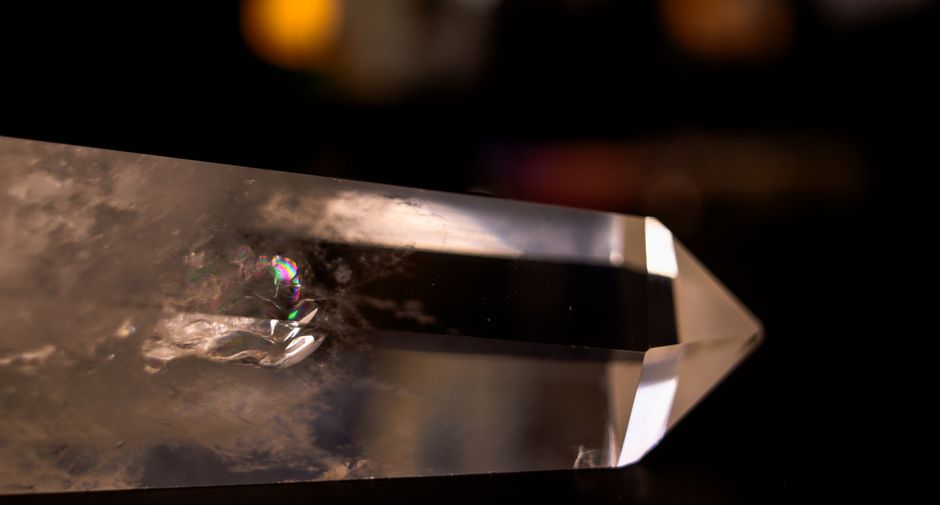
Clear Quartz
The Master Healer
a clear head
Colorless silicon dioxide, traditionally linked with the Crown Chakra, focus, and a reputation for "amplifying" the stones around it.
Clash or balance? The difference
One stone is about your feet on the floor, the other about a clear head. They point in different directions without fighting over the same ground.
| Clash | Balance | |
|---|---|---|
| The pattern | Same theme, opposite directions | Different themes that complement |
| Example | Energize vs. calm | Grounded body, clear mind |
| What tradition says | They pull against each other | They round each other out |
Pairing a root stone with a crown stone is a common pattern for exactly this reason: the set covers both ends of the chakra line.
Put it into practice
How to check your own pairing
Step 1
Name each stone's job in one word
Write down one word per stone, such as "drive," "calm," "protection" or "focus," using the traditional association from its crystal page.
Step 2
Check whether the words share a scale
"Drive" and "calm" sit at opposite ends of the same scale, energy. "Protection" and "focus" don't. If they're opposite ends of one scale, treat it as a clash.
Step 3
Split a clash by time of day
Wear the energizing stone in the morning and swap to the calming one in the evening. It's the most common traditional fix, and it keeps both stones in use.
Step 4
Keep sets small
Limit a bracelet or pocket set to two or three stones with one shared intention. Past that, a set stops meaning anything specific.
The honest version
What's tradition and what's evidence
Tradition
Supported
Not supported
Watch out for
Mistakes and quality warnings
- Worrying a mixed set is harmful. It isn't. At most, it gives you a less clear intention.
- Dyed Carnelian. Much very bright, evenly orange "carnelian" is dyed or heat-treated Agate. Look for natural variation and cloudiness; color collecting in cracks is a sign of dye.
- Fading Amethyst. It can fade in long, strong sunlight, so don't leave it on a sunny windowsill to "charge."
- Scratching in storage. Carnelian, Amethyst, Black Tourmaline and Clear Quartz (6.5–7.5) are fine together, but keep them away from softer stones in the same bag.
- Loose small stones. Keep tumbled pieces away from young children and pets.
Keep exploring
When to pick something else
If you wanted Carnelian and Amethyst because you need both energy and rest, choose one for now, or lean on a pair that shares a direction. Citrine + Carnelian is all drive, and Amethyst + Lepidolite is all calm.
For the balancing kind of opposite, Clear Quartz + Hematite pairs a clear head with a grounding anchor. If you'd rather start from a finished set, browse our energy bracelets, each built around a single theme.
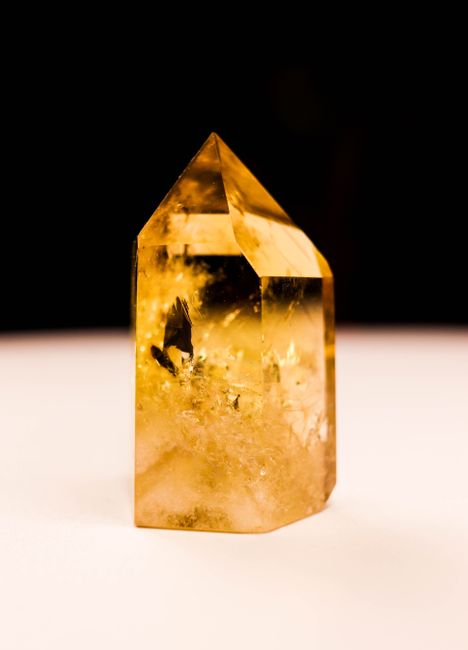
Citrine + Carnelian
Energy, creativity, drive
These sit on neighboring energy centers — carnelian at the sacral, citrine at the solar plexus — so instead of competing they hand off: carnelian gets you moving, citrine keeps you moving once you've started. A rare case of two energizing stones that genuinely work as a team rather than fighting for the same job.
Read more →
Amethyst + Lepidolite
Calm, sleep, anxiety
Amethyst switches off a racing mind; lepidolite, naturally rich in lithium, settles the body underneath it so the calm actually holds. It's the pairing most often reached for when anxiety is what's keeping sleep away.
Read more →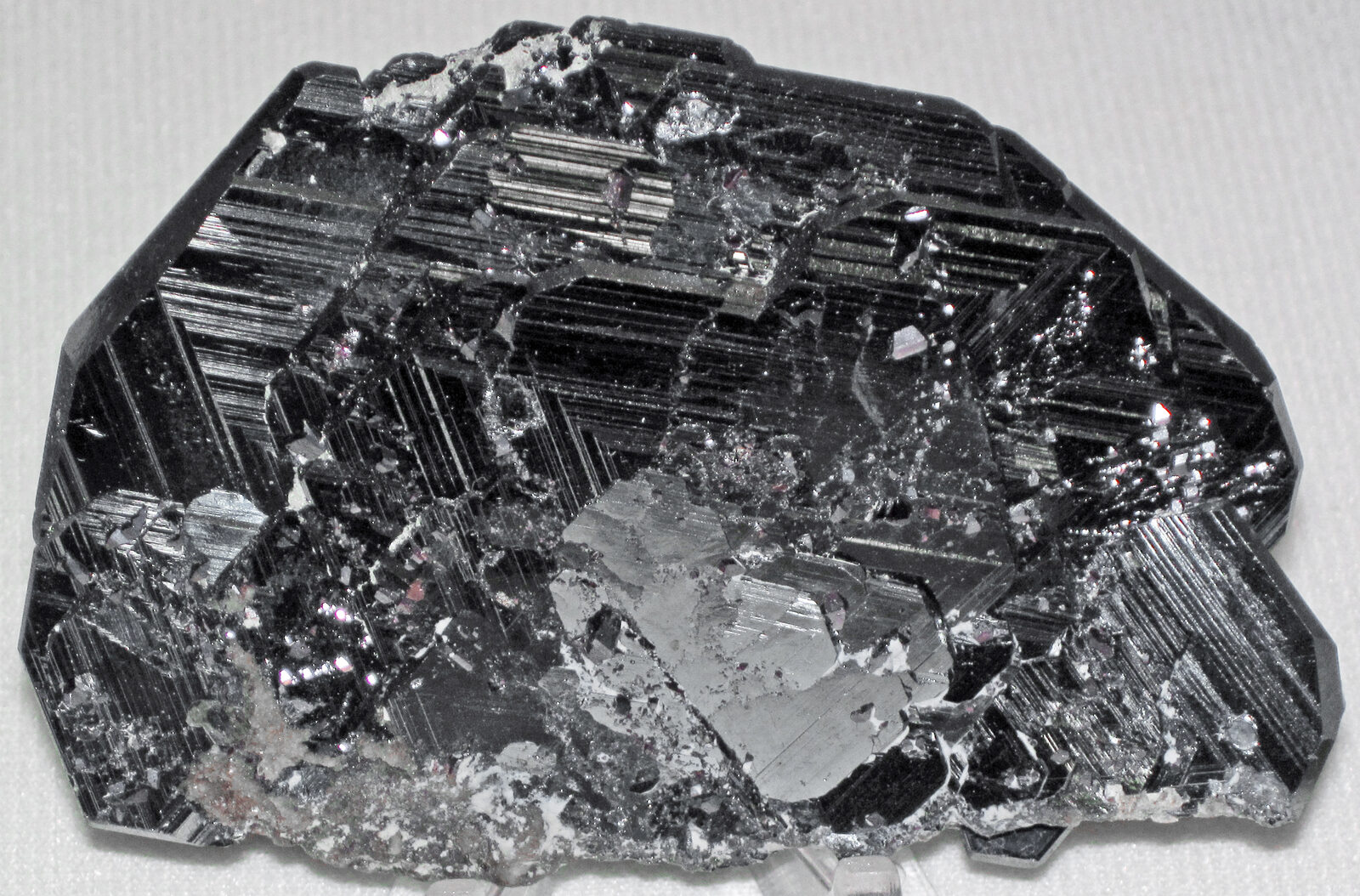
Clear Quartz + Hematite
Mental clarity + grounding
Quartz sharpens focus, hematite keeps that clarity from tipping into scattered — a dependable pairing for thinking clearly without floating off.
Read more →Good to know
Frequently asked questions
Can wearing the wrong crystals together hurt me?
No. Stones cancelling each other is traditional symbolism, and there's no physical interaction between them. At most, a mixed set gives you a less clear intention.
Can I wear Carnelian and Amethyst at the same time?
You can, but tradition sees them as mismatched because one is linked with drive and the other with calm. The usual approach is Carnelian by day and Amethyst in the evening.
Does Clear Quartz go with everything?
Clear Quartz is traditionally said to amplify the stones around it, so it's often called a universal partner. That's also why some people leave it out of a set with mixed intentions, so it doesn't "amplify" a clash.
Do grounding and uplifting stones cancel each other out?
Not in most traditions. Grounding and clarity are different themes, so a root stone with a crown stone is usually read as balance, not conflict.
Choose stones that share one purpose, or opposites that cover different needs, and you've followed both the rule and its exception.