Meaning & uses
Chalcedony Meaning
Chalcedony has been carved, worn, and treasured since the Bronze Age, and its soft, waxy glow has made it a symbol of calm goodwill and easy conversation ever since.
What Is Chalcedony?
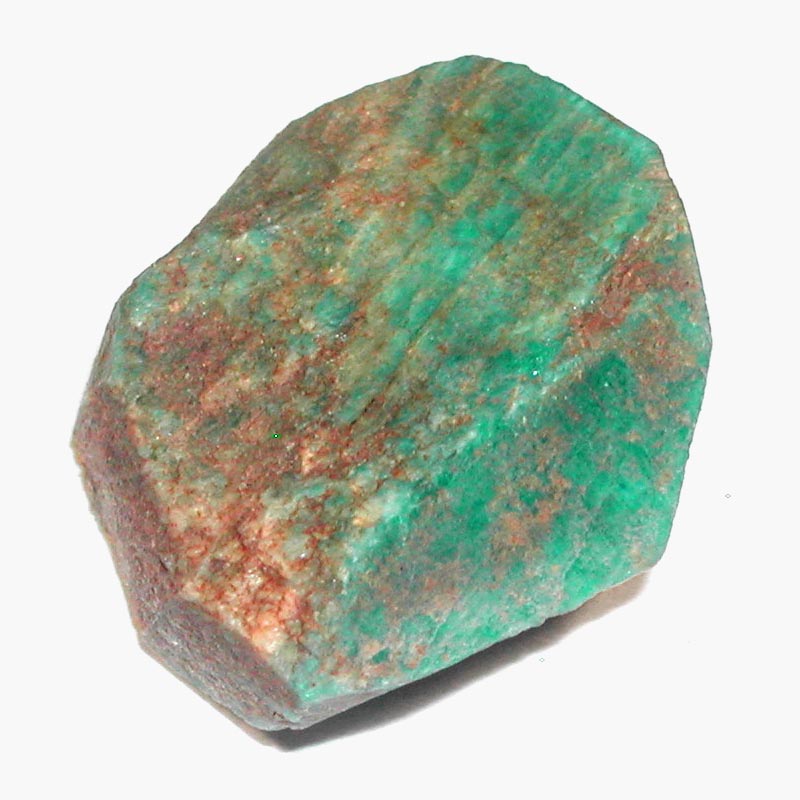
Chalcedony is a microcrystalline form of quartz: silica crystals so fine that the stone looks smooth and waxy, with none of the glassy sparkle of clear quartz. It forms at low temperatures as silica-rich water seeps through volcanic rock and fills cavities, building up in thin, fibrous layers that can take millions of years to finish.
The name is most often traced to Chalcedon, an ancient Greek port on the Bosphorus in what is now Kadıköy, Turkey. Today, chalcedony is mined in Brazil, India, and Turkey, among many other places, and it appears in colors from pale blue and white to lavender and grey.
Under magnification, chalcedony is a mass of tiny intergrown quartz fibers. That structure gives it a waxy rather than glassy luster and lets light pass through softly, so a good piece looks lit from within instead of sparkling. It also breaks with smooth, curved surfaces, the same conchoidal fracture seen in flint and glass, which is exactly what made it so useful to early toolmakers.
A Stone With a History
Chalcedony is one of humanity's oldest working materials. Because it breaks with sharp, smooth edges, Stone Age toolmakers flaked it into blades and points, and later cultures turned to it for fine carving. Seal stones from Bronze Age Minoan Crete and cylinder seals from Mesopotamia were cut from chalcedony and its colorful cousins, and Roman engravers carved signet rings and intaglios from it to stamp wax.
It also earned a place in scripture: the Book of Revelation lists chalcedony as the third foundation stone of the New Jerusalem. That long record of practical use and quiet prestige is a big part of why chalcedony is thought of as a dependable, well-mannered stone rather than a flashy one.
Meaning and Symbolism
Chalcedony's meaning follows its look and feel. A stone this smooth, soft-colored, and low-contrast has long stood for gentleness: easing tension between people, softening a sharp mood, and keeping a conversation kind. Where harder-edged stones are associated with protection or willpower, chalcedony is associated with goodwill and generosity of spirit.
That reputation is strongest in the pale blue variety, whose color links it to the throat and to speaking clearly and kindly.
It is also a stone people reach for when a situation calls for tact. Chalcedony is traditionally said to help someone find the right words and the right tone, which is why it is a common choice for anyone with an important conversation coming up, from a difficult family talk to a job interview.
Carried or worn to
- Keep a calm head during tense or emotional conversations
- Encourage patience and goodwill with others
- Soften self-criticism and bring a gentler inner voice
- Support balance during stressful or changeable weeks
Chakra, Zodiac & Element
Chalcedony is most often tied to the Throat Chakra, the energy center for speech and honest expression. The link comes mainly from blue chalcedony, whose cool sky tone matches the traditional color of the throat. Its Water element association fits the stone's soft, flowing look and its reputation for emotional ease.
Astrologically, chalcedony is linked with Sagittarius and Cancer: Sagittarius for the open, friendly way the stone is said to encourage conversation, and Cancer for its gentle, nurturing character. Neither link is strict, and chalcedony is worn across all signs.
Varieties of Chalcedony
Chalcedony is less a single stone than a whole family. What separates its members is mostly what else is in the silica: iron makes red and orange, nickel gives green, and layered deposition makes banding. Many of the best-known stones in the directory are chalcedony under another name, including banded Agate, fiery orange-red Carnelian, apple-green Chrysoprase, and Black Onyx. Bloodstone, green and flecked with red, belongs here too, and opaque Jasper is a close relative.
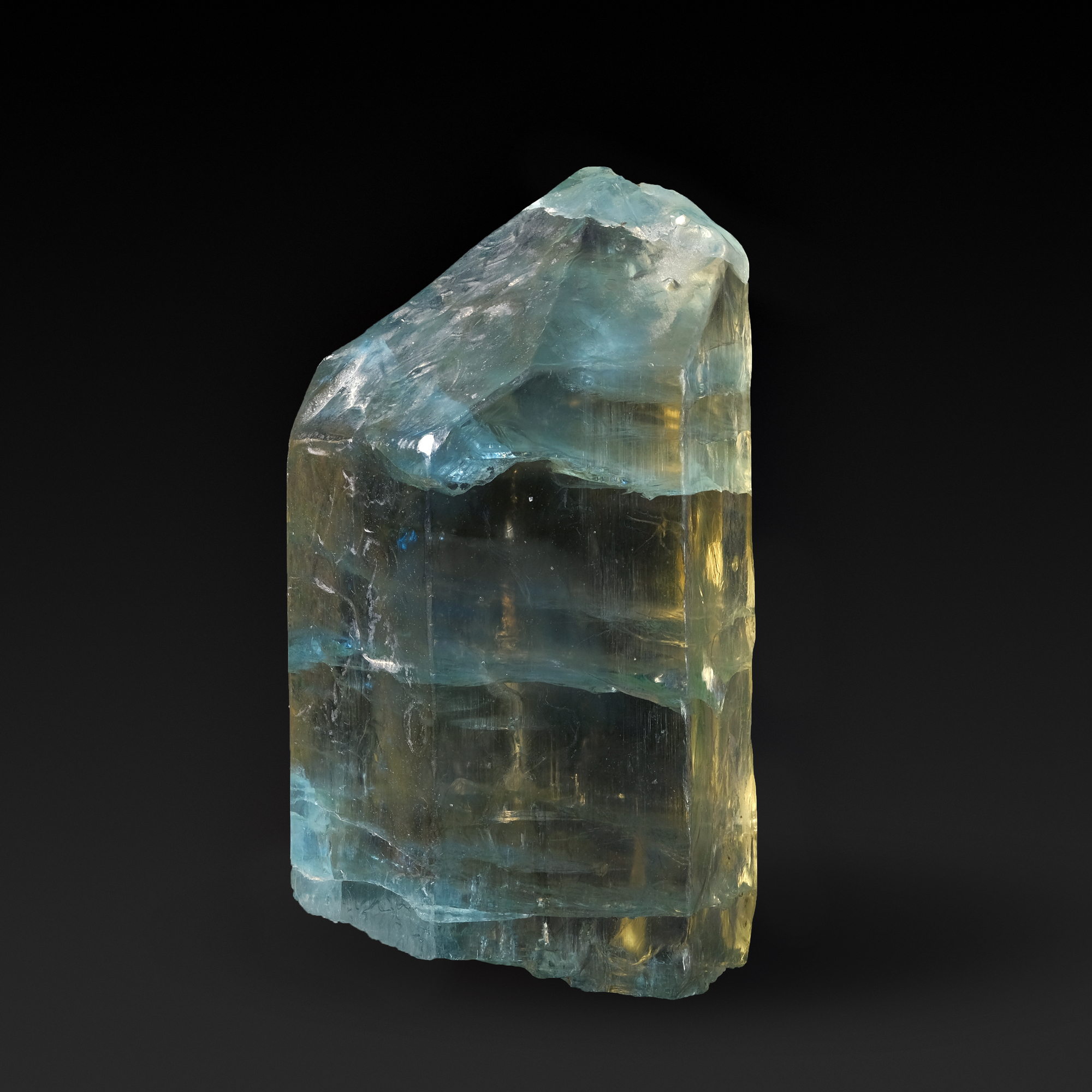
Plain chalcedony, without a special name, is typically the soft blue, white, or grey stone with an even, translucent glow, and that is the one this page is about.
How to Use and Care for Chalcedony
At 6.5–7 on the Mohs hardness scale, chalcedony is tough and well suited to everyday jewelry. It has no cleavage, so it resists chipping better than many gemstones, and it is safe in water, which makes it easy to rinse clean with mild soap. Keep it away from harsh chemicals and hard knocks, and store it apart from harder stones such as sapphire or topaz so they don't scratch it.
Traditionally, chalcedony is cleansed under moonlight or with a gentle rinse rather than strong sun, since long exposure can fade some of the paler colors. Because it is such a calm, supportive stone, it pairs easily with others; our Crystal Combinations guide is a good place to start.
When shopping, know that vivid, electric blue or hot pink chalcedony is often dyed, a common and legitimate practice when it is disclosed. Natural blue chalcedony is softer and milkier in tone, and its charm is that subtlety. Because chalcedony is so widely available, it is also one of the more affordable stones, which makes it a good first piece for someone starting a collection.
Frequently Asked Questions
Is chalcedony the same as agate?
What chakra is chalcedony associated with?
Can chalcedony go in water?
Is chalcedony safe to wear every day?
Is chalcedony a birthstone?
A soft, steady stone that keeps the peace without ever raising its voice.
Shop this stone
Bracelets with Chalcedony
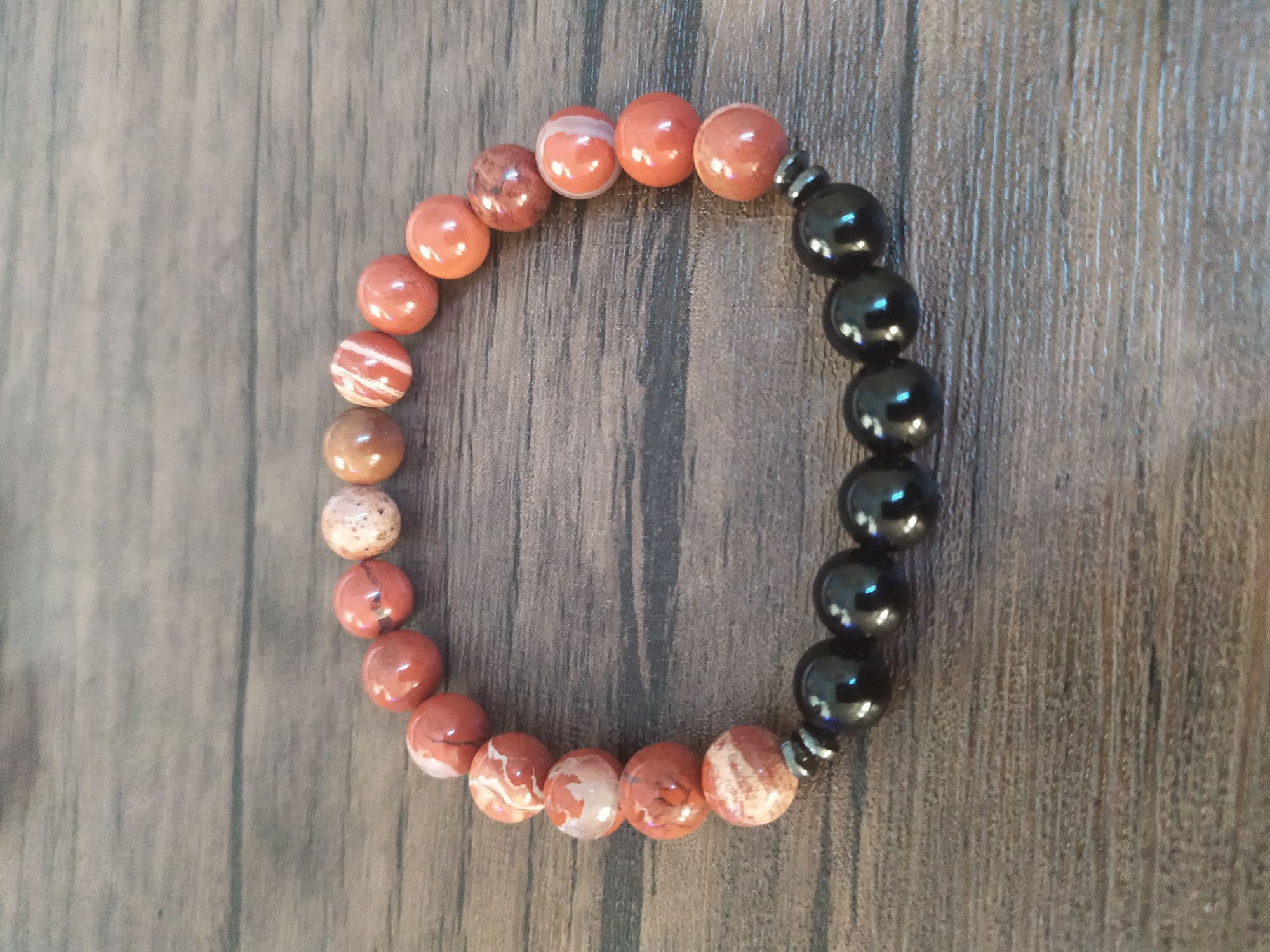
Root Chakra Rejuvenation Energy Bracelet
$24.00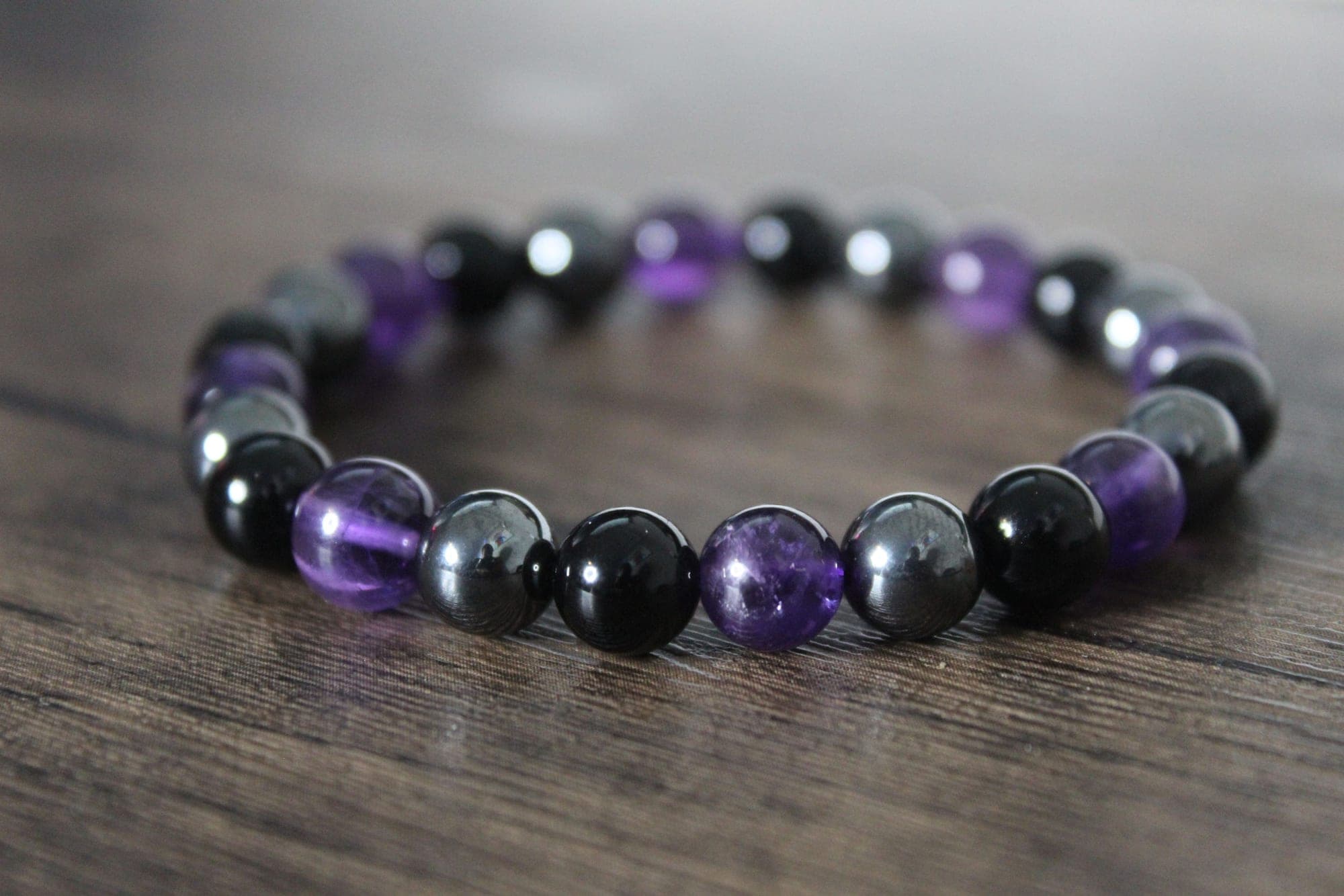
The Raven Energy Bracelet
$33.00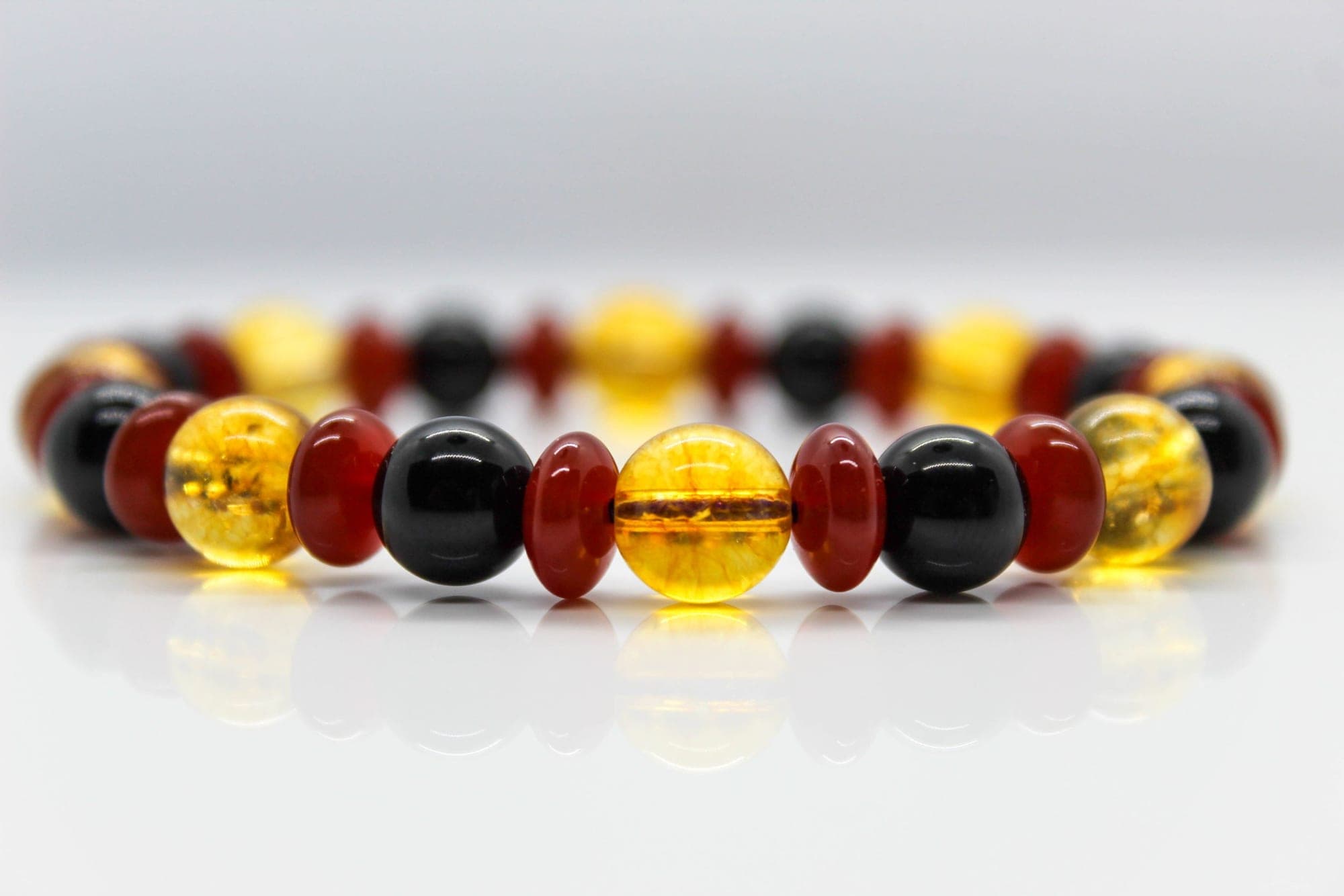
Protective Manifestation Energy Bracelet
$33.00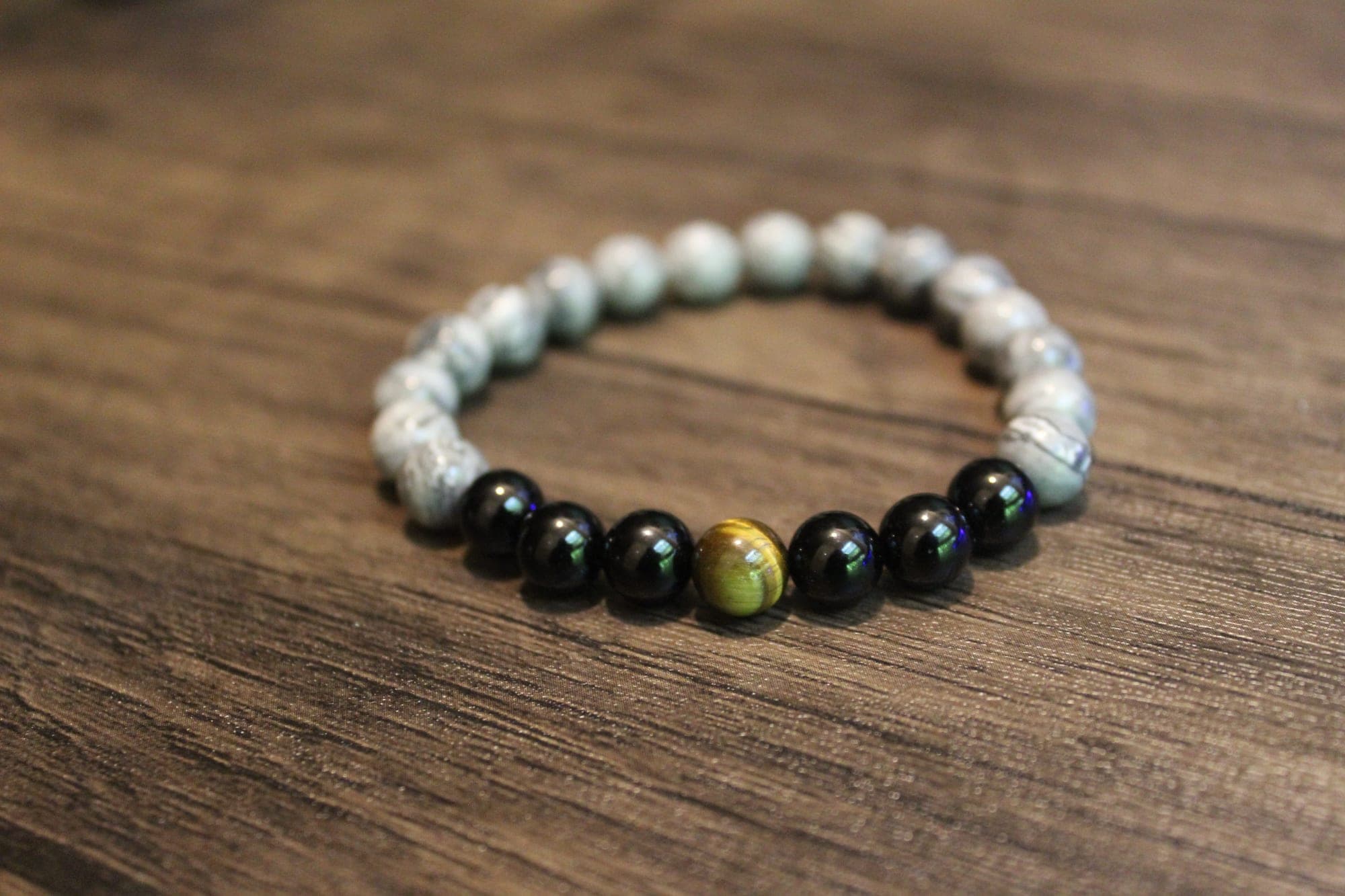
Grounding Manifestation Energy Bracelet
$24.00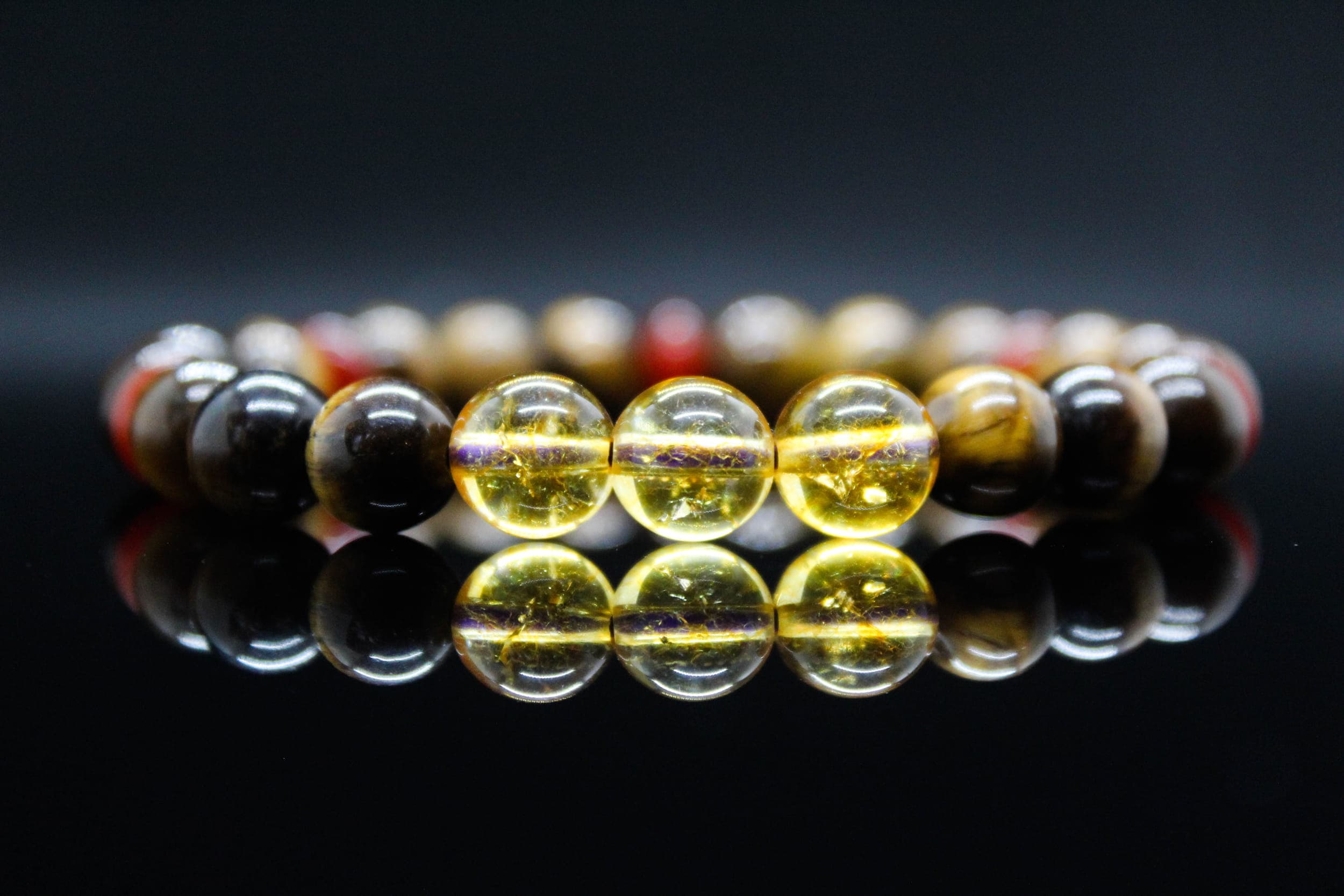
Focus Manifest Energy Bracelet
$24.00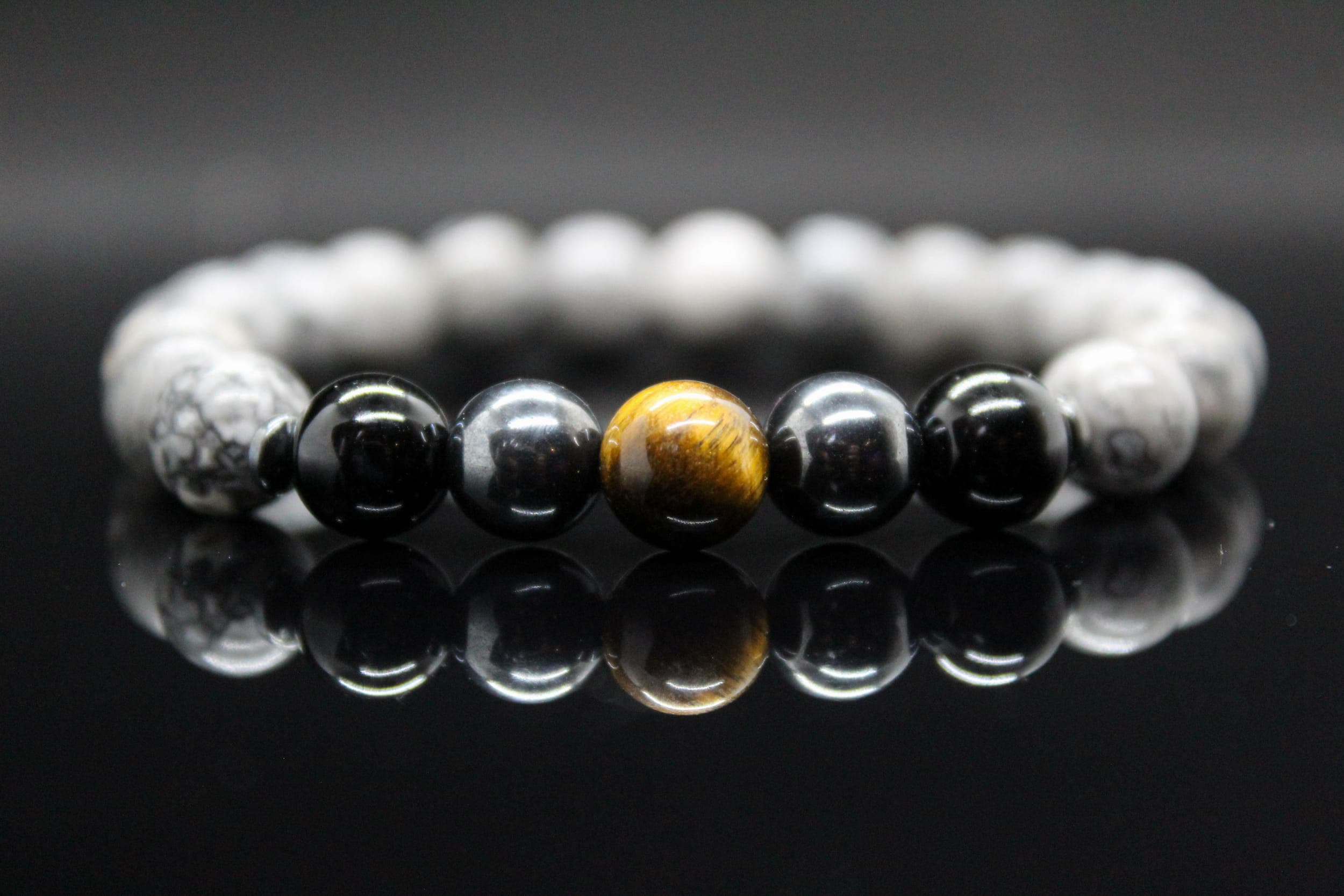
Energetic Balance Energy Bracelet
$24.00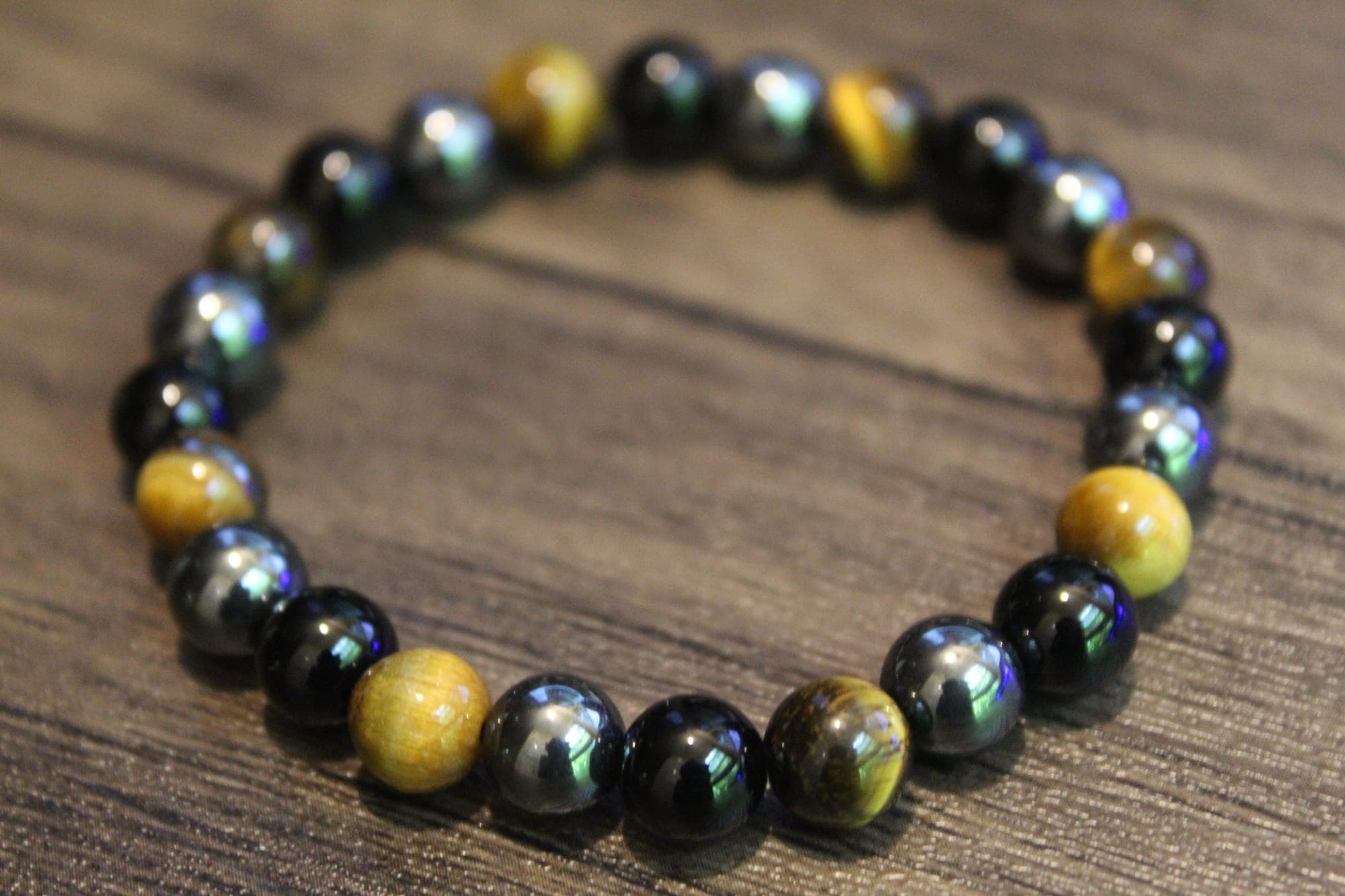
Ground Balance Manifest Energy Bracelet
$33.00