Photo: Masha Milshina · CC BY 4.0 · Wikimedia Commons
Apatite
Stone of Manifestation
Energy Focus
Meaning & uses
Apatite Meaning
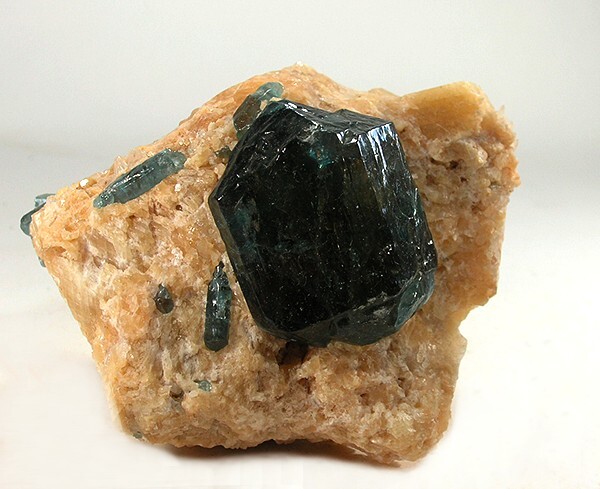
Vivid blue-green Apatite shares its name and its chemistry with the mineral that makes up human tooth enamel and bone — a genuinely direct link between this stone and the body it's traditionally said to support.
What Is Apatite?
Apatite is a calcium phosphate mineral, and its name, from the Greek apate, meaning "deceit," was chosen specifically because early mineralogists kept mistaking it for other gemstones like Peridot, Aquamarine, or Tourmaline due to its similarly wide range of colors. Beyond jewelry, Apatite is genuinely significant biologically: a closely related form of calcium phosphate is the main mineral component of human bones and tooth enamel, making it one of the few gemstones with a direct chemical link to the human body.
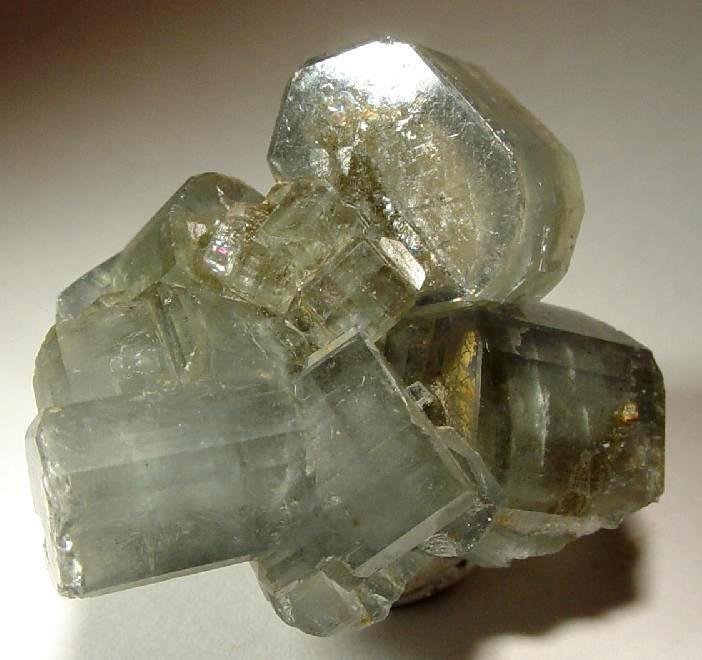
Gem-quality Apatite comes in nearly every color, but the vivid blue-green variety, sometimes marketed as resembling the much rarer Paraiba tourmaline, is the most sought-after for crystal jewelry today.
A Stone With a History
Apatite has a comparatively quiet documented history, in part because its similarity to other, more famous gemstones meant it was frequently misidentified rather than valued in its own right for much of mineralogical history — the very confusion its name commemorates. It wasn't formally recognized and named as its own distinct mineral until 1786, by German geologist Abraham Gottlob Werner, considerably later than most stones in this directory.
Since then, significant deposits have been found in Madagascar, Brazil, and Mexico, with Madagascar in particular producing much of the vivid blue-green material most prized in jewelry today.
Meaning and Symbolism
Apatite's meaning leans heavily on clarity and communication, a reputation tied to its vivid, clear-toned blue-green color — a stone associated with expressing ideas honestly and manifesting intentions into action rather than leaving them unspoken. It's traditionally read as a motivator, encouraging follow-through on goals rather than simply inspiring them.
Given its genuine link to bone and tooth mineralogy, Apatite has also picked up a traditional association with physical vitality and the body's own capacity to rebuild and strengthen itself over time.
Carried or worn to
- Support honest, clear communication
- Motivate follow-through on goals and intentions
- Sharpen mental clarity and focus
- Encourage confidence in self-expression
Chakra, Zodiac & Element
Apatite is tied to both the Throat and Third Eye Chakras, its clear blue-green color a natural match for honest communication paired with clear insight. Its Water element reinforces the same theme of fluid, honest expression.
Astrologically it's linked to Gemini, a sign ruled by communication and quick, clear thinking that matches Apatite's core reputation.
How to Use and Care for Apatite
At just 5 on the Mohs scale, Apatite is noticeably softer than most gemstones in this directory and scratches relatively easily, so it suits pendants and earrings better than rings worn daily. It's generally safe to rinse in lukewarm water, but ultrasonic cleaners and harsh chemicals are best avoided given its softness.
Because its vivid color can fade slightly with prolonged strong sunlight, storing it away from constant direct light helps preserve its saturation.
Frequently Asked Questions
Why is Apatite named after the Greek word for "deceit"?
Is Apatite related to human bones and teeth?
Is Apatite safe to wear every day?
Can Apatite get wet?
What chakra is Apatite associated with?
Where does Apatite come from?
A stone once mistaken for everything else, now valued for exactly what it is.
Shop by energy
Bracelets for the Throat and Third Eye chakras
We don't have an Apatite bracelet yet. These share its Throat or Third Eye chakra energy.
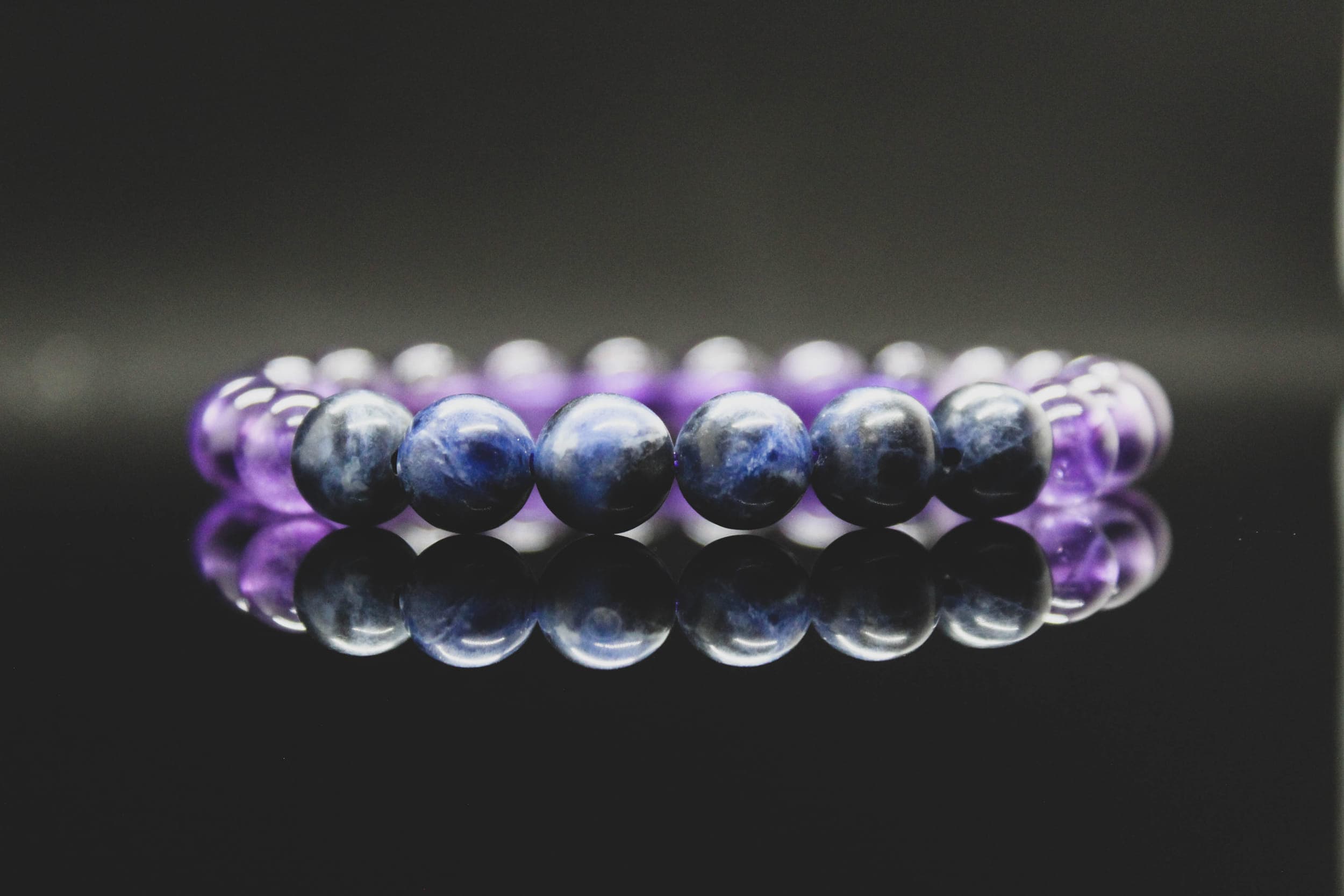
Creative Balance Energy Bracelet
$24.00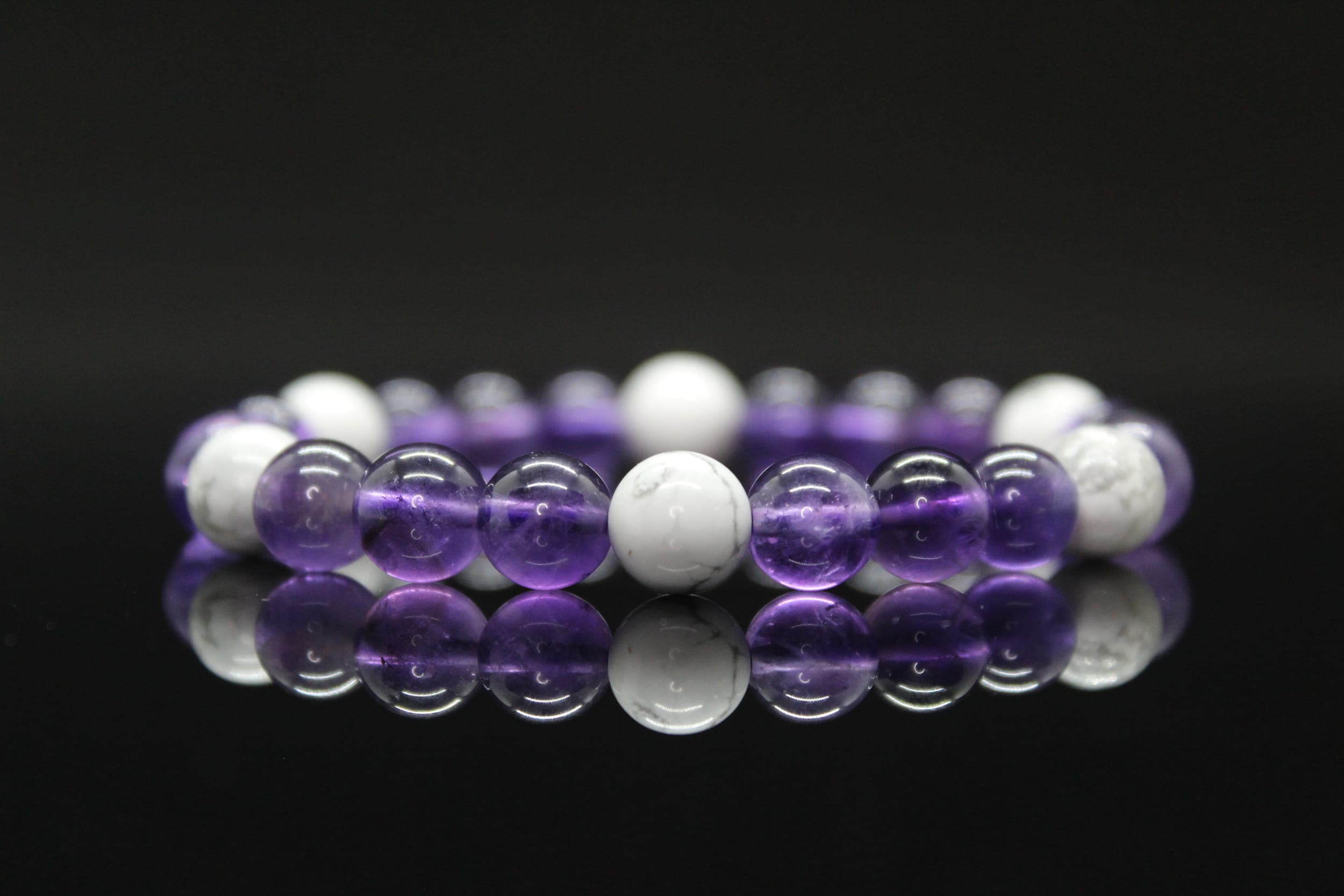
Higher Self Energy Bracelet
$24.00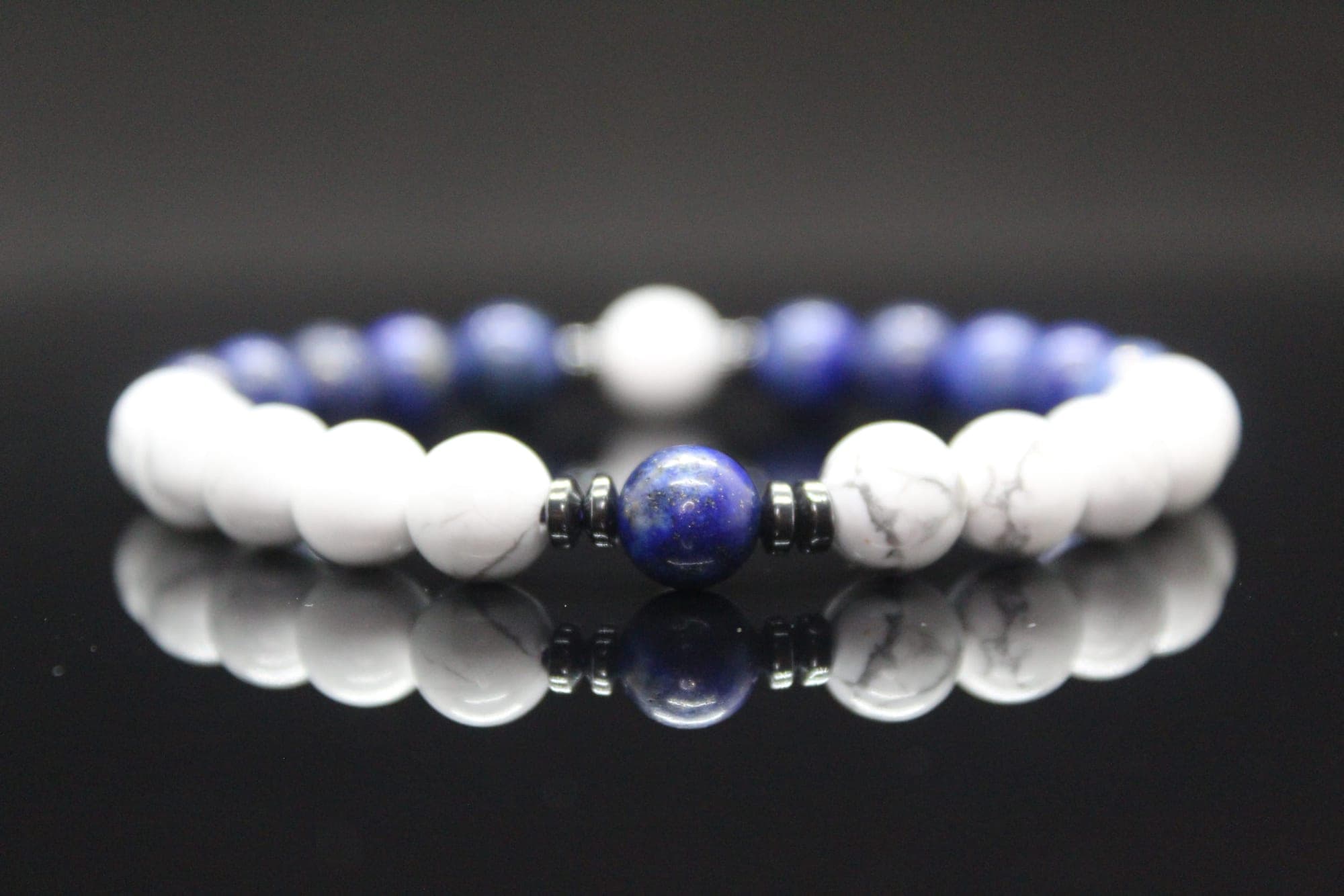
Divine Harmony Energy Bracelet
$24.00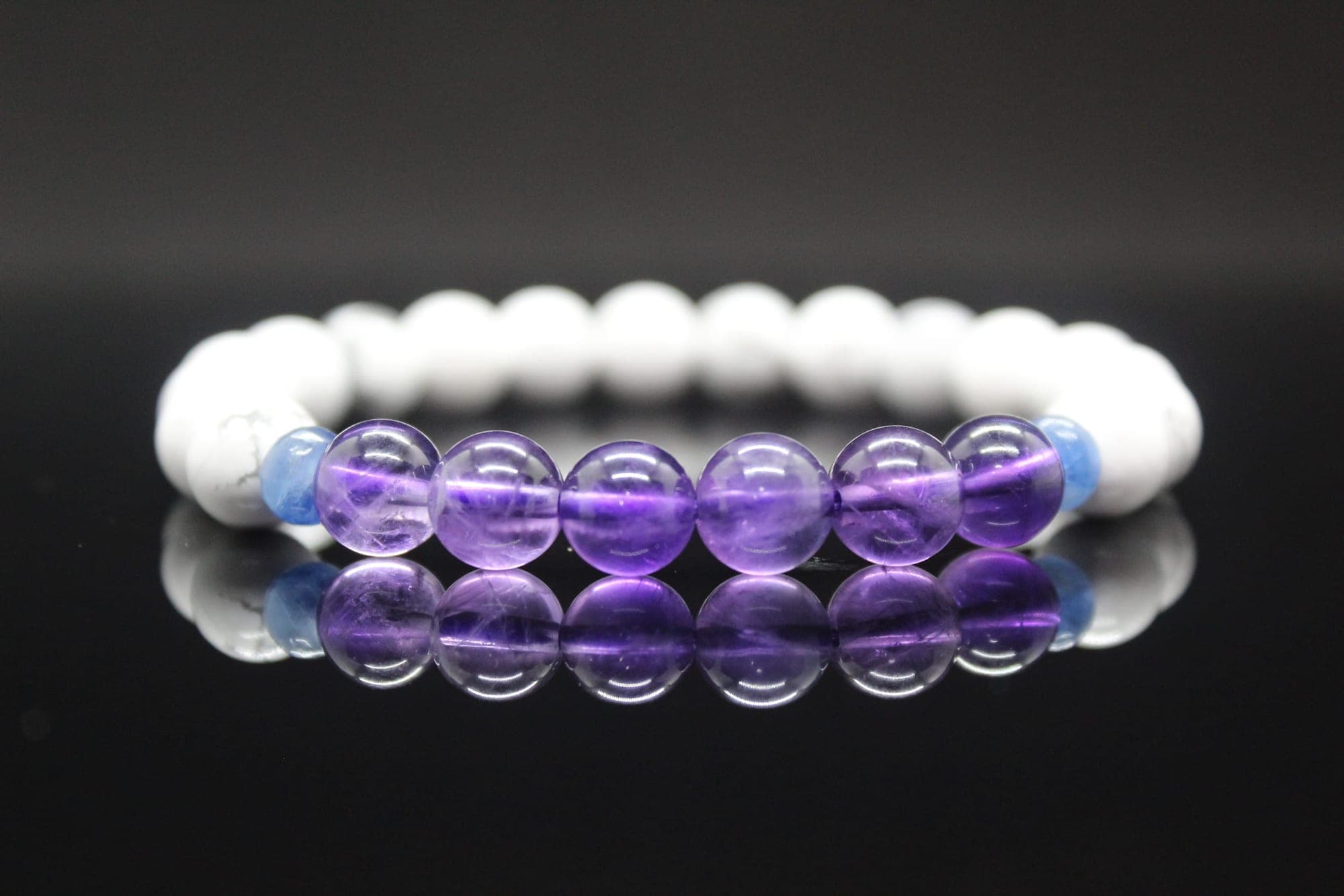
The Crown Energy Bracelet
$24.00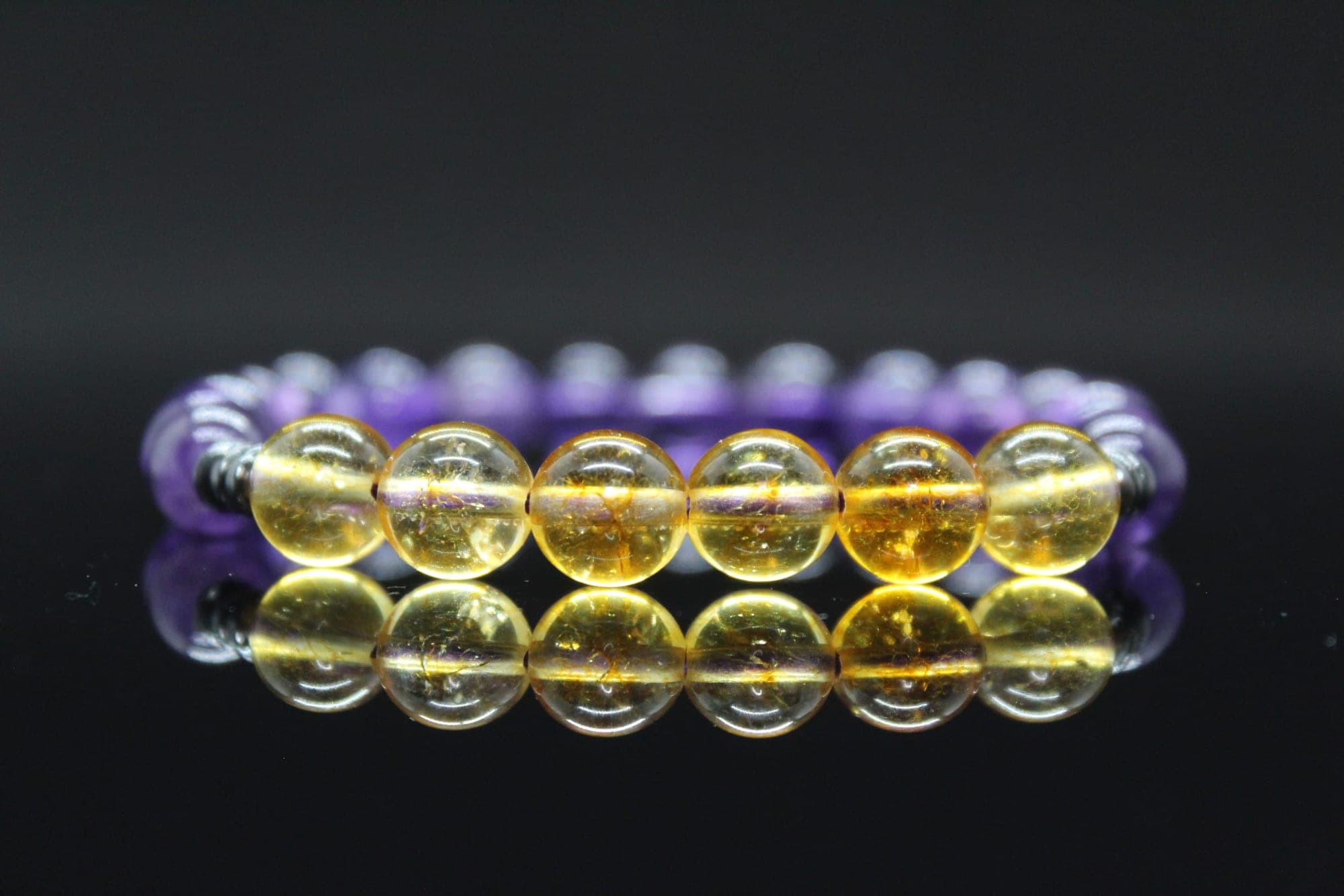
Clear Thoughts Energy Bracelet
$33.00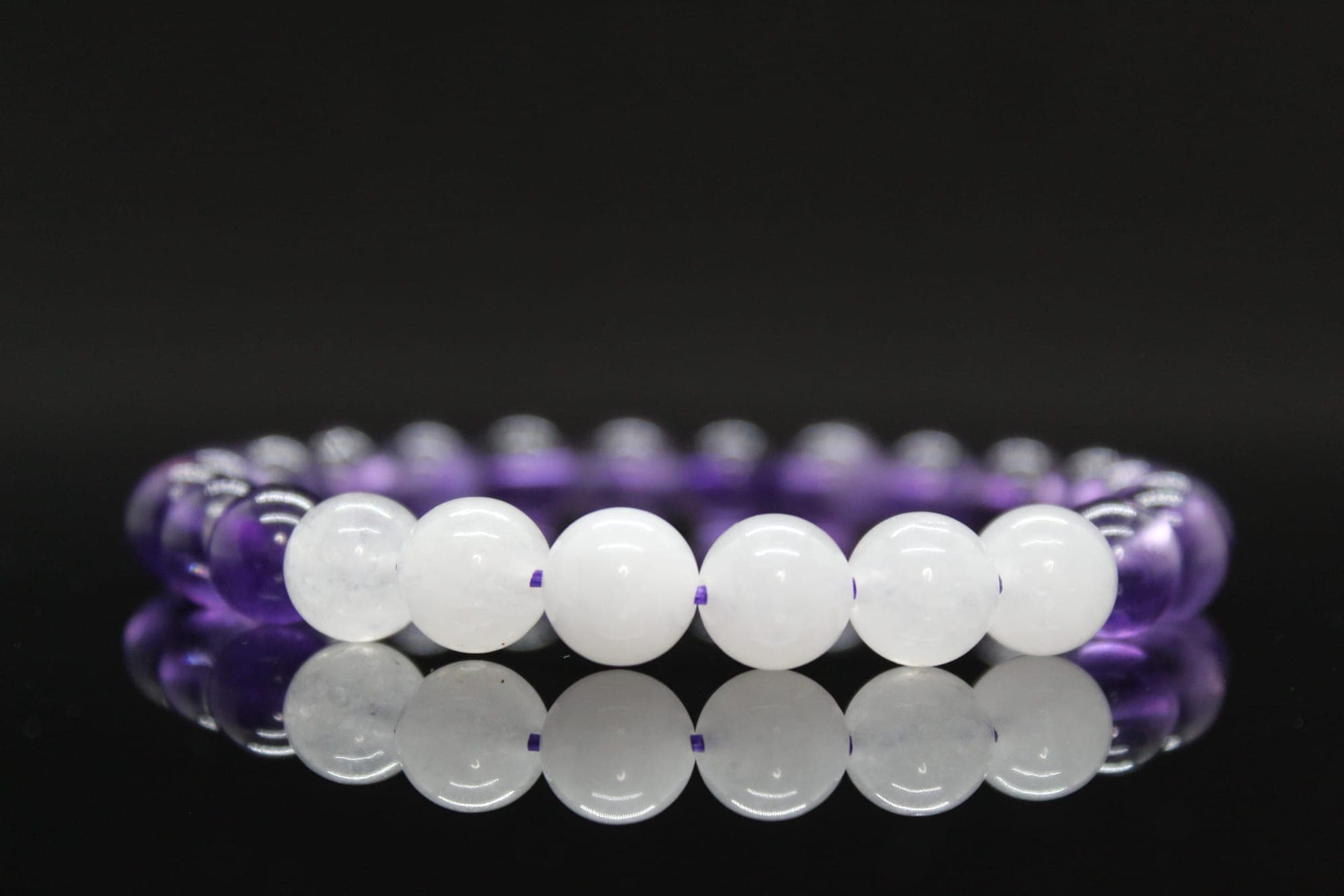
Divine Calming Energy Bracelet
$24.00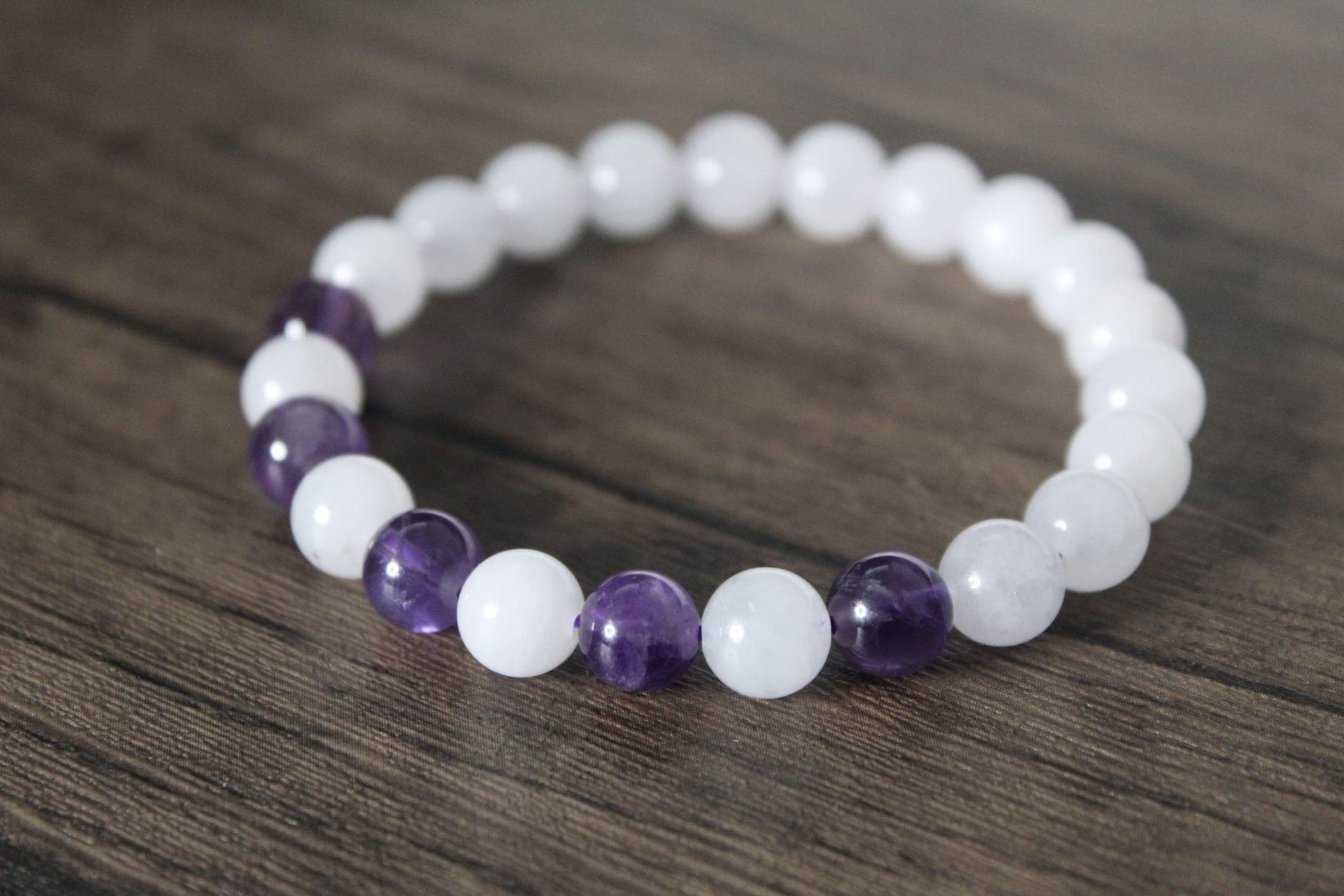
Divine Thoughts Energy Bracelet
$33.00