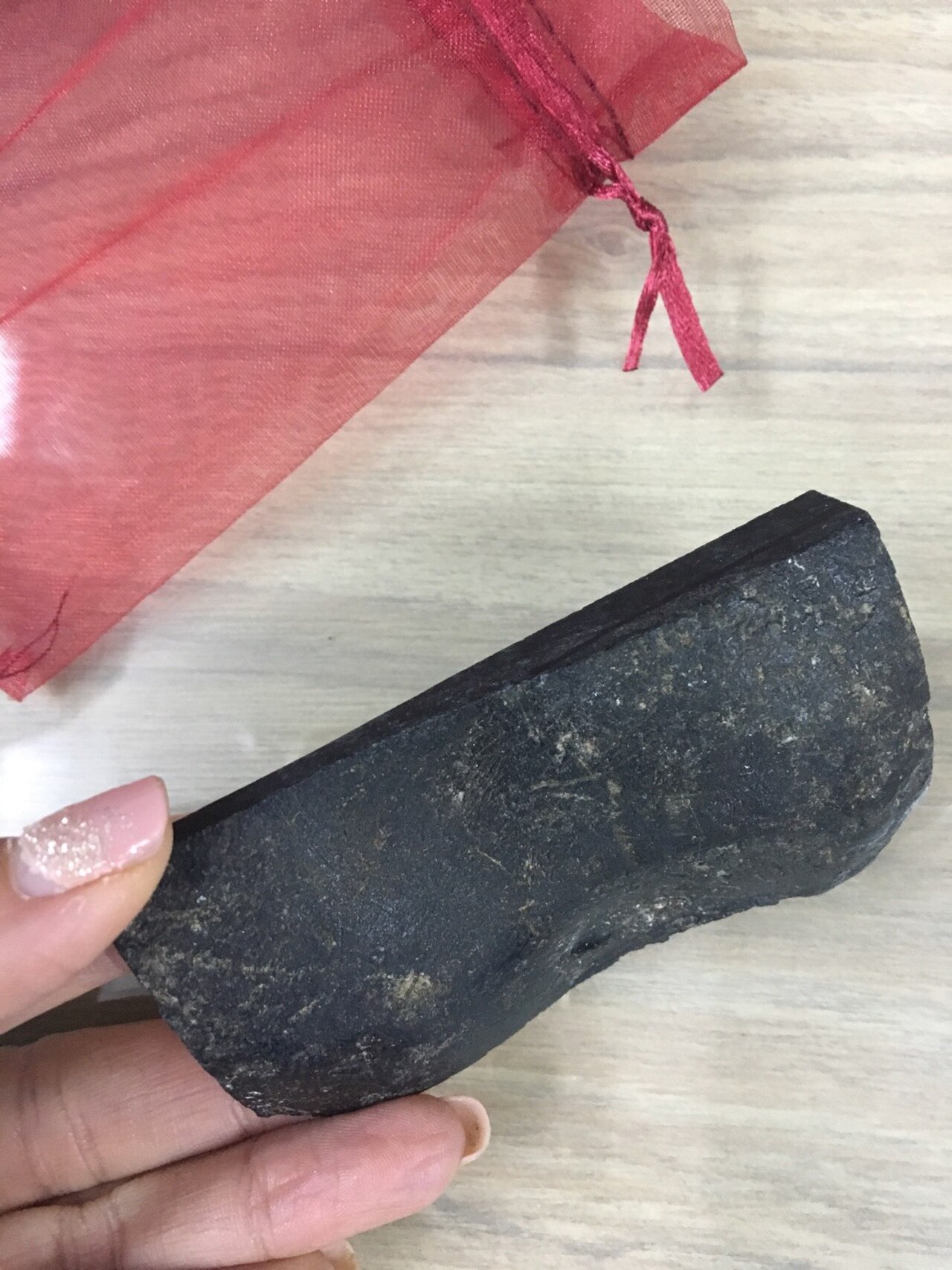
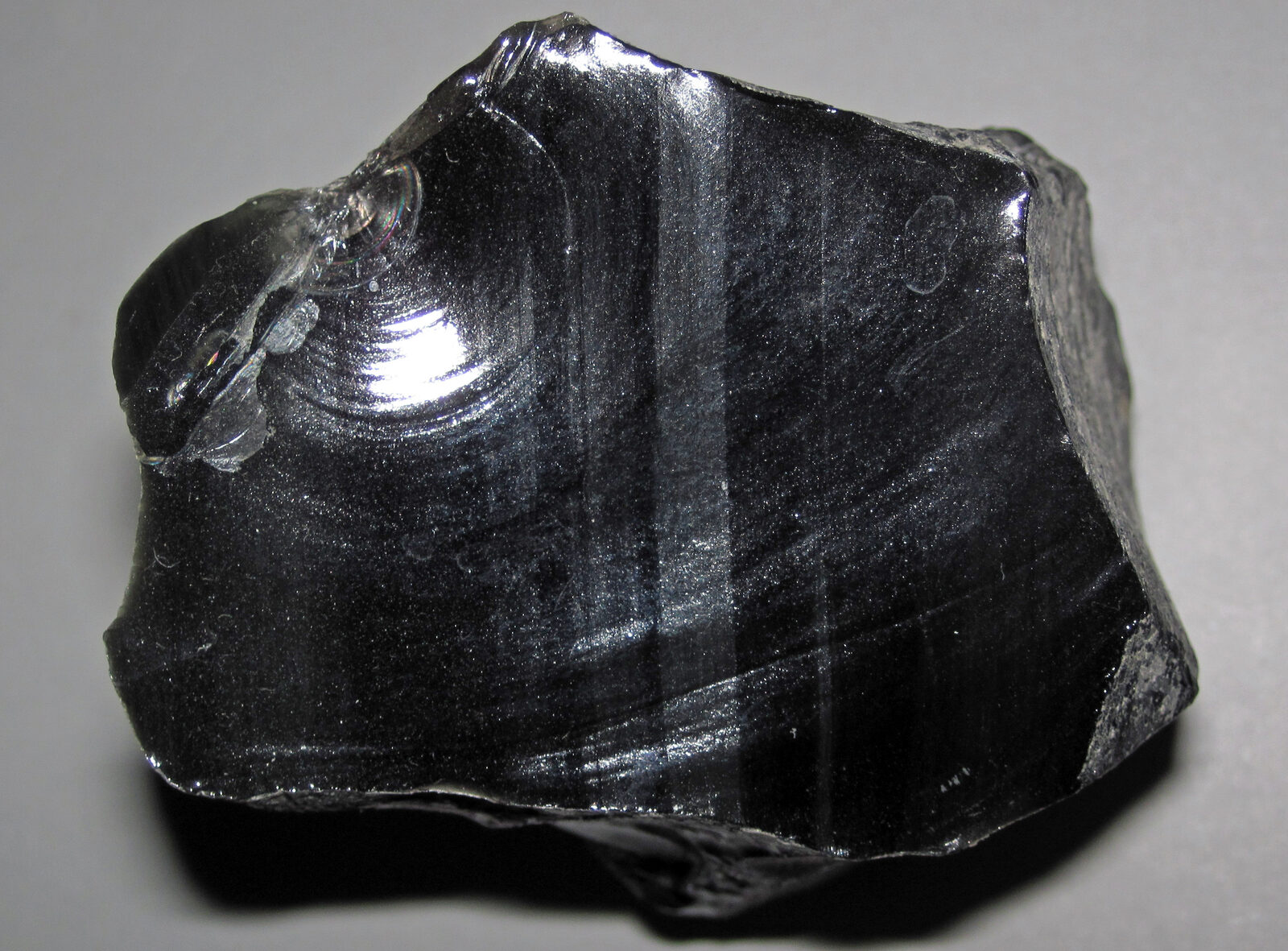
Photo: James St. John · CC BY 2.0 · Wikimedia Commons
Bloodstone
Stone of Courage
Energy Focus
Meaning & uses
Bloodstone Meaning
Bloodstone's dark green field flecked with red has carried a reputation for courage and vitality since ancient times, its red spots traditionally read as a sign of life force running through the stone.
What Is Bloodstone?
Bloodstone is a dark green variety of jasper or chalcedony, its color coming from included chlorite or amphibole minerals within the silica, scattered with red spots of iron oxide that give the stone its name. Its older, more formal name is Heliotrope — from the Greek helios (sun) and tropos (turning), "sun turner."
That name comes from a genuinely strange piece of ancient belief. Writers including Pliny the Elder described Heliotrope as a stone that, when placed in water and angled correctly, could turn the sun's reflection blood-red — or even, according to some ancient and medieval accounts, cause the sun itself to appear eclipsed. None of that reflects anything the mineral actually does, but the legend is exactly where its older name comes from.
Some of the finest Bloodstone has come from India's Deccan region for as long as records go back, the same volcanic trap-rock formation responsible for several other stones in this directory, and it remains one of the primary sources today alongside deposits in Brazil and Australia.

A Stone Tied to a Crucifixion Legend
Bloodstone's more common name comes from a specific medieval Christian legend: that the stone first formed at the foot of the cross at Calvary, when drops of Christ's blood fell onto green jasper at the crucifixion, permanently staining it red. Whether or not the story was ever taken literally, it made Bloodstone one of the most important gemstones in medieval and Renaissance Christian art — carved into devotional objects, crucifixion scenes, and signet rings depicting saints for centuries across Europe.
That religious weight is part of why Bloodstone shows up more often in historical carving and religious objects than in ordinary jewelry from the same period — it was treated as a stone with specific meaning, not just a decorative material. Its carving history actually predates Christianity: Roman soldiers carried Bloodstone seals and intaglios well before the crucifixion legend attached itself to the stone, prized then for courage and protection in battle rather than religious symbolism.
Meaning and Symbolism
Bloodstone's meaning follows both of its names at once: the "blood" spots read as vitality and life force, while its dense, opaque green base reads as grounded, steady courage. It's a stone associated less with calm and more with staying capable under real pressure — the traditional stone of soldiers, and more broadly of anyone who needs steadiness heading into something difficult.
Carried or worn for
- Building courage in the face of difficulty
- Grounding and revitalizing low energy
- Protecting personal boundaries
- Steadying the nerves before a challenge
Chakra, Zodiac & Element
Bloodstone bridges the Root and Heart Chakras, its two colors mapping directly onto the two centers: red for grounded vitality, green for the heart. Its Earth element reinforces the grounding half of that pairing.
Astrologically it's linked to Aries, for courage and drive, Pisces, reflecting its status as a traditional birthstone for March, and Libra, for the balance struck between its two colors and the chakras they represent.

How to Use and Care for Bloodstone
At 6.5–7 on the Mohs scale, Bloodstone is durable enough for daily wear in rings, bracelets, or pendants, and — like other jasper and chalcedony varieties — it's safe to rinse under running water for routine cleansing.
It pairs beautifully with Red Jasper for a grounded, balancing stack, doubling down on Bloodstone's own root-chakra vitality rather than pulling against it. See our Crystal Combinations guide for more on what works well together and why.
Frequently Asked Questions
Why is Bloodstone also called Heliotrope?
Is Bloodstone a birthstone?
What's the legend behind the name "Bloodstone"?
Is Bloodstone safe to wear every day?
What chakra is Bloodstone associated with?
Where does Bloodstone come from?
A steady companion for anyone heading into something difficult.
Shop by energy
Bracelets for the Root and Heart chakras
We don't have a Bloodstone bracelet yet. These share its Root or Heart chakra energy.
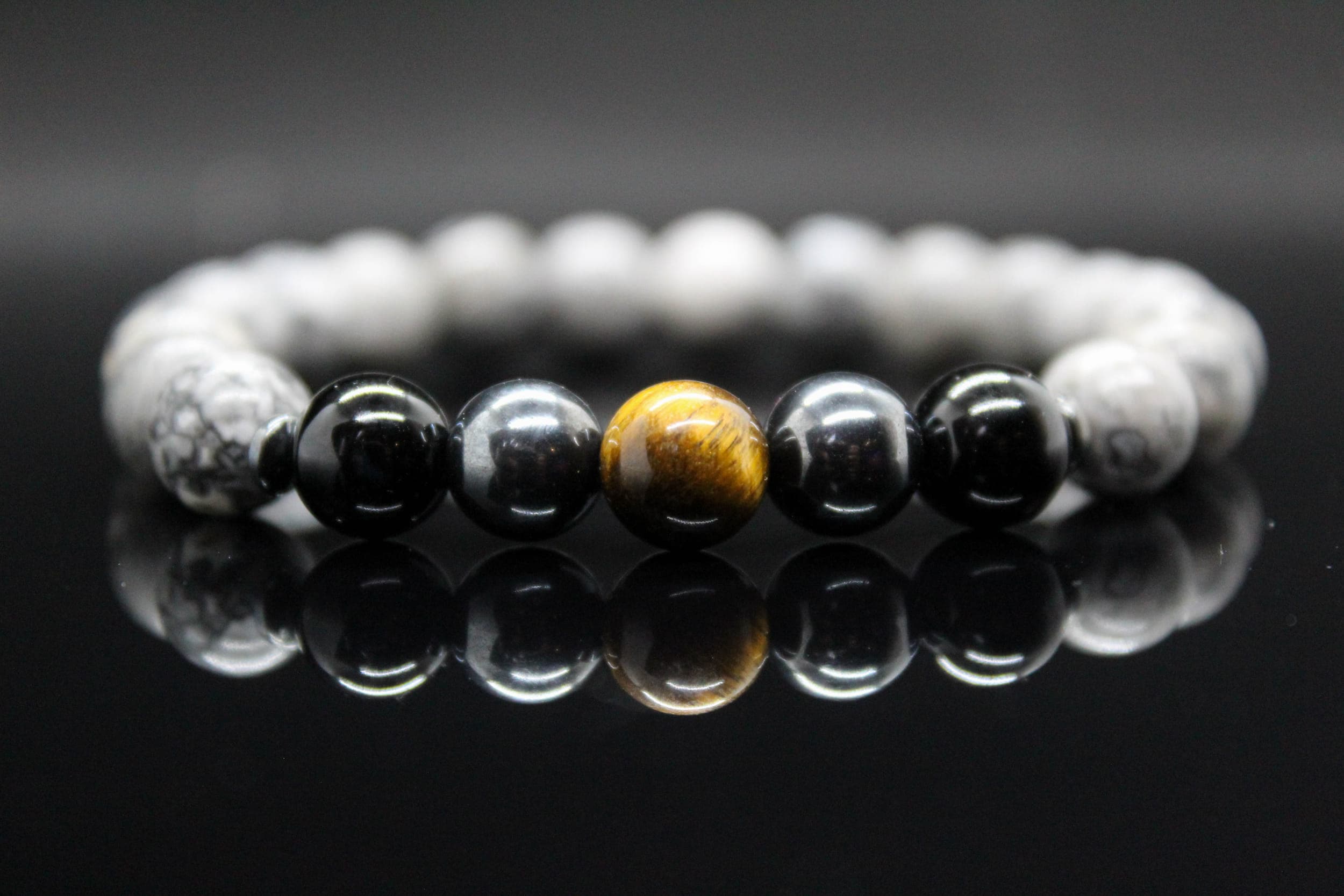
Energetic Balance Energy Bracelet
$24.00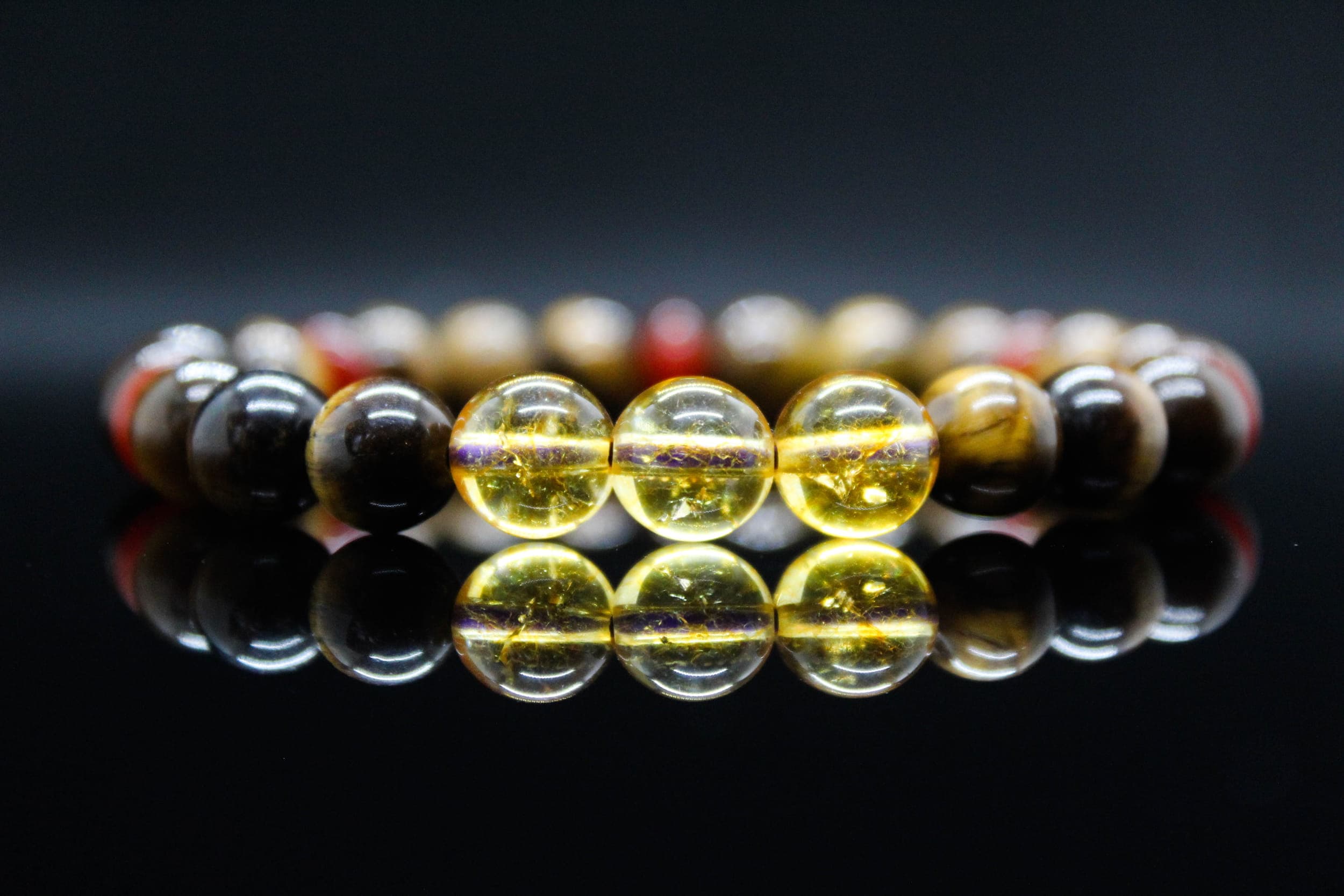
Focus Manifest Energy Bracelet
$24.00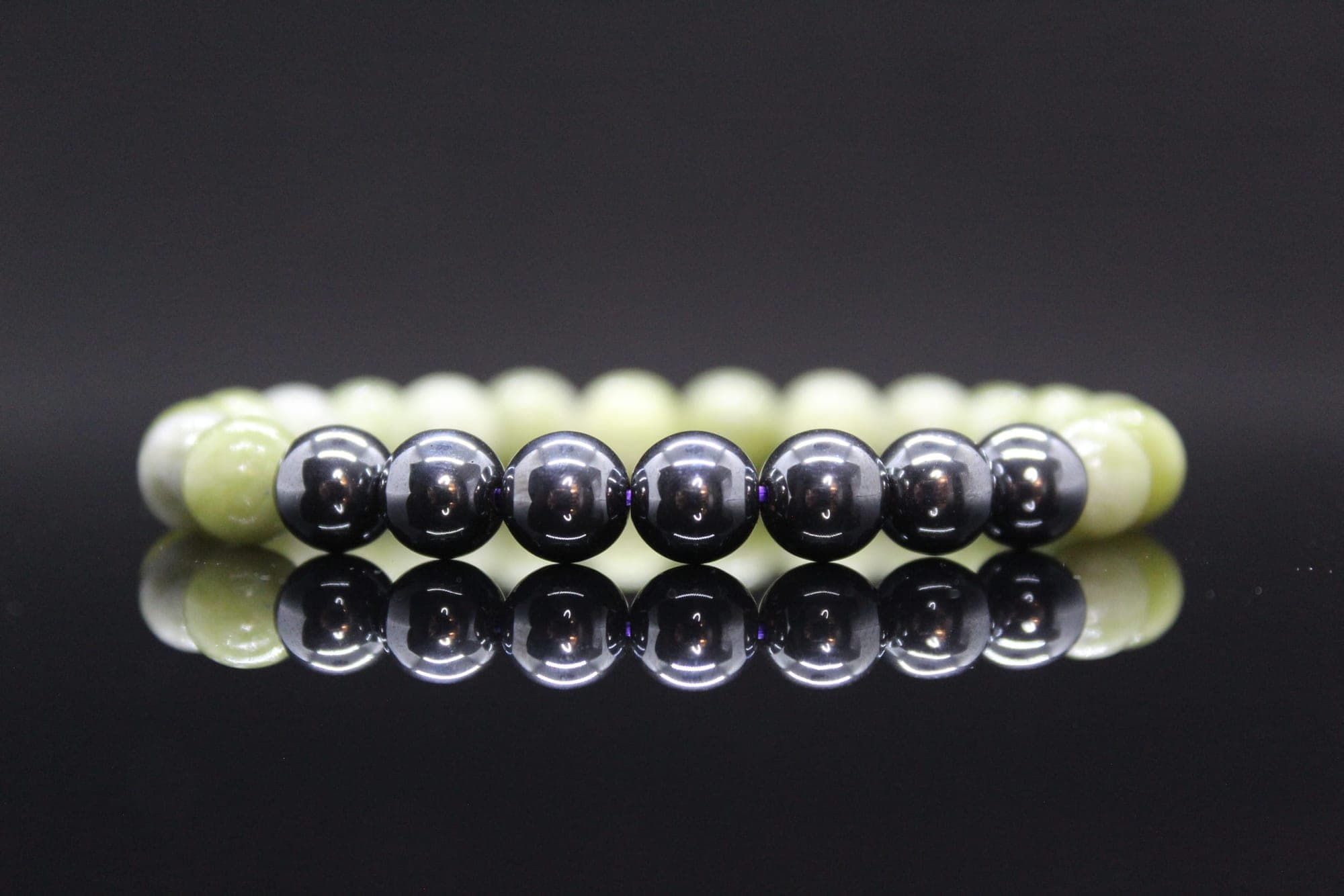
Life Force Energy Bracelet
$24.00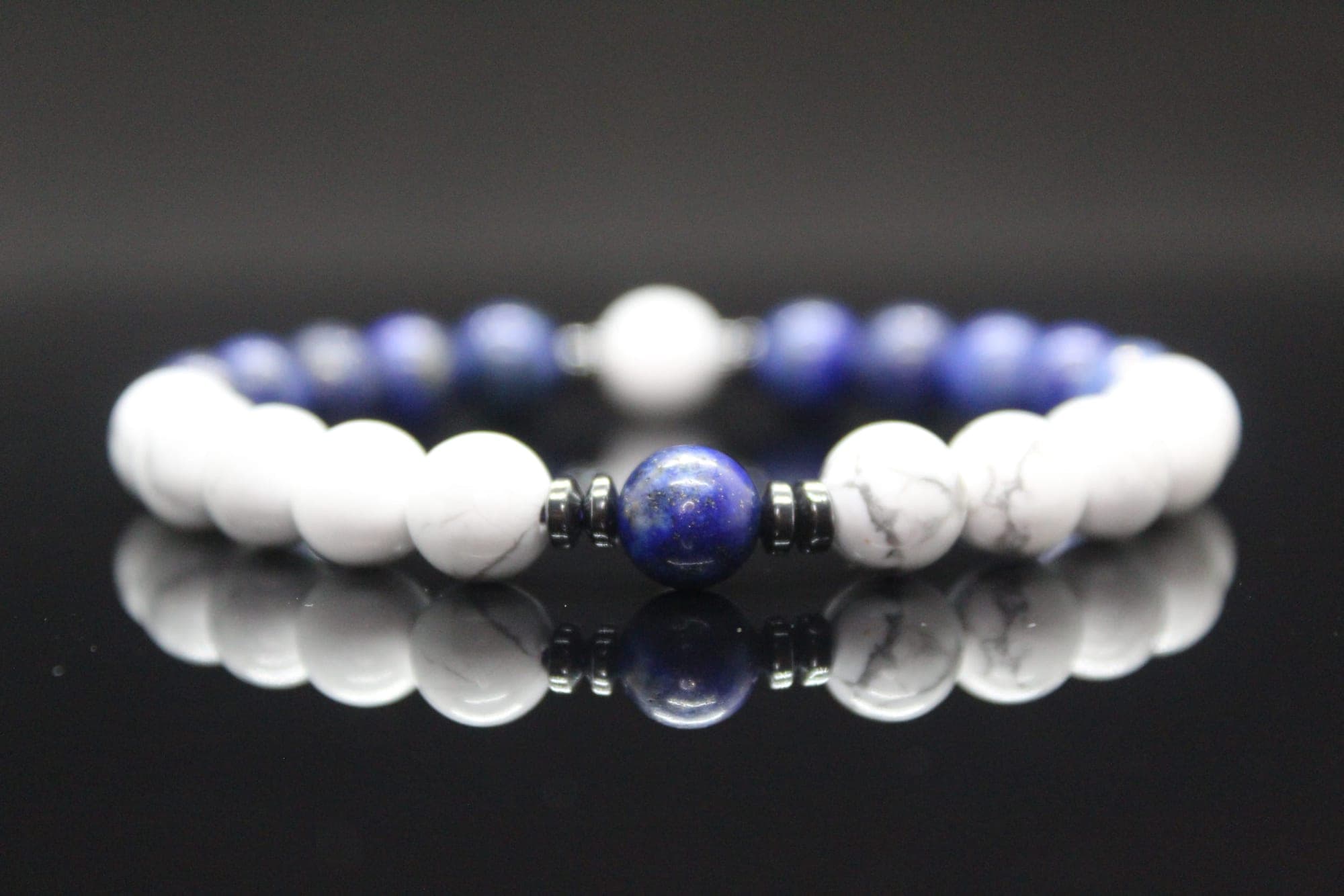
Divine Harmony Energy Bracelet
$24.00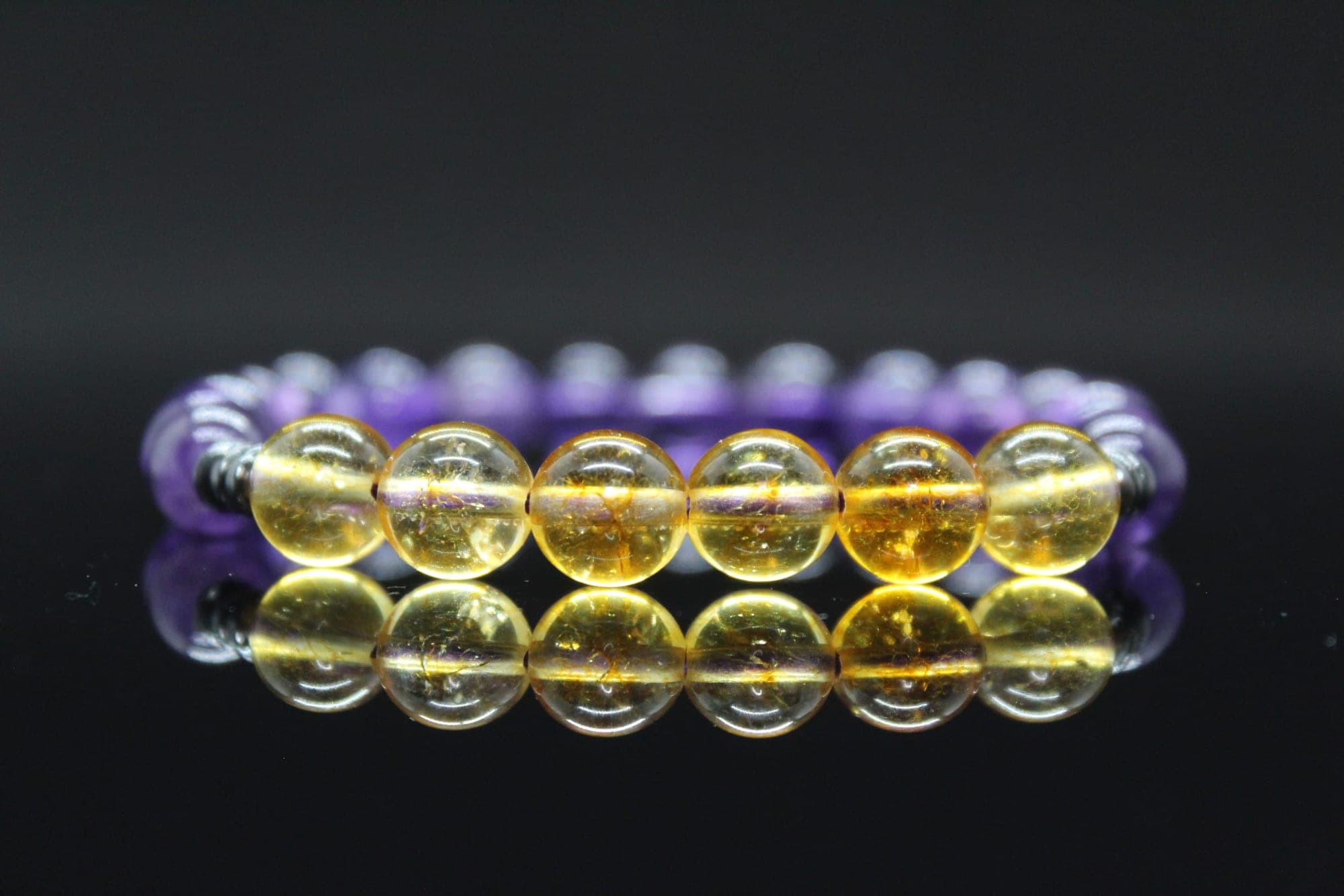
Clear Thoughts Energy Bracelet
$33.00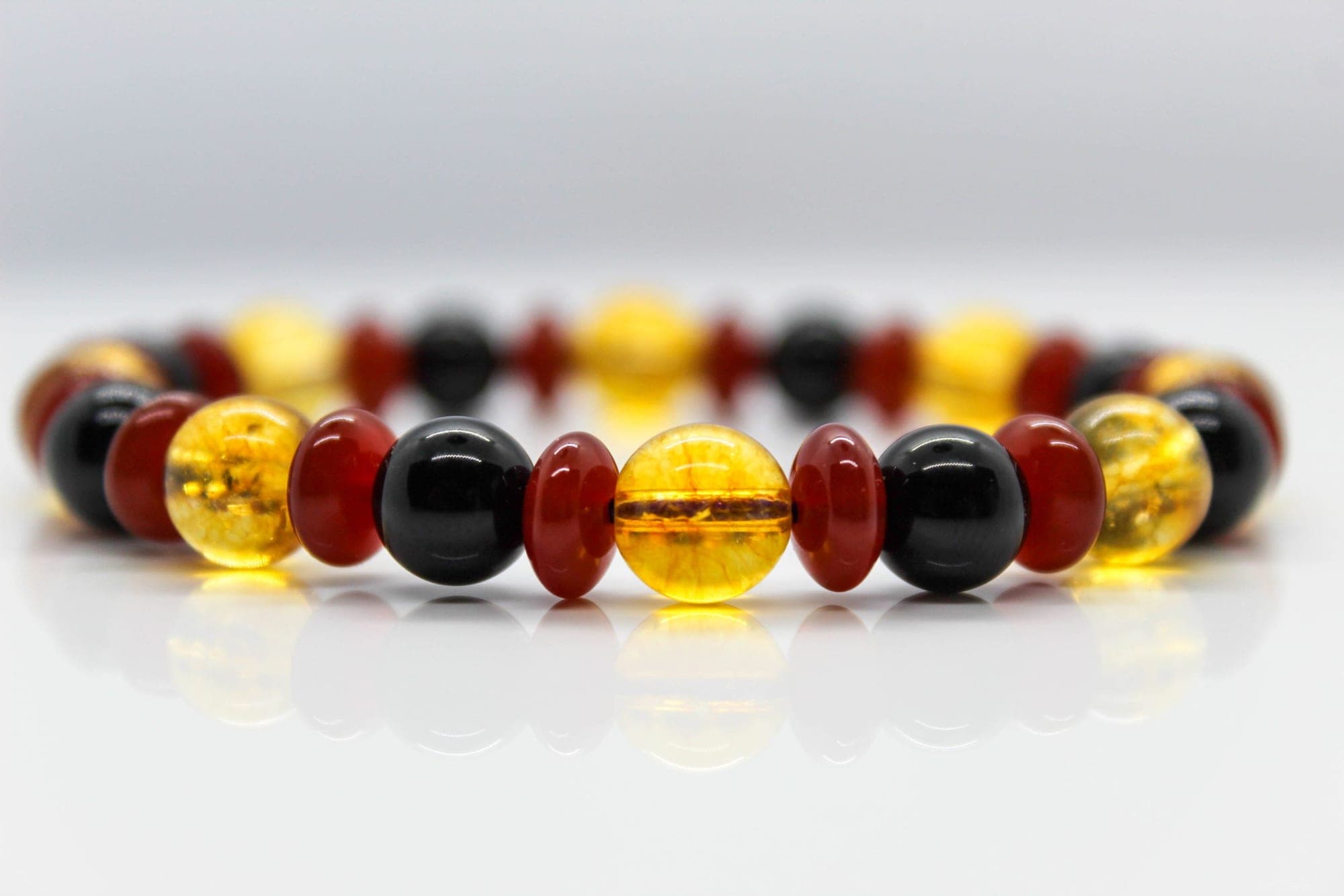
Protective Manifestation Energy Bracelet
$33.00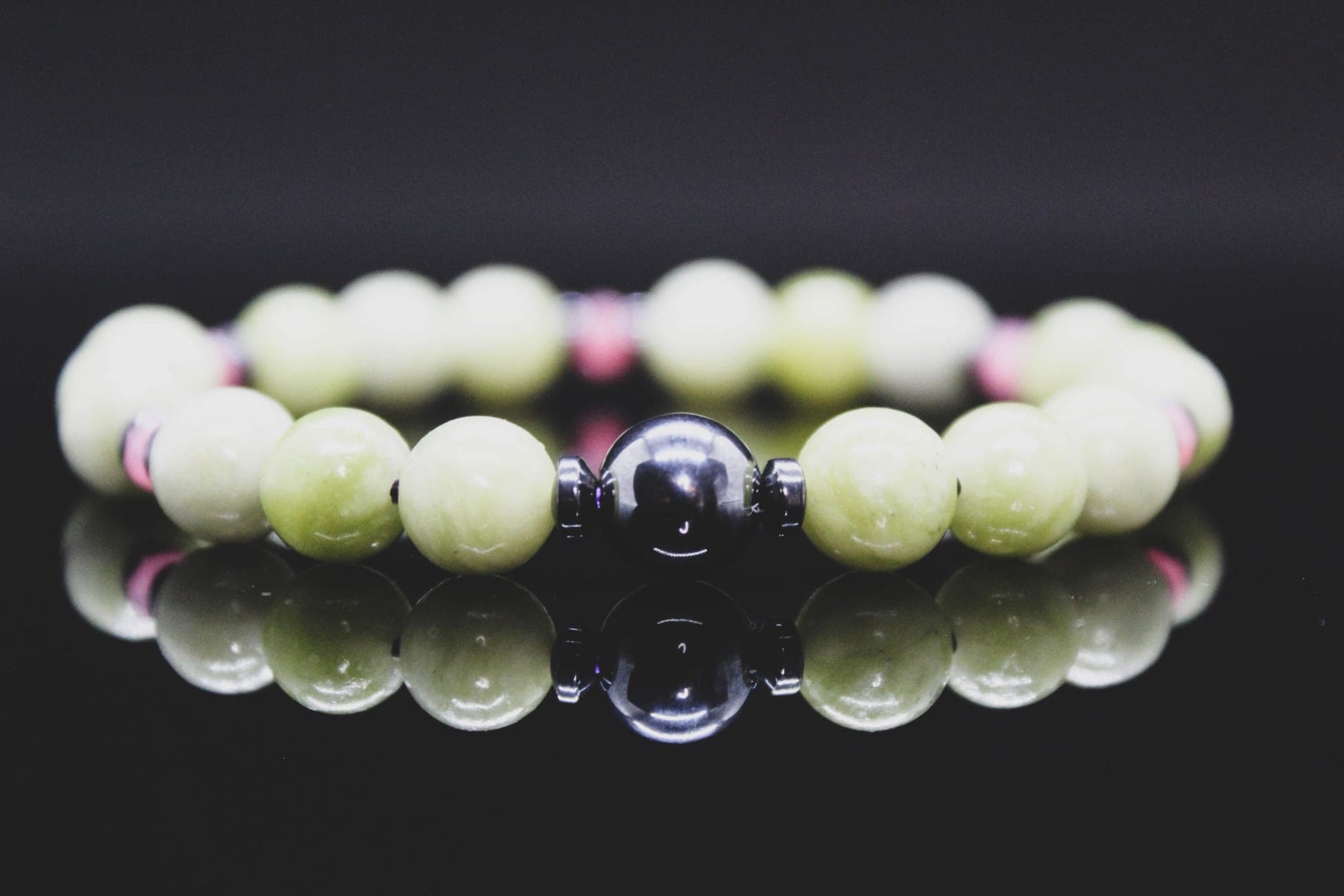
Grounding Love Energy Bracelet
$33.00