Photo: Mr. Pugo · Unsplash License · Unsplash
Meaning & uses
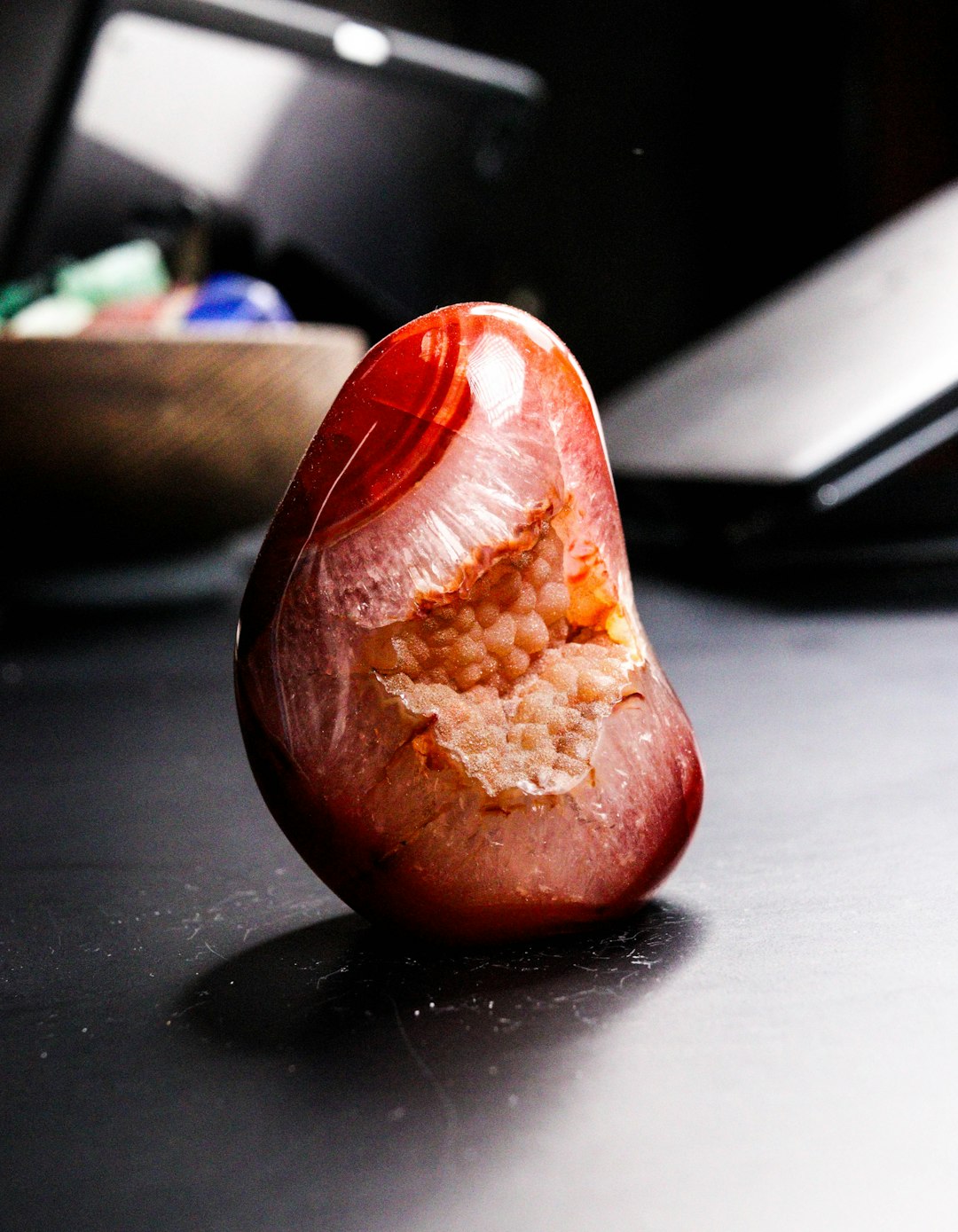
Carnelian Meaning
A stone of fire and vitality, Carnelian has been worn as an amulet of courage and creative drive since ancient Egypt. Its warm orange glow is tied to the sacral chakra — the seat of creativity and motivation.
What Is Carnelian?
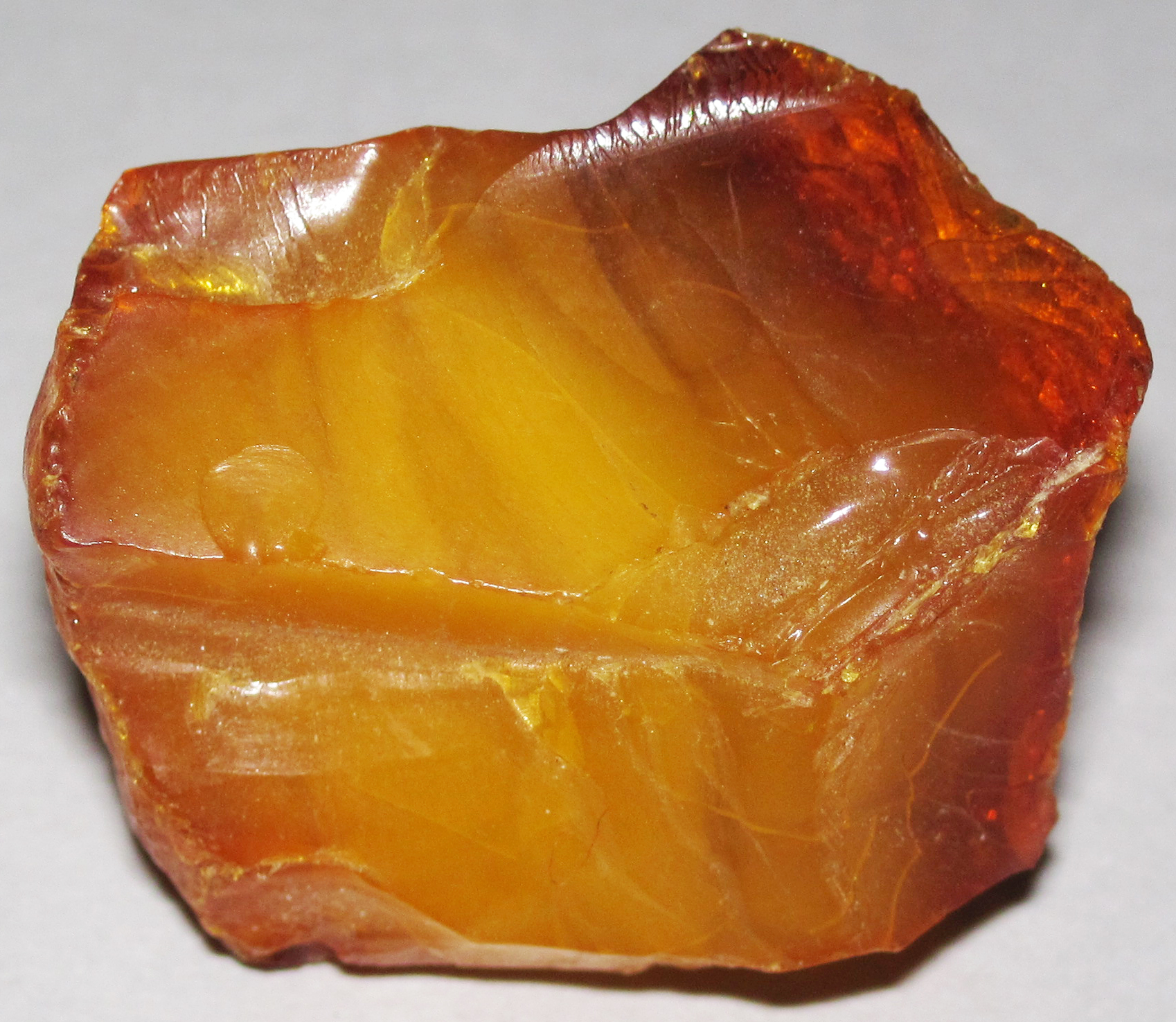
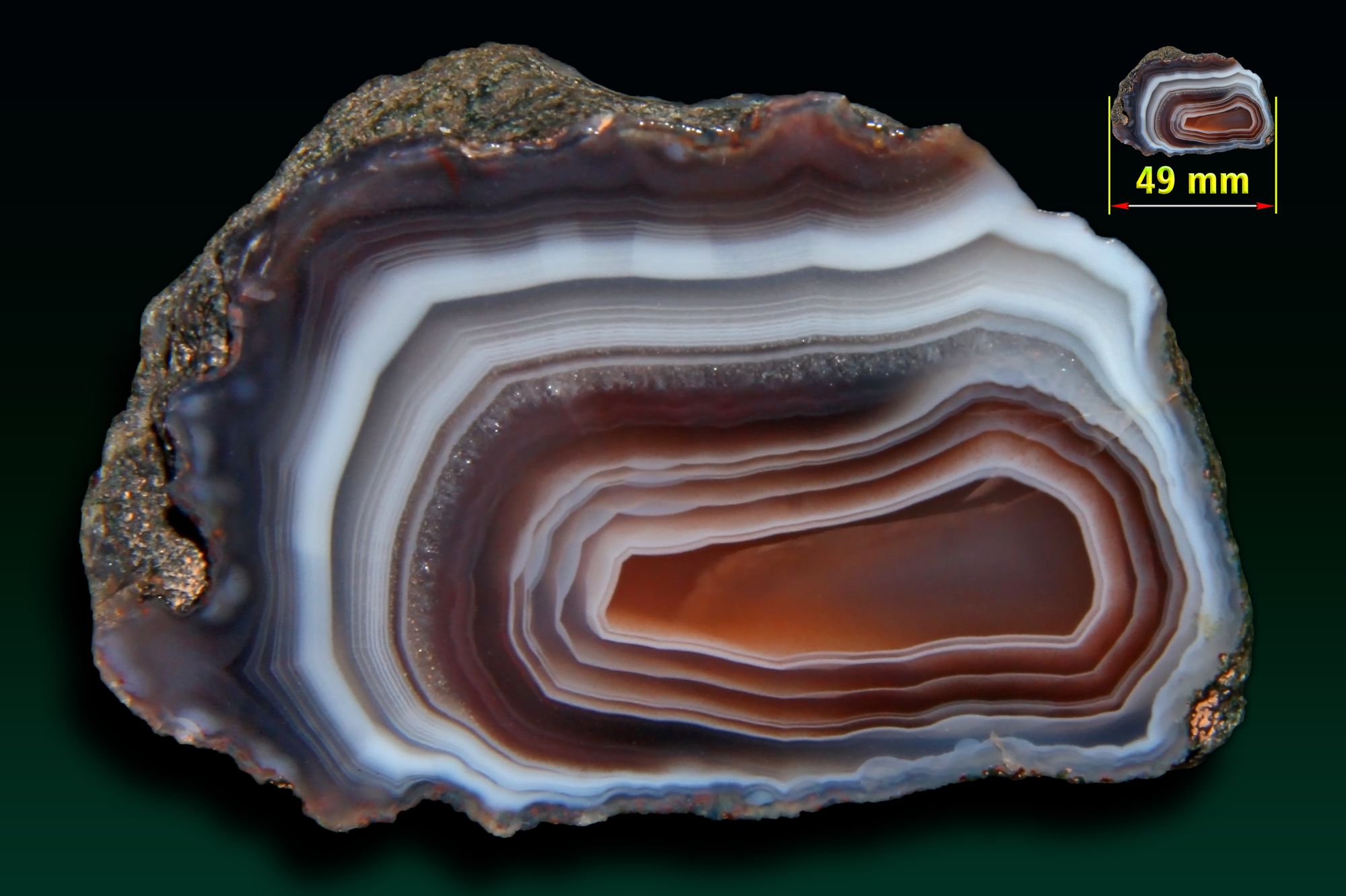
Carnelian is a reddish-orange variety of chalcedony, the same microcrystalline quartz family as Agate and Onyx, colored by iron oxide impurities distributed through the stone. Its darker, more brownish-red cousin is called Sard — the line between the two has never been sharply defined, and the same piece is sometimes sold under either name depending on the seller.
The name itself has a genuinely debated origin: some etymologists trace it to the Latin cornum, the cornel cherry, for its color, while others link it to carnem, flesh — the word's spelling actually drifted from the older "cornelian" toward "carnelian" over the centuries, likely nudged along by that second association.
Much of the vivid red Carnelian sold today has been heat-treated to deepen its color — a technique that isn't remotely new. Pliny the Elder described ancient artisans heating chalcedony to intensify its red tone nearly two thousand years ago, making this one of the oldest continuously used gemstone treatments still practiced.

A Stone With a History
Carnelian's ancient credentials are hard to overstate. In Egyptian tradition it was one of the specific stones required for the Tyet, or "Girdle of Isis" amulet, a funerary piece described in the Book of the Dead as invoking the goddess Isis's protection — and it had to be carved from a red stone like Carnelian specifically, not any substitute. Beads found at Indus Valley sites thousands of years old point to an equally old trade and craft tradition in India, one still centered in the same Gujarat region today.
Carnelian also had a distinctly practical reason for its popularity as a seal ring in Rome and across the ancient world: hot sealing wax doesn't stick to it, which made it an ideal material for a signet used constantly to press into wax. Centuries later, Carnelian took on renewed significance in Islamic tradition, where wearing a Carnelian ring is a practice traditionally attributed to the Prophet Muhammad and remains meaningful to many Muslims today.
Meaning and Symbolism
Carnelian's meaning has stayed remarkably consistent across every culture that's valued it: courage, vitality, and the willingness to act rather than hesitate. It's a stone associated with starting things — a project, a creative pursuit, a hard conversation — more than with any kind of stillness or reflection.
Carried or worn for
- Reigniting motivation and creative energy
- Building courage to take bold action
- Boosting physical vitality and stamina
- Overcoming fear of failure or judgment
Chakra, Zodiac & Element
Carnelian is tied to the Sacral Chakra, the seat of creativity, motivation, and physical vitality — a direct match for its warm, energizing color. Its Fire element reinforces the same active, outward-facing territory.
Astrologically it spans four signs — Leo, for boldness and creative confidence; Taurus, for grounded physical vitality; Virgo, for turning motivation into disciplined follow-through; and Cancer, for the courage it takes to act on deep feeling rather than staying guarded.

How to Use and Care for Carnelian
At 6.5–7 on the Mohs scale, Carnelian is durable enough for daily wear in rings, bracelets, or pendants, and it's water-safe for routine cleansing.
It pairs especially well with Citrine for solar-plexus-and-sacral energy, or with Tiger's Eye for confidence backed by follow-through — see our Crystal Combinations guide for the full pairing breakdown. One combination worth actively avoiding: Carnelian alongside calming stones like Amethyst or Lepidolite, where the energizing and calming effects are generally considered to cancel each other out rather than balance.
Frequently Asked Questions
Why is Carnelian associated with ancient Egypt?
What's the difference between Carnelian and Sard?
Why was Carnelian popular for seal rings?
Is Carnelian safe to wear every day?
What chakra is Carnelian associated with?
Is most Carnelian heat-treated?
A bright, energizing companion for creative work and fresh starts.
Shop this stone
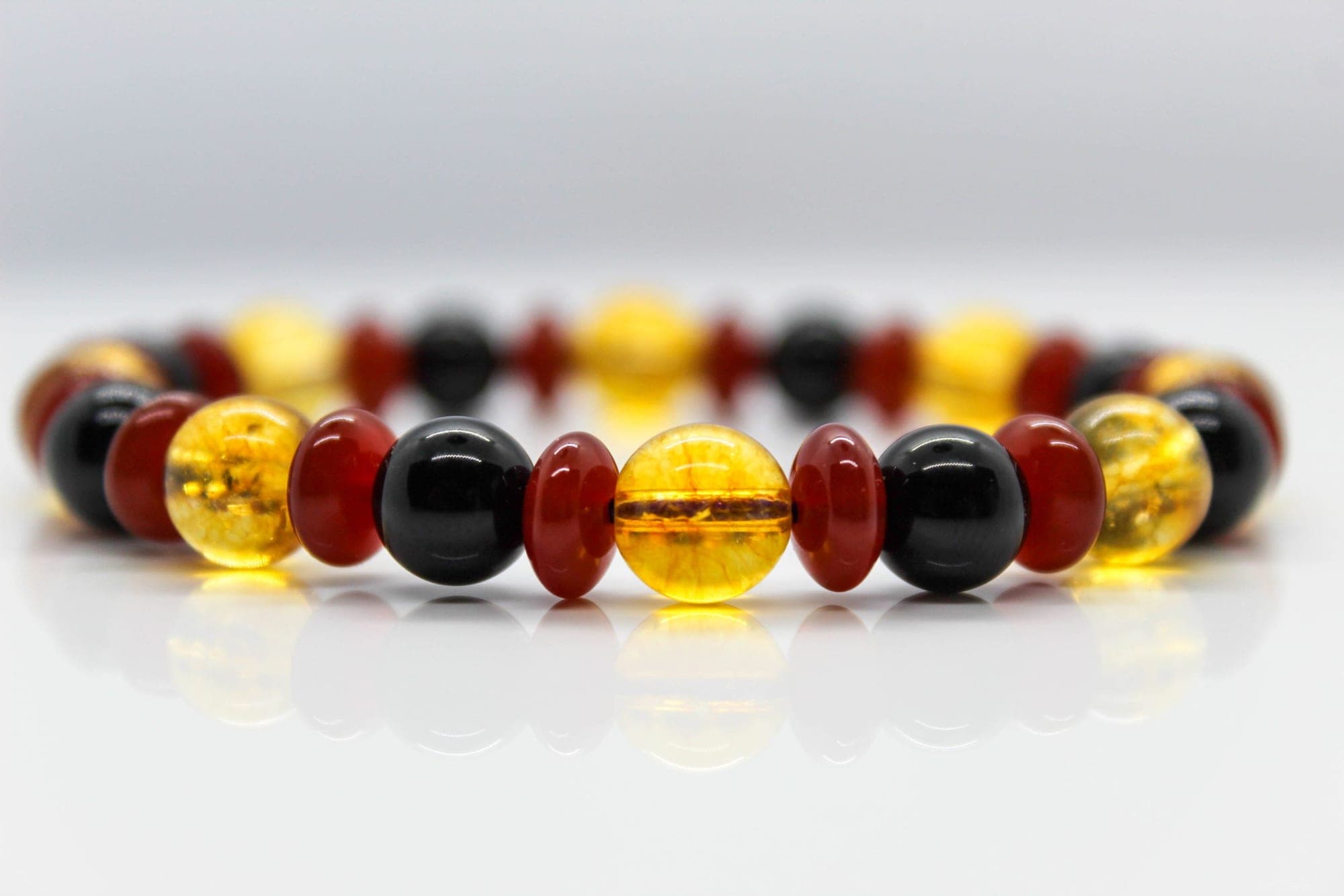
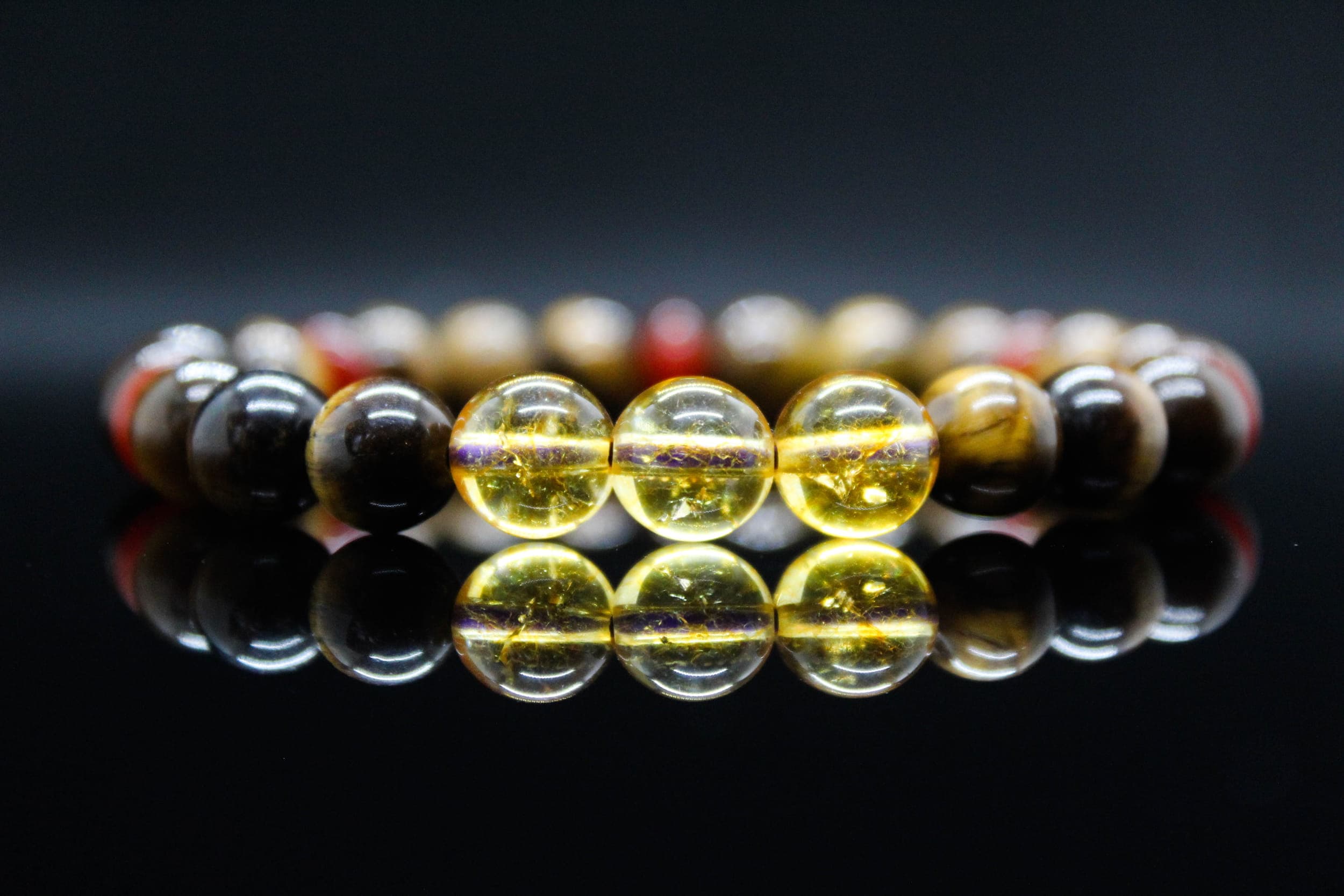
Bracelets with Carnelian
Pairings
Carnelian Pairs Well With
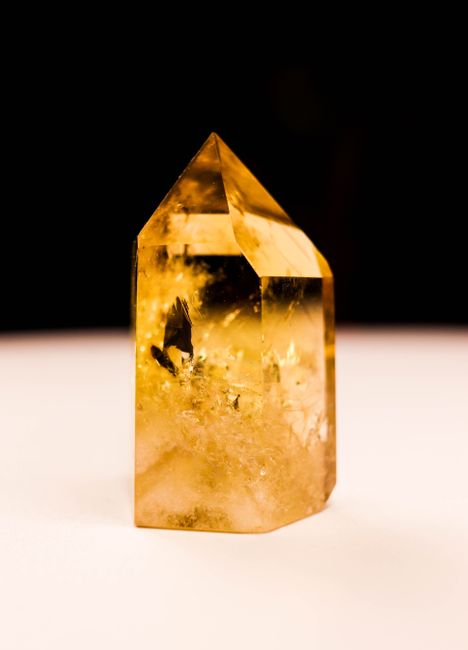
Citrine + Carnelian
Energy, creativity, drive
These sit on neighboring energy centers — carnelian at the sacral, citrine at the solar plexus — so instead of competing they hand off: carnelian gets you moving, citrine keeps you moving once you've started. A rare case of two energizing stones that genuinely work as a team rather than fighting for the same job.
Read more →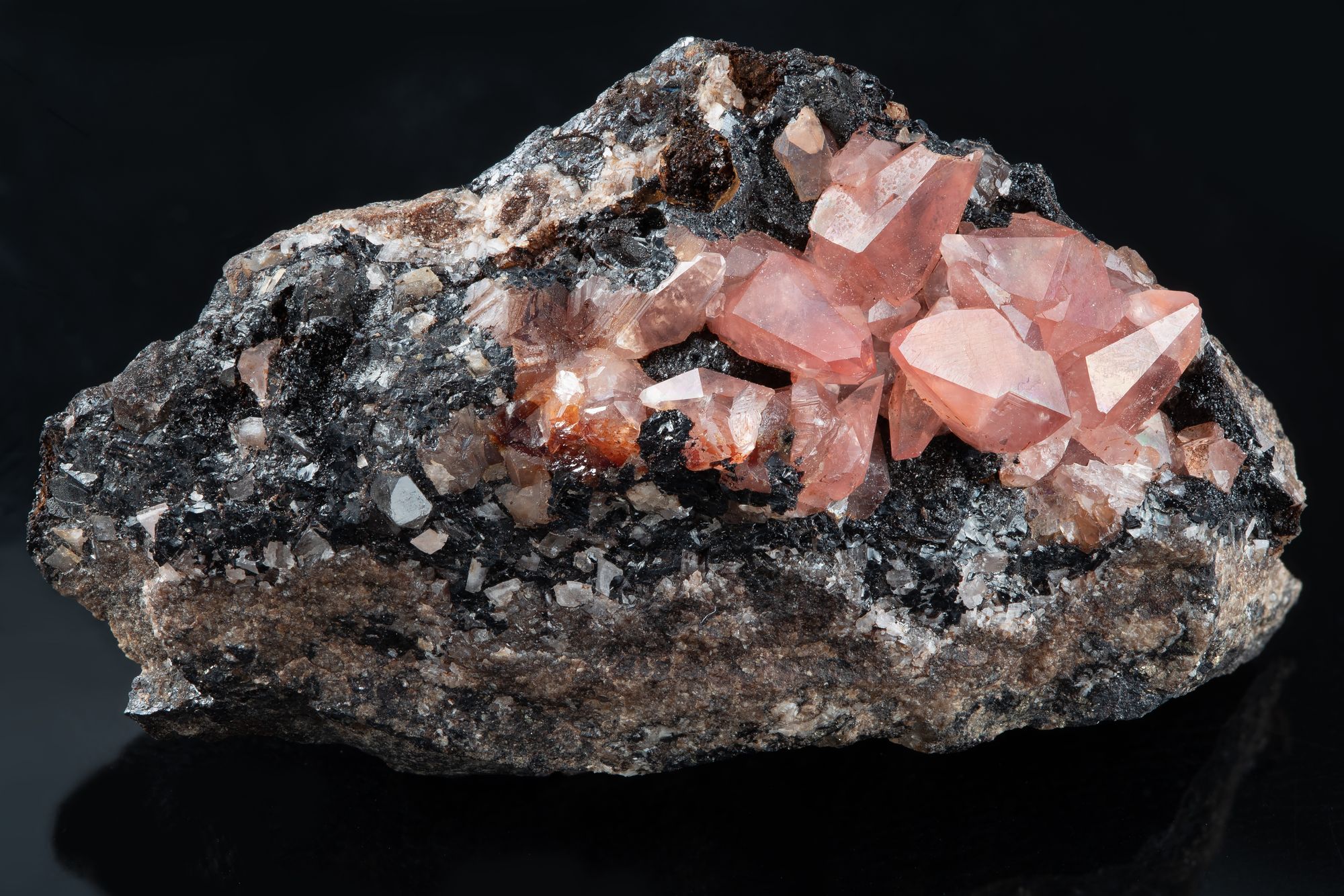
Carnelian + Rhodochrosite
Reopening the heart, creativity
Carnelian brings the spark and the motivation; rhodochrosite softens the old guardedness enough to let it in — warmth paired with the willingness to act on it.
Read more →
Carnelian + Tiger's Eye
Confidence, courage, follow-through
Carnelian gets a creative idea moving; tiger's eye supplies the steady nerve to actually finish it. Start it, then finish it.
Read more →