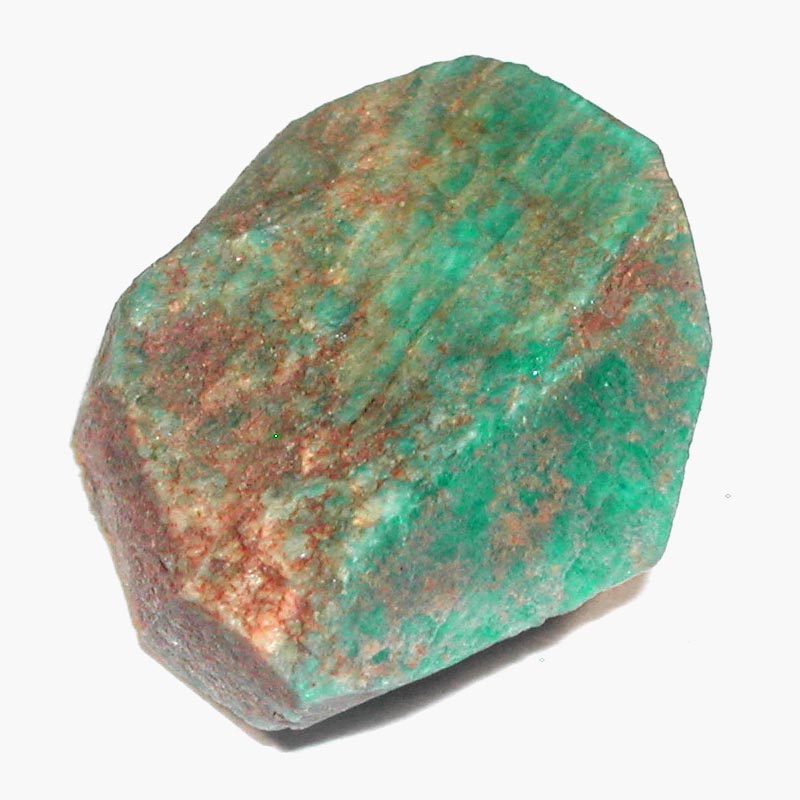
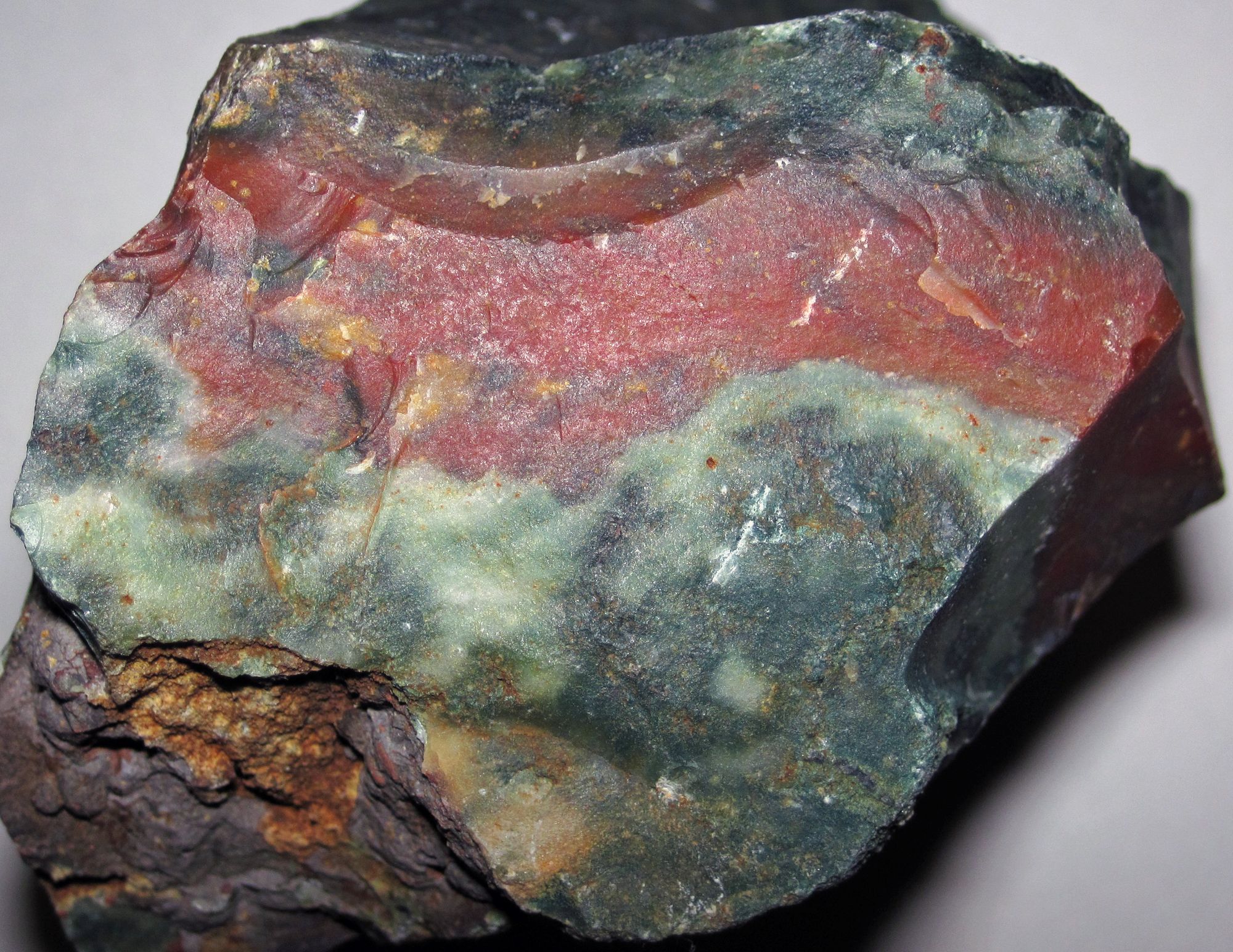
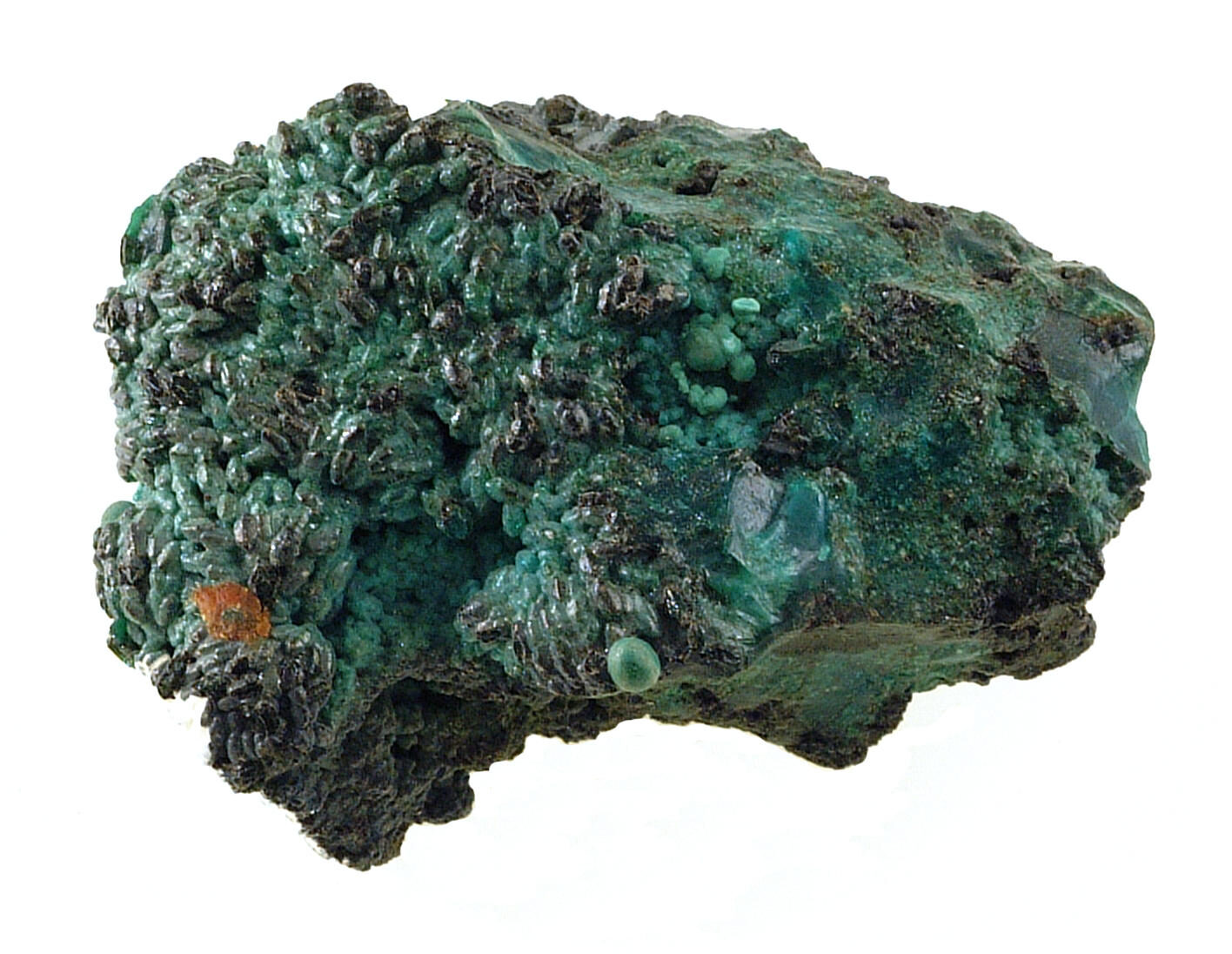
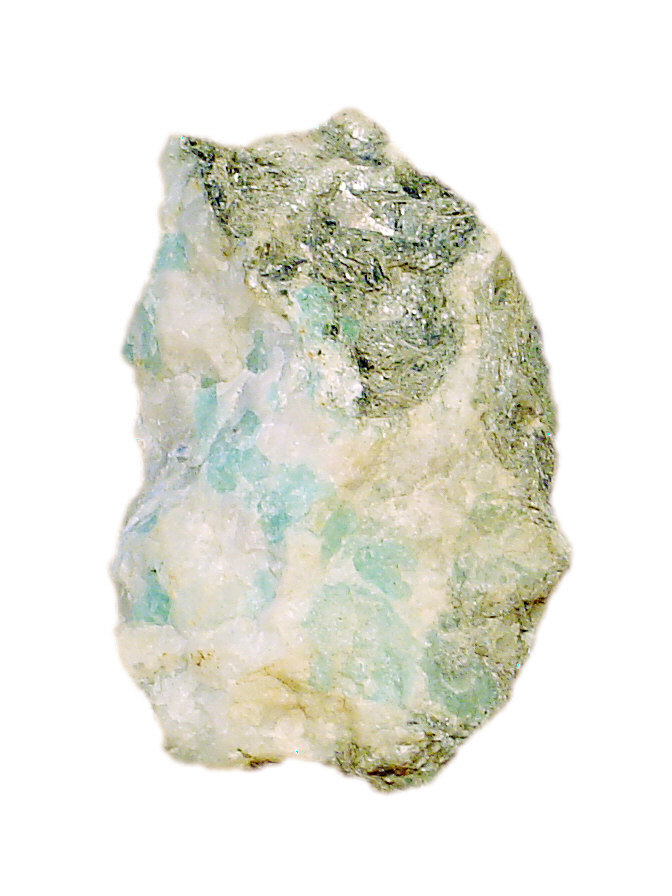
Photo: Shannon Heinle · CC0 · Wikimedia Commons
Meaning & uses
Chrysoprase Meaning
Chrysoprase's bright, apple-green glow is unmistakably cheerful — a stone reached for when the heart needs a reminder that joy is still available.
What Is Chrysoprase?
Chrysoprase is a variety of chalcedony — the same quartz family as Agate, Carnelian, and Onyx — colored a distinctive apple green by trace nickel, a much rarer coloring agent than the iron behind most of chalcedony's reds and browns. That nickel content is what sets Chrysoprase apart from the far more common green chalcedonies colored by other trace minerals.
The name comes from the ancient Greek chrysos (gold) and prason (leek) — "golden leek," a fittingly literal description of its yellow-green color. It's another naming credited to the ancient world's habit of describing stones by exactly what they looked like, in the same tradition that produced Chrysocolla's name.

A Stone Fit for a King
Its bright green has also earned it the nickname "Australian jade" in some markets today, even though the two share nothing beyond color — Chrysoprase is chalcedony, while Jade is a different mineral entirely.
Chrysoprase was valued in ancient Rome, but its most famous historical moment came centuries later: Frederick the Great of Prussia was so taken with the stone in the 18th century that he had it set extensively into the decor of his palaces, including Sanssouci, using Chrysoprase the way other rulers used marble or gold leaf. Supply from the historical European deposits eventually dwindled, and the stone fell out of fashion until major deposits were discovered in Australia in the 20th century — now the world's leading source and the reason Chrysoprase is widely available again today.
Meaning and Symbolism
Chrysoprase's meaning is about as direct as any stone's: joy, optimism, and an open heart, values that map straightforwardly onto its bright, cheerful color. It's a stone for anyone moving through a difficult stretch who needs a reminder that lightness is still reachable, not a stone for confronting the difficulty head-on.
Carried or worn to
- Lift mood and invite genuine optimism
- Open the heart to compassion and forgiveness
- Encourage personal growth without judgment
- Ease anxiety around change
Chakra, Zodiac & Element
Chrysoprase is tied to the Heart Chakra, its bright green color a direct match for the emotional openness it represents. Its Earth element grounds that optimism in something practical rather than purely abstract.
Astrologically it's linked to Taurus and Libra, both signs associated with an appreciation for beauty and a natural pull toward balance and harmony.

How to Use and Care for Chrysoprase
At 6.5–7 on the Mohs scale, Chrysoprase is durable enough for daily wear in rings, bracelets, or pendants, and — like other chalcedony varieties — it's water-safe for routine cleansing. Its color can fade slightly with prolonged direct sunlight, so keep it out of a sunny windowsill for long-term display.
Frequently Asked Questions
Why is Chrysoprase called that?
Who was famously obsessed with Chrysoprase?
Is Chrysoprase the same as Jade?
Is Chrysoprase safe to wear every day?
What chakra is Chrysoprase associated with?
Where does Chrysoprase come from today?
A gentle green light for anyone moving through a hard season.
Shop by energy
Bracelets for the Heart chakra
We don't have a Chrysoprase bracelet yet. These share its Heart chakra energy.
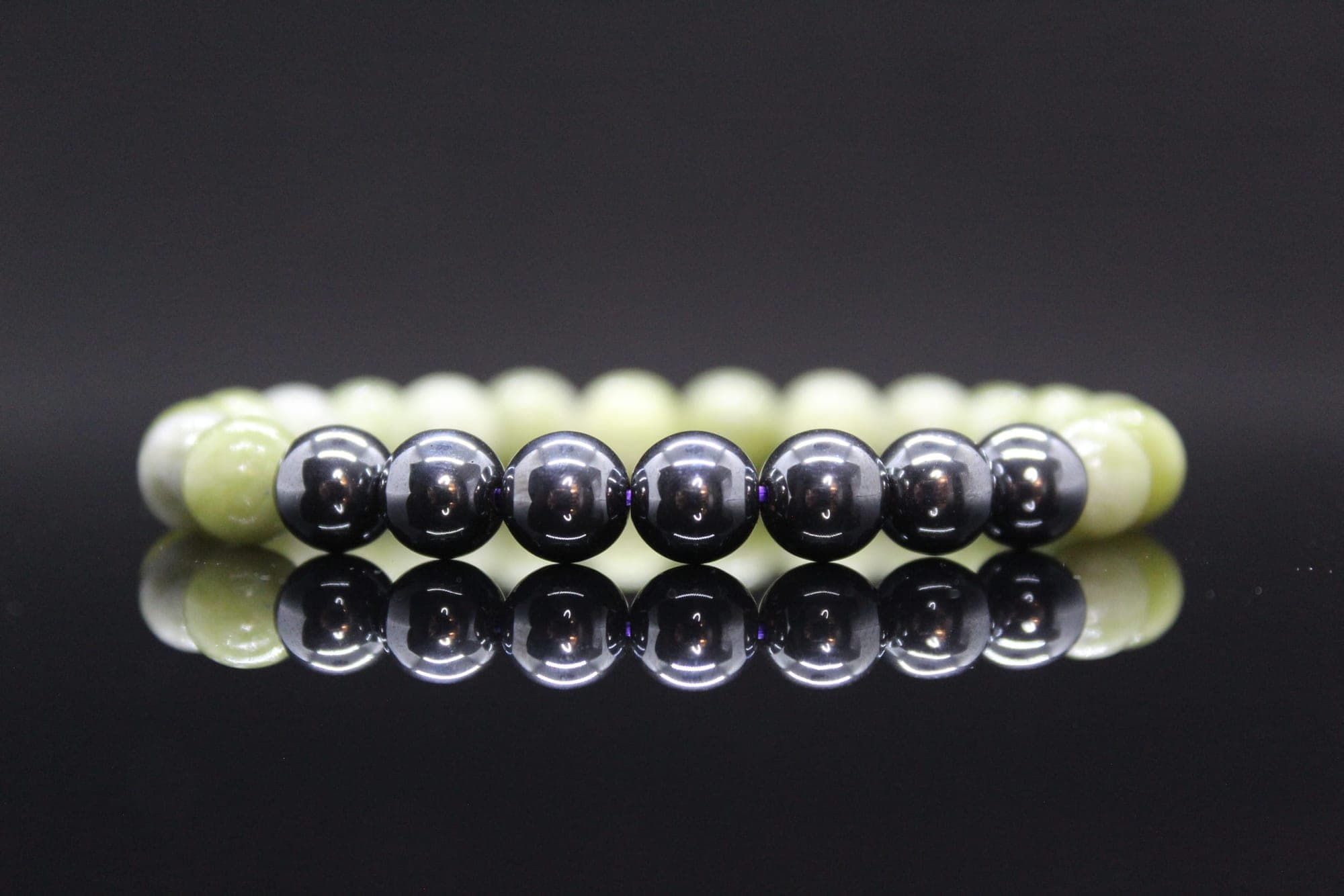
Life Force Energy Bracelet
$24.00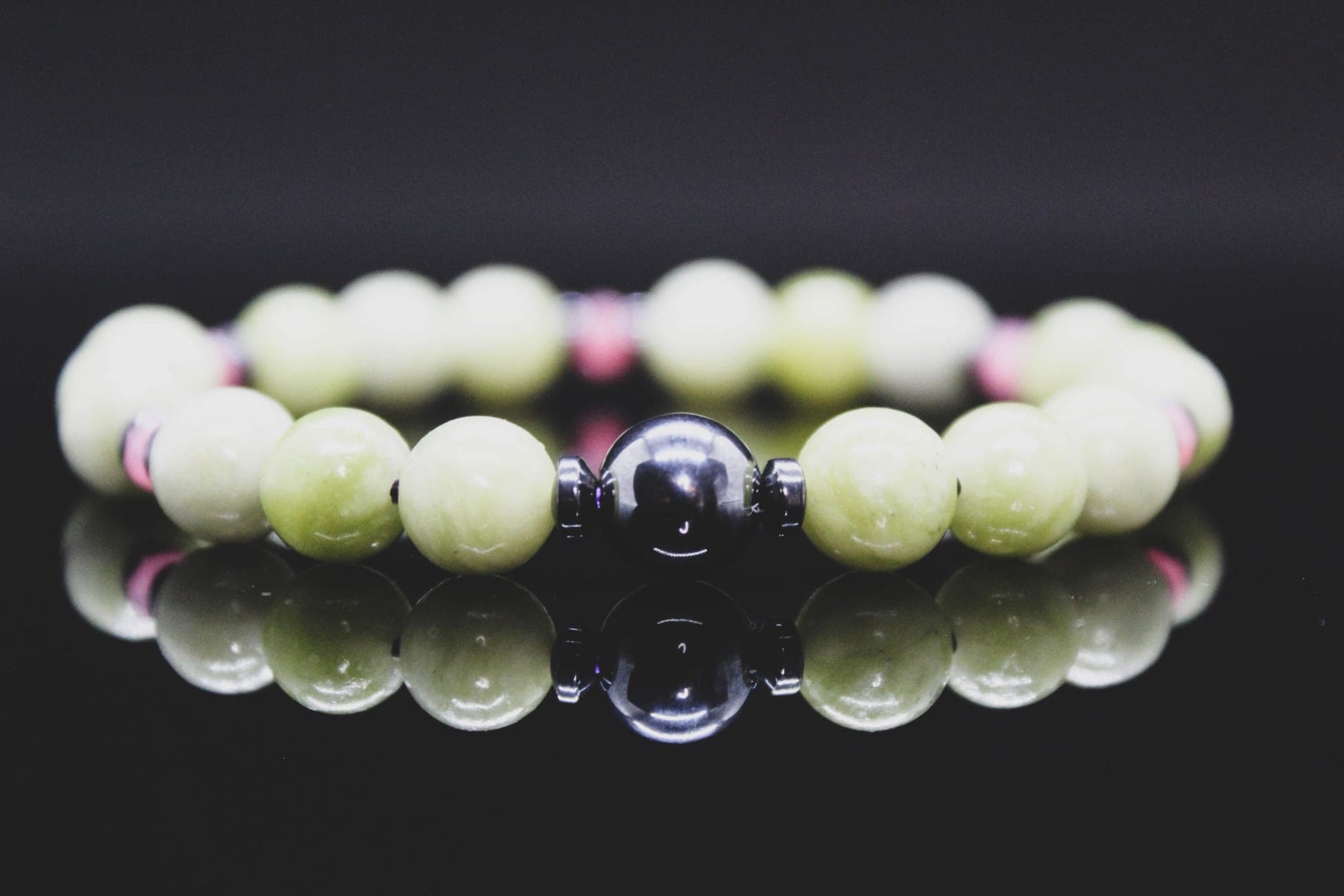
Grounding Love Energy Bracelet
$33.00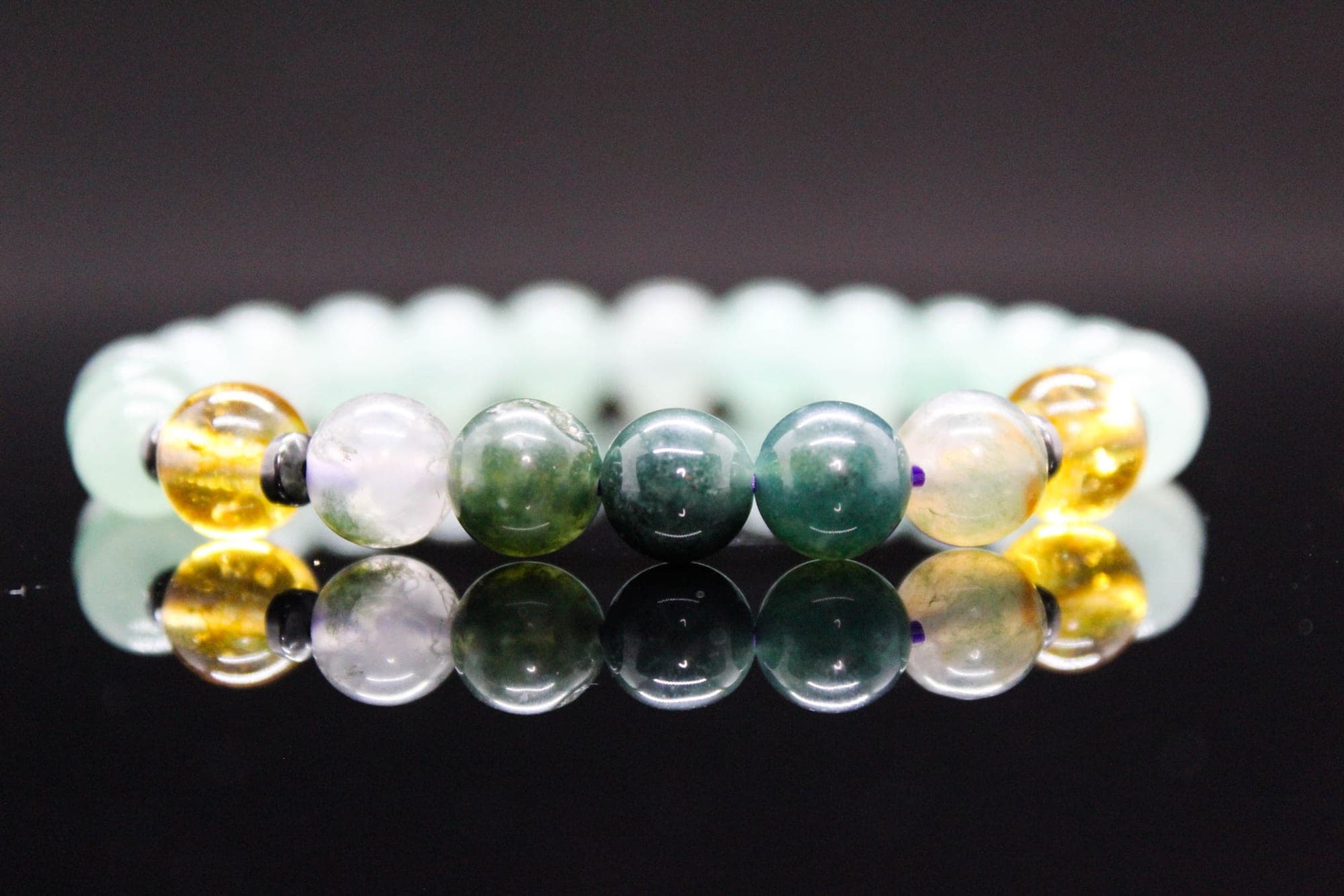
The Opulence Energy Bracelet
$33.00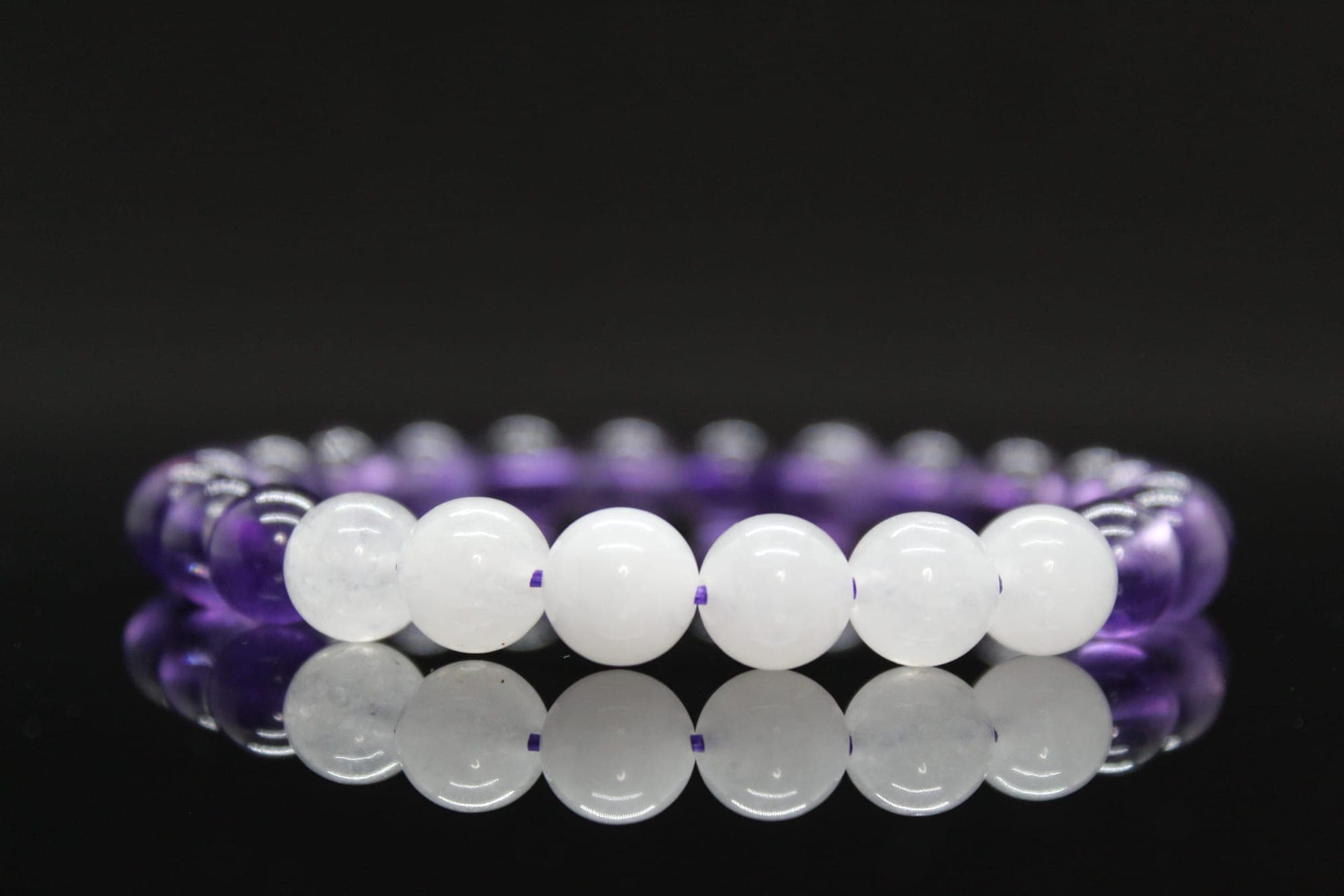
Divine Calming Energy Bracelet
$24.00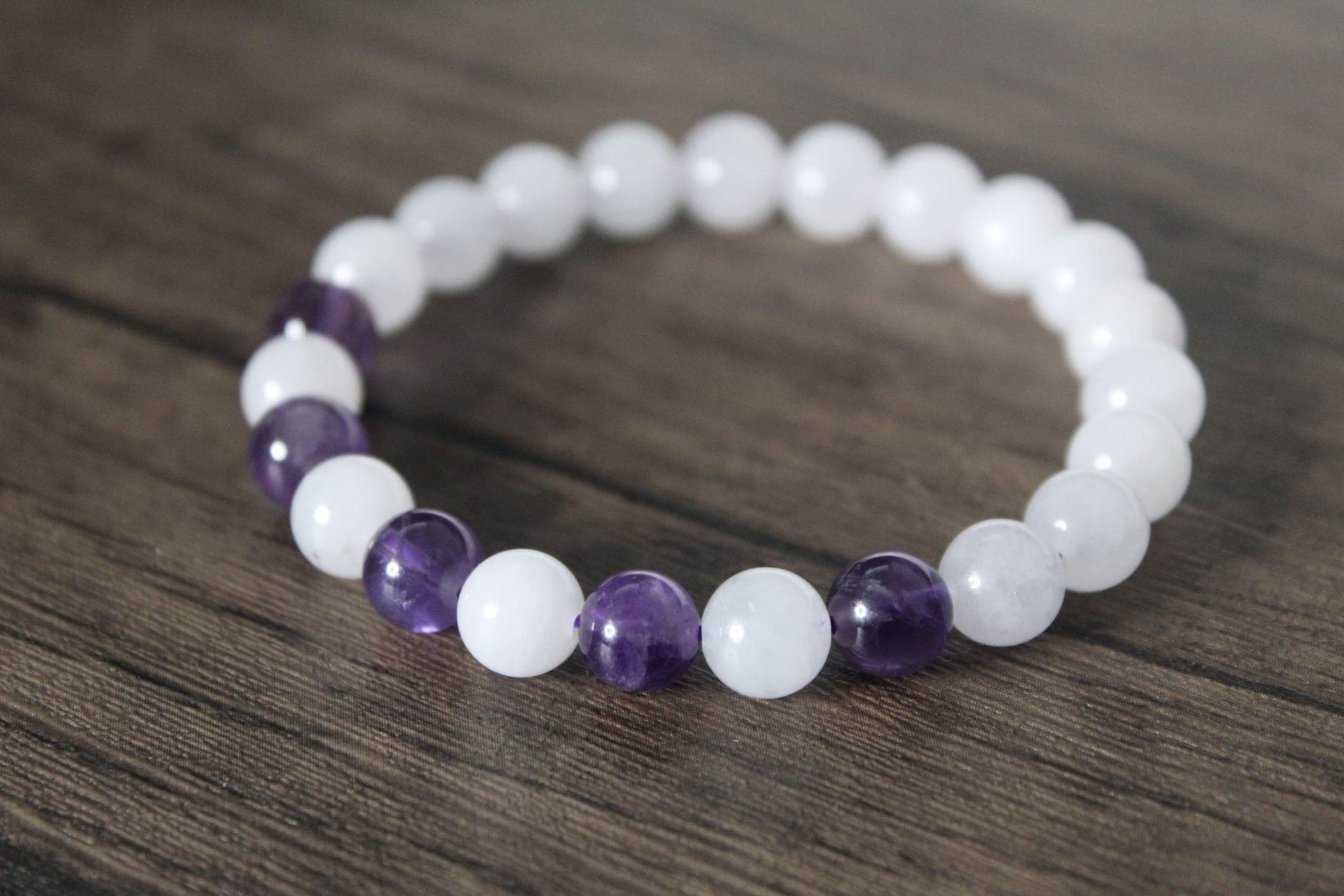
Divine Thoughts Energy Bracelet
$33.00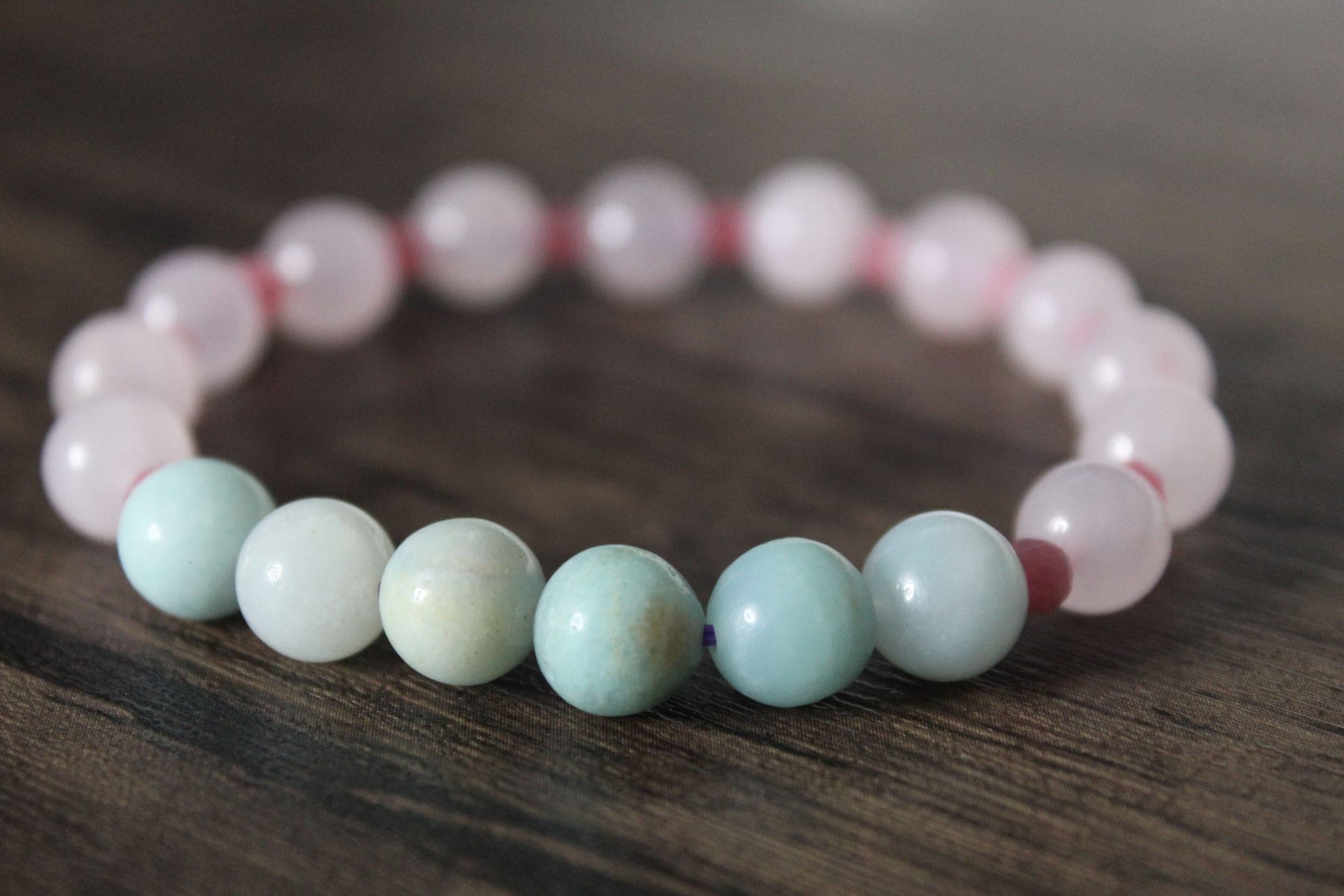
More Love Energy Bracelet
$33.00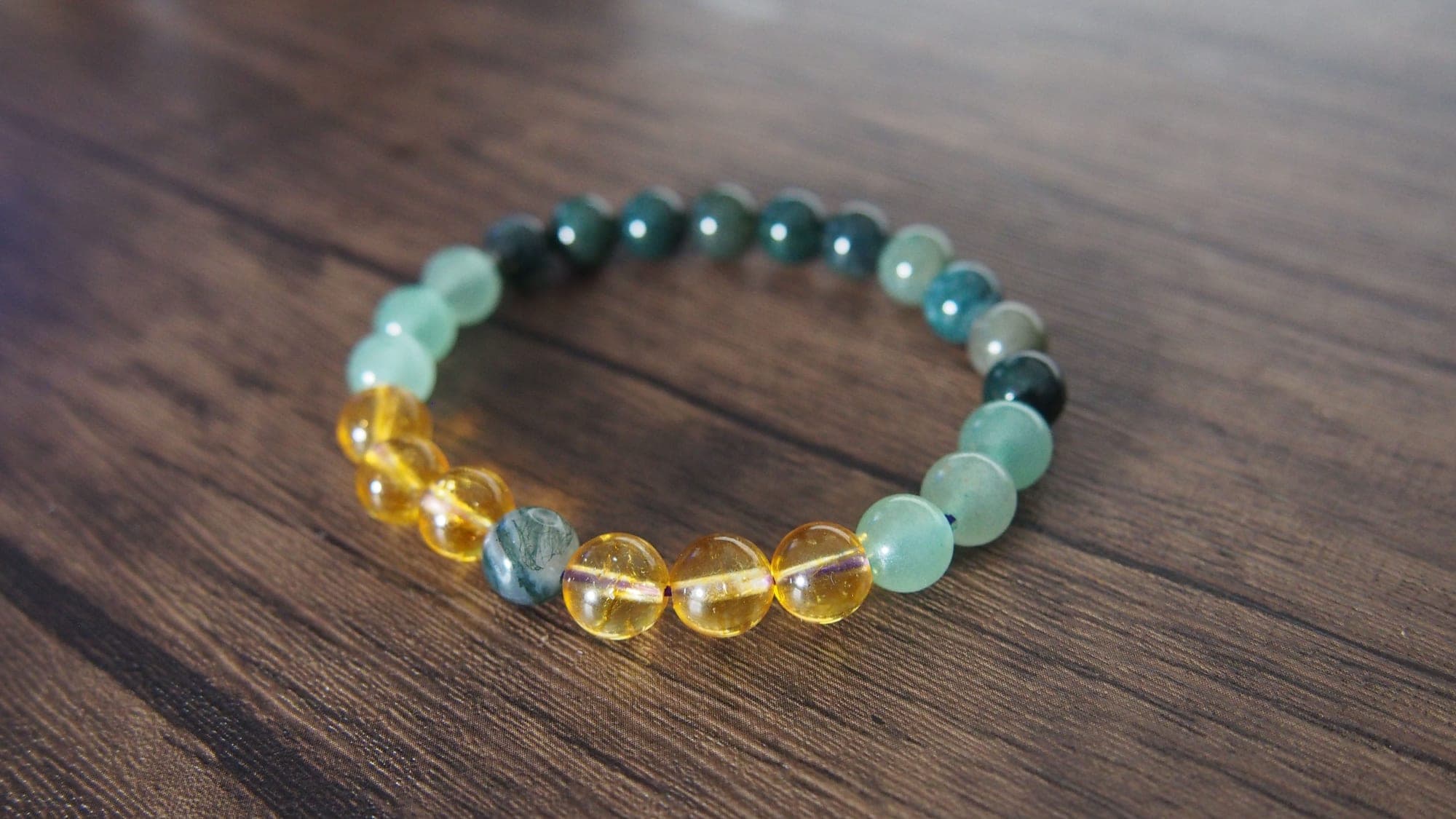
The Dinero Energy Bracelet
$33.00