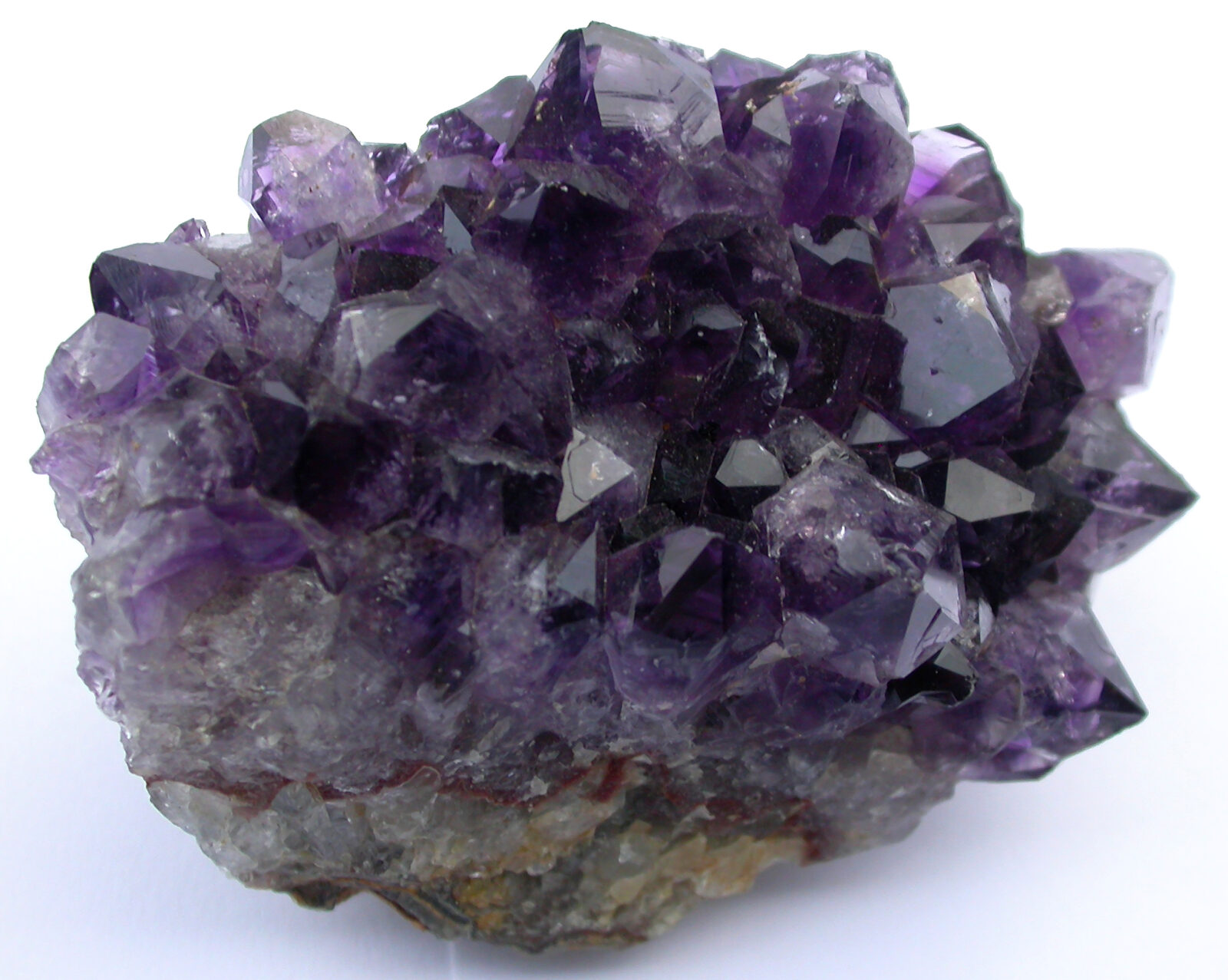

Calm, sleep, anxiety
Amethyst + Lepidolite
For the nights your mind won't switch off.
Intention
Calm, sleep, anxiety
Energy focus
Anxiety tends to show up in two places at once — a mind that keeps running the same loop, and a body that stays wound up long after the loop has stopped making sense. Amethyst and Lepidolite are traditionally paired because each one is reached for on a different side of that problem.
Amethyst has the oldest reputation for quieting the mind of any stone in this collection. Lepidolite is the one traditionally reached for when the calm needs to actually settle into the body and stay there. Together they're the pairing most often chosen when worry is what's standing between someone and sleep.
The stones
What each stone brings
Amethyst
Stone of Calm and Clarity
Quiets the mind
The Greeks named it amethystos — "not intoxicated" — because they believed it kept a clear head, and that reputation for mental clarity has followed it ever since. It's the stone traditionally used to interrupt racing thoughts and give a restless mind somewhere to land. Hard, durable quartz, it's the sturdy half of this pairing.
Read the full Amethyst guide →
Lepidolite
Stone of Transition
Settles the body
A lilac lithium mica, Lepidolite's reputation is for slow, steady calm rather than a sudden switch-off — the stone reached for during transitions and unsettled stretches. Its layered, flaky structure gave it its name (Greek lepidos, "scale"), and its traditional job here is to hold steady whatever Amethyst has quieted.
Read the full Lepidolite guide →
The synergy
How the pairing works
Quiet
Amethyst
Amethyst interrupts the loop — the repeating thoughts that keep the evening running long after it should have ended.
Settle
Lepidolite
Lepidolite works underneath it, steadying the body so the stillness Amethyst creates doesn't evaporate the moment you lie down.
Calm that holds
A quiet mind on its own tends to drift back into worry; a settled body on its own can still be full of noise. Paired, each covers the other's gap — which is why this combination has such a durable reputation for sleep and anxious evenings.
Put it into practice
How to use the pairing
By the bed
Keep both on a nightstand or a small dish beside where you sleep. It's the simplest and most traditional way to use the pairing — no ritual required, just proximity.
A five-minute wind-down
Hold one stone in each hand before bed, breathe slowly, and let the stones' weight be the only thing you focus on. Amethyst in the hand that feels more restless.
In a bracelet
Worn together through a stressful day, the combination gives you something tangible to touch when your thoughts start to spiral. Choose a design where the softer Lepidolite beads aren't knocked against hard surfaces.
At your desk
A tumbled stone of each within reach turns a stressful work session into one with a small, deliberate pause built in.
Reach for it when
- Nights when sleep won't come because your thoughts won't stop
- The stretch of days before something big — an exam, a move, a hard conversation
- Long, tense workdays that leave you wired at the end of them
- Any period of change where you want something steady close by
Care
Keep them apart when they're not in use
Amethyst is quartz at 7 on the Mohs scale; Lepidolite is a soft mica at just 2.5–3. Stored loose together, Amethyst will scratch Lepidolite. Give each its own pouch or dish, keep Lepidolite away from water, and keep Amethyst out of long, direct sunlight, which can fade its color over time.
Better skipped
Pairings involving these stones that tend to work against each other:
- Carnelian + Lepidolite
- Carnelian + Amethyst
Good to know
Frequently asked questions
Why is Amethyst paired with Lepidolite for sleep and anxiety?
Traditionally, Amethyst is associated with a quiet, clear mind and Lepidolite with steady, settled calm in the body. Used together, they're said to cover both halves of an anxious evening — the racing thoughts and the physical unease underneath them.
Does Lepidolite work like lithium medication?
No. Lepidolite is a lithium-bearing mica, which is a real mineralogical fact, but carrying or wearing the stone doesn't deliver a therapeutic dose the way medication does. Its calming reputation is traditional, not medical.
Can I use this combination instead of medical treatment?
No. These stones are traditionally used for comfort and ritual, not as treatment. If anxiety or poor sleep is affecting your daily life, please talk to a healthcare professional.
Can I keep Amethyst and Lepidolite in the same pouch?
It's better not to. Amethyst is far harder than Lepidolite and will scratch it if they rub together, so store them separately and keep them side by side only when they're out on display.
Which stone should I hold if I can only choose one?
Amethyst if your thoughts are the problem, Lepidolite if your body is — but the pairing exists because most anxious evenings involve both.
Are there stones I should avoid pairing with this?
Yes — energizing stones like Carnelian tend to work against the calm this pairing is built for. Save them for daytime.
One stone to quiet the thinking, one to steady the rest of you.
Keep exploring
More combinations to try
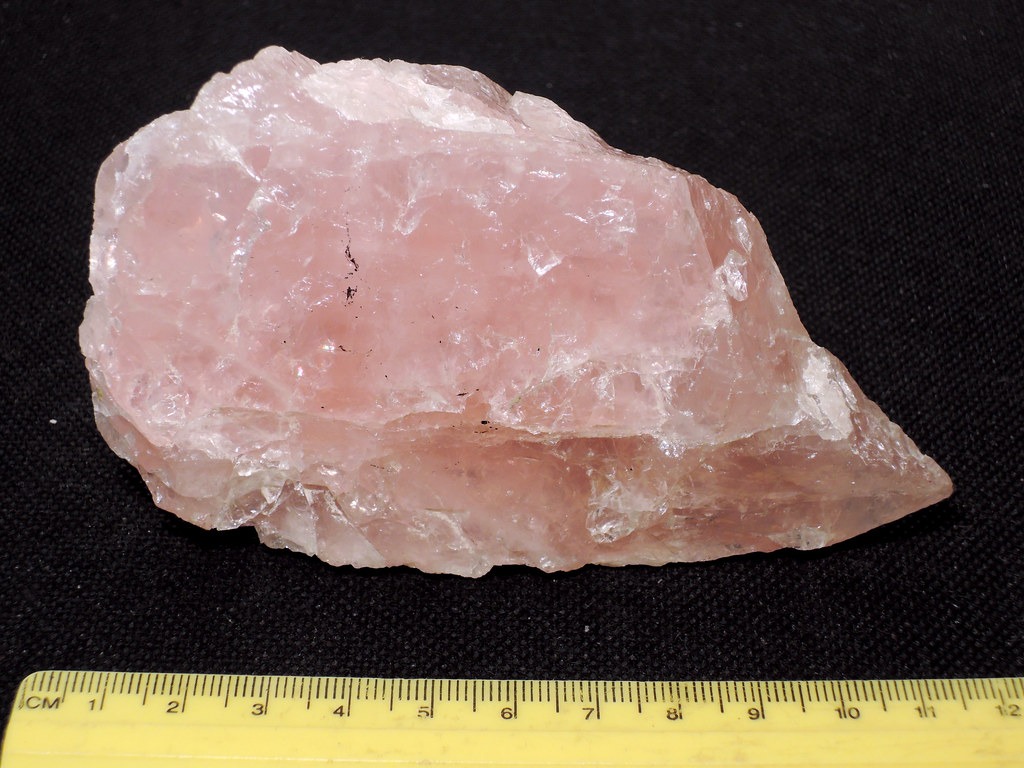
Rose Quartz + Amethyst
Emotional healing, self-love
Widely considered the most dependable pairing in the whole practice — there's no tension between the two, and together they cover both of the places grief and anxiety tend to settle.
Read more →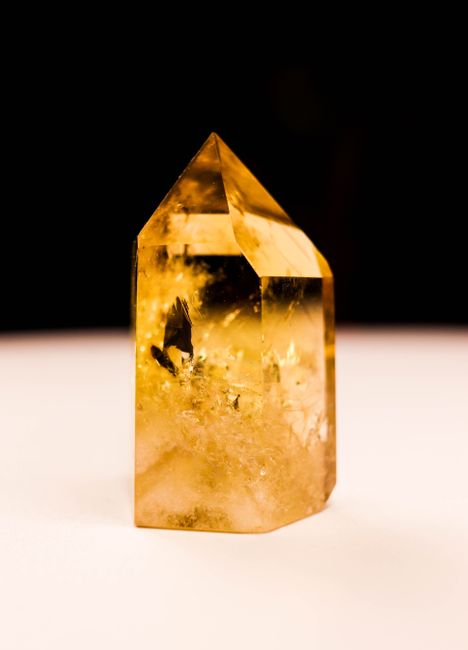
Amethyst + Citrine
The ametrine exception
These two occur fused together naturally as ametrine, which is the one clean exception to the usual calming-plus-energizing rule — amethyst caps the intensity while citrine keeps the energy from going flat.
Read more →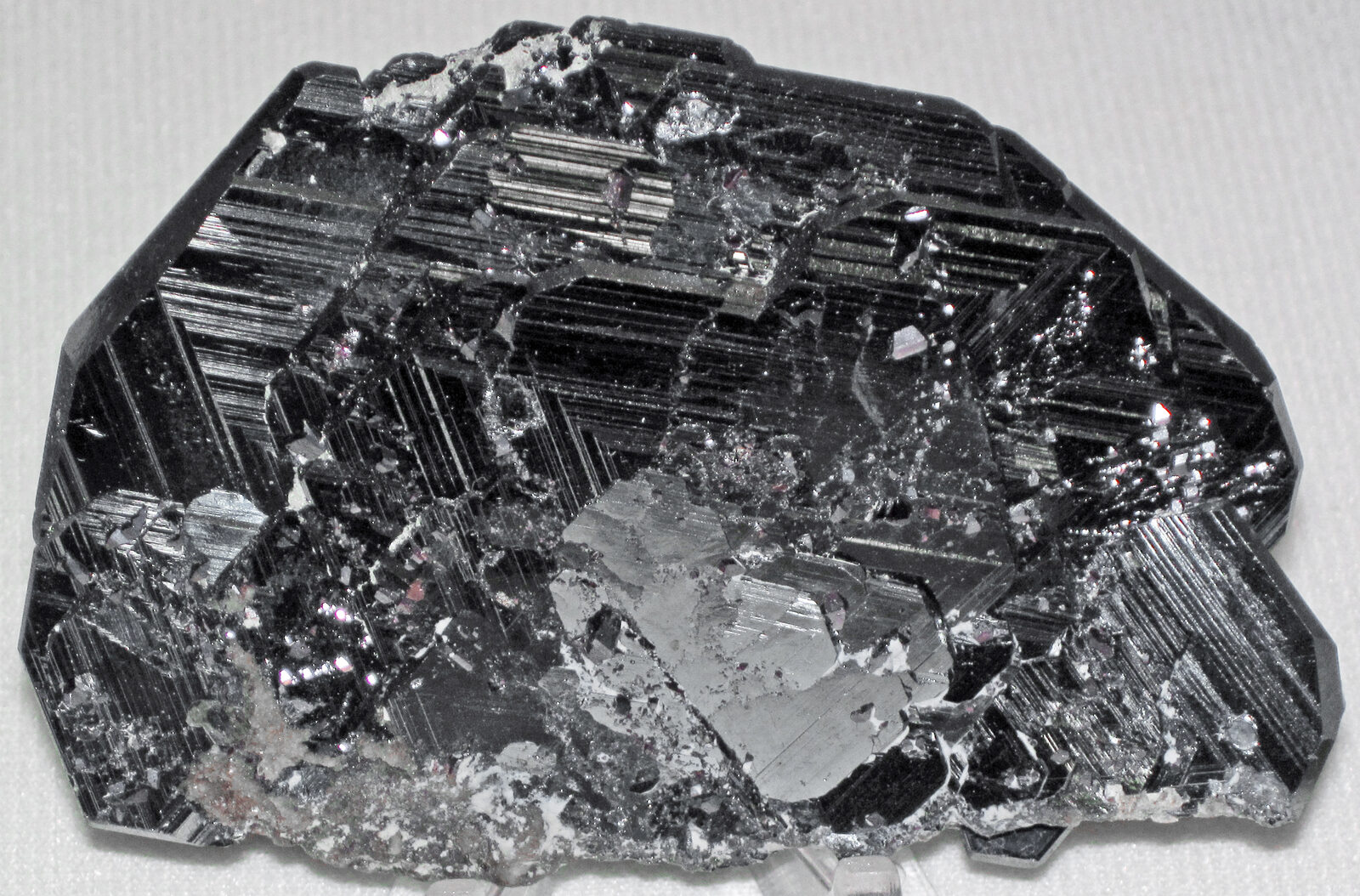
Amethyst + Hematite
Grounding for a floaty amethyst
Amethyst can leave some people a little spacey on its own; hematite's density pulls that back down to earth.
Read more →