Energy, creativity, drive
Citrine + Carnelian
The spark to start, the warmth to keep going.
Intention
Energy, creativity, drive
Chakras
Elements
Energy focus
Two energizing stones usually get in each other's way — traditionally, stacking stimulants tends to leave you scattered rather than driven. Carnelian and Citrine are the notable exception, and the reason is where each one sits: Carnelian at the sacral, Citrine at the solar plexus, neighboring energy centers with different jobs.
Carnelian is the stone of getting started: creative drive, motivation, the push that turns an idea into a first step. Citrine is the stone of staying with it: steady confidence and the kind of sunny persistence that carries a project past the exciting first day. Paired, they hand off to each other instead of competing.
The stones
What each stone brings
Citrine
The Merchant's Stone
Keeps it going
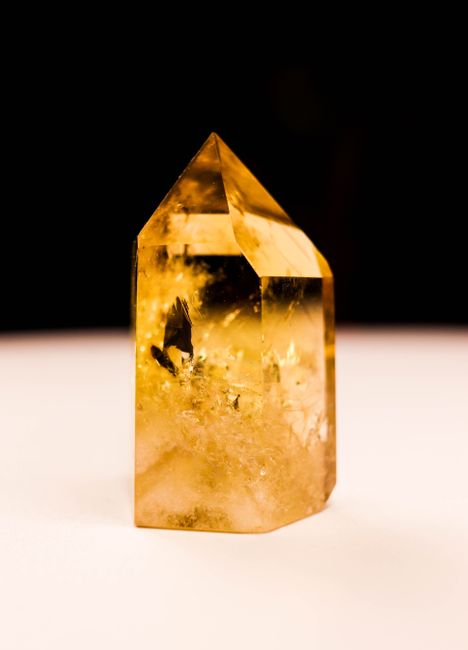
Golden yellow quartz whose name comes from the French for lemon, Citrine is traditionally called the Merchant's Stone — kept in shops and cash registers for prosperity — and carries a reputation for steady confidence and abundance. Where Carnelian ignites, Citrine sustains: warmth that lasts rather than a flash.
Read the full Citrine guide →
Carnelian
Stone of Motivation
Starts the engine
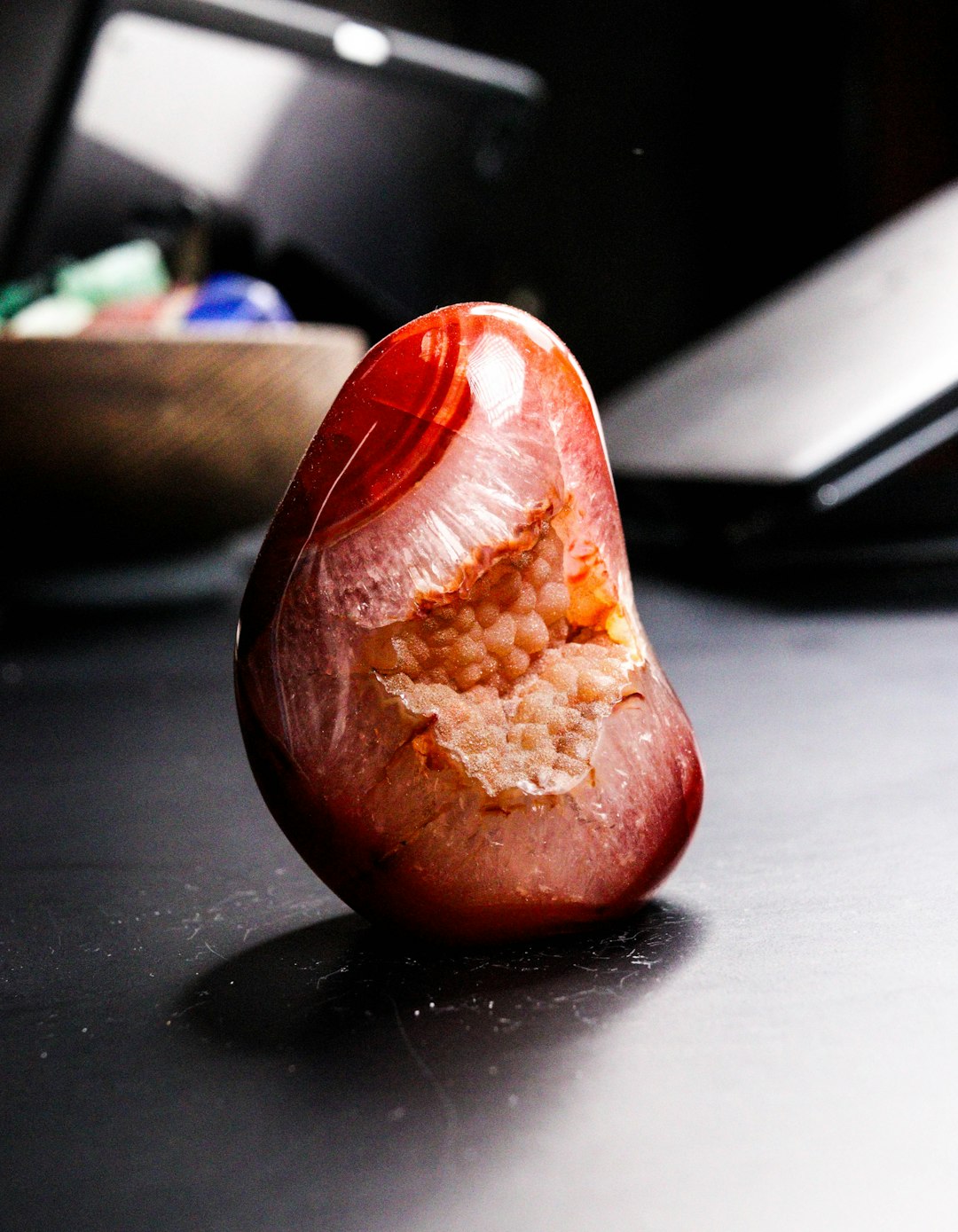
A translucent orange-to-red chalcedony, colored by iron oxide, Carnelian has been worked into beads and seals for thousands of years — Indus Valley craftsmen etched patterns into carnelian beads that traveled as far as the royal tombs of Mesopotamia. Its reputation is for motivation and creative fire: the stone reached for at the beginning of something.
Read the full Carnelian guide →
The synergy
How the pairing works
Spark
Carnelian
Carnelian supplies the first push — the motivation and creative drive to actually begin rather than keep planning.
Sustain
Citrine
Citrine takes over from there, lending the steady confidence that keeps effort going after the initial excitement has worn off.
Momentum that lasts
Starting and finishing are different skills, and most people are stronger at one than the other. This pairing covers both ends — which is why it's traditionally the go-to for projects, launches, and anything that has to be seen through.
Put it into practice
How to use the pairing
To start the day
Hold Carnelian for a moment with your first intention of the day, then keep Citrine in a pocket or on your desk to carry it through the afternoon.
At your workspace
Citrine by the desk or the till — its oldest tradition — with Carnelian nearby for the moments when a task needs a fresh push.
For a creative project
Carnelian on the studio table while you're generating ideas, Citrine beside it for the long middle stretch of actually making the thing.
In a bracelet
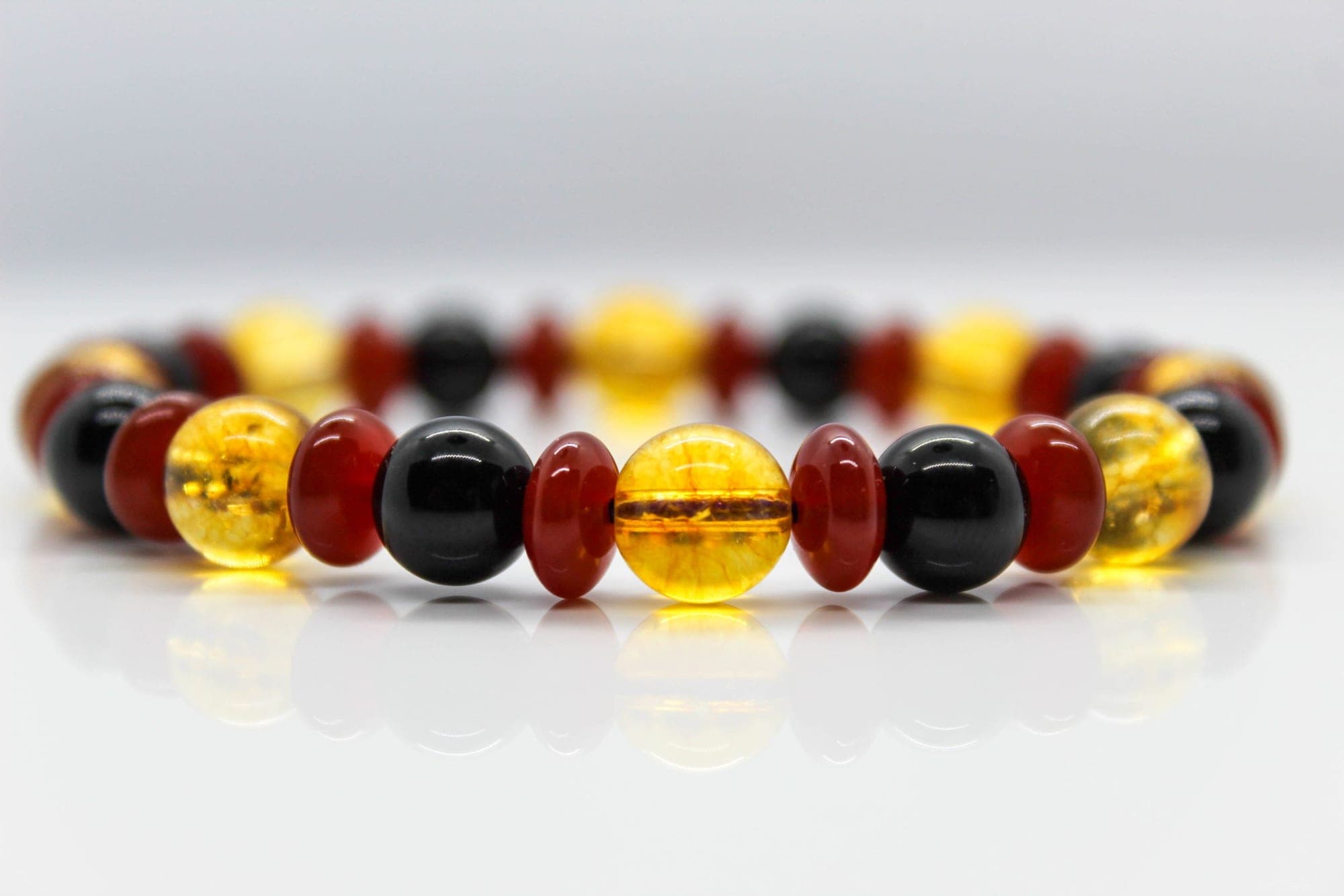
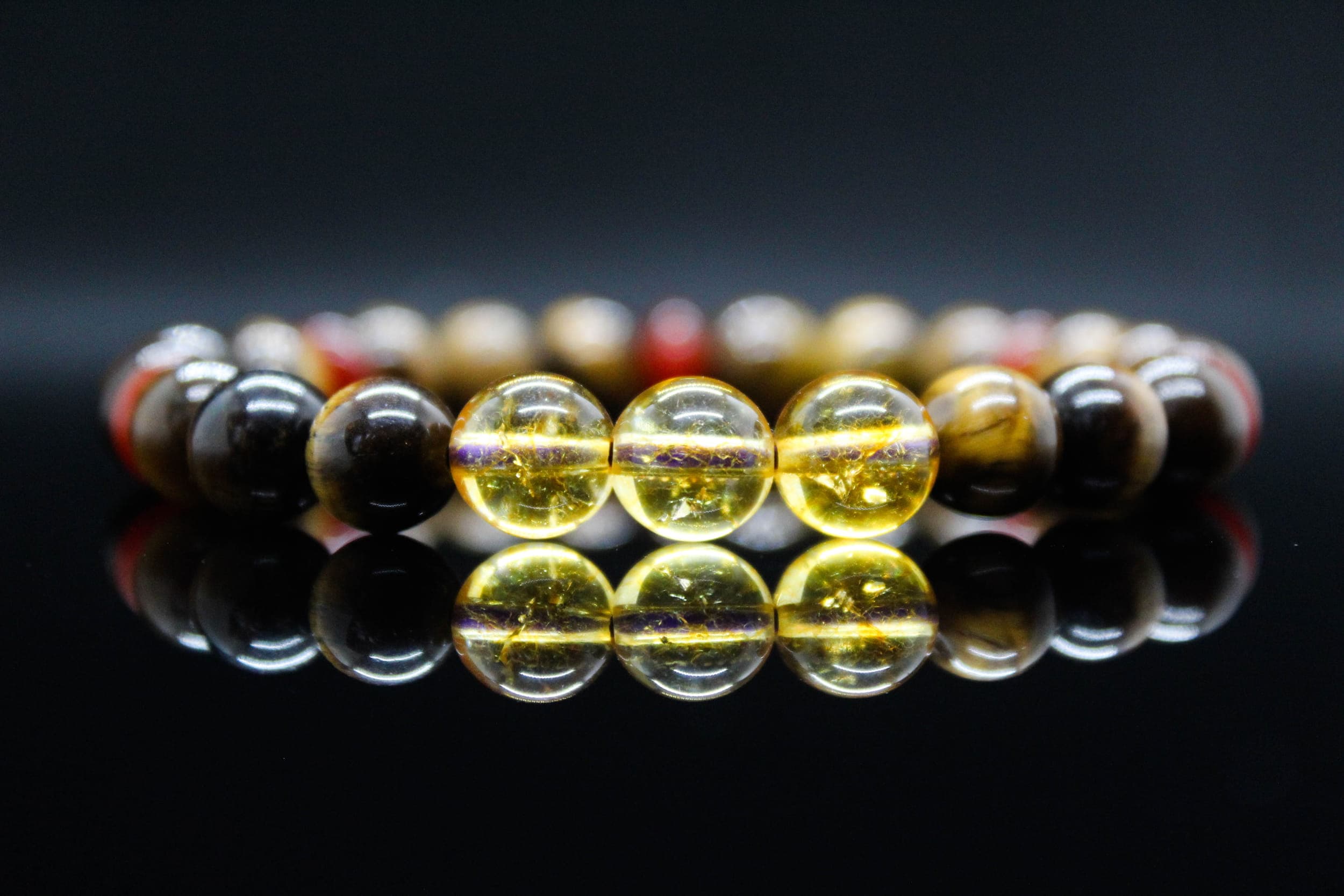
Worn together through a demanding day, the pairing gives you something warm and tangible to touch when your energy dips. Both are hard enough for everyday wear.
Reach for it when
- Starting a new project, job, or habit — and needing to stay with it
- Creative blocks where the ideas are there but the motivation isn't
- Launches, presentations, and other high-stakes days
- Slumps in the middle of the week, or the middle of a long task
Care
Save it for daytime
Both stones are traditionally energizing, so they're better worn or kept nearby earlier in the day than at the bedside. Both are durable — Carnelian at 6.5–7 and Citrine at 7 on the Mohs scale — and safe to rinse in water. Be aware that much commercial Citrine is heat-treated Amethyst, and Carnelian is often heat- or dye-enhanced; ask if natural color matters to you.
Better skipped
Pairings involving these stones that tend to work against each other:
- Carnelian + Lepidolite
- Carnelian + Amethyst
- Blue Lace Agate + Carnelian
Shop this combination
Bracelets with Citrine + Carnelian
Good to know
Frequently asked questions
Why does this pairing work when calming and energizing stones usually cancel out?
Both stones are energizing, so there's nothing to cancel. Carnelian sits at the sacral chakra and Citrine at the solar plexus — neighboring centers with different jobs — so they read as a relay rather than a competition: Carnelian starts the effort and Citrine sustains it.
Is Citrine natural, or is it treated?
Both exist. Natural Citrine is relatively rare; most Citrine sold today is Amethyst or smoky quartz that's been heat-treated to turn yellow. It's a widely accepted practice, but worth asking about if natural origin matters to you.
Should I keep these by my bed?
Probably not. Both are traditionally energizing, so they're better suited to daytime, work, and creative spaces than to sleep. For evenings, see the calming pairings instead.
Can I store Carnelian and Citrine together?
Yes. Both are hard, durable stones — Carnelian 6.5–7 and Citrine 7 — so they won't scratch each other meaningfully the way a soft stone would.
Which stone should I use if I can only choose one?
Carnelian if your problem is getting started, Citrine if your problem is staying with it. The pairing exists because most projects need both.
Are there stones I should avoid pairing with Carnelian?
Yes — calming stones like Lepidolite, Amethyst, and Blue Lace Agate tend to work against Carnelian's energy, and are better used at a different time of day.
One stone to light the fire, one to keep it burning.
Keep exploring
More combinations to try
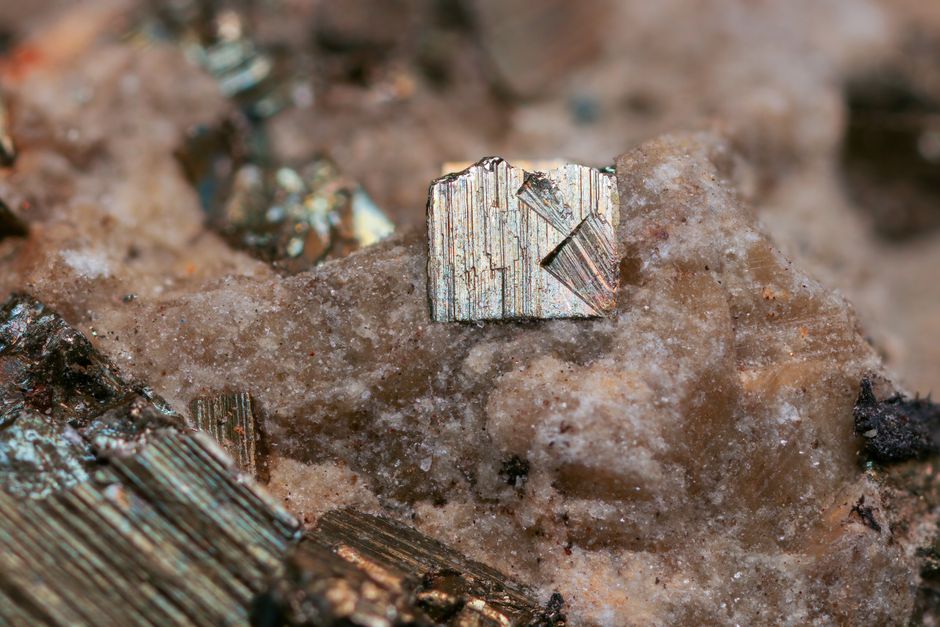
Citrine + Pyrite
Wealth, manifestation
Citrine is traditionally said to draw opportunity toward you; pyrite supplies the nerve to actually act once that opportunity shows up.
Read more →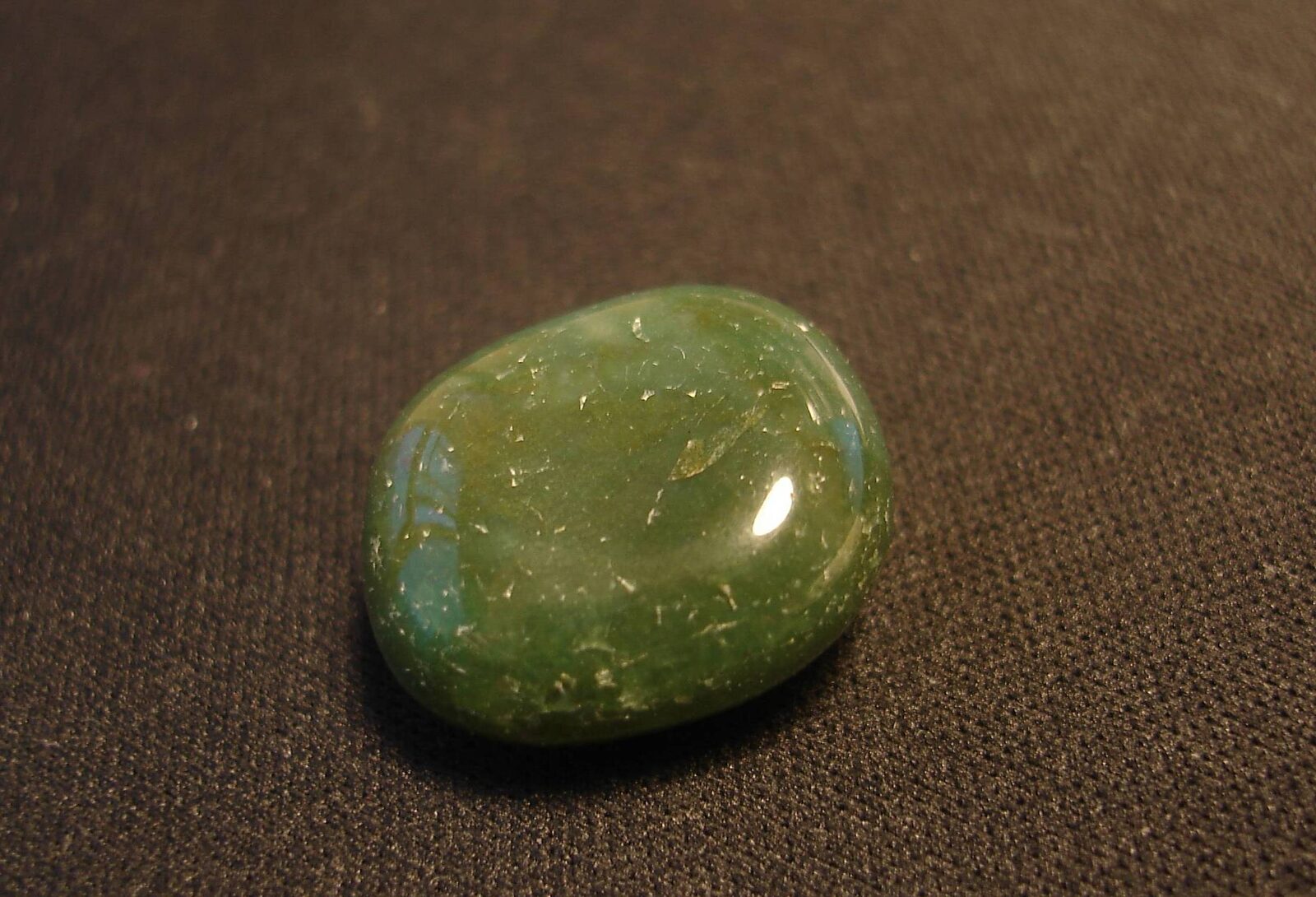
Citrine + Green Aventurine
Luck, opportunity
Aventurine is the traditional luck stone, citrine the pull toward abundance — one opens the door, the other pushes you through it.
Read more →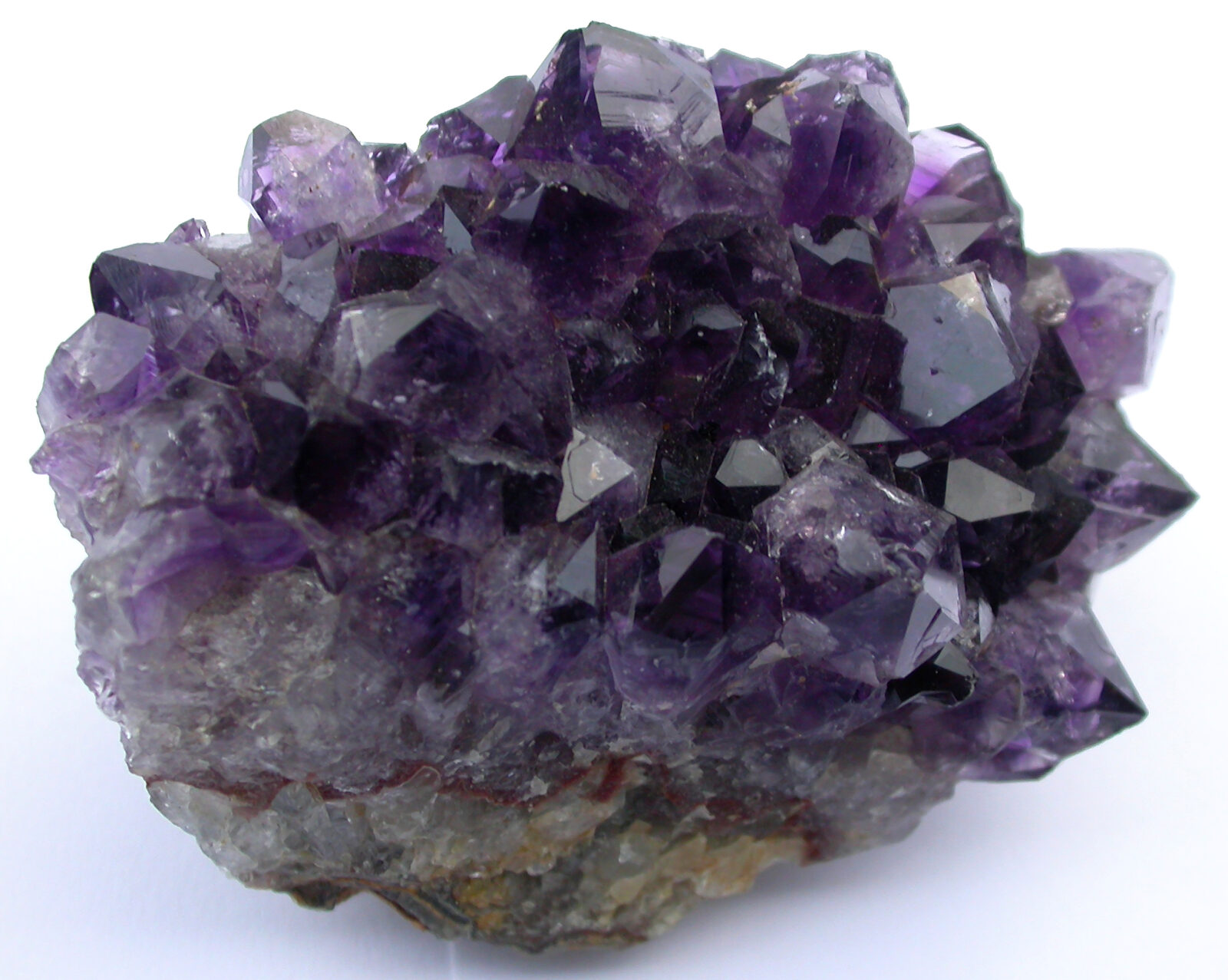
Amethyst + Citrine
The ametrine exception
These two occur fused together naturally as ametrine, which is the one clean exception to the usual calming-plus-energizing rule — amethyst caps the intensity while citrine keeps the energy from going flat.
Read more →