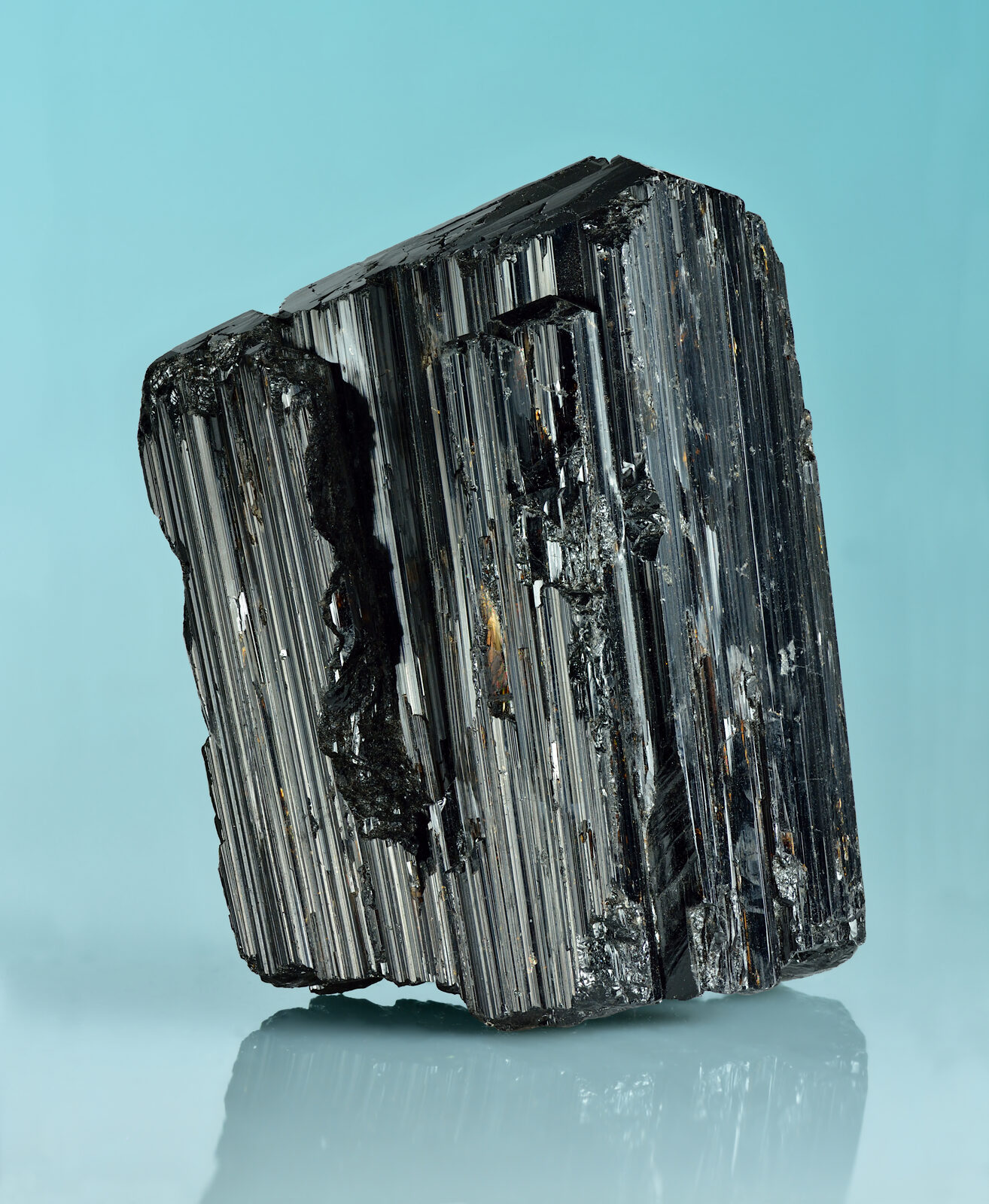
Black Jade
The Stone of Protection
Energy Focus
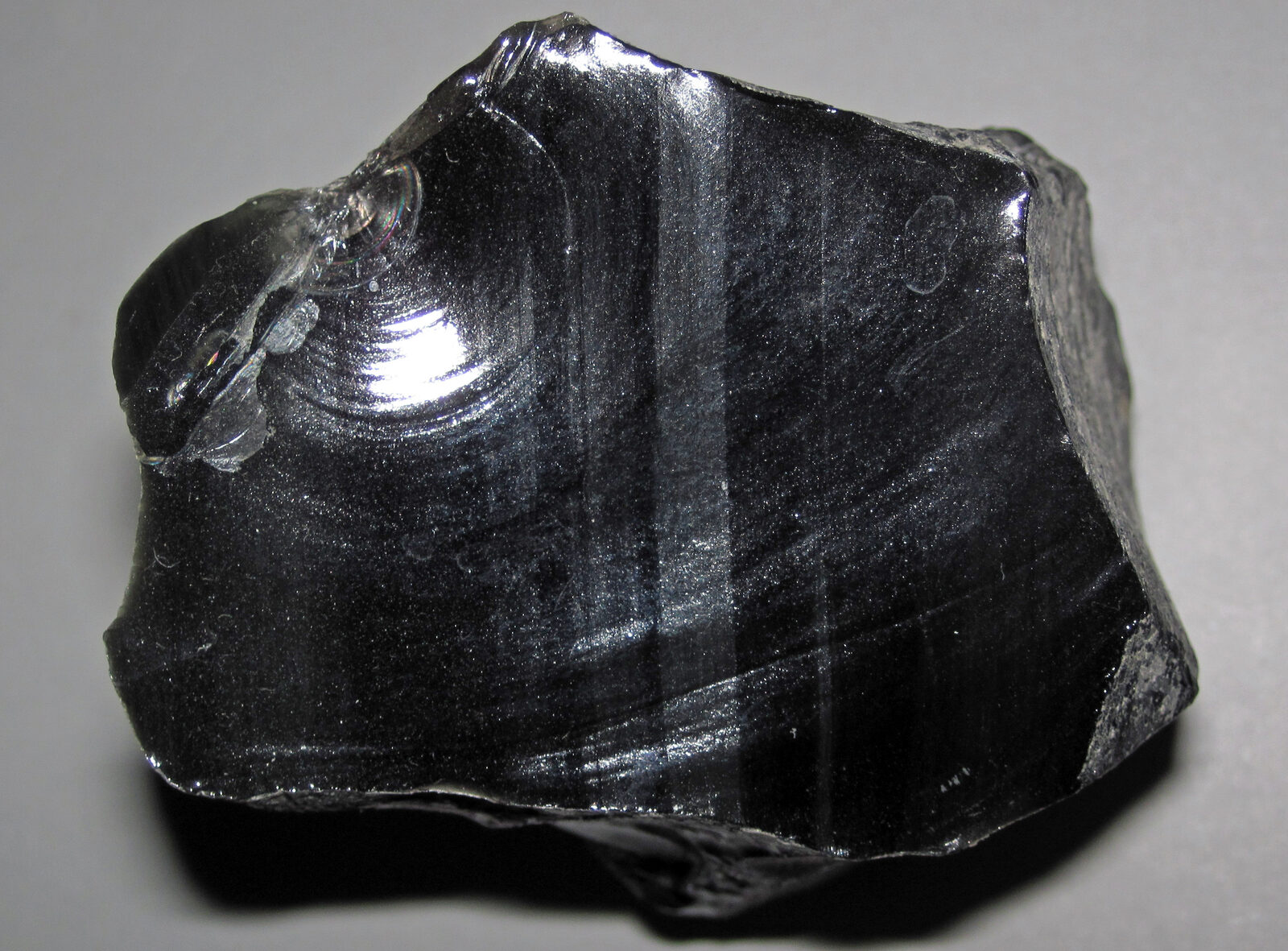
Photo: HeavensStoneZ, CC BY-SA 4.0 via Wikimedia Commons
Meaning & uses
Black Jade Meaning
The most grounding member of the Jade family, Black Jade pairs the stone's traditional protective reputation with a heavier, root-centered weight — closer in feel to Black Obsidian than to its greener cousins.
What Is Black Jade?
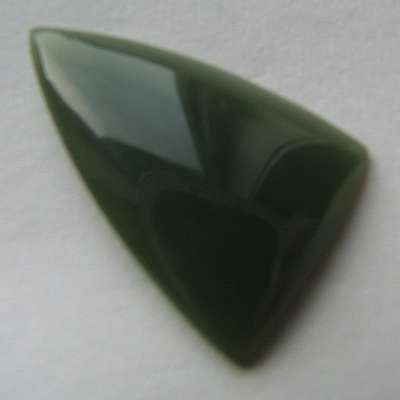
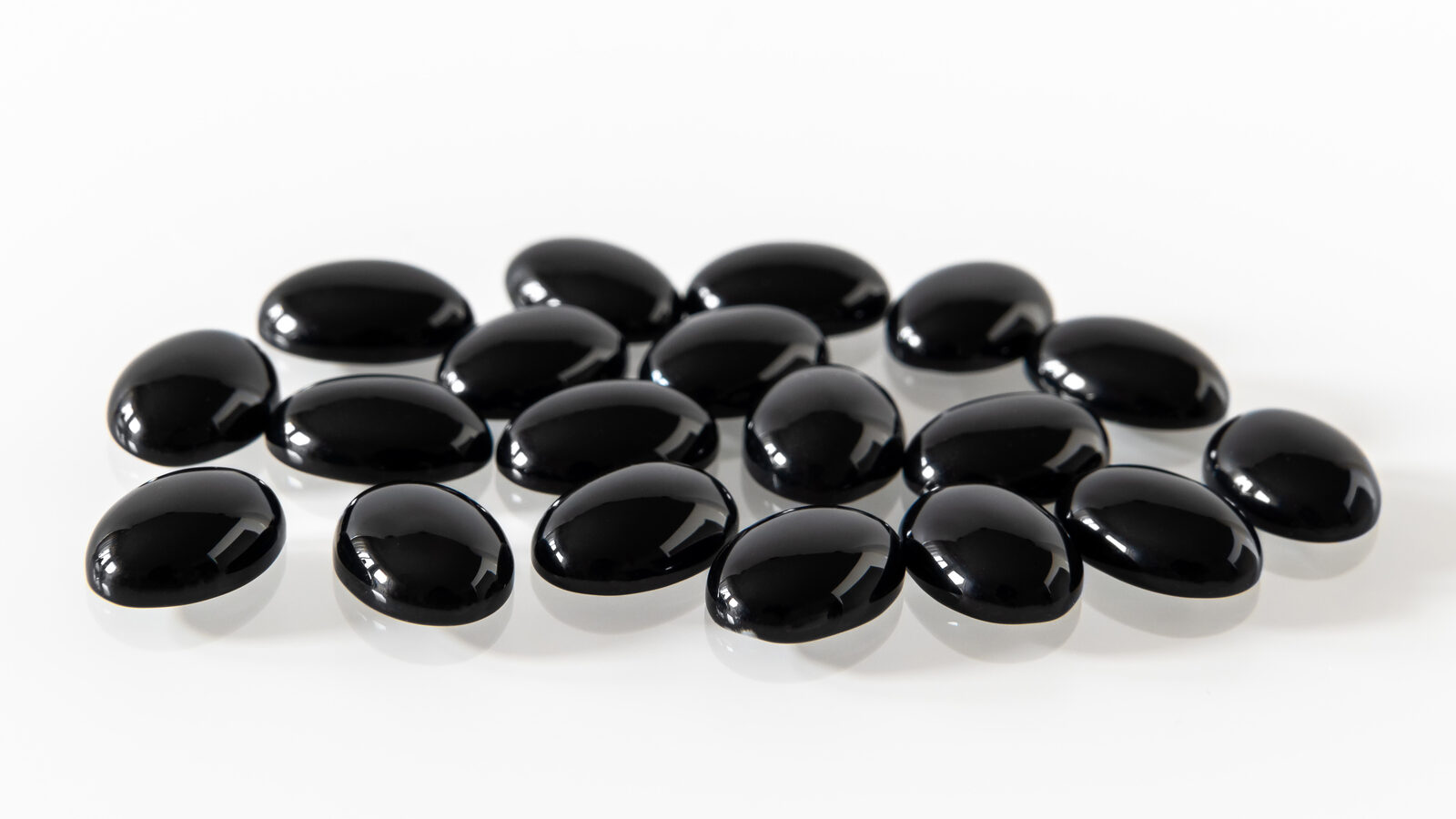
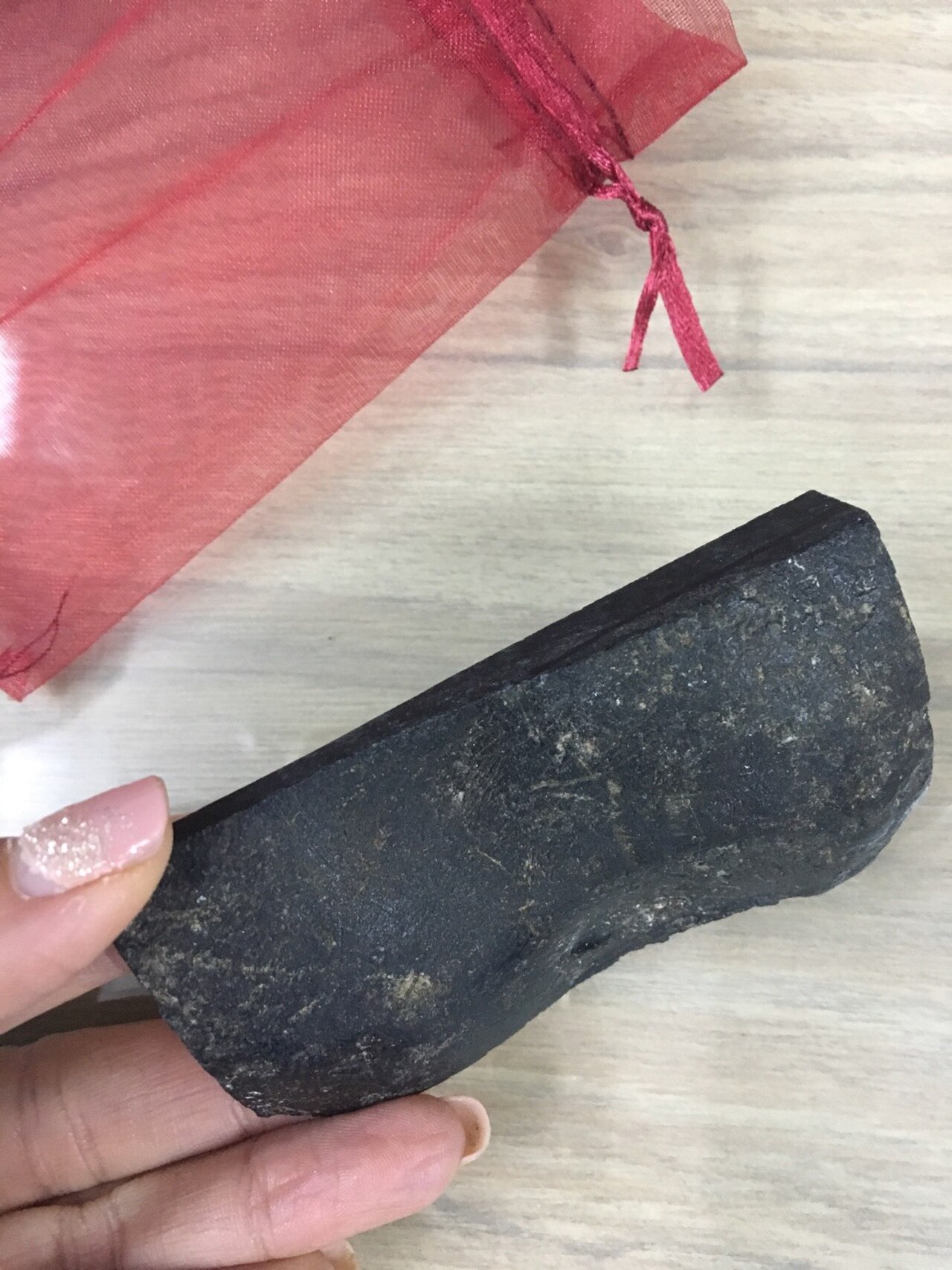
Black Jade isn't a separate mineral from green Jade — it's usually the same nephrite (a calcium-magnesium-iron silicate) or, less often, jadeite, colored almost entirely black by finely disseminated graphite or magnetite locked inside the stone's dense, interlocking fiber structure rather than by a distinct black mineral. The darker and more evenly spread the inclusions, the closer the stone gets to a true, even black instead of a mottled dark green.
Solid black nephrite is less common than green, and most of what reaches the market today comes from British Columbia, Canada — long worked by First Nations carvers for its toughness — or Guatemala's Motagua River valley, the same region that supplied Olmec and Maya jade carvers with a jadeite version of the same deep, near-black cast.
A Stone With a History
Dark jade doesn't have the singular imperial spotlight that green or white Jade earned in China, but it has its own working history. Nephrite's extreme toughness made it a preferred material for stone-age tool-making regardless of color, and Pacific Northwest First Nations communities carved dark nephrite into adzes and blades for centuries before European contact, chosen for how well it held an edge rather than for its shade.
In Mesoamerica, Olmec and Maya lapidaries working the Motagua Valley's jadeite deposits carved dark, near-black stone into ceremonial celts and figurines alongside their better-known green material — jade's darkest color valued in the same workshops as its most famous ones, not treated as a lesser byproduct.
Meaning and Symbolism
Because its color comes from the same toughness-driving minerals that make Jade nearly impossible to chip or shatter, Black Jade has picked up a reputation as the family's most literal protector — armor rather than ornament. Where green Jade is about harmony, Black Jade is about holding a boundary.
That darker cast also ties it to release rather than invitation: traditions that treat green Jade as a stone for calling in luck tend to treat Black Jade as a stone for letting go of what's already accumulated — old grief, stagnant anger, static energy that's overstayed its welcome.
Carried or worn to
- Ground scattered or anxious energy
- Shield against negativity during stressful periods
- Release old emotional weight
- Anchor big decisions in quiet confidence
Chakra, Zodiac & Element
Black Jade is tied to the Root Chakra rather than Jade's usual Heart Chakra association — its color, like most black stones, is read as a return to the base of the body, the seat of physical safety and stability, instead of the emotional openness lighter Jades support. Its Earth element follows the same logic: dense, still, and unhurried.
Astrologically it's linked to Scorpio, a sign already associated with intensity and transformation through difficulty — a natural pairing for a stone whose whole reputation is protection through weight rather than lightness.
Part of the Jade Family
Black Jade is one of several named color varieties within the wider Jade family, all sharing the same exceptional toughness regardless of hue. Where White Jade leans toward mental clarity and Yellow Jade toward outward-facing optimism, Black Jade is the family's grounded, protective anchor — the variety reached for when the goal is shielding rather than attracting.
How to Use and Care for Black Jade
At 6–7 on the Mohs scale, Black Jade is durable enough for daily wear, including rings — the same toughness that made nephrite a preferred tool stone for millennia makes it forgiving of everyday knocks. It's water-safe, so rinsing under a tap is a straightforward way to cleanse it.
Because its protective reputation is tied to steady, background wear rather than short bursts, Black Jade is traditionally kept on the body through a stressful stretch — a pocket stone or bracelet — rather than reserved for occasional meditation use.
Frequently Asked Questions
What chakra is Black Jade associated with?
Is Black Jade natural, or is it dyed?
Is Black Jade safe to wear every day?
Can Black Jade get wet?
Is Jade a birthstone?
A darker, sturdier take on Jade's usual gentle luck.
Shop by energy
Bracelets for the Root chakra
We don't have a Black Jade bracelet yet. These share its Root chakra energy.
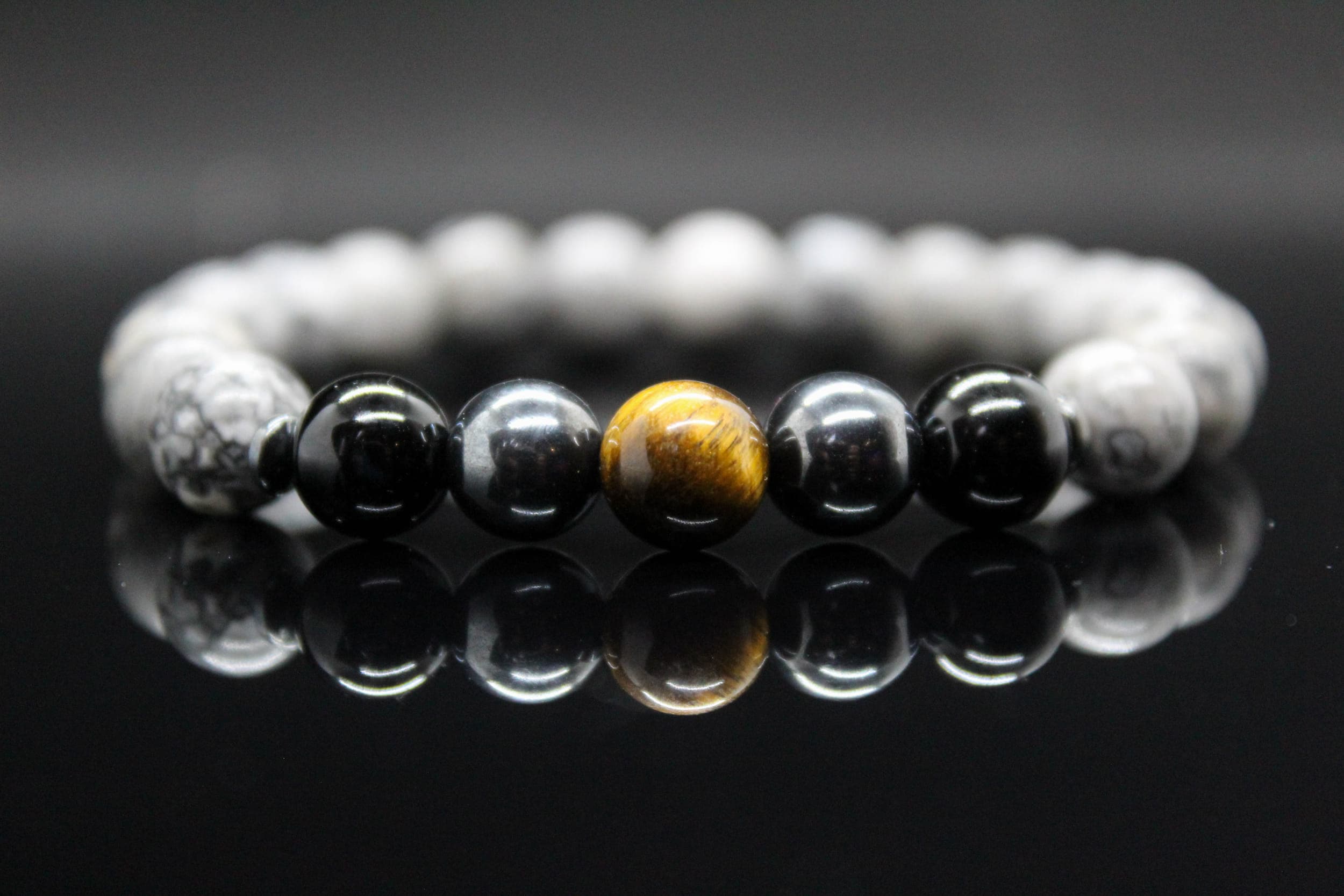
Energetic Balance Energy Bracelet
$24.00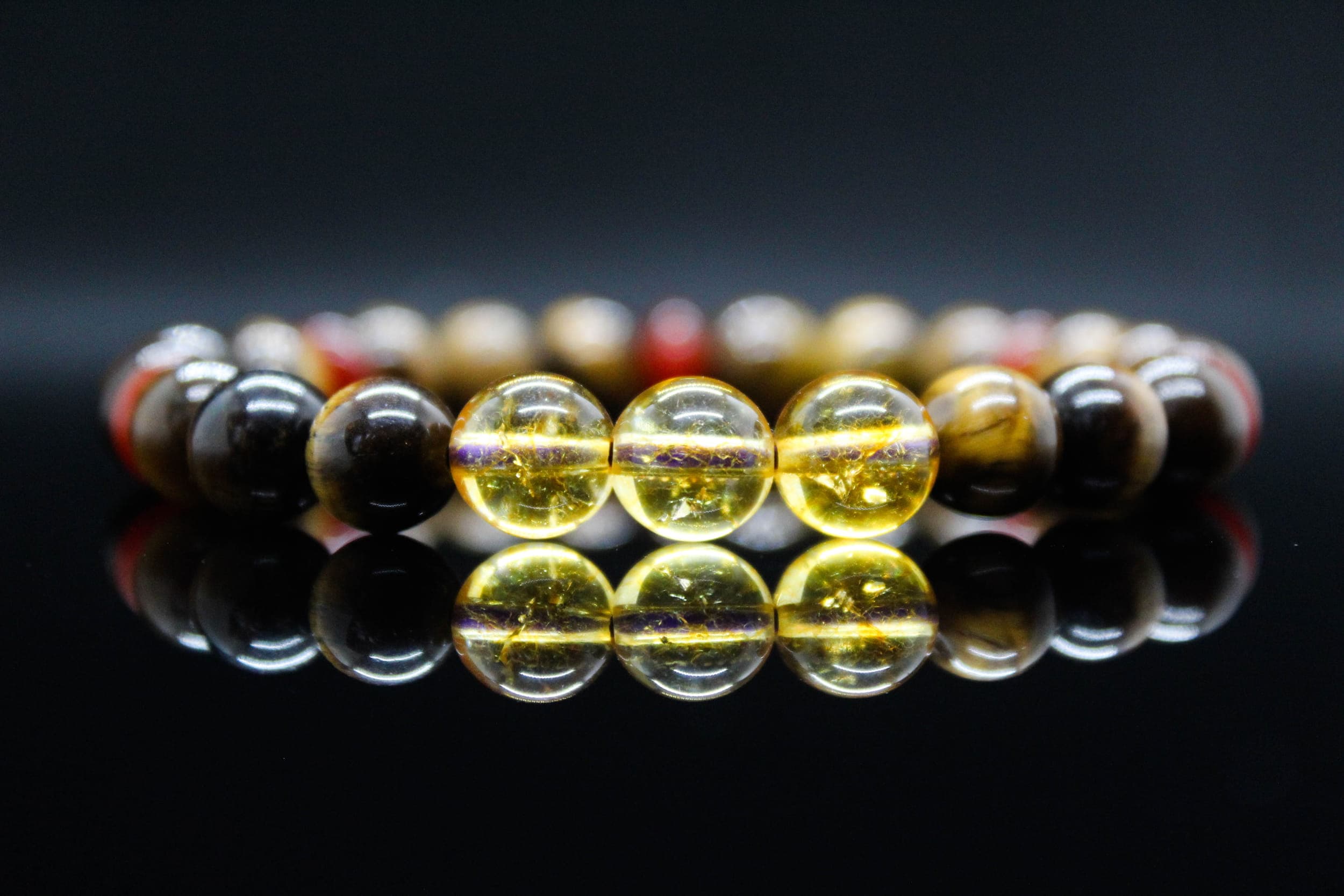
Focus Manifest Energy Bracelet
$24.00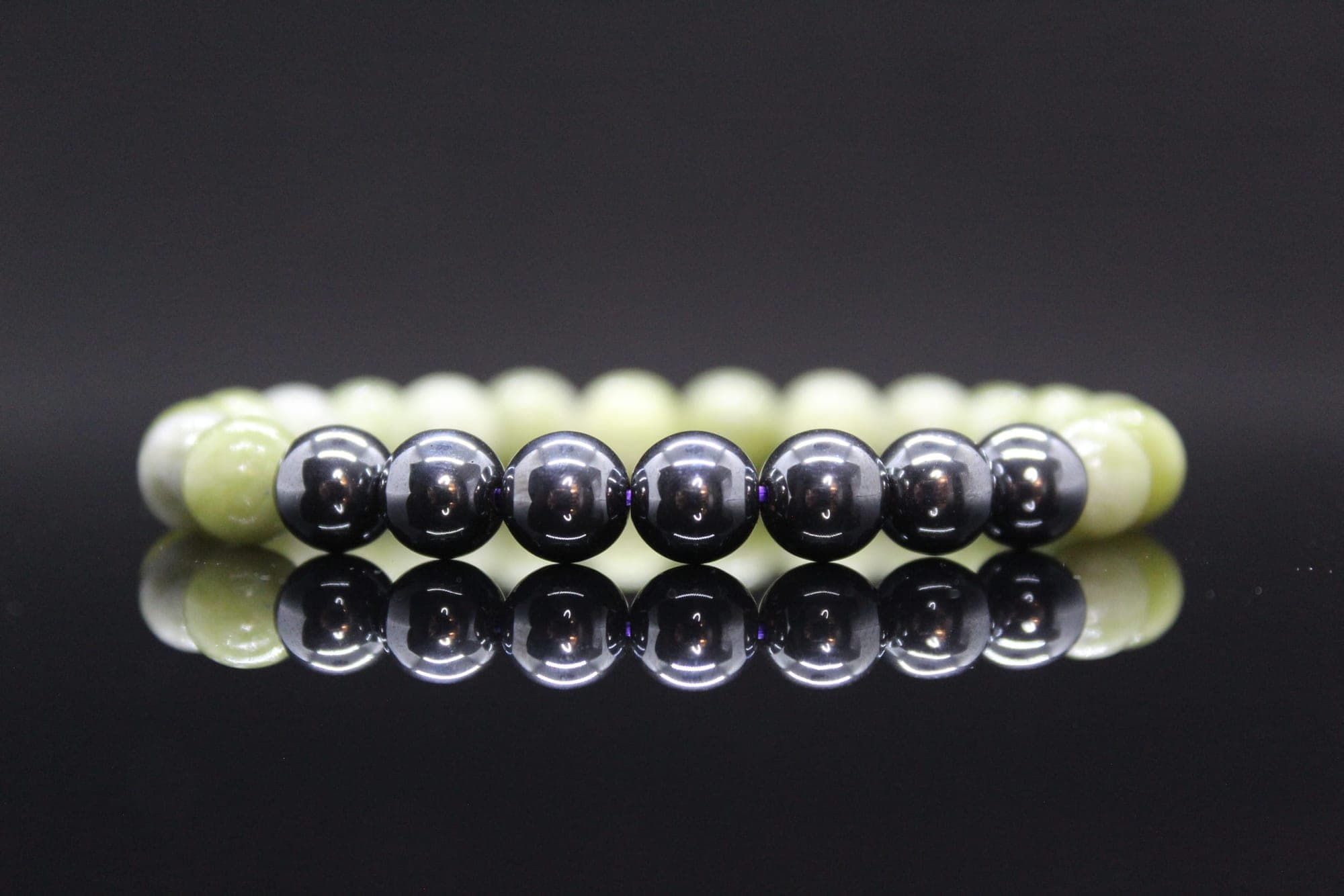
Life Force Energy Bracelet
$24.00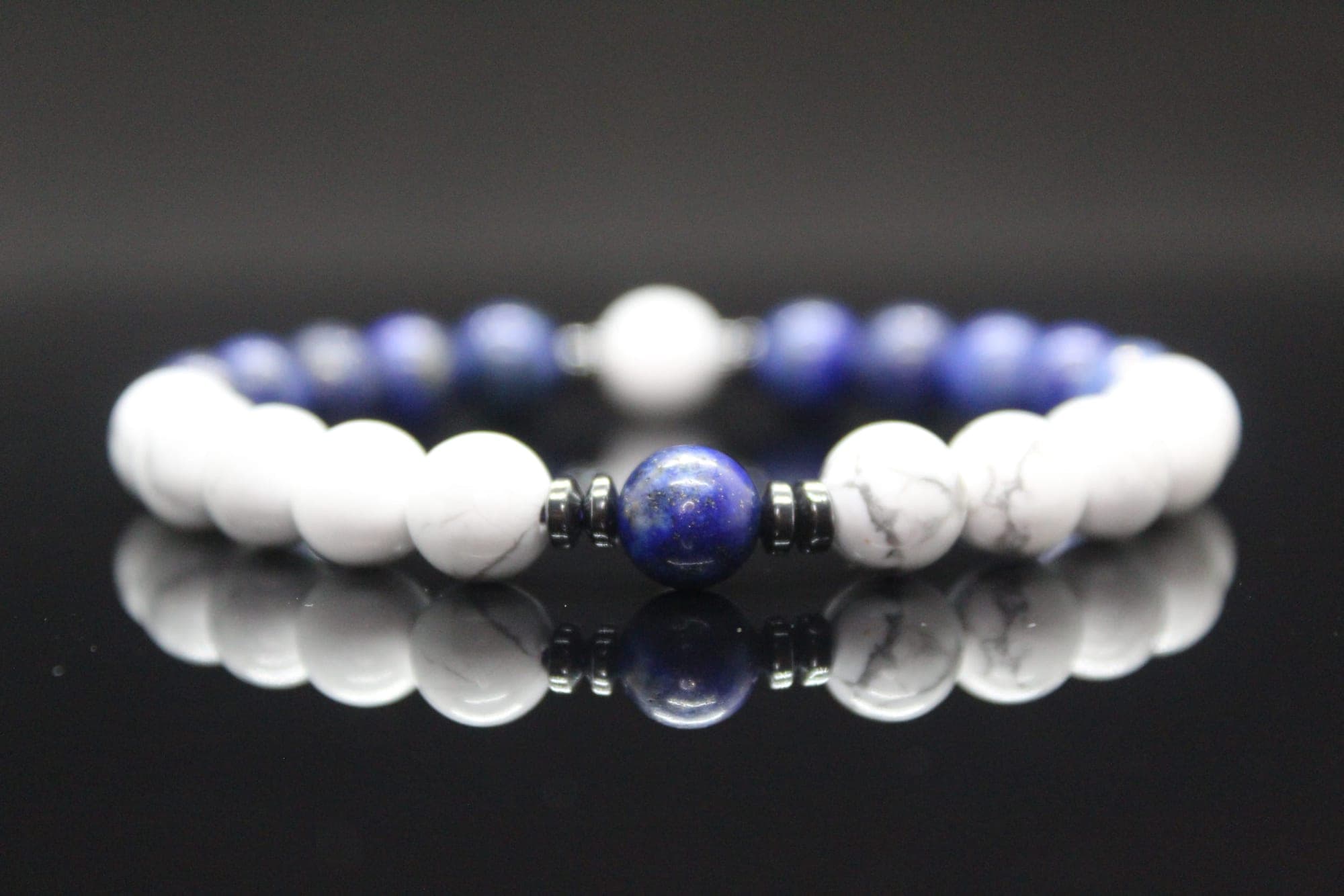
Divine Harmony Energy Bracelet
$24.00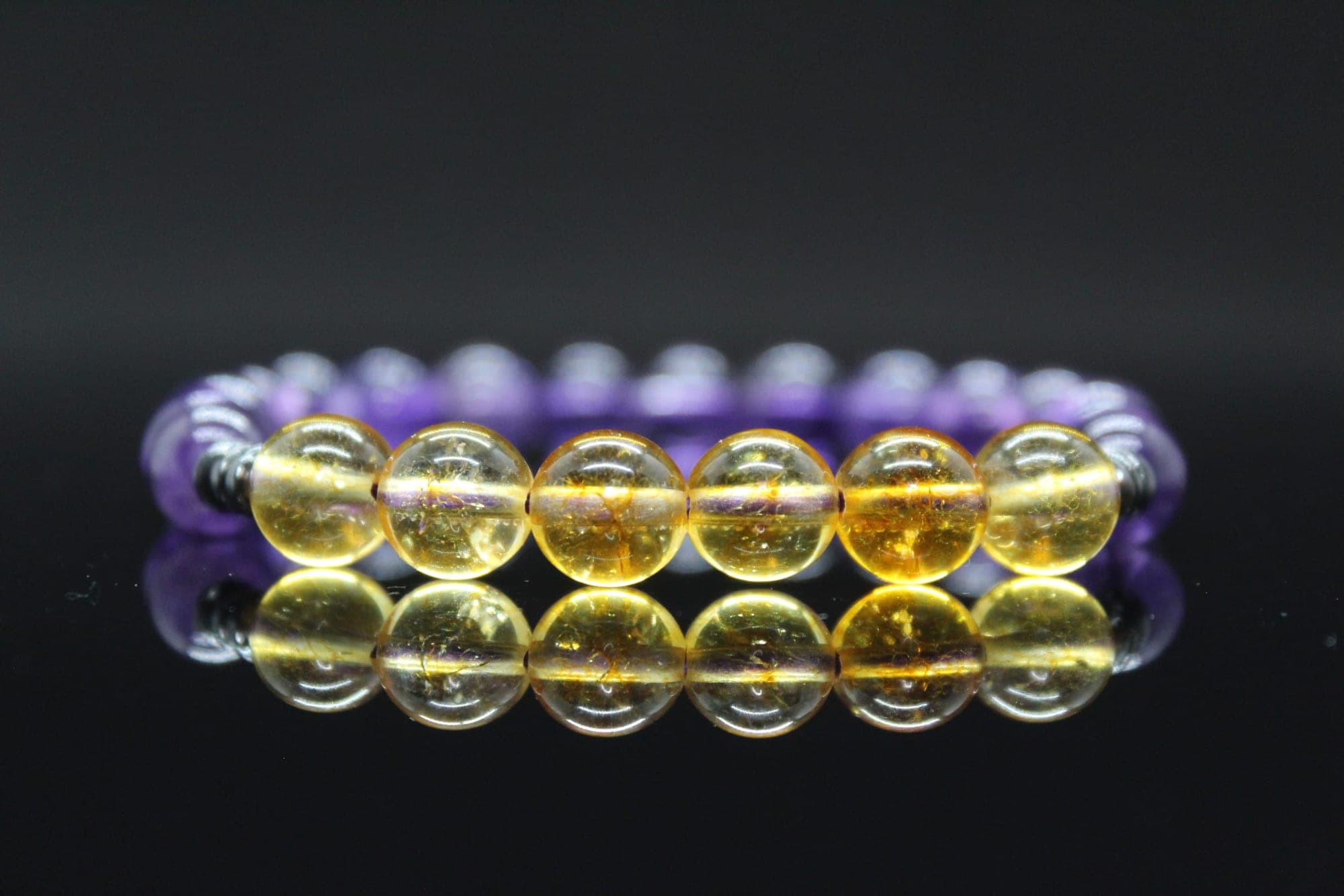
Clear Thoughts Energy Bracelet
$33.00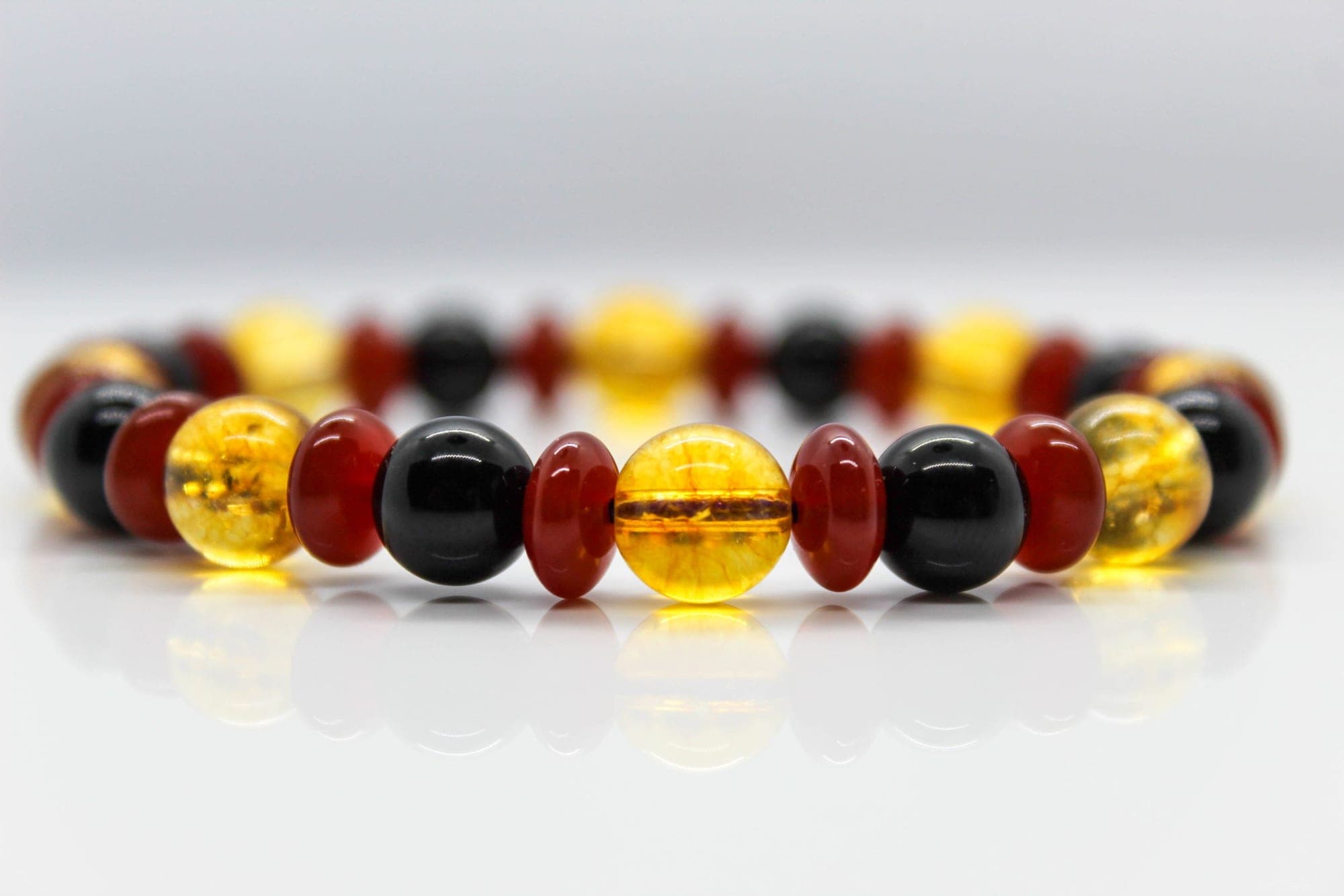
Protective Manifestation Energy Bracelet
$33.00
Grounding Love Energy Bracelet
$33.00