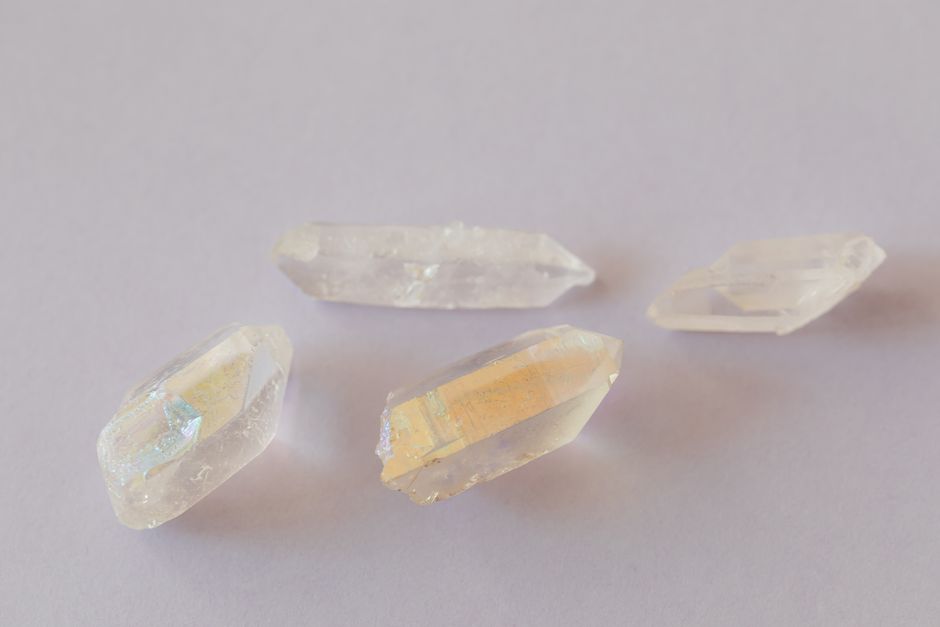
White Jade
The Stone of Clarity
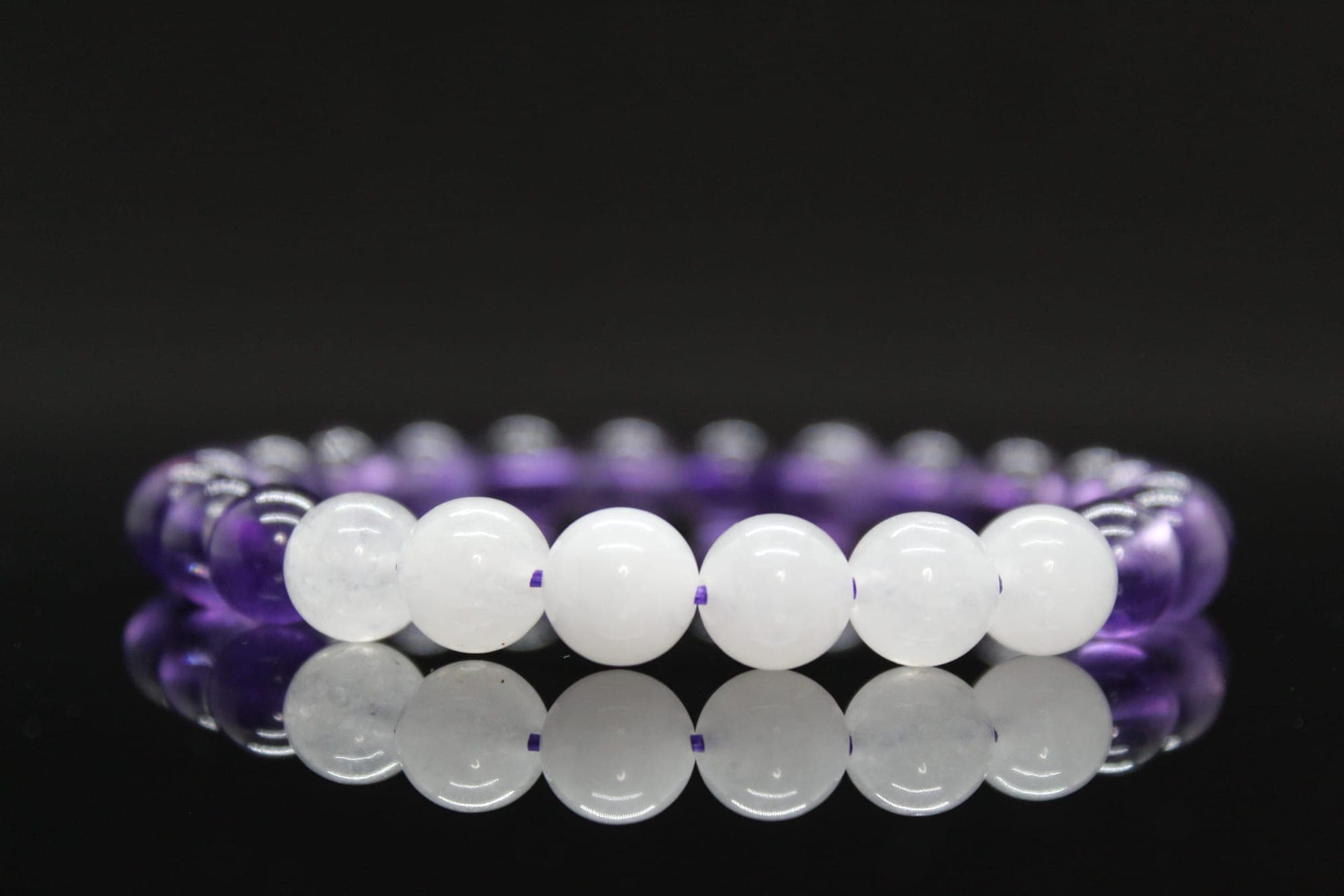
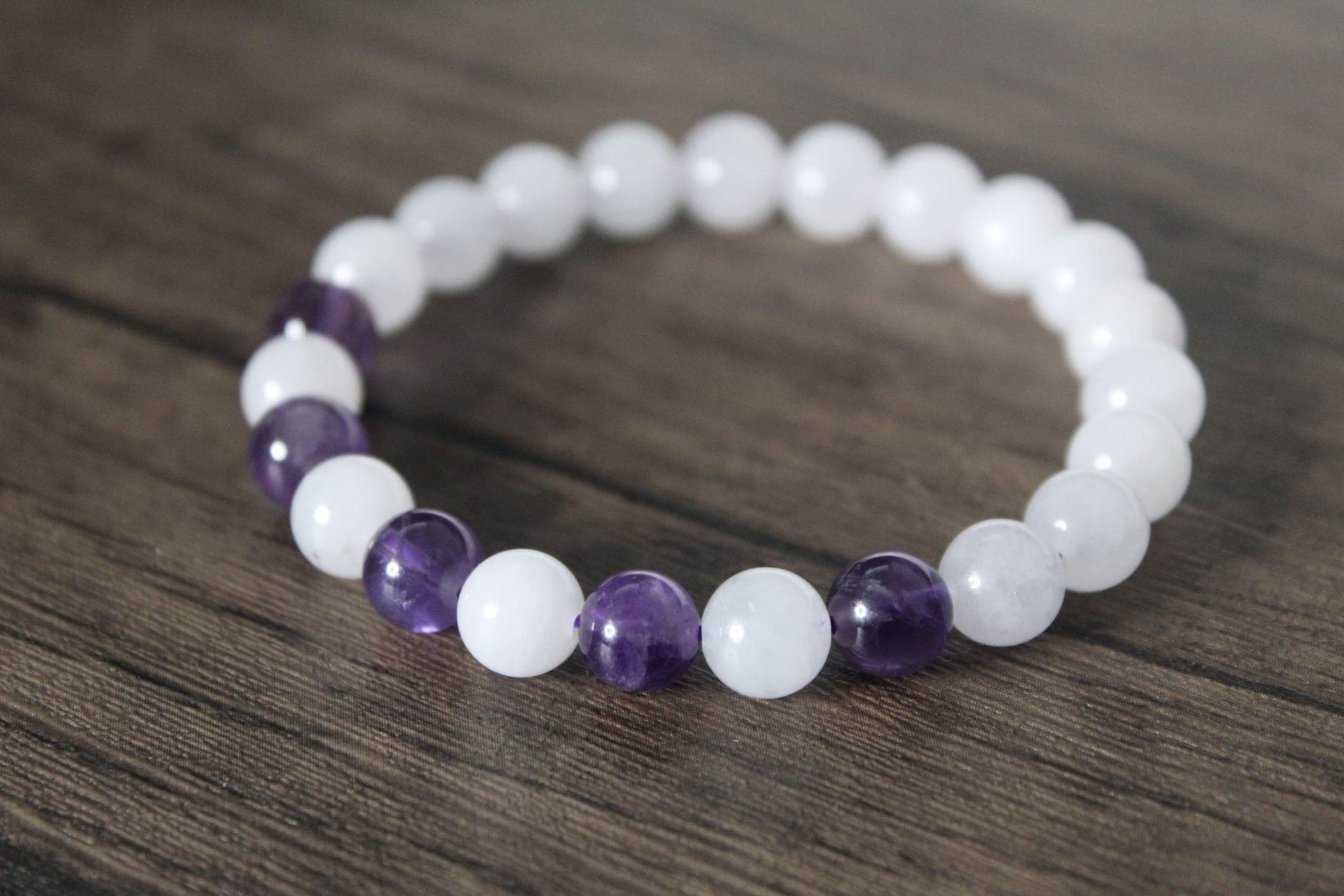
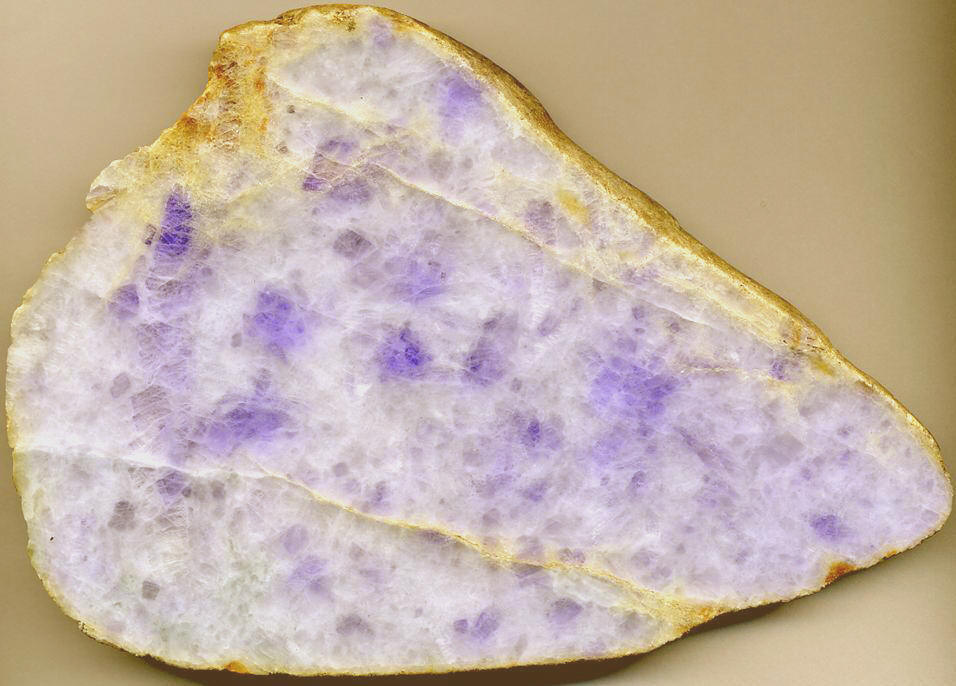
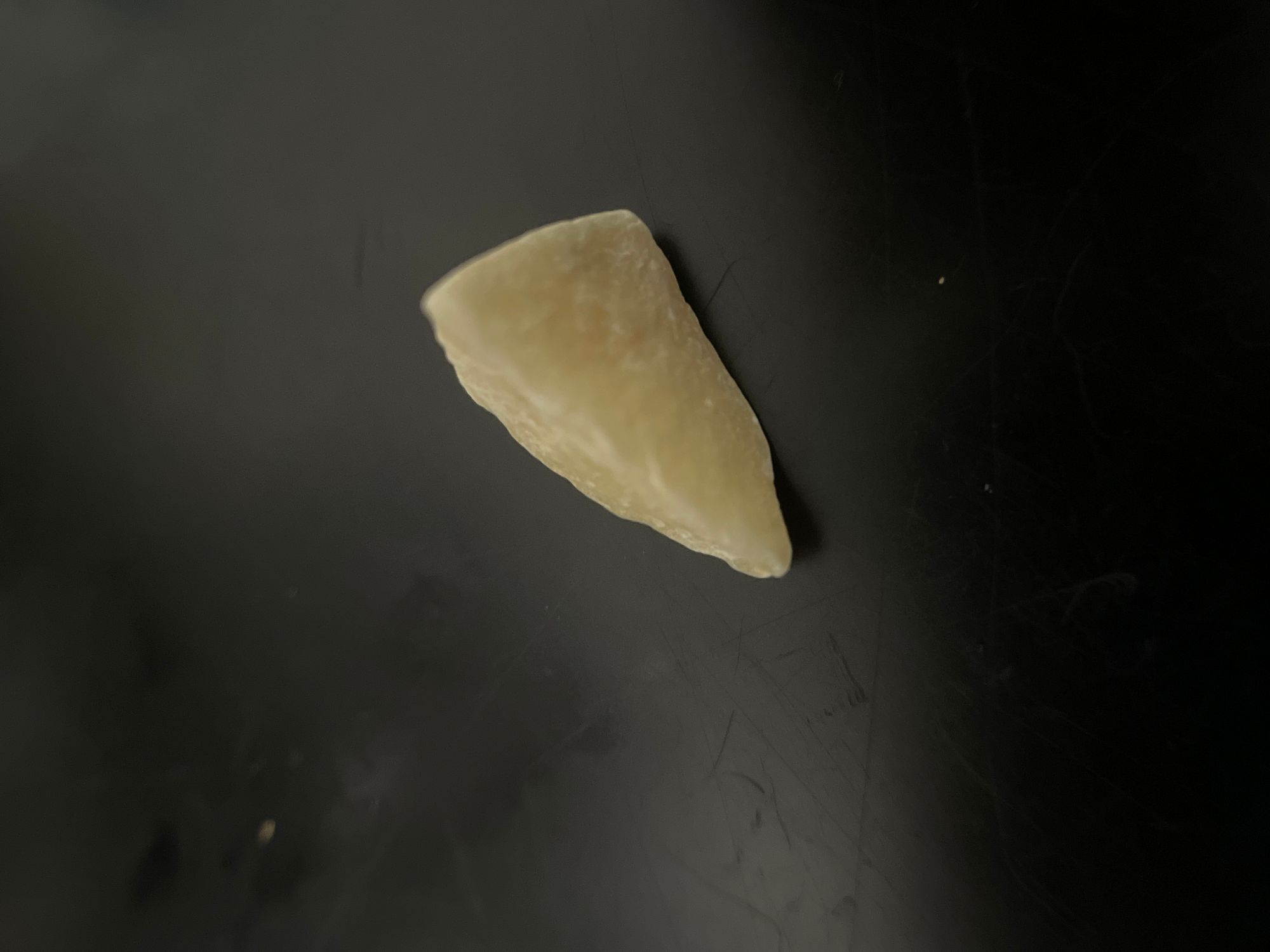
Shop 2 White Jade bracelets · from $24.00Photo: John Hill, CC BY-SA 3.0 via Wikimedia Commons
Meaning & uses
White Jade Meaning
Prized in Chinese tradition as one of the purest forms of Jade, White Jade trades the family's usual green vitality for something quieter — clarity, discipline, and a clean emotional slate.
What Is White Jade?
White Jade is almost always nephrite — the calcium-magnesium-iron silicate species — reaching its palest color when the stone forms with very little iron to tint it green. The finest grade, dense and slightly oily to the touch, is traditionally called "mutton fat jade" (羊脂玉, yangzhi yu) in Chinese, a name describing its resemblance to the color and texture of lamb fat rather than anything about its origin.
The most celebrated White Jade historically came not from a mine but a riverbed: waterworn nephrite pebbles gathered by hand from the Yurungkash, or "White Jade River," near Khotan (Hotan) in China's Xinjiang region — a source worked for thousands of years and still referenced as the benchmark against which other white nephrite is judged.
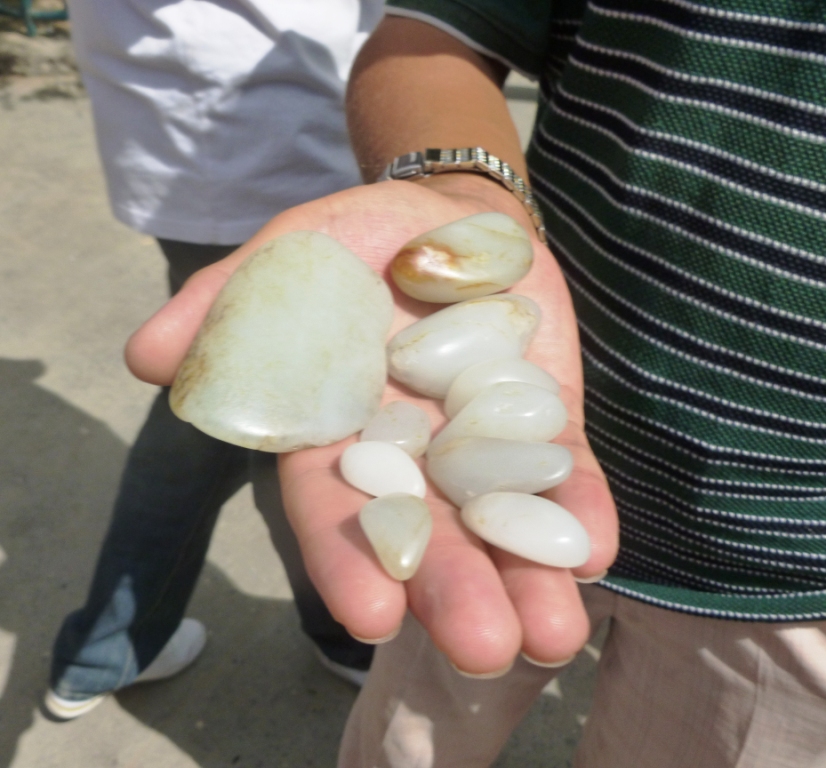
A Stone With a History
White nephrite has a documented role in Chinese court culture stretching back over two thousand years, valued less for spectacle than for what it represented: restraint. Where vivid green jadeite became fashionable relatively late, in the Qing dynasty, white nephrite from Khotan had already been prized for centuries by scholars and emperors alike, carved into seals, brush rests, and small ceremonial objects meant to sit on a desk rather than announce themselves.
The Khotan riverbeds that produced it sat along the ancient Silk Road, so White Jade moved west out of China as a traded good for millennia before most of the world had any other name for jade at all.
Meaning and Symbolism
White Jade's meaning follows the same restraint that made it prized among scholars: where green Jade is associated with harmony and growth, White Jade is associated with clarity and a kind of emotional reset — a stone for clearing out rather than adding on.
That reputation made it a traditional choice for marking an ending — closing out a difficult chapter or clearing mental clutter before starting something new — rather than a stone reached for mid-project.
Carried or worn to
- Clear mental clutter and sharpen decision-making
- Support a fresh start after a difficult stretch
- Encourage discipline and quiet self-control
- Ease anxiety with an even, steady calm
Chakra, Zodiac & Element
White Jade is tied to the Crown Chakra rather than Jade's usual Heart Chakra — its pale, unclouded color read as mental clarity sitting at the top of the body's energy system rather than emotional openness at its center. Its Earth element carries over from the wider family, keeping even this quieter variety grounded.
Astrologically it's linked to Virgo, a sign already associated with discernment and quiet discipline — a close match for a stone whose whole reputation is a clear, orderly mind.
Part of the Jade Family
White Jade is one of the most historically significant named color varieties within the wider Jade family, prized in Chinese tradition even longer than the green Imperial material most people picture first. Where Yellow Jade leans outward toward optimism and Lavender Jade inward toward gentle healing, White Jade is the family's stone of discipline — quiet, restrained, and unwilling to compete for attention.
How to Use and Care for White Jade
At 6–7 on the Mohs scale, White Jade is durable enough for daily wear, including rings, and water-safe for routine cleansing — a practical match for a stone whose whole reputation is dependability. Because pale jade is graded closely on evenness of color, buyers should ask whether a piece is natural; White Jade is sometimes bleached or dyed to smooth out darker inclusions, and untreated stone with natural veining is generally the more valued option in the trade.
Its quiet, background nature makes it a natural stone to wear continuously rather than for occasional intention-setting — closer in daily use to Agate than to a dedicated ritual stone.
Frequently Asked Questions
What chakra is White Jade associated with?
Is White Jade natural, or is it treated?
Is White Jade safe to wear every day?
Can White Jade get wet?
Is Jade a birthstone?
A minimalist's Jade — understated, but no less prized.
Shop this stone