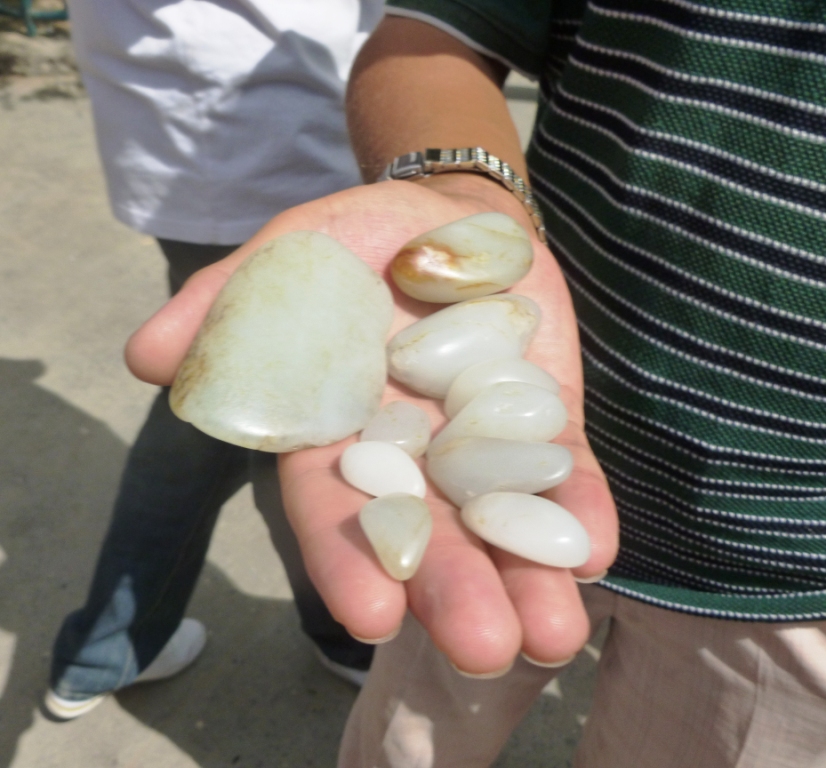
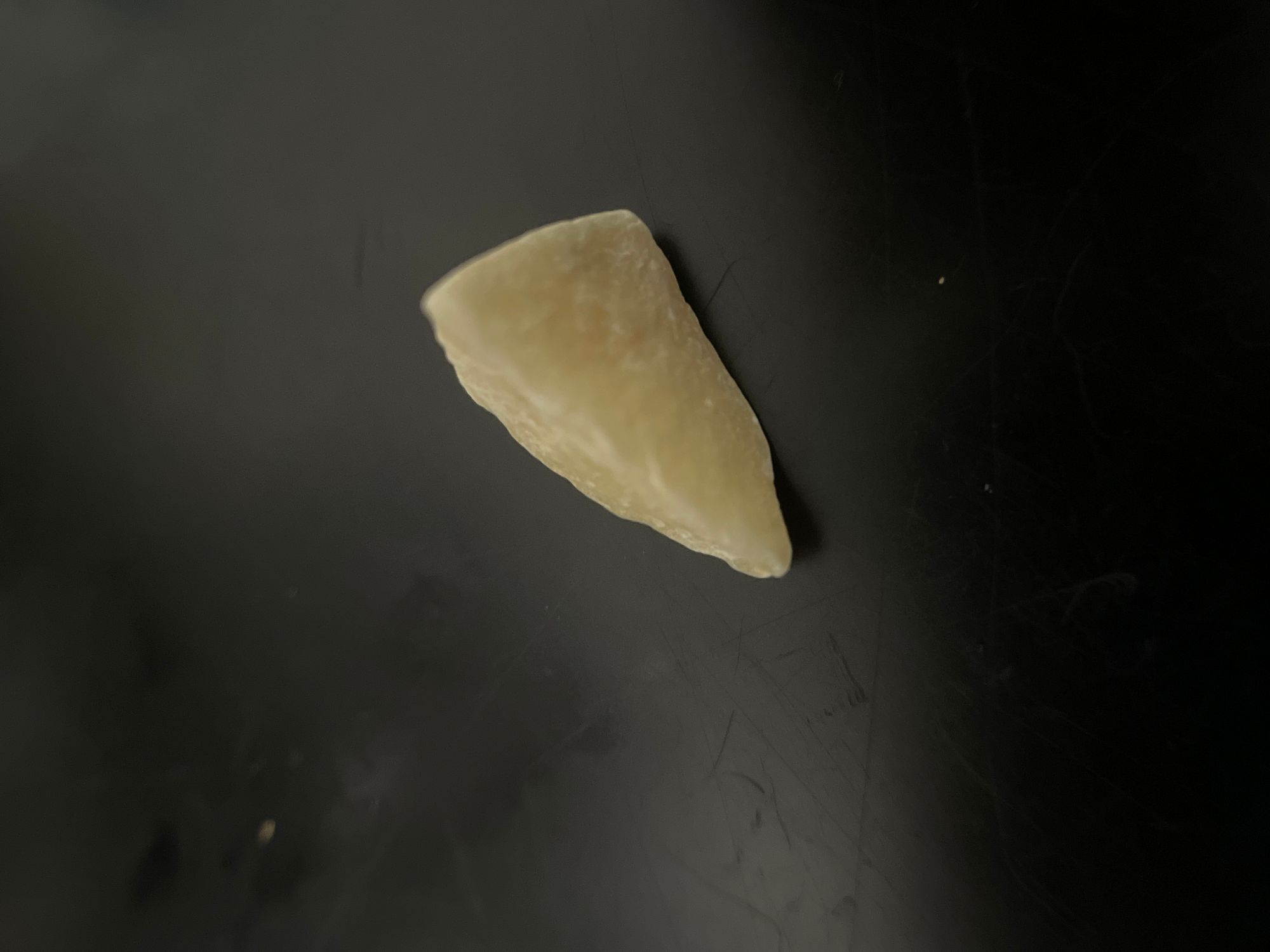
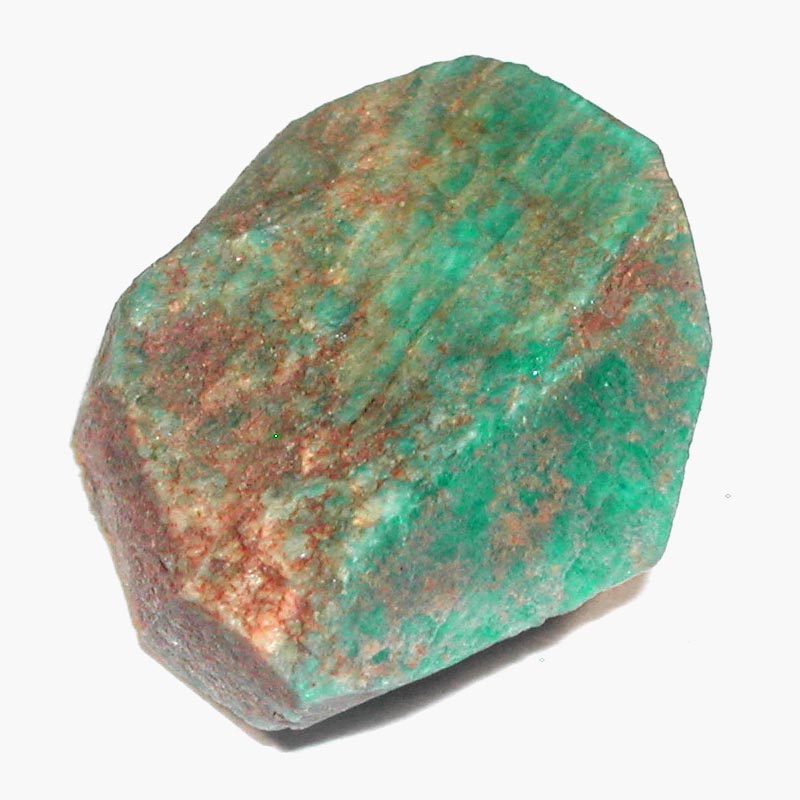
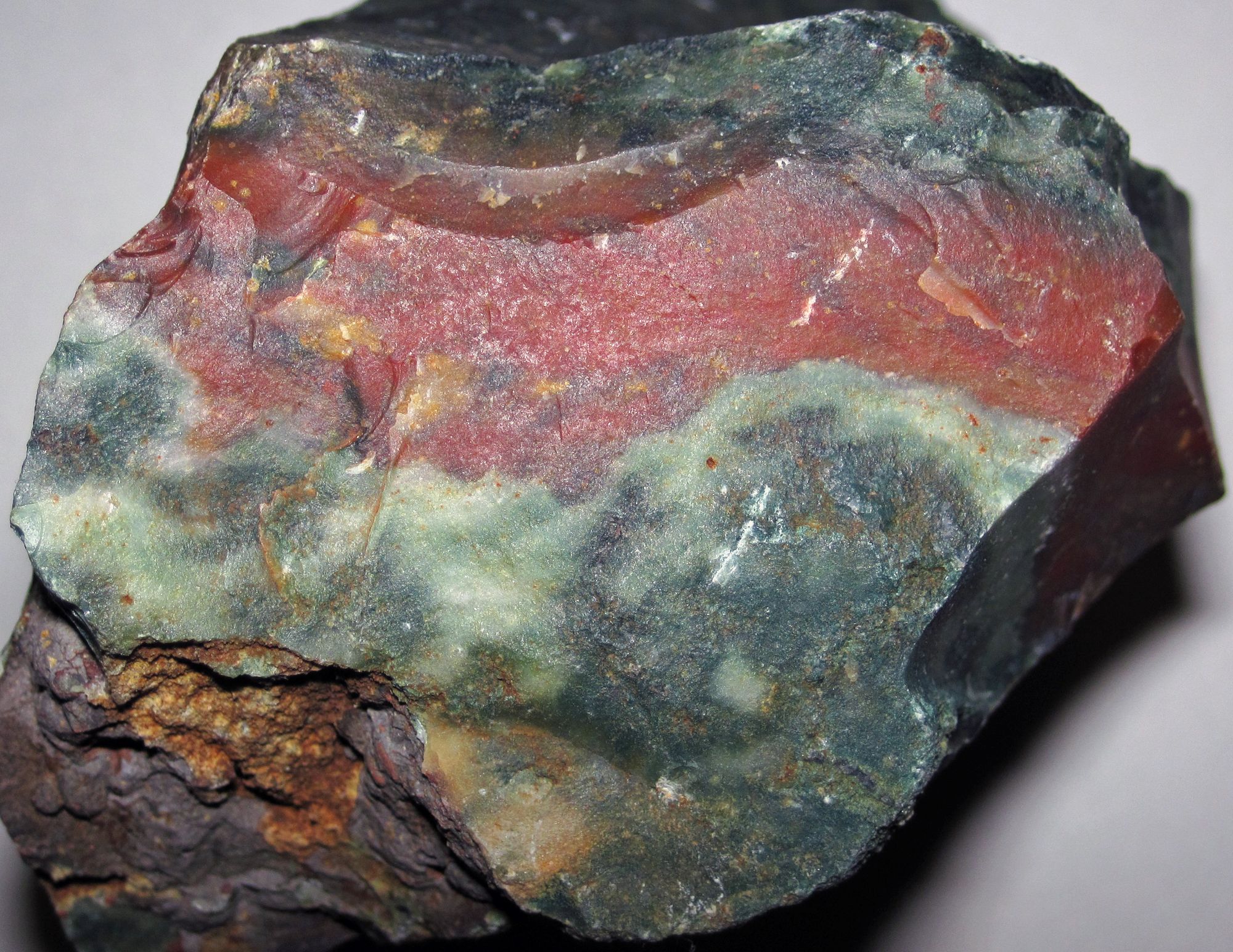
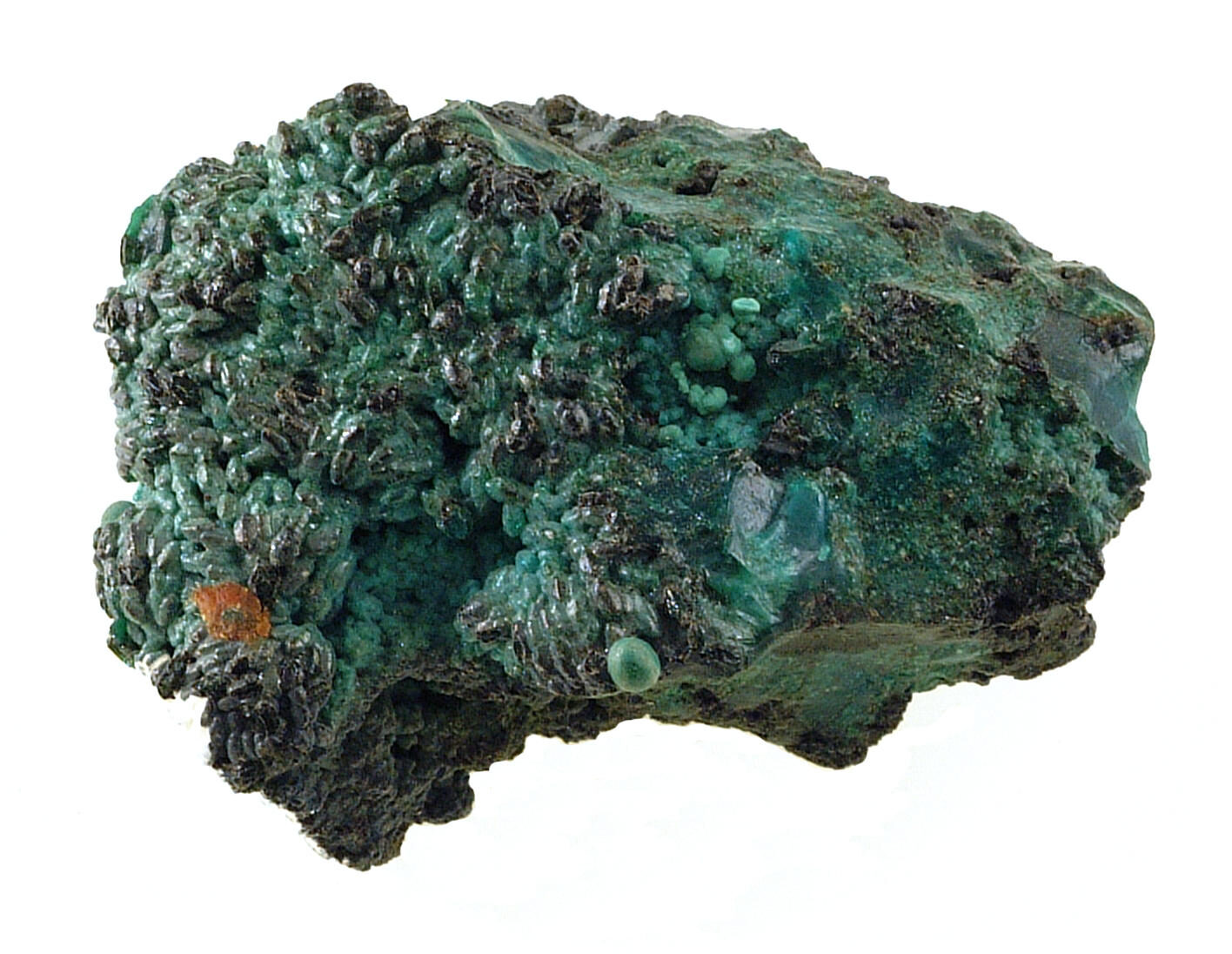
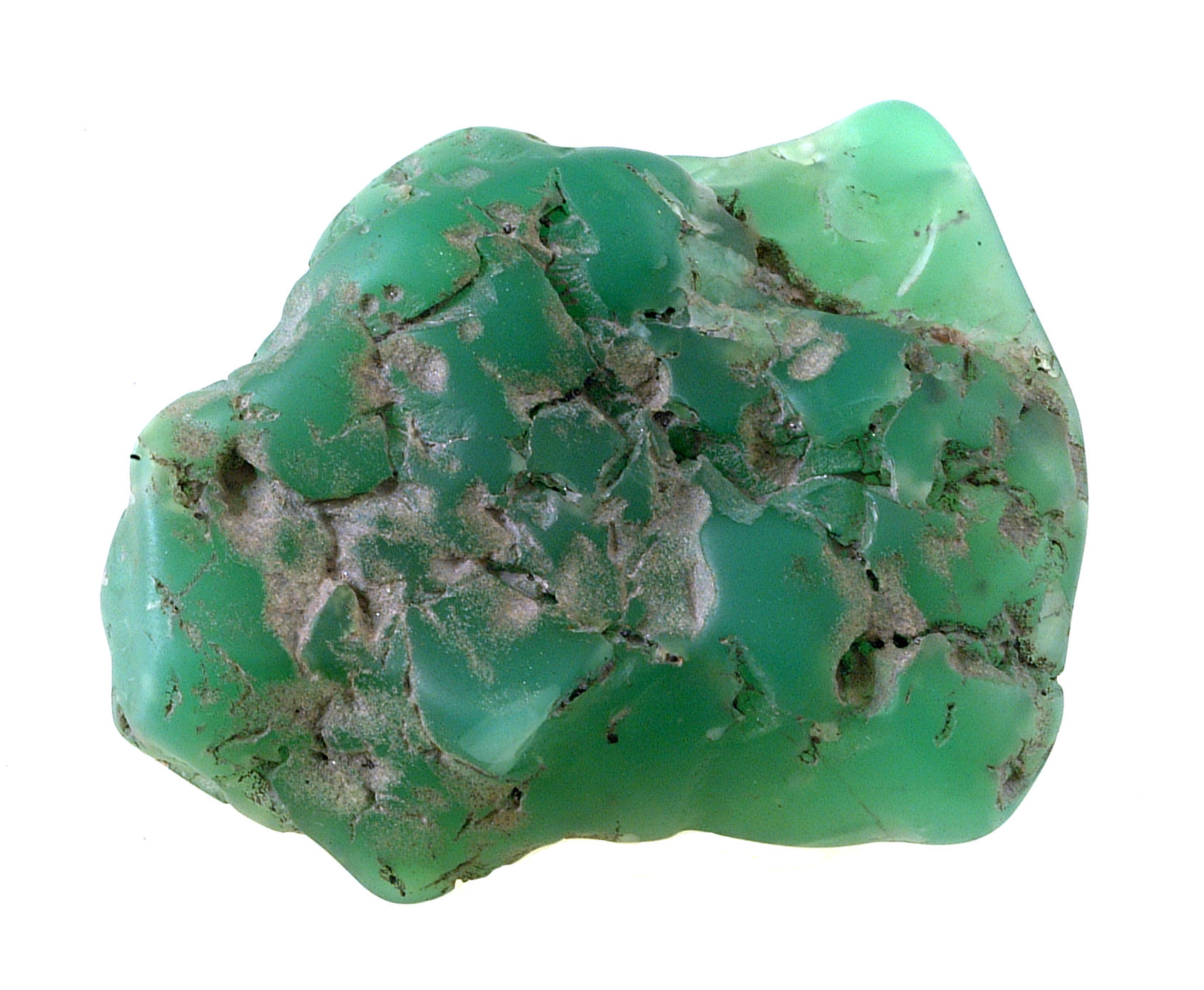
Photo: Astynax · Public domain · Wikimedia Commons
Meaning & uses
Green Jade Meaning
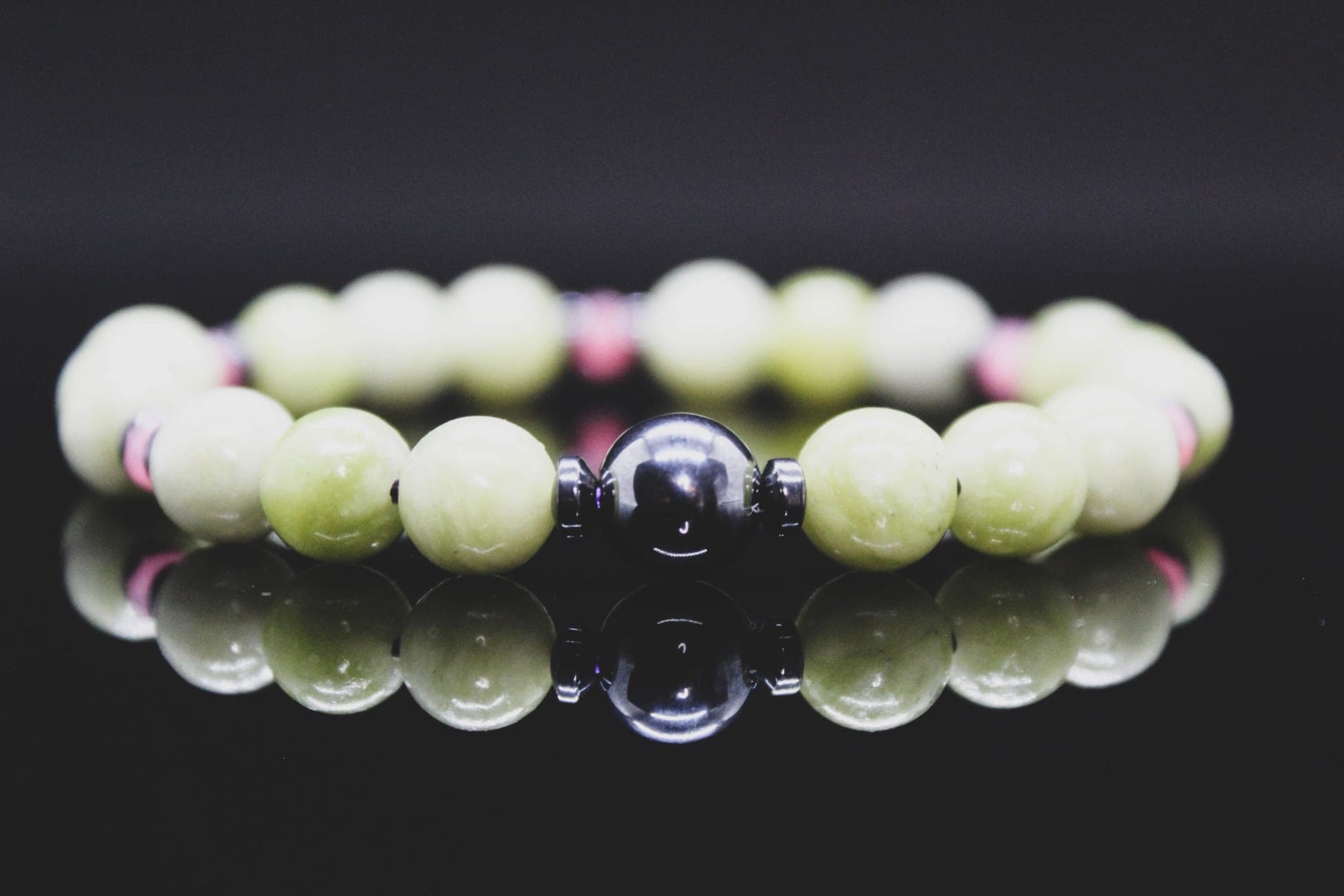
The color most people picture when they hear "Jade," Green Jade carries the stone's original, longest-standing reputation for harmony, prosperity, and quiet good fortune — the shade that built Jade's reputation everywhere it's been worked.
What Is Green Jade?
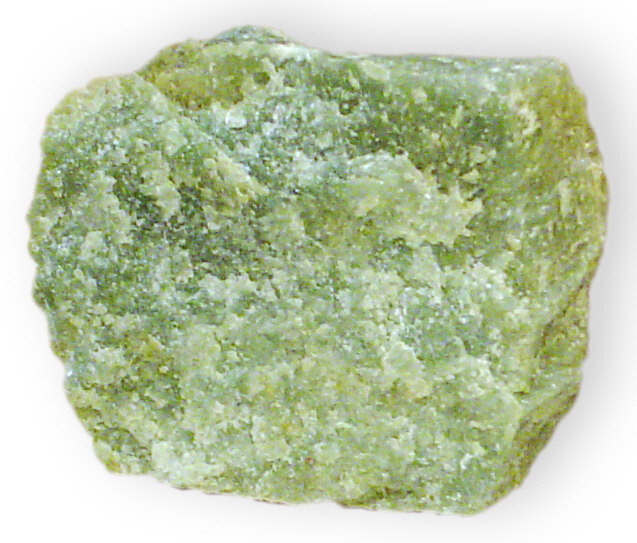
Green Jade isn't one mineral but two: nephrite, a calcium-magnesium-iron silicate, and jadeite, a sodium-aluminum silicate, both capable of the same rich green when the right trace elements are present. In jadeite, chromium produces the most prized vivid emerald tone — the famous "imperial jade" — while iron typically gives nephrite a softer, more muted spinach-green. The two minerals aren't closely related chemically, but both share the dense, interlocking fiber structure that makes Jade so difficult to fracture.
A Stone Once Worth More Than Gold
Green has been Jade's signature color for as long as the stone has been worked, valued above gold in China for more than 5,000 years and carved into ceremonial discs, imperial seals, and elaborate burial suits for royalty, the most celebrated surviving examples dating to the Han Dynasty. The vivid green "imperial jade" most associated with Chinese tradition is jadeite specifically, and comes almost exclusively from Myanmar's Kachin region.
Green jadeite carried the same outsized status independently in Mesoamerica, where the Olmec, Maya, and Aztec prized it above gold, carving death masks and royal ornamentation from it centuries before any contact with Chinese jade tradition — two unconnected civilizations reaching the identical conclusion about the same green stone.
Meaning and Symbolism
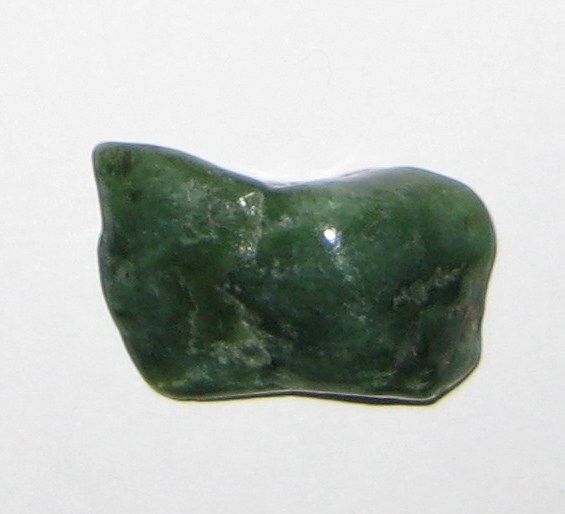
Green Jade's meaning grows directly from its color: the traditional signal of growth, renewal, and living energy, paired with the toughness that made the stone so prized for carving in the first place. It's Jade in its most classic form — harmony and quiet strength expressed exactly the way most people picture them.
Carried or worn to
- Invite harmony, luck, and prosperity
- Support growth and fresh starts
- Calm the heart and ease emotional turbulence
- Encourage patience and steady, long-term thinking
Chakra, Zodiac & Element
Green Jade is tied to the Heart Chakra, its color a direct, traditional match for calm, balanced emotional openness — the strongest of any Jade variety's chakra association, since green is the shade most associated with heart-centered energy in the first place. Its Wood element reflects the same idea: growth, flexibility, and quiet, steady strength rather than sudden force.
Astrologically it's linked to Taurus, a grounded, growth-oriented sign that shares Green Jade's steady, patient energy — Jade broadly extends to Libra and Gemini as well, but green is the shade most specifically tied back to Taurus.
Part of the Jade Family
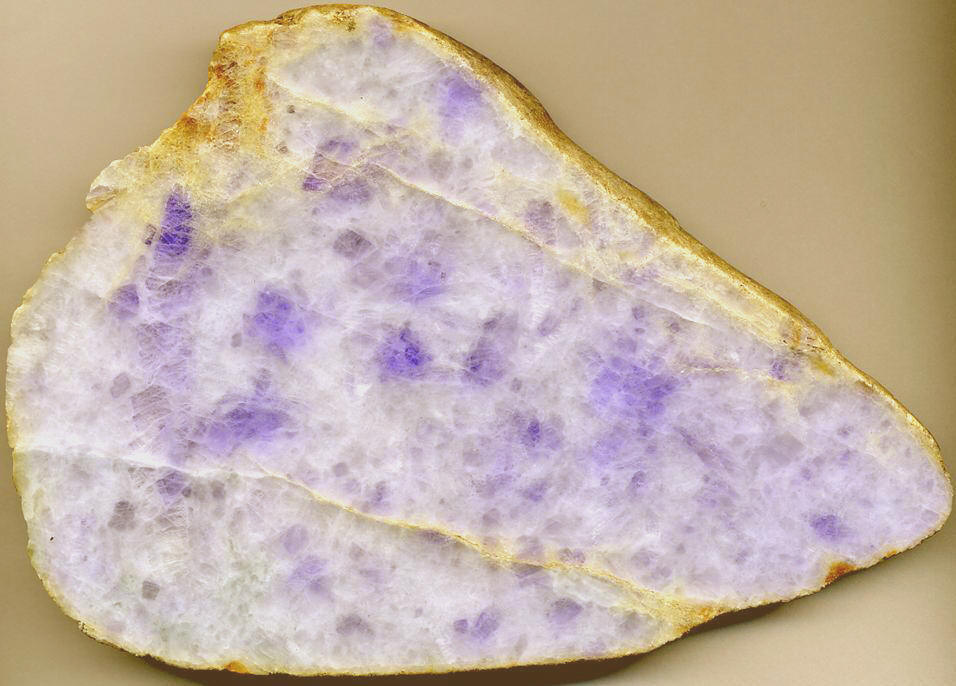
Green Jade is the namesake, most classic member of the wider Jade family — the color the stone's entire reputation for harmony and luck was originally built around, before lavender, white, yellow, red, and black varieties were recognized as their own distinct stones. Where those varieties each emphasize one specific facet of Jade's character, Green Jade is the family's broadest, most all-purpose expression of it.
How to Use and Care for Green Jade
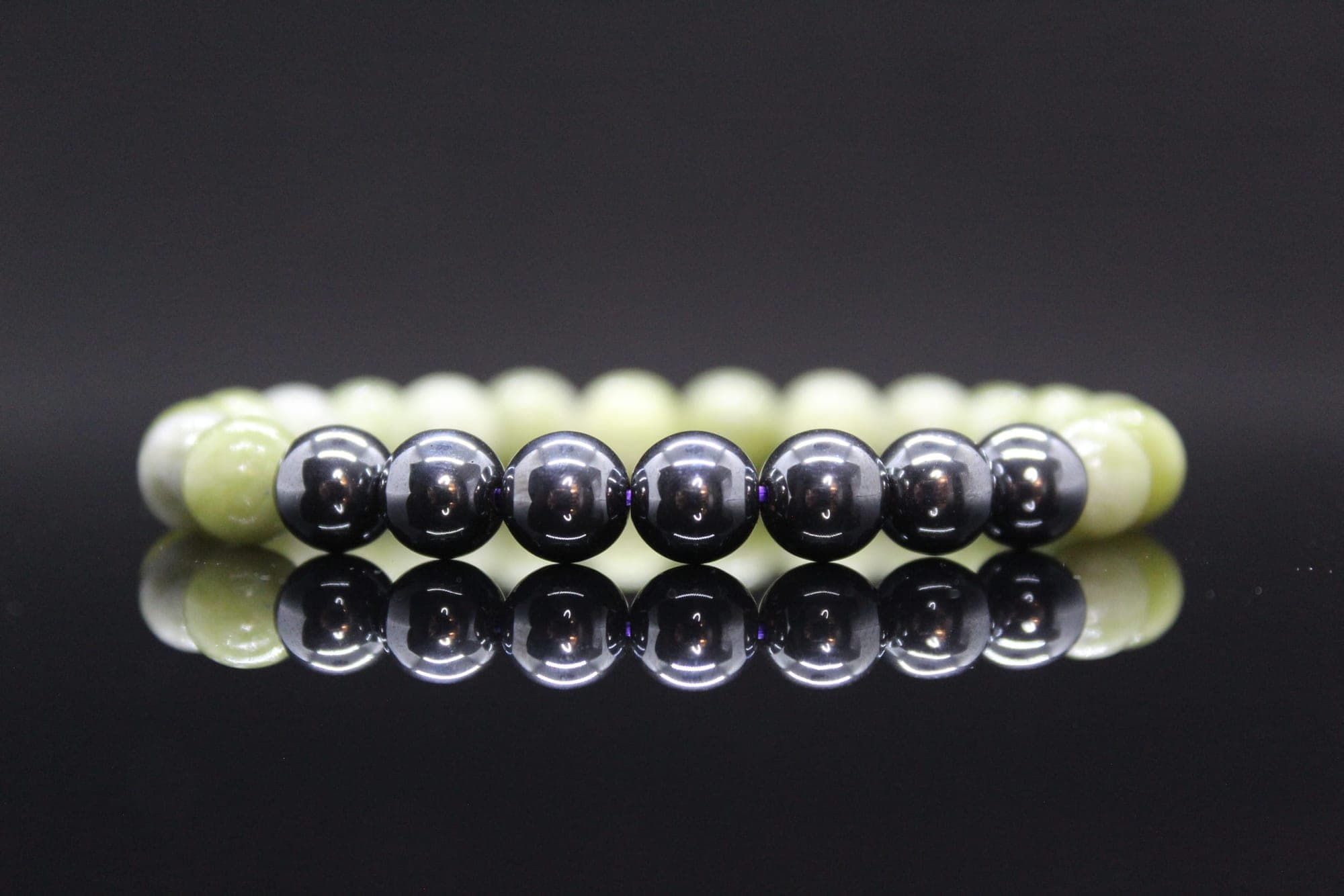
At 6–7 on the Mohs scale, Green Jade is durable enough for daily wear in rings, bracelets, or pendants — the same toughness that made it so prized for carving for thousands of years. It's water-safe, so rinsing under a tap is a simple, traditional way to cleanse it.
Green Jade pairs naturally with Rose Quartz for a gentler take on heart-centered energy, or with Citrine for a combination that leans more toward abundance than calm. See our Crystal Combinations guide for more.
Frequently Asked Questions
What's the difference between Green Jade and other Jade colors?
Is Green Jade the most valuable color of Jade?
Is Green Jade safe to wear every day?
Is Jade a birthstone?
Where does the finest Green Jade come from?
The color that built Jade's reputation for harmony and quiet good fortune, worn the same way for thousands of years.
Shop this stone