Meaning & uses
Lavender Jade Meaning
A rarer, softer-colored Jade prized for a gentler, more introspective version of the family's usual heart-centered calm — traditionally reached for during quiet emotional healing rather than bold new beginnings.
What Is Lavender Jade?
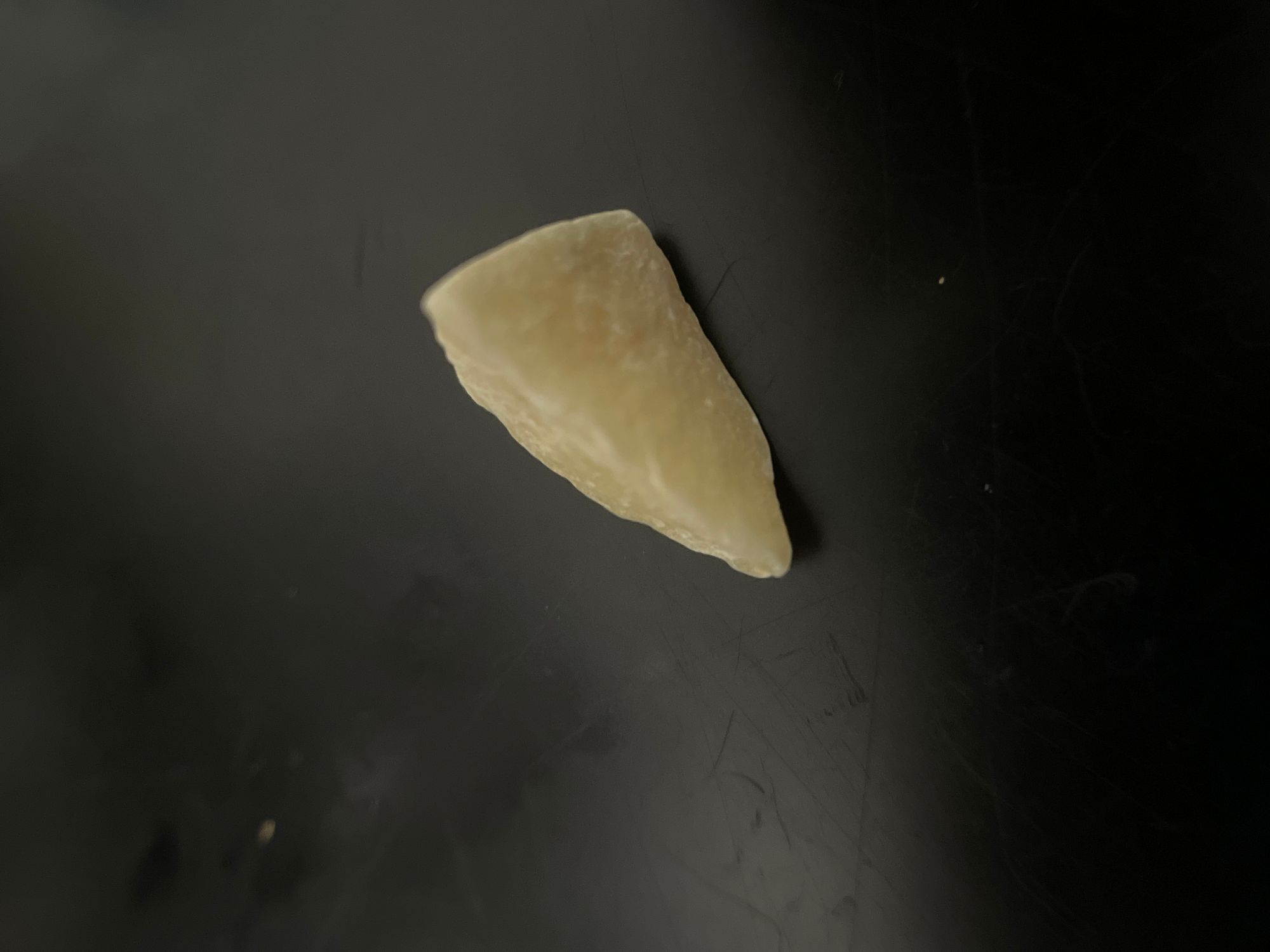
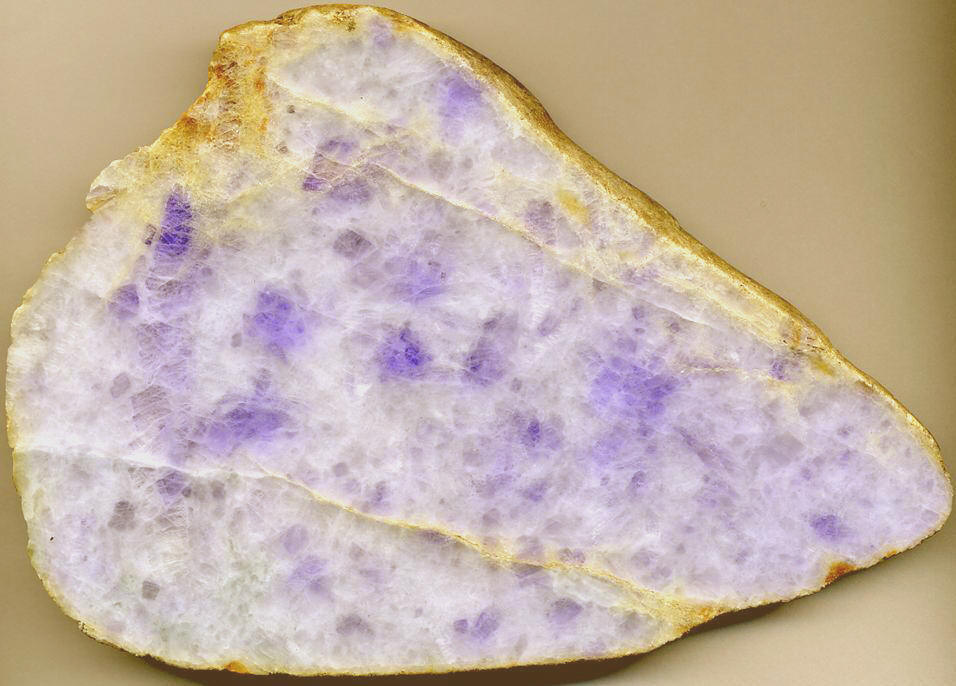
Lavender Jade is jadeite, not nephrite — the sodium-aluminum silicate species that also produces the vivid green "Imperial Jade" prized above almost any other jade material. Its soft violet color comes from trace amounts of manganese and iron substituting into the crystal structure during formation, a different trace-mineral recipe from the chromium that produces green jadeite.
Nearly all Lavender Jade comes from the jadeite deposits of Kachin State, Myanmar — the same mining region that supplies Imperial Jade — and lavender material is often found within the same boulders of rough stone as the green, discovered only once a piece is cut and polished.
A Stone With a History
Lavender Jade doesn't carry the multi-thousand-year carving history of green nephrite — it's a comparatively recent favorite. Purple jadeite was historically considered a secondary color within Myanmar's jade trade, overshadowed for centuries by the vivid green Imperial material Chinese buyers prized above all else.
That changed through the 20th century, as Hong Kong and mainland Chinese jade markets developed a dedicated appetite for the softer lilac tones, giving Lavender Jade — known in Chinese as zi yu, purple jade — its own collector following distinct from green Jade's much older imperial reputation.
Meaning and Symbolism
Lavender Jade's meaning follows its color rather than Jade's usual green-heart association: violet has long been read as the color of quiet introspection rather than outward vitality, and Lavender Jade's meaning shifts accordingly — less about calling in prosperity, more about sitting with feeling.
Where green Jade is often given to mark a beginning, Lavender Jade is more often reached for during an ending or a difficult stretch — a gentler companion for processing rather than launching.
Carried or worn to
- Support gentle, unhurried emotional healing
- Encourage self-compassion and quiet reflection
- Ease anxiety with a soft, steady calm
- Deepen meditation and inner stillness
Chakra, Zodiac & Element
Lavender Jade is tied to the Crown Chakra rather than Jade's usual Heart Chakra, its violet color read as sitting higher in the body's energy system — associated with quiet insight rather than emotional openness. Its Earth element carries over from the wider Jade family, keeping even this more introspective variety grounded rather than floaty.
Astrologically it's linked to Libra, a sign already associated with balance and gentleness — a fitting match for a stone whose whole identity is softness rather than intensity.
Part of the Jade Family
Lavender Jade is one of several named color varieties within the wider Jade family, sharing jadeite's toughness with its green cousins while trading their vitality for something quieter. Where green Jade leans toward outward harmony and Red Jade toward bold momentum, Lavender Jade is the family's most contemplative member — the variety reached for when the work is internal.
How to Use and Care for Lavender Jade
At 6–7 on the Mohs scale, Lavender Jade is durable enough for daily jewelry and water-safe for routine cleansing. Because its pale color looks more delicate than deep green Jade, buyers should ask specifically whether a piece is natural — like other pale jadeite colors, lavender material is sometimes treated to deepen or even out its tone, and untreated stone commands a real premium in the jade trade.
Given its association with quiet processing rather than active intention-setting, Lavender Jade is traditionally worn during meditation or kept nearby during a difficult stretch rather than reached for on an as-needed basis.
Frequently Asked Questions
What chakra is Lavender Jade associated with?
Is Lavender Jade natural, or is it treated?
Is Lavender Jade safe to wear every day?
Can Lavender Jade get wet?
How is Lavender Jade different from Amethyst?
Is Jade a birthstone?
The most contemplative member of the Jade family.
Shop by energy
Bracelets for the Crown chakra
We don't have a Lavender Jade bracelet yet. These share its Crown chakra energy.
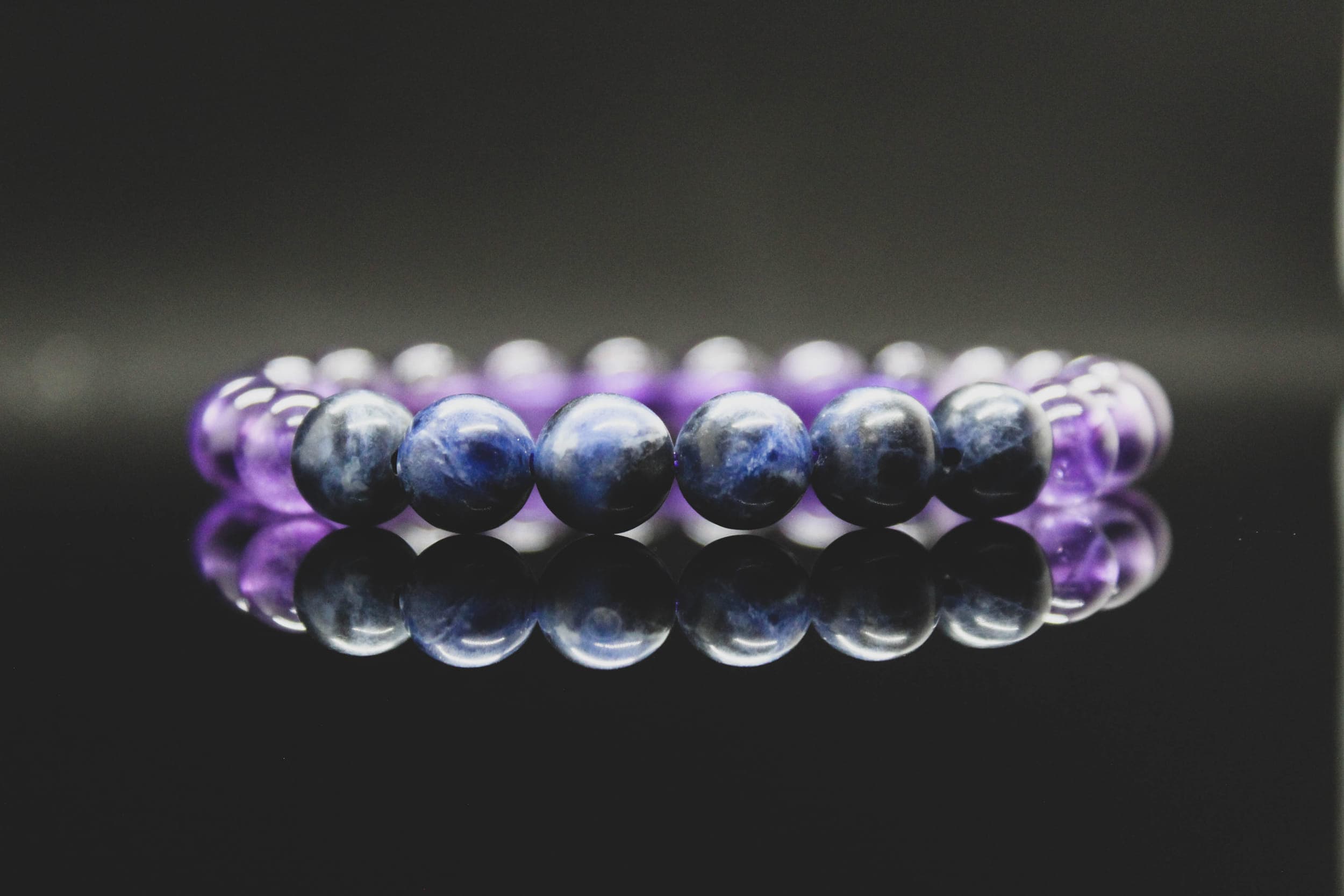
Creative Balance Energy Bracelet
$24.00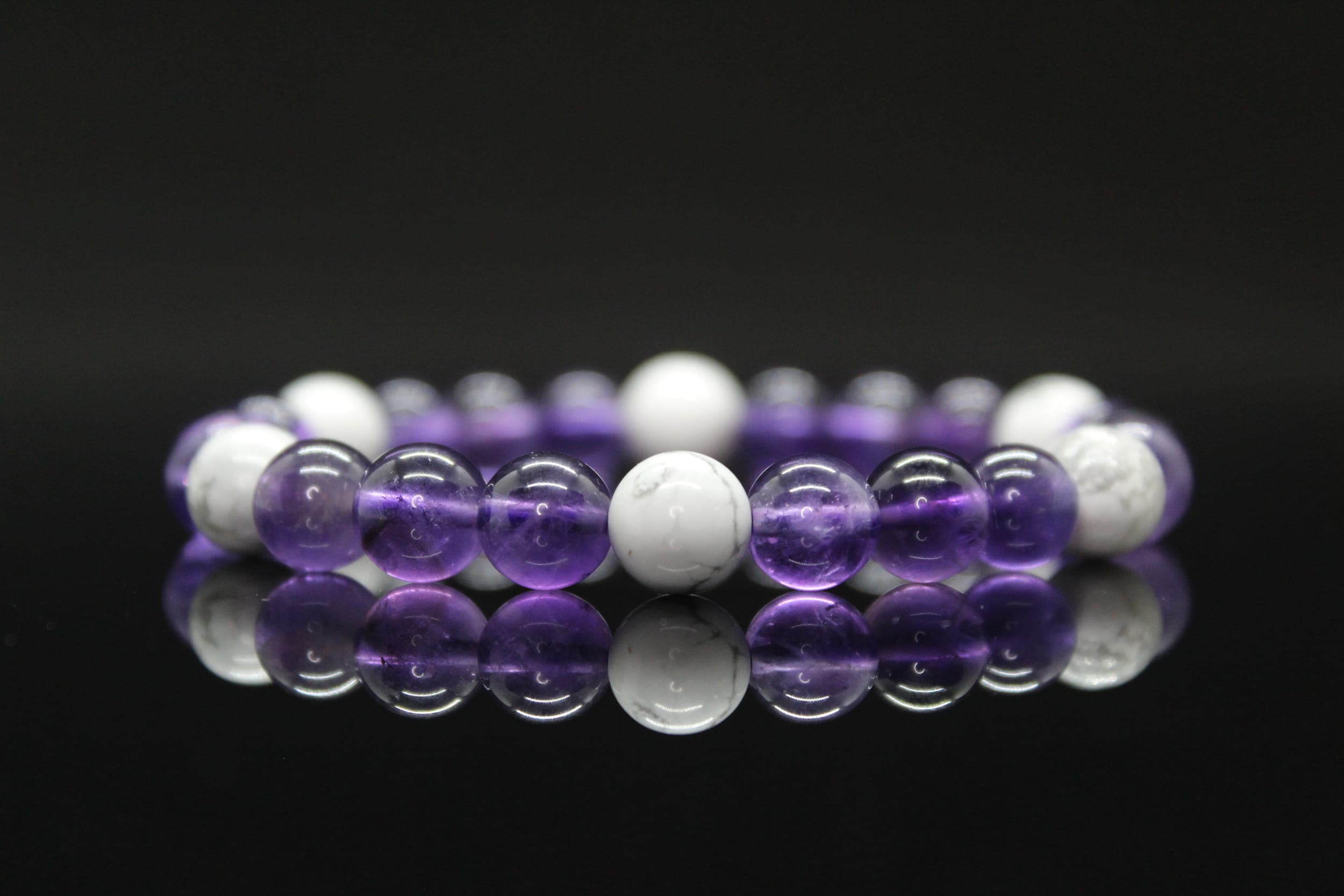
Higher Self Energy Bracelet
$24.00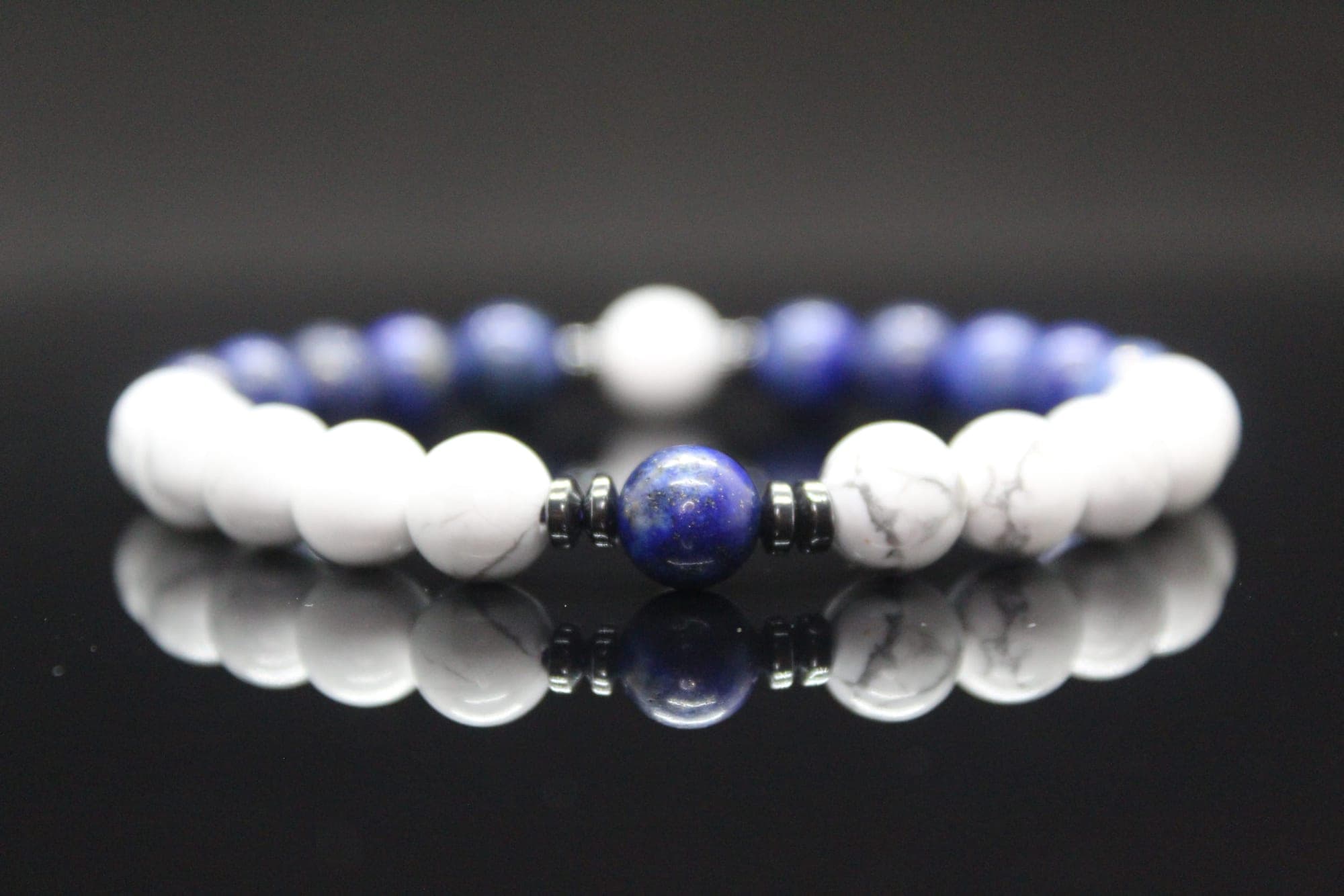
Divine Harmony Energy Bracelet
$24.00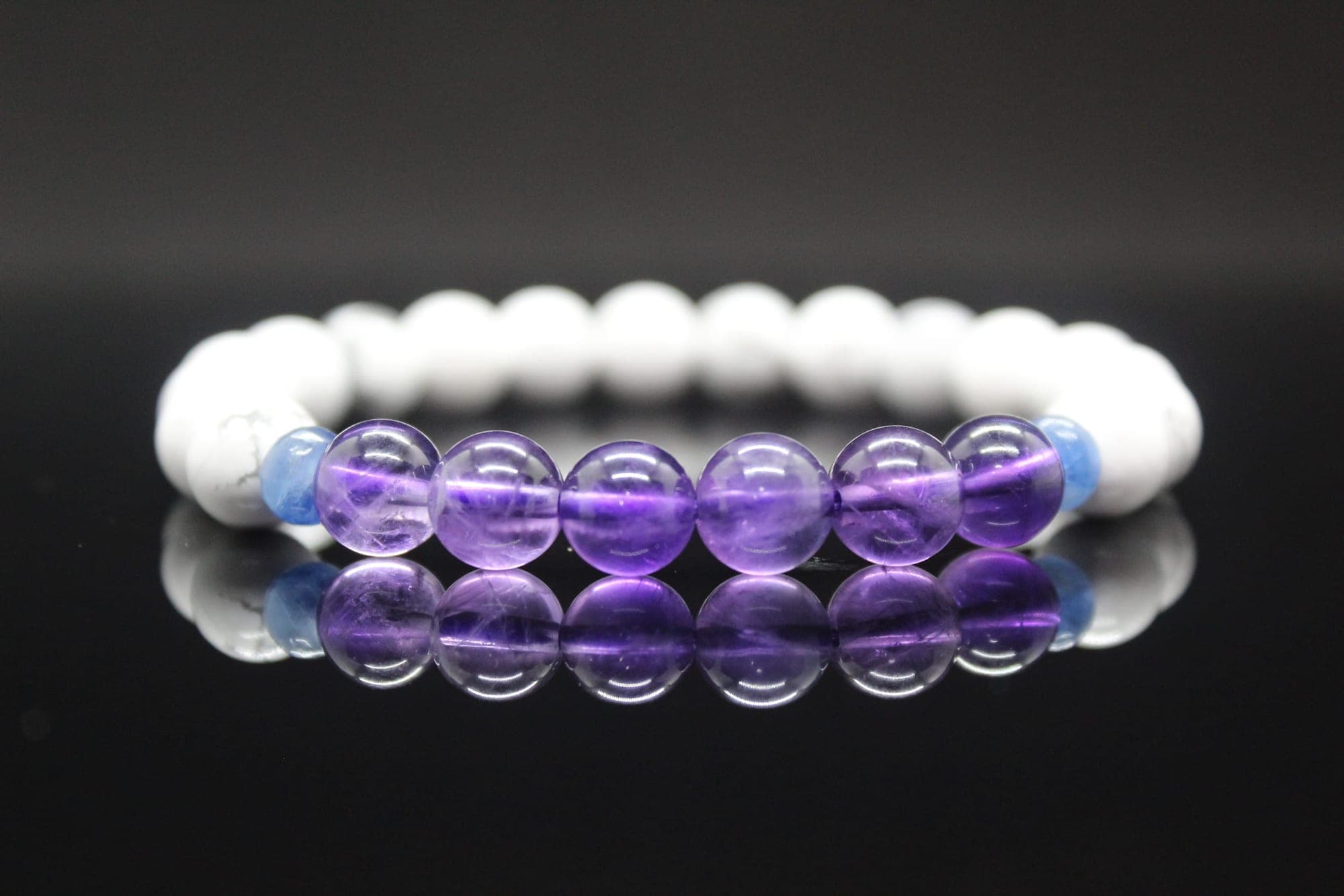
The Crown Energy Bracelet
$24.00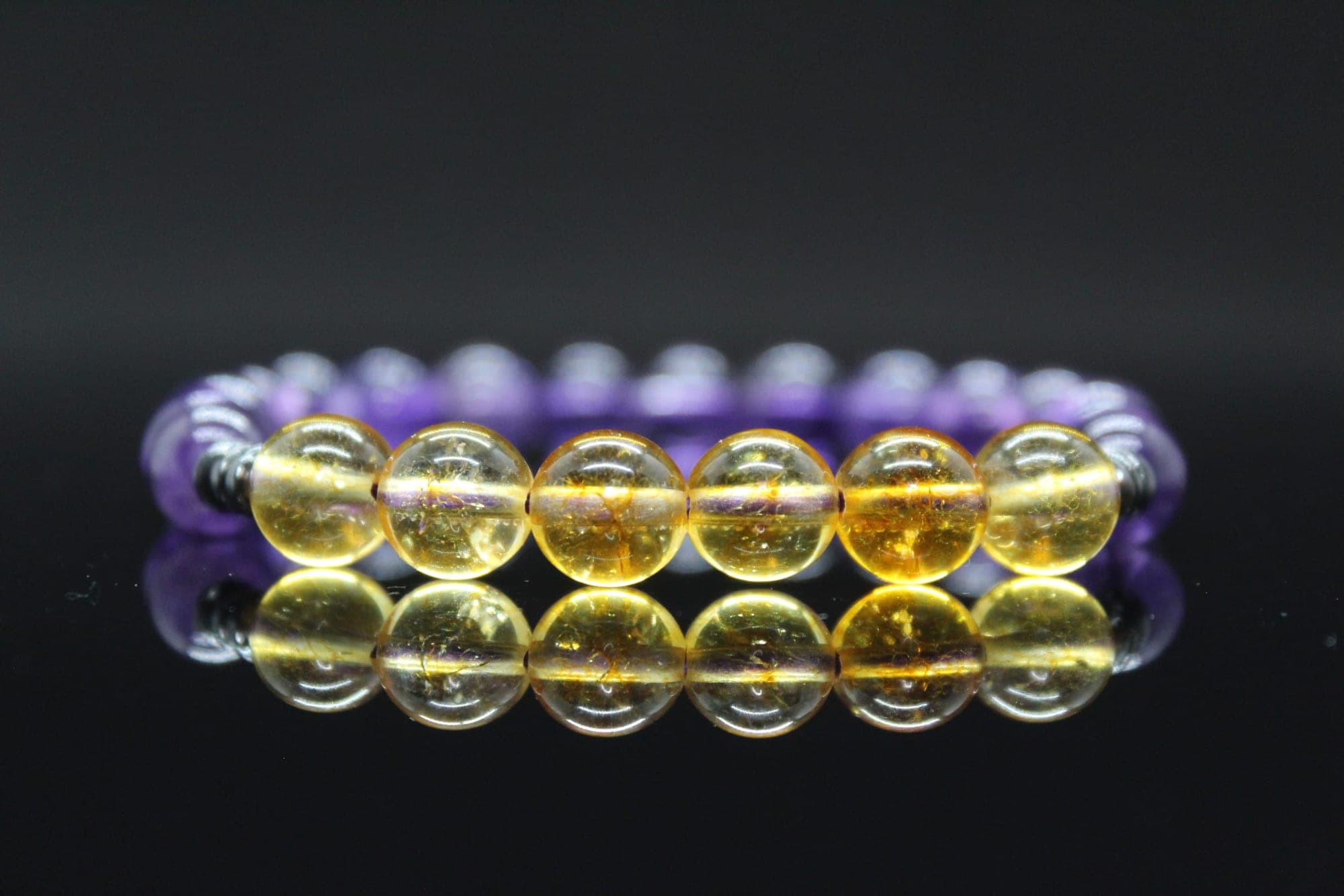
Clear Thoughts Energy Bracelet
$33.00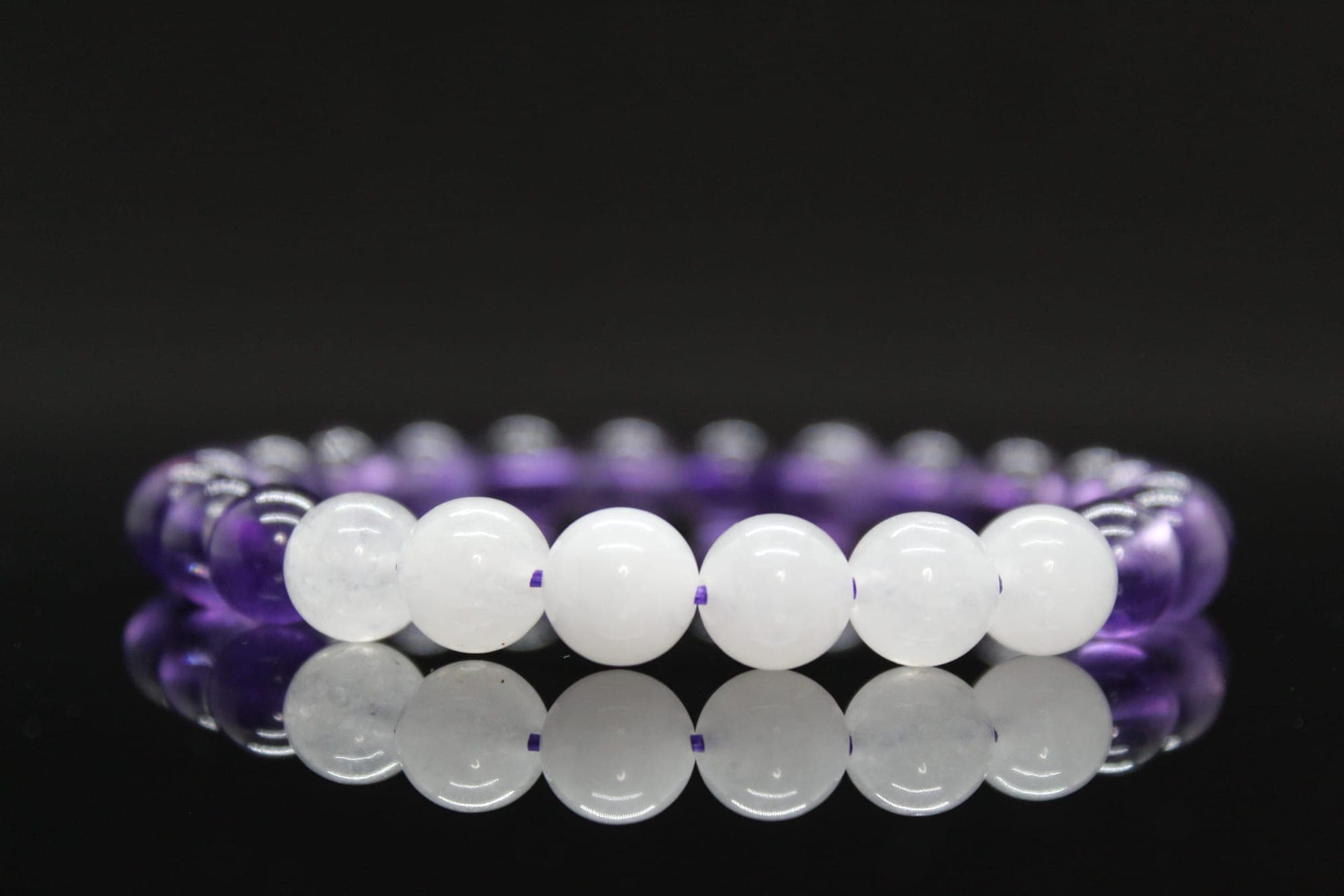
Divine Calming Energy Bracelet
$24.00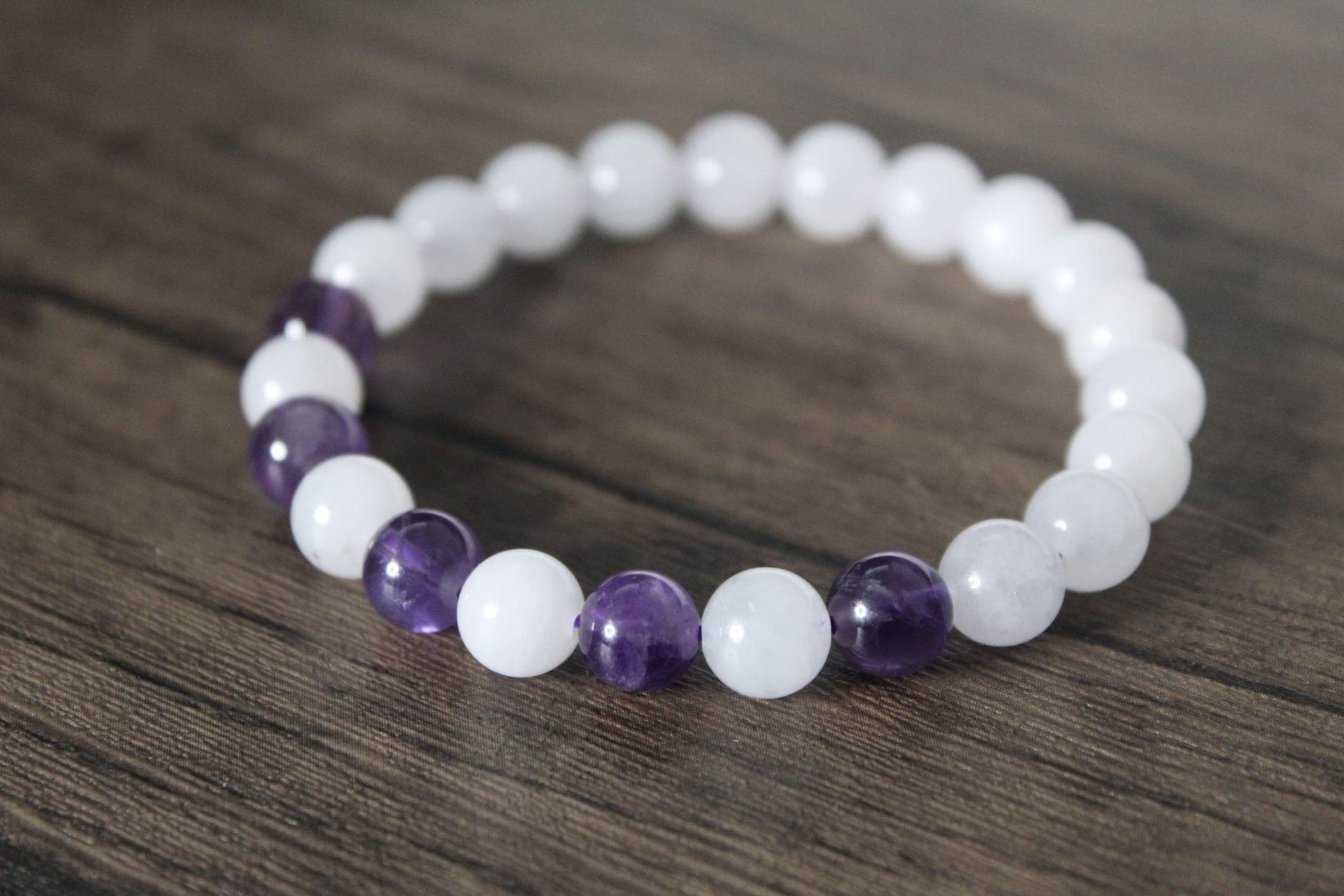
Divine Thoughts Energy Bracelet
$33.00