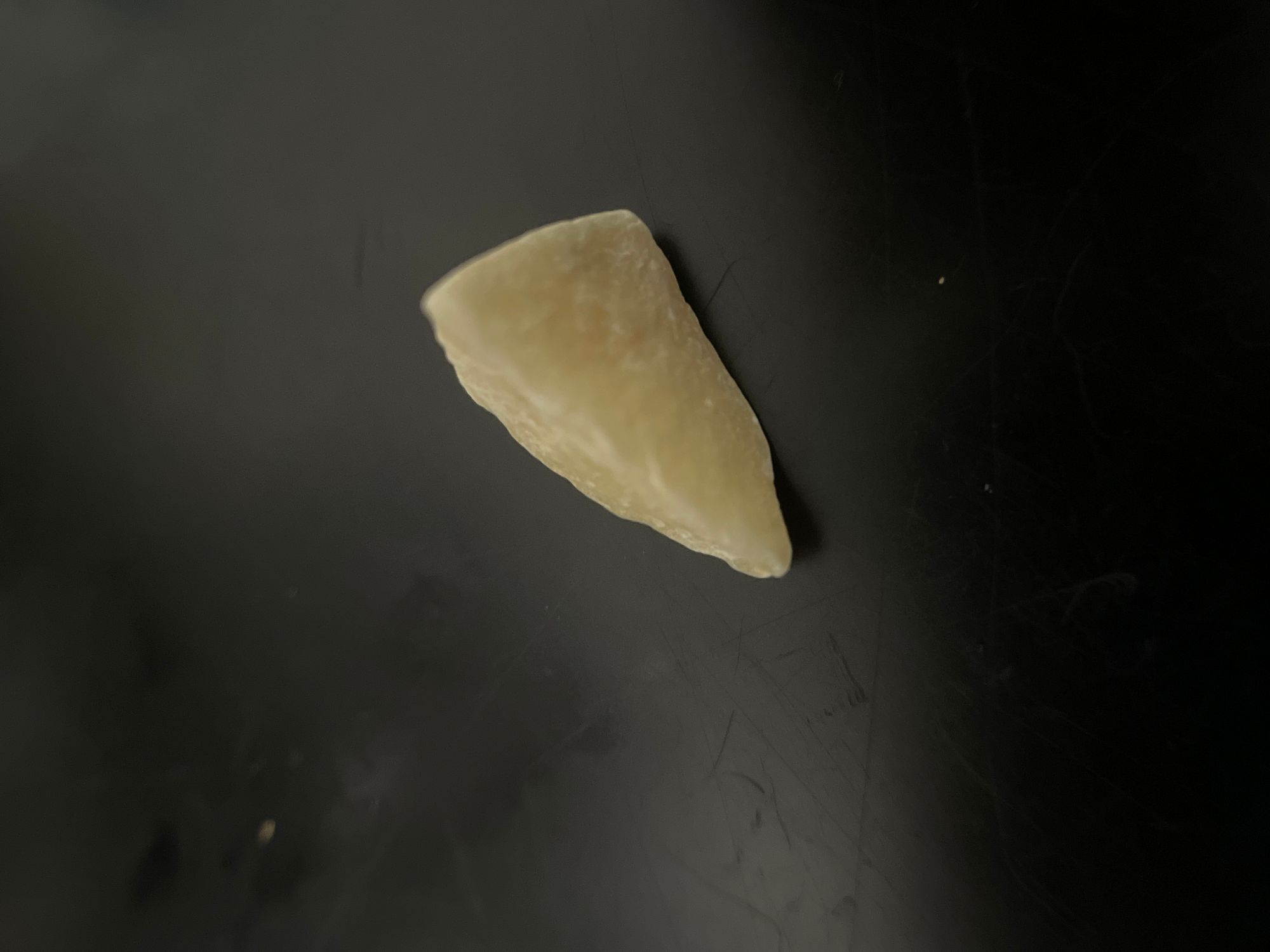
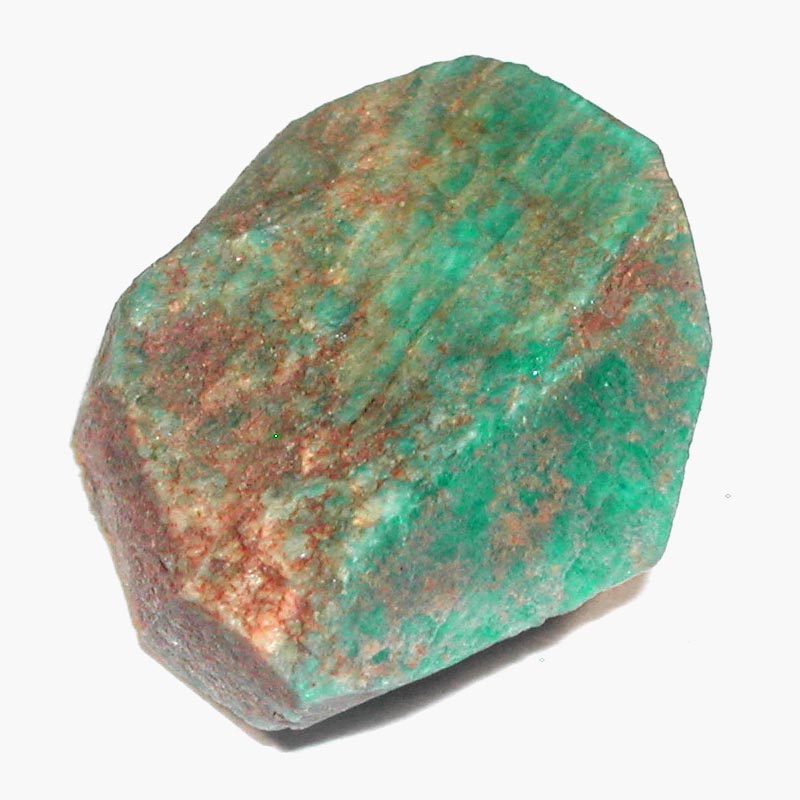
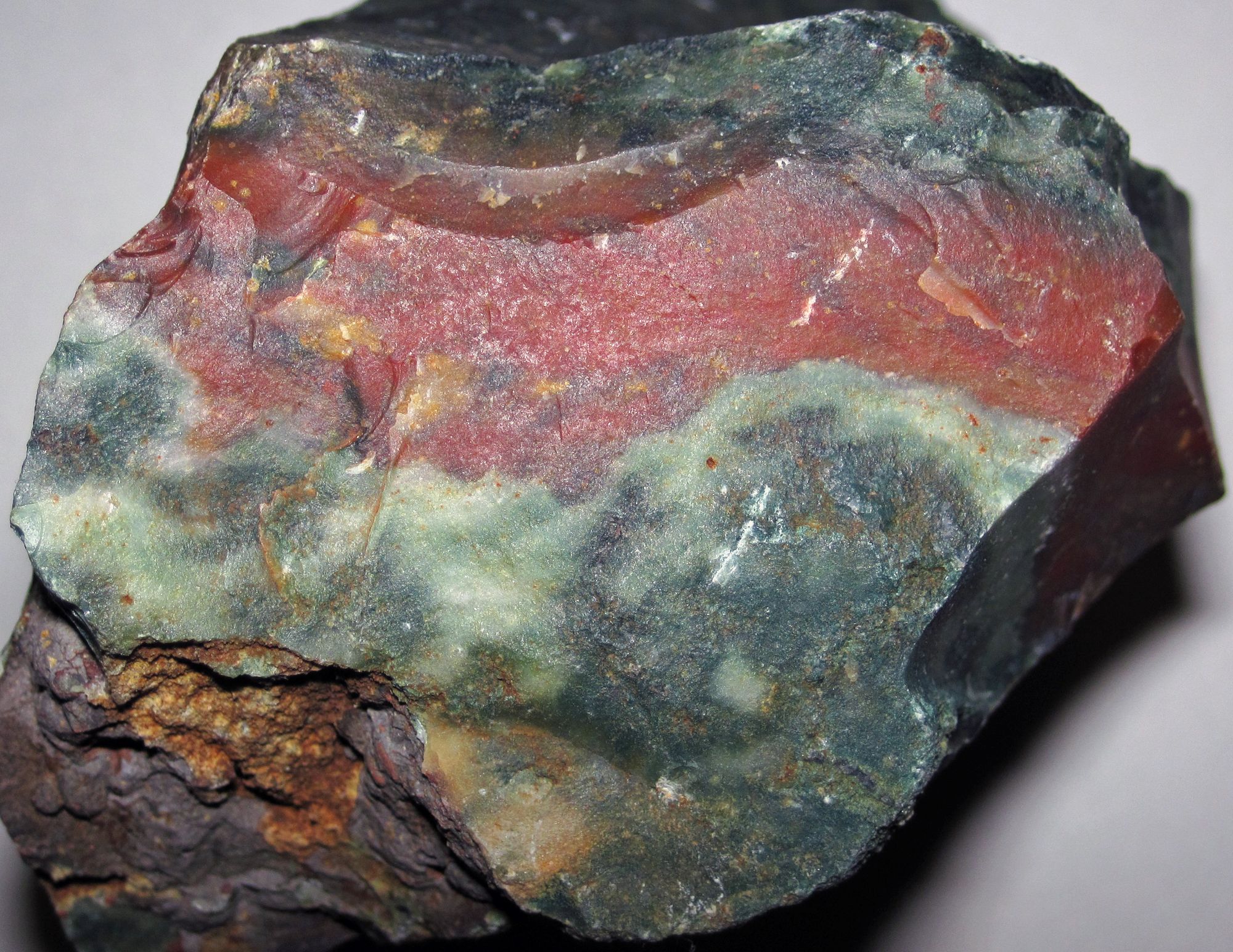
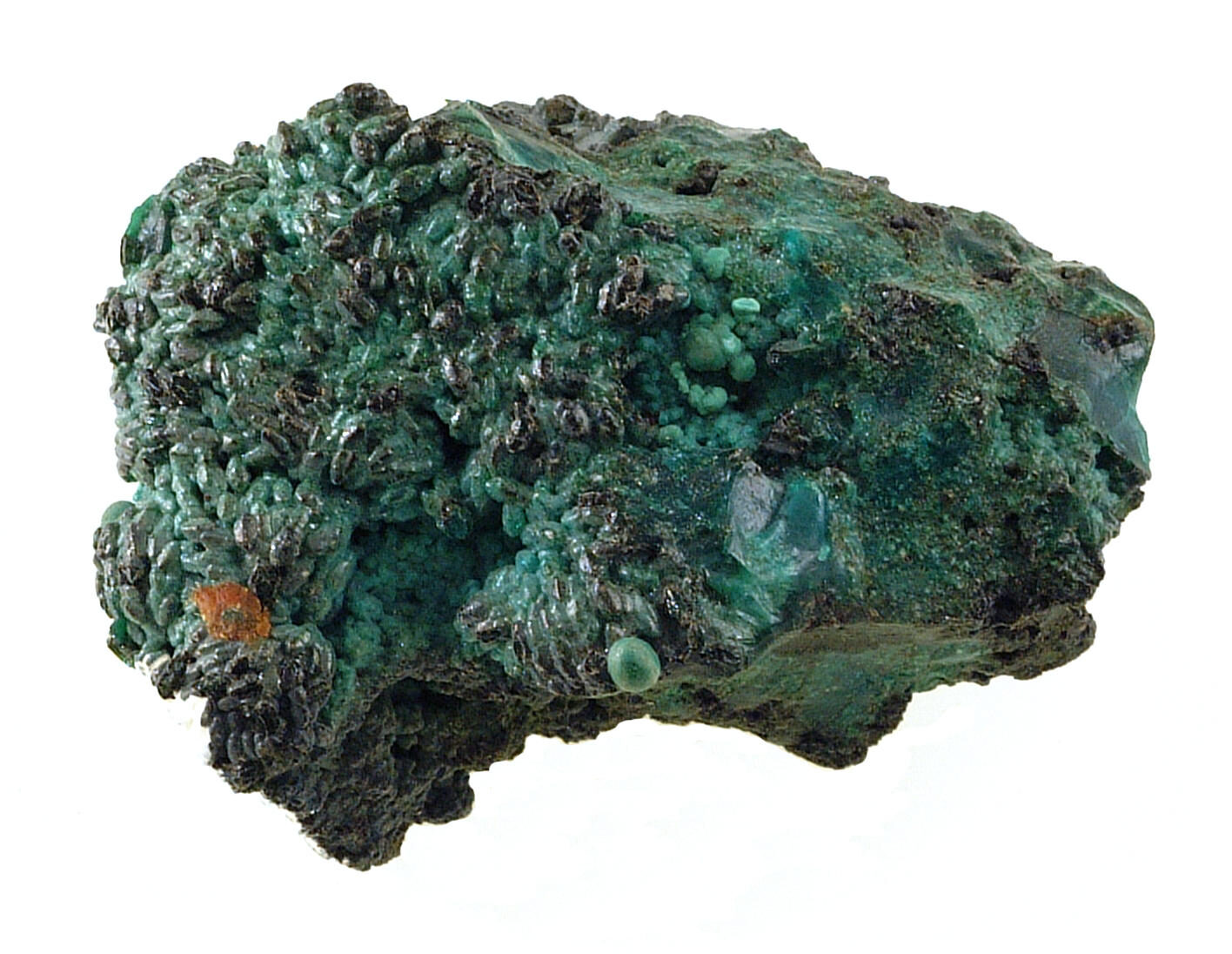
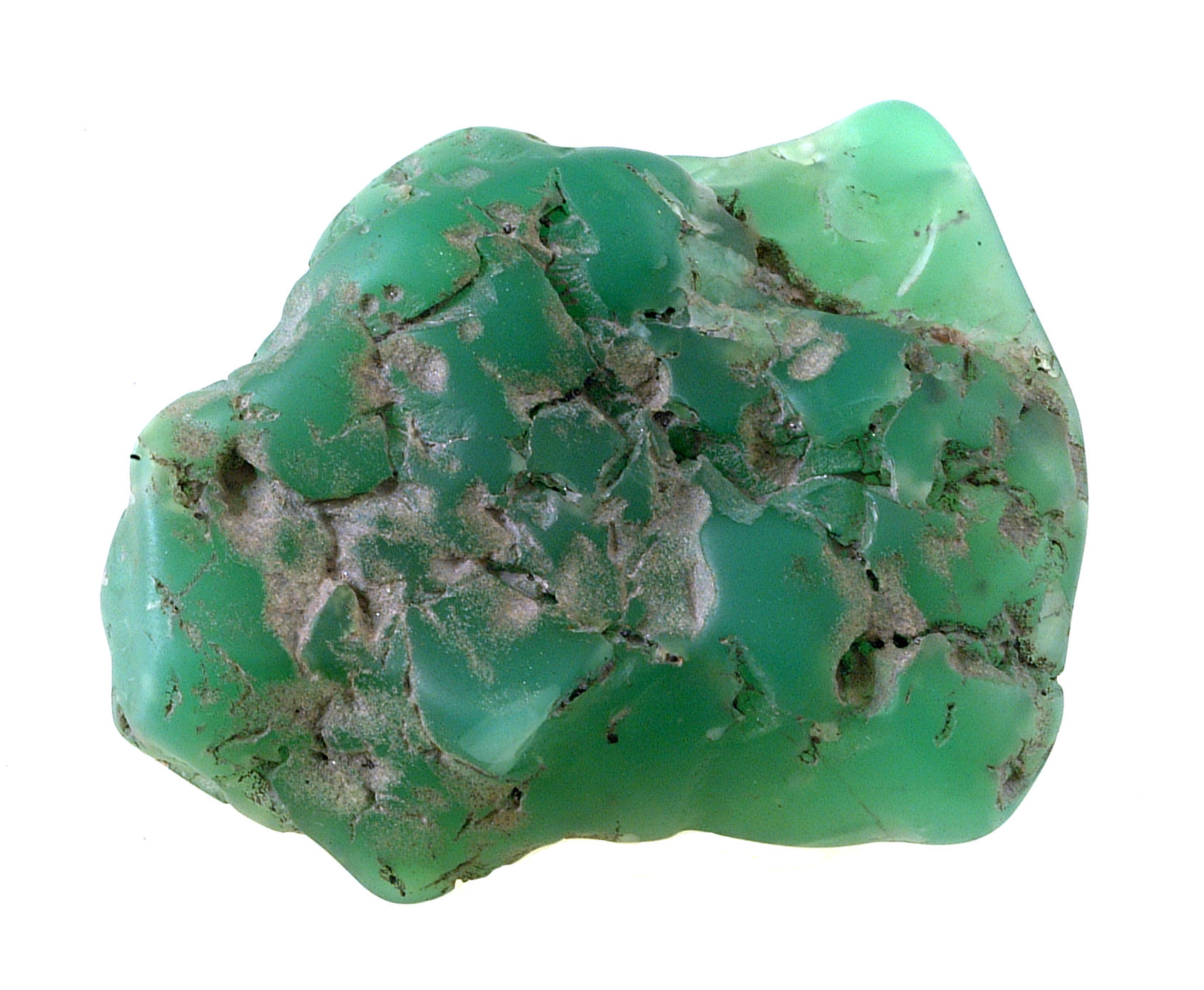
Photo: James St. John · CC BY 2.0 · Flickr
Meaning & uses
Jade Meaning
Revered across cultures for thousands of years — especially in East Asian tradition, where it's linked to purity, harmony, and good fortune — Jade carries a cool, quietly powerful heart-centered energy.
What Is Jade?
"Jade" actually refers to two entirely different minerals traded under one name: nephrite, a calcium-magnesium-iron silicate, and jadeite, a sodium-aluminum silicate. They aren't closely related chemically, but both share the extreme toughness that made Jade prized for carving long before it was prized for color. Jadeite is generally rarer and more valuable — the finest, most vivid green "imperial jade" is jadeite, and comes almost exclusively from Myanmar.

A Stone Once Worth More Than Gold
Jade has been worked in China for more than 5,000 years, and for much of that history it was valued above gold — used for ceremonial discs and tubes, imperial seals, and elaborate burial suits sewn from hundreds of jade plates for royalty, the most famous surviving examples dating to the Han Dynasty and stitched together with gold or silver thread depending on the wearer's rank. In Mesoamerica, jadeite held a similarly outsized status entirely independent of Chinese tradition: the Olmec, Maya, and Aztec civilizations all prized it above gold, carving it into death masks and royal ornamentation, a striking case of two unconnected civilizations arriving at the same conclusion about the same unrelated mineral.
Jade's cultural significance isn't limited to Asia and Mesoamerica, either. In New Zealand, nephrite — known as pounamu — holds sacred status in Māori culture, traditionally carved into tools, weapons, and ceremonial ornaments still treated as taonga, treasured heirlooms, today.
Meaning and Symbolism
Jade's meaning has stayed remarkably consistent everywhere it's been valued: harmony, quiet strength, and good fortune, more often given as a gift than bought for oneself. It's associated with a kind of durability that isn't loud about itself — toughness expressed as calm rather than force.
Carried or worn for
- Inviting harmony, luck, and prosperity
- Calming the heart and easing emotional turbulence
- Supporting longevity and steady wellbeing
- Encouraging wisdom gained through calm reflection
Chakra, Zodiac & Element
Jade is tied to the Heart Chakra, its most common green color a direct match for calm, balanced emotional openness. Its Wood and Earth elements are an unusual pairing in this directory, reflecting Jade's roots in Chinese five-element tradition, where Wood represents growth and flexible strength.
Astrologically it's linked to Taurus, Gemini, and Libra — signs spanning grounded steadiness, adaptability, and balance, the same range of qualities Jade itself is said to support.

The Many Varieties of Jade
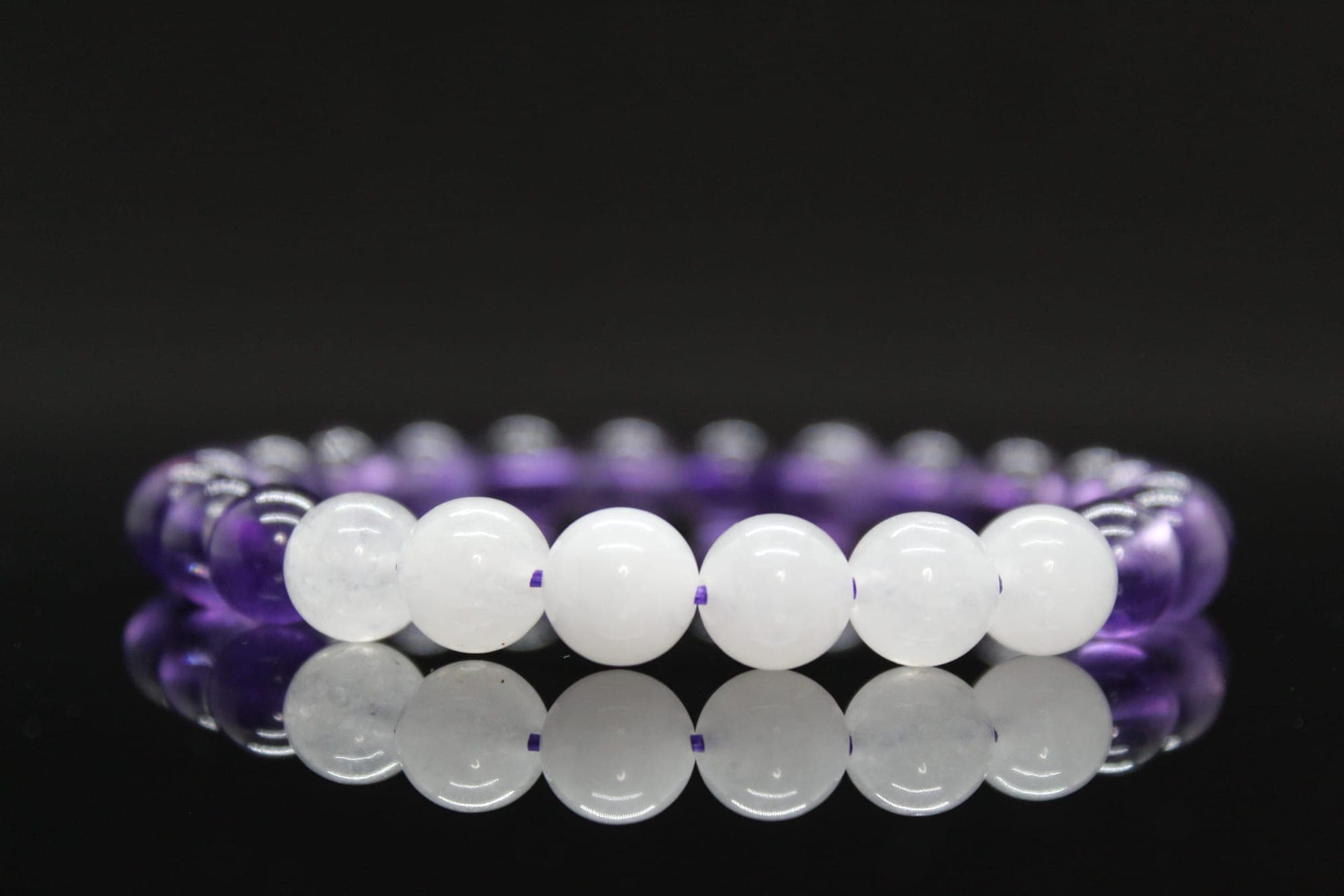
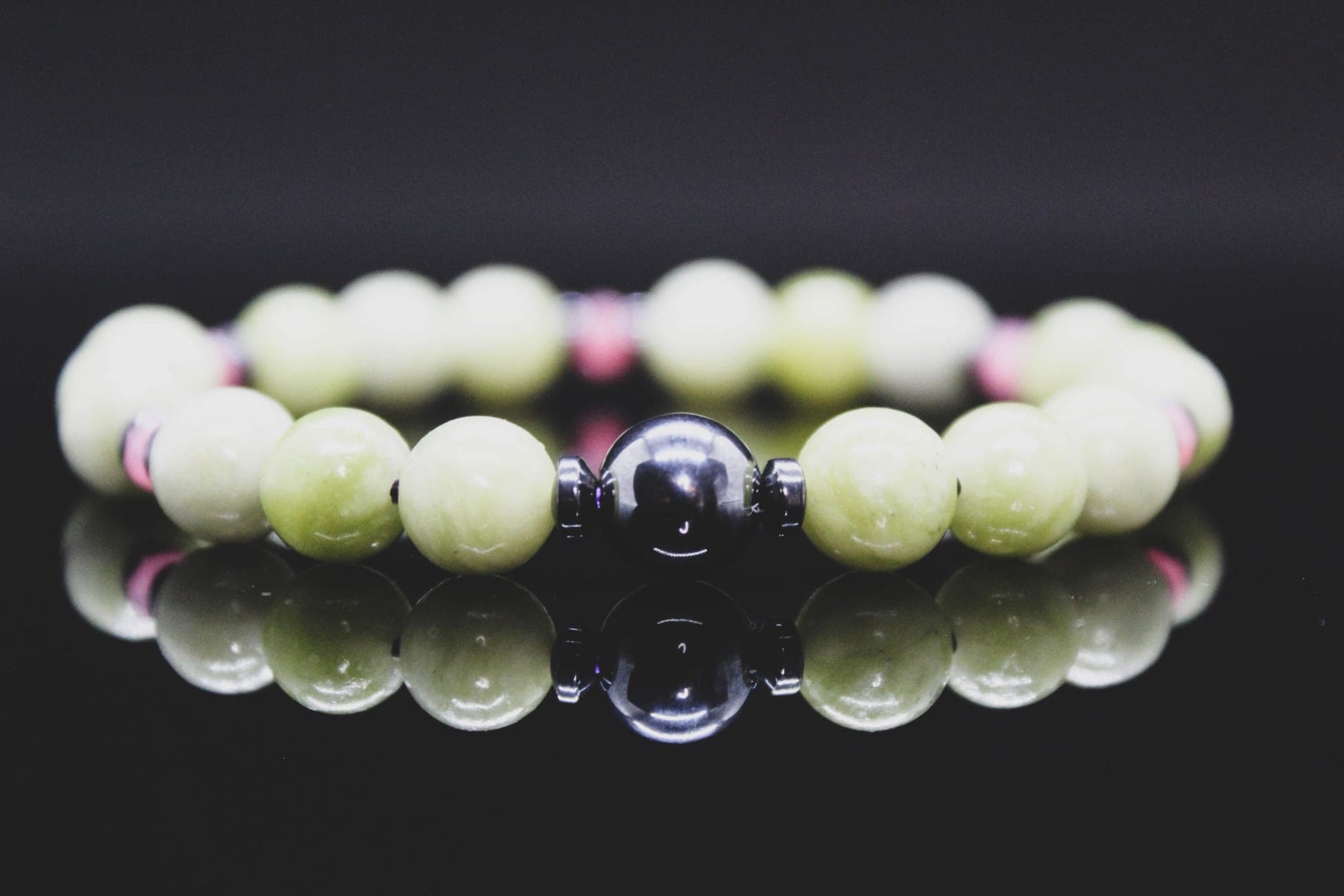
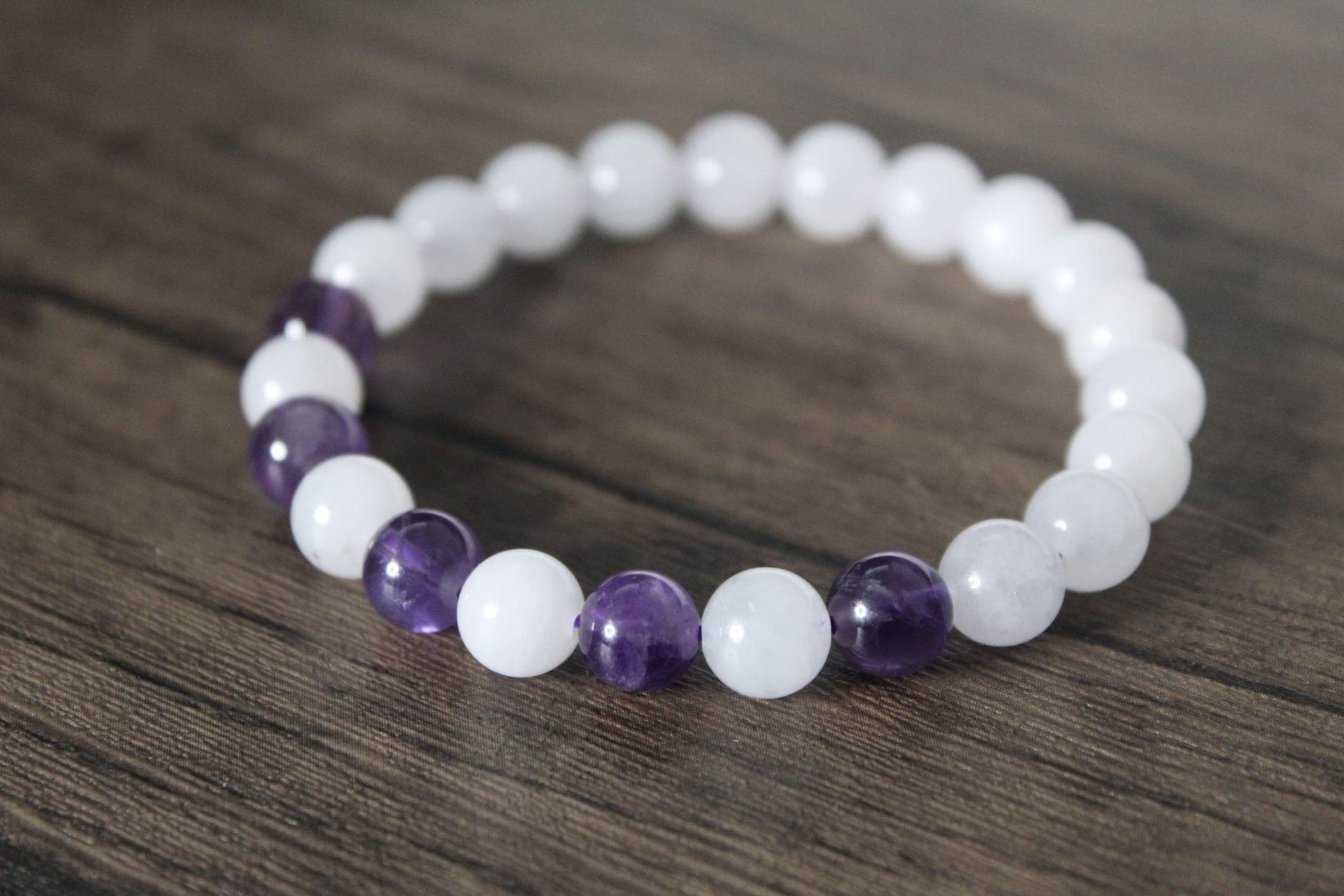
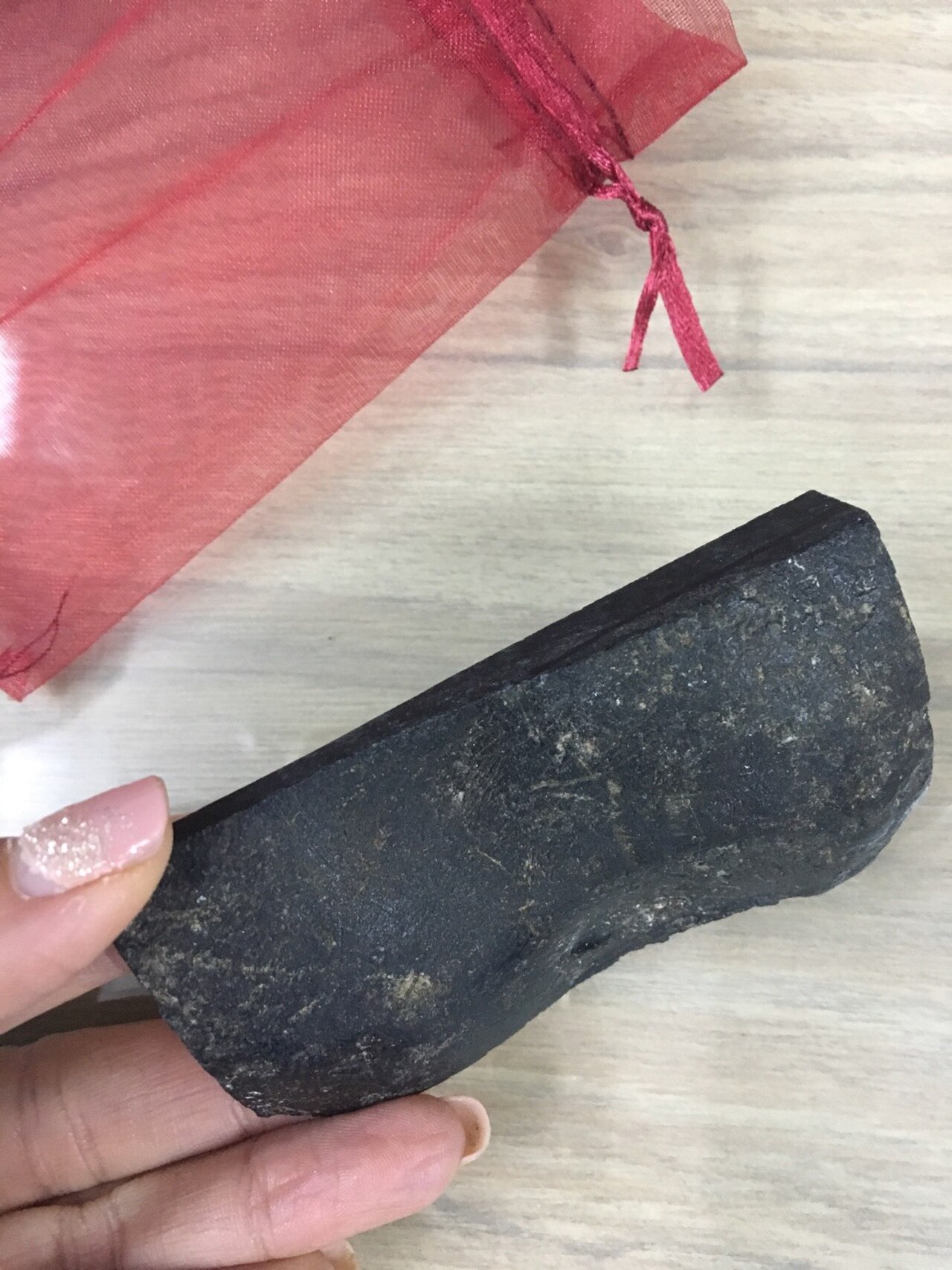
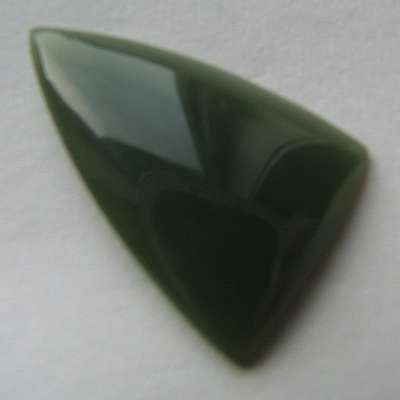
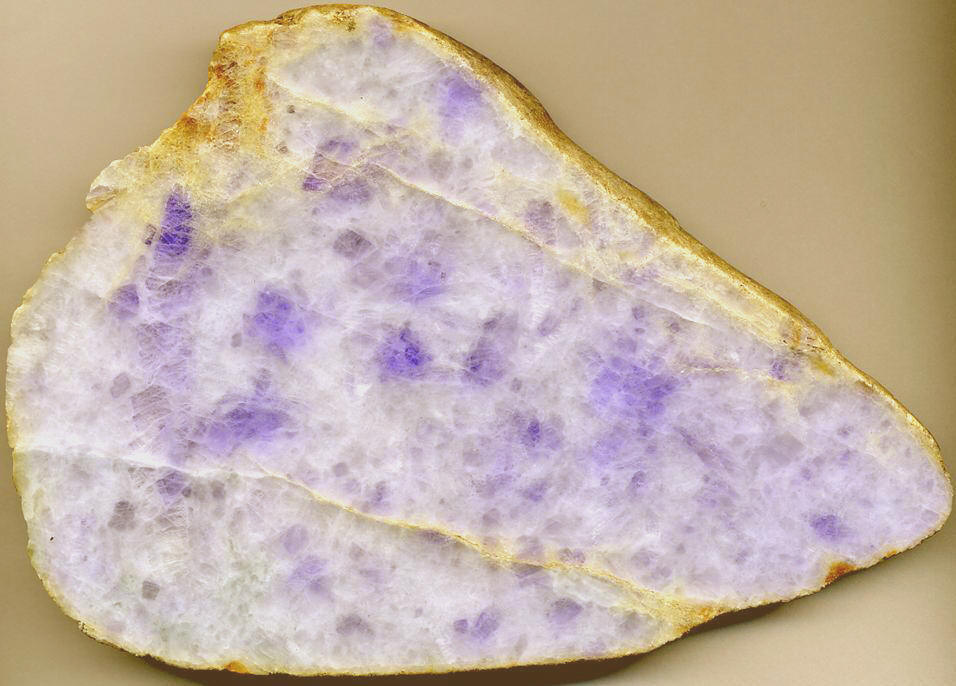
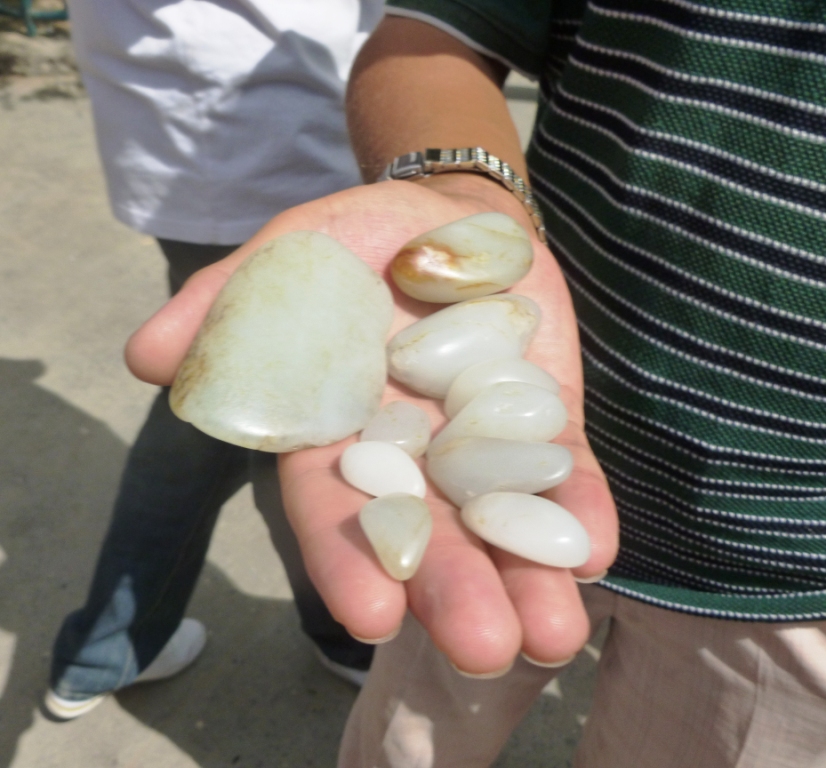
Jade's color range goes well beyond its famous green. Depending on trace minerals present during formation, Jade can turn up lavender, white, yellow, black, or a rare, energetic red — each carrying its own particular emphasis within Jade's broader theme of harmony and strength. You'll find the family's named color varieties just below.
How to Use and Care for Jade
At 6–7 on the Mohs scale, Jade is durable enough for daily wear in rings, bracelets, or pendants — its toughness is part of what made it so prized for carving in the first place. It's water-safe for routine cleansing.
Frequently Asked Questions
Is Jade one mineral or two?
Why was Jade more valuable than gold in ancient China?
What is Māori pounamu?
Is Jade safe to wear every day?
What chakra is Jade associated with?
Where does the finest Jade come from?
A timeless stone, traditionally gifted rather than self-purchased, for good fortune.
Shop this stone