Photo: JJ Harrison · CC BY-SA 4.0 · Wikimedia Commons
Rhodochrosite
Stone of the Compassionate Heart
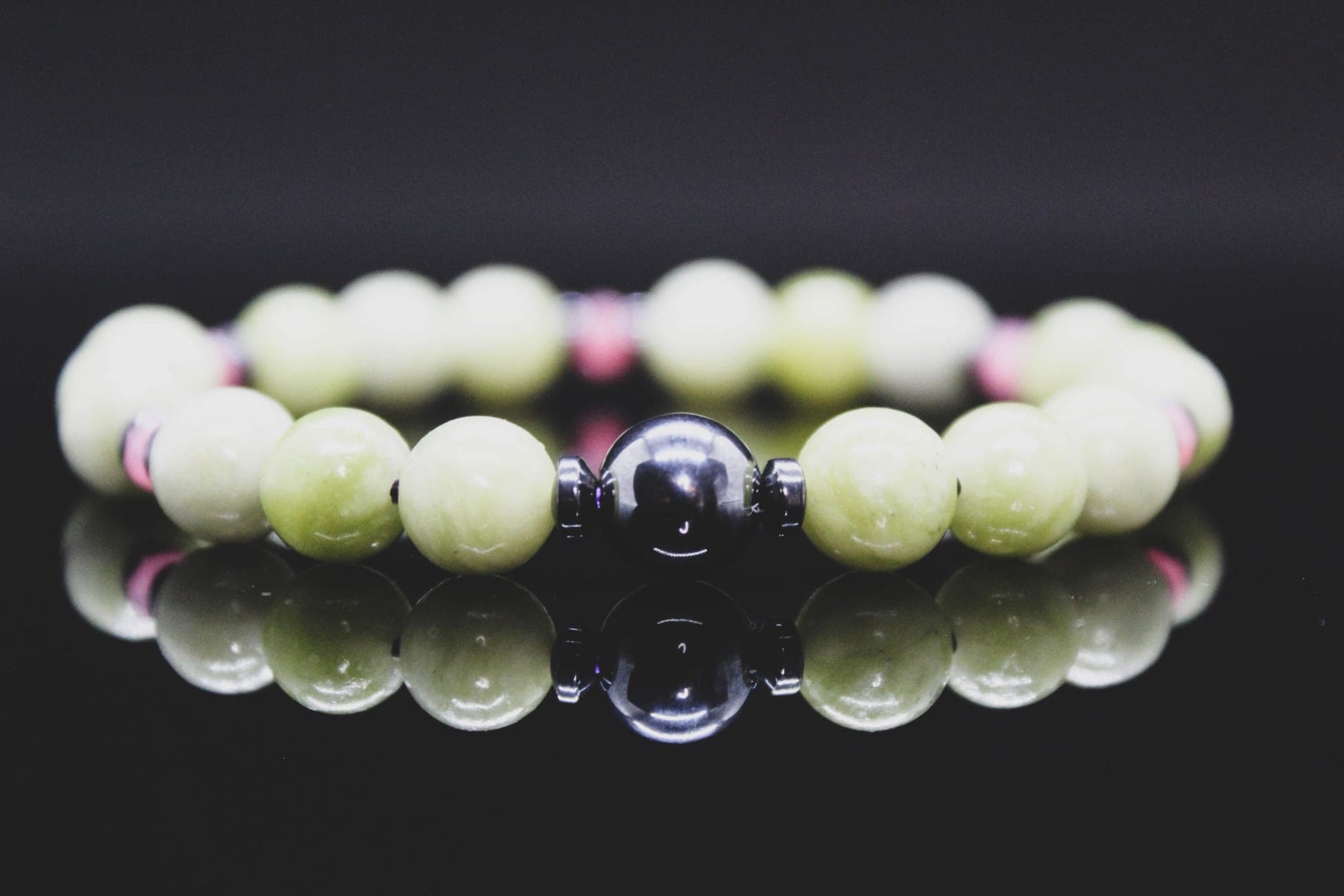
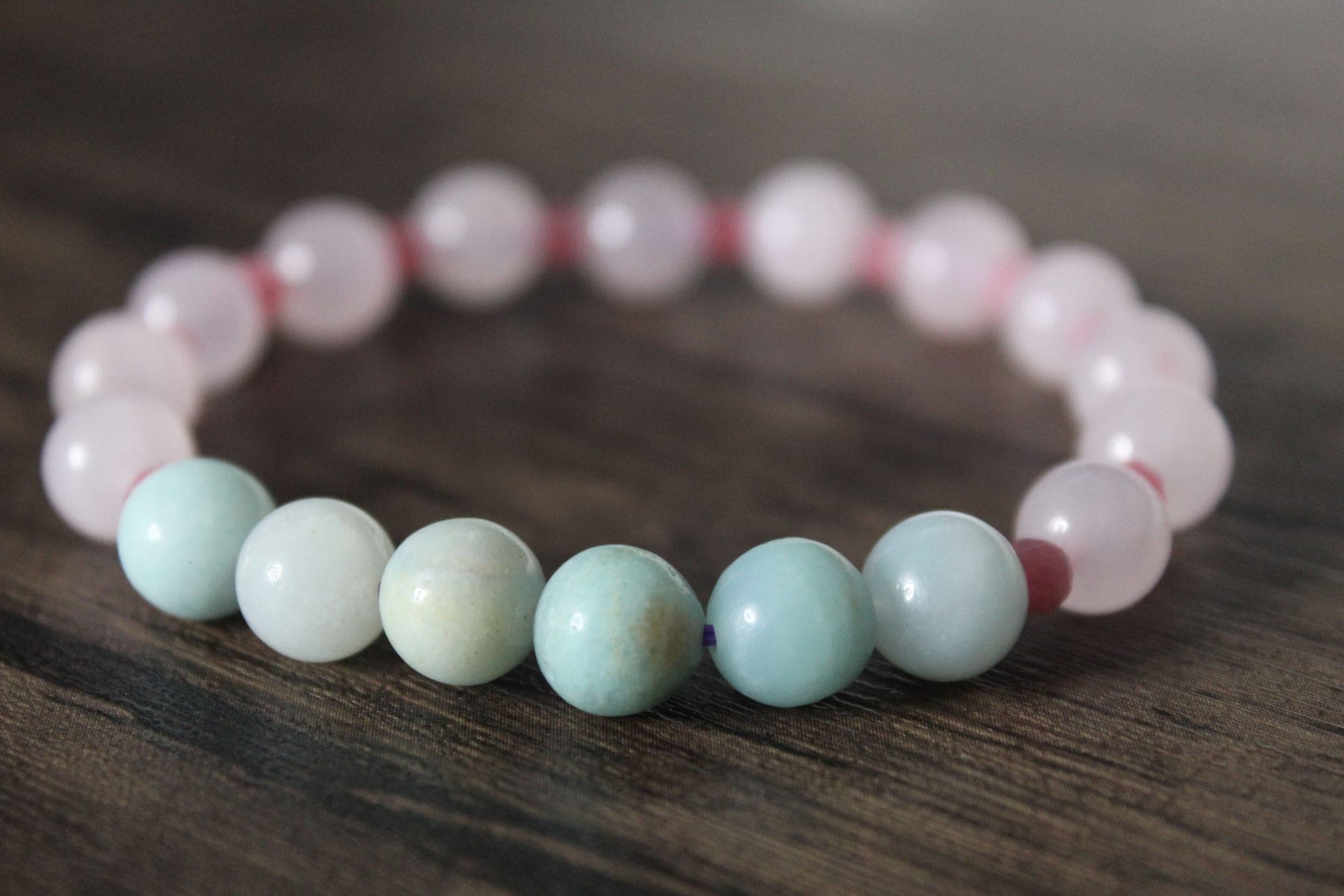
Shop 2 Rhodochrosite bracelets · from $33.00Energy Focus
Meaning & uses
Rhodochrosite Meaning
Found deep in silver mines and colored a tender, unmistakable pink, Rhodochrosite has built its reputation on an odd contrast — a genuinely soft, vulnerable stone that only ever turns up in some of the hardest, deepest places to reach.
What Is Rhodochrosite?
Rhodochrosite is manganese carbonate, part of the same carbonate mineral family as Calcite, with manganese standing in for calcium in the crystal structure. That manganese isn't a trace impurity — it's the mineral's defining ingredient, which is why Rhodochrosite's pink-to-rose-red color is built into what the stone actually is rather than added by chance. Its name comes directly from the Greek rhodo (rose) and chros (color), a description about as literal as a mineral name gets.
It typically forms in hydrothermal veins alongside silver ore deposits, which is why so much historically significant Rhodochrosite has been recovered as a byproduct of silver mining rather than sought out on its own. It often grows in banded, concentric layers, or as sharp rhombohedral crystals alongside other minerals like Barite in the same mineral-rich veins.

A Stone With a History
Rhodochrosite's most famous source is Argentina's Capillitas mine, high in the Andes of Catamarca province, where the stone has been recovered for generations — trade accounts describe it being worked in the region since the Inca era, giving rise to its enduring nickname, "Rosa del Inca," or Inca Rose. Whatever the full truth of its earliest mining history, Rhodochrosite's cultural standing in Argentina today is beyond dispute: it's the country's official national gemstone.

South Africa's N'Chwaning mine, in the Kalahari manganese fields, has more recently become known for producing some of the most vividly colored gem-quality Rhodochrosite in the world, sought after by collectors specifically for its saturated, near-solid red.
Meaning and Symbolism
Rhodochrosite's "Stone of the Compassionate Heart" reputation leans on a real contrast built into the stone itself: something this soft and tender-colored only ever forms deep underground, in demanding mining conditions, alongside a much tougher metal. That combination has made it a symbol less for easy, effortless love and more for compassion that's had to survive something difficult to reach the surface at all.
Its low hardness plays into the same symbolism. Rhodochrosite is genuinely fragile compared to most stones in this directory, and that physical vulnerability mirrors its traditional use — reached for specifically during deep, often old emotional work rather than everyday resilience.
Carried or worn to
- Support deep emotional healing, especially old wounds
- Encourage self-love and self-forgiveness
- Open the heart to giving and receiving compassion
- Build quiet confidence rooted in self-acceptance
Chakra, Zodiac & Element
Rhodochrosite is tied to the Heart Chakra, its rose-red color matching one of the most direct color-to-chakra associations in this entire directory. Its Fire element is a less obvious pairing for a pink stone, reflecting passion and warmth rather than the gentler Water element many heart-associated stones carry instead.
Astrologically it's linked to Leo and Scorpio — Leo for warmth and heart-led confidence, Scorpio for the depth and intensity its emotional-healing reputation draws on.
How to Use and Care for Rhodochrosite
At just 3.5–4 on the Mohs scale, Rhodochrosite is one of the softer stones in this directory, and as a carbonate mineral it's also sensitive to acids the way Calcite and Malachite are — perfume, household cleaners, and even prolonged skin contact with sweat can etch its surface over time. It suits pendants and earrings far better than rings or bracelets that see regular wear and knocks.
A brief rinse in plain water is fine, but skip acidic cleaning solutions and ultrasonic cleaners entirely. Rhodochrosite pairs especially well with Rose Quartz for deep emotional healing — Rhodochrosite reaches further back into old, often childhood-rooted wounds, while Rose Quartz holds the gentler, present-day self-love work alongside it; see our Crystal Combinations guide for more on why the pairing works.
Frequently Asked Questions
What is Rhodochrosite made of?
Why is Rhodochrosite called "Inca Rose"?
Is Rhodochrosite safe to wear every day?
Can Rhodochrosite get wet?
Is Rhodochrosite related to Calcite?
What chakra is Rhodochrosite associated with?
A tender stone that had to survive something hard just to reach the light.
Shop this stone
Bracelets with Rhodochrosite
Pairings
Rhodochrosite Pairs Well With
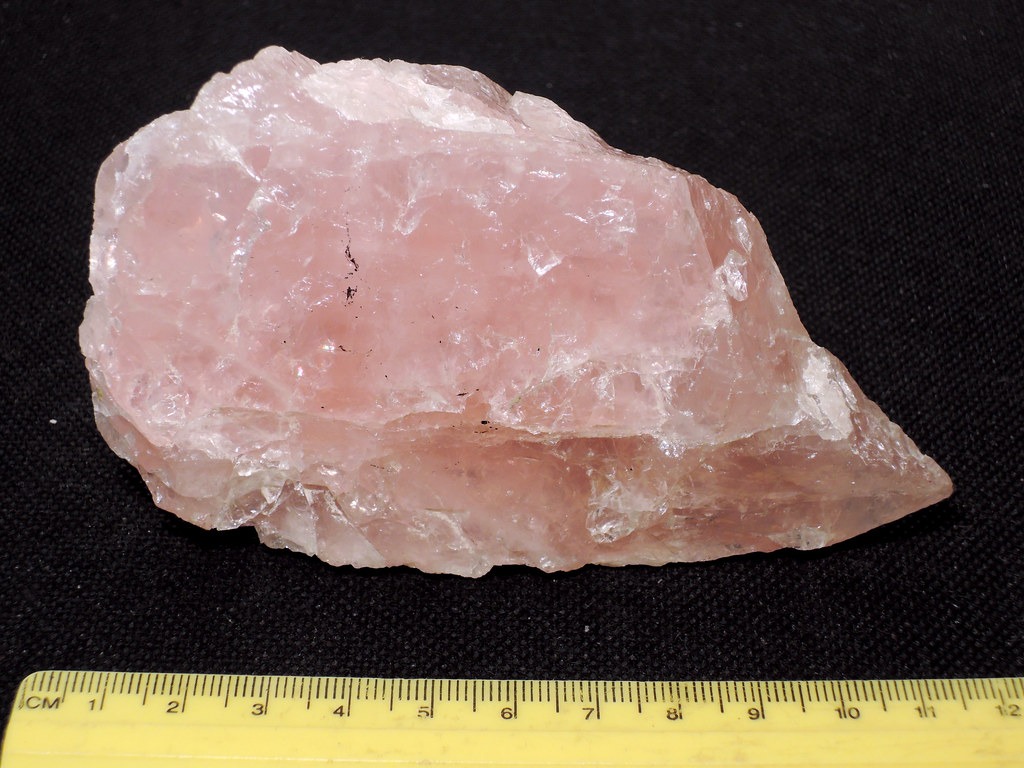
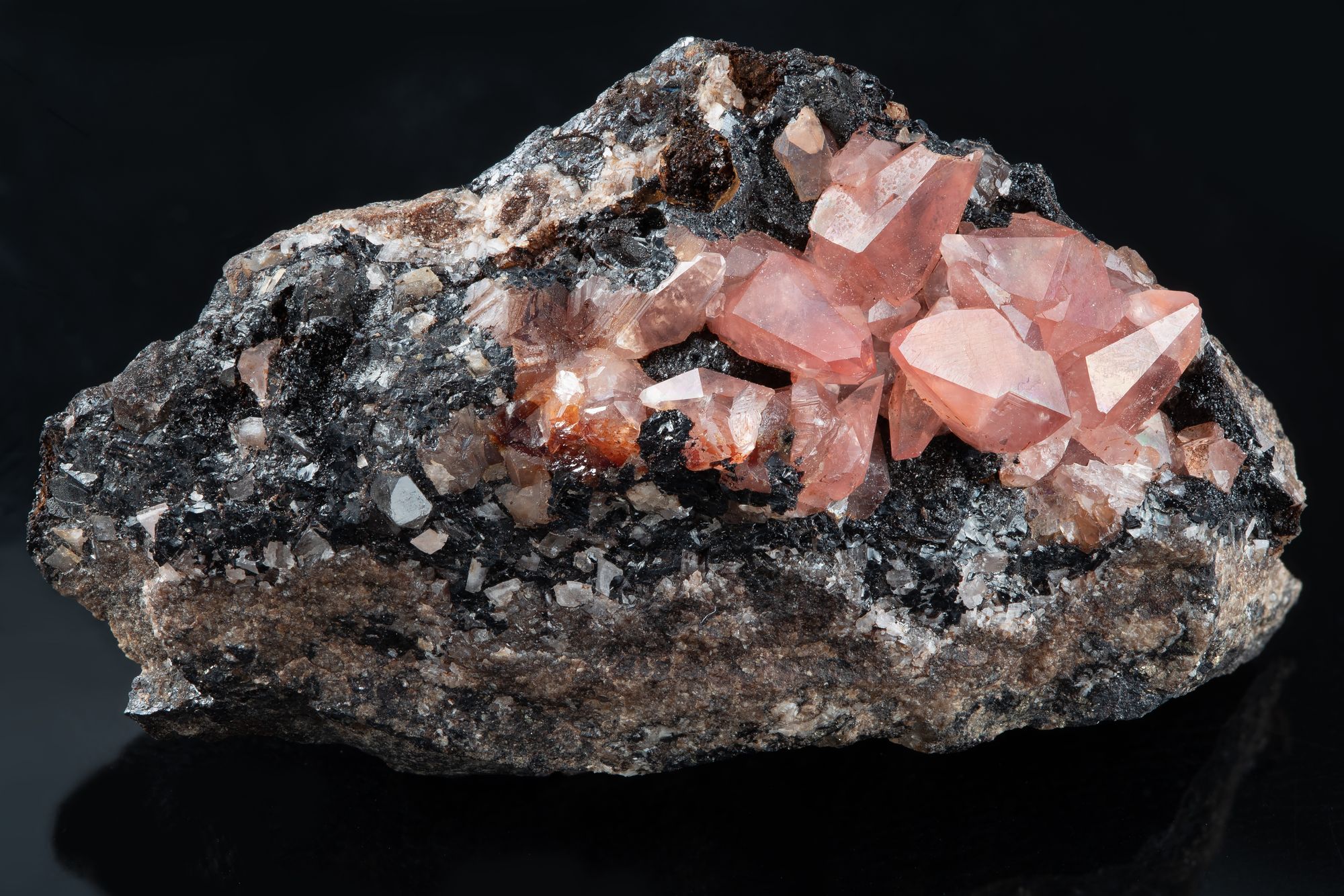
Rose Quartz + Rhodochrosite
Inner-child, self-love work
Rhodochrosite reaches further back than rose quartz does, into older and often childhood-rooted wounds, while rose quartz holds the gentler, present-day self-love work alongside it.
Read more →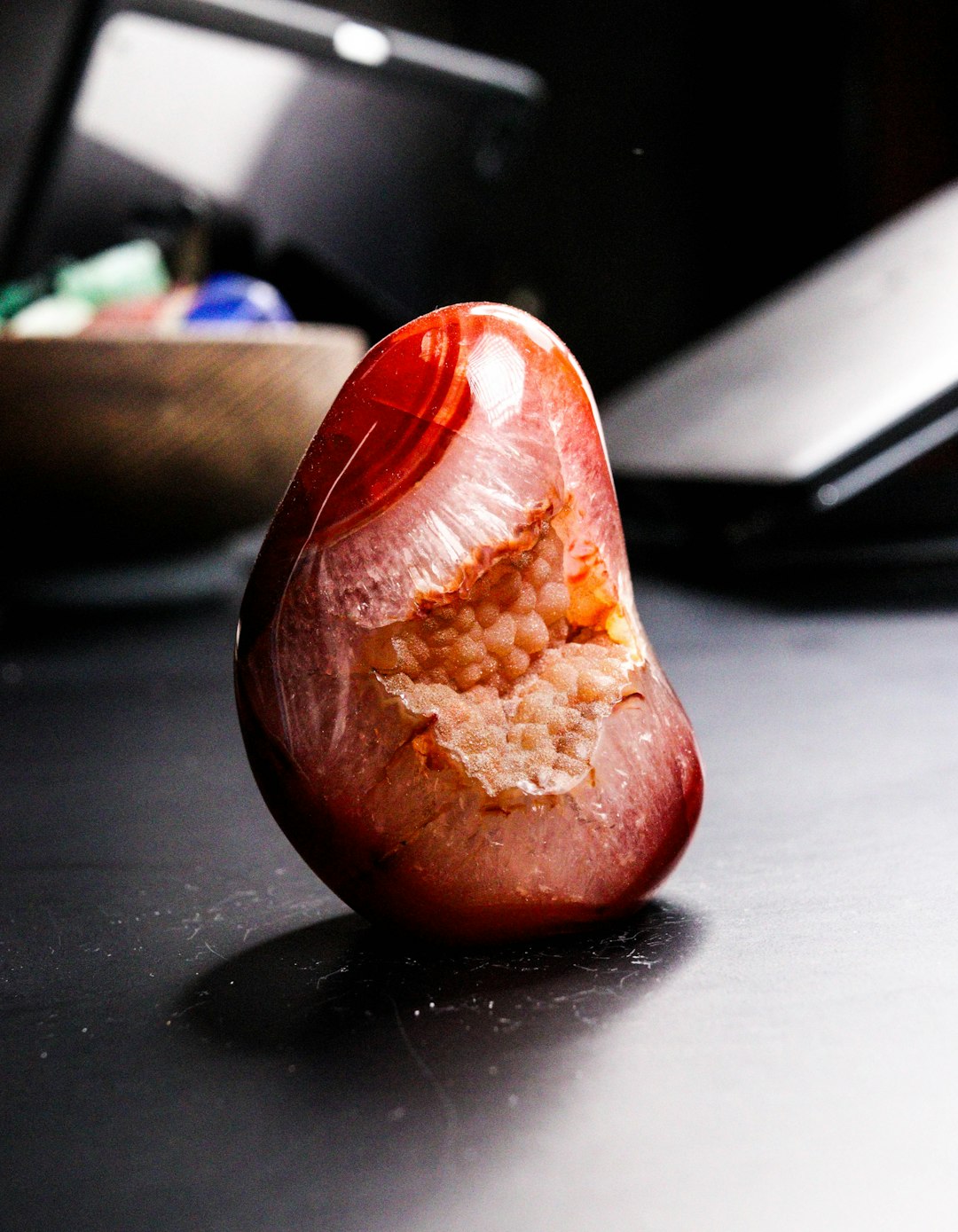
Carnelian + Rhodochrosite
Reopening the heart, creativity
Carnelian brings the spark and the motivation; rhodochrosite softens the old guardedness enough to let it in — warmth paired with the willingness to act on it.
Read more →