Photo: Ra'ike · CC BY-SA 3.0 · Wikimedia Commons
Ametrine
Stone of Dual Harmony
Energy Focus
Meaning & uses
Ametrine Meaning
A single crystal that's naturally half Amethyst and half Citrine, Ametrine forms only where very specific heating conditions occur deep underground — and nearly all of it comes from one mine in Bolivia.
What Is Ametrine?
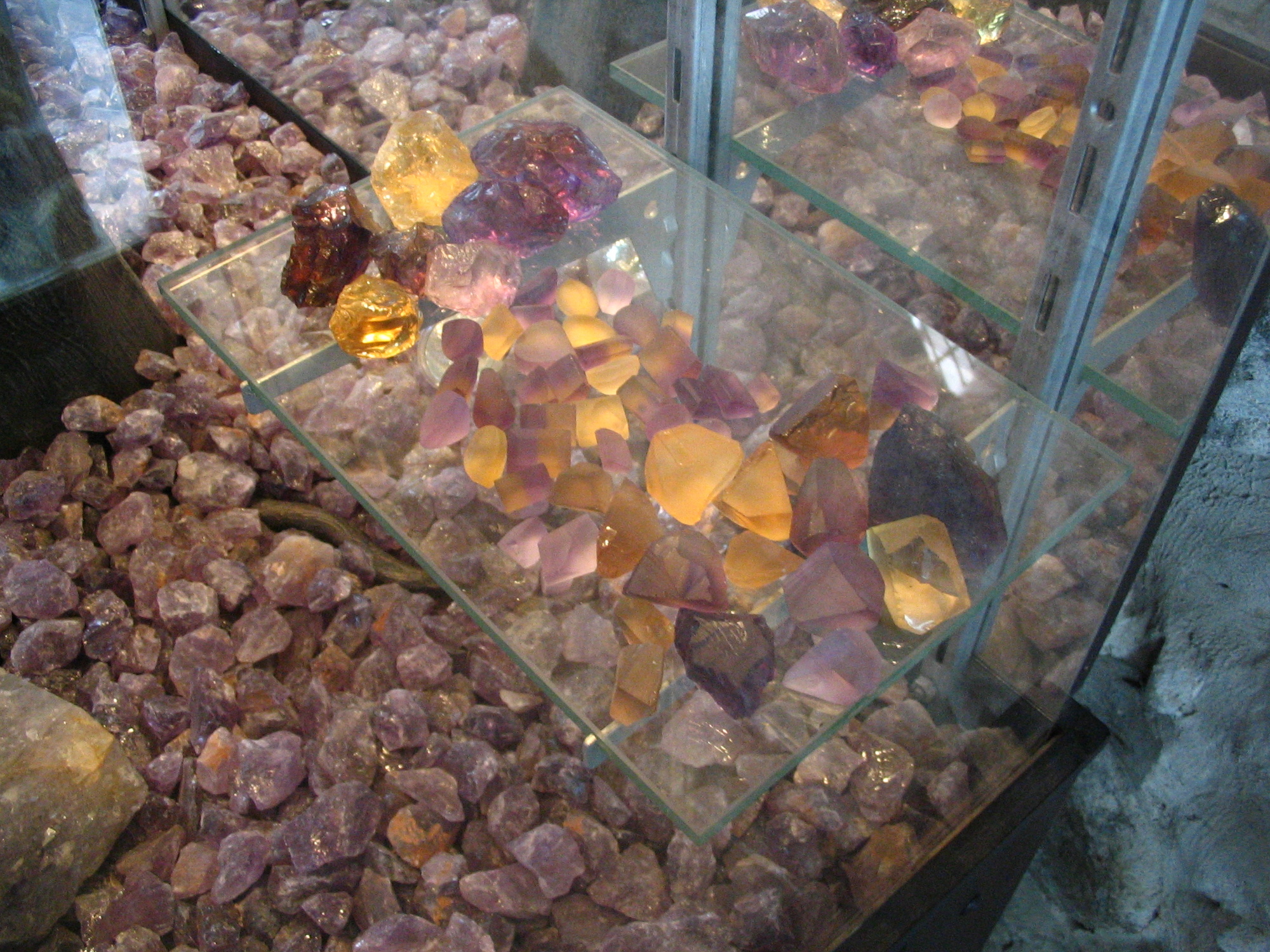
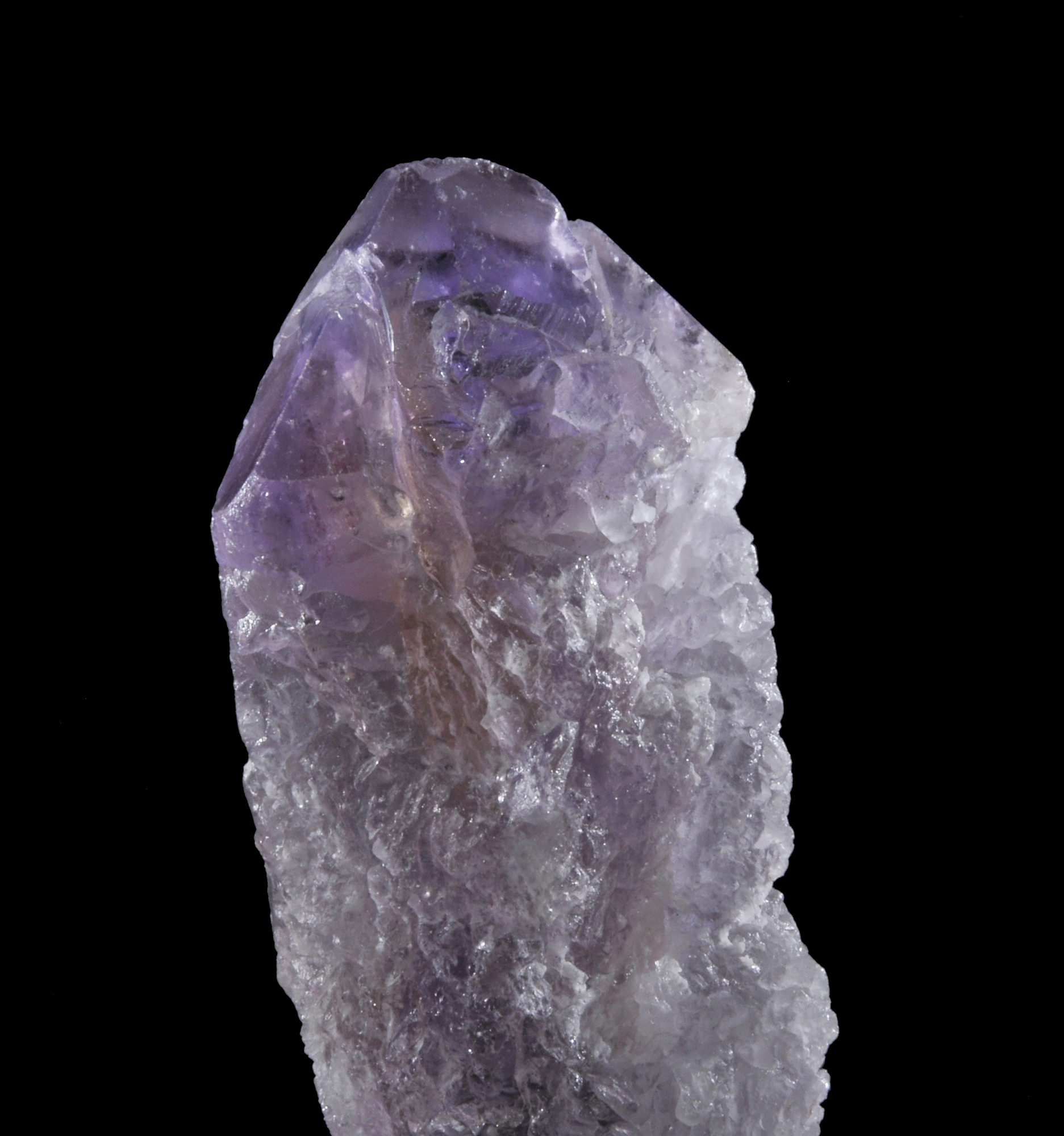
Ametrine is a naturally bicolored variety of quartz that combines the purple of Amethyst with the golden yellow of Citrine within a single crystal, the two colors meeting in a visible line rather than blending. Both colors come from trace iron within the quartz lattice — Amethyst's purple comes from iron altered by natural irradiation, while Citrine's yellow comes from iron altered by heat, meaning Ametrine only forms where a crystal experienced a distinct temperature gradient during growth, heating one end while leaving the other cooler.
That specific geological condition is rare enough that, until synthetic and heat-treated versions became available, nearly all of the world's natural Ametrine came from a single source: the Anahí mine in eastern Bolivia.
A Stone With a History
Ametrine's documented history is short compared to most stones in this directory — the Anahí mine was only rediscovered in the 20th century, though local legend holds it was first found centuries earlier by a Spanish conquistador who received the mine as a dowry after marrying into the indigenous Ayoreo people, naming it after his wife, Anahí. Whether or not that specific story is accurate, Bolivia's Anahí deposit remains the source most associated with genuine natural Ametrine, and much of what's sold today is either from that mine or produced by heat-treating Amethyst to create the same two-tone effect artificially.
Meaning and Symbolism
Ametrine's meaning follows directly from what it visibly is: two distinct energies, Amethyst's calm clarity and Citrine's confident abundance, held in balance within one stone. It's traditionally read as a symbol of harmony between opposites — mind and emotion, rest and action — rather than favoring one quality over the other.
That balancing reputation makes Ametrine a stone reached for less to amplify one specific intention and more to bring two competing needs into alignment at once.
Carried or worn to
- Balance opposing energies or competing needs
- Support mental clarity alongside confident action
- Ease indecision during major choices
- Invite calm, steady abundance
Chakra, Zodiac & Element
Ametrine is tied to both the Solar Plexus and Crown Chakras, inheriting Citrine's confidence-building solar plexus association and Amethyst's crown-chakra clarity in equal measure. Its Fire and Air elements reflect the same dual nature — Fire for Citrine's warmth and action, Air for Amethyst's clarity and calm.
Astrologically it's linked to Libra, a sign whose entire symbol is a set of balanced scales — a fitting match for a stone defined by holding two things in balance.
How to Use and Care for Ametrine
At 7 on the Mohs scale, Ametrine wears as well as any other quartz variety, durable enough for daily rings, bracelets, or pendants, and generally water-safe for routine cleansing. Because much of the Ametrine on the market is heat-treated Amethyst rather than natural bicolored quartz, ask about origin if a genuinely natural stone matters to you — either way, care is the same.
Frequently Asked Questions
Is Ametrine a real, natural stone?
Where does natural Ametrine come from?
Is Ametrine safe to wear every day?
What's the difference between natural and heat-treated Ametrine?
What chakra is Ametrine associated with?
A single stone that never had to choose between two different kinds of energy.
Shop by energy
Bracelets for the Solar Plexus and Crown chakras
We don't have an Ametrine bracelet yet. These share its Solar Plexus or Crown chakra energy.
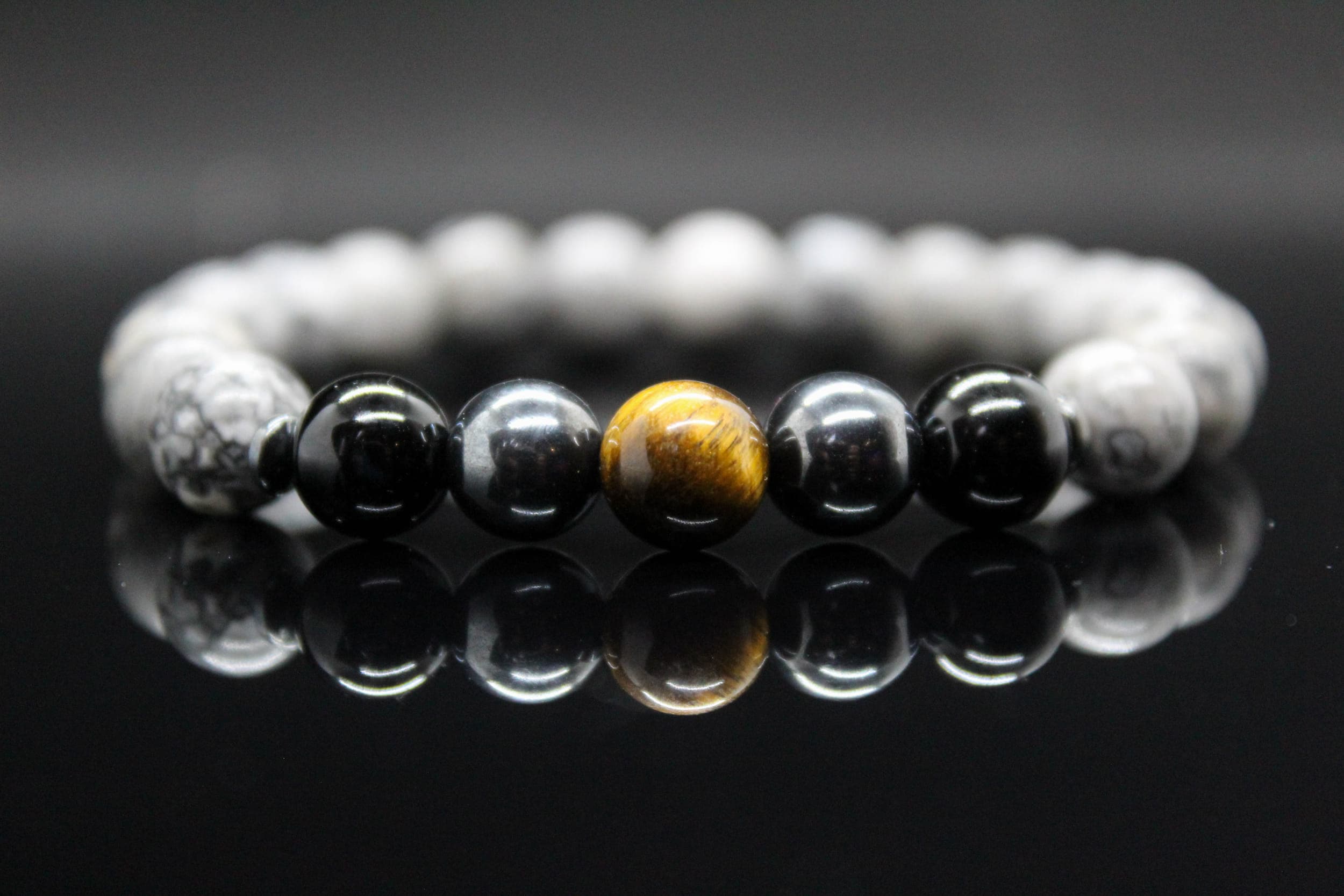
Energetic Balance Energy Bracelet
$24.00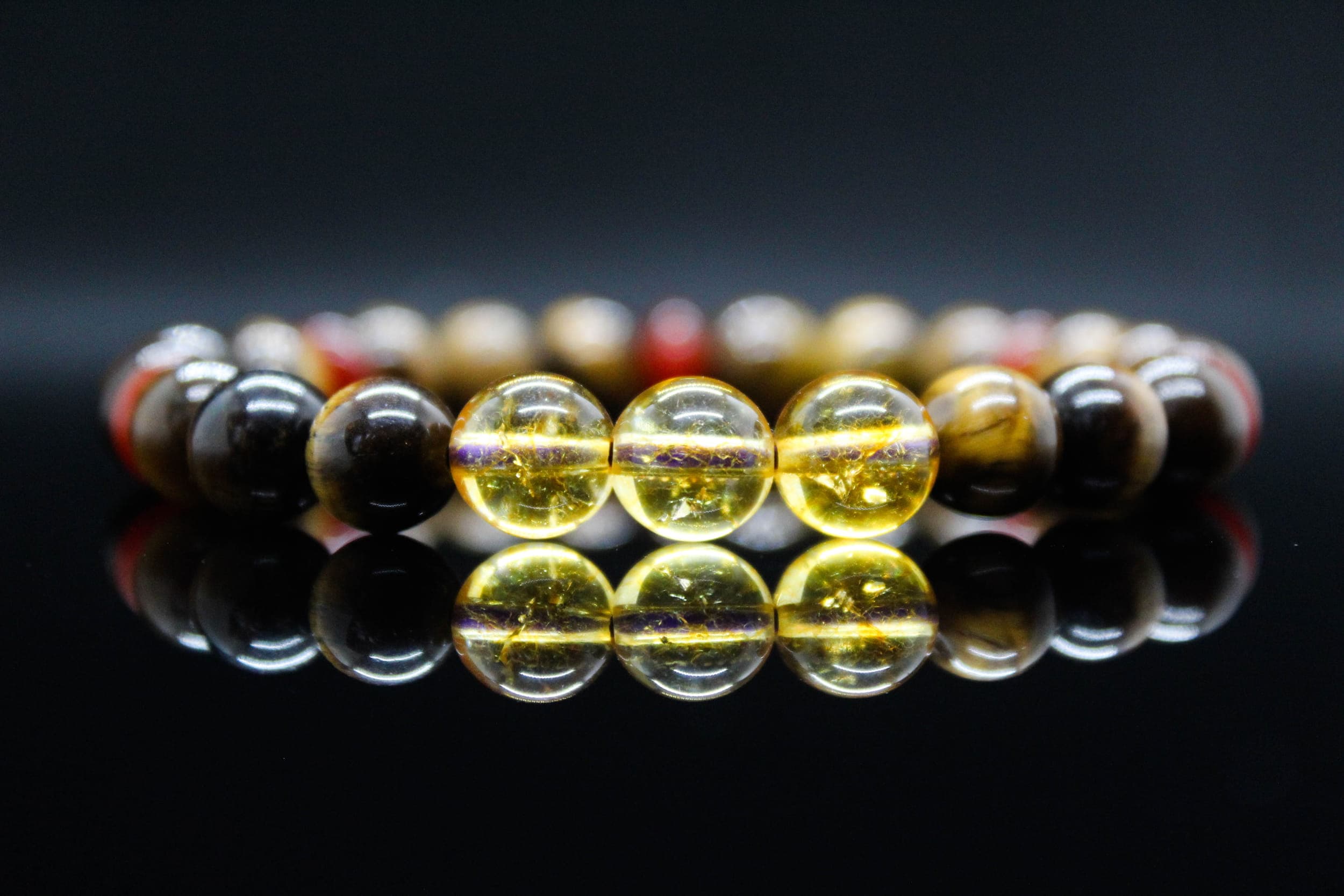
Focus Manifest Energy Bracelet
$24.00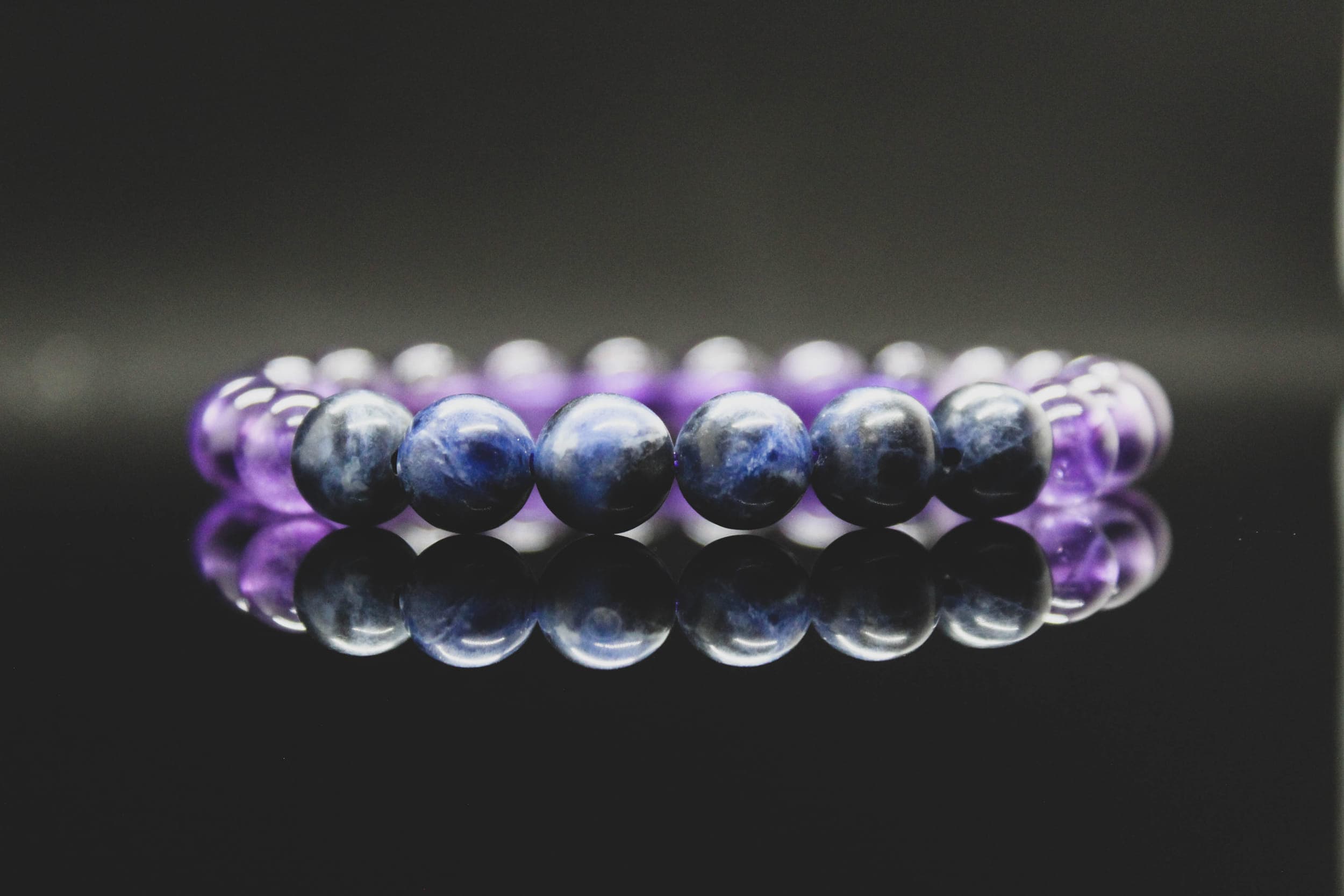
Creative Balance Energy Bracelet
$24.00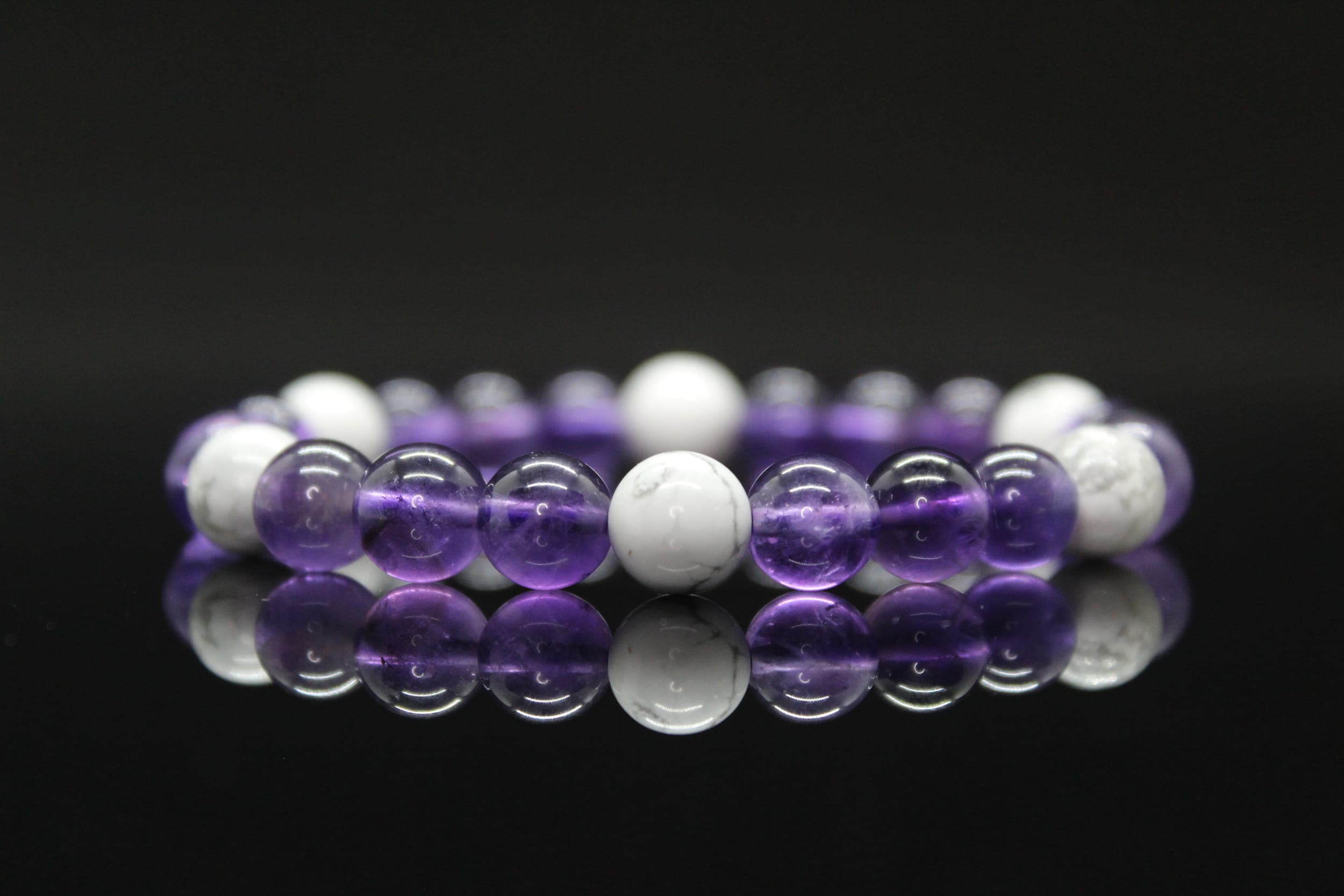
Higher Self Energy Bracelet
$24.00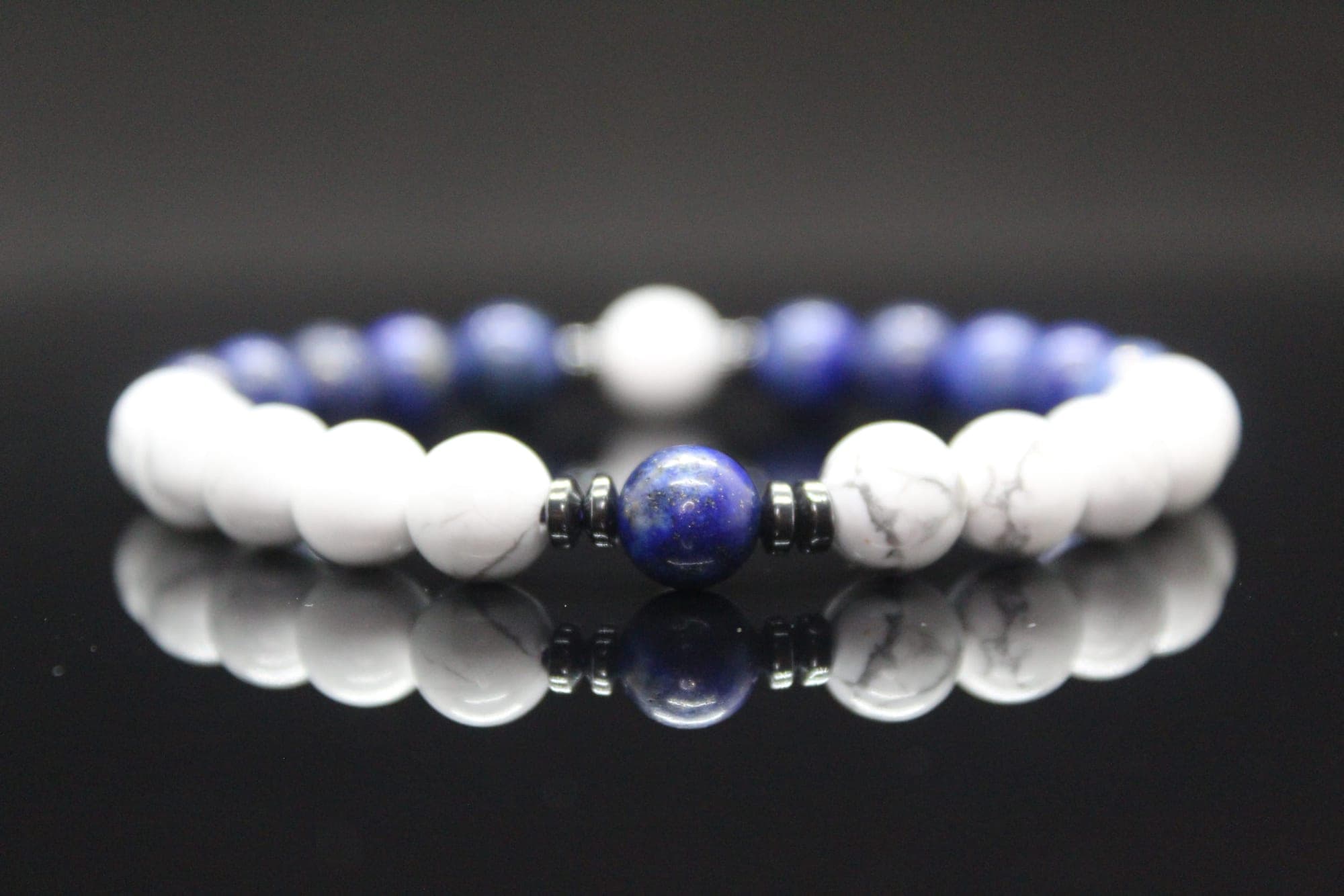
Divine Harmony Energy Bracelet
$24.00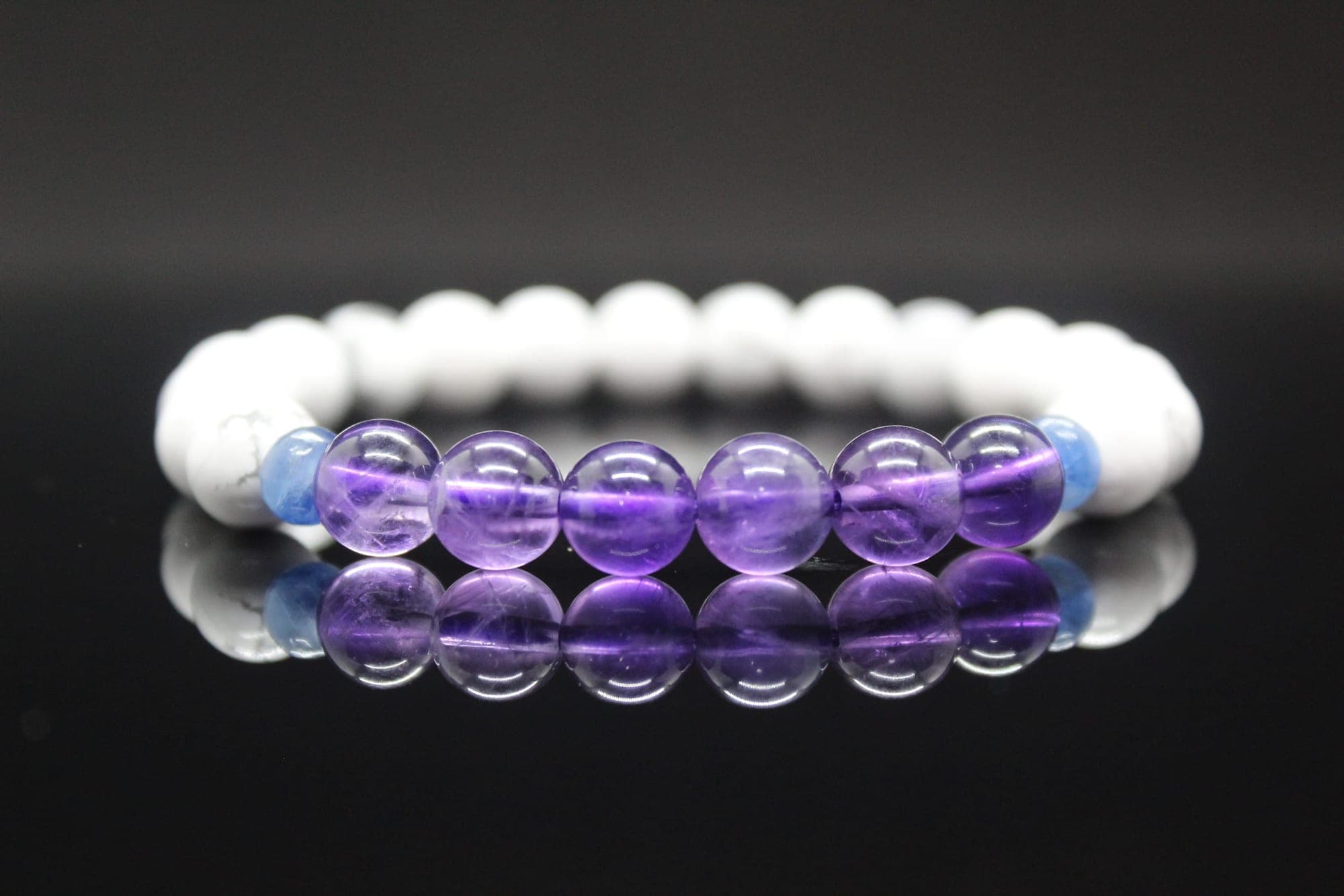
The Crown Energy Bracelet
$24.00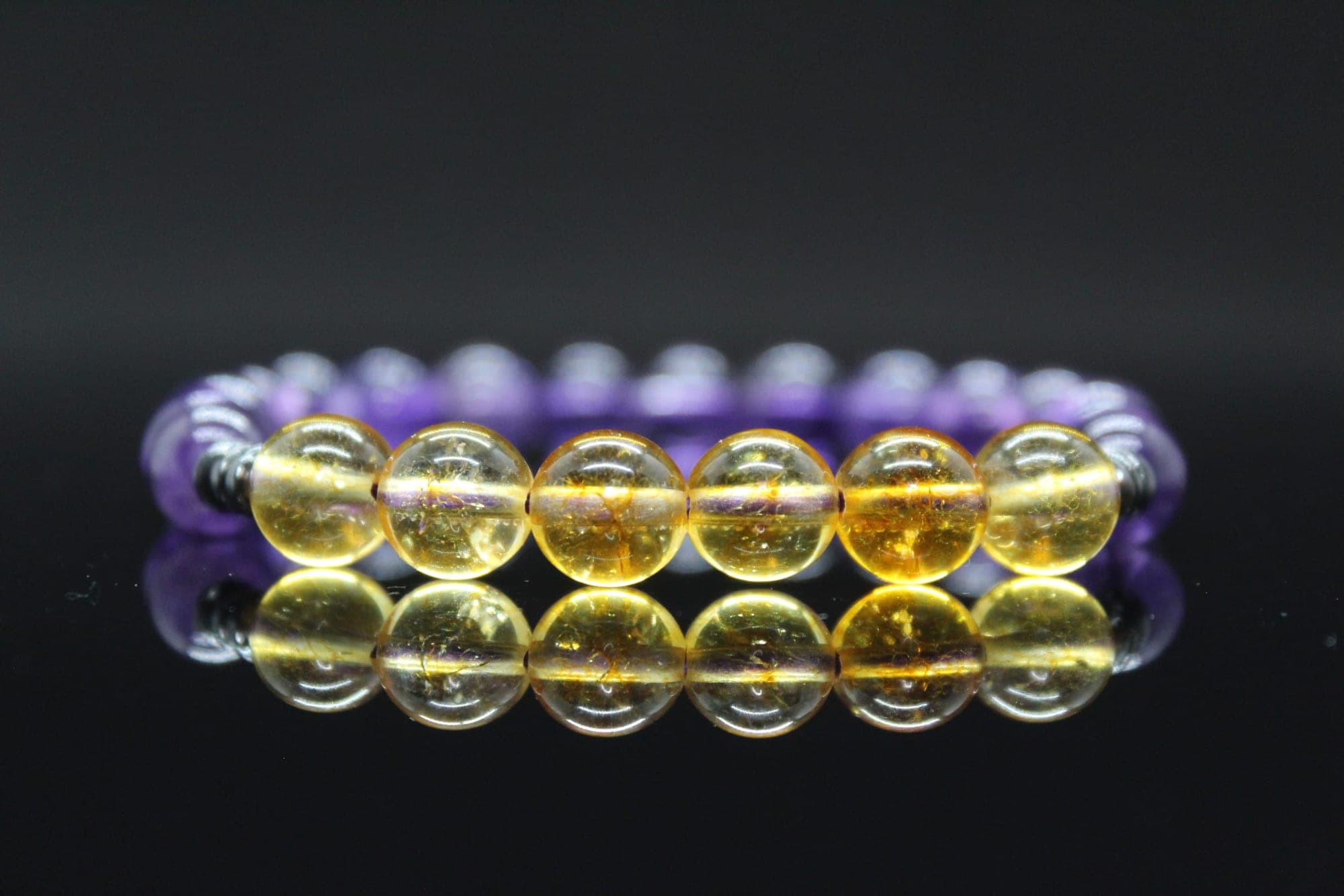
Clear Thoughts Energy Bracelet
$33.00