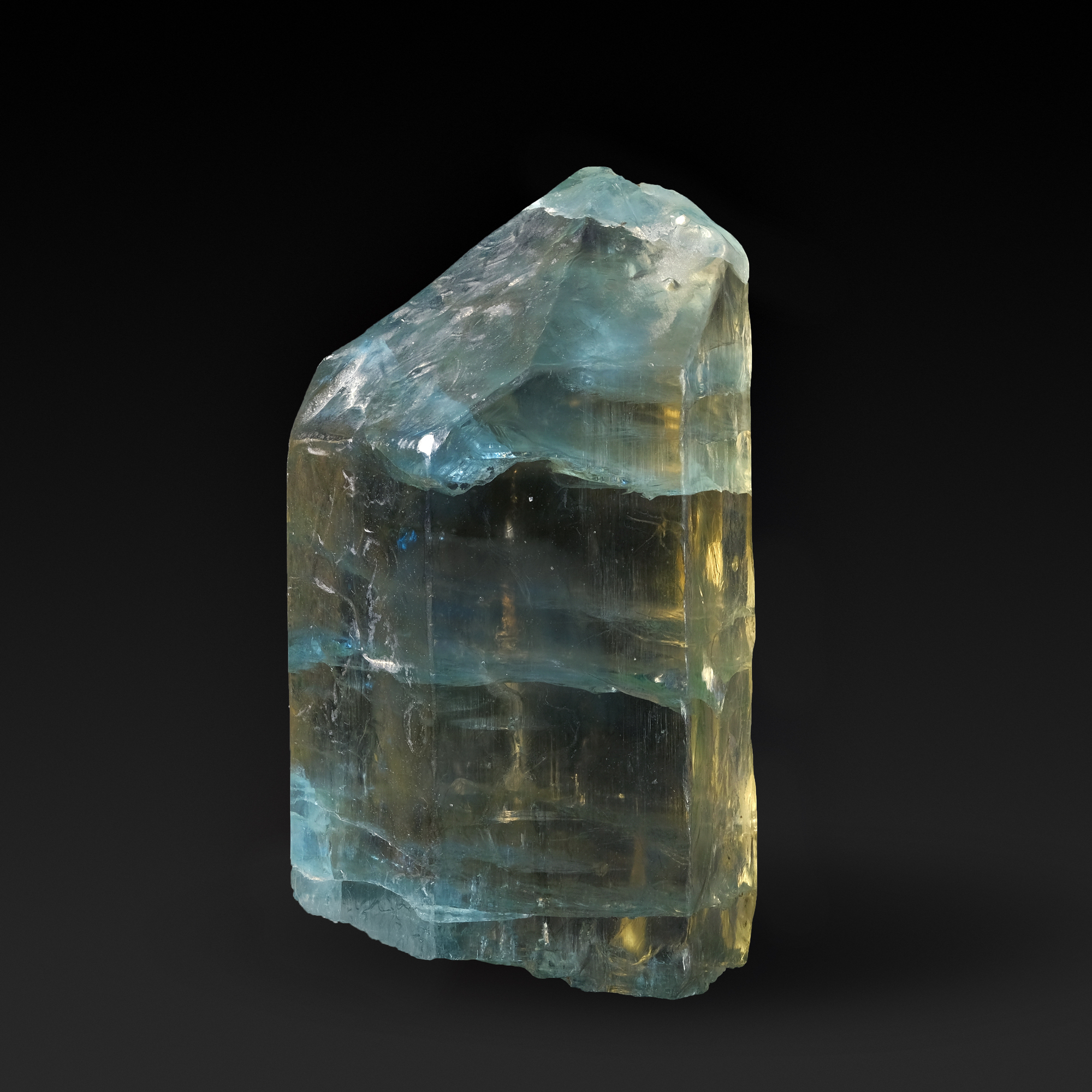
Apophyllite
The Stone of Divine Light
Energy Focus
Meaning & uses
Apophyllite Meaning
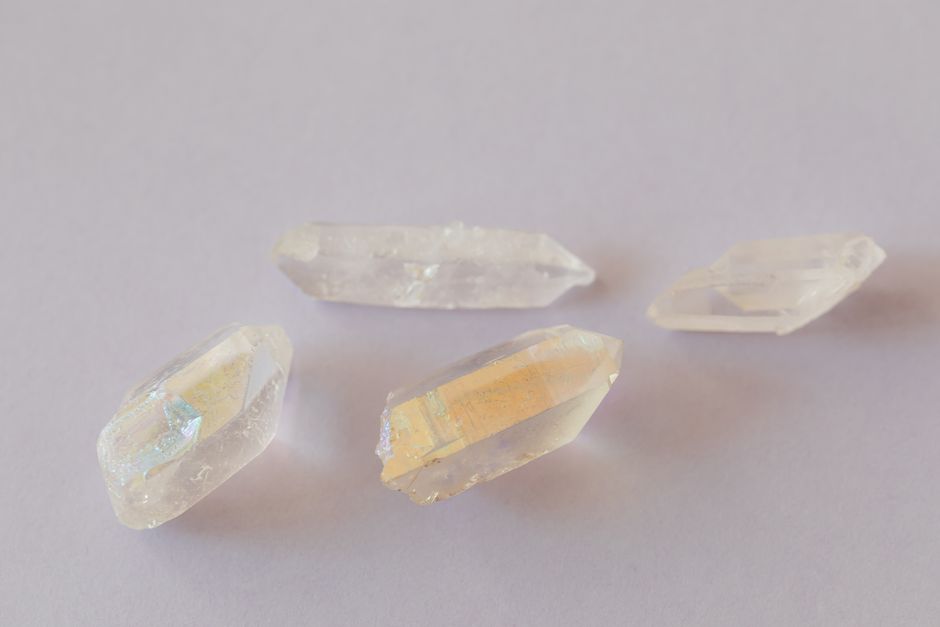
Apophyllite's naturally pyramidal, glass-clear crystals have long been associated with clarity of vision — a stone said to help you see truth without distortion, in yourself and your surroundings.
What Is Apophyllite?
Apophyllite isn't a single mineral but a small group of closely related silicates, sharing a distinctive pyramidal (tetragonal) crystal habit and a pearly, almost glassy luster on one cleavage face — a look mineralogists sometimes call "fish-eye" luster. Most specimens are colorless or white, though trace vanadium can tint some a pale green.
The name comes from the Greek apophyllizo, "it flakes off" — a reference to a real physical quirk rather than a poetic one. Apophyllite holds water within its crystal structure, and when heated, that water escapes suddenly enough to make the mineral flake and exfoliate in thin layers. It's an unusually literal name for a gemstone: not what it looks like, but what it does under heat.
Most Apophyllite on the market is colorless or milky white, but color variants exist: a pale, soft green comes from trace vanadium, and rarer pink or yellow specimens turn up occasionally depending on the deposit. Clarity and the sharpness of the pyramidal crystal faces matter more to collectors and value than color does — a well-formed, glass-clear cluster is prized well above a larger but cloudier one.

A Modern Mineral, an Ancient-Looking Formation
Apophyllite was first formally described in 1806, making it a relative newcomer compared to a stone like Agate, and its softness and fragility meant it was never historically cut or worn as jewelry the way harder gems were. What it does have is a spectacular, specific geological story: some of the world's finest specimens come from the Deccan Traps of India, a vast volcanic rock formation where Apophyllite crystallized inside gas cavities alongside zeolite minerals millions of years ago — the same basic cavity-filling process that produces Agate geodes, just with a completely different mineral chemistry and result.
Meaning and Symbolism
Apophyllite's meaning tracks its appearance closely: a stone this clear, this geometric, and this literally transparent reads naturally as one about seeing without distortion — truth, clarity, and honest self-reflection rather than anything murky or hidden.
It's become a particular favorite for meditation practice specifically — often placed nearby rather than held, since a cluster's pyramidal points are said to direct and focus energy outward the way its faceted geometry directs light.
Carried or worn for
- Deepening meditation and intuitive insight
- Releasing mental blockages and negative thought patterns
- Connecting to higher awareness and spiritual guidance
- Bringing a light, clear presence to a heavy room
Chakra, Zodiac & Element
Apophyllite is tied to both the Crown and Third Eye Chakras — its glass-clear transparency reads as a direct metaphor for the unclouded perception both centers govern. Its Air element continues the same theme: light, spacious, and mentally oriented rather than physical or grounding.
Astrologically it's linked to Libra, a sign associated with clarity, balance, and seeing a situation from more than one side.

How to Use and Care for Apophyllite
Apophyllite is soft — 4.5–5 on the Mohs scale — and its perfect cleavage means it can split or chip far more easily than its hardness number alone would suggest. It was never a practical choice for jewelry historically, and that hasn't changed: it's best displayed as a specimen or cluster rather than carried or worn.
Because it contains water within its own structure, avoid soaking it or exposing it to sudden temperature swings, both of which can stress the crystal. A gentle dusting, or cleansing with sound or smoke rather than water, is the safer way to care for it.
Frequently Asked Questions
Why is it called Apophyllite?
Can Apophyllite be worn as jewelry?
Is Apophyllite safe to cleanse in water?
Where does the best Apophyllite come from?
What chakra is Apophyllite associated with?
Is Apophyllite the same as Danburite or Selenite?
A soft, delicate stone — best displayed rather than carried daily.
Shop by energy
Bracelets for the Third Eye and Crown chakras
We don't have an Apophyllite bracelet yet. These share its Third Eye or Crown chakra energy.
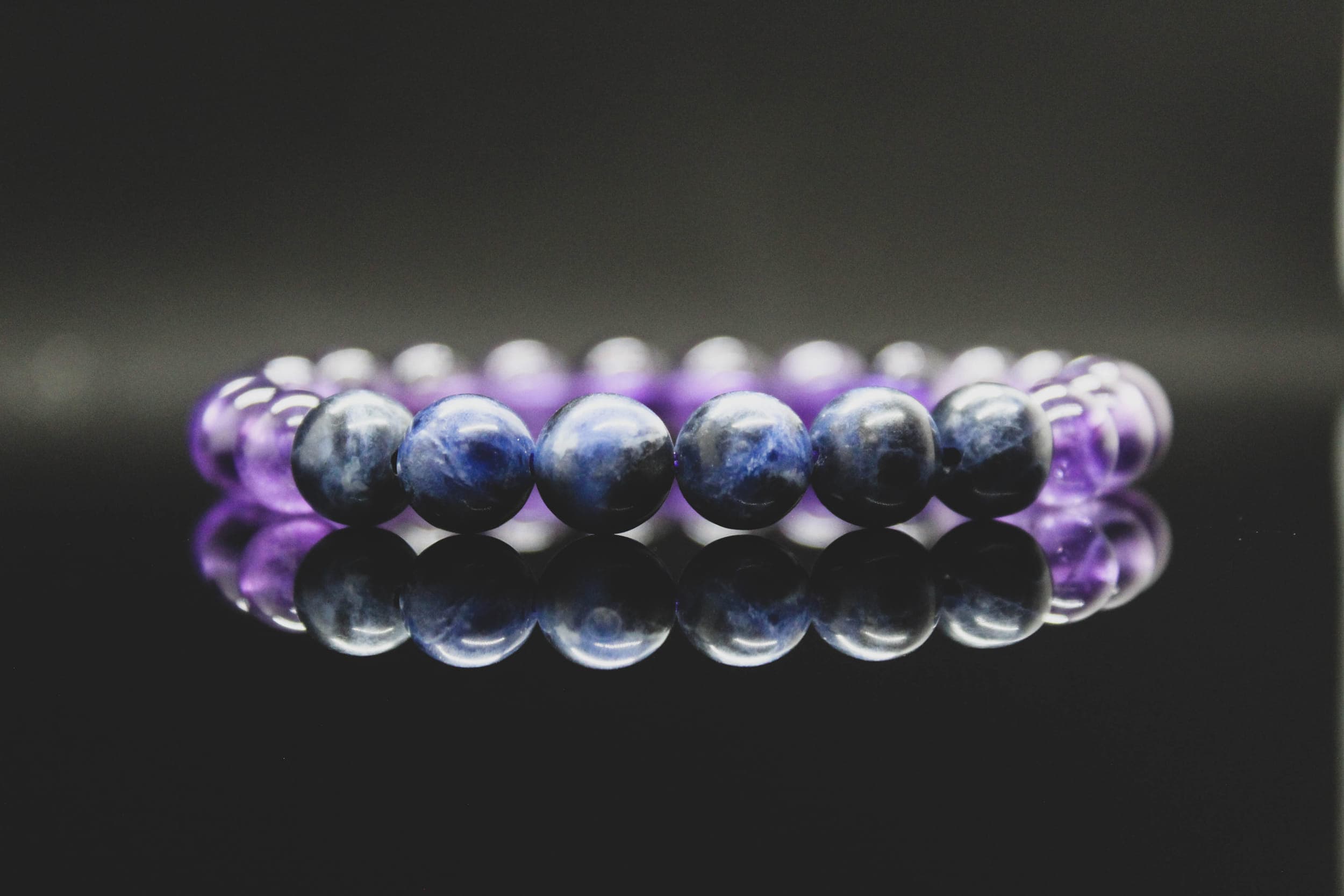
Creative Balance Energy Bracelet
$24.00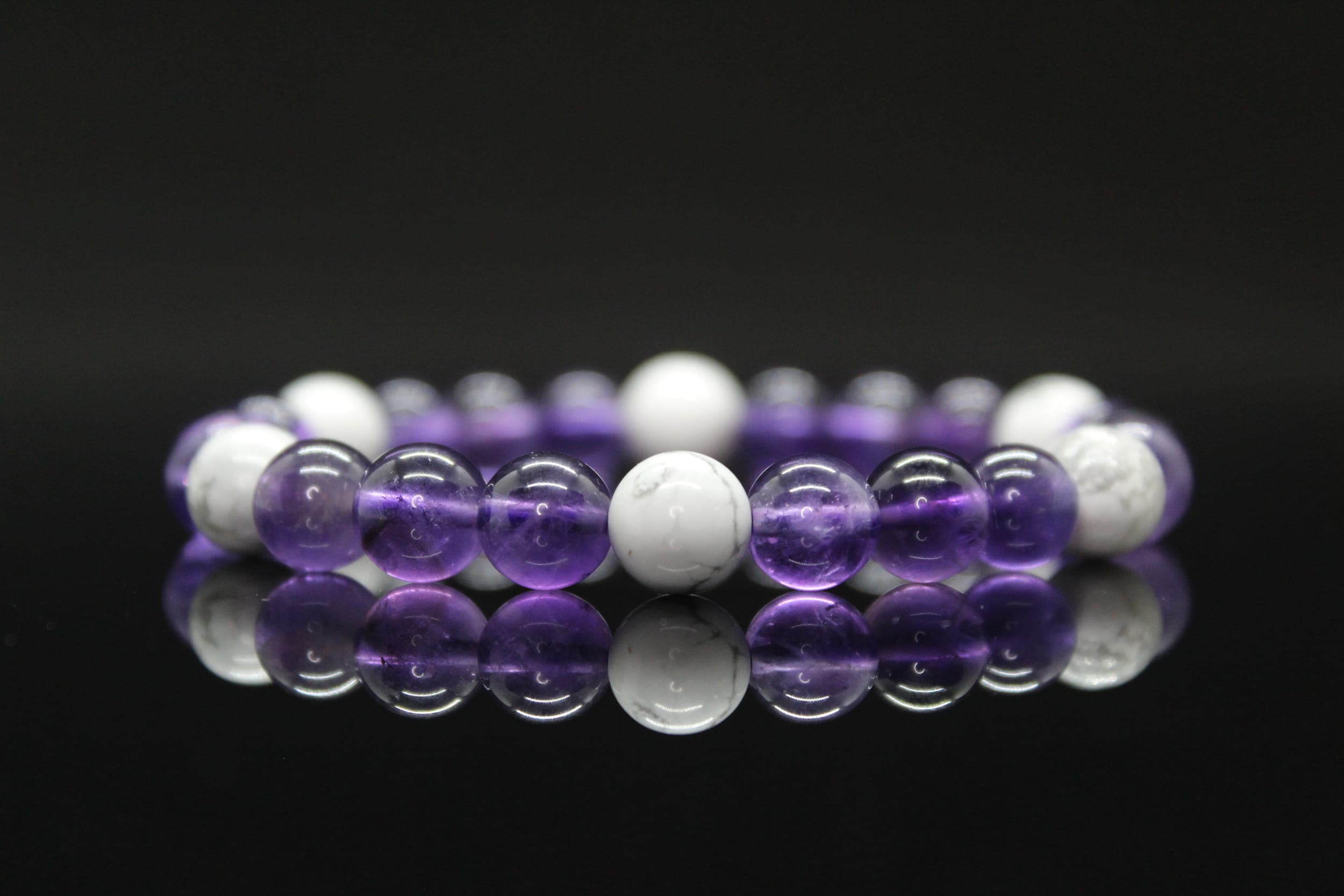
Higher Self Energy Bracelet
$24.00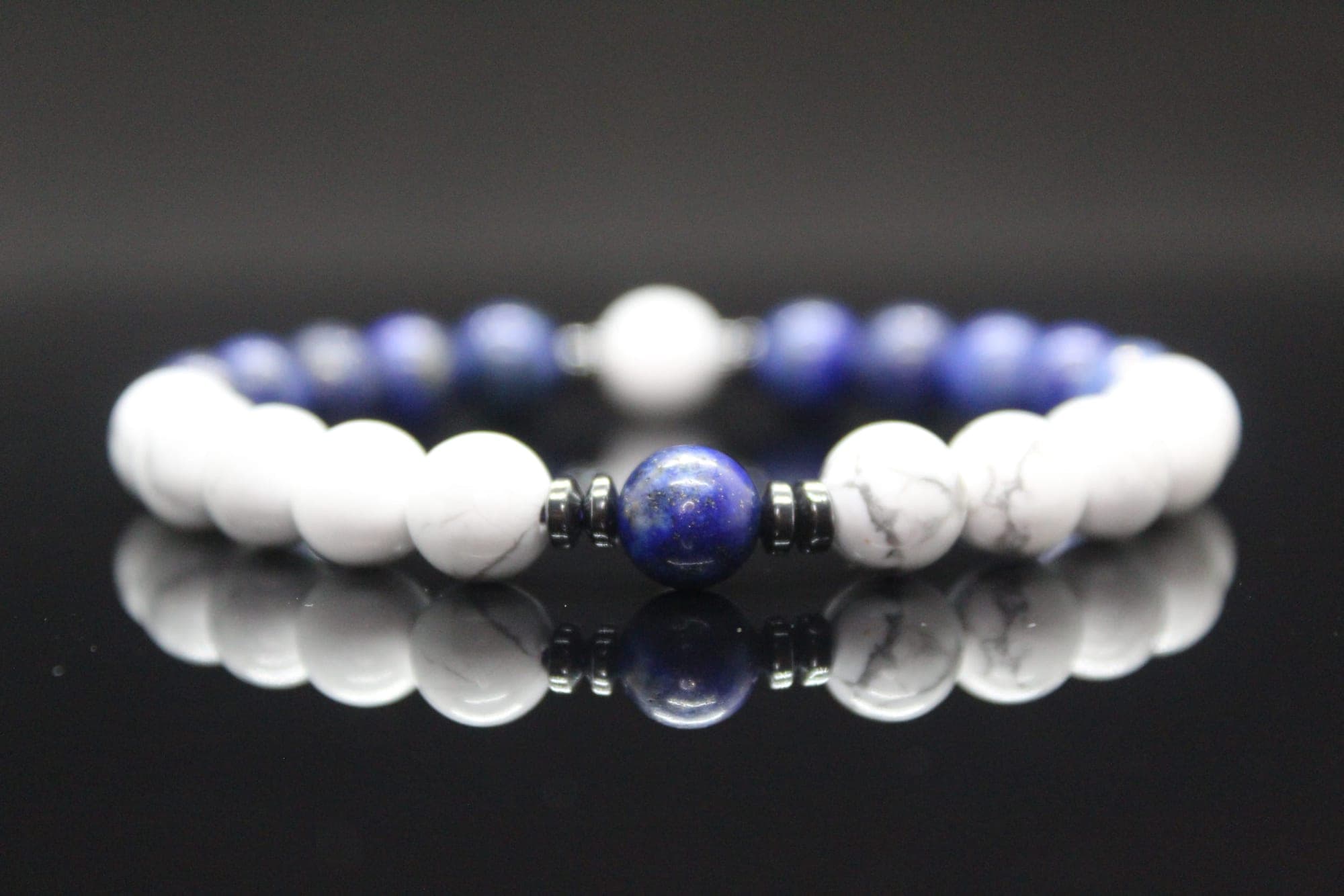
Divine Harmony Energy Bracelet
$24.00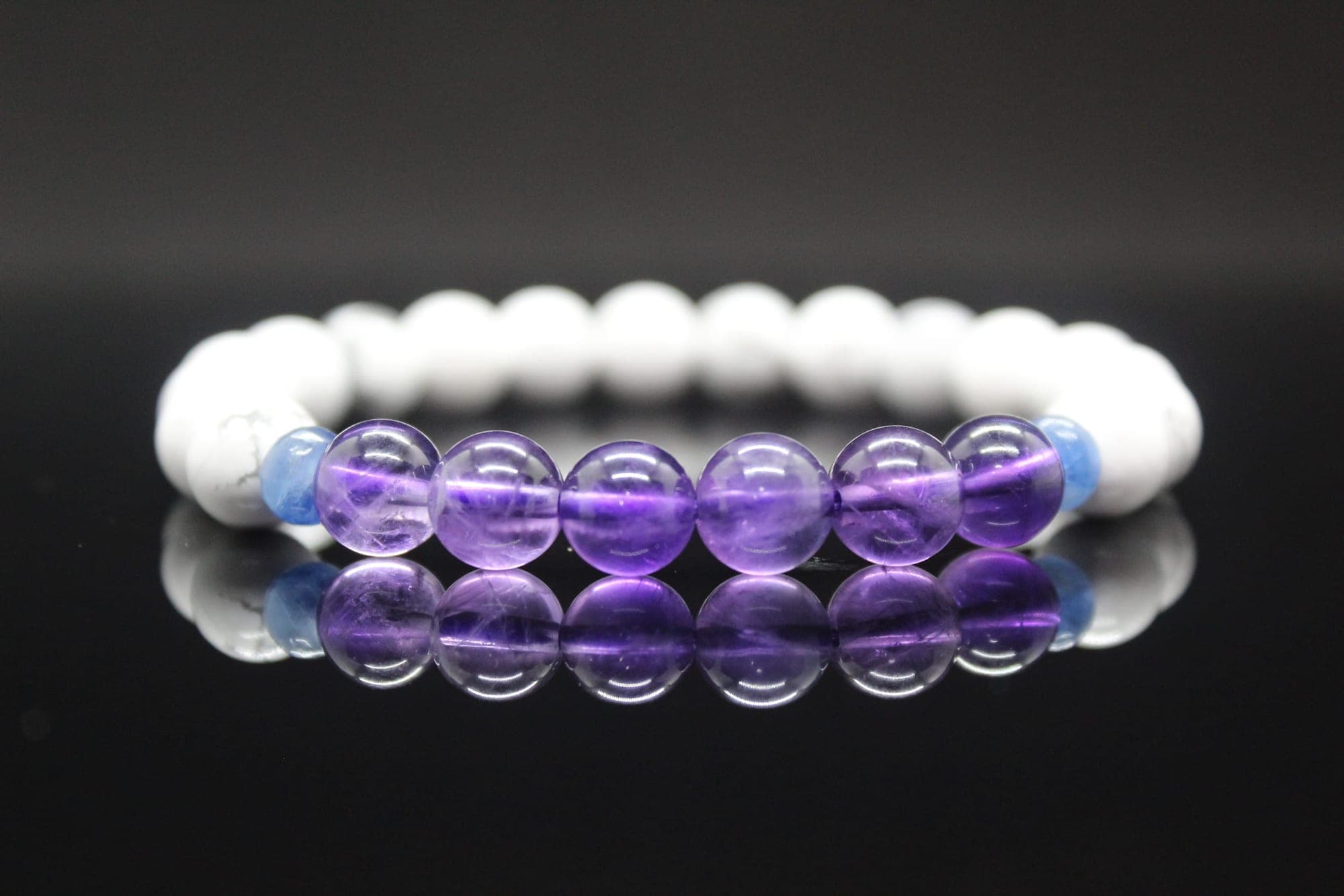
The Crown Energy Bracelet
$24.00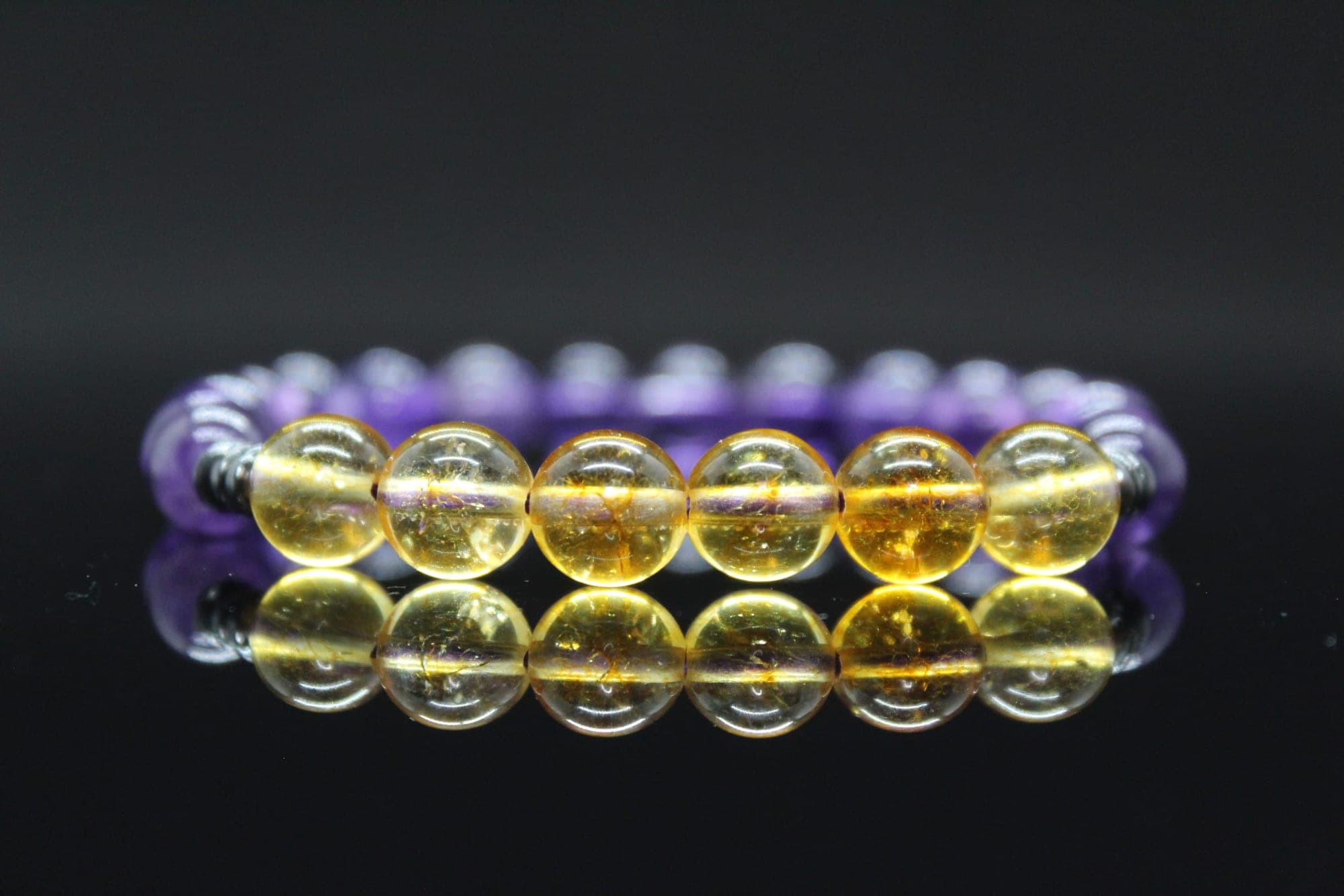
Clear Thoughts Energy Bracelet
$33.00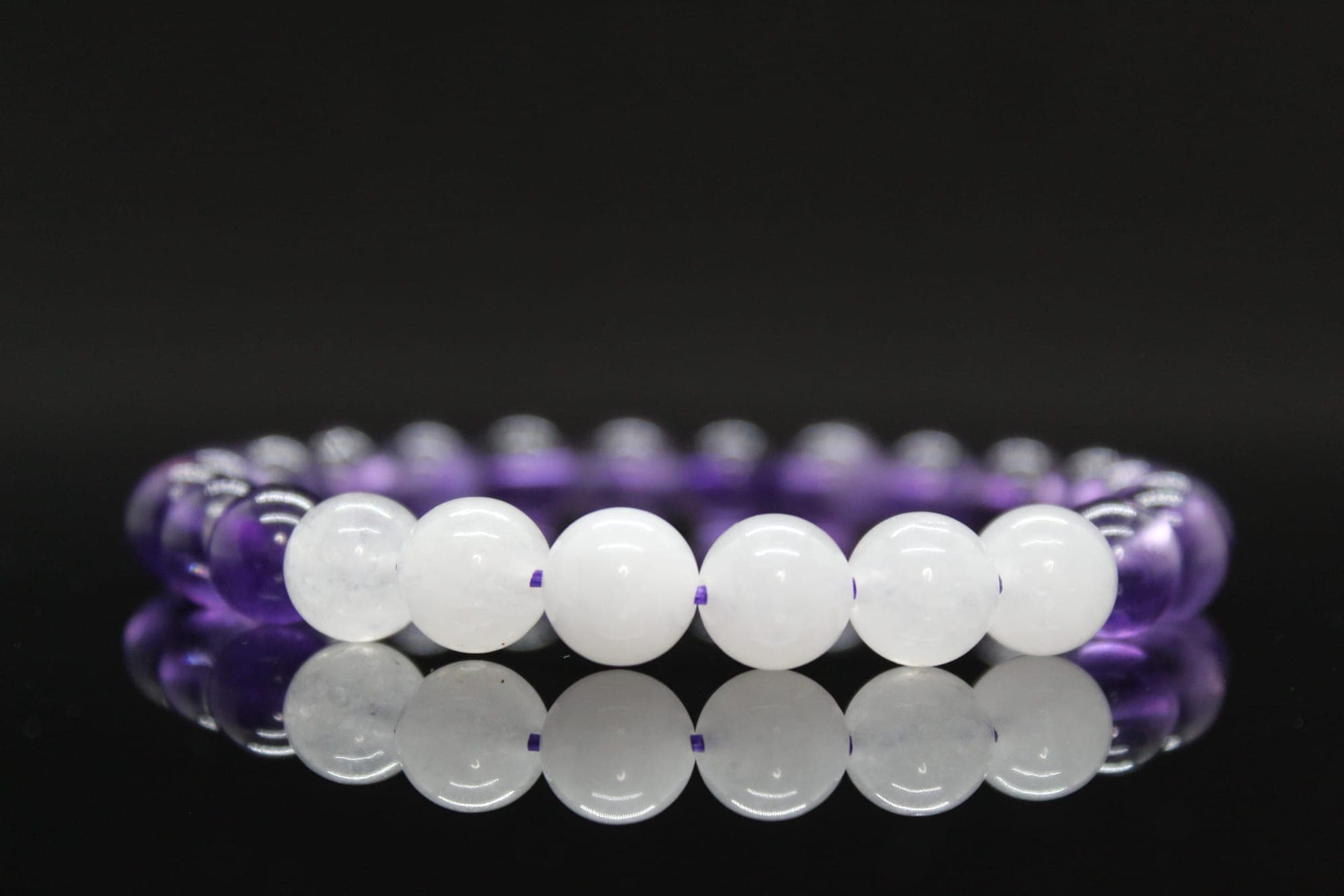
Divine Calming Energy Bracelet
$24.00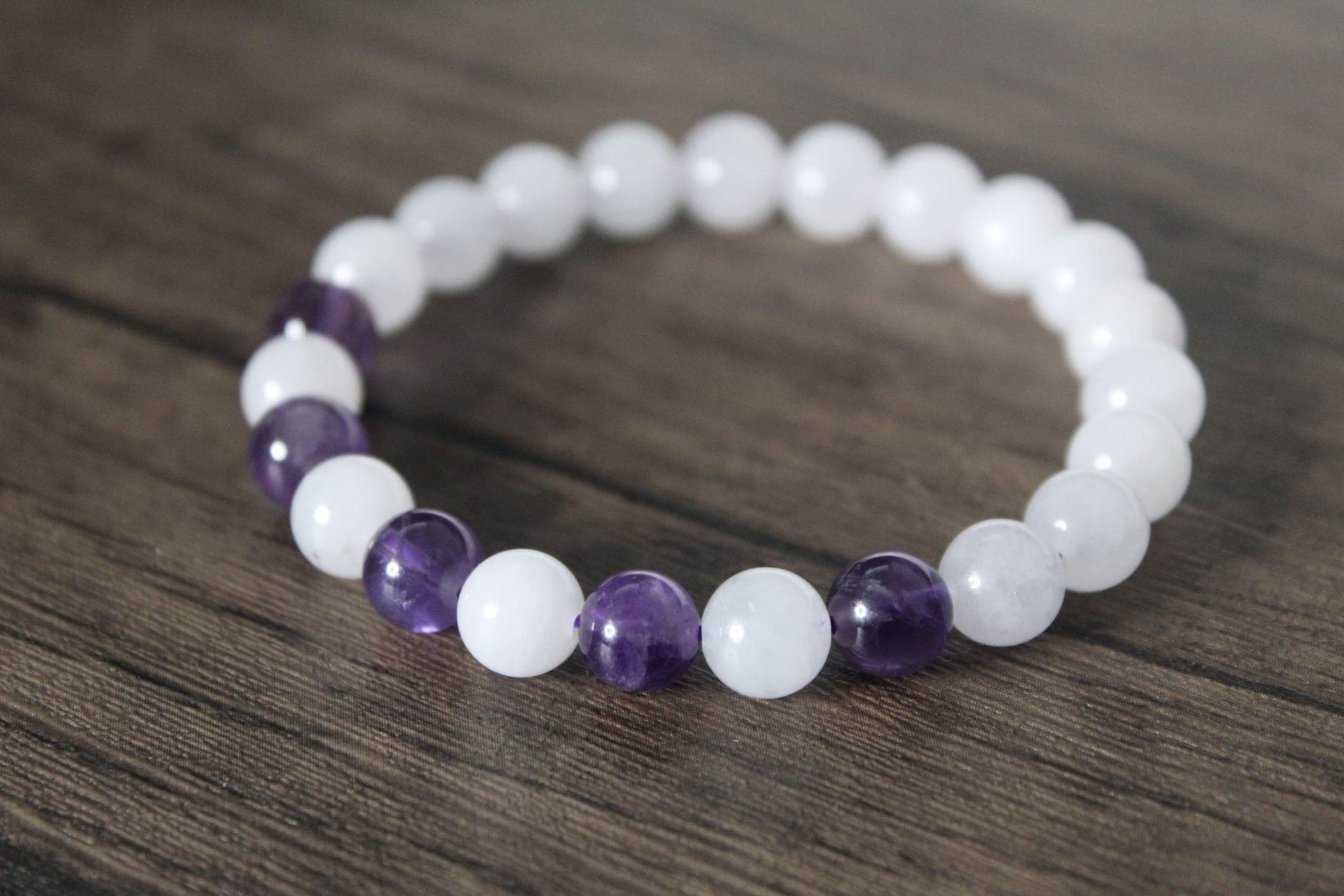
Divine Thoughts Energy Bracelet
$33.00