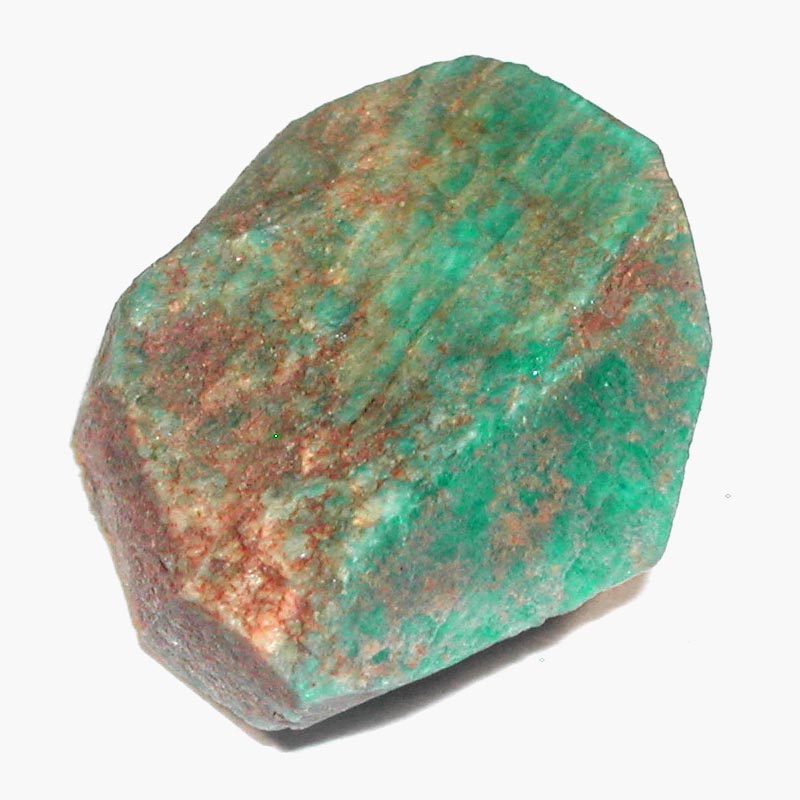
Photo: Nessa Eull · CC0 · Wikimedia Commons
Chrysocolla
Stone of Communication and Empowerment
Energy Focus
Meaning & uses
Chrysocolla Meaning
Often mistaken for Turquoise, Chrysocolla carries its own quieter, more feminine energy — historically linked to calm strength and empowered, heart-led speech.
What Is Chrysocolla?
Chrysocolla is a hydrated copper silicate, forming in the same oxidized copper-ore environments that produce Azurite and Malachite — all three are secondary copper minerals, often found in the same deposits, though Chrysocolla's blue-green shares more visually with Turquoise than with its copper cousins' pure blue or green.
The name itself has nothing to do with color: it comes from the Greek chrysos (gold) and kolla (glue), coined by the ancient scholar Theophrastus — the same naturalist credited with naming Agate — for a substance ancient goldsmiths used as a soldering flux. That original "chrysocolla" wasn't necessarily this mineral at all; the name was later reassigned to the blue-green copper silicate we call Chrysocolla today.
Ancient Egyptian miners worked copper deposits in the Sinai and Timna Valley that produced Chrysocolla alongside Malachite and Turquoise, and evidence suggests all three were used and valued together in Egyptian jewelry and ornamentation.

Often Confused, Sometimes Combined
Chrysocolla's resemblance to Turquoise is close enough that the two are routinely mixed up, though they're chemically distinct — Turquoise is a copper-aluminum phosphate, while Chrysocolla is a copper silicate, and Chrysocolla runs considerably softer. When Chrysocolla forms intergrown with quartz or chalcedony, though, it hardens dramatically into a gem-quality material collectors call "gem silica" — among the most valuable forms of the mineral, and tough enough for fine jewelry in a way ordinary Chrysocolla simply isn't.
Meaning and Symbolism
Chrysocolla's meaning centers on a specific kind of strength: calm rather than forceful, and closely tied to speaking difficult truths without losing composure. It's traditionally framed as a feminine-energy stone, associated less with dramatic action and more with steady, heart-led communication.
Carried or worn for
- Speaking difficult truths with calm confidence
- Balancing strong emotions during conflict
- Supporting feminine energy and inner wisdom
- Easing heartache and emotional wounds
Chakra, Zodiac & Element
Chrysocolla bridges the Throat and Heart Chakras, its blue-green color sitting visually between the two just as its meaning bridges calm communication and emotional depth. Its Water element reinforces the feeling-centered, fluid nature of that work.
Astrologically it's linked to Taurus, Virgo, Gemini, and Sagittarius — a wide spread reflecting a stone valued across very different temperaments for the same underlying quality: composed, heart-centered honesty.

How to Use and Care for Chrysocolla
At 2.5–3.5 on the Mohs scale, ordinary Chrysocolla is genuinely soft and porous — treat it gently, avoid soaking it in water, and keep it away from harsh chemicals and prolonged direct sun. It's a stone better suited to occasional wear or display than a ring worn daily, unless you have gem silica specifically, which is considerably tougher.
Frequently Asked Questions
Why is Chrysocolla called that?
What's the difference between Chrysocolla and Turquoise?
What is "gem silica"?
Is Chrysocolla safe to wear every day?
What chakra is Chrysocolla associated with?
Was Chrysocolla used in ancient times?
A soft, tender stone — treat it gently, on and off the wrist.
Shop by energy
Bracelets for the Heart and Throat chakras
We don't have a Chrysocolla bracelet yet. These share its Heart or Throat chakra energy.
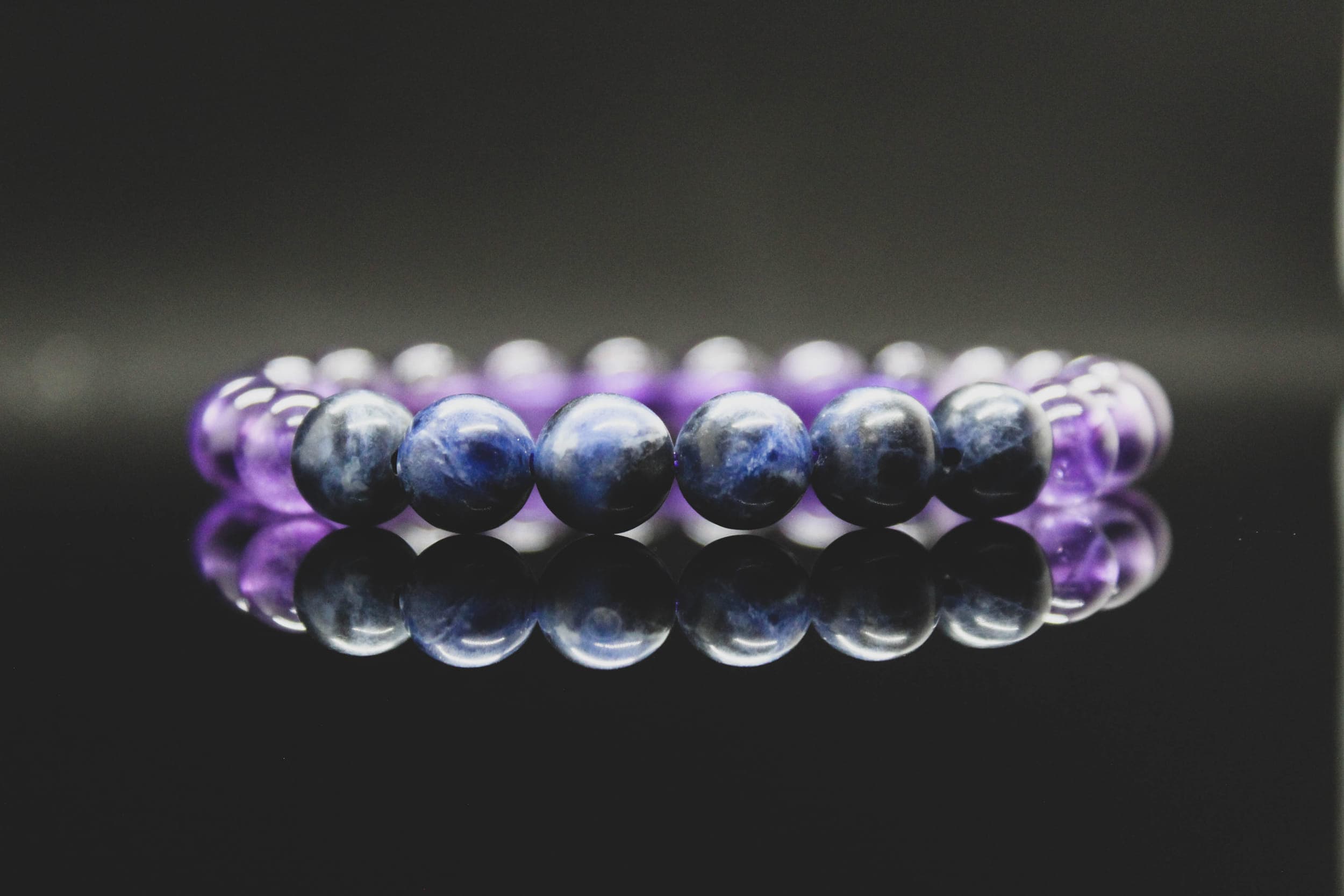
Creative Balance Energy Bracelet
$24.00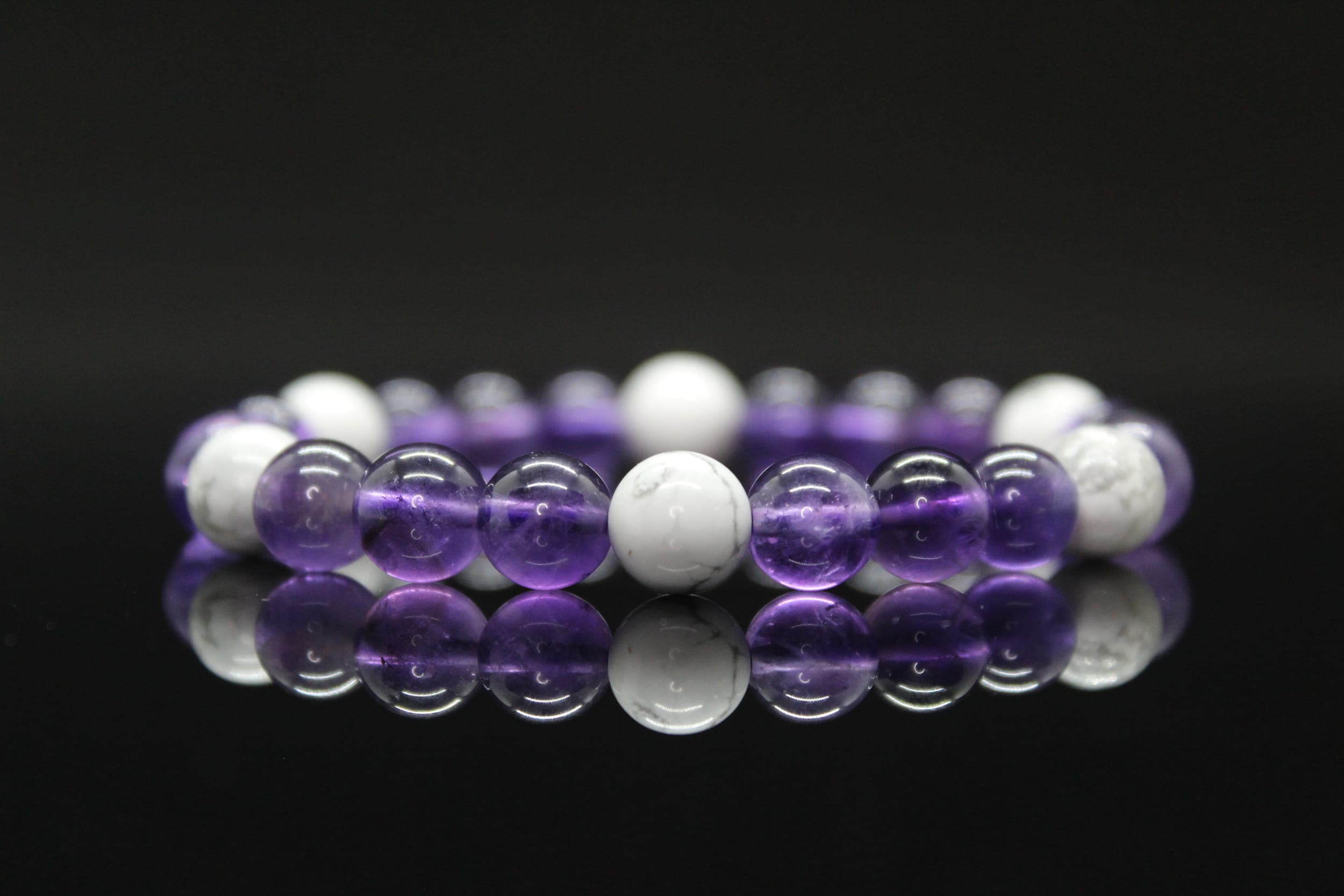
Higher Self Energy Bracelet
$24.00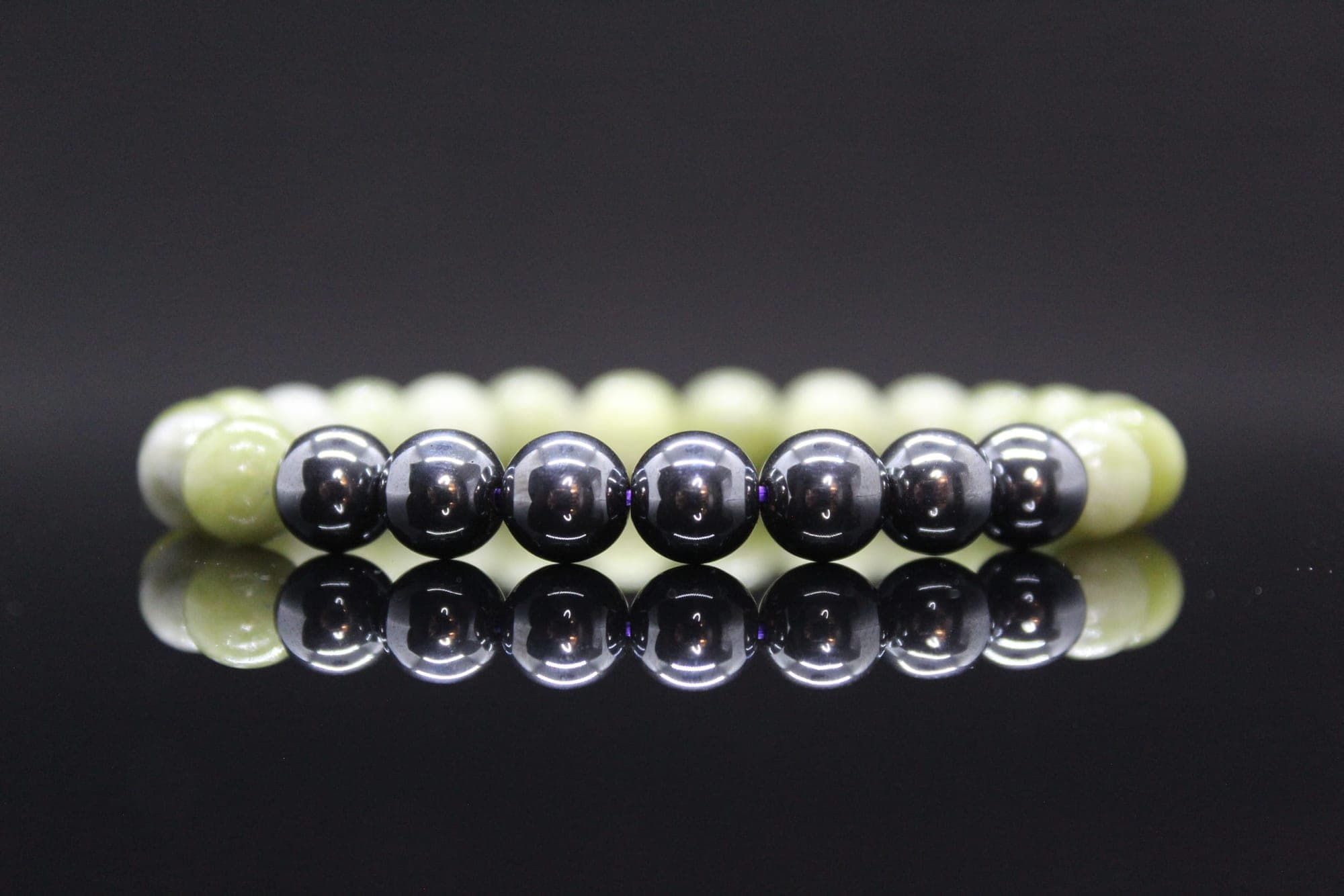
Life Force Energy Bracelet
$24.00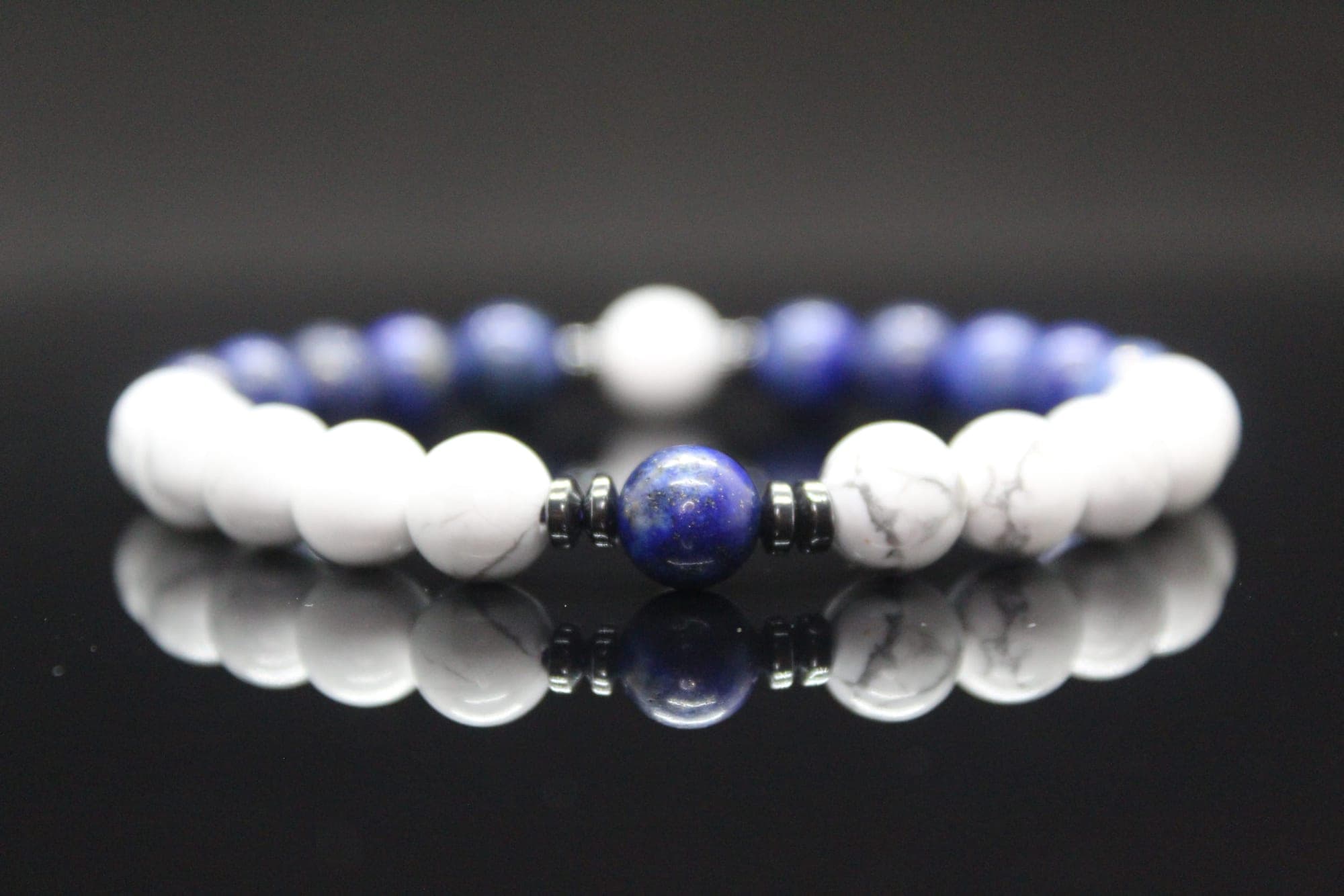
Divine Harmony Energy Bracelet
$24.00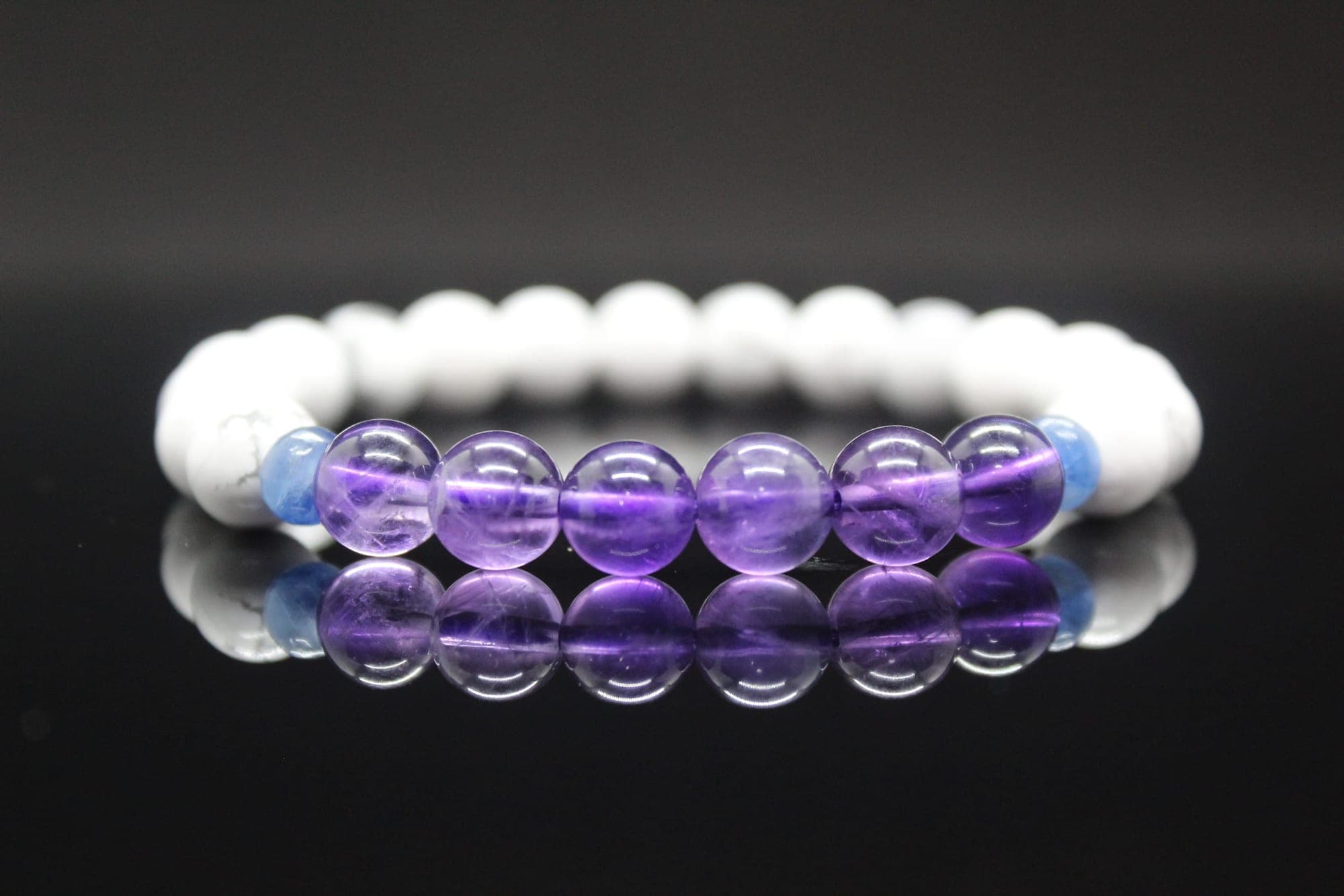
The Crown Energy Bracelet
$24.00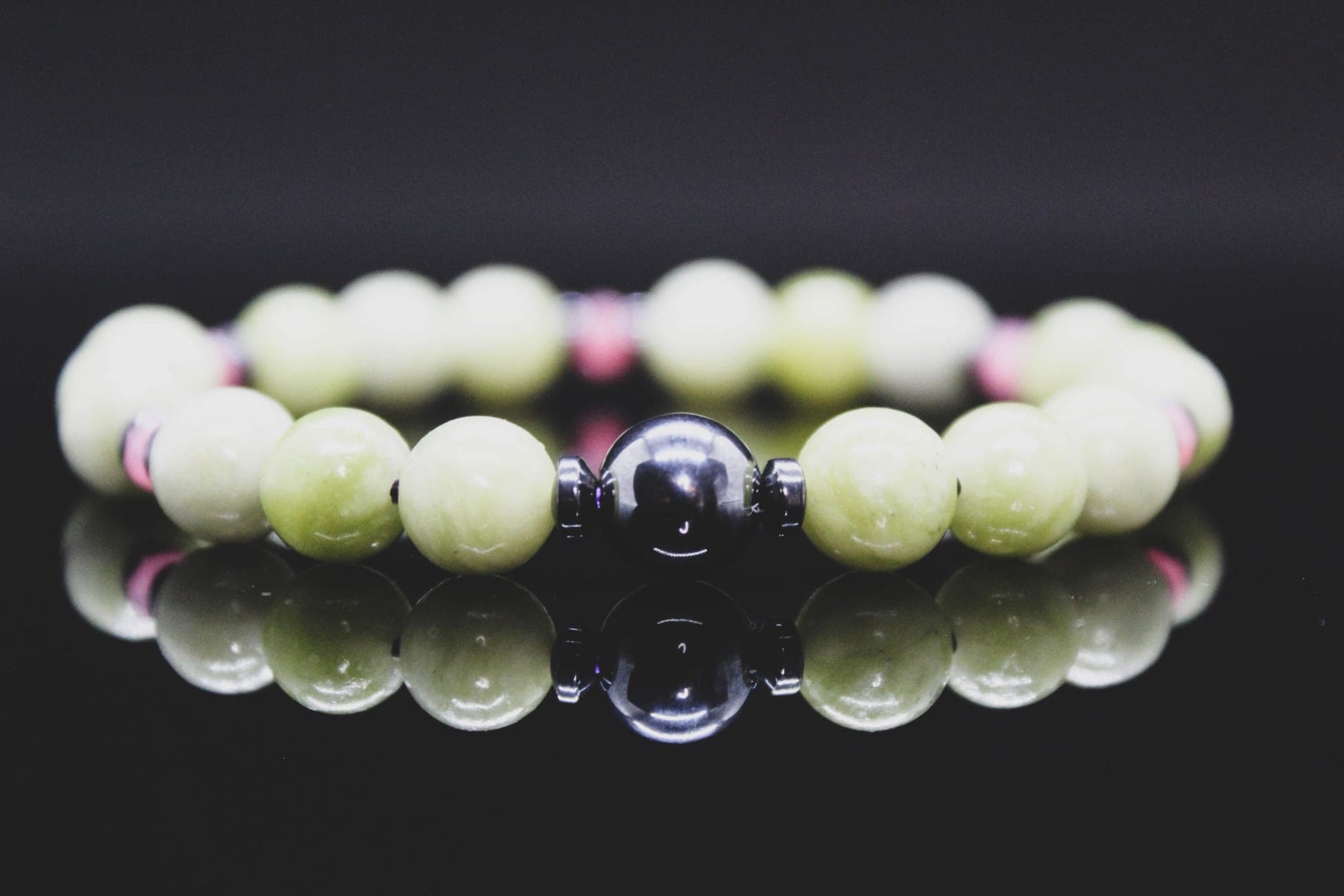
Grounding Love Energy Bracelet
$33.00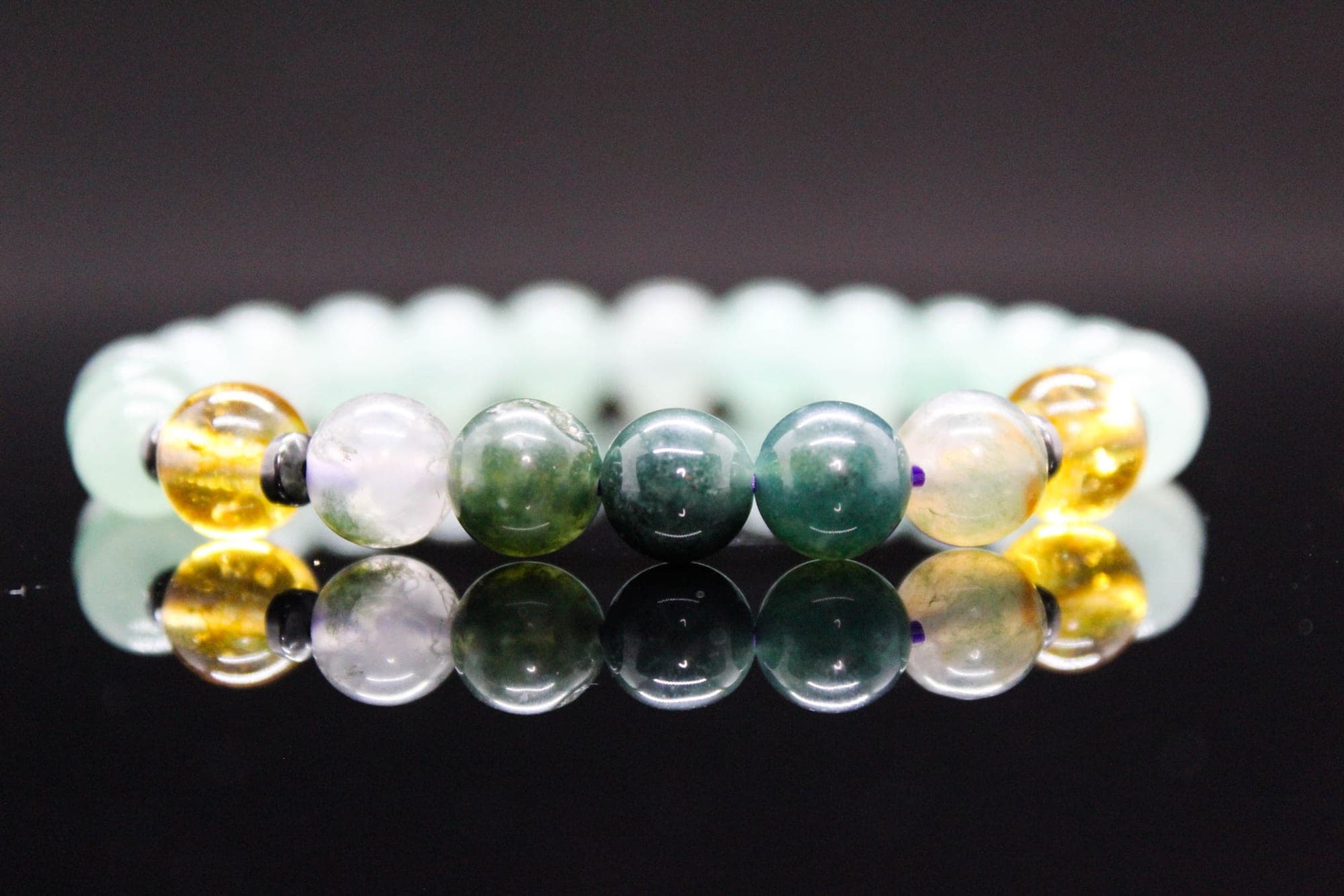
The Opulence Energy Bracelet
$33.00