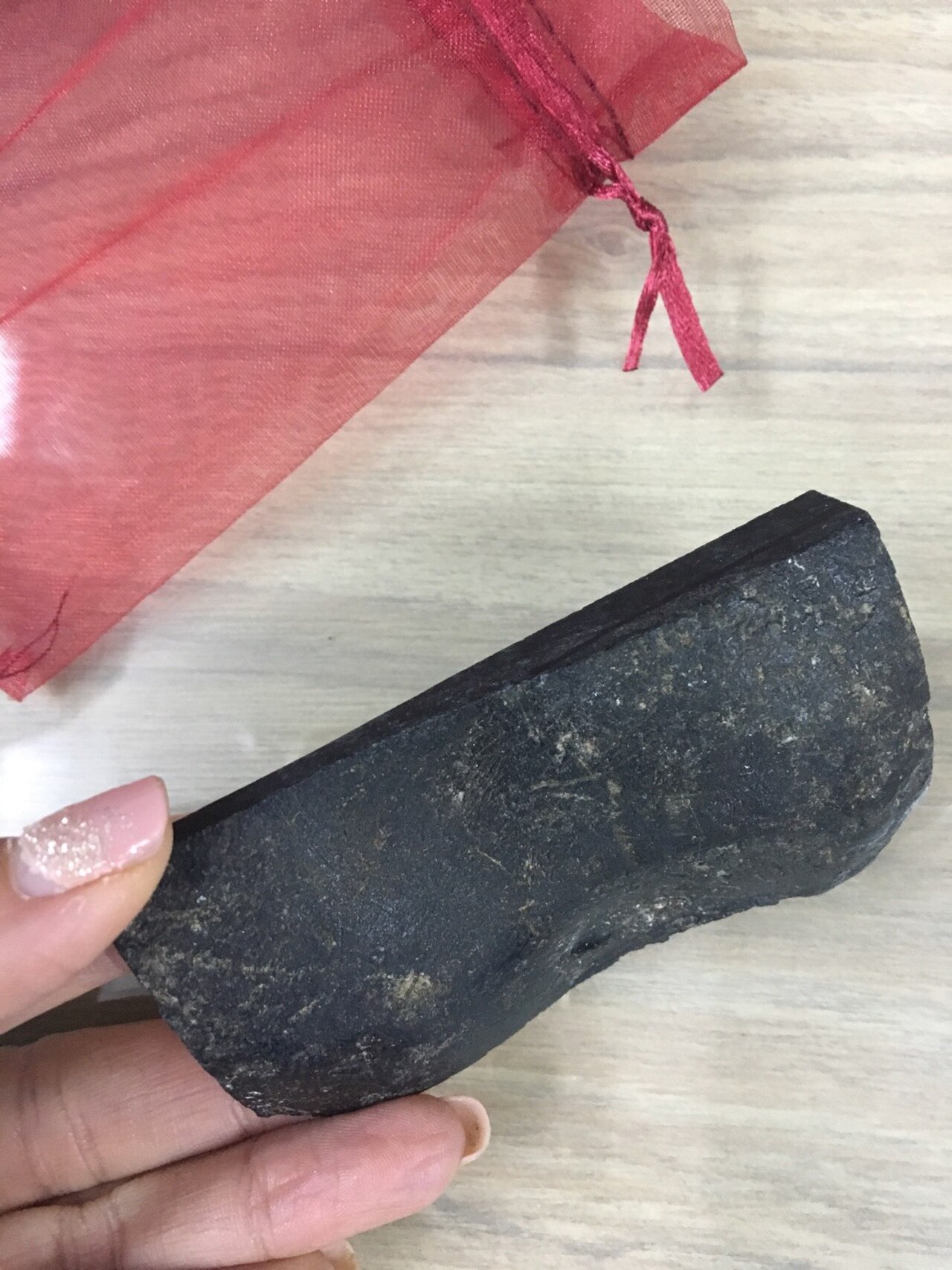
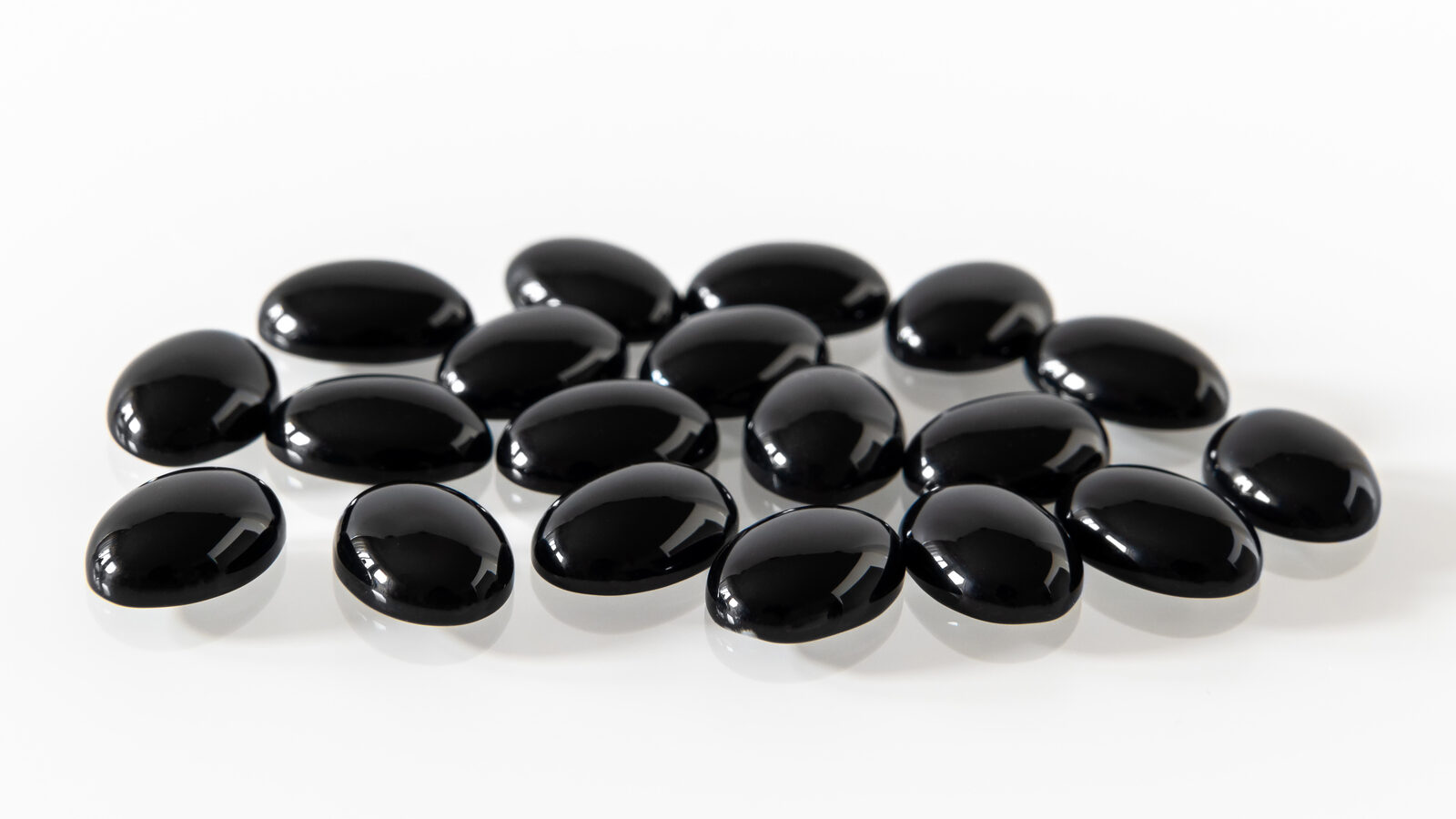
Snowflake Obsidian
The Stone of Purity
Energy Focus
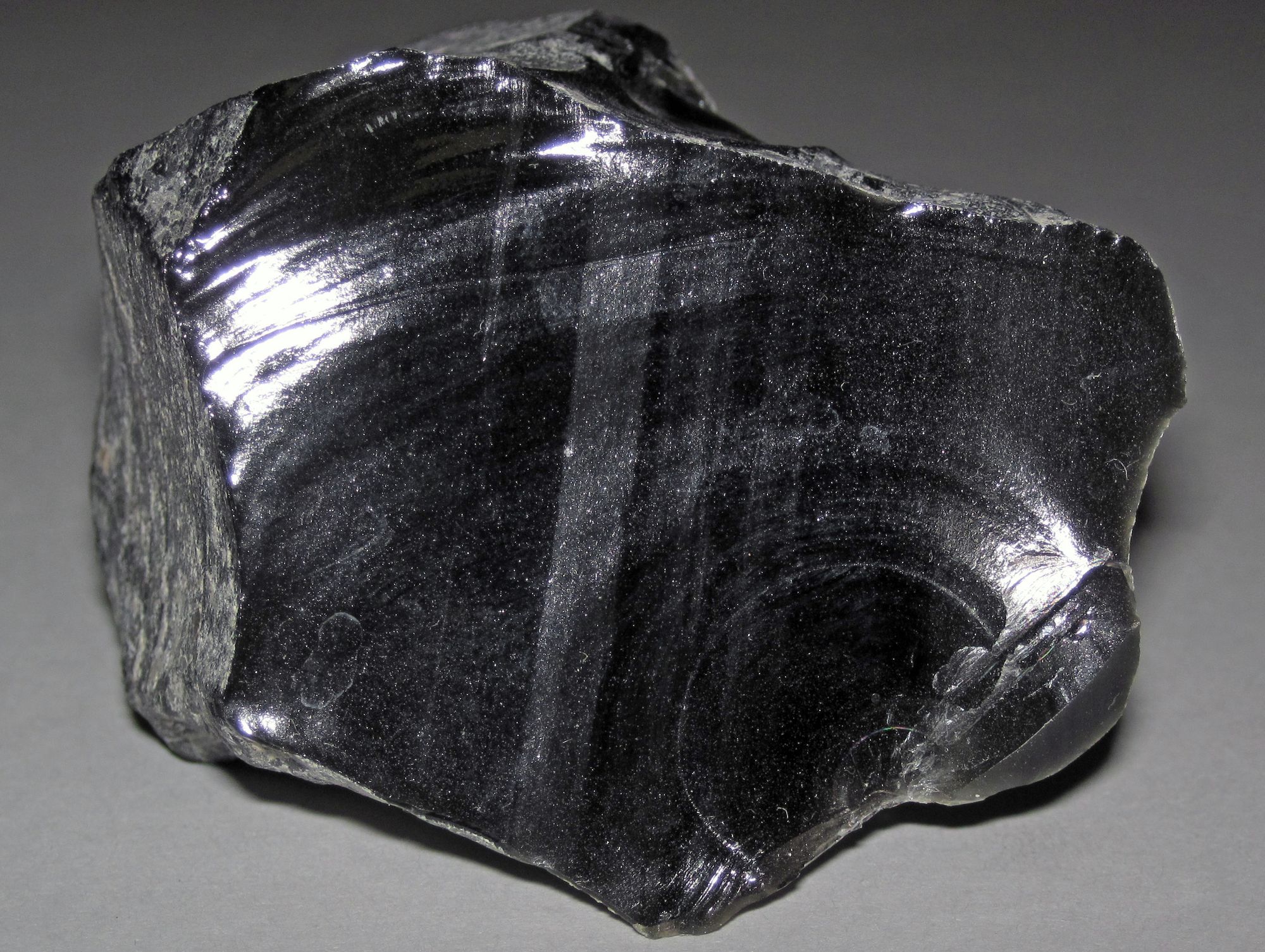
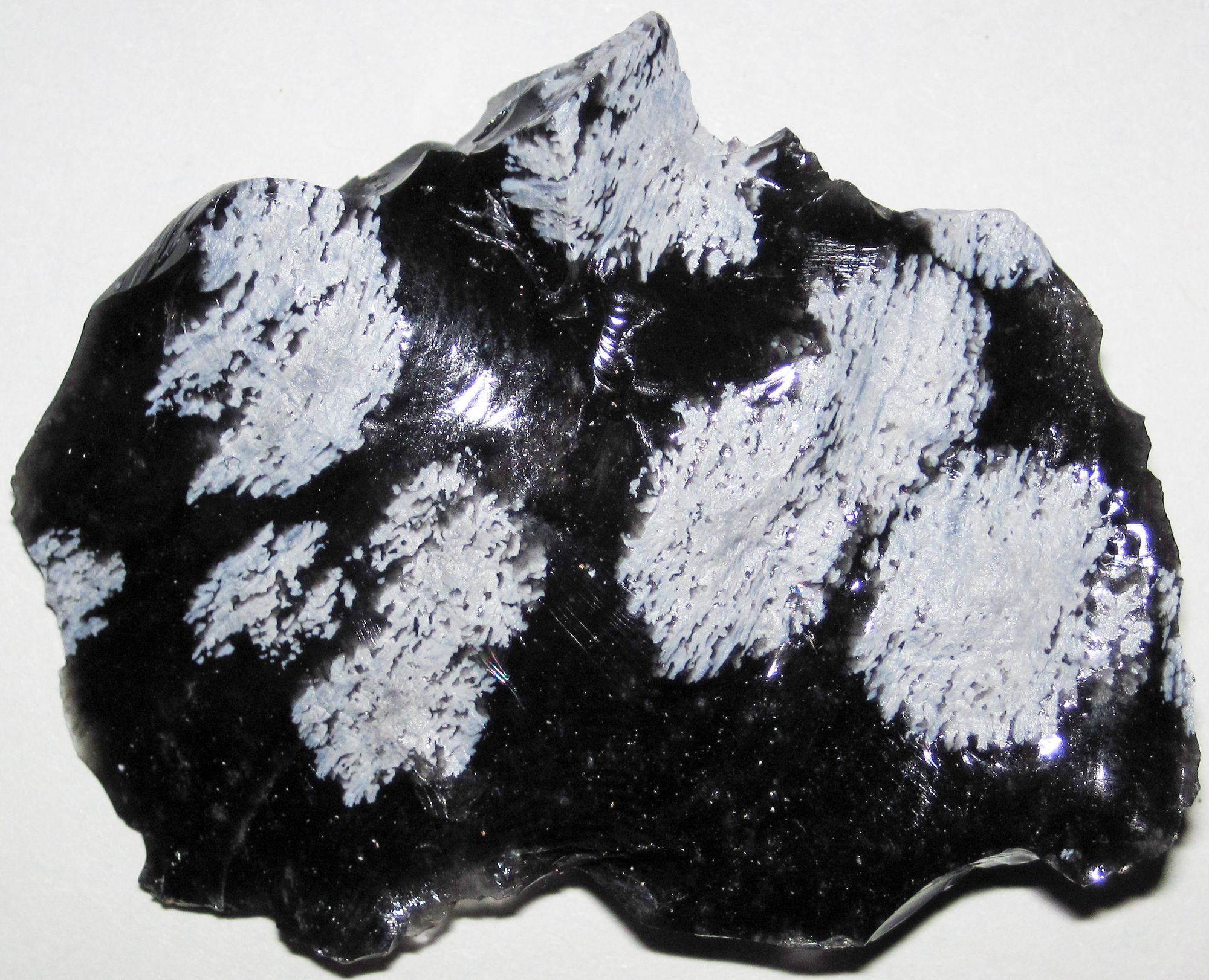
Photo: James St. John, CC BY 2.0 via Wikimedia Commons
Meaning & uses
Snowflake Obsidian Meaning
Obsidian with pale, snowflake-shaped bursts scattered through the glassy black — a visual reminder, in a stone usually known for all-or-nothing intensity, that light and dark can sit side by side.
What Is Snowflake Obsidian?
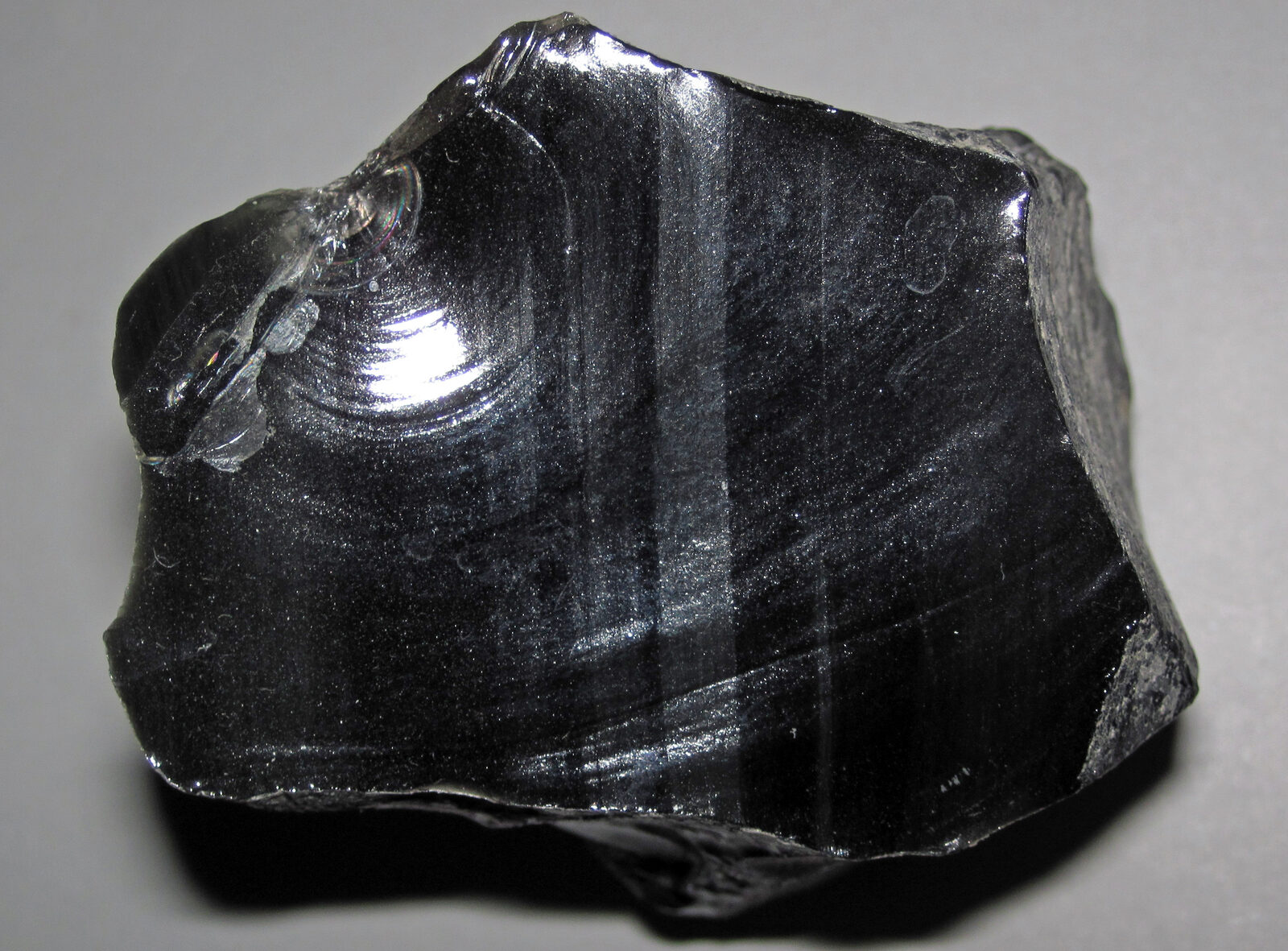
Snowflake Obsidian is volcanic glass, like every other member of the Obsidian family, but with one added ingredient: cristobalite, a separate crystalline form of silica that had just enough time and the right conditions to actually crystallize in small clusters while the rest of the surrounding glass cooled too fast to do the same. Those cristobalite clusters radiate outward from a central point, producing the pale, star-burst "snowflakes" scattered through the black glass — a genuine crystal growing inside a material that otherwise never got the chance to form one at all.
It's found wherever felsic volcanic activity has occurred, with notable material coming from the United States, Mexico, and Iceland.
A Stone With a History
Snowflake Obsidian shares the wider Obsidian family's prehistoric tool-making history, cutting just as sharp as plain Black Obsidian despite its scattered white inclusions. Its distinct pattern likely made it easy to recognize and distinguish from other volcanic glass sources even in antiquity, though it doesn't carry a documented ceremonial tradition as specific as Black Obsidian's Mesoamerican scrying mirrors.
Its modern identity is built almost entirely around its pattern: a stone whose whole visual appeal depends on a mineral other than the one that makes up the rest of it, present in just the right amount to read as pattern rather than flaw.
Meaning and Symbolism
Snowflake Obsidian's meaning softens the wider Obsidian family's usual intensity by building contrast directly into its appearance. Where Black Obsidian reads as a single, unflinching mirror, Snowflake Obsidian's white bursts against black read as balance — proof, in mineral form, that opposing qualities can coexist in the same stone without canceling each other out.
That visual balance carries into its traditional use: it's reached for less to force a confrontation with something difficult and more to interrupt a pattern gently, from the side rather than head-on.
Carried or worn to
- Balance emotional extremes without suppressing either side
- Interrupt self-defeating patterns and habits
- Surface old tension gently, without Obsidian's usual intensity
- Support quiet, honest self-reflection
Chakra, Zodiac & Element
Snowflake Obsidian is tied to the Root Chakra, matching the wider Obsidian family's core grounding association, its pale inclusions read as balance within that grounded foundation rather than a departure from it. Its Earth element follows the same logic, without the added Fire association some of its more intensely colored relatives carry.
Astrologically it's linked to Scorpio, a sign associated with transformation — tempered here by Snowflake Obsidian's gentler, more balanced approach to the same underlying work.
Part of the Obsidian Family
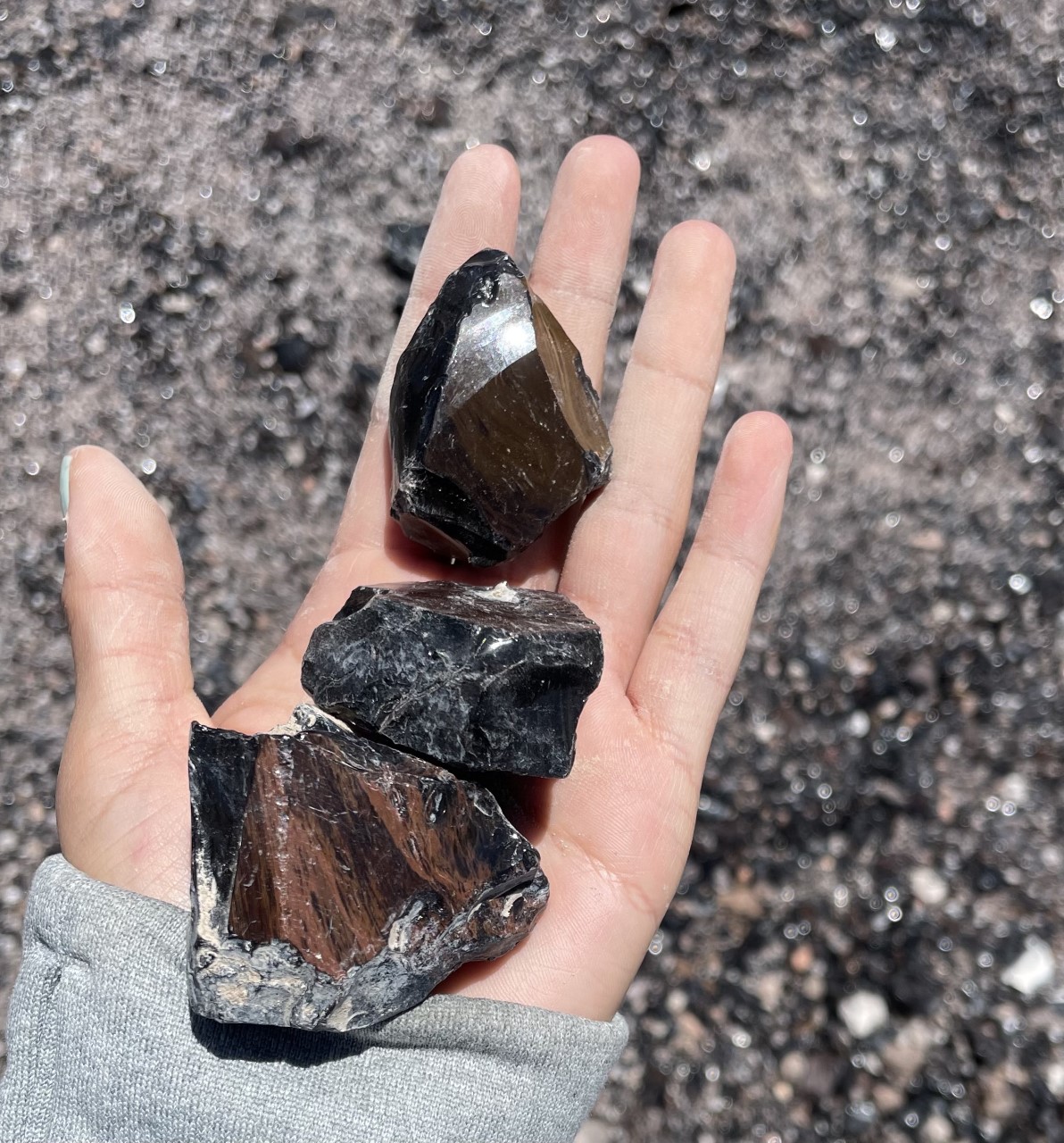
Snowflake Obsidian is one of several named varieties within the wider Obsidian family, sharing its grounding reputation while trading Black Obsidian's bluntness for something gentler. Where Mahogany Obsidian favors physical stamina and Rainbow Obsidian favors compassionate depth, Snowflake Obsidian is the family's quietest, most balanced member.
How to Use and Care for Snowflake Obsidian
At 5–5.5 on the Mohs scale, Snowflake Obsidian resists everyday wear reasonably well in polished jewelry, though like other Obsidian varieties its glass structure makes it more prone to chipping under a sharp, direct knock than its hardness number alone suggests. It's water-safe for routine cleansing.
Given its association with gentle pattern-interruption rather than forceful release, Snowflake Obsidian is traditionally worn as a quiet, everyday companion rather than reserved for intense or occasional use.
Frequently Asked Questions
What causes Snowflake Obsidian's white pattern?
Is Snowflake Obsidian the same mineral as the rest of the pattern?
Is Snowflake Obsidian safe to wear every day?
Can Snowflake Obsidian get wet?
What chakra is Snowflake Obsidian associated with?
The softer-spoken member of the Obsidian family — same grounding root, gentler delivery.
Shop by energy
Bracelets for the Root chakra
We don't have a Snowflake Obsidian bracelet yet. These share its Root chakra energy.
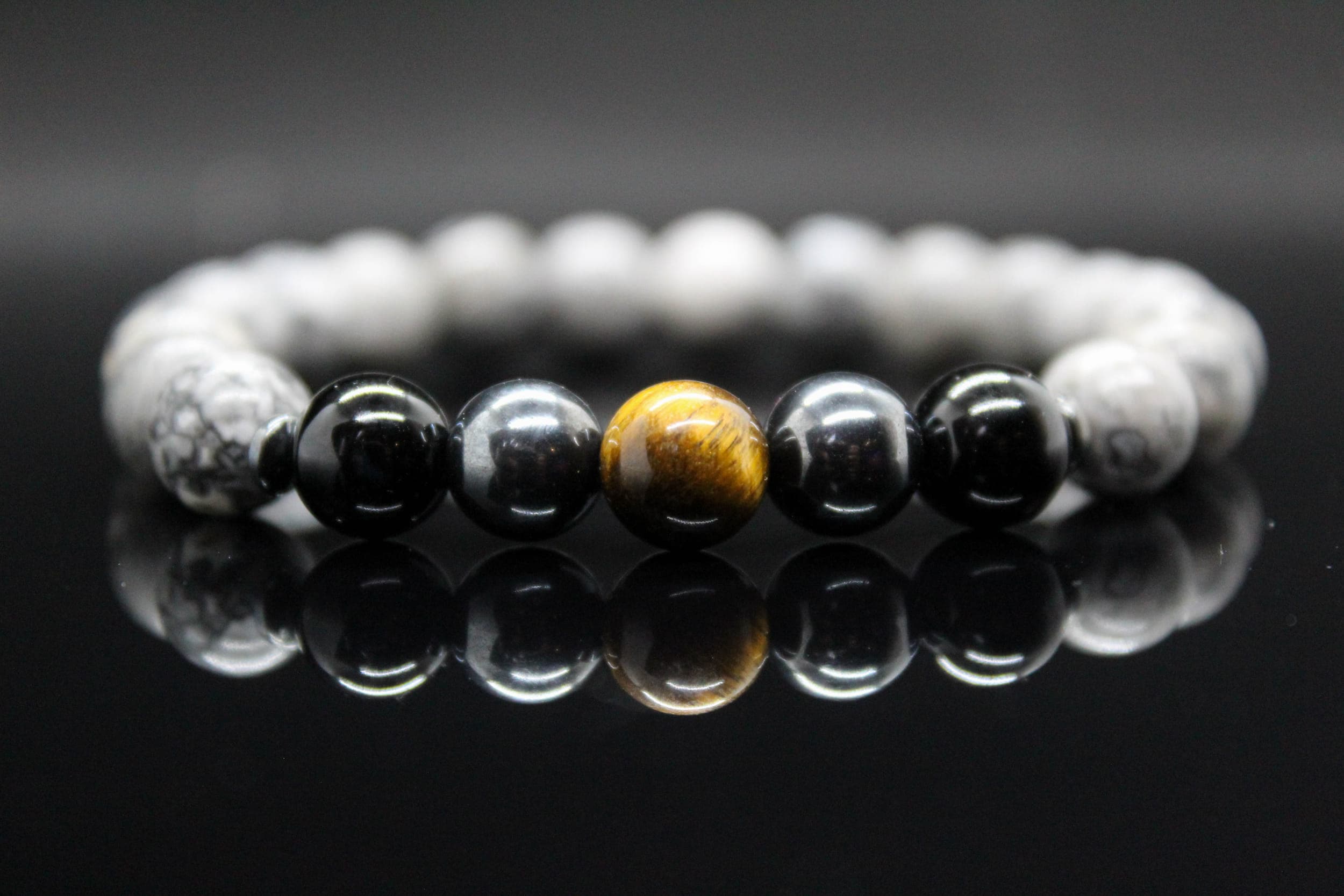
Energetic Balance Energy Bracelet
$24.00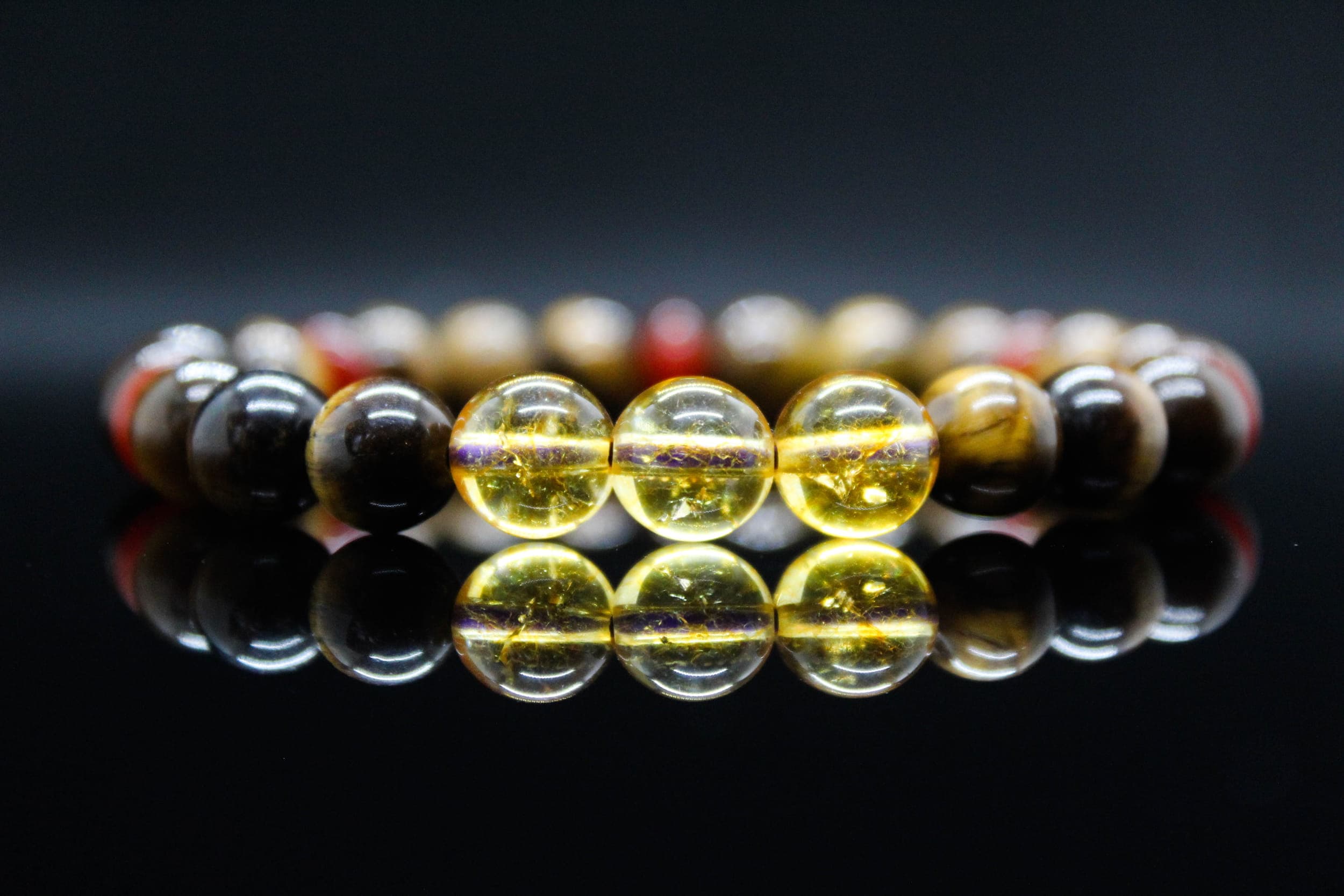
Focus Manifest Energy Bracelet
$24.00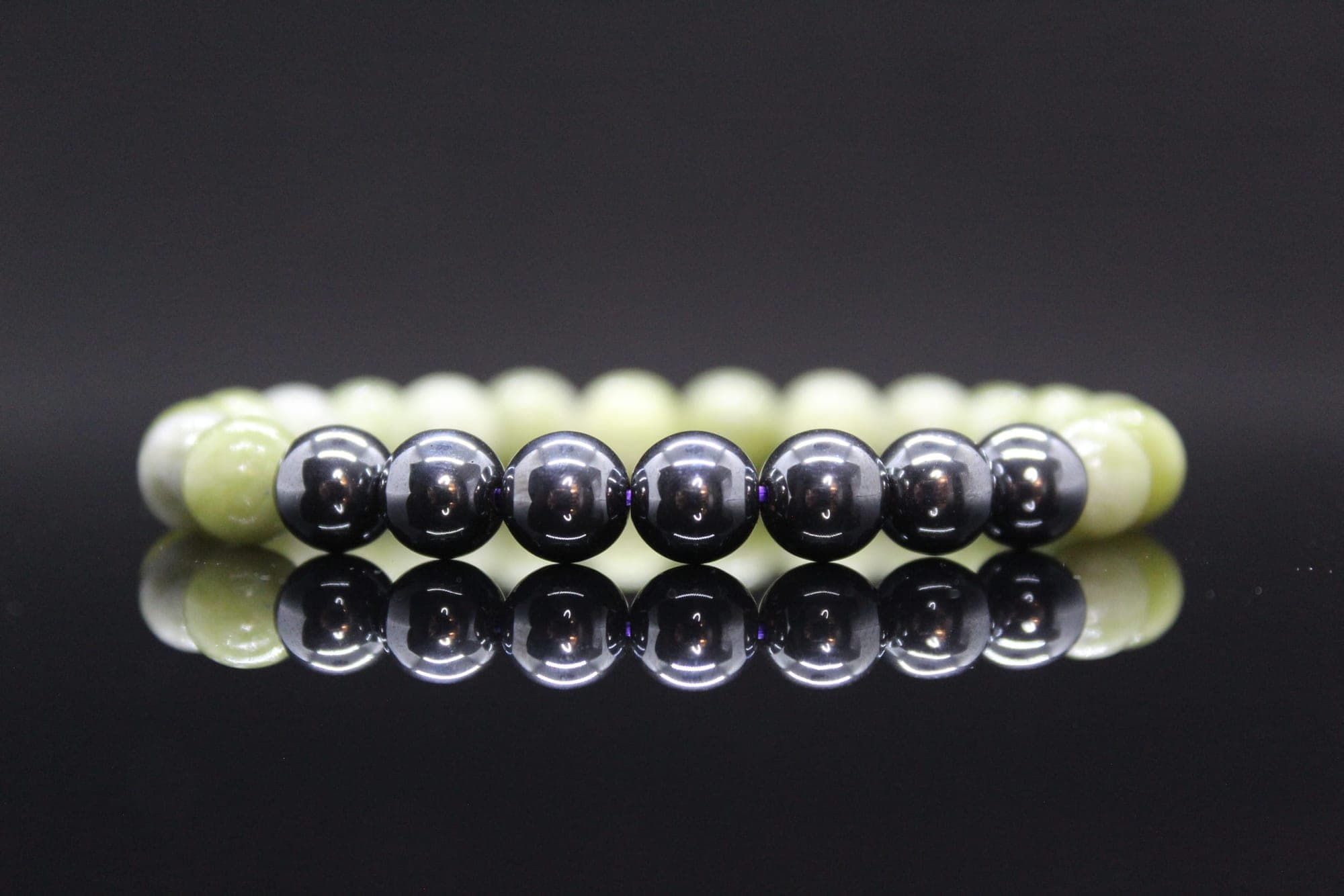
Life Force Energy Bracelet
$24.00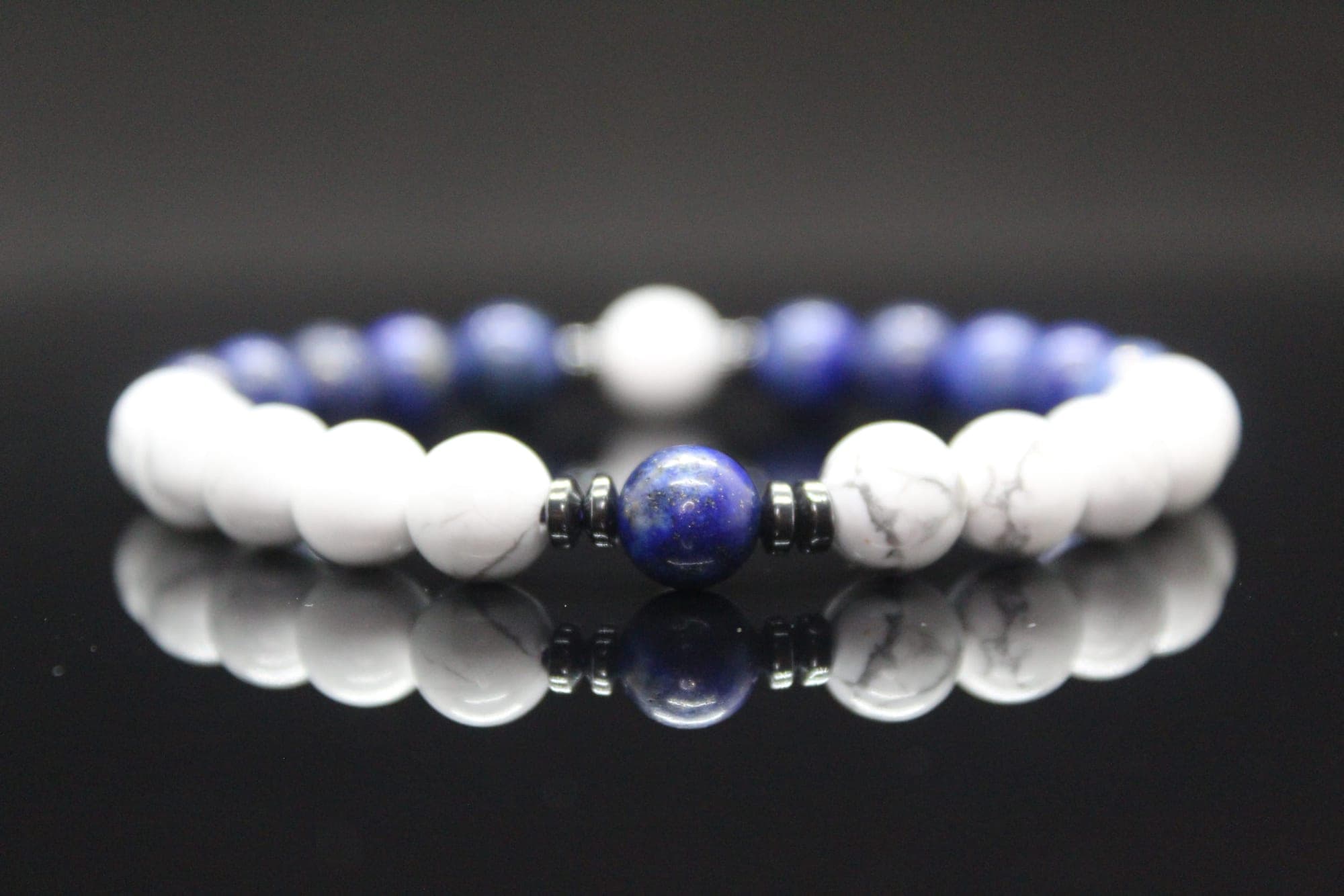
Divine Harmony Energy Bracelet
$24.00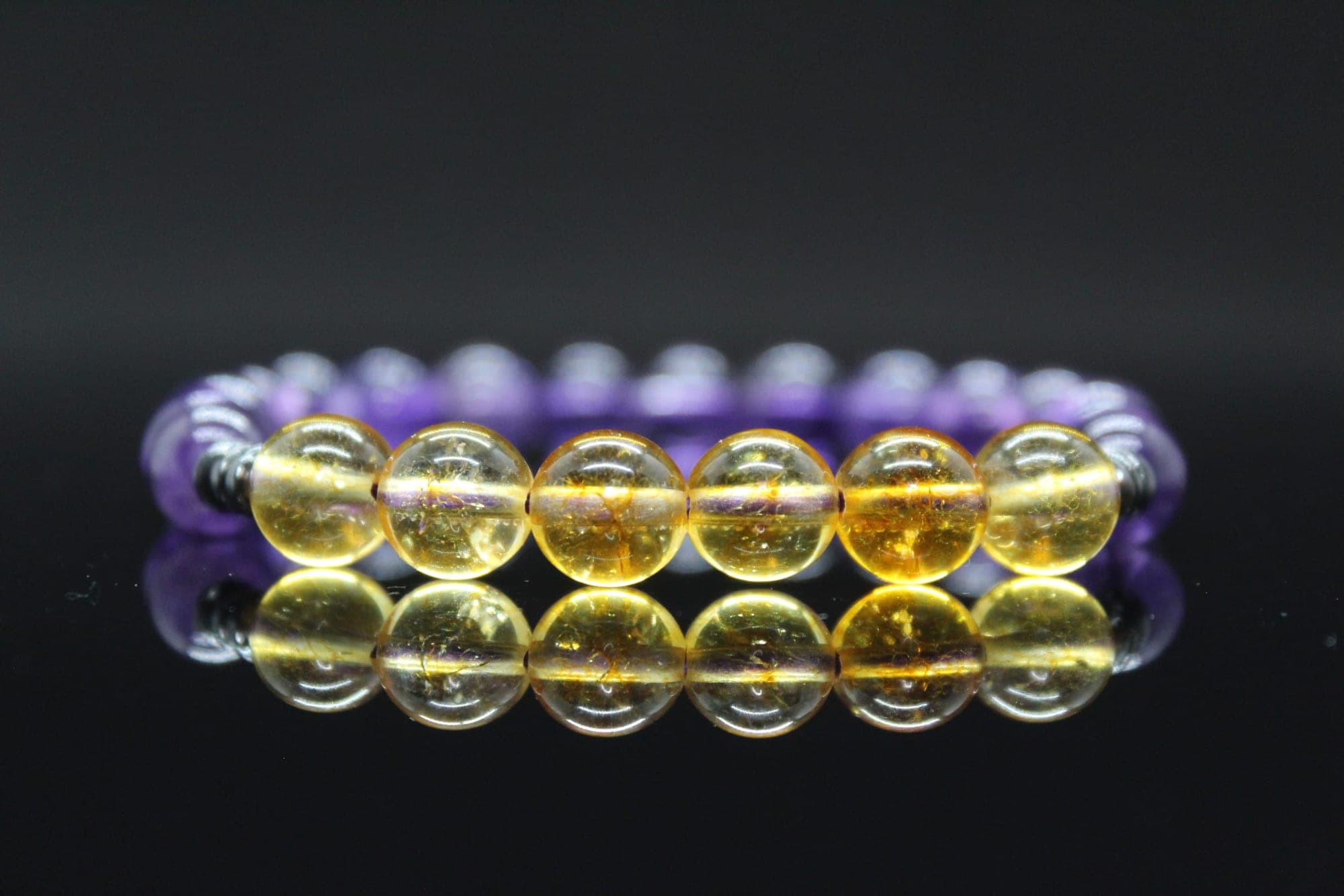
Clear Thoughts Energy Bracelet
$33.00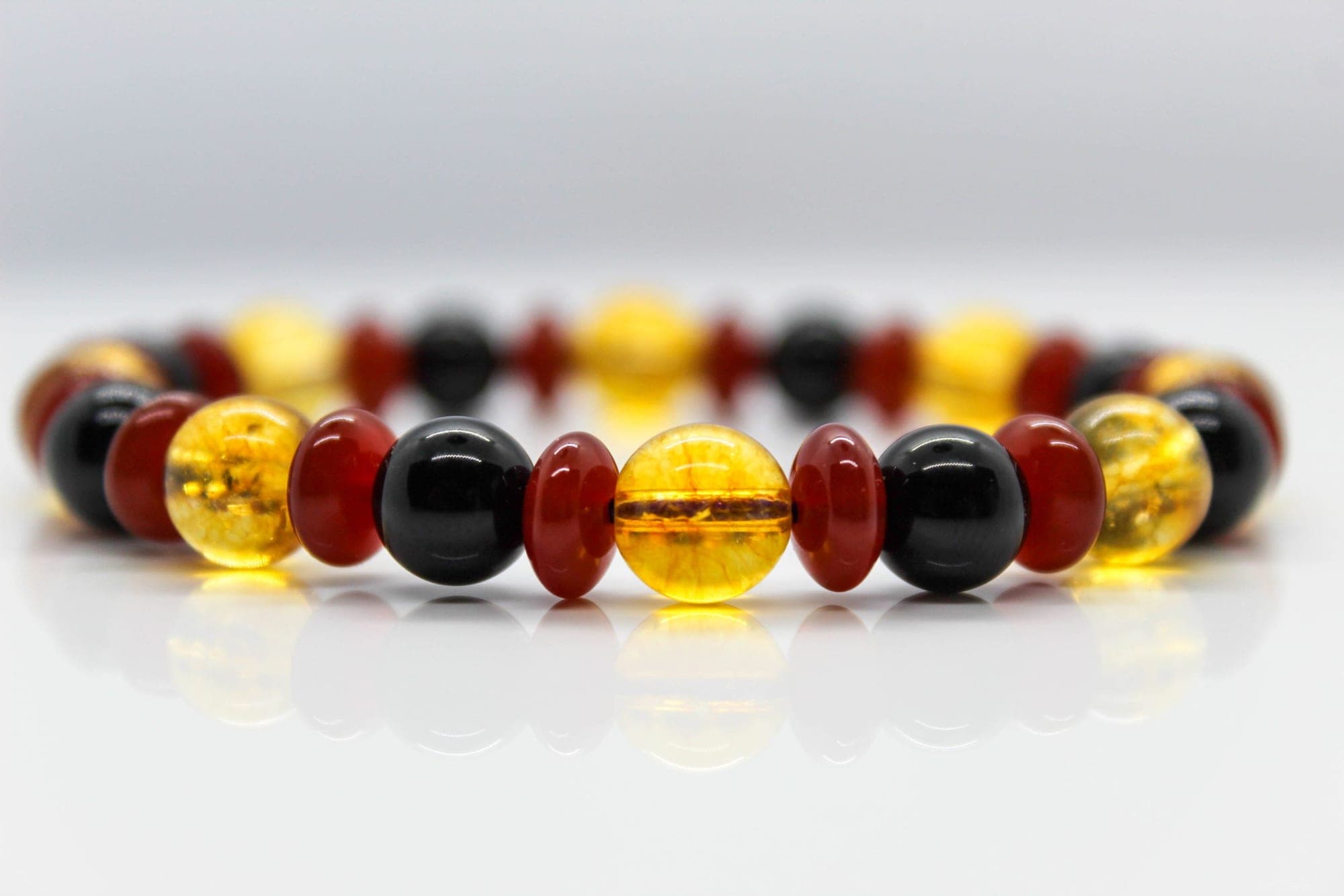
Protective Manifestation Energy Bracelet
$33.00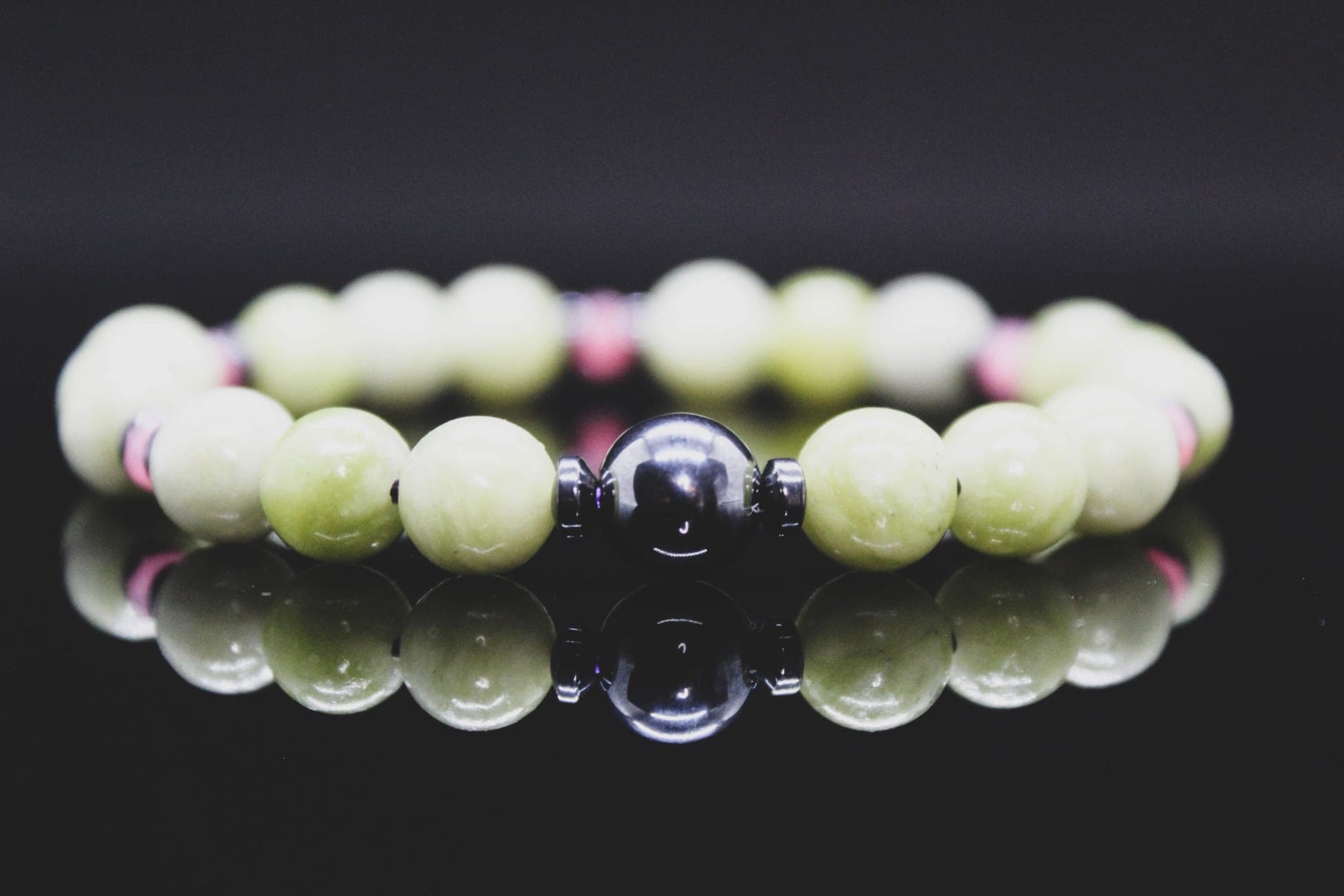
Grounding Love Energy Bracelet
$33.00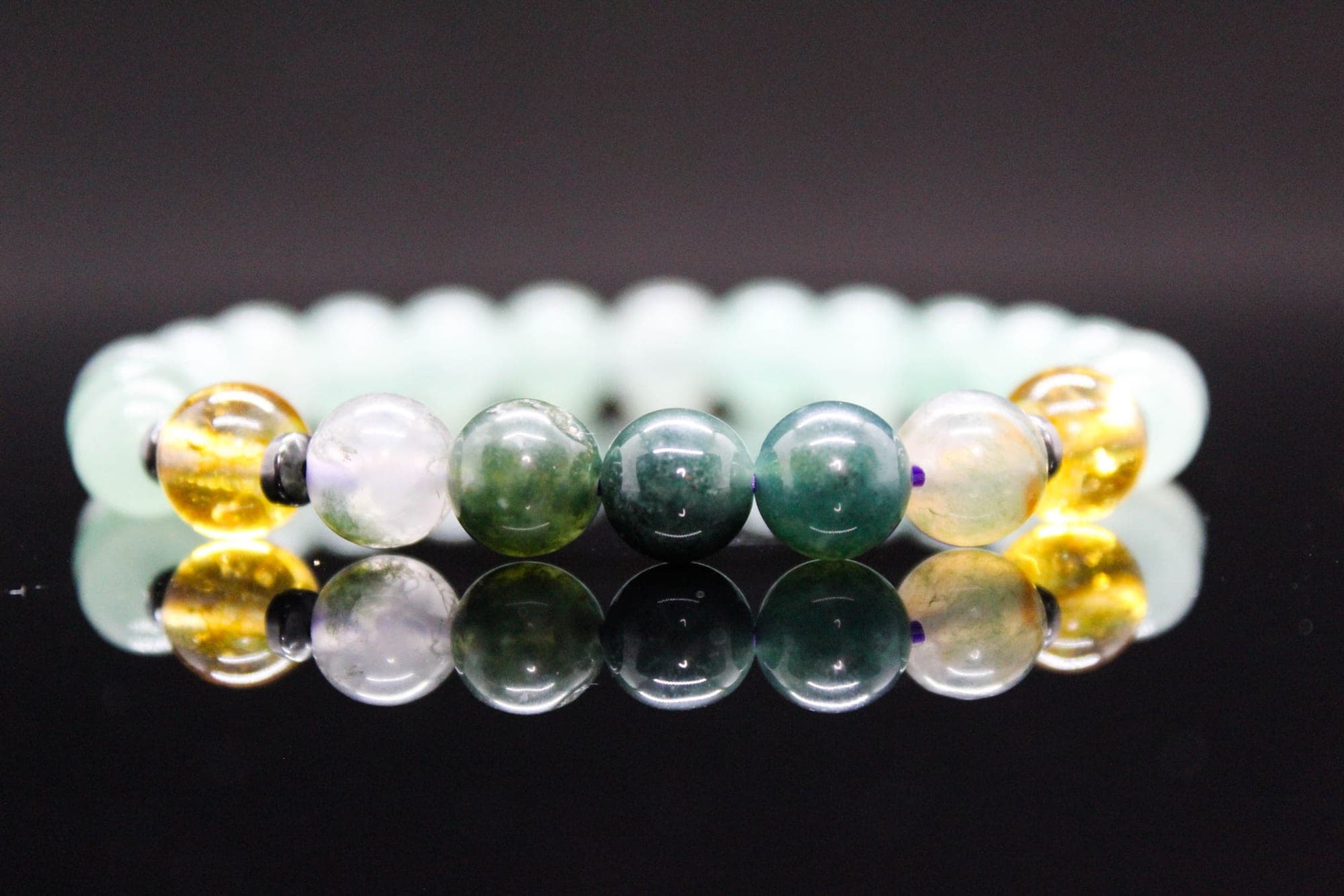
The Opulence Energy Bracelet
$33.00Part of a family