Sapphire
The Stone of Loyalty
Energy Focus
Meaning & uses
Sapphire Meaning
Sapphire's deep blue has stood for loyalty, wisdom, and heavenly favor for so long that its name was once given to a different stone entirely.
What Is Sapphire?
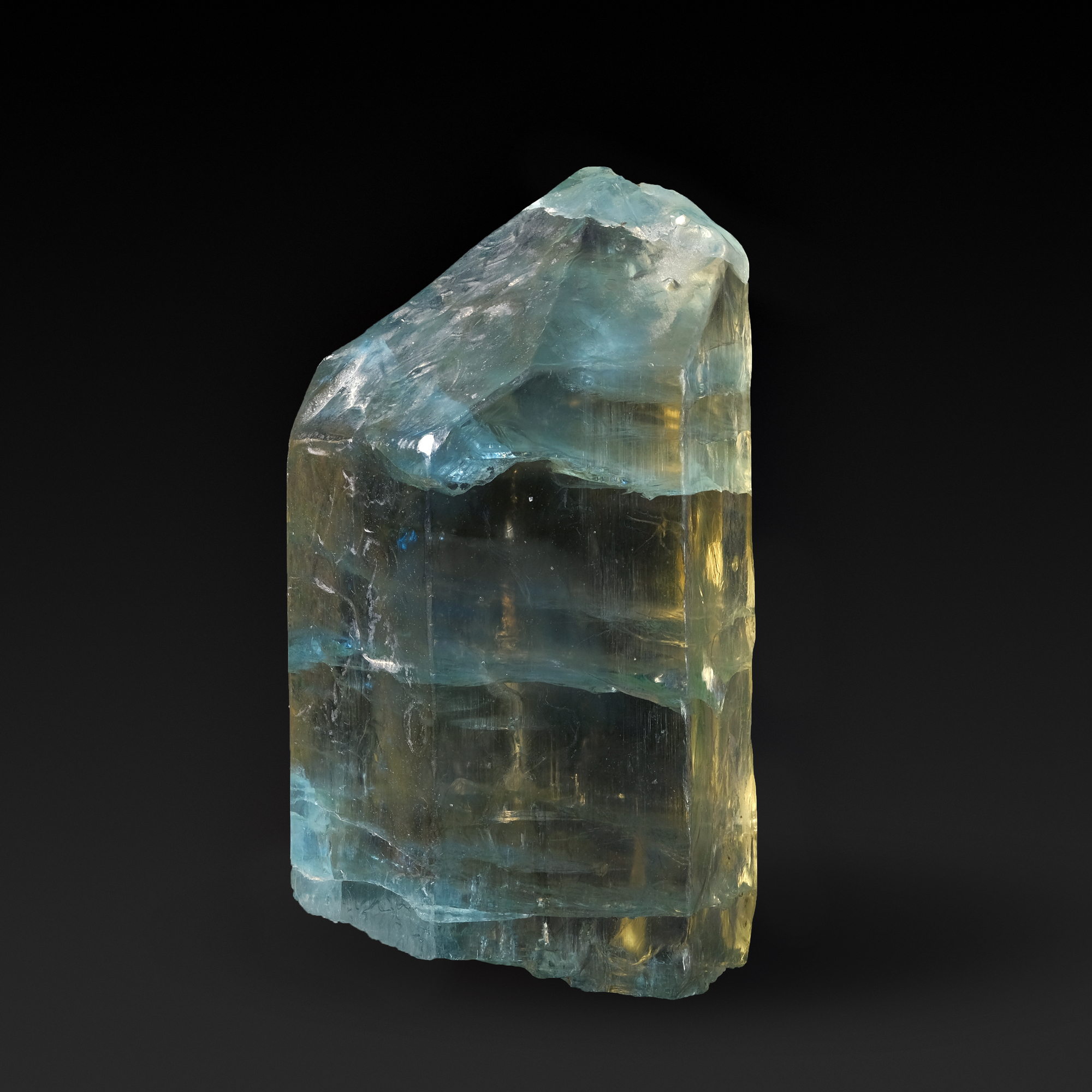
Sapphire is gem-quality corundum, a crystalline aluminum oxide, in any color except red; the red variety is Ruby. Blue sapphire gets its color from trace amounts of iron and titanium, and the same mineral produces pink, yellow, green, orange, and colorless stones as well.
At 9 on the Mohs scale, sapphire is one of the hardest natural gems, behind only diamond. The most important sources today are Sri Lanka, Madagascar, and Myanmar, and sapphire is the traditional birthstone for September.
The dividing line with ruby is a matter of color: when corundum is pinkish, whether it counts as a pink sapphire or a ruby depends on how deep the red is. Some sapphires even change color with the light, looking blue in daylight and purplish under incandescent bulbs, which the trade calls color change.
A Stone With a History
The word sapphire comes from the Greek sappheiros, but scholars believe the ancient Greeks and Romans were actually describing Lapis Lazuli, the deep-blue stone flecked with gold. The name moved to the corundum we know now in the Middle Ages, when its hardness and clarity made it the finer stone.
In medieval Europe, sapphire rings were worn by bishops and clergy as a symbol of heaven, and sapphire was linked with purity and faith. Persian tradition told that the earth rested on a giant sapphire whose reflection colored the sky. One of the most famous sources of all, the velvety blue sapphires of Kashmir, came to light in the early 1880s after a landslide in the Himalayas exposed a vein, and their soft glow has been a benchmark ever since.
Sapphire has been a mark of royalty for centuries, appearing in coronation jewelry across Europe, and it remains the traditional stone for a 45th wedding anniversary.
Meaning and Symbolism
Sapphire's meaning comes from its color and its durability. Deep blue has long stood for depth, truth, and calm authority, while sapphire's toughness makes it a symbol of loyalty that does not give way. It is the traditional stone of fidelity and honest words, and it has been given as a pledge of commitment for centuries.
It is also associated with a clear, disciplined mind, the kind of focus that comes with a settled sense of purpose.
A medieval European belief held that sapphire protected its wearer from envy and harm and attracted divine favor, which is part of why it was so closely tied to the church and to kings. Today that tradition survives as a symbol of integrity and of promises meant to last.
Carried or worn to
- Support clear, honest communication
- Strengthen focus and mental discipline
- Honor loyalty and long commitments
- Invite calm confidence in serious moments
Chakra, Zodiac & Element
Sapphire is most often tied to the Throat Chakra, the center of truthful speech, and the Third Eye Chakra, the center of insight, both of which share its blue color. Its Water element association reflects the depth and calm of its color.
As the birthstone for September, sapphire is linked with Virgo and Libra. Virgo for the stone's precision and clear-mindedness, and Libra for its association with fairness, loyalty, and balanced judgment.
Varieties of Sapphire
Although blue is the classic, sapphire comes in nearly every color, which the trade calls "fancy" sapphires. Yellow and golden sapphires, green sapphires, and pink sapphires are all prized, and the rare pink-orange padparadscha, whose name comes from the Sinhalese word for lotus blossom, is traditionally associated with Sri Lanka. Some stones contain fine rutile needles that create a six-rayed star, called star sapphire.
Blue sapphire itself ranges from pale, icy tones to deep, inky blue, with the velvety "cornflower" blue of Sri Lanka and Kashmir among the most admired. Montana, in the United States, produces sapphires in steely blues and greens as well.
Most sapphires on the market are heat-treated to improve color, which is standard and widely disclosed, and lab-grown sapphires are chemically the same as natural ones.
How to Use and Care for Sapphire
At 9 on the Mohs scale, sapphire is extremely durable and an excellent choice for everyday rings and bracelets. It is water-safe and can be cleaned with warm soapy water and a soft brush. Sapphires that have been fracture-filled or diffusion-treated deserve extra care, so avoid ultrasonic cleaning and harsh chemicals for those.
Because sapphire is harder than almost everything it will meet, it can scratch softer stones stored loose beside it, so keep it in its own pouch. It is traditionally cleansed under moonlight. It pairs well with other calming blue stones; our Crystal Combinations guide covers some combinations.
A sapphire's value is driven by color first: a vivid, medium-dark blue is the most prized. Origin and treatment matter too, so ask whether a stone has been heated or treated in any other way, and look for a seller who answers plainly.
Frequently Asked Questions
What is sapphire traditionally used for?
What chakra is sapphire associated with?
Is sapphire the same as ruby?
Is sapphire a birthstone?
Are all sapphires blue?
A steadfast stone of clear sky and honest word.
Shop by energy
Bracelets for the Throat and Third Eye chakras
We don't have a Sapphire bracelet yet. These share its Throat or Third Eye chakra energy.
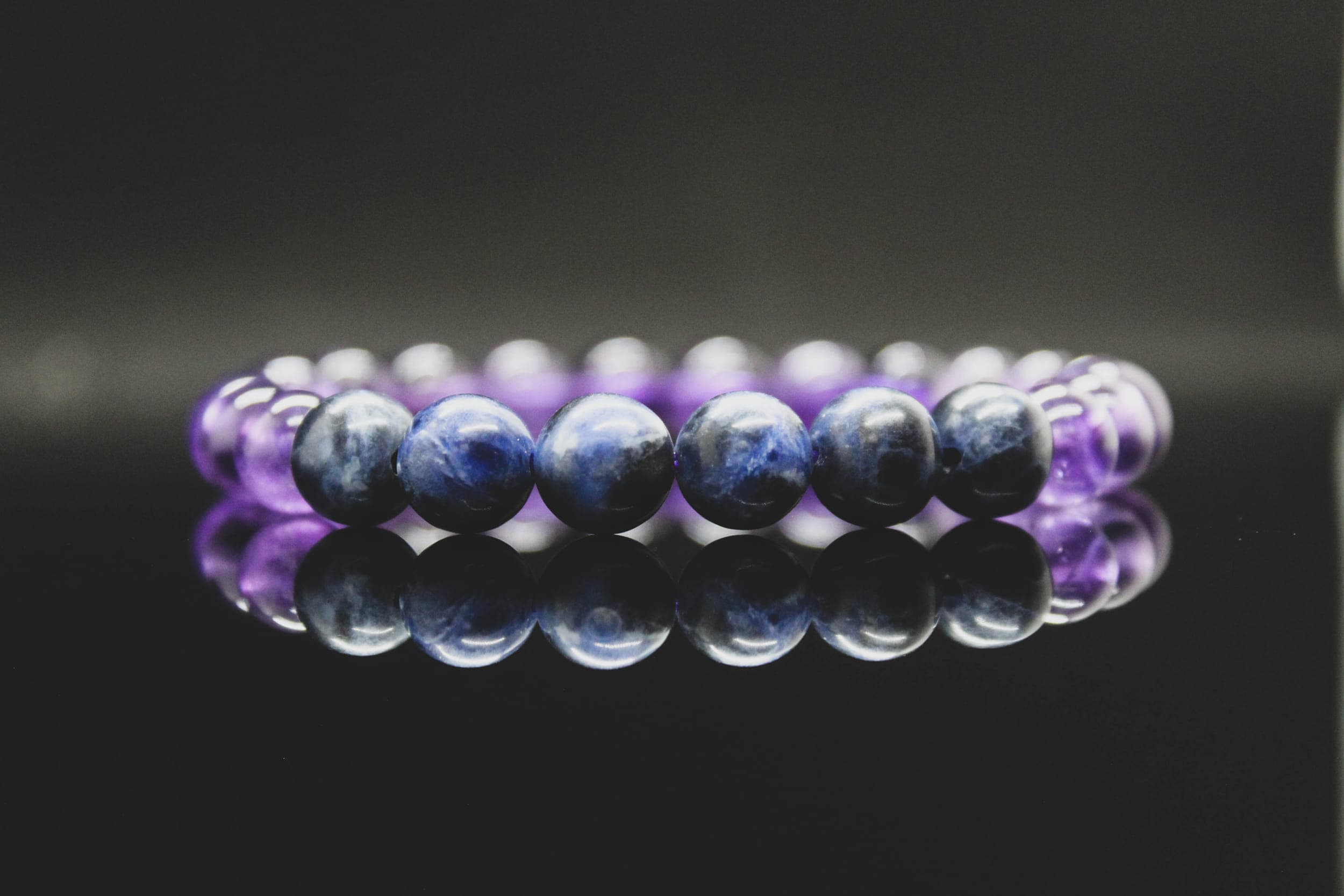
Creative Balance Energy Bracelet
$24.00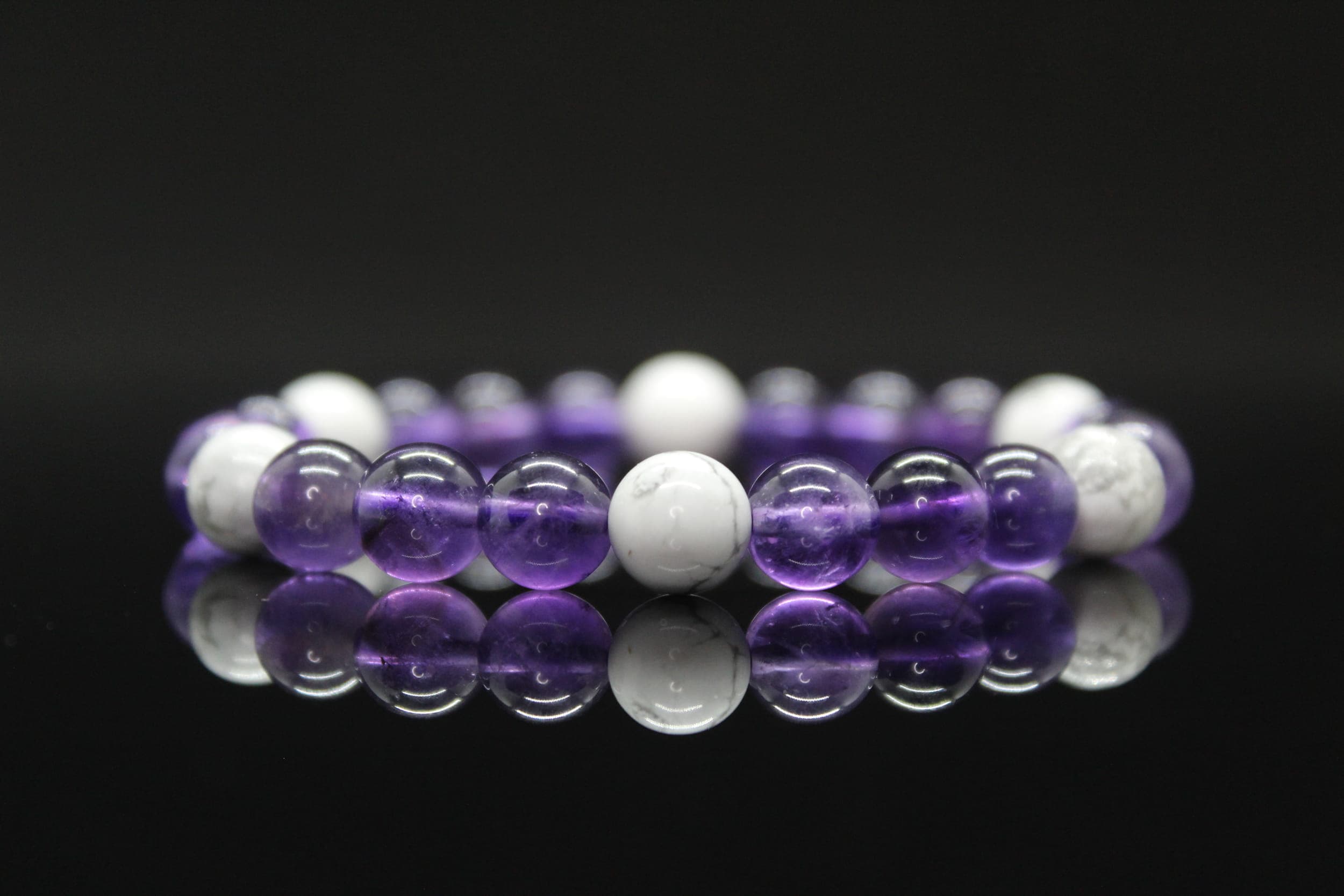
Higher Self Energy Bracelet
$24.00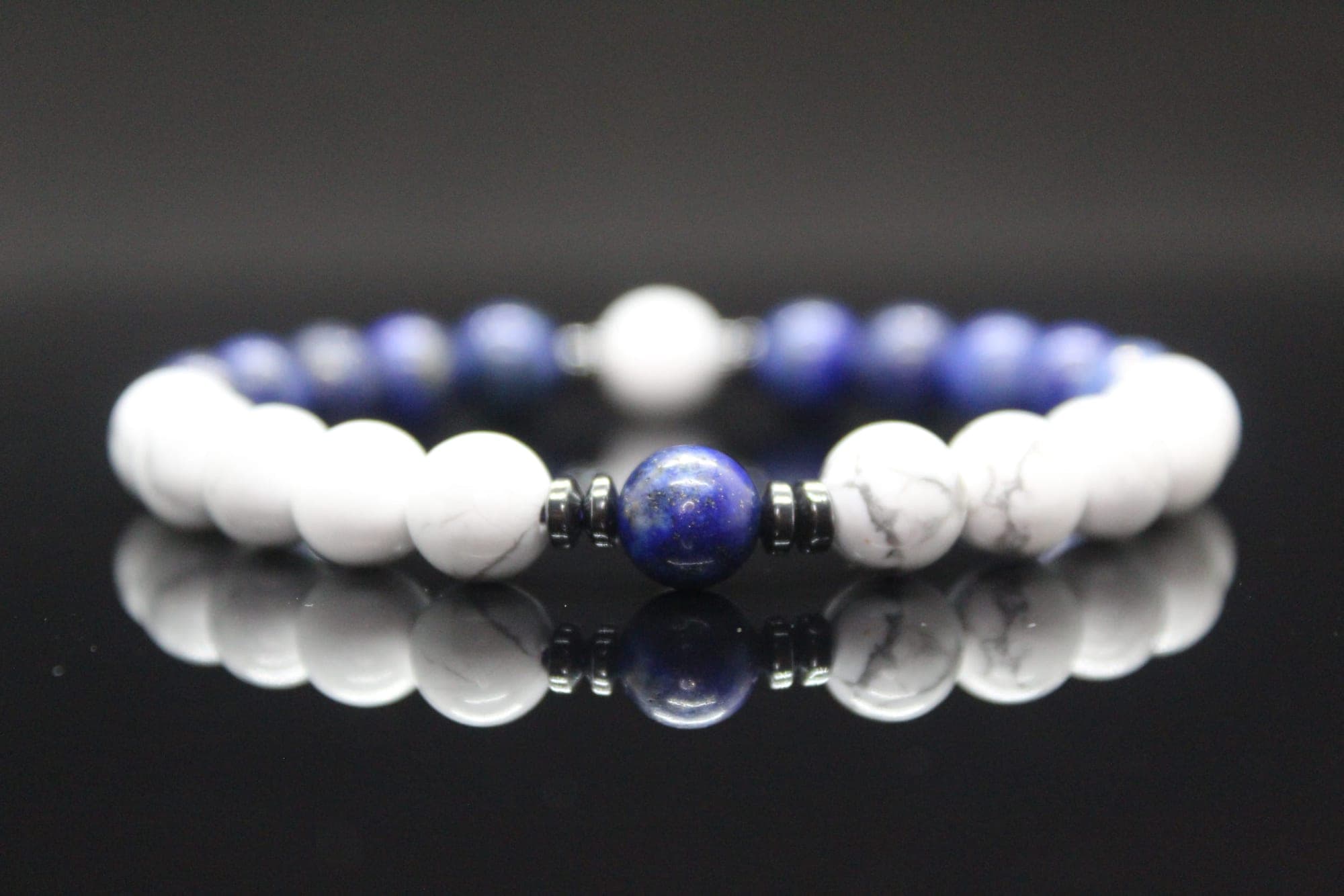
Divine Harmony Energy Bracelet
$24.00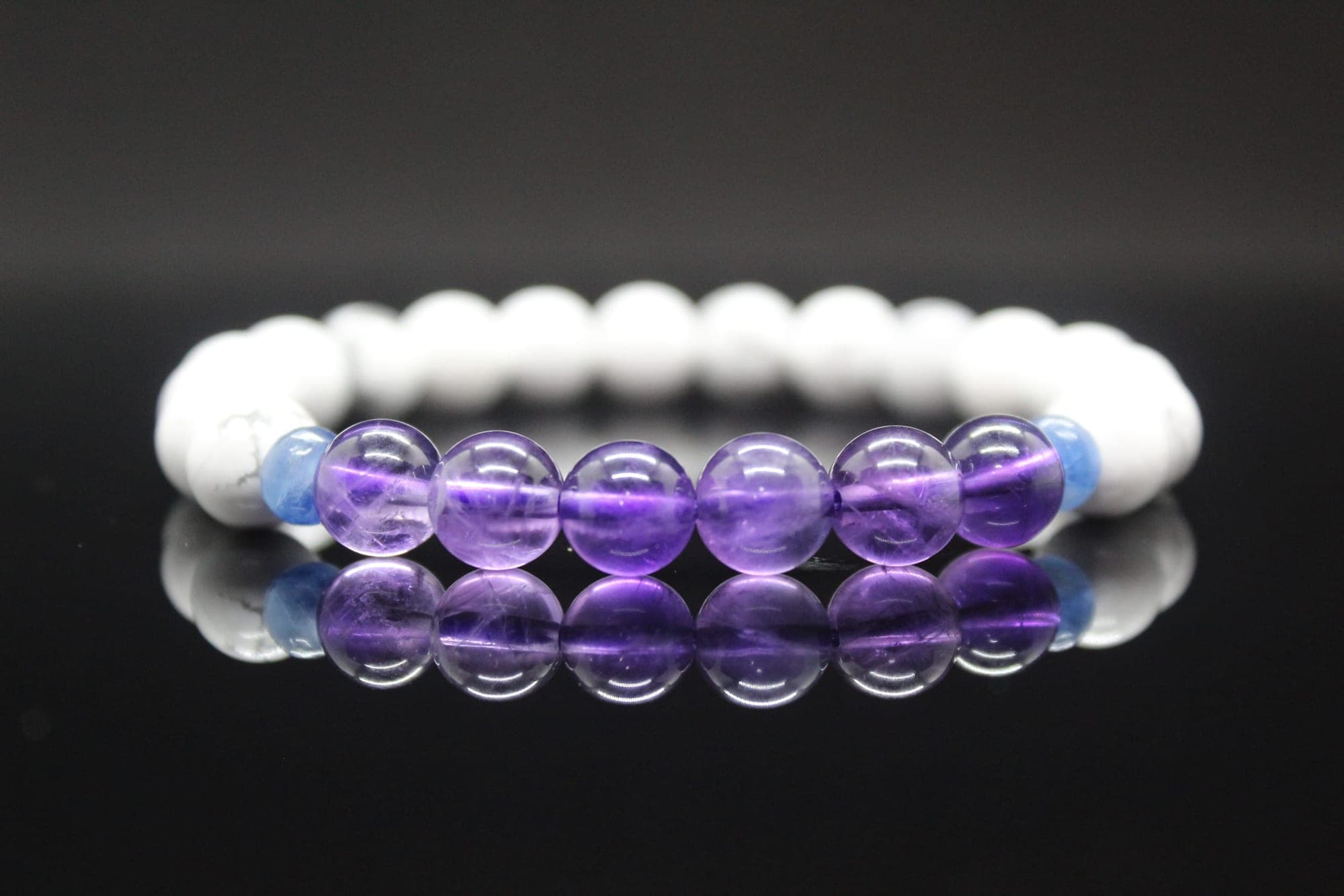
The Crown Energy Bracelet
$24.00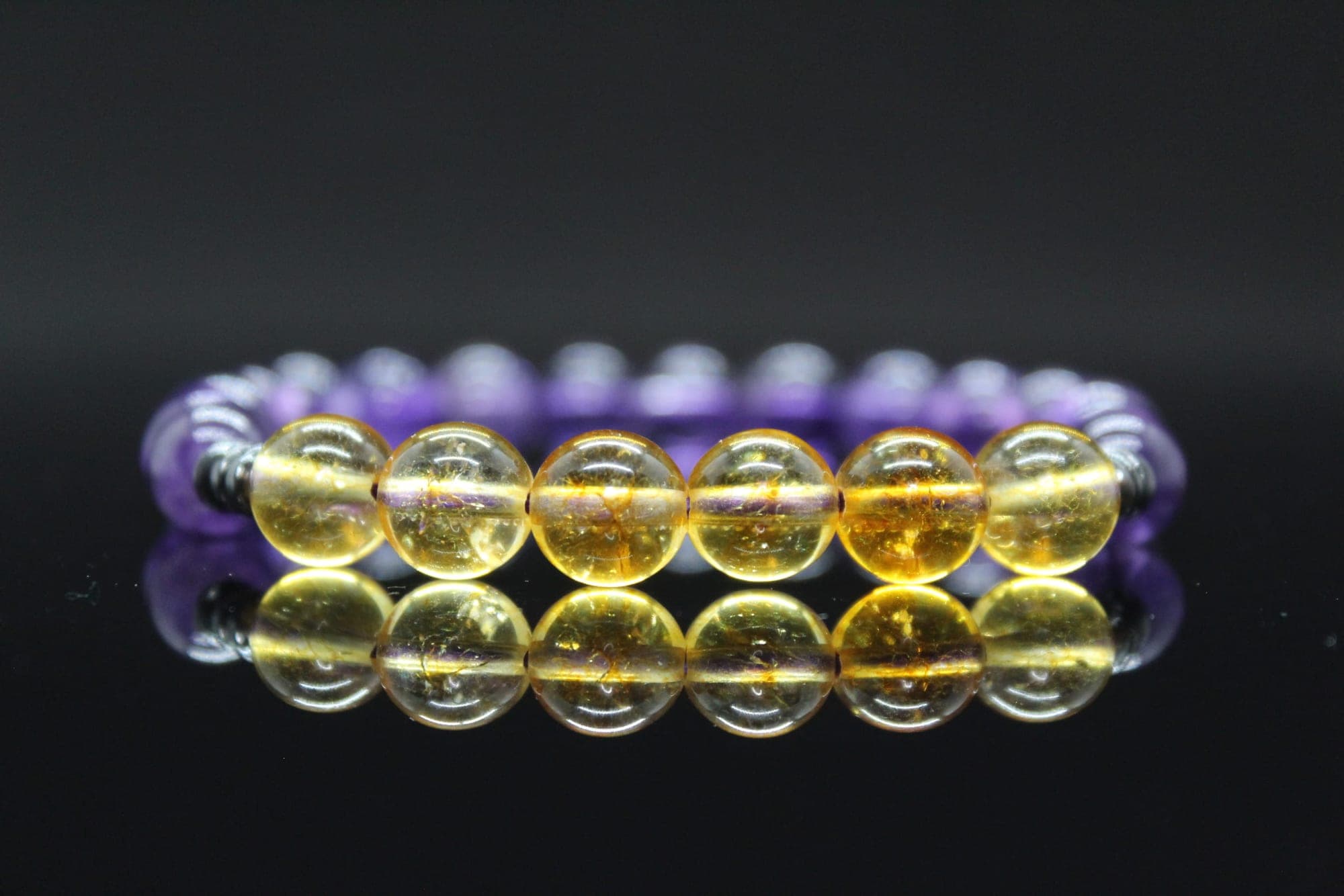
Clear Thoughts Energy Bracelet
$33.00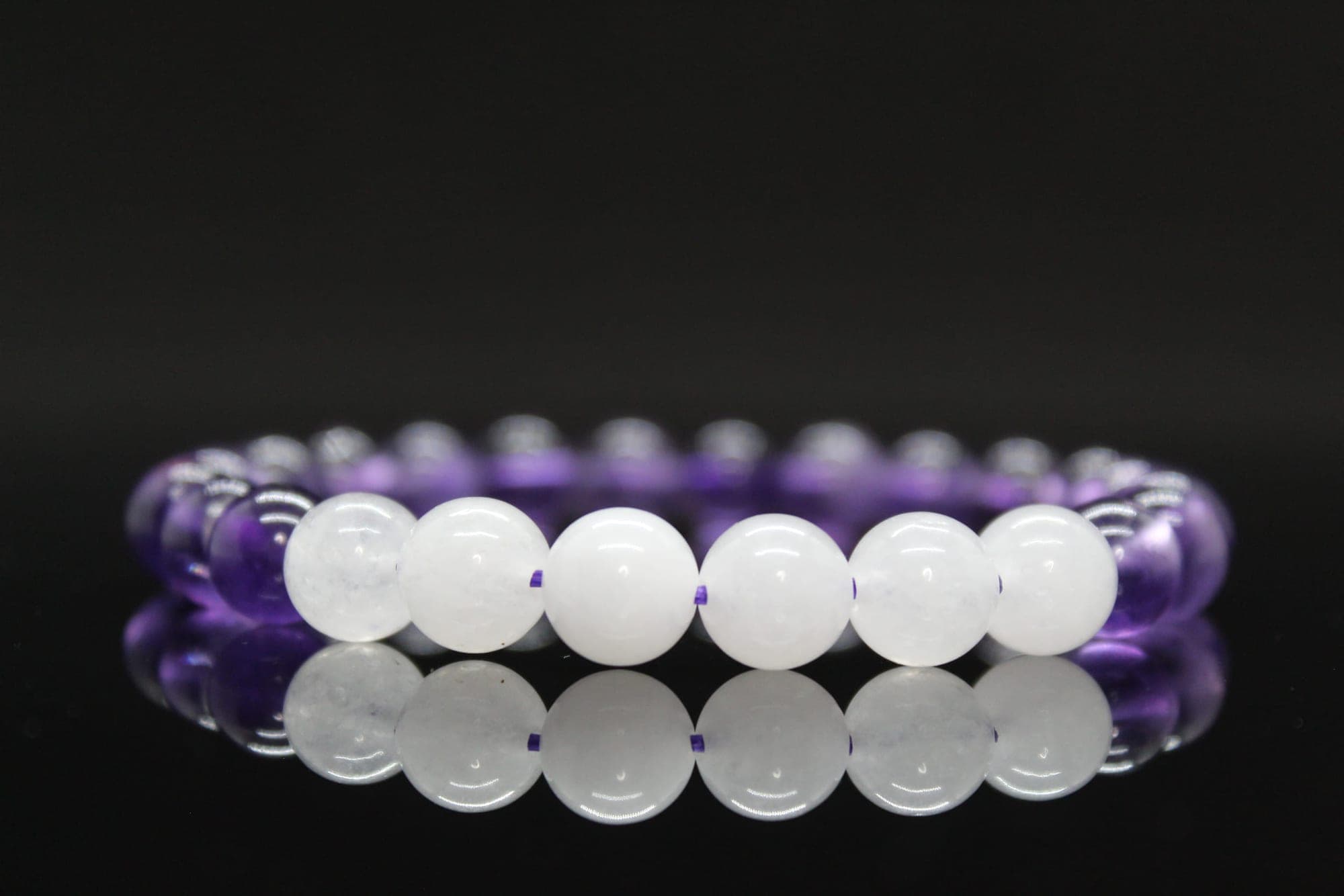
Divine Calming Energy Bracelet
$24.00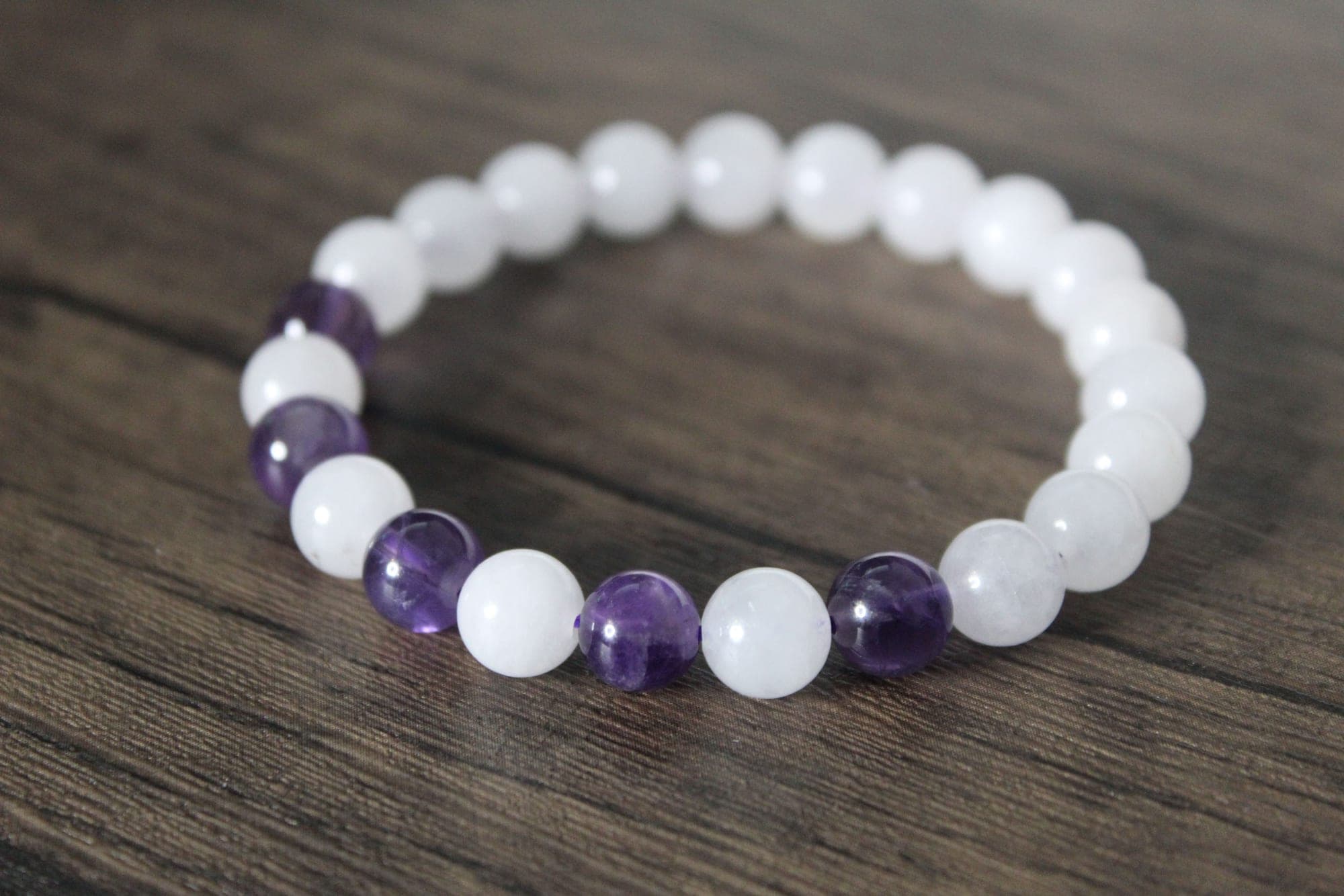
Divine Thoughts Energy Bracelet
$33.00