Ruby
The King of Gems
Energy Focus
Meaning & uses
Ruby Meaning
Ruby has been called the king of gems for thousands of years, and its deep, glowing red has made it a symbol of passion, courage, and life force in nearly every culture that has held one.
What Is Ruby?
Ruby is the red variety of corundum, a crystalline form of aluminum oxide. Pure corundum is colorless, and it is a trace of chromium that turns it red; the more chromium, the deeper the color. That same chromium makes a fine ruby glow red under ultraviolet light, which is part of why the best stones seem to light up from within.
At 9 on the Mohs hardness scale, ruby is second only to diamond among natural gems. The name comes from the Latin ruber, meaning "red." Rubies form in marble and in certain volcanic rocks, and the most celebrated sources today are Myanmar, whose Mogok valley has been mined for centuries, Mozambique, and Sri Lanka.
A Stone With a History
In Sanskrit, ruby was ratnaraj, "king of gems," and in ancient India it was offered to the gods as a treasure beyond price. In Burma, warriors were said to prize rubies as a source of strength in battle. The Venetian traveler Marco Polo recorded in the 13th century that Kublai Khan offered the value of a city for a single ruby belonging to the king of Ceylon, a story that has been repeated ever since as a measure of the stone's worth.
Some of Europe's most famous rubies are not rubies at all. The great red gem known as the Black Prince's Ruby, set in the Imperial State Crown of Britain, is actually a spinel; before modern gemology, the two stones were routinely confused. Ruby also left its mark on science: in 1960, the first working laser was built around a synthetic ruby crystal.
Burmese rubies were so famous that Mogok earned the nickname "the Valley of Rubies." In the modern era, the discovery of a huge deposit at Montepuez in northern Mozambique in 2009 brought one of the largest new supplies of ruby ever found to the market.
Meaning and Symbolism
Ruby's meaning comes straight from its color. Red is the color of blood, fire, and the beating heart, and ruby's intense saturation has made it a long-standing emblem of vitality, courage, and devotion. Because it is so hard, it also stands for endurance: a passion that does not wear down.
Traditionally, it is a stone for people who want to feel bolder, warmer, and more alive, and for relationships that run on strong feeling.
Although ruby is the stone of passion, its tradition is not one of recklessness. In older lore it is the gem of rulers and commanders, associated with leadership that is warm rather than cold, which is why it has so often been set in crowns and ceremonial regalia.
Carried or worn to
- Strengthen courage and personal confidence
- Fuel motivation and a sense of vitality
- Honor devotion and deep love
- Carry a traditional symbol of success and status
Chakra, Zodiac & Element
Ruby is associated with the Root Chakra, the energy center of survival, vitality, and physical presence, as well as with the Heart Chakra. The Root link comes from its fiery red color, and the Heart link from its long association with love and devotion. Its Fire element association needs little explanation.
Ruby is the traditional birthstone for July, so it is linked with Cancer and Leo. Leo shares the stone's bold, regal, warm-blooded character, while Cancer reflects its protective, heartfelt side.
Varieties of Ruby
Ruby varies mostly by color and by the way it handles light. The most prized stones are a vivid, slightly bluish red, which the gem trade calls "pigeon's blood," traditionally associated with Myanmar. Paler pinkish-red stones are also rubies, and the line between a pink sapphire and a ruby is a matter of the depth of red. Some rubies contain fine needle-like inclusions that create a star effect, called a star ruby. A very different relative is ruby in zoisite from Tanzania, a rough green-and-red stone with its own look.
Most commercial rubies are heat-treated to improve color, which is standard and widely disclosed in the trade, and lab-grown rubies are chemically identical to natural ones. Ruby is closely related to Sapphire, which is the same mineral in every other color.
How to Use and Care for Ruby
At 9 on the Mohs scale, ruby is among the most durable gemstones and well suited to everyday wear in rings and bracelets. It is water-safe and is easily cleaned with warm soapy water and a soft brush. Rubies that have had fractures filled with glass should avoid ultrasonic cleaners, steam, and harsh acids.
Ruby is traditionally cleansed in sunlight or moonlight. Its energetic character pairs well with calmer stones, and our Crystal Combinations guide covers combinations that balance bold intentions with steadiness. For a red stone with a different personality, see Garnet.
If you are buying, the three things that shape a ruby's character are color, clarity, and origin. Well-formed, strongly colored stones are valued over large pale ones, and because treatment is so common, it is worth asking whether a stone has been heated or filled.
Frequently Asked Questions
What is ruby traditionally used for?
What chakra is ruby associated with?
Is ruby the same as sapphire?
Is ruby a birthstone?
Can ruby get wet?
How can I tell ruby from red garnet or spinel?
A bold, enduring stone that burns with steady warmth.
Shop by energy
Bracelets for the Root and Heart chakras
We don't have a Ruby bracelet yet. These share its Root or Heart chakra energy.
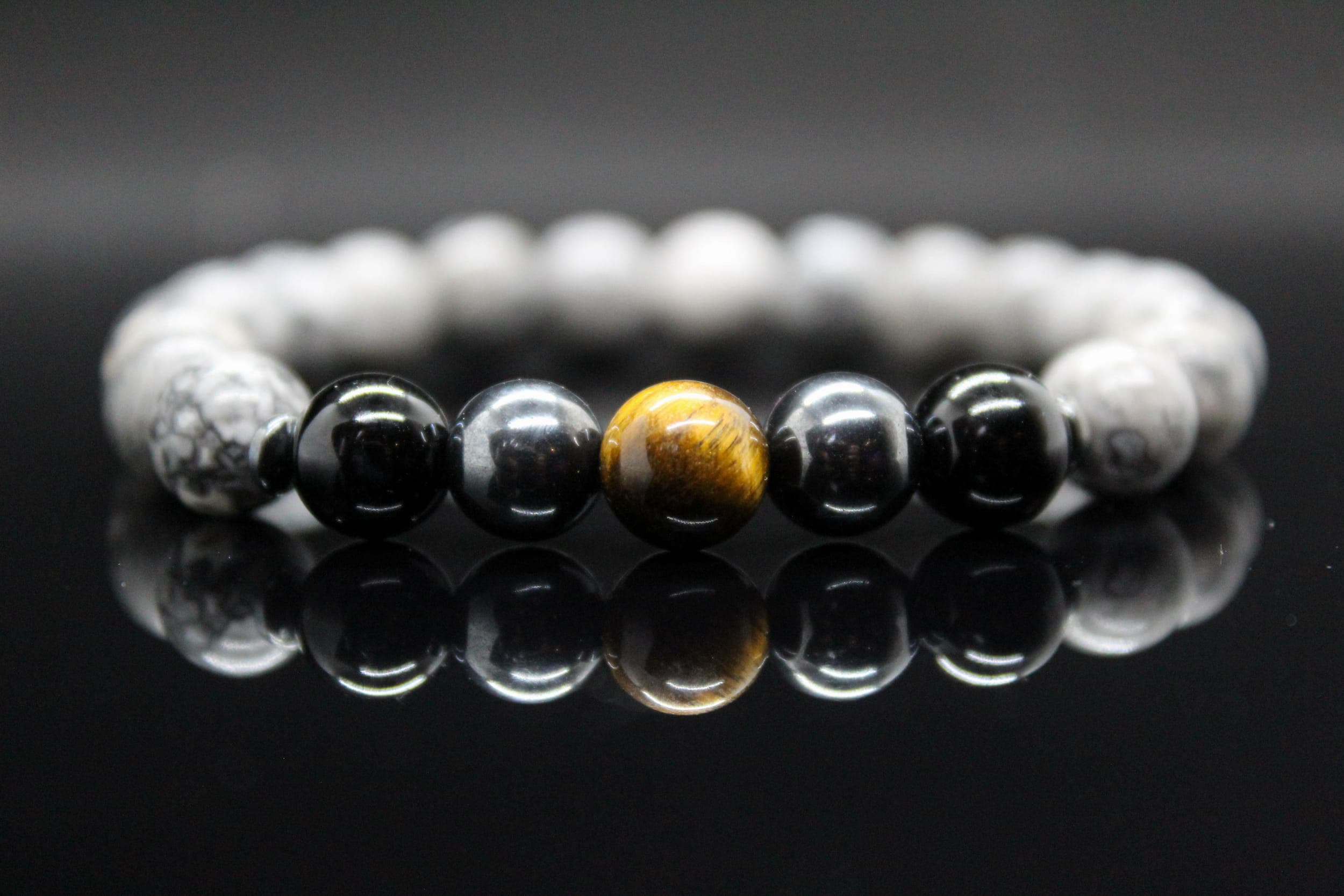
Energetic Balance Energy Bracelet
$24.00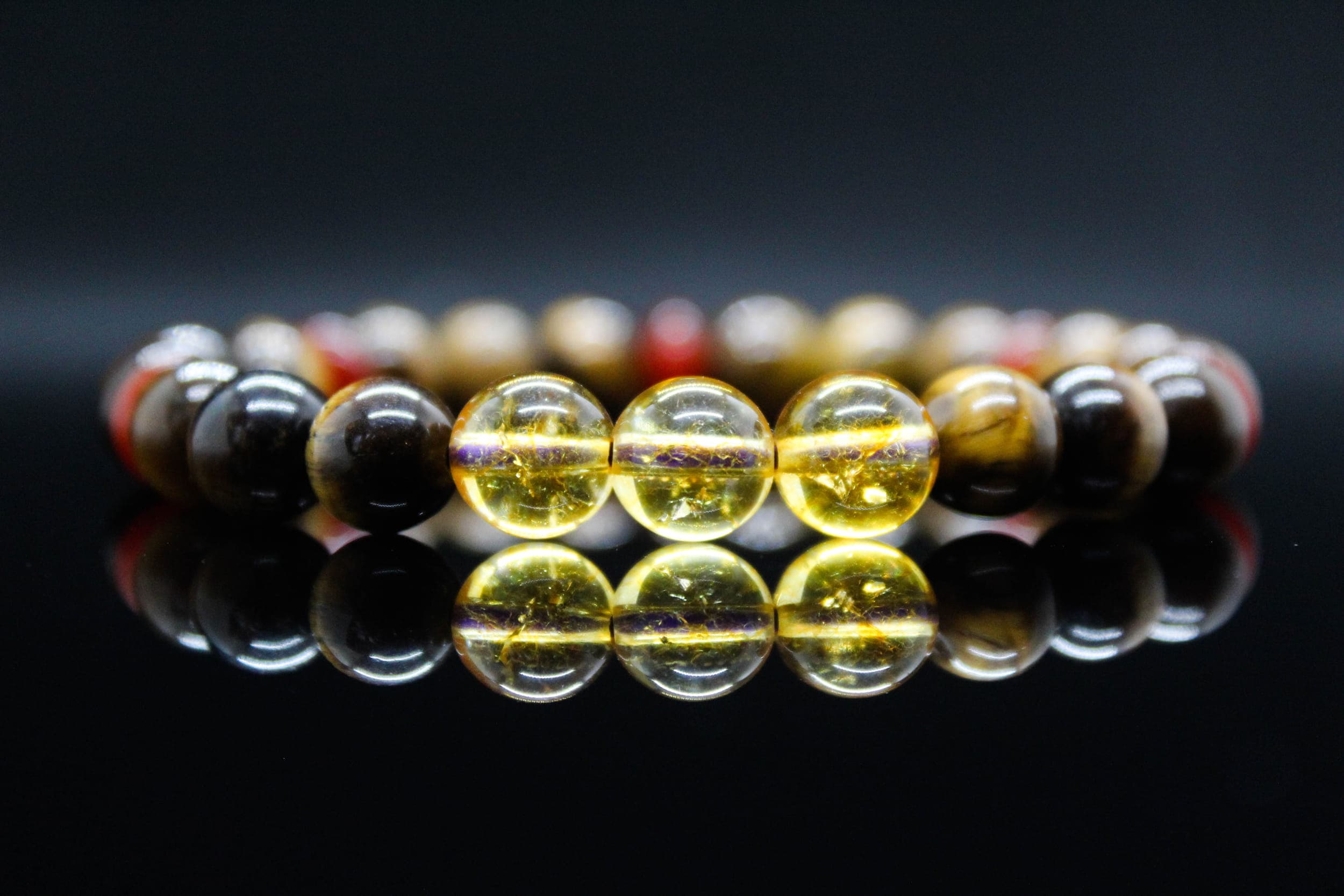
Focus Manifest Energy Bracelet
$24.00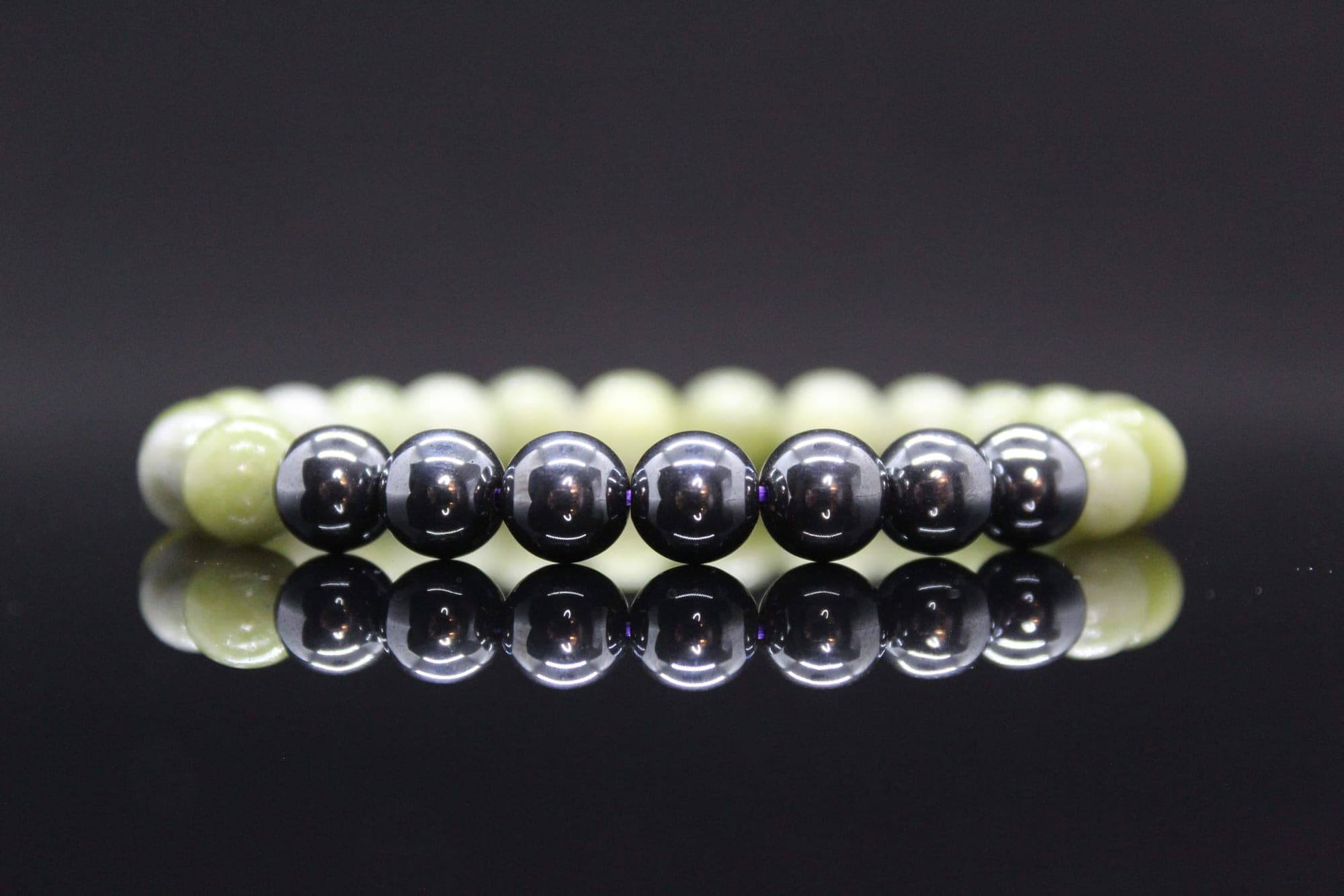
Life Force Energy Bracelet
$24.00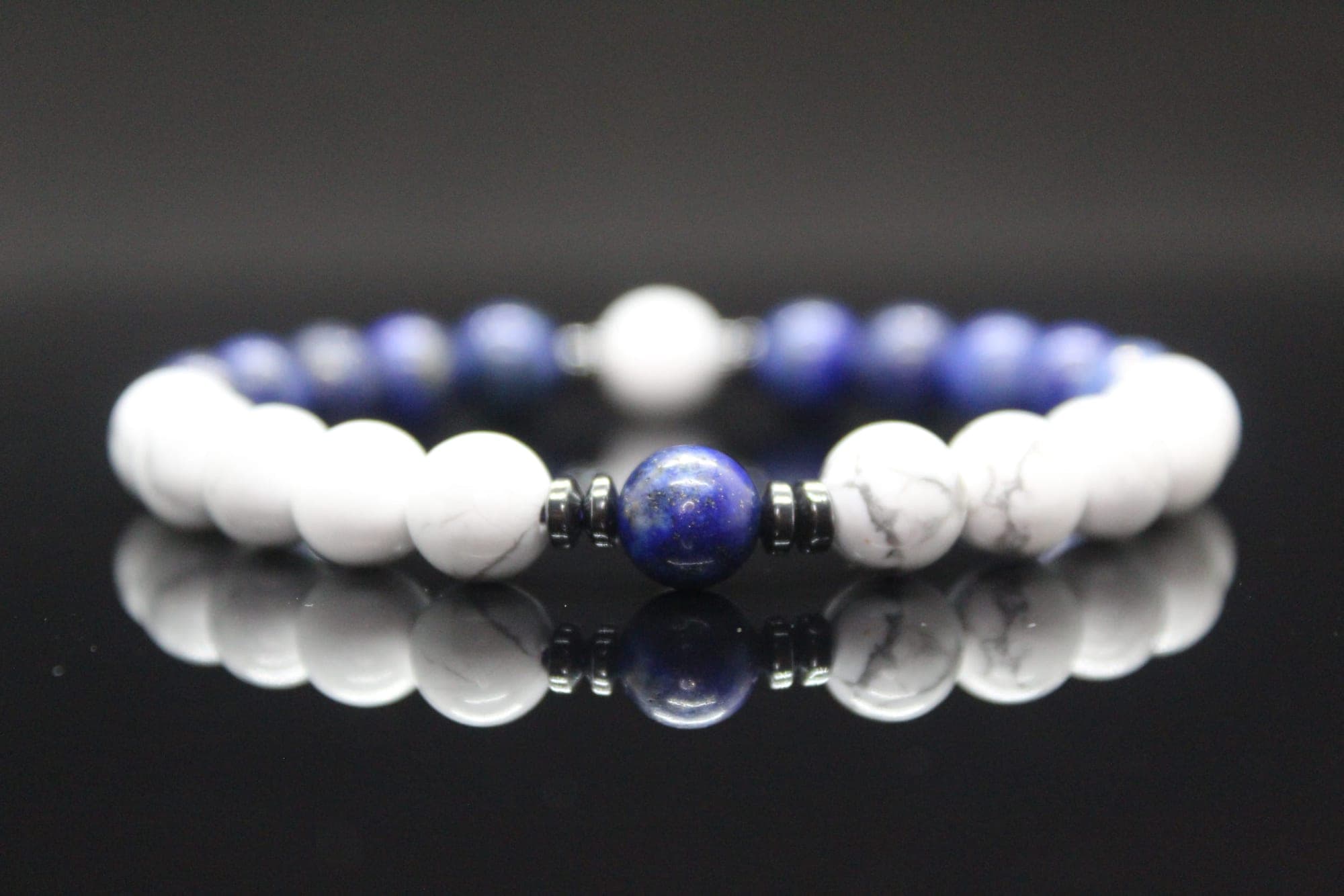
Divine Harmony Energy Bracelet
$24.00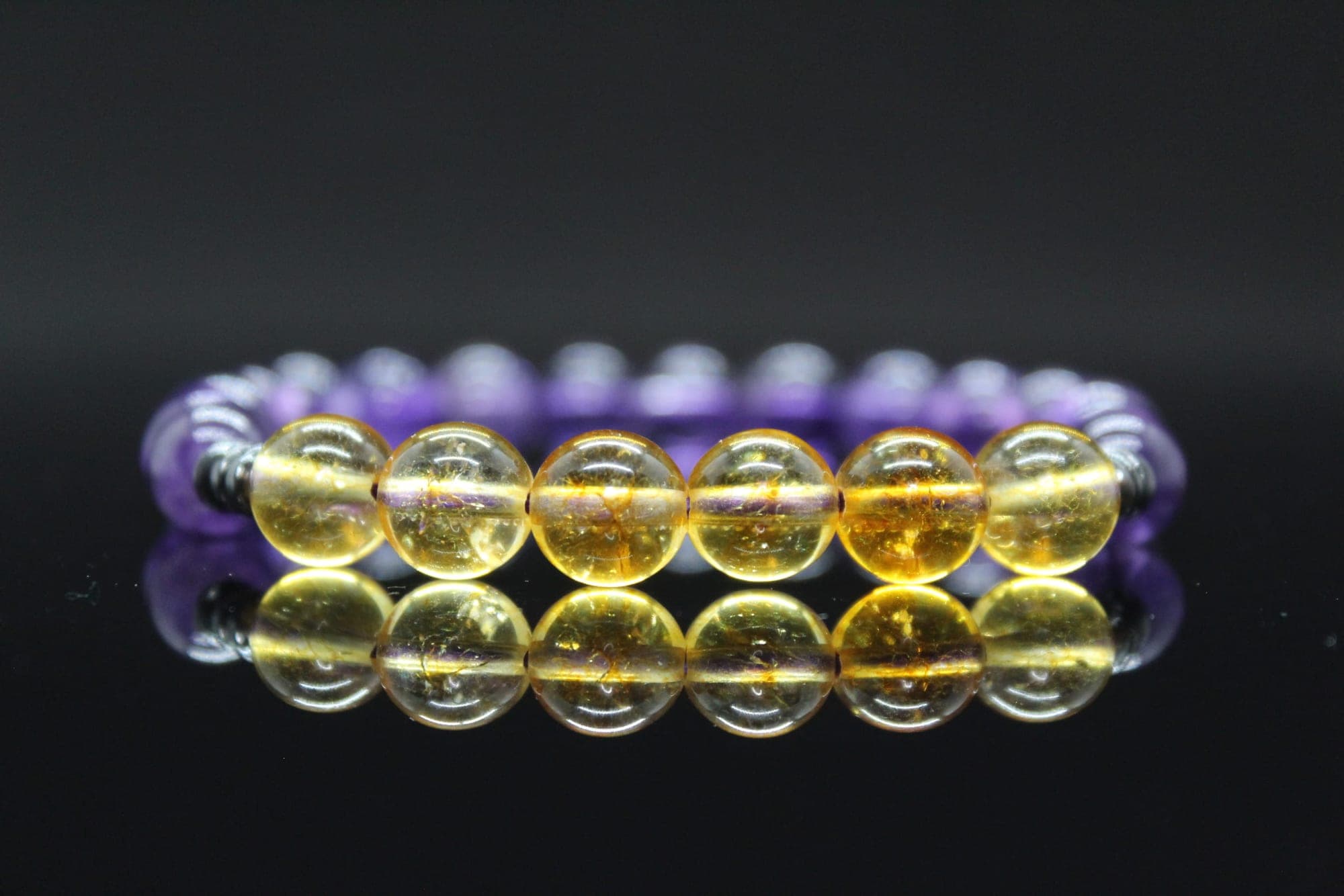
Clear Thoughts Energy Bracelet
$33.00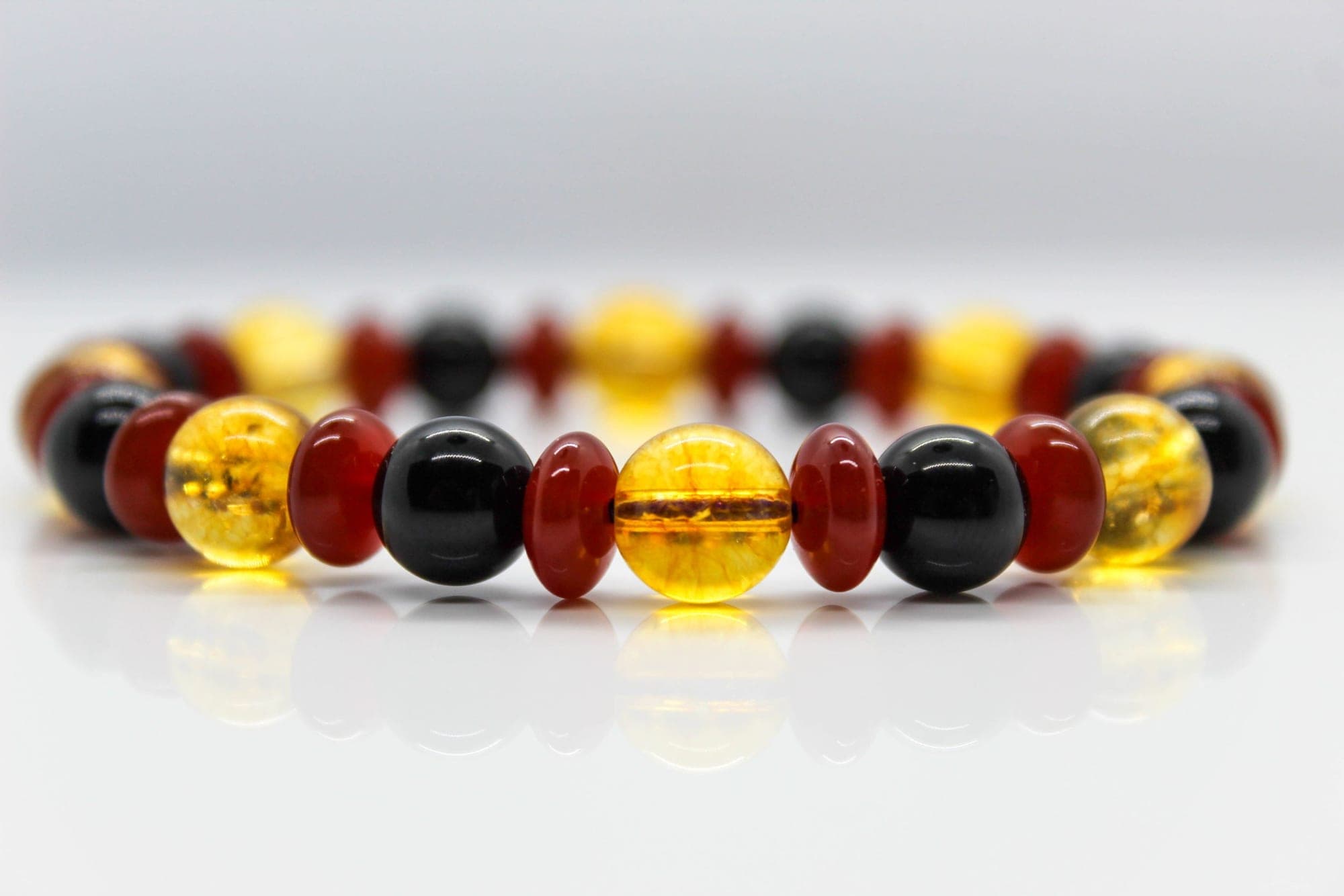
Protective Manifestation Energy Bracelet
$33.00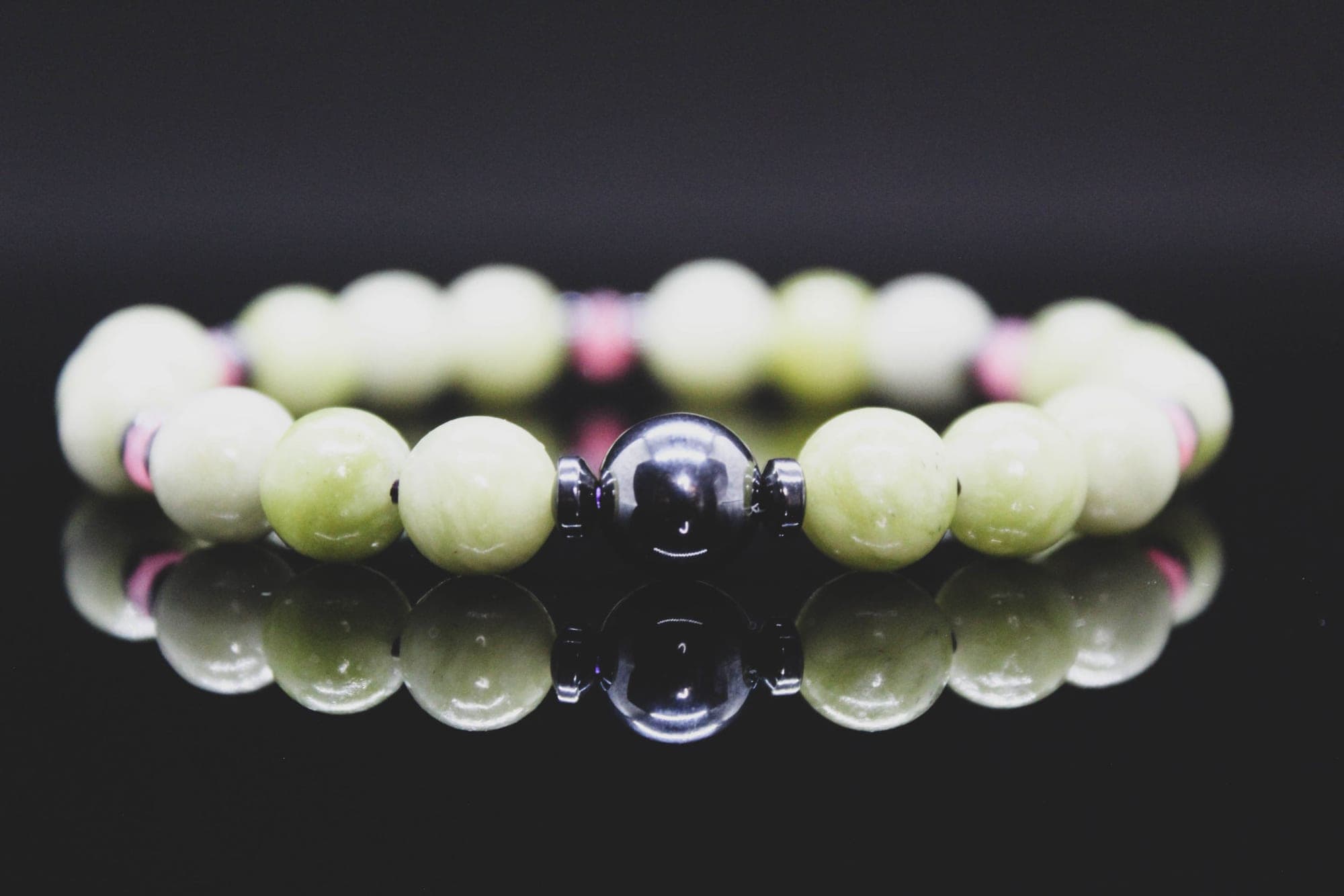
Grounding Love Energy Bracelet
$33.00