Lodestone
The Guiding Stone
Energy Focus
Meaning & uses
Lodestone Meaning
Lodestone is the stone that taught people to find their way: a naturally magnetized rock that has pulled iron, and imaginations, toward it for more than two and a half thousand years.
What Is Lodestone?
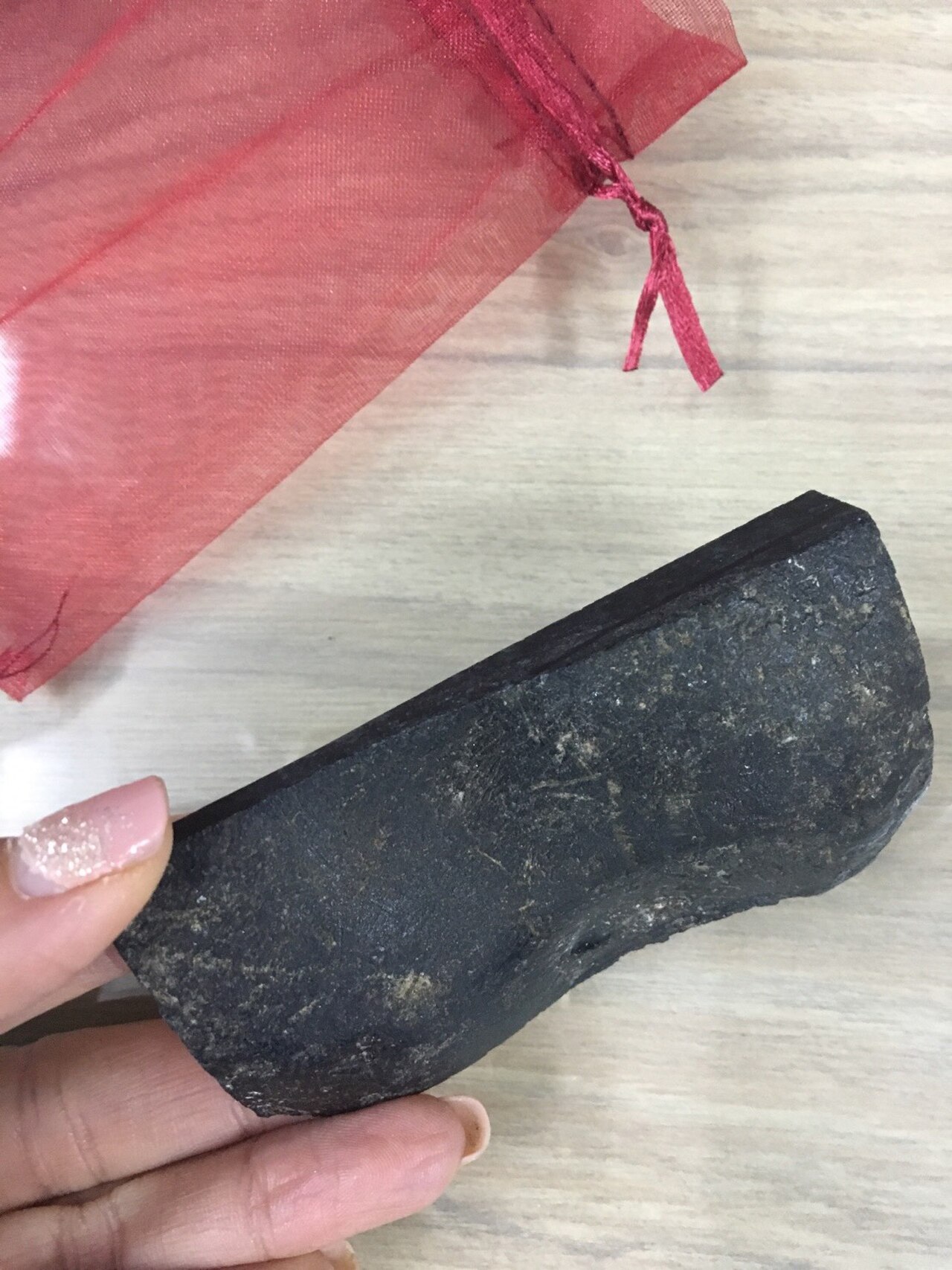
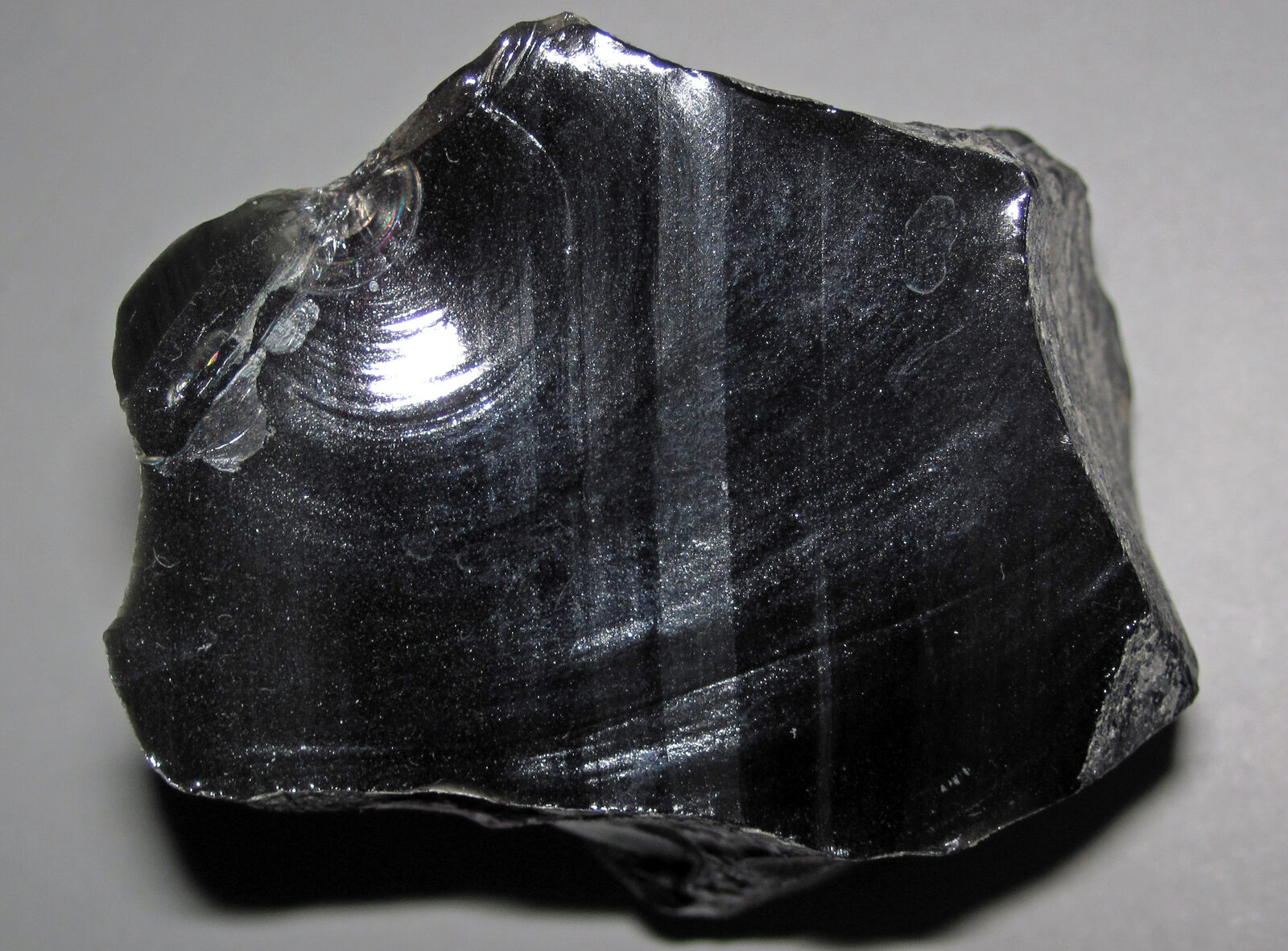
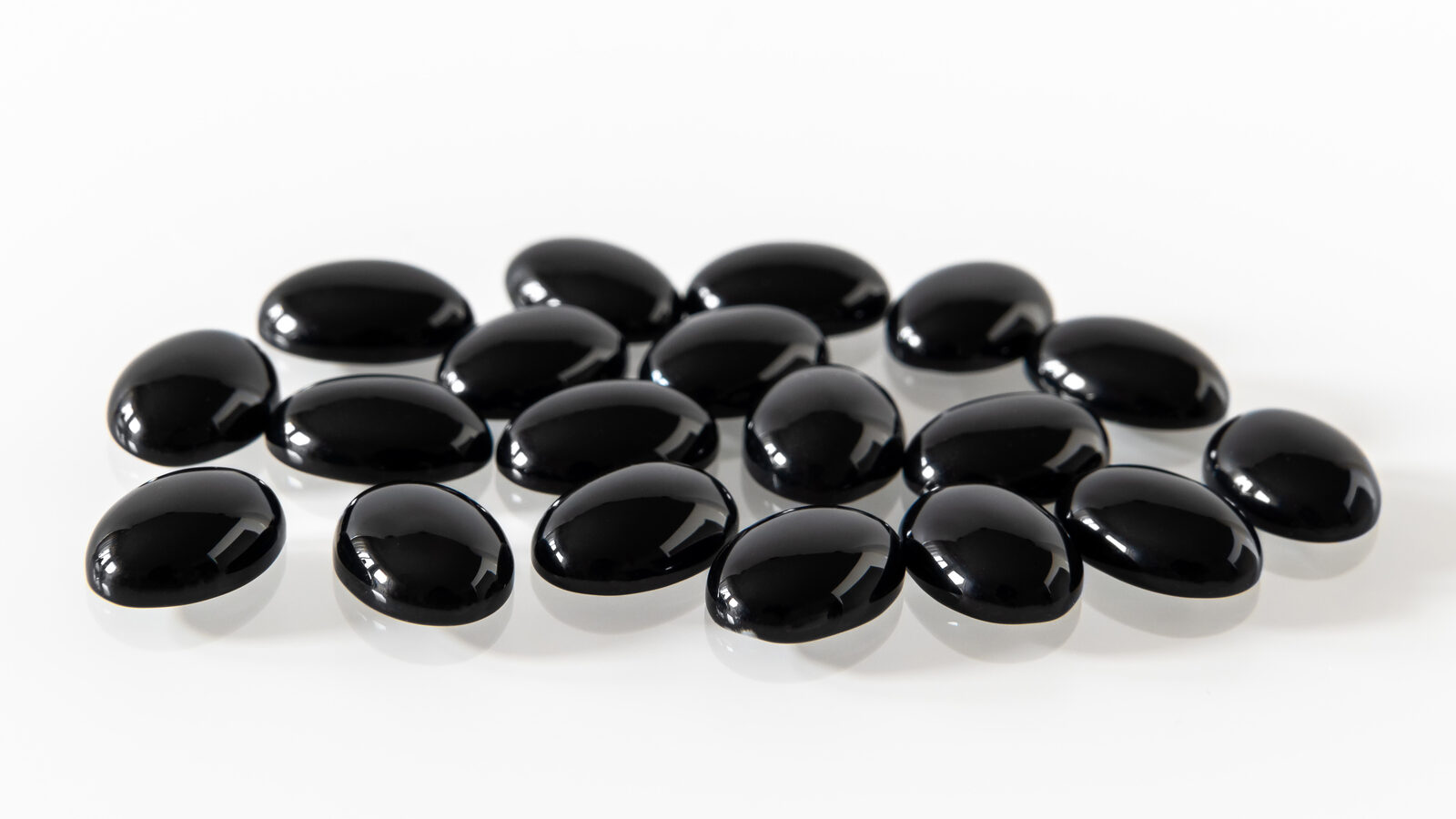
Lodestone is a naturally magnetized form of magnetite, an iron oxide that is one of the most magnetic minerals on Earth. Most magnetite is only weakly magnetic. A lodestone is a piece that became a permanent magnet, and the leading explanation is that a lightning strike aligned the magnetic particles inside it.
It is a dark, metallic black to grey stone with a hardness of 5.5–6.5, found as scattered fragments near surface magnetite deposits in places including Magnet Cove in Arkansas, Siberia in Russia, and Tanzania.
Not every piece of magnetite is a lodestone, and not every lodestone is equally strong. A true lodestone will pick up small iron objects such as pins, filings, or paper clips, and will swing a hanging magnetic needle. Magnetite itself is common, since it is a major iron ore, but natural permanent magnets are comparatively rare, which is part of what makes lodestone feel special.
A Stone With a History
Lodestone's recorded history is among the oldest of any stone. Around 600 BCE, the Greek philosopher Thales of Miletus described how it attracts iron, and the word "magnet" itself is usually traced to Magnesia, a region of Greece associated with the stone. The English name comes from the Old English lode, meaning "way" or "course," so lodestone literally means "way stone."
In China, lodestone was shaped into south-pointing spoons and later into the first navigational compasses. The Song-dynasty scholar Shen Kuo described a magnetized needle compass in the 11th century, and sailors across Asia and Europe soon relied on the same principle. In Europe and North America, lodestones also became folk charms, sold in pairs and kept with iron filings, to draw luck, love, or money.
The Roman writer Pliny the Elder recorded the story of Magnes, a shepherd whose iron-nailed sandals and iron-tipped staff stuck to a black rock as he walked. It is a legend, but the name stuck. Later, European navigators magnetized needles by rubbing them on a lodestone, a practice that kept the stone in use for centuries.
Meaning and Symbolism
Lodestone's meaning rests on a single physical fact: it pulls. That has made it a symbol of attraction, direction, and staying true to a heading. In folk tradition it is a charm for drawing wanted things closer, and for keeping a steady course through changes.
Its dense, dark, earthy look also gives it a grounded, protective reputation. It is traditionally carried by people who want a sense of direction and a firm footing.
Folk tradition tends to treat lodestone as a working stone more than a decorative one. It is typically kept near a wallet, an altar, or a workspace, or carried in a small bag, with a clear intention in mind. In many traditions the stone is "fed" with iron filings to keep it strong, a practice that mirrors the physical fact that a lodestone's pull is only as good as what it can hold on to.
Carried or worn to
- Stay oriented and focused on a chosen path
- Draw in what you are working toward
- Feel grounded and steady
- Carry a traditional charm for protection
Chakra, Zodiac & Element
Lodestone is tied to the Root Chakra, the center of stability and physical grounding, and its black, iron-heavy nature suits that role. Its Earth element association comes from its weight and its mineral core.
Zodiac links for lodestone are looser than for gem-trade stones, because its tradition lives in folk practice rather than formal astrology. It is commonly associated with Capricorn, for its steady determination and sense of direction, and with Scorpio, for its intensity and pull.
Varieties of Lodestone
Lodestone is a single stone defined by its behavior rather than its look, so there are no color varieties. The difference that matters is strength: some pieces pick up only a few iron filings, while others grip surprisingly well. Lodestone is related to, but not the same as, Hematite, another iron oxide that is often sold as magnetic beads.
How to Use and Care for Lodestone
Lodestone is moderately hard and fairly brittle, so a drop onto stone can break it, and a break will weaken it. Because it is iron-based, it can rust, so keep it dry, avoid soaking it, and skip salt-based cleansing. A soft dry brush and moonlight are the safest ways to cleanse it.
Keep it away from credit-card magnetic strips and mechanical watches, which can be affected by its field. Lodestone is better kept as a pocket stone or altar piece than worn on the wrist. For pairing ideas, see our Crystal Combinations guide.
A lodestone's magnetism fades only slowly, but it can be weakened by a hard knock, by high heat, or by being stored against a stronger magnet. Keep it on its own, with a small piece of iron or steel across its poles if you want to preserve its strength.
Frequently Asked Questions
Is lodestone the same as magnetite?
How does lodestone become magnetic?
What chakra is lodestone associated with?
Can lodestone get wet?
Is lodestone the same as magnetic hematite?
A steady stone that points the way and holds on.
Shop by energy
Bracelets for the Root chakra
We don't have a Lodestone bracelet yet. These share its Root chakra energy.
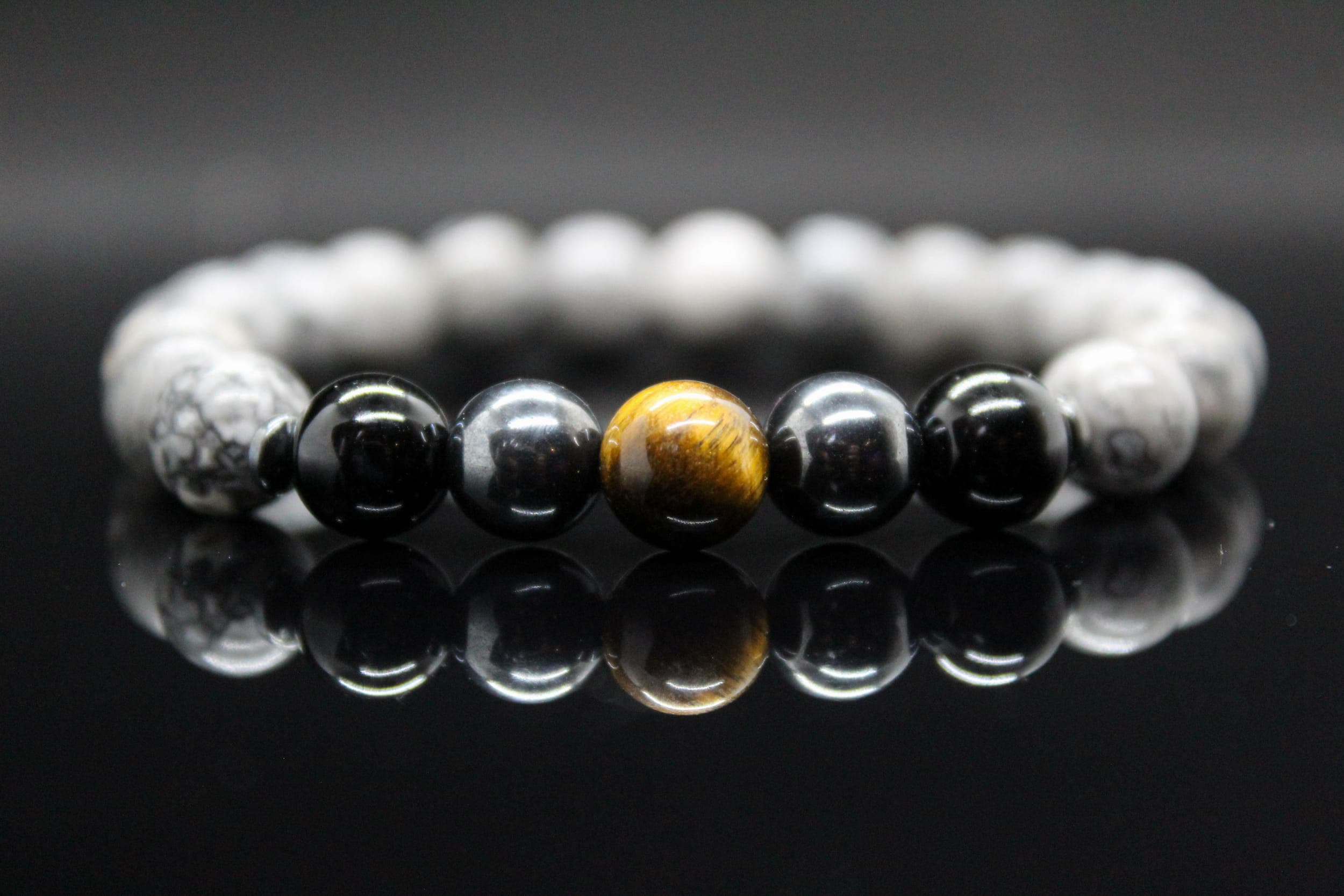
Energetic Balance Energy Bracelet
$24.00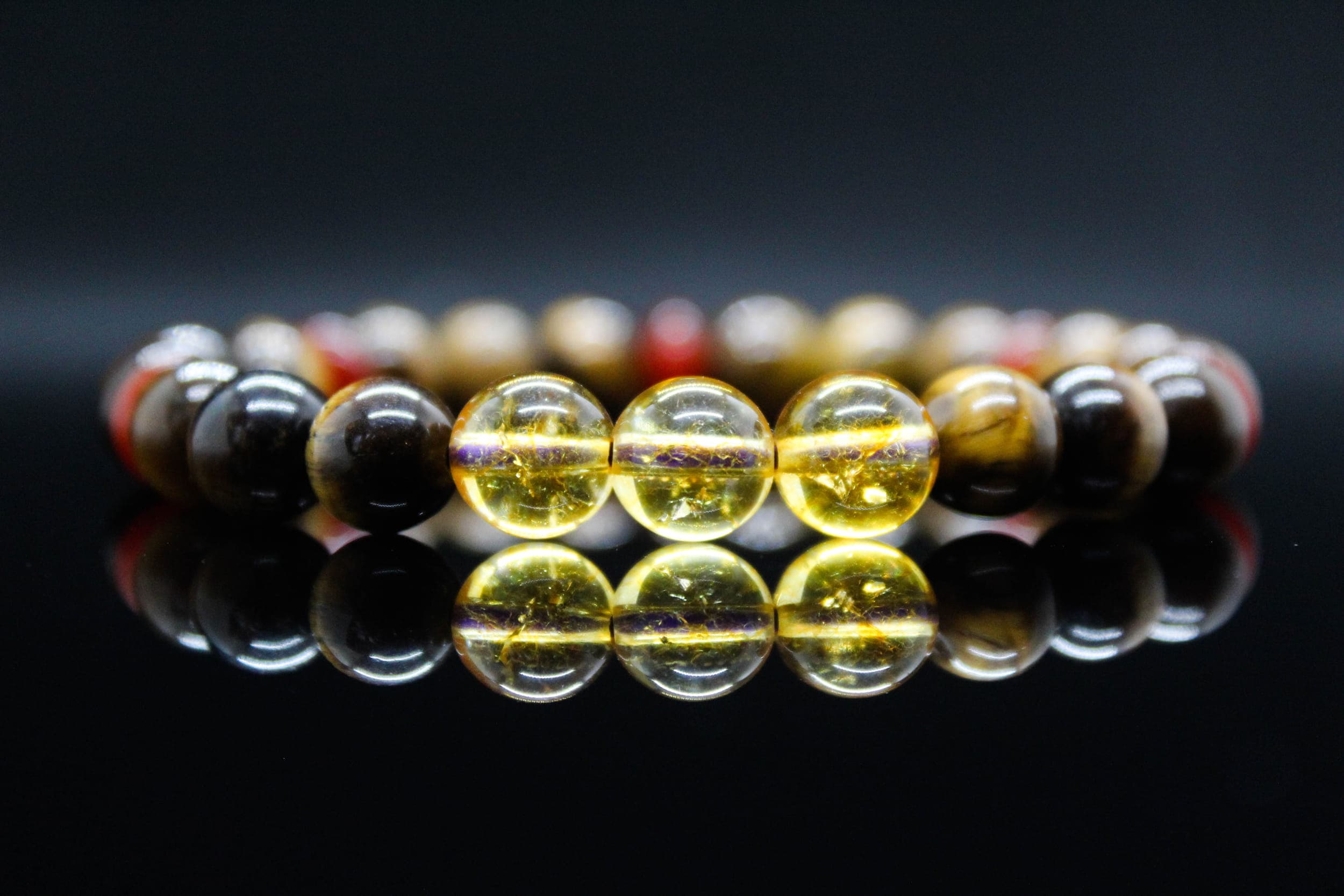
Focus Manifest Energy Bracelet
$24.00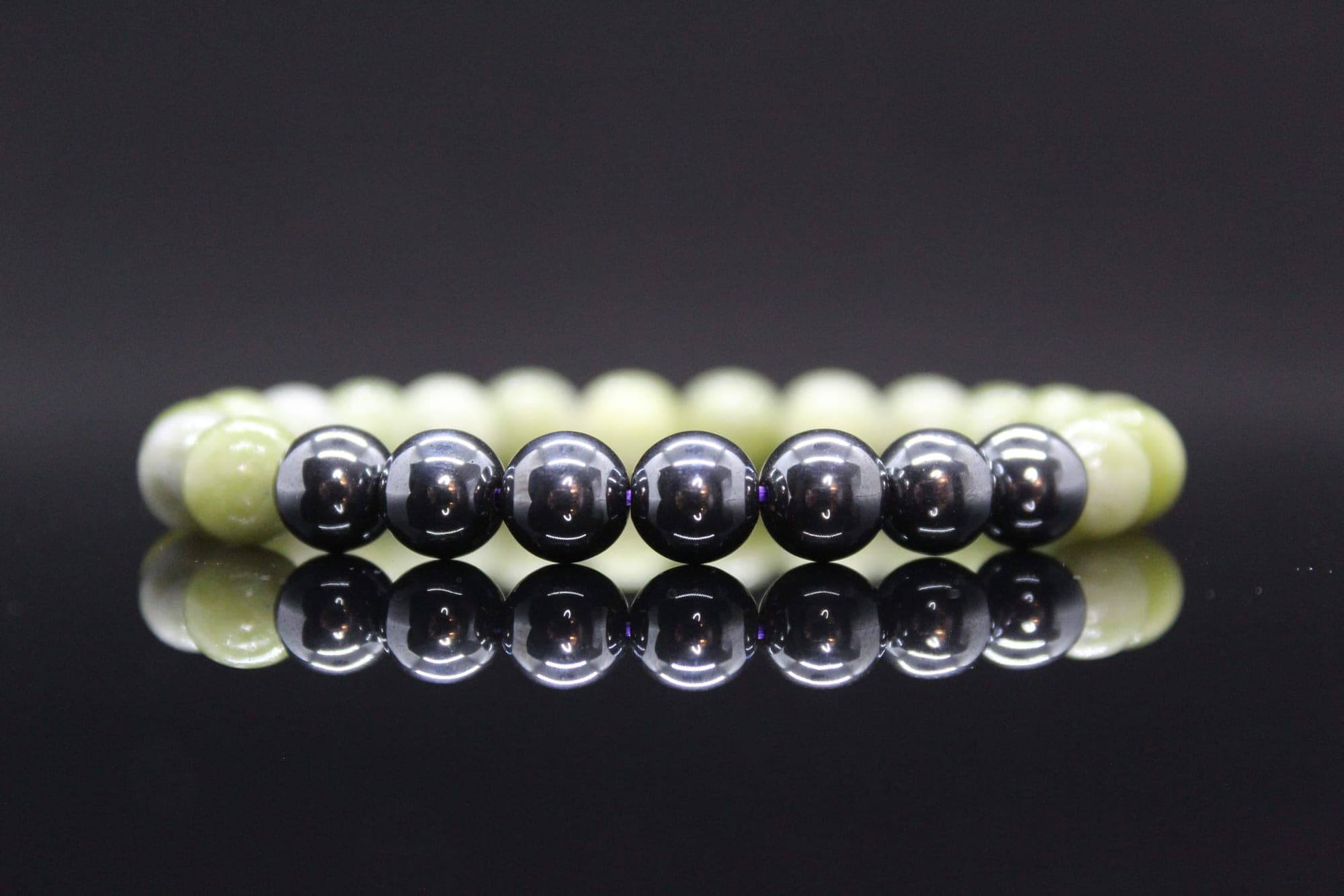
Life Force Energy Bracelet
$24.00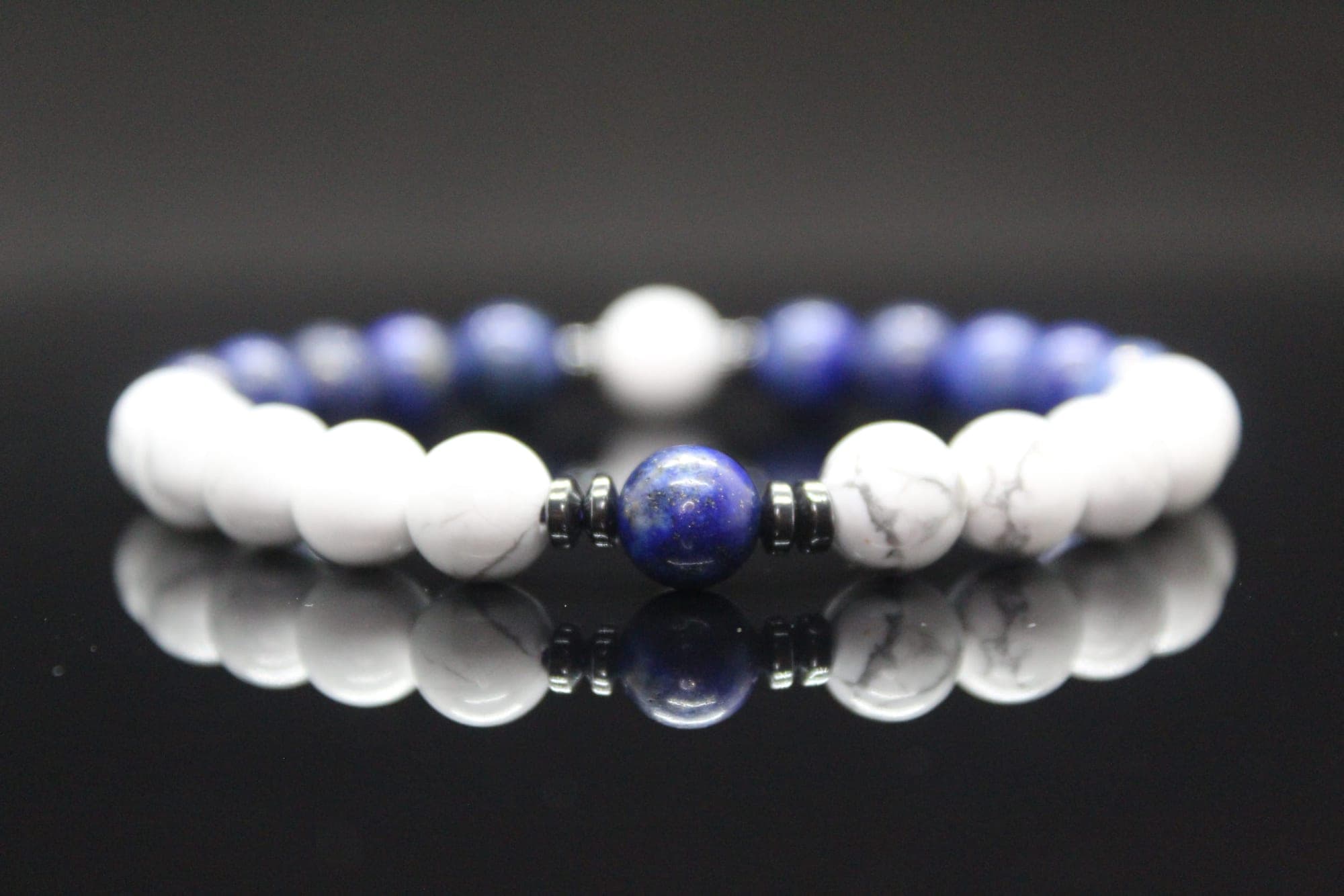
Divine Harmony Energy Bracelet
$24.00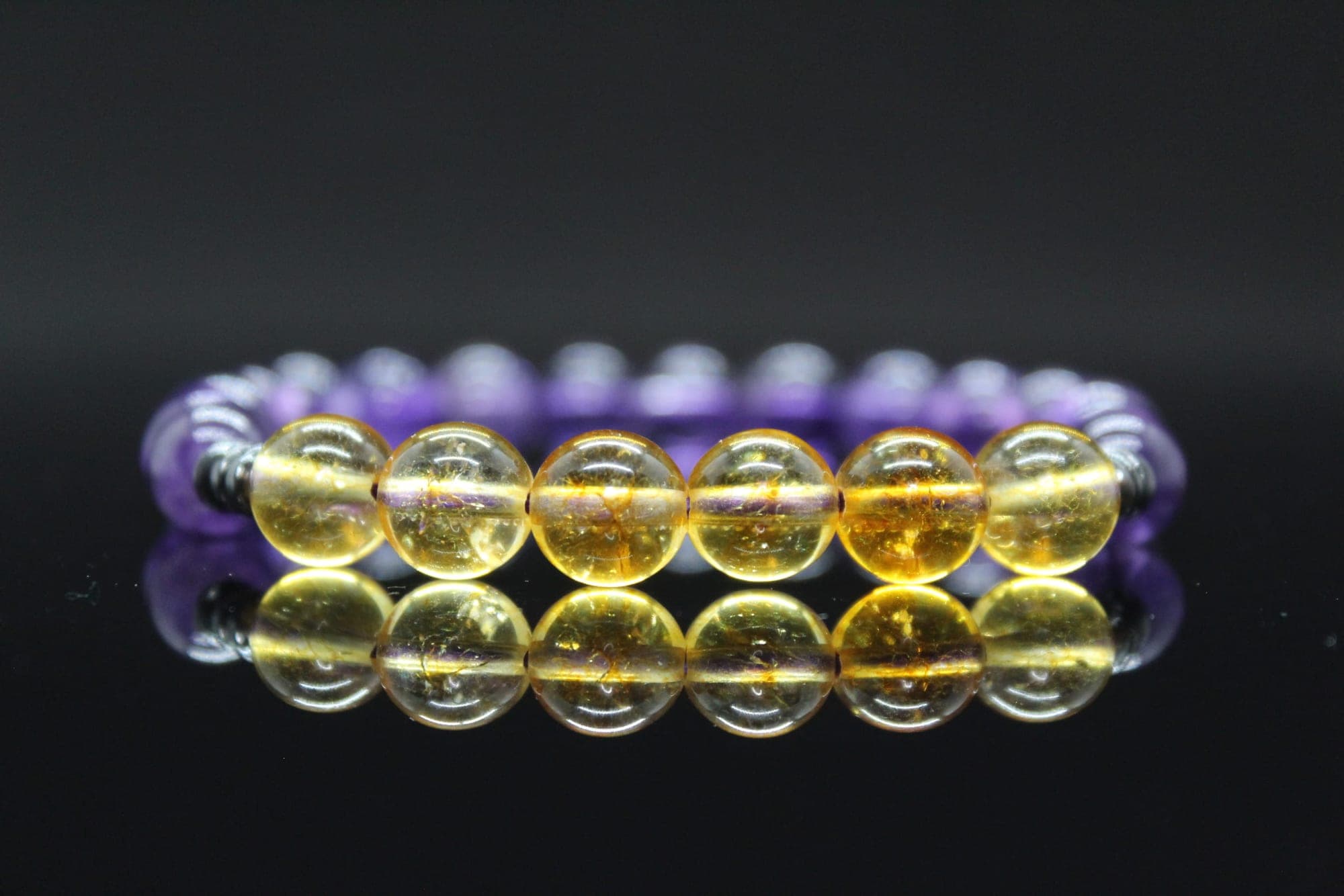
Clear Thoughts Energy Bracelet
$33.00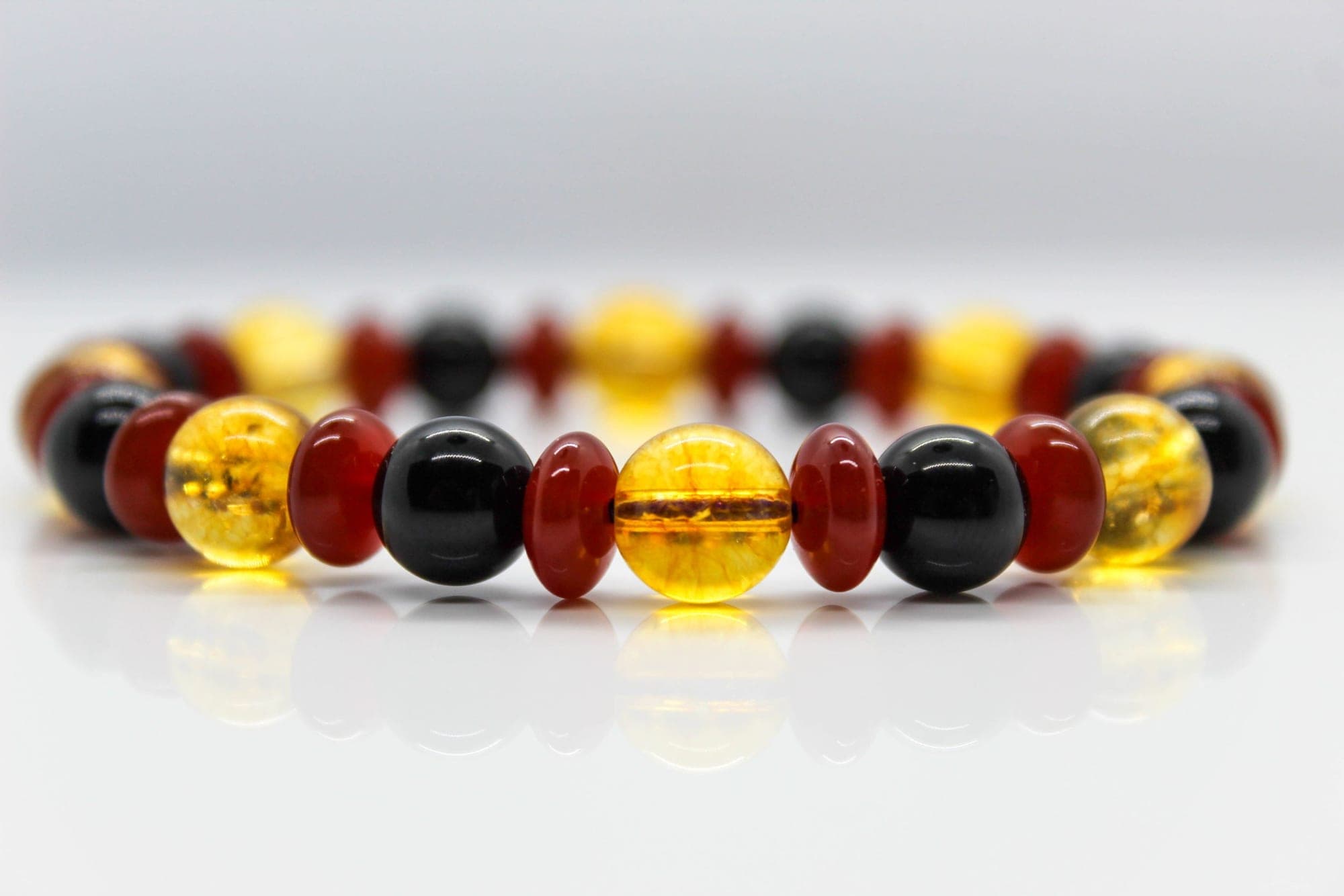
Protective Manifestation Energy Bracelet
$33.00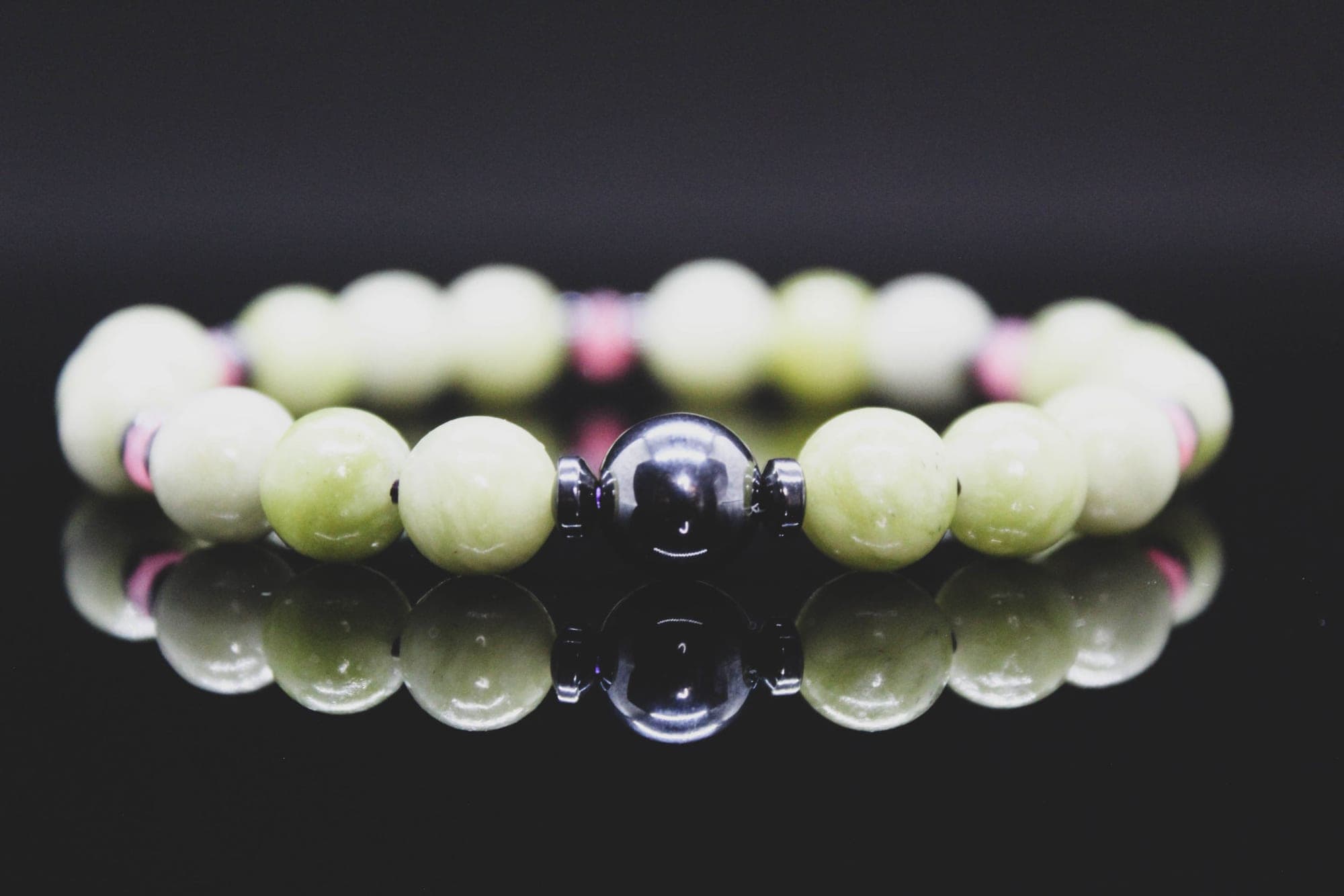
Grounding Love Energy Bracelet
$33.00