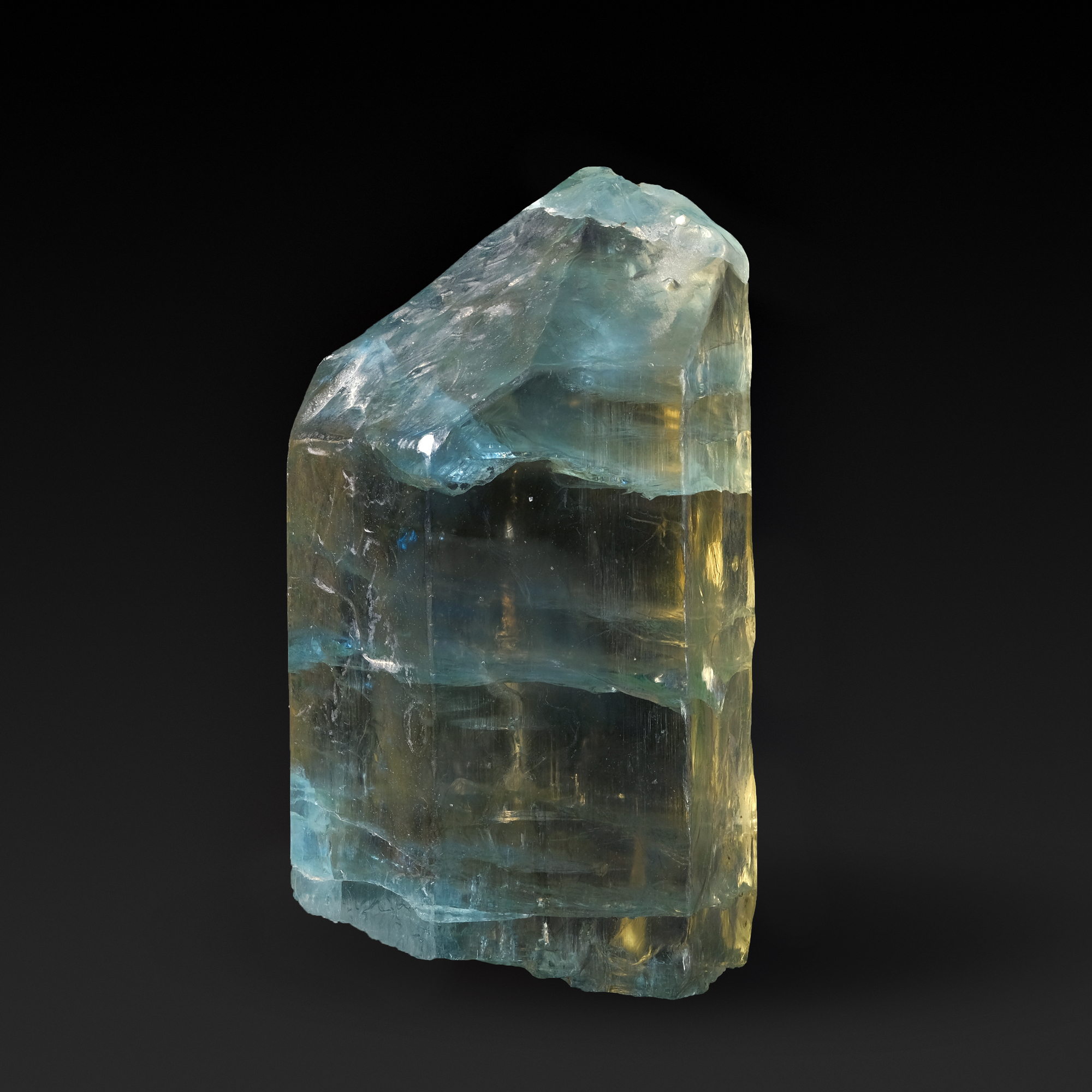
Photo: Reinhard Kraasch · CC BY-SA 4.0 · Wikimedia Commons
Larvikite
Stone of Northern Light
Energy Focus
Meaning & uses
Larvikite Meaning
Larvikite is a dark Norwegian stone whose pale feldspar crystals flash silver-blue like northern lights, and crystal traditions treat it as a stone of quiet intuition and protection.
What Is Larvikite?
Larvikite is a rock rather than a single mineral. It is a variety of monzonite, a coarse-grained igneous rock that cooled slowly deep underground, and it is named for the town of Larvik in southern Norway, where it forms the Larvik plutonic complex of the Oslo Rift.
Most of the rock is feldspar. The large crystals are a mixed feldspar with a fine layered structure inside, and that structure scatters light into a silver-blue flash that moves as you tilt the stone. Dark minerals fill the spaces between them, which gives the stone its dark grey to nearly black ground.
Because it is a rock, no two pieces look alike, and its hardness of about 6–6.5 on the Mohs scale follows that of feldspar. It is sold in the bead trade as "black labradorite," though it is a different rock, and its classic source is Norway.

A Stone With a History
Larvikite's story is geological first. The Larvik complex formed nearly 300 million years ago, when molten rock rose into the crust during the opening of the Oslo Rift and cooled over a long time into large crystals.
The name came from the Norwegian geologist Waldemar Brøgger, who gave it to the rock in 1890, and its dark, flashing look had already made it a prized building stone around Larvik.
Today larvikite is still quarried around Larvik. In the stone trade it goes by names such as "Blue Pearl" and "Emerald Pearl," and it clads building facades and floors, and shapes gravestones. As with many newer stones in the directory, its place in crystal practice is modern, built on top of that long industrial history.
Meaning and Symbolism
Larvikite's meaning in modern crystal practice comes from its flash. The blue light only appears when you tilt the stone, so it is read as a symbol of looking again, of insight that arrives from a different angle. Its dark ground is read as quiet and shelter, a night sky with a glimmer of aurora in it.
For that reason it is traditionally carried as a stone of intuition and protection. It is associated with a steady, inward calm, the kind that helps when the day is loud, and with trusting a first, quiet impression.
Many people keep a piece by the bed or hold it during evening reflection, since its dark, low-key look suits slowing down at the end of the day.

Carried or worn to
- Tune in to intuition before an important decision
- Feel steady and shielded in a crowded or draining place
- Wind down in the evening or during meditation
- Mark a journey, move, or time of change
Chakra, Zodiac & Element
Larvikite is tied to the Third Eye Chakra, the energy center for intuition and inner vision, and secondarily to the Crown Chakra. Third Eye fits the way its blue light seems to come from inside the stone, and Crown reflects its link with reflection and stillness.
In astrology it is linked with Scorpio and Sagittarius: Scorpio for its dark, private depth and instinct, and Sagittarius for the long view and love of far horizons that the northern-light flash suggests. Its Earth element association reflects that it is, quite literally, a piece of the ground.
Varieties of Larvikite
Larvikite varies from quarry to quarry. "Blue Pearl" is the classic type, a blue-grey stone with bright blue-silver flashes, while "Emerald Pearl" is darker and greener, with a golden-green flash. Both are cut into beads, spheres, towers, and polished slabs.
It is often compared to Labradorite, and they do share a flash of light. The difference is that labradorite is a single mineral, while larvikite is a rock made of many crystals.
How to Use and Care for Larvikite
With a hardness of about 6–6.5 on the Mohs scale, larvikite is fine for everyday jewelry such as bracelets with normal care, though it is softer than quartz and can scratch against harder stones. Store it away from sharp or hard pieces.
A polished piece is water-safe, so a gentle rinse with mild soap is fine. Avoid ultrasonic cleaners and harsh chemicals. Traditionally it is cleansed in moonlight or with sound, and it pairs naturally with other dark protective stones. Our Crystal Combinations guide covers pairings for a calm, protected mind.
Because it is sold under so many names, ask what you are getting. "Black labradorite," "Blue Pearl," and "larvikite" can all mean the same stone from Norway.
Frequently Asked Questions
What is larvikite used for?
What chakra is larvikite associated with?
Is larvikite the same as labradorite?
Is larvikite a crystal?
Where does larvikite come from?
Can larvikite get wet?
A dark, quiet stone with a flash of northern light inside.
Shop by energy
Bracelets for Third Eye Chakra energy
We don't have a Larvikite bracelet right now. These pieces share its Third Eye or Crown Chakra focus.
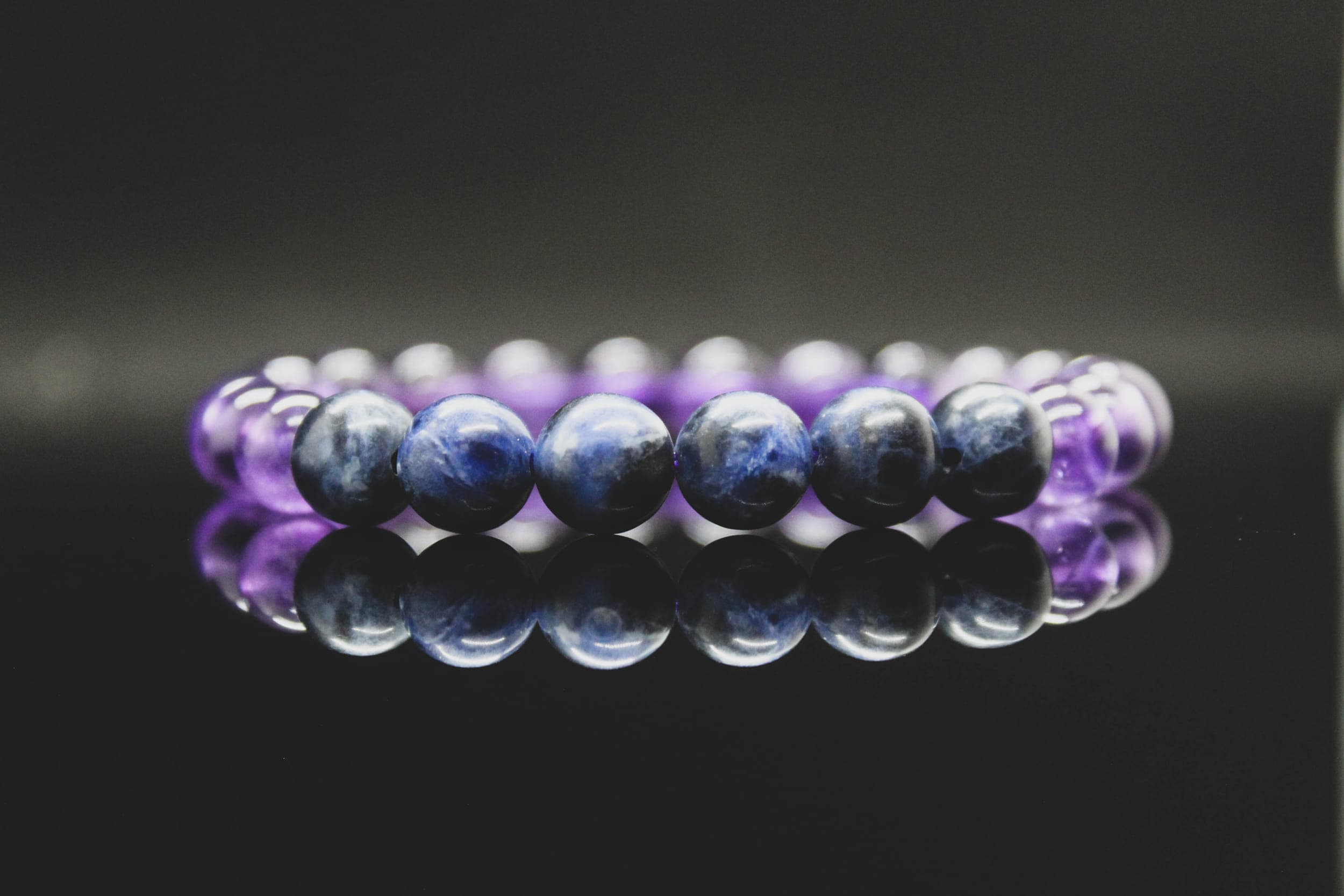
Creative Balance Energy Bracelet
$24.00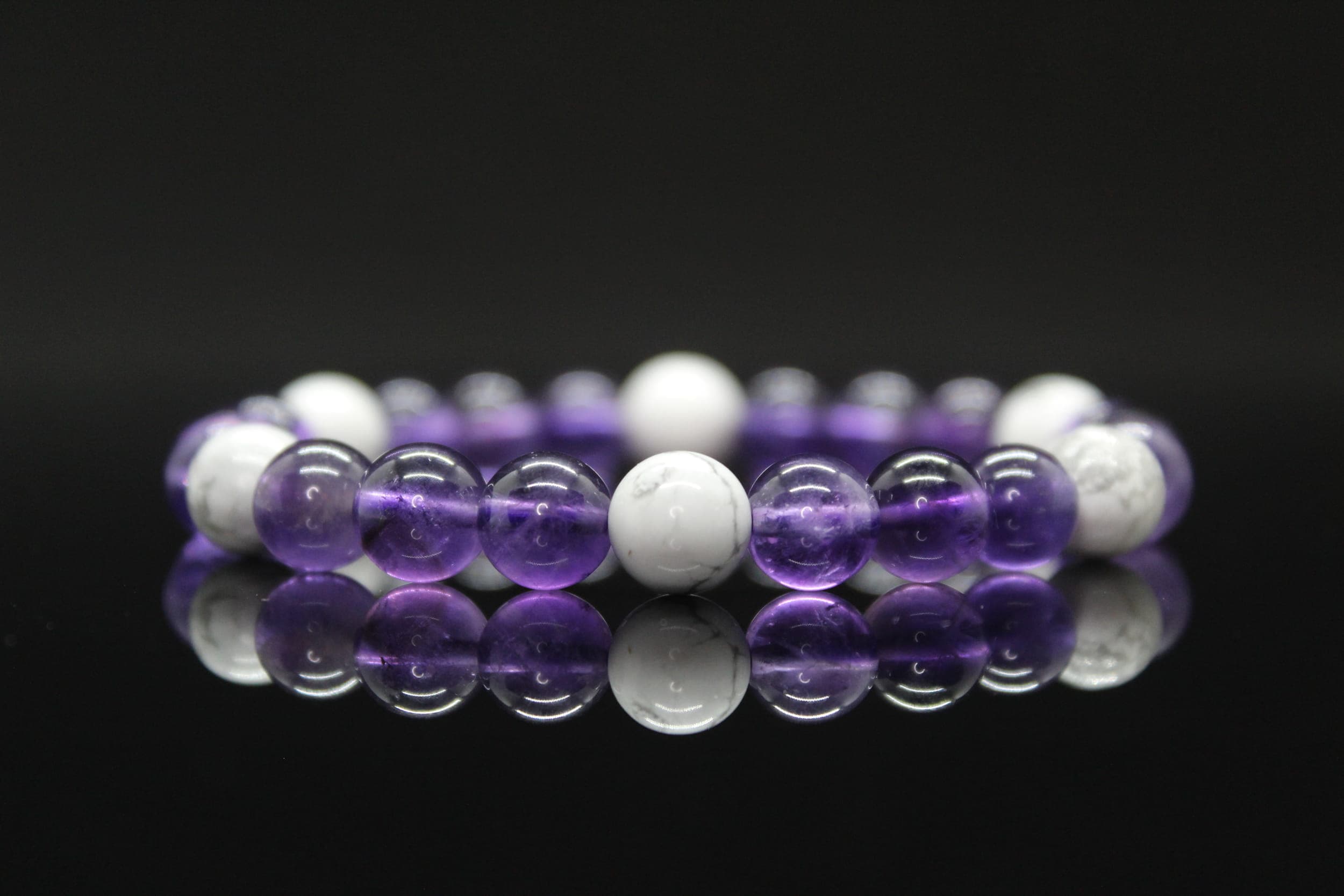
Higher Self Energy Bracelet
$24.00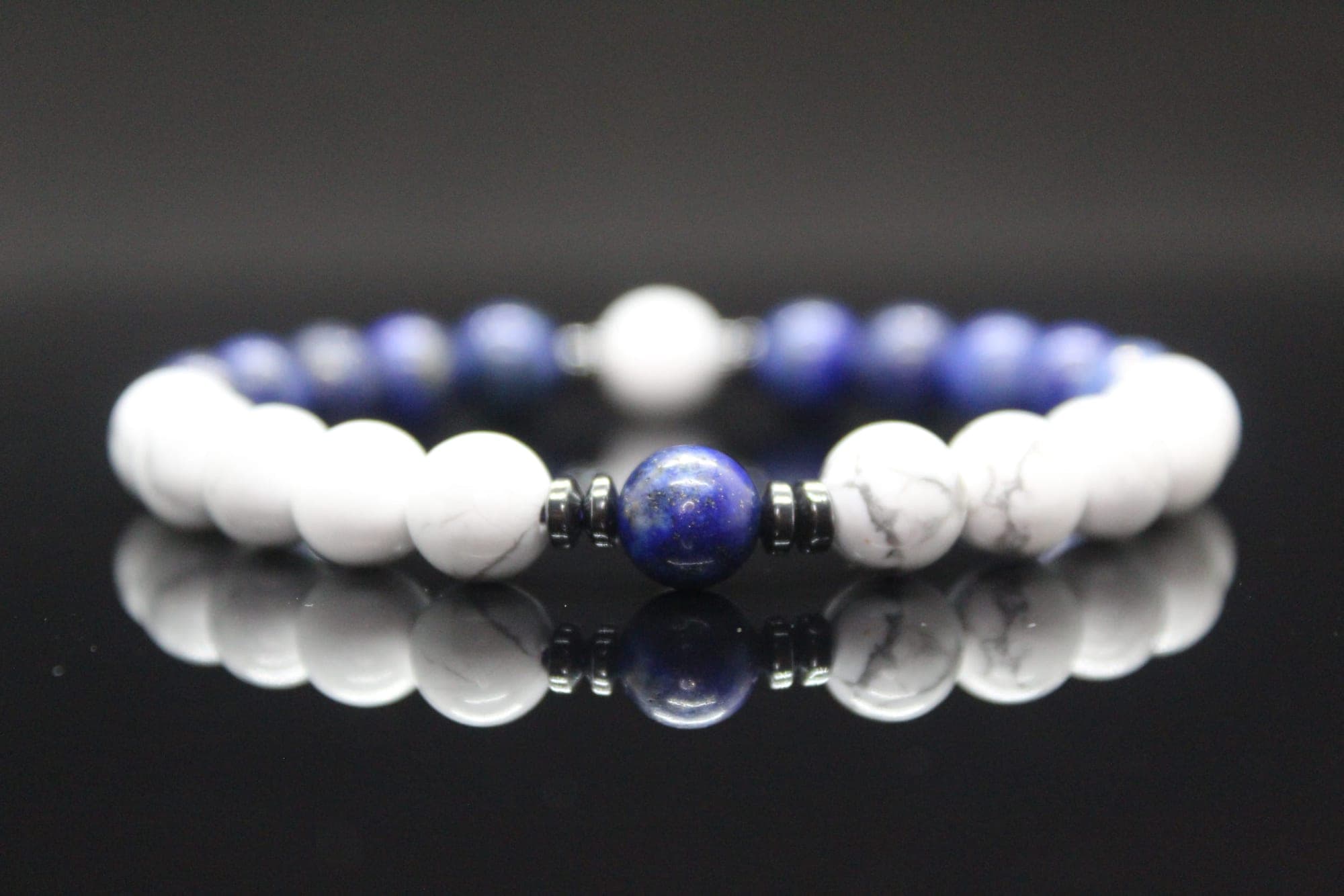
Divine Harmony Energy Bracelet
$24.00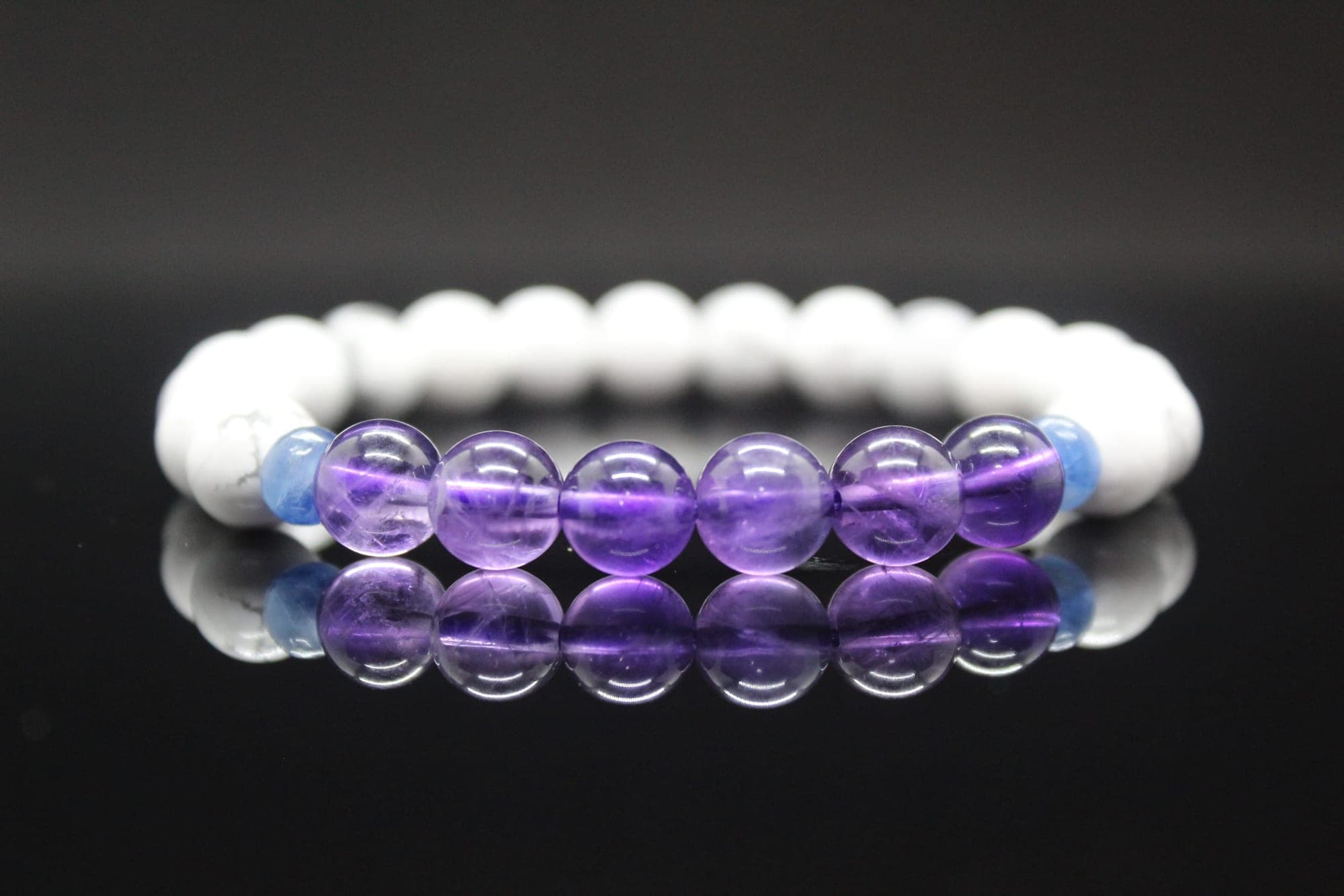
The Crown Energy Bracelet
$24.00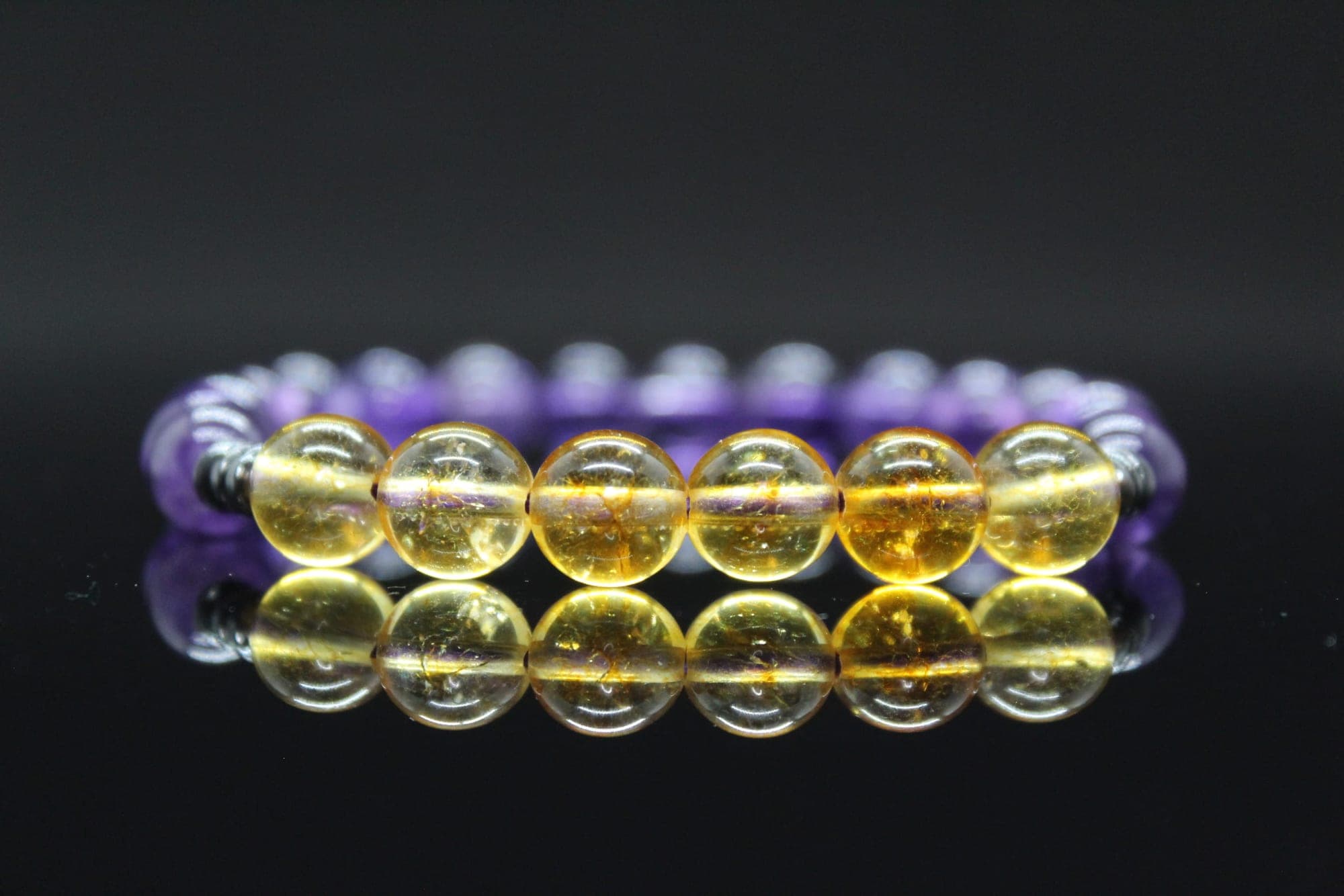
Clear Thoughts Energy Bracelet
$33.00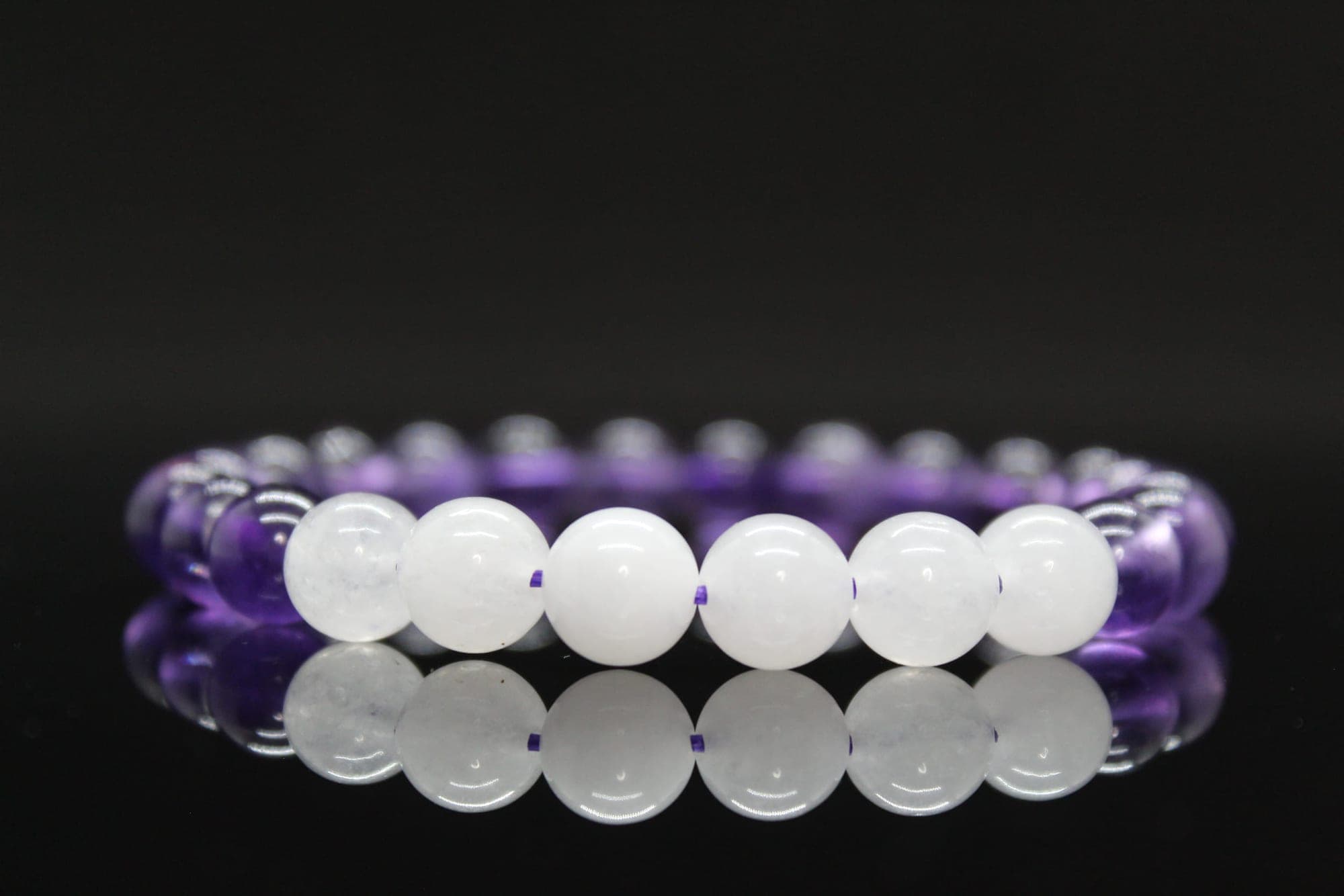
Divine Calming Energy Bracelet
$24.00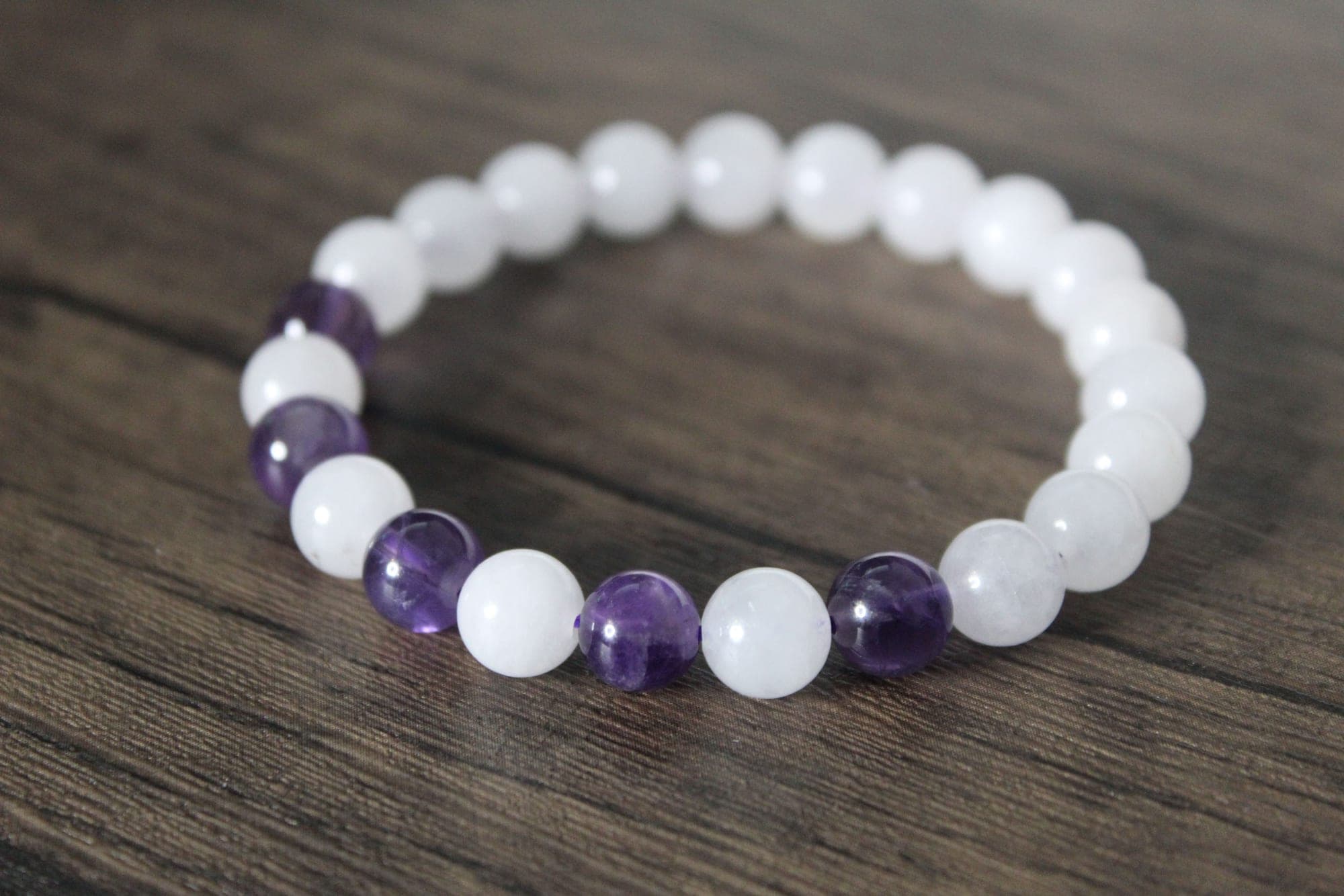
Divine Thoughts Energy Bracelet
$33.00