Photo: Linas Juozėnas · CC BY-SA 4.0 · Wikimedia Commons
Labradorite
Stone of Transformation
Energy Focus
Meaning & uses
Labradorite Meaning
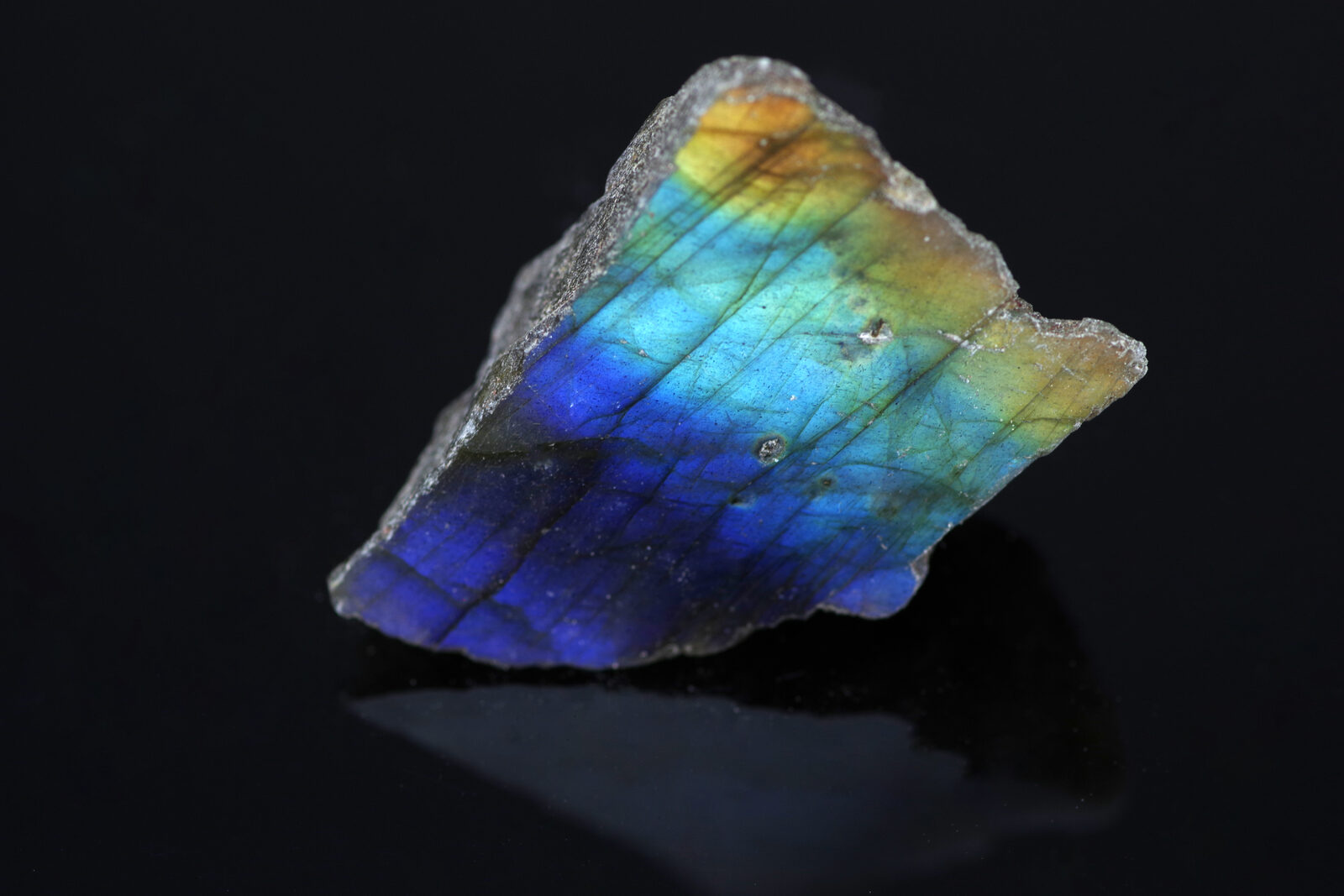
Dull grey until the light catches it just right, Labradorite's sudden flash of blue, green, and gold has made it a natural symbol of hidden depth — a stone that looks like nothing until it reveals exactly what it's been holding.
What Is Labradorite?
Labradorite is a plagioclase feldspar, part of a continuous mineral series that ranges from sodium-rich albite to calcium-rich anorthite — Labradorite sits in a specific band of that range, roughly 50–70% anorthite, and it's that particular composition that sets up its signature optical effect. As the mineral cools slowly deep underground, it separates into microscopically thin, alternating internal layers; light entering the stone bounces between those layers and interferes with itself, producing the flash of color called labradorescence rather than any dye or coating. The thickness of the layers determines which colors show — most commonly blue and green, more rarely gold, orange, or violet.
The stone takes its name from the Labrador Peninsula in Canada, where Moravian missionaries first documented it for Western mineralogy in 1770 after encountering it among the Inuit communities of the region. Today it's also mined extensively in Madagascar and Finland, the latter producing a particularly vivid, full-spectrum grade known by its own trade name.

A Stone With a History
Inuit tradition in the stone's home region tells of the Northern Lights becoming trapped inside a block of rock along the Labrador coast, freed by a warrior's spear-strike — most of the aurora escaped back into the sky, the story goes, but some stayed behind in the stone, which is why Labradorite still flashes with color today. It's one of the most widely repeated origin legends in the mineral trade, and unusually for this kind of story, it maps almost exactly onto what labradorescence actually looks like in person.
Its more recent history is Finnish rather than folkloric. In 1940, during wartime construction work near Ylämaa, Finland, workers digging anti-tank fortifications uncovered a deposit of exceptionally vivid, full-spectrum Labradorite — material so much more colorful than typical Canadian stone that Finland gave it its own trademarked name, Spectrolite, in 1972. Spectrolite remains the benchmark grade against which other Labradorite is often judged.
Meaning and Symbolism
Labradorite's "Stone of Transformation" reputation is really a description of what the mineral physically does. A stone that looks plain and grey from most angles, then reveals a hidden flash of color the instant the light shifts, is a near-literal metaphor for potential that isn't visible until the right conditions expose it — which is exactly how Labradorite's meaning gets used, as a companion for change that hasn't fully revealed itself yet.

That's why it's so often reached for during transitions specifically — a new job, a move, a relationship shifting shape — rather than as an everyday grounding stone. It doesn't claim to settle change; it claims to help someone see it clearly.
Carried or worn to
- Support big life transitions and periods of change
- Strengthen intuition and inner perception
- Build quiet courage to face the unknown
- Shield personal energy during uncertain times
Chakra, Zodiac & Element
Labradorite is tied to both the Third Eye and Crown Chakras, its shifting, hidden-until-revealed color read as a match for perception and higher awareness rather than anything more physically grounded. Its Water and Air elements follow the same logic — Water for intuition and emotional depth, Air for the shift in perspective the stone is said to support.
Astrologically it's linked to Leo, Scorpio, and Sagittarius — Leo for its dramatic, theatrical flash, Scorpio for its long association with transformation and what stays hidden beneath the surface, and Sagittarius for the sense of exploration that comes with genuine change.
How to Use and Care for Labradorite
At 6–6.5 on the Mohs scale, Labradorite is moderately durable — sturdy enough for regular wear in pendants and earrings, though like other feldspars it has natural cleavage planes that make it more prone to chipping under a hard, direct knock than quartz-family stones like Agate or Jasper. Rings are fine for occasional wear but worth choosing a protective setting for daily use.
A brief rinse in room-temperature water is safe, but avoid soaking it or exposing it to sudden temperature changes. Labradorite pairs well with Moonstone for dream work or navigating a major life change — see our Crystal Combinations guide for more on why the pairing works.
Frequently Asked Questions
What causes Labradorite's flash of color?
What is Spectrolite?
Is Labradorite safe to wear every day?
Can Labradorite get wet?
What chakra is Labradorite associated with?
Is Labradorite the same as Moonstone?
A stone that looks ordinary right up until it isn't.
Shop by energy
Bracelets for the Third Eye and Crown chakras
We don't have a Labradorite bracelet yet. These share its Third Eye or Crown chakra energy.
Creative Balance Energy Bracelet
$24.00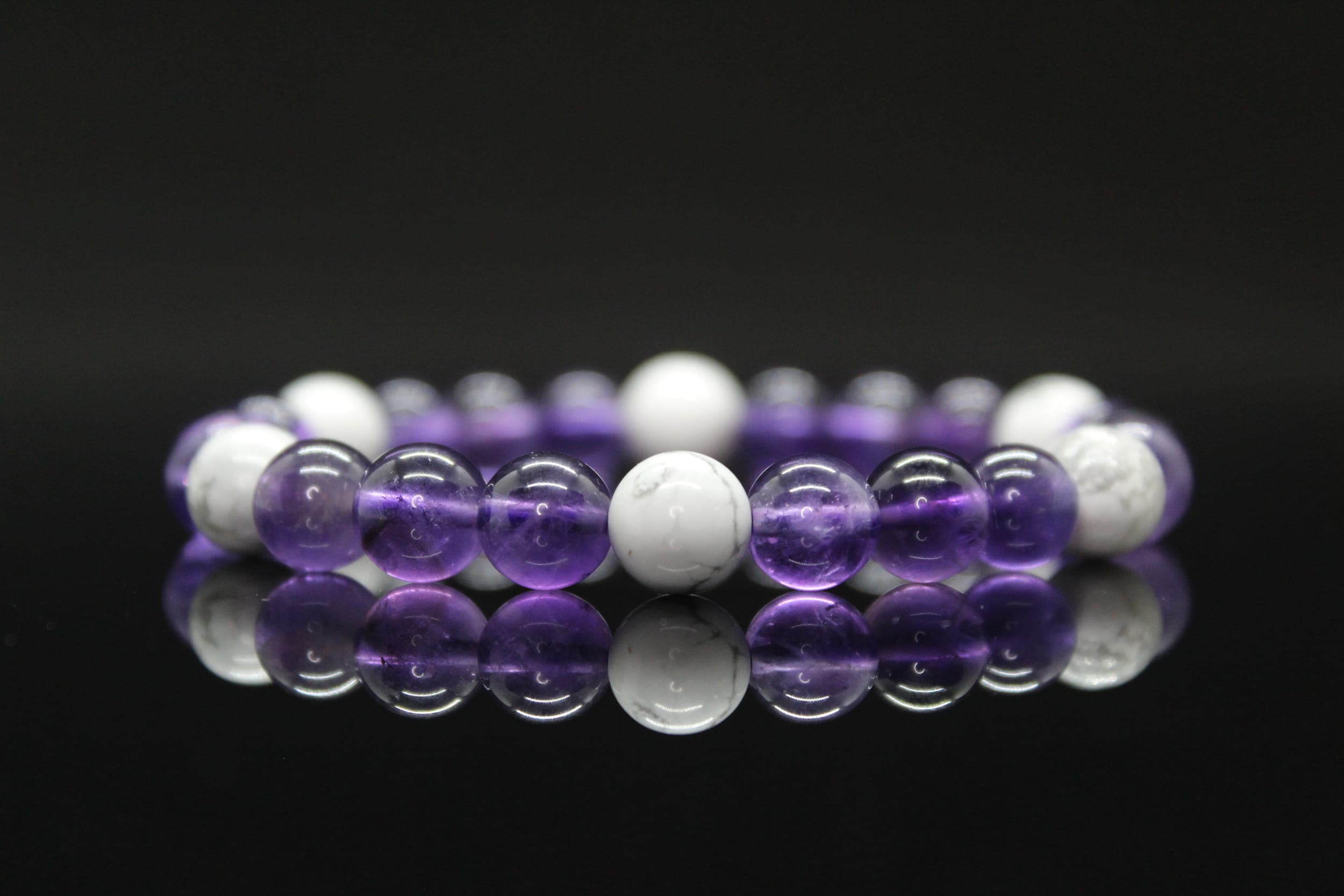
Higher Self Energy Bracelet
$24.00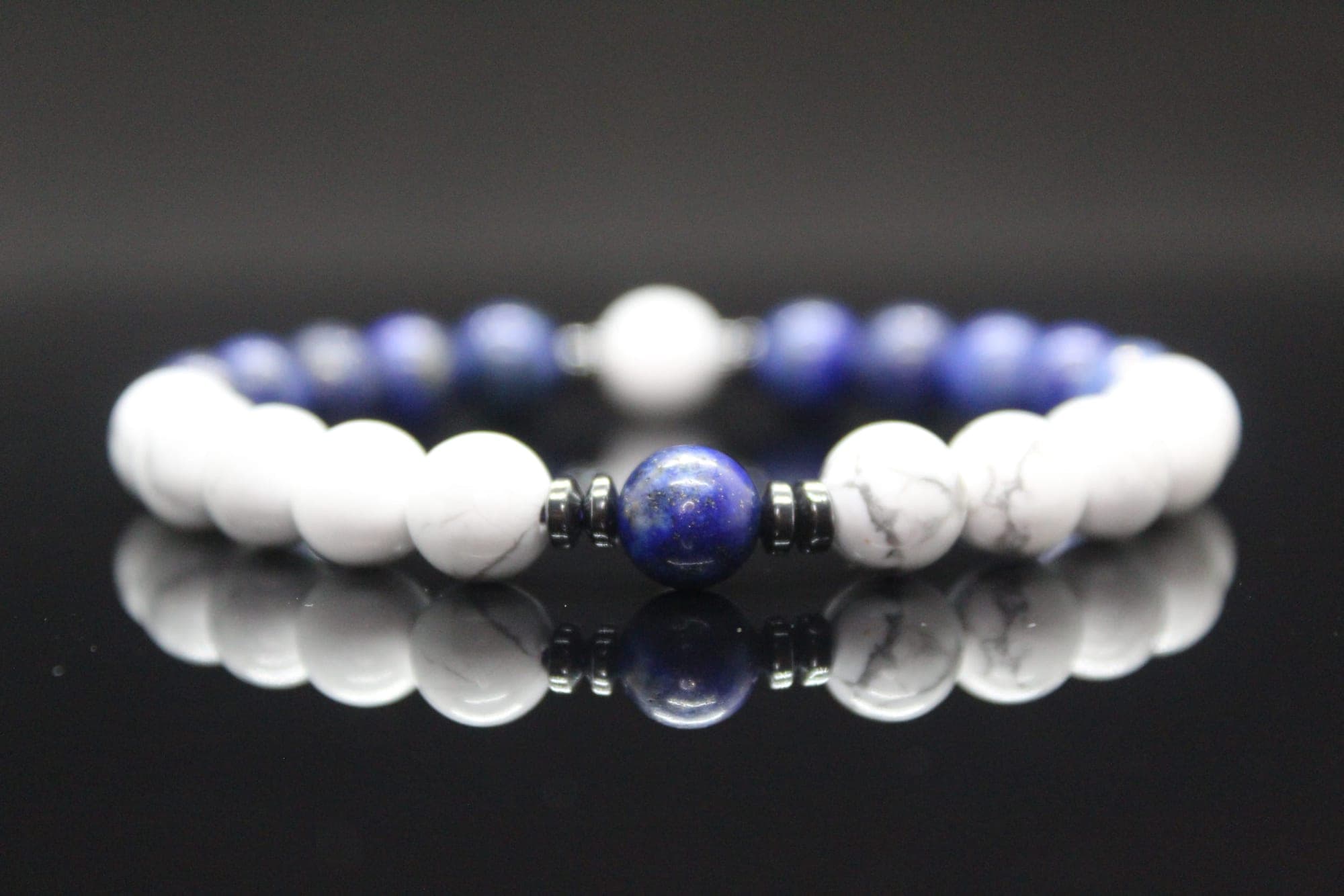
Divine Harmony Energy Bracelet
$24.00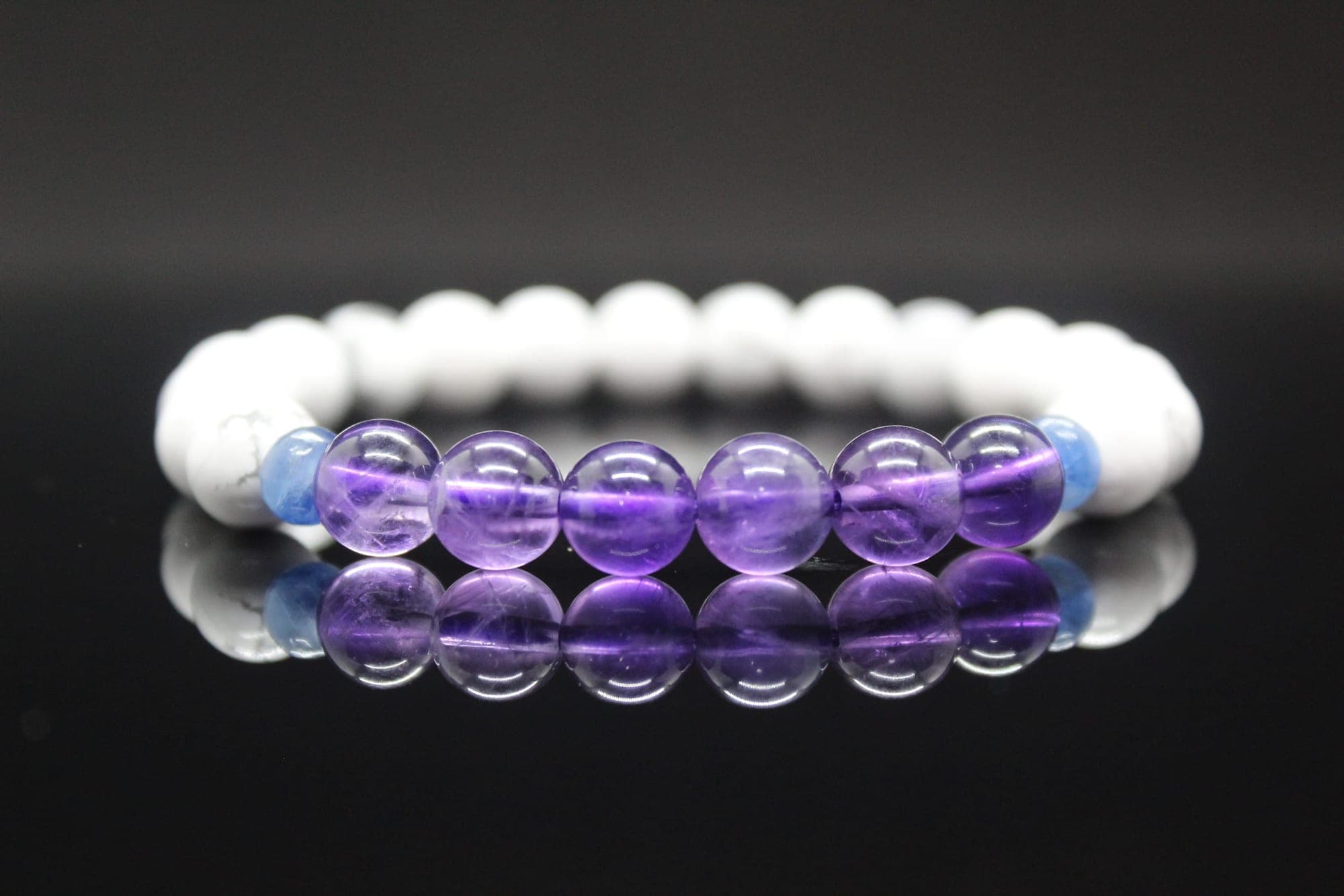
The Crown Energy Bracelet
$24.00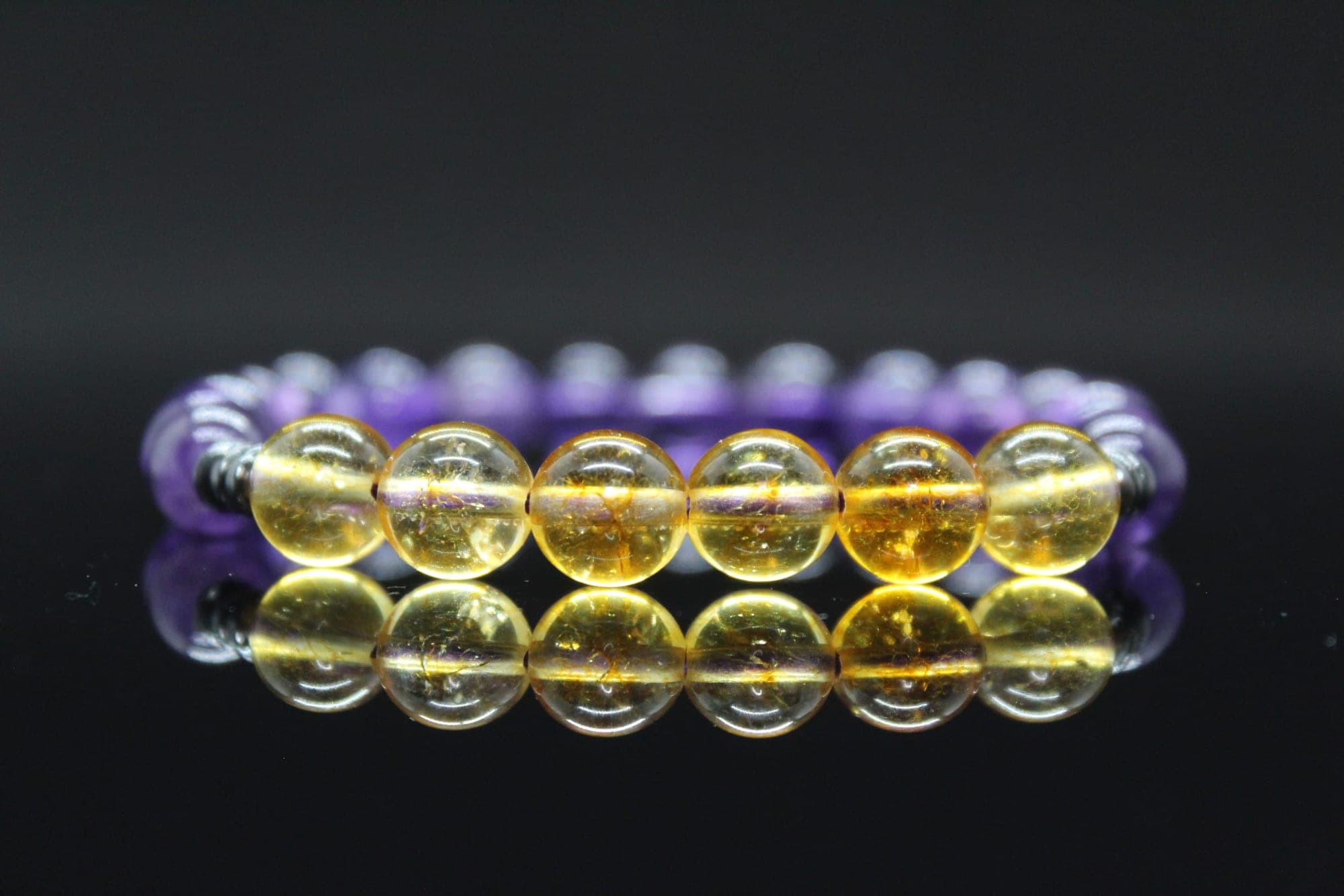
Clear Thoughts Energy Bracelet
$33.00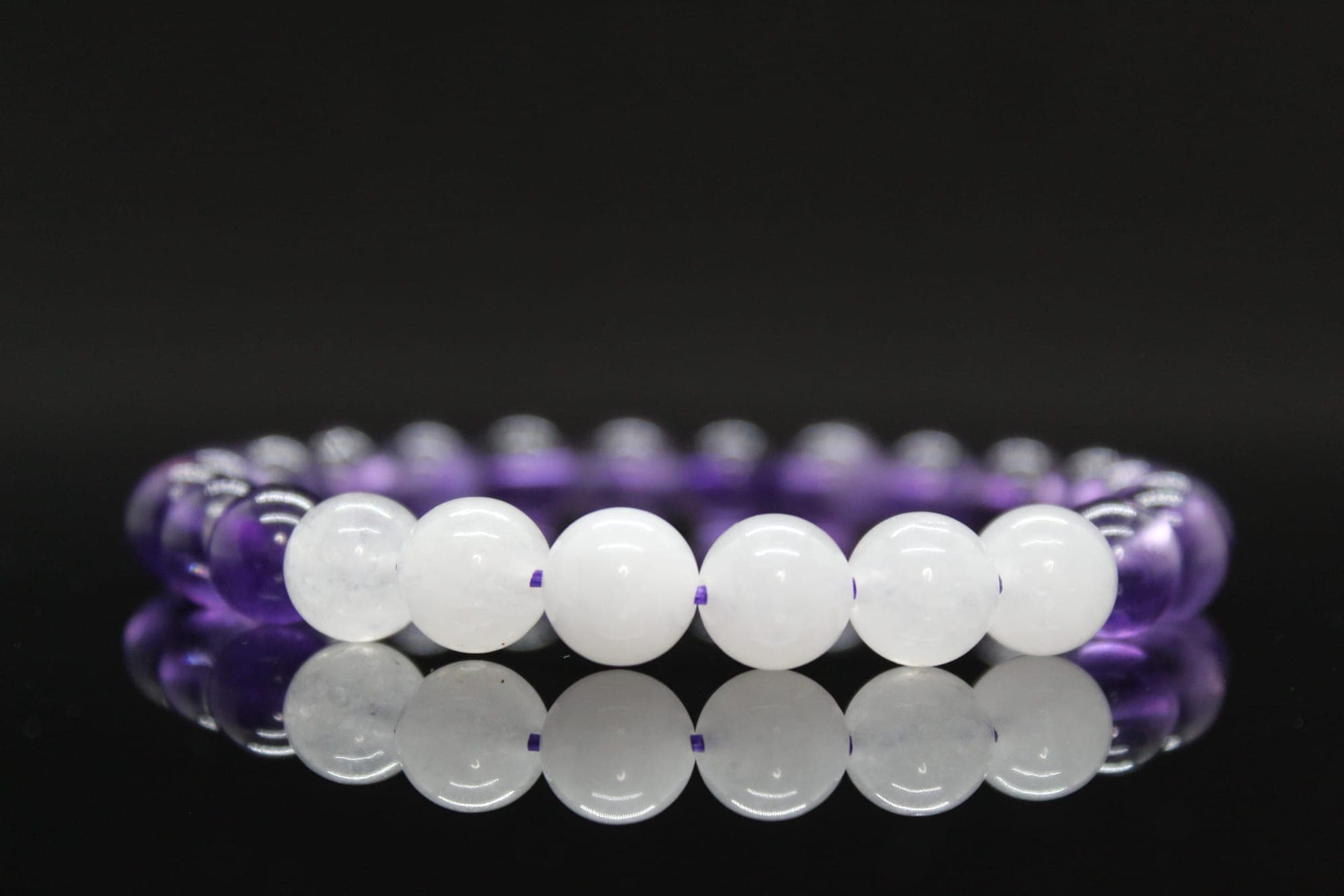
Divine Calming Energy Bracelet
$24.00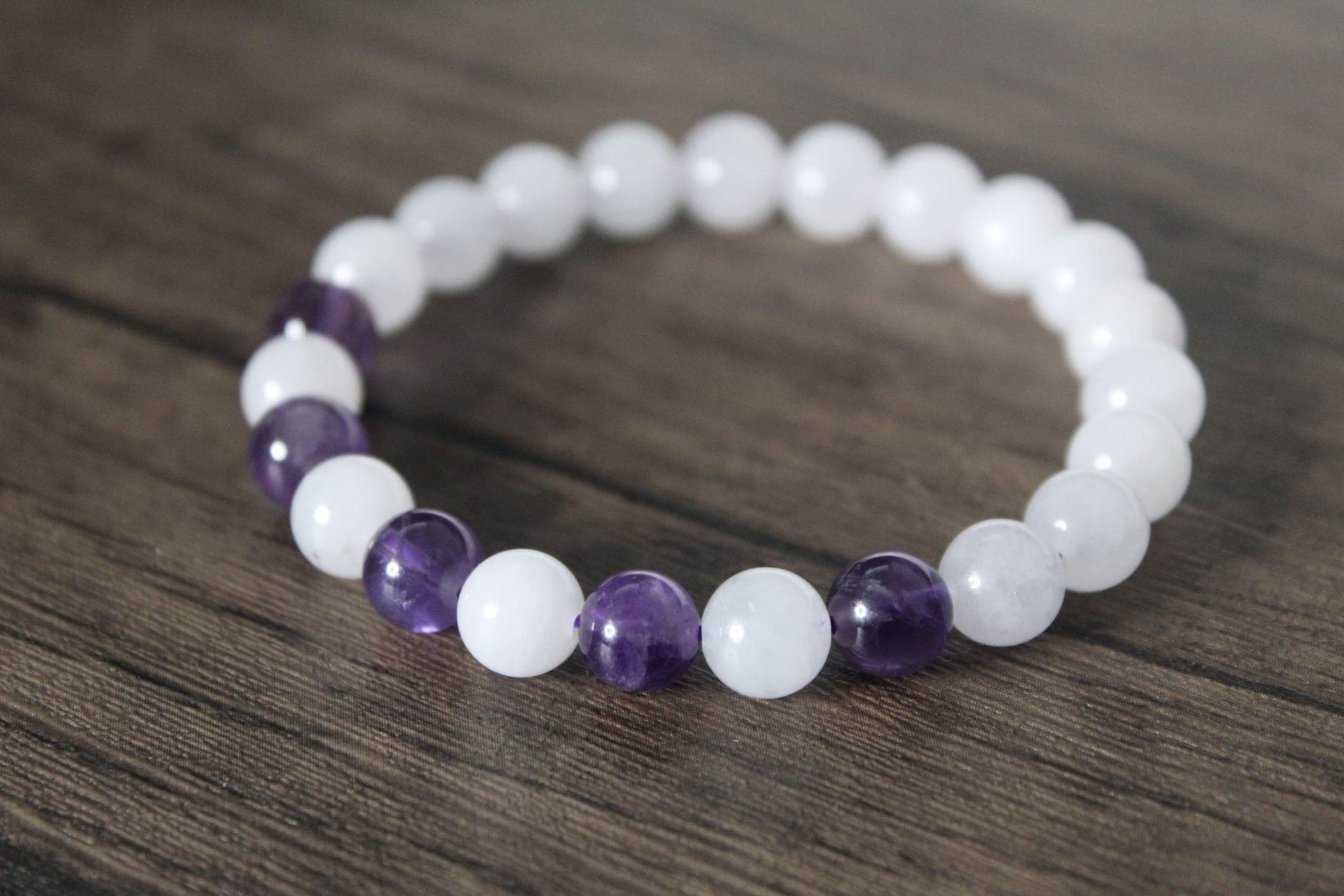
Divine Thoughts Energy Bracelet
$33.00