Meaning & uses
Kambaba Jasper Meaning
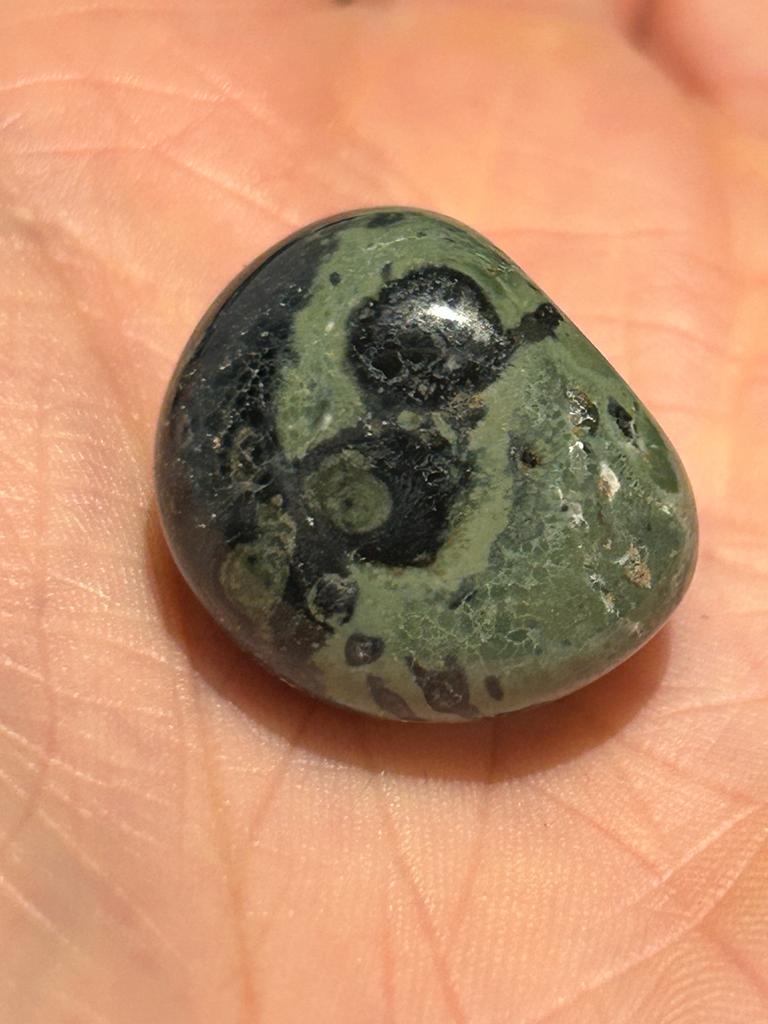
Its deep green, eye-like circles are actually fossilized colonies of ancient algae — among the oldest life on Earth — which is likely why Kambaba Jasper carries such an old, unhurried kind of calm.
What Is Kambaba Jasper?
Kambaba Jasper isn't a true jasper in the strict mineralogical sense — like several other stones sold under the Jasper name, it's better described as a fossiliferous rock: a dense, silicified mass built from stromatolites, the layered mounds formed by colonies of cyanobacteria (blue-green algae) that were among the first life forms on Earth. Its trademark dark, circular "eyes" are cross-sections through those ancient algal mats, each ring marking a distinct growth layer the way tree rings mark a season.
Nearly all Kambaba Jasper on the market comes from a single region of Madagascar, where the stromatolite formations that produce it are believed to date back well over a billion years — old enough that the algae responsible predate almost every other form of life the fossil record has to offer.
A Stone With a History
Kambaba Jasper doesn't carry an ancient carving tradition the way Red Jasper or Agate does — stromatolites weren't identified as fossils at all until the 19th century, and Kambaba Jasper itself is a comparatively recent addition to the crystal trade, named and marketed only in the late 20th century once Madagascar's deposits became commercially accessible.
What it lacks in documented human history, it makes up for in geological history: living stromatolites of the same type that formed Kambaba Jasper are considered some of the best evidence scientists have for what Earth's earliest ecosystems looked like, making it one of the few stones in this directory whose "history" predates humanity by billions of years rather than thousands.
Meaning and Symbolism
Kambaba Jasper's meaning grows directly out of that timescale. A stone built from some of the slowest, oldest biological processes on the planet reads as patient almost by definition — not associated with quick fixes or sudden insight, but with the kind of calm that comes from having, in a sense, already survived everything.
Its eye-like pattern adds a second layer to that reputation: circles read across many traditions as watchfulness or protection, giving Kambaba Jasper a quietly observant quality layered on top of its slow, grounded calm.
Carried or worn to
- Settle a racing mind and slow down anxious energy
- Deepen a sense of connection to the natural world
- Encourage patience during long-term projects and growth
- Support quiet meditation and grounding practice
Chakra, Zodiac & Element
Kambaba Jasper is tied to the Heart Chakra rather than the Root Chakra most Jasper varieties favor — its deep, forest green color read as calm, settled emotional openness rather than pure physical grounding. Its Earth element still runs underneath that, keeping its calm rooted rather than abstract.
Unlike most crystals in this directory, Kambaba Jasper isn't strongly linked to a particular zodiac sign — fitting for a stone whose whole identity is timelessness rather than a specific, dated association.
Part of the Jasper Family
Kambaba Jasper is one of several named varieties within the wider Jasper family, sharing Jasper's grounding reputation while bringing a slower, more meditative quality most other varieties don't. Where Red Jasper favors sustained physical stamina and Ocean Jasper favors lightness and joy, Kambaba Jasper is the family's most patient, contemplative member.
How to Use and Care for Kambaba Jasper
At 6–6.5 on the Mohs scale, Kambaba Jasper is slightly softer than most other Jasper varieties but still durable enough for regular wear in pendants and bracelets; rings that see frequent knocks are worth choosing with a little more care. It's water-safe for routine cleansing.
Because its reputation is for slow, sustained calm rather than an immediate lift, Kambaba Jasper is traditionally kept nearby during meditation or long-term work rather than reached for as a quick fix in the moment.
Frequently Asked Questions
Is Kambaba Jasper a true jasper?
What causes Kambaba Jasper's eye-like pattern?
Is Kambaba Jasper safe to wear every day?
Can Kambaba Jasper get wet?
Where does Kambaba Jasper come from?
A patient, ancient stone — better suited to slow calm than quick fixes.
Shop by energy
Bracelets for the Heart chakra
We don't have a Kambaba Jasper bracelet yet. These share its Heart chakra energy.
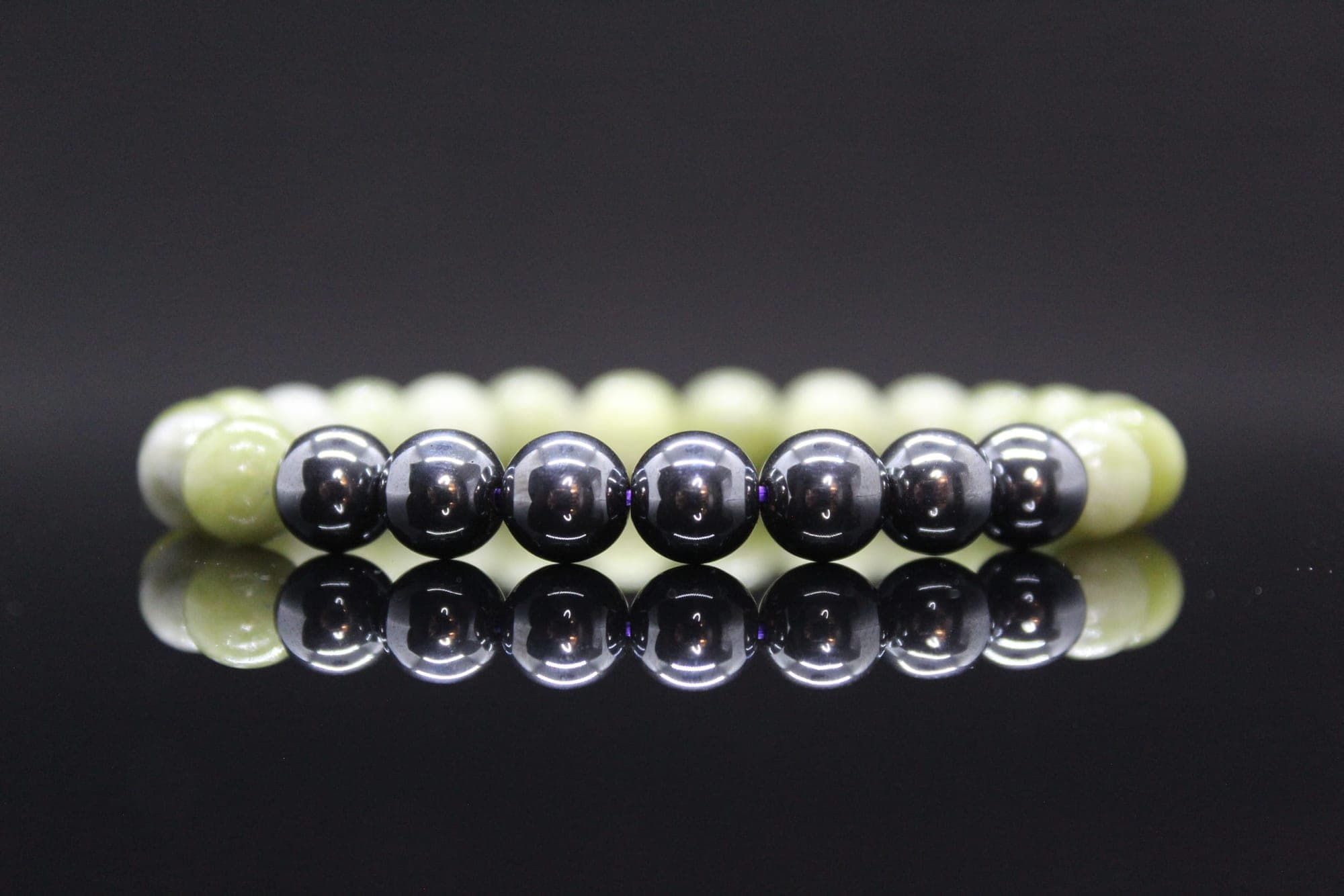
Life Force Energy Bracelet
$24.00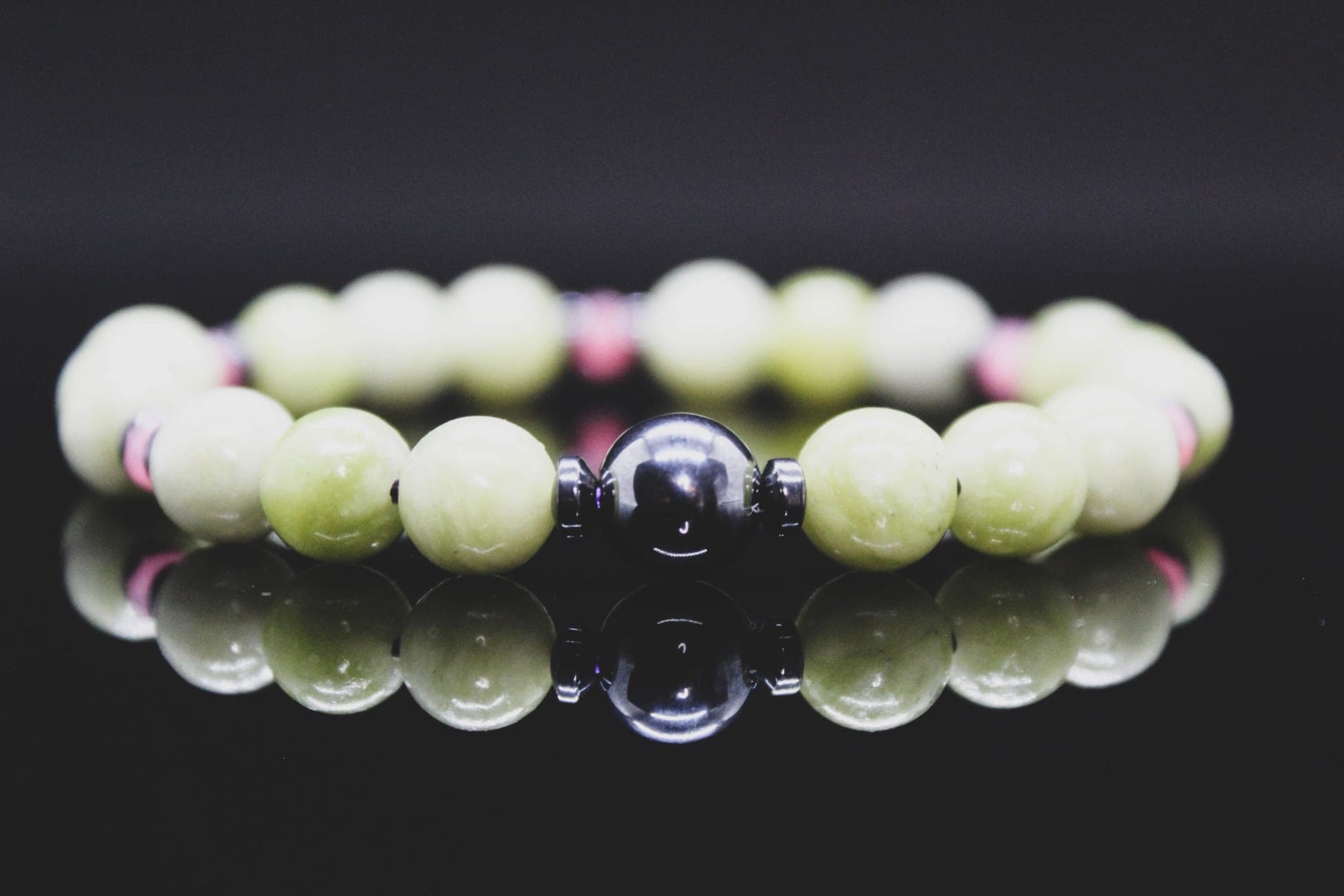
Grounding Love Energy Bracelet
$33.00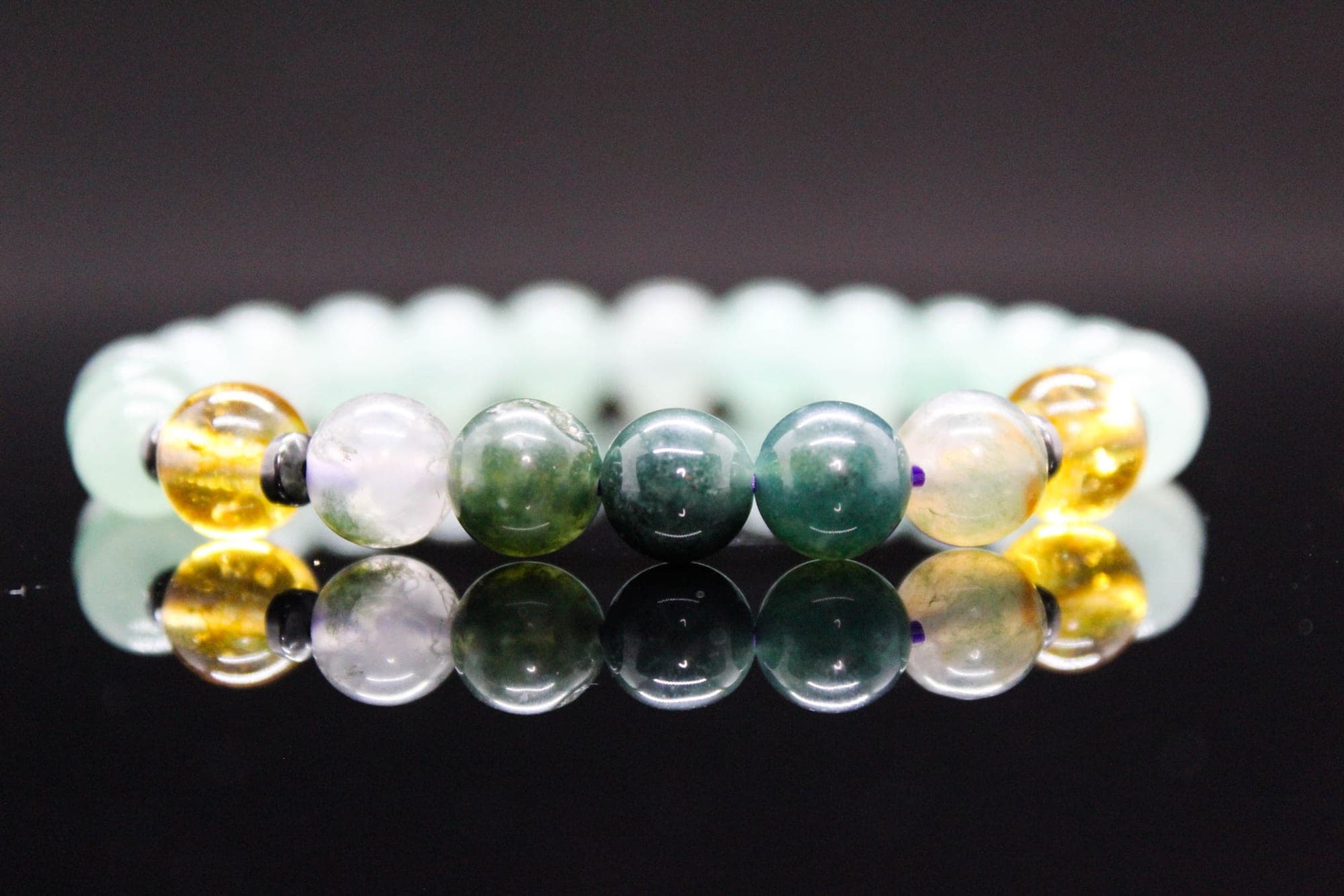
The Opulence Energy Bracelet
$33.00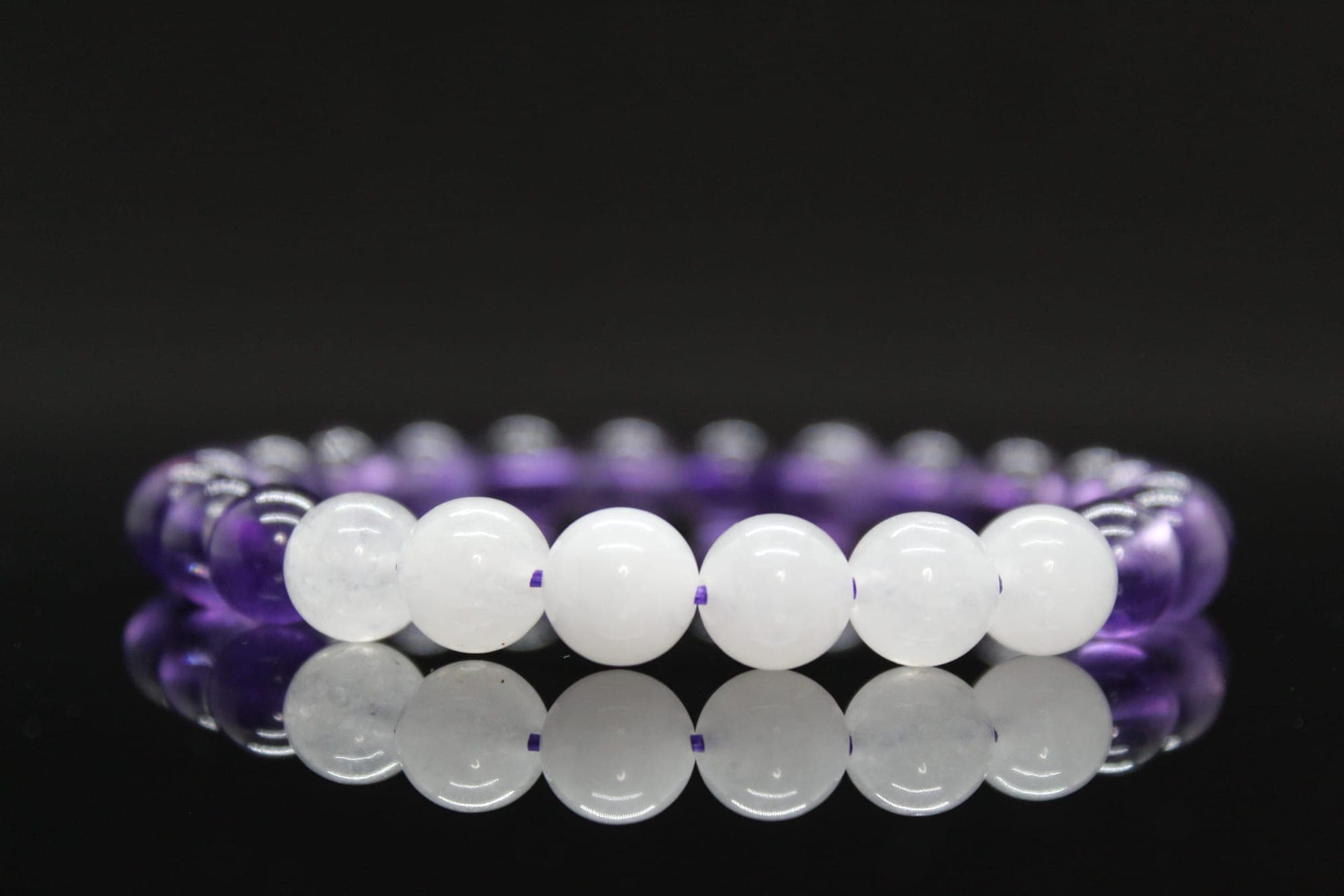
Divine Calming Energy Bracelet
$24.00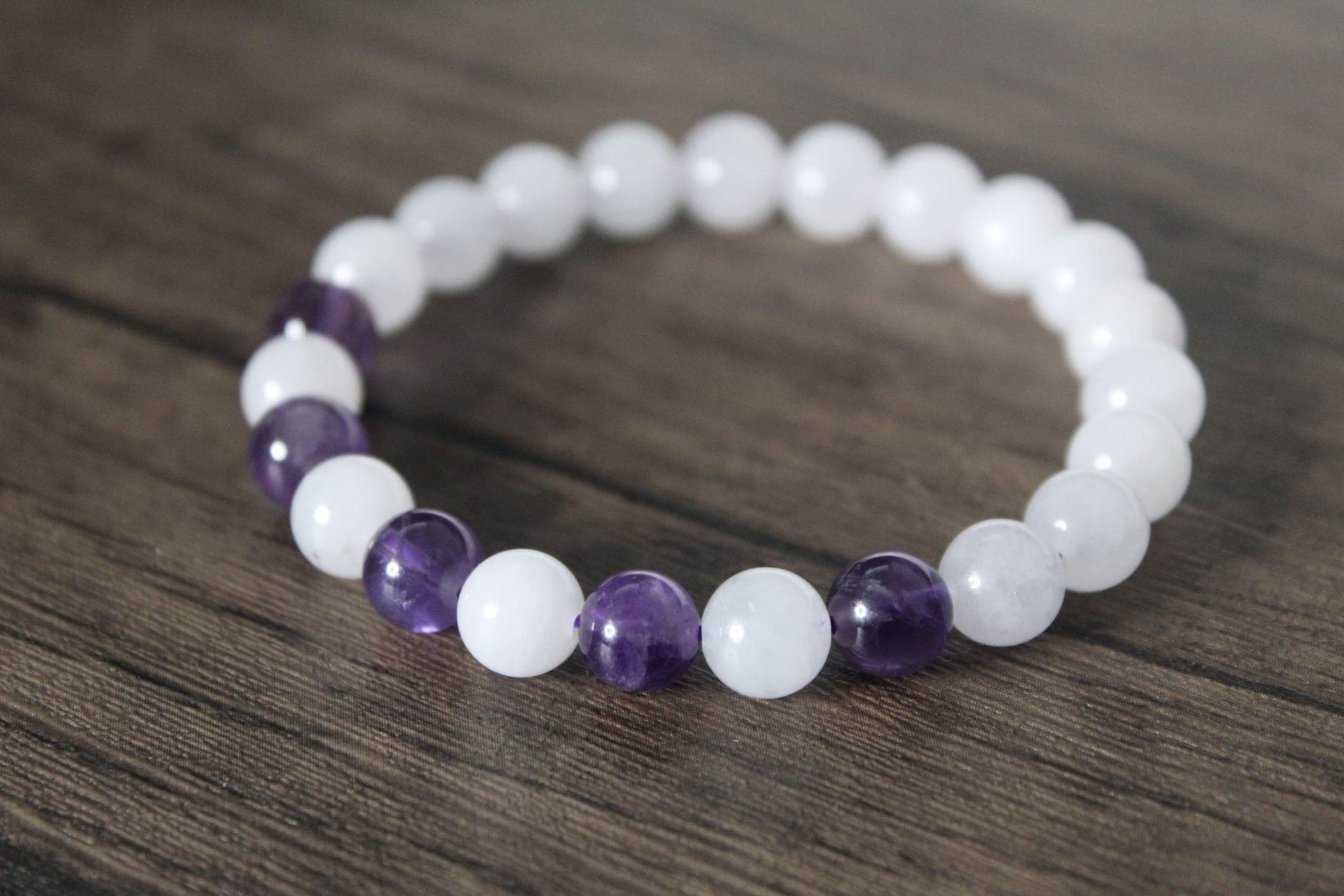
Divine Thoughts Energy Bracelet
$33.00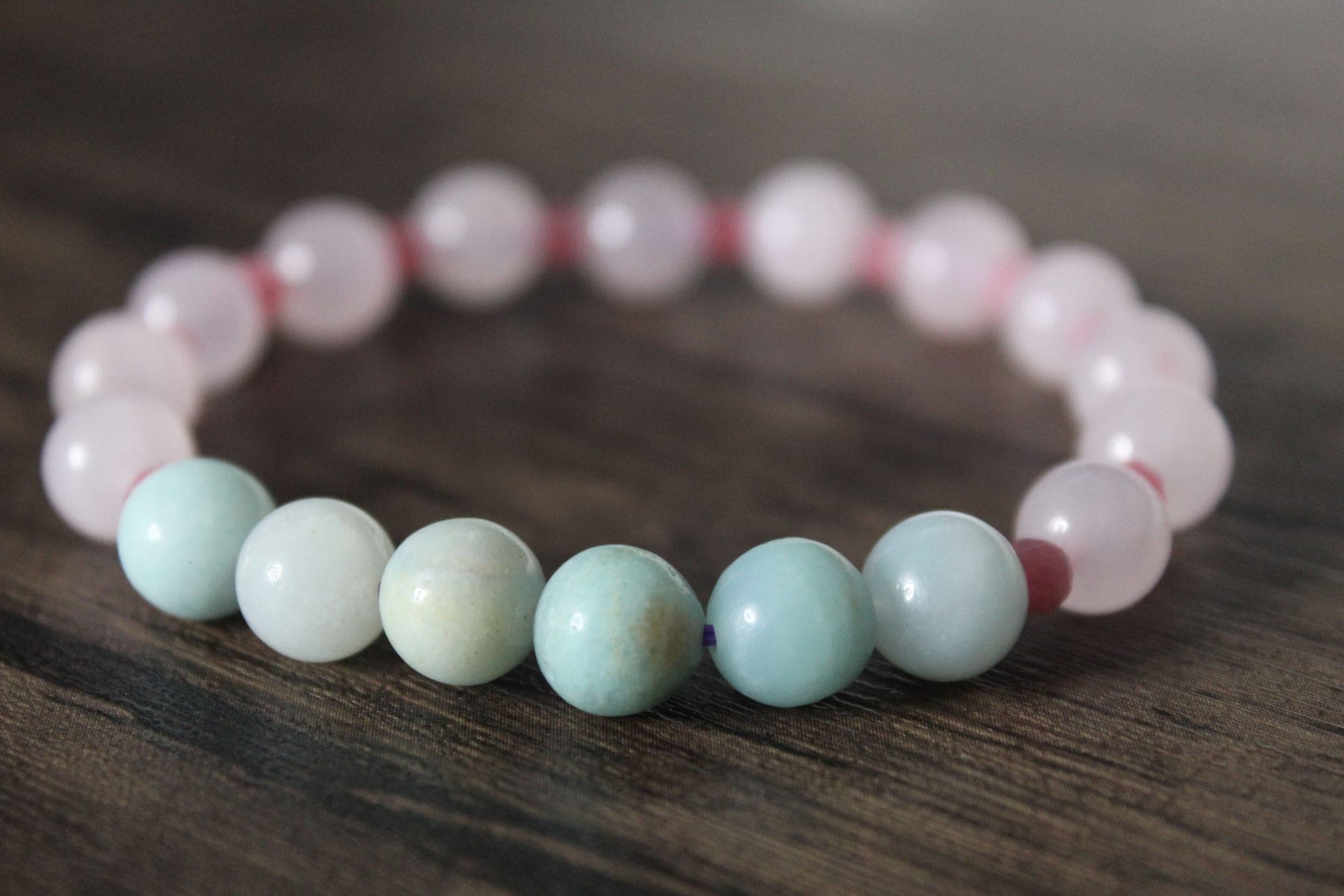
More Love Energy Bracelet
$33.00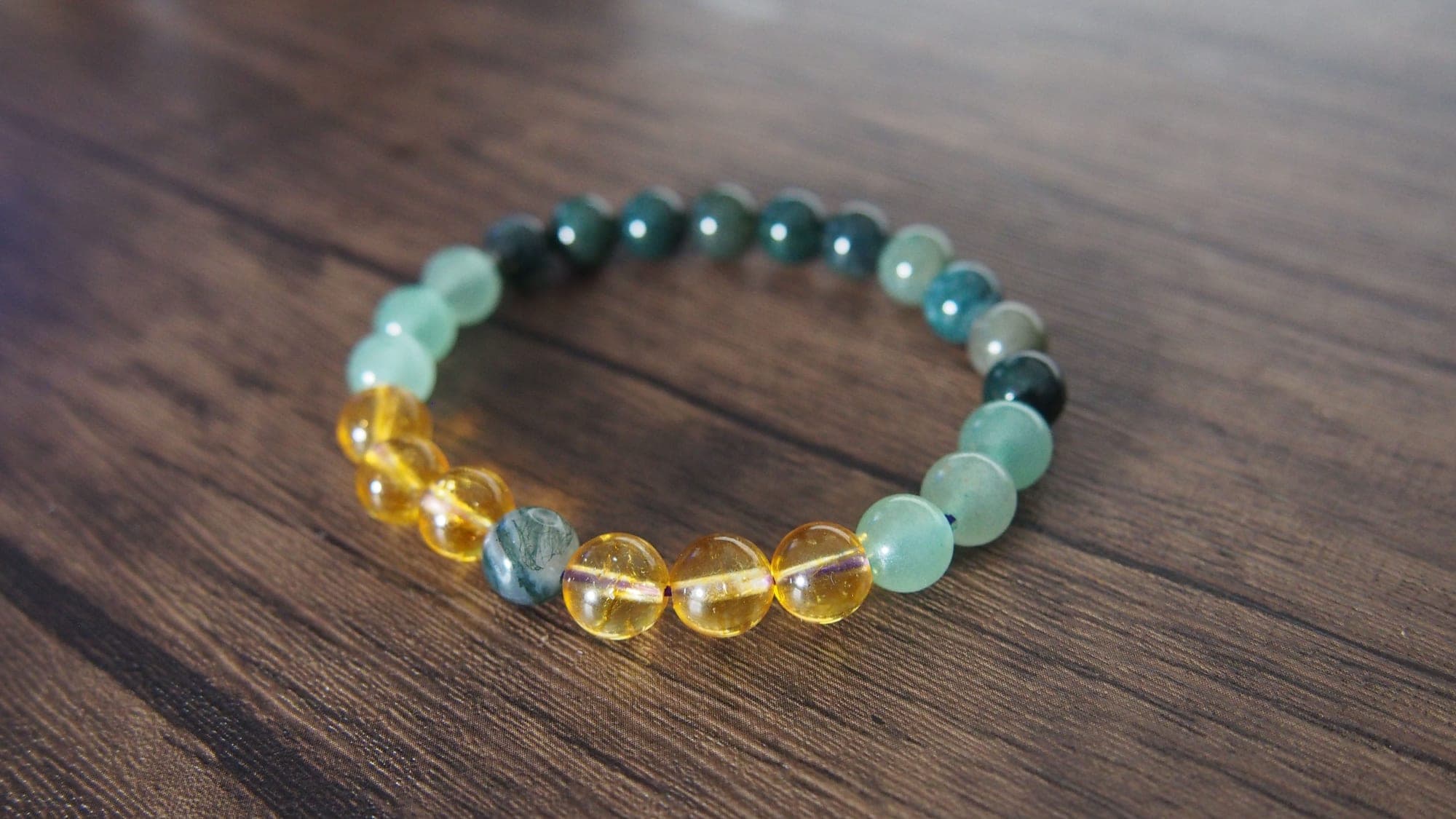
The Dinero Energy Bracelet
$33.00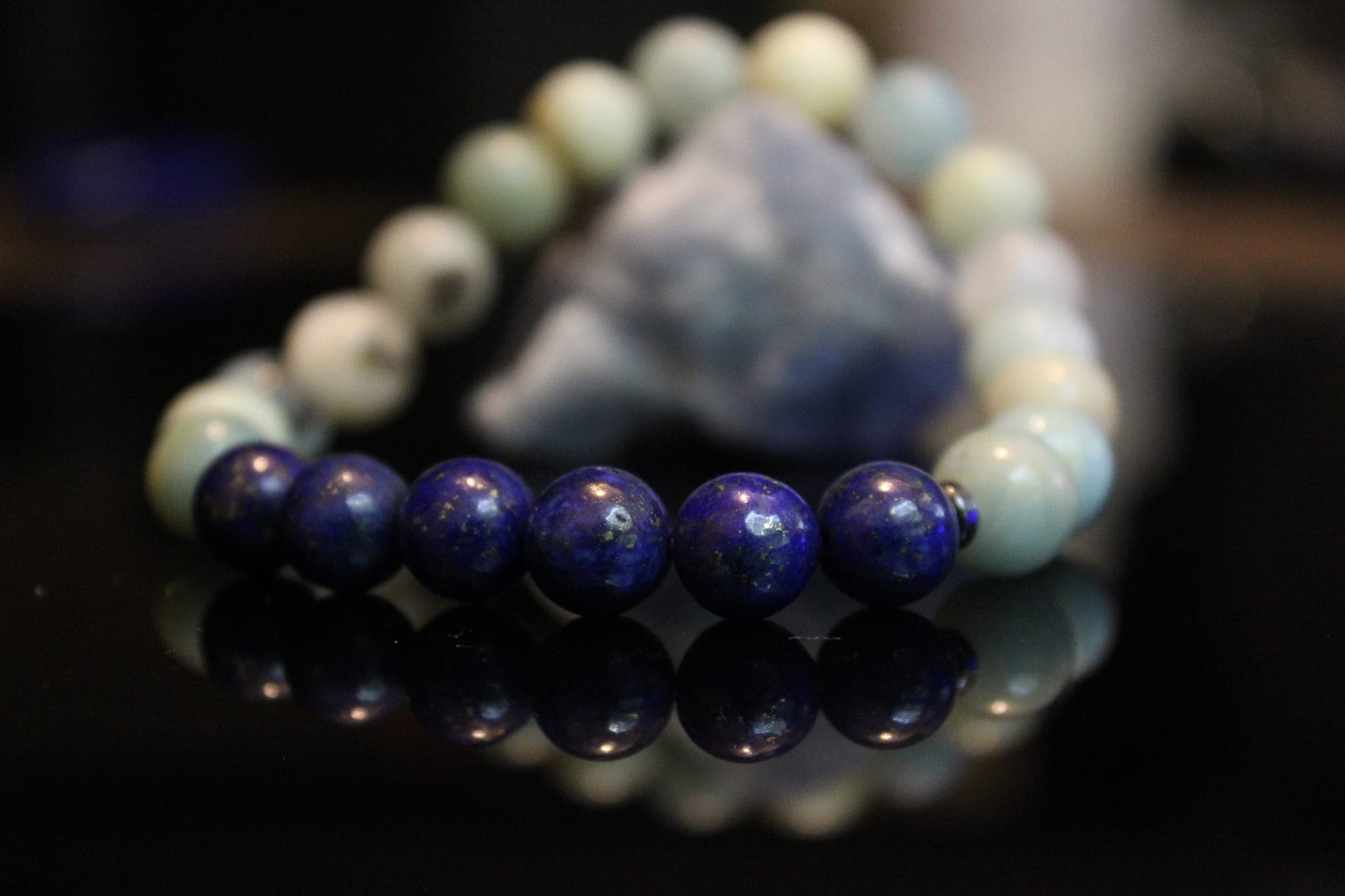
Truthy Energy Bracelet
$33.00Part of a family