Photo: Parent Géry · CC BY-SA 3.0 · Wikimedia Commons
Iolite
Stone of the Inner Vision
Energy Focus
Meaning & uses
Iolite Meaning
Iolite shifts between violet-blue and clear grey depending on the angle it's viewed from — Vikings reportedly used thin slices of it to help navigate by the sun. That history has made it a stone of inner direction and vision.
What Is Iolite?
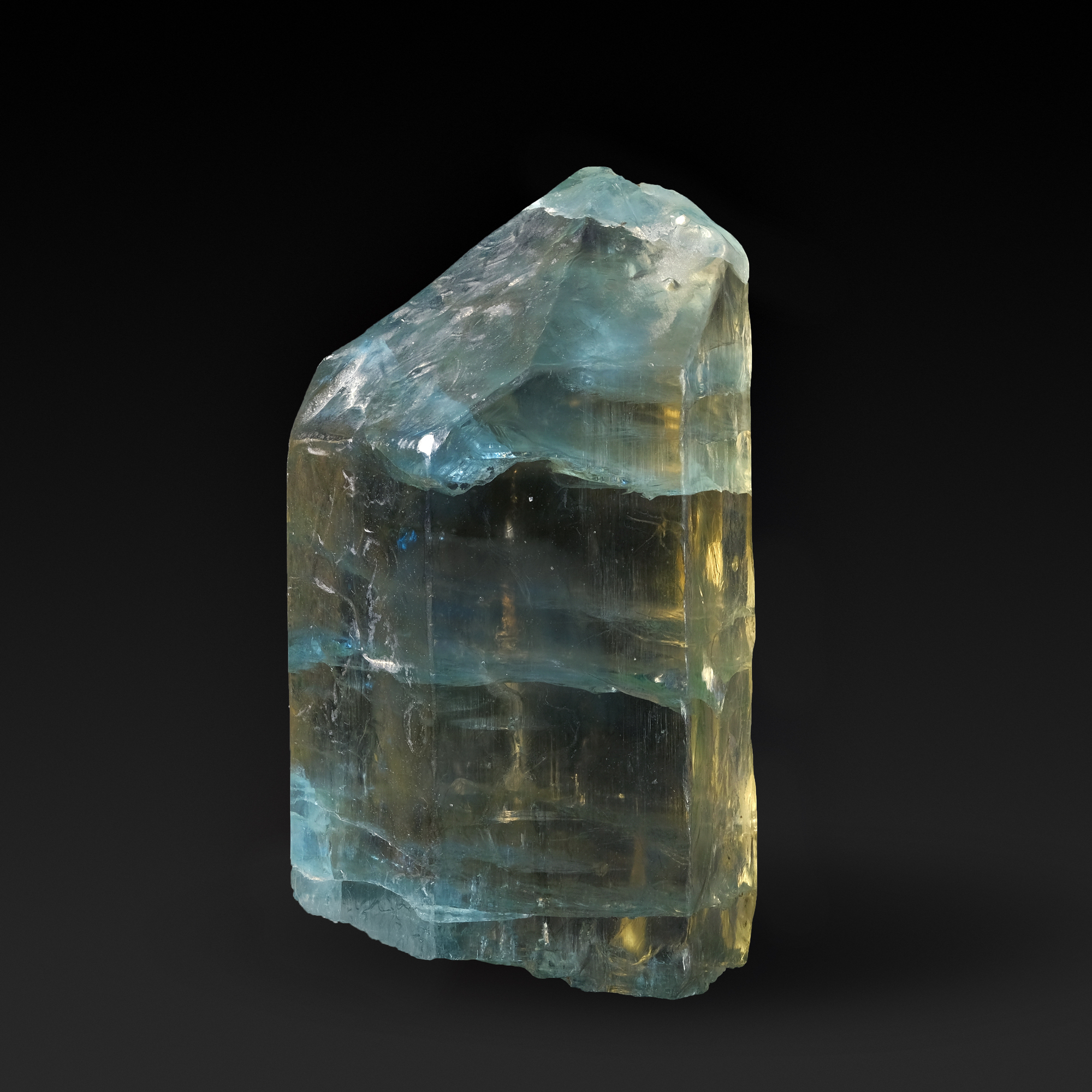
Iolite is the gem-quality variety of cordierite, a magnesium-iron-aluminum silicate, and its name comes directly from the Greek ios (violet) and lithos (stone). Its defining trait is strong pleochroism — a genuine optical property where the same crystal shows different colors depending on the angle it's viewed from, shifting between violet-blue, pale yellow-grey, and near-clear along its different crystal axes. Cutters have to orient a rough stone carefully to capture its best violet-blue face when faceting it.

A Disputed Piece of Viking Legend
Iolite's nickname, the "Viking's Compass," comes from a genuinely debated historical claim: that Norse sailors used thin slices of a polarizing mineral as a "sunstone" to locate the sun through cloud cover, by reading changes in sky polarization. Scholars have proposed several different minerals as the true sunstone over the years — Iolite and Calcite both remain candidates, and no surviving artifact has settled the question definitively. What's clear is that Iolite's strong pleochroism would have made it a genuinely useful tool for the job, whether or not it was the specific stone the Vikings actually used.
It's also sometimes sold as "water sapphire" for its superficial resemblance to blue sapphire — a nickname, not a claim of relation, since the two are entirely different minerals at very different price points. India, Madagascar, and Sri Lanka are the leading modern sources, with Sri Lanka in particular having supplied gem-quality stones for the international trade for centuries.
Meaning and Symbolism
Iolite's meaning grows directly out of its shifting color: a stone associated with inner vision and finding direction from within rather than from outside guidance, much like a sailor reading subtle signs rather than a fixed landmark.
Carried or worn for
- Finding clarity on an uncertain path forward
- Strengthening independence and self-trust
- Deepening intuitive insight
- Supporting confident decision-making under pressure
Chakra, Zodiac & Element
Iolite is tied to the Third Eye Chakra, its violet-blue color and shifting nature both pointing toward intuition and inner sight. Its Air element reflects the same mentally oriented, non-physical territory.
Astrologically it's linked to Sagittarius, for its association with seeking and exploration, and Libra, for the balance it takes to weigh an uncertain decision fairly.

How to Use and Care for Iolite
At 7–7.5 on the Mohs scale, Iolite is durable enough for daily wear in rings, bracelets, or pendants, and it's water-safe for routine cleansing.
It pairs beautifully with Labradorite for a grounded, balancing stack, combining two stones associated with intuition and inner vision without either one overwhelming the other.
Frequently Asked Questions
Why is it called Iolite?
Was Iolite really used by Vikings for navigation?
What is "water sapphire"?
Is Iolite safe to wear every day?
What chakra is Iolite associated with?
Why does Iolite look different from different angles?
Iolite pairs beautifully with Labradorite for a grounded, balancing stack.
Shop by energy
Bracelets for the Third Eye chakra
We don't have an Iolite bracelet yet. These share its Third Eye chakra energy.
Creative Balance Energy Bracelet
$24.00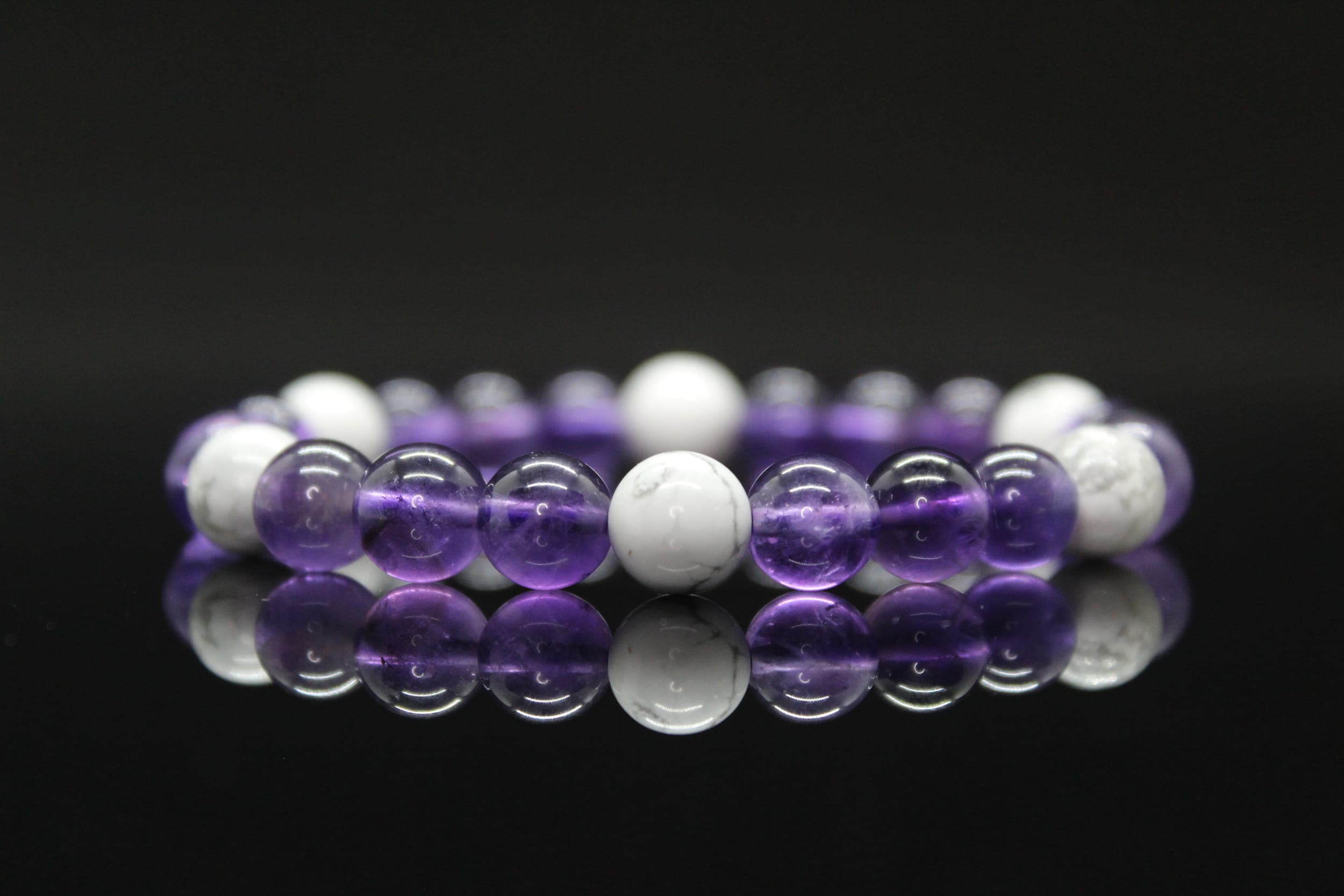
Higher Self Energy Bracelet
$24.00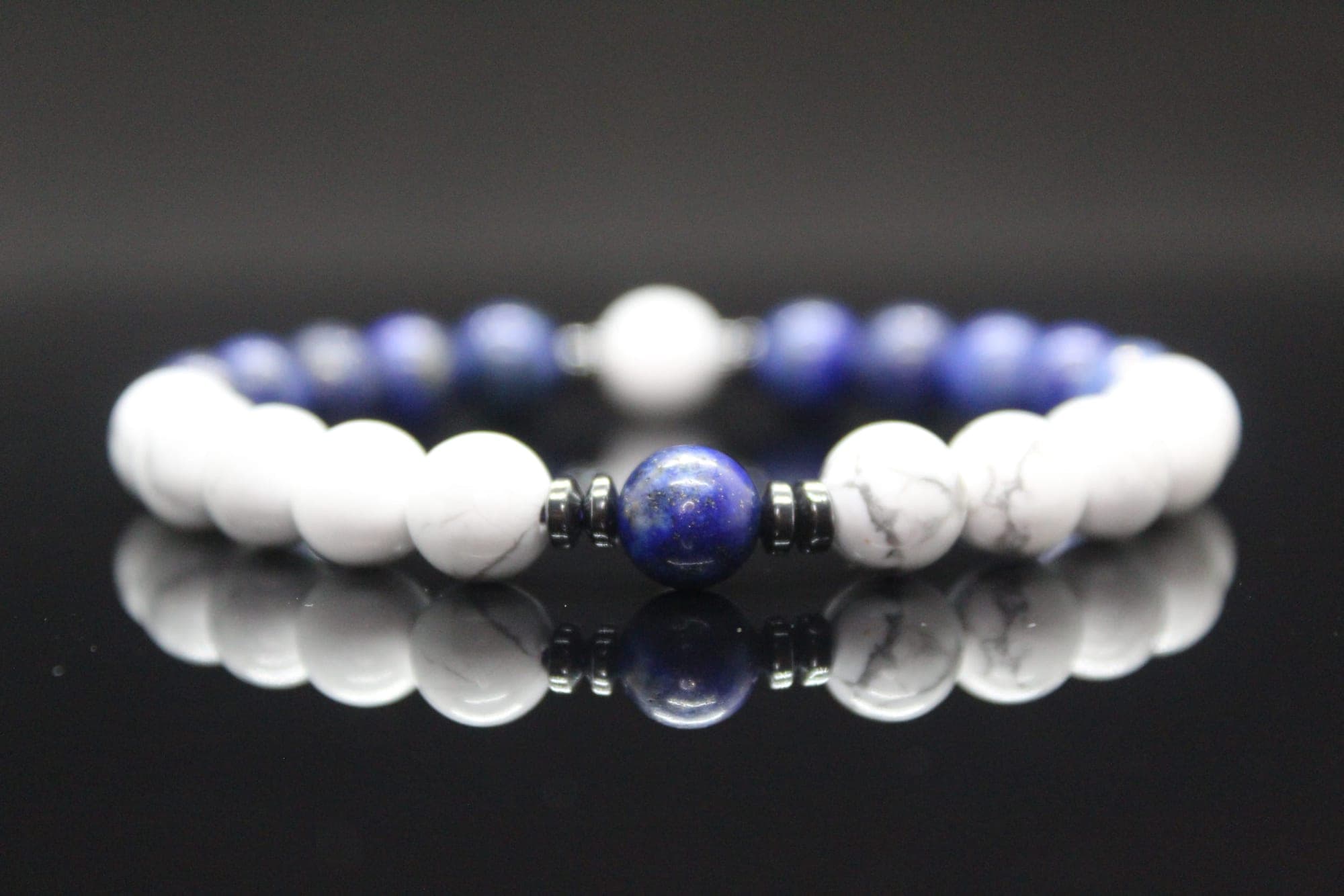
Divine Harmony Energy Bracelet
$24.00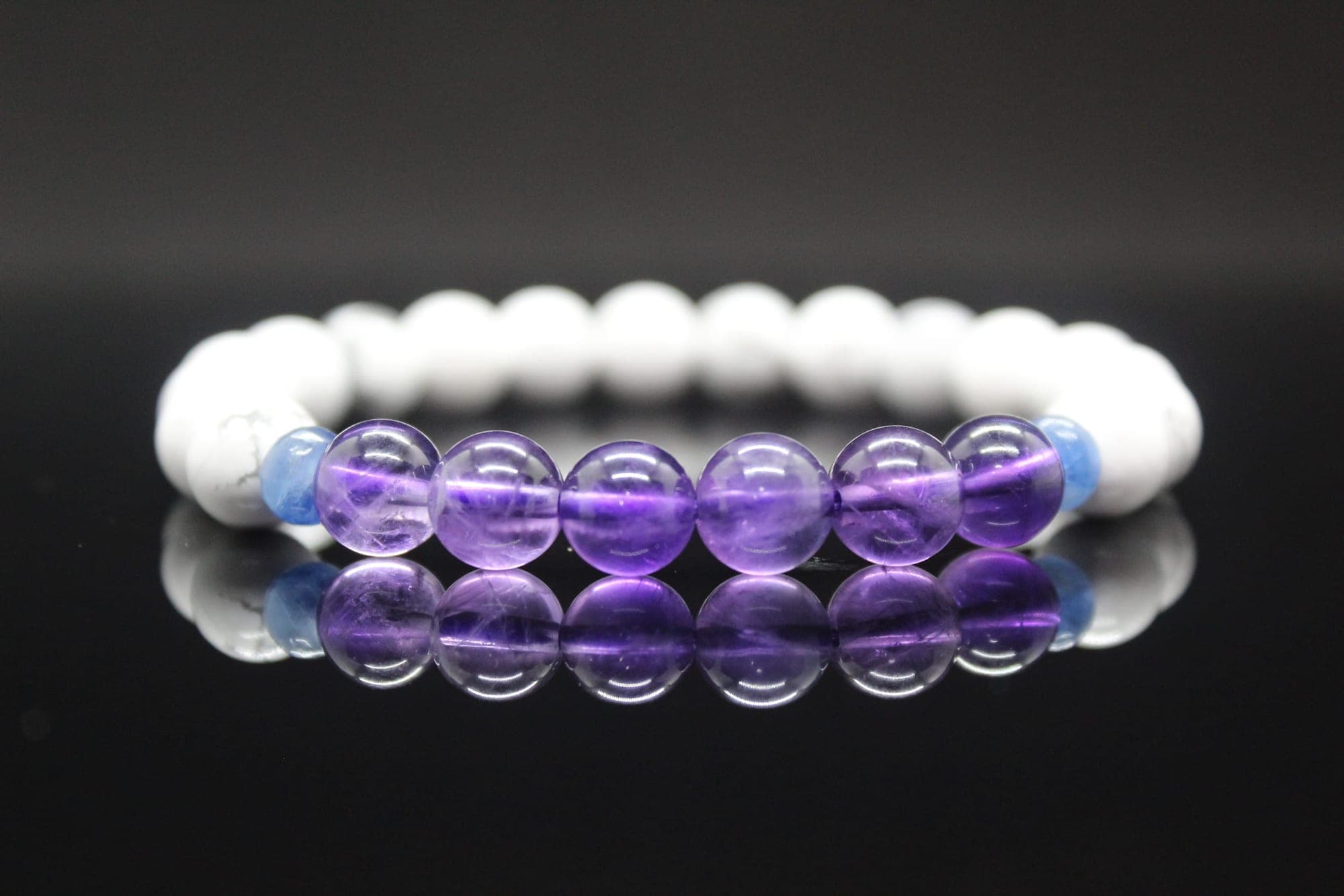
The Crown Energy Bracelet
$24.00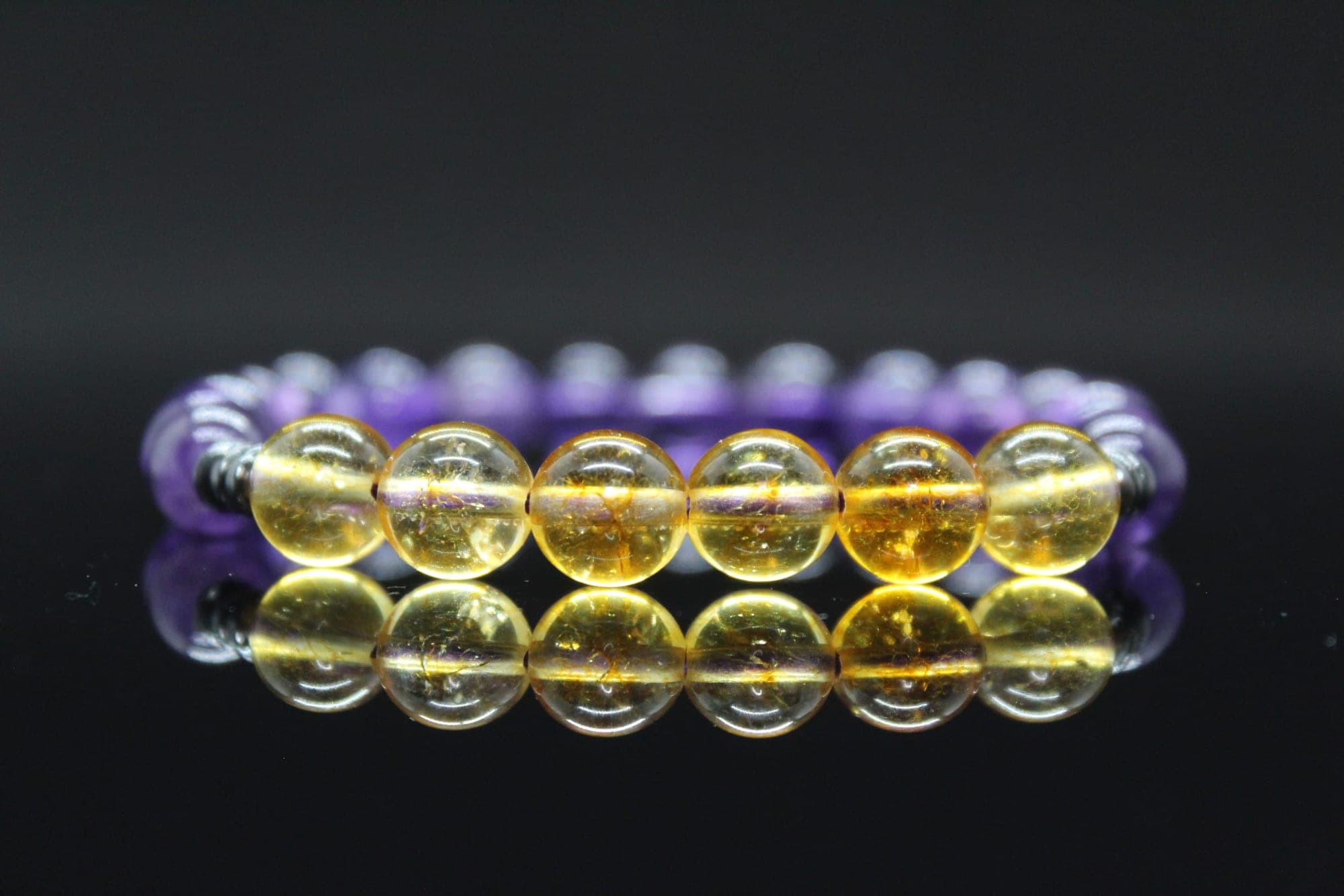
Clear Thoughts Energy Bracelet
$33.00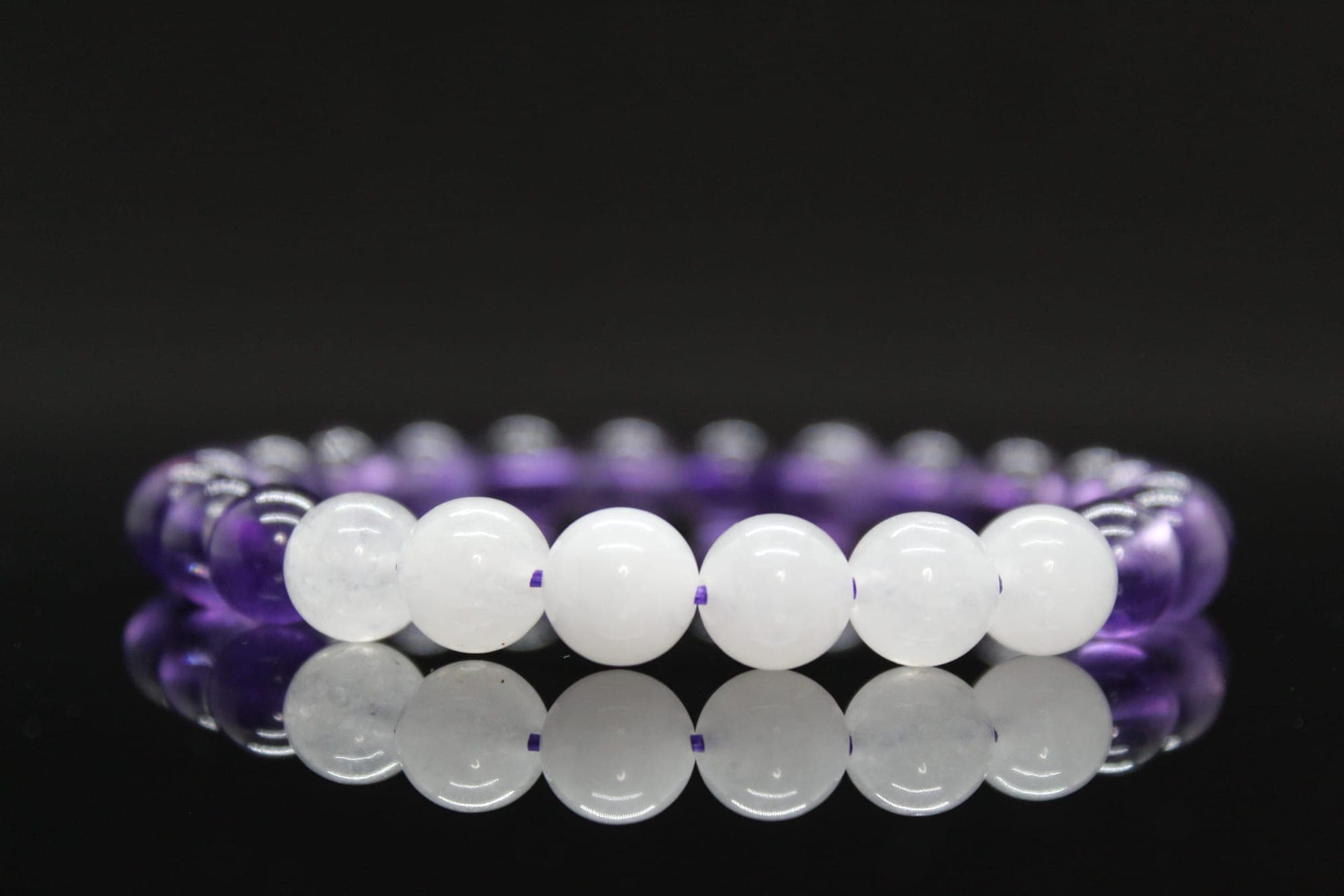
Divine Calming Energy Bracelet
$24.00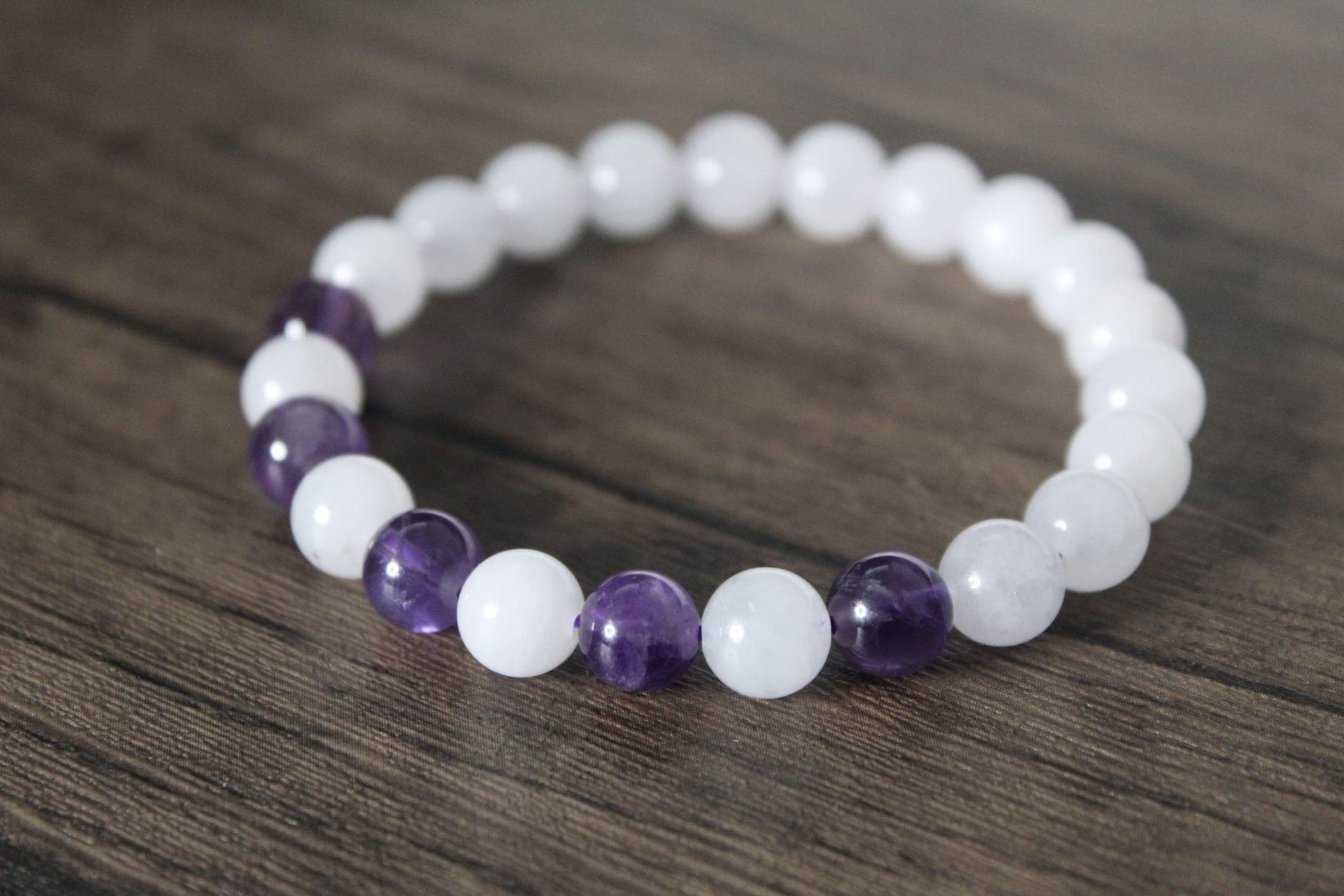
Divine Thoughts Energy Bracelet
$33.00