Photo: Richard Multimedia · Unsplash License · Unsplash
Azurite
Stone of Heaven
Energy Focus
Meaning & uses
Azurite Meaning
Its intense blue has earned Azurite the name "Stone of Heaven" — long prized for opening perception beyond the everyday and sharpening intuitive sight.
What Is Azurite?
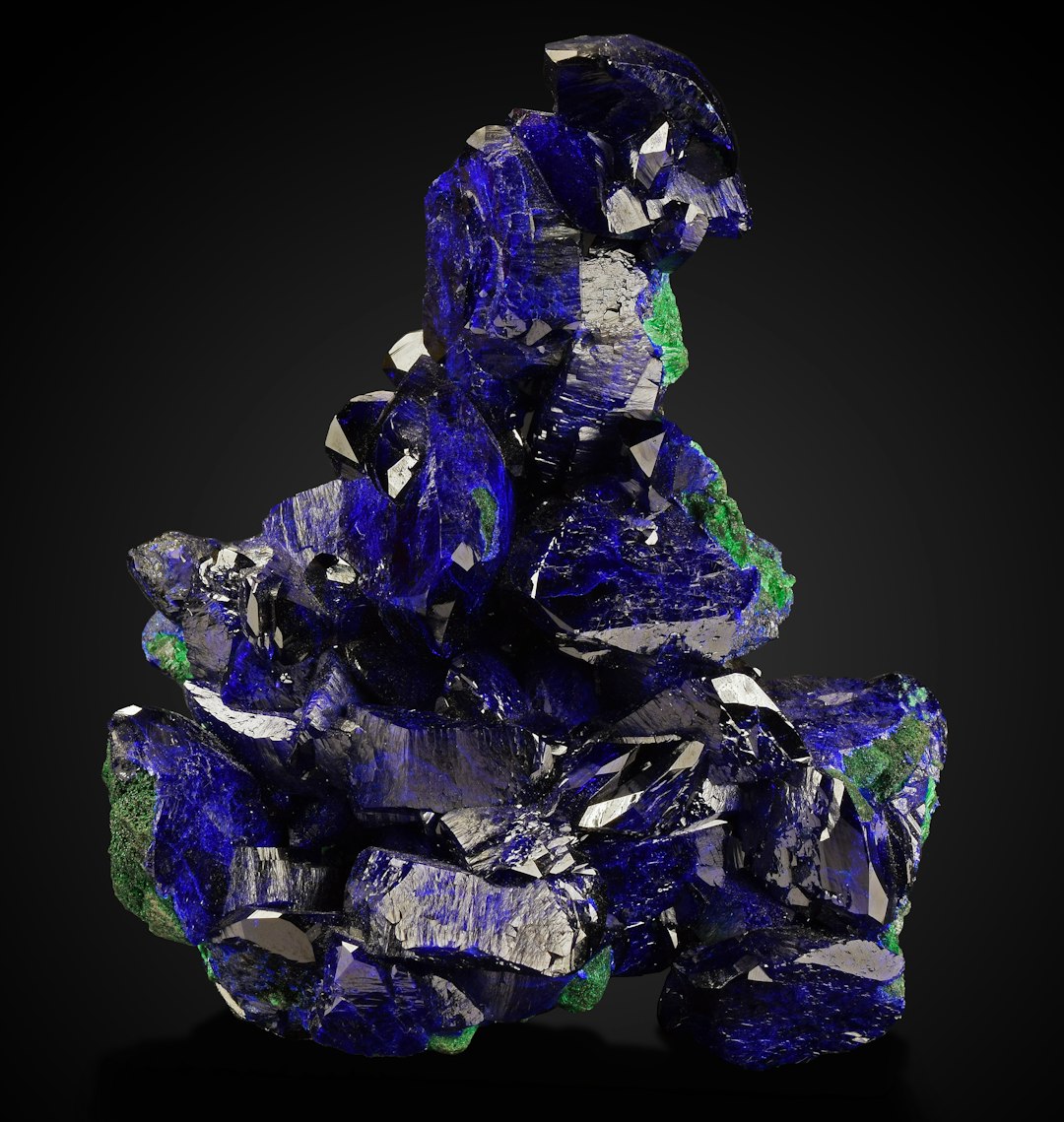
Azurite is a copper carbonate mineral, formed when copper ore deposits weather and react with carbonate-rich groundwater near the earth's surface. That same chemistry produces Malachite, Azurite's green cousin, and the two minerals are so closely related that they're frequently found intergrown in the same specimen — a banded blue-and-green combination sometimes sold as azurmalachite.
The relationship goes further than just growing side by side. Over long stretches of geological time, Azurite is chemically unstable and slowly alters into Malachite through a natural hydration process, sometimes preserving the original Azurite crystal's shape even after the material inside has fully converted — a mineral quietly turning into a different one while looking, from the outside, like it hasn't changed at all.
Some of the finest Azurite crystals ever found — large, sharply formed, and deeply saturated in color — come from the Mibladen and Touissit mining districts in Morocco, now considered a benchmark locality among mineral collectors worldwide.
A Stone With a History
The name Azurite shares its root with "azure" and with Lapis Lazuli — all tracing back to the Persian lazhward, simply meaning blue. That color made Azurite genuinely useful long before anyone valued it as a crystal: ground into powder, it served as one of the primary blue pigments in ancient Egyptian tomb paintings and, centuries later, in medieval and Renaissance European art, where "azurite blue" remained a standard pigment until synthetic alternatives eventually replaced it.
That history as a working material — a pigment ground down and used up — is part of why fine mineral specimens of Azurite are less common today than a stone like Amethyst or Aquamarine: much of what was mined across history was quite literally consumed in the making of paintings rather than preserved as jewelry or display pieces.
Meaning and Symbolism
Azurite's meaning follows its color and its instability in equal measure: a stone associated with looking beyond the surface of things, and with the kind of insight that doesn't stay static once you have it. It's rarely framed as a calming stone so much as a clarifying one — less about peace, more about seeing clearly enough to know what to do next.
Carried or worn for
- Deepening intuition and psychic awareness
- Bringing mental clarity to confusing situations
- Releasing old, limiting patterns of thought
- Supporting meditation and inner vision
Chakra, Zodiac & Element
Azurite is tied to the Third Eye Chakra, the center of intuition and inner sight — about as direct a color match as the chakra system offers, since deep blue has represented the third eye across crystal traditions for as long as the association has existed. Its Air element reinforces the same territory: thought, perception, and insight rather than anything physical.
Astrologically it's linked to Sagittarius, a sign associated with seeking truth and philosophical understanding — a natural match for a stone whose entire reputation is built around clearer sight.

How to Use and Care for Azurite
At 3.5–4 on the Mohs scale, Azurite is soft and best treated as a display specimen rather than everyday jewelry — even a well-set cabochon will scratch and wear faster than a harder stone. Keep it away from ultrasonic cleaners, harsh chemicals, and prolonged water exposure, all of which can affect a mineral this sensitive to its environment. A soft brush or dry cloth is the safer way to keep it clean.
If you're cutting or grinding raw Azurite yourself rather than buying it finished, work wet and wear a mask — like other copper minerals, its dust isn't something to breathe in. A finished, polished piece poses no such risk to simply handle or display.
Frequently Asked Questions
Why is Azurite called Azurite?
Can Azurite turn into Malachite?
Is Azurite safe to wear as jewelry?
Was Azurite really used as paint?
What chakra is Azurite associated with?
Where does the best Azurite come from?
A soft stone best kept as a display piece — for looking at, and looking with.
Shop by energy
Bracelets for the Third Eye chakra
We don't have an Azurite bracelet yet. These share its Third Eye chakra energy.
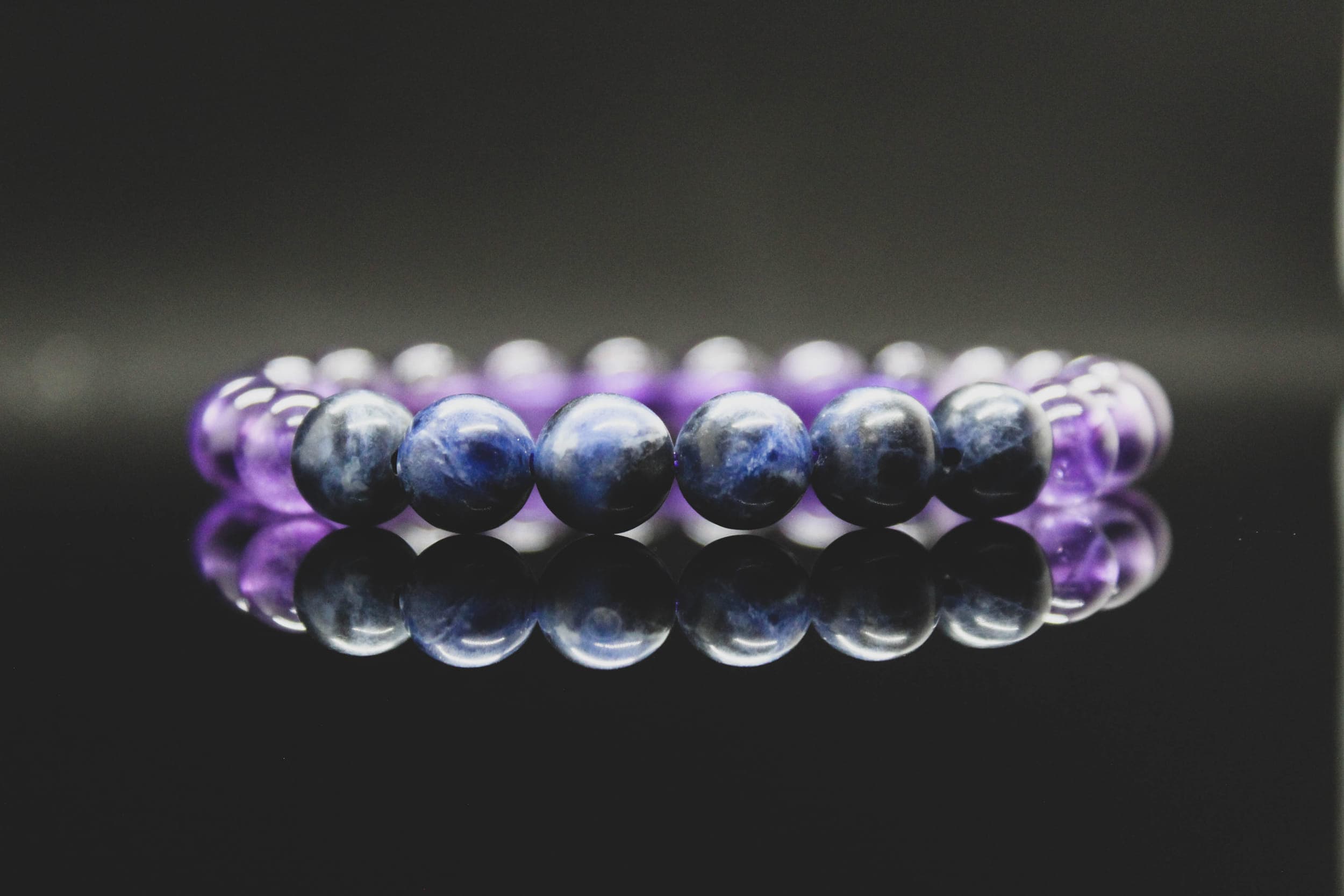
Creative Balance Energy Bracelet
$24.00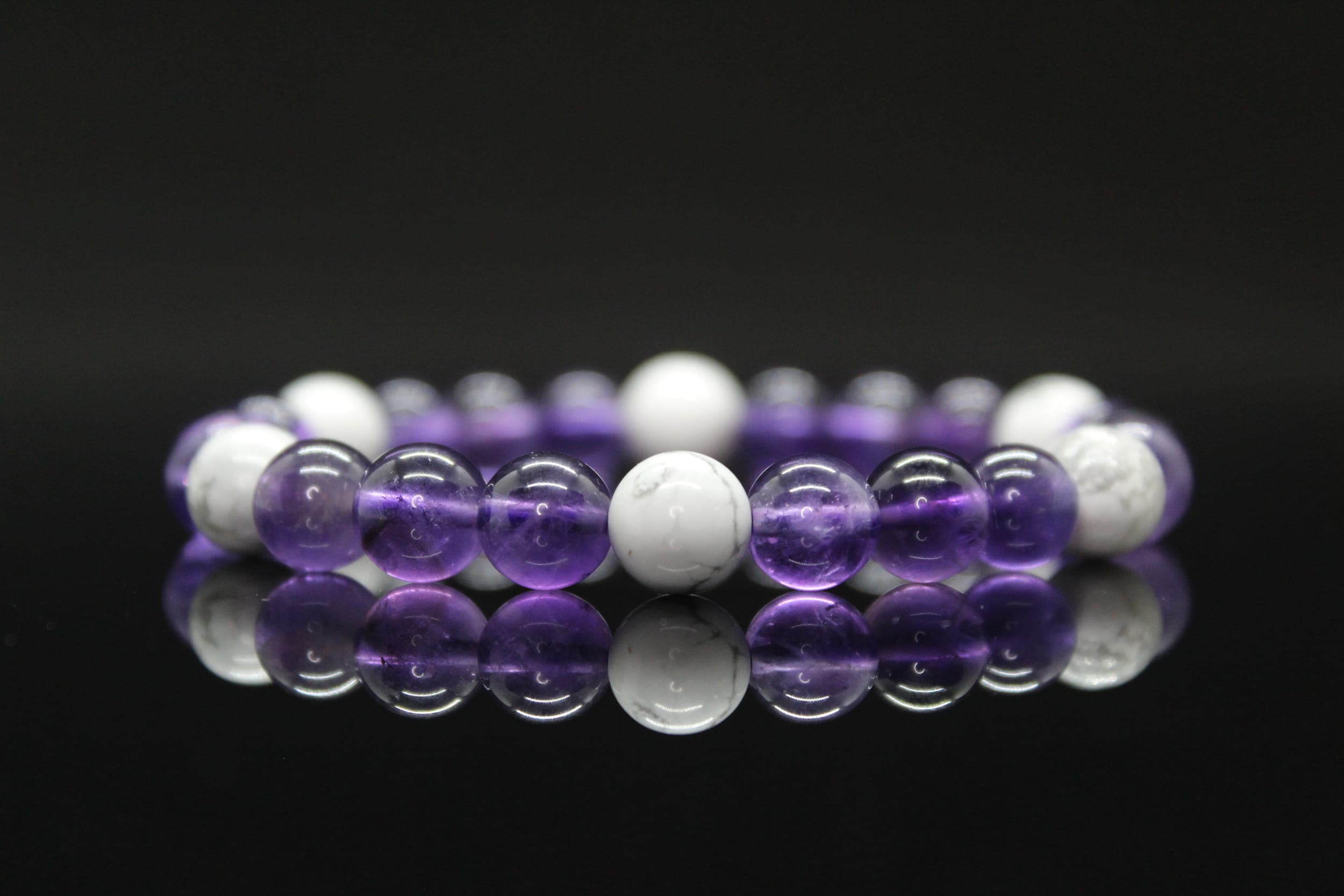
Higher Self Energy Bracelet
$24.00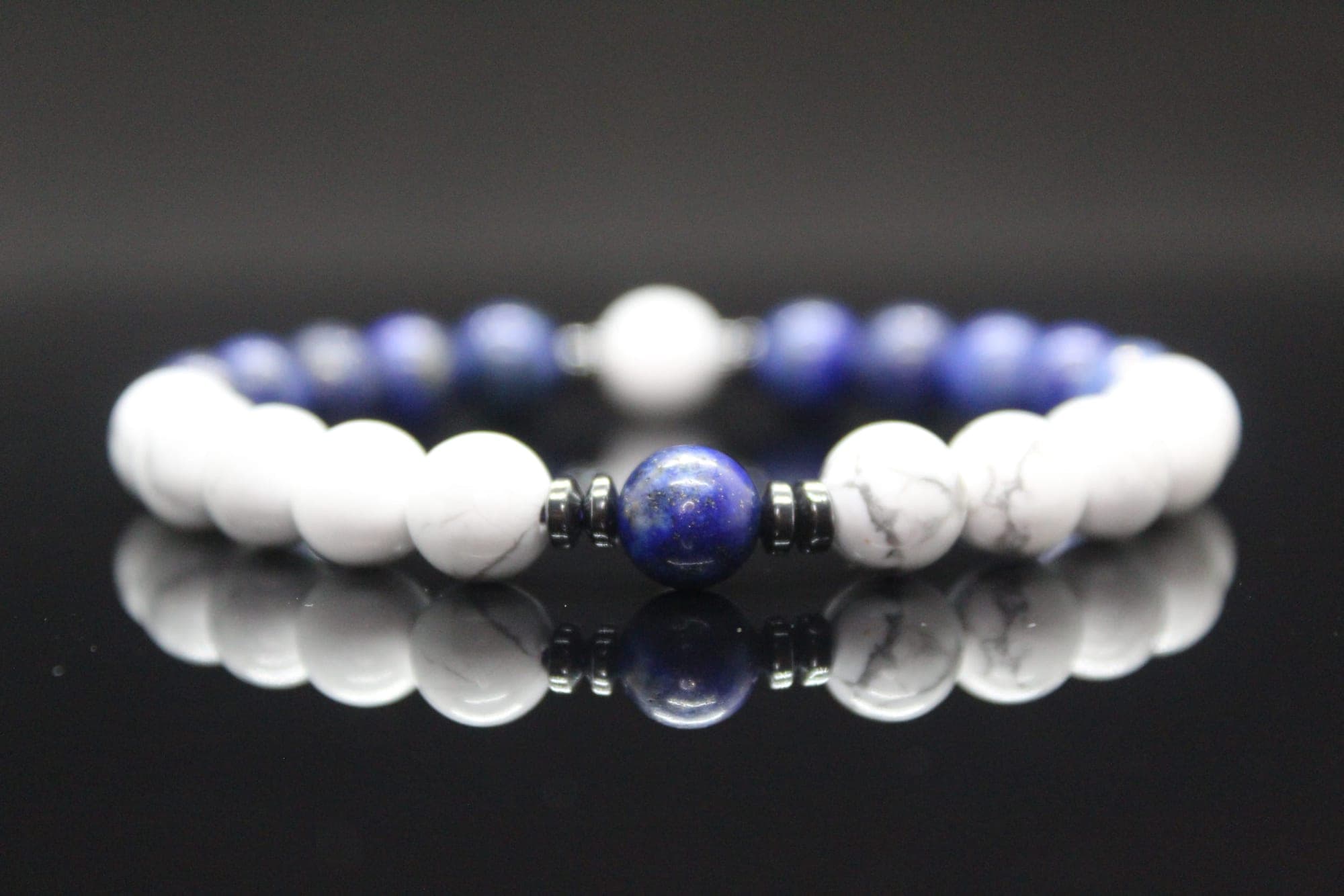
Divine Harmony Energy Bracelet
$24.00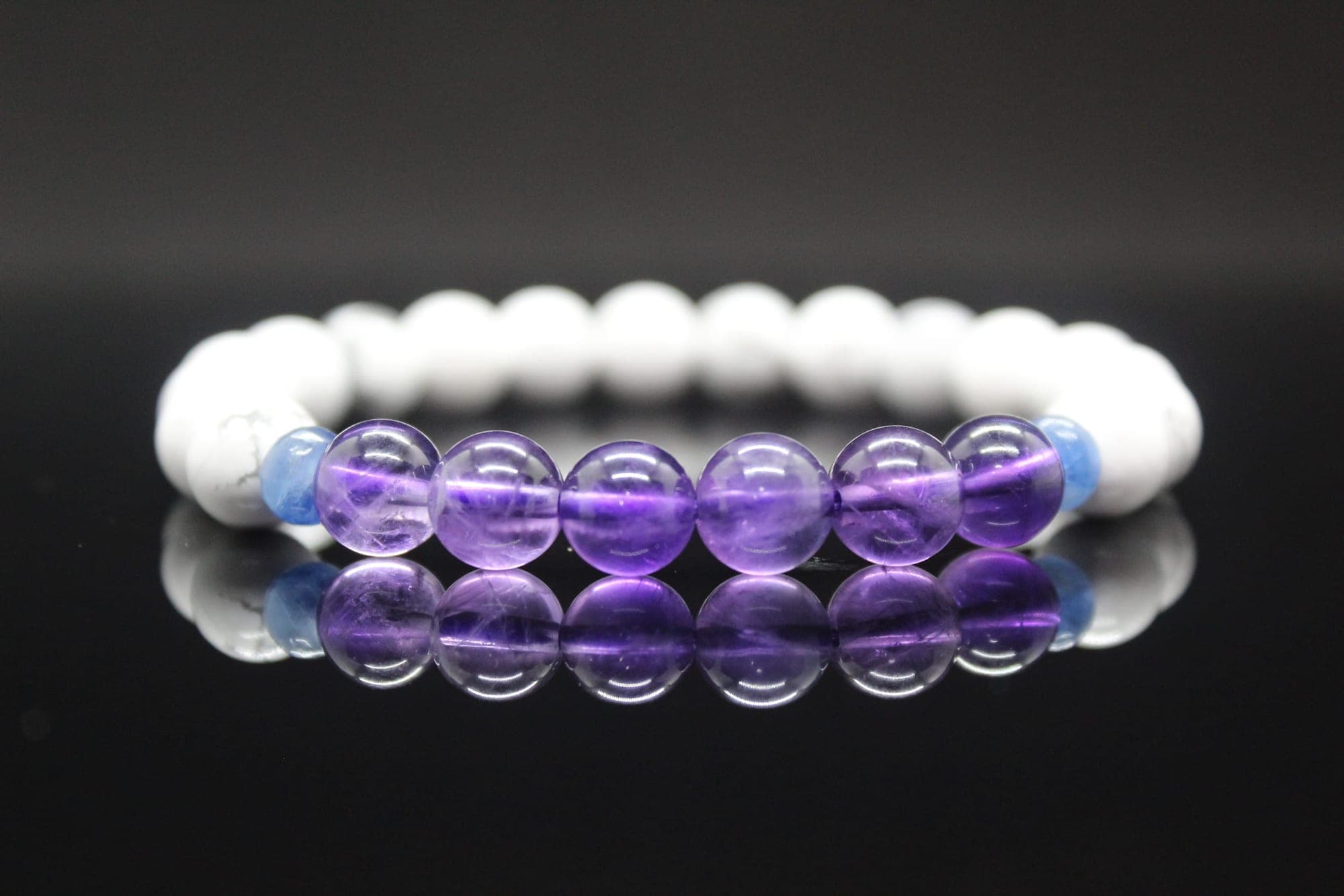
The Crown Energy Bracelet
$24.00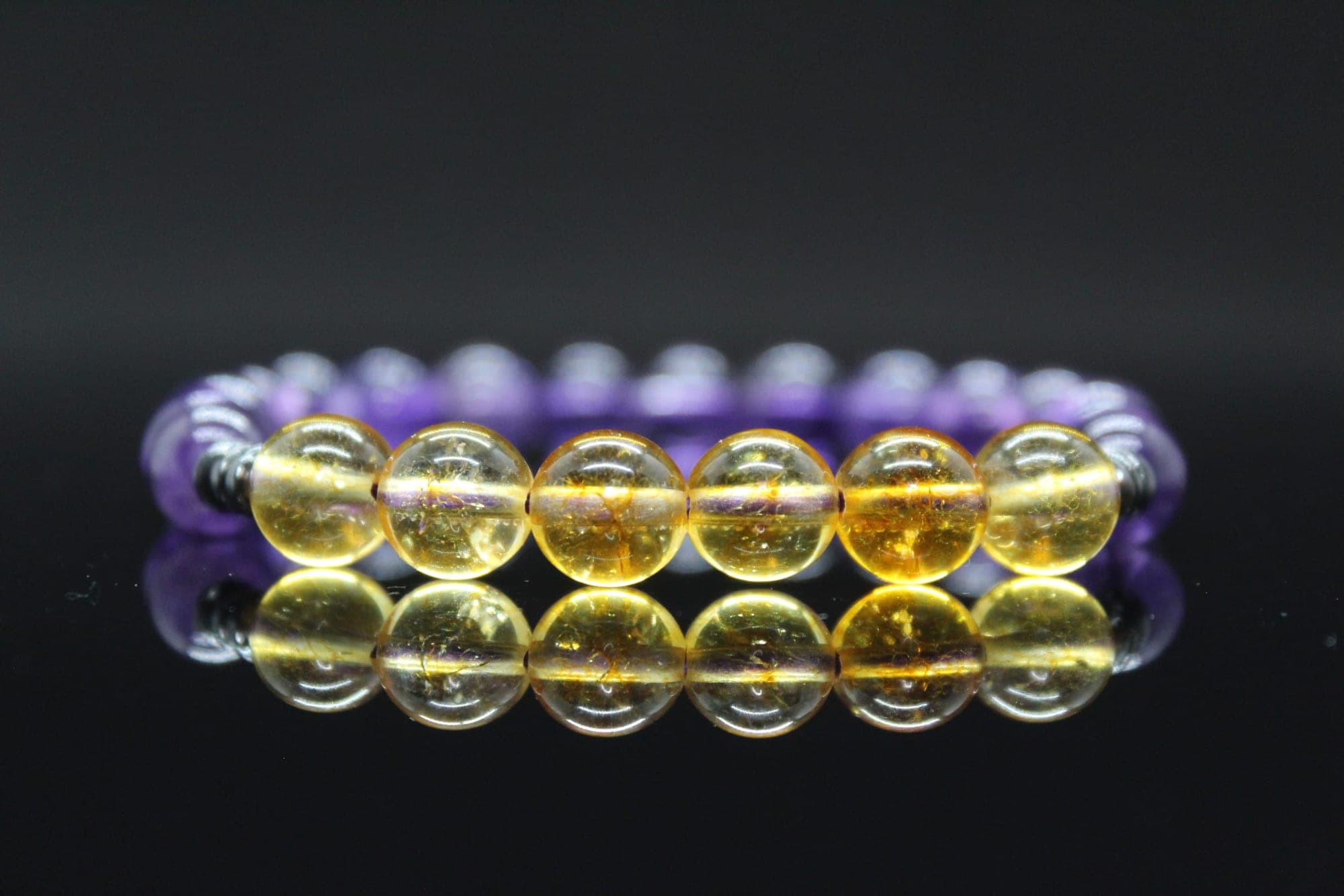
Clear Thoughts Energy Bracelet
$33.00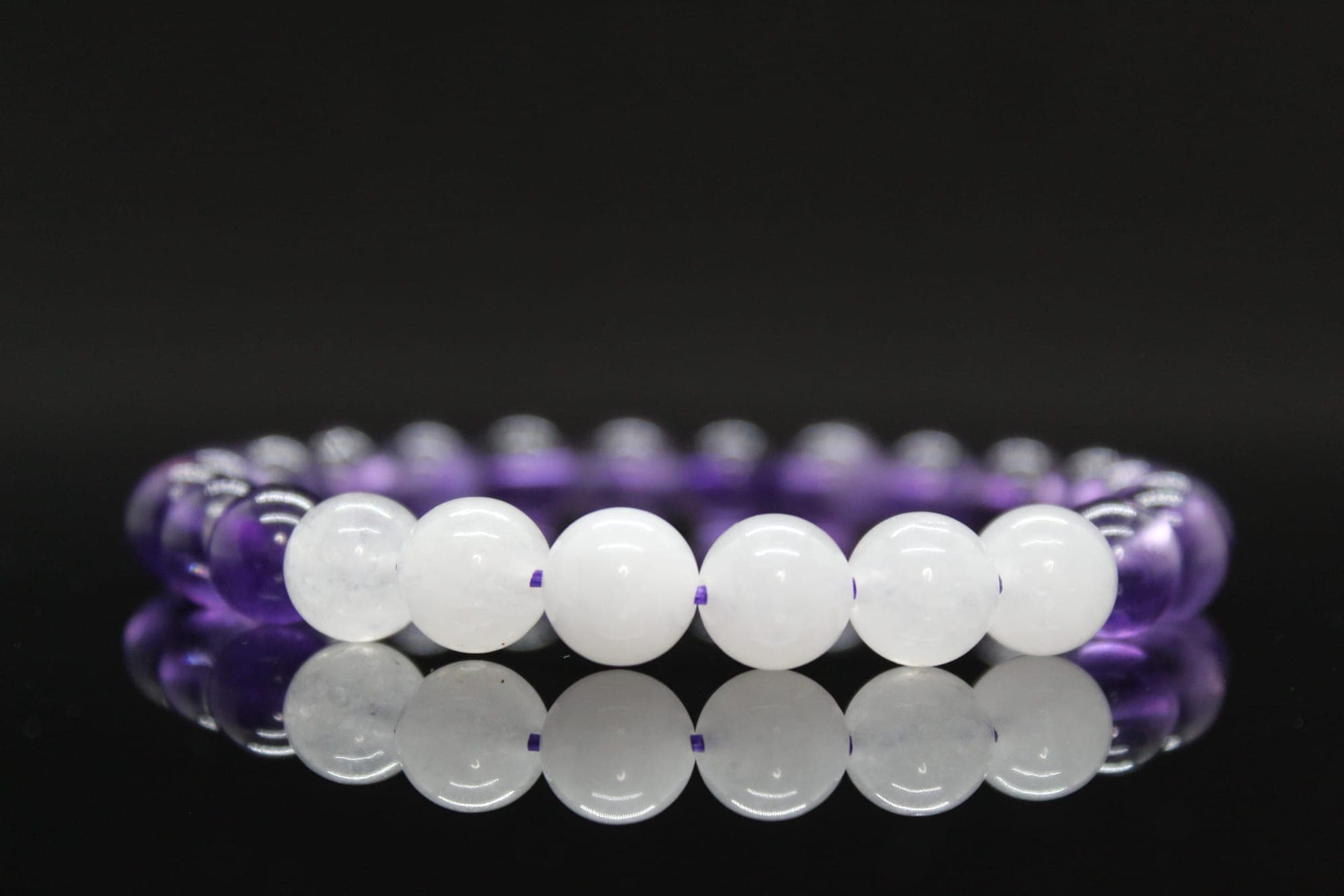
Divine Calming Energy Bracelet
$24.00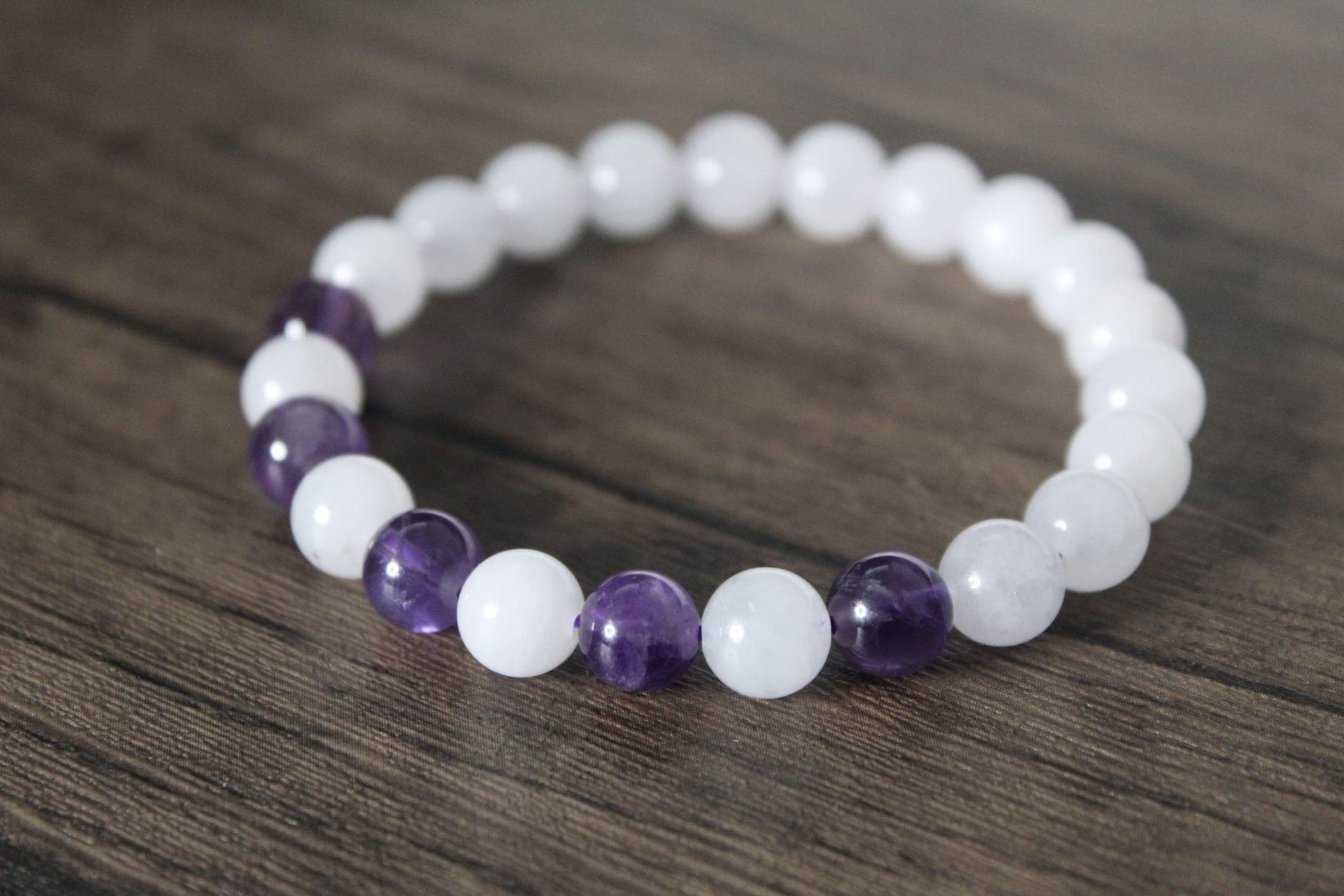
Divine Thoughts Energy Bracelet
$33.00