Meaning & uses
Epidote Meaning
Epidote's deep pistachio-green crystals have earned it a reputation as a stone of renewal, growth, and steady abundance.
What Is Epidote?
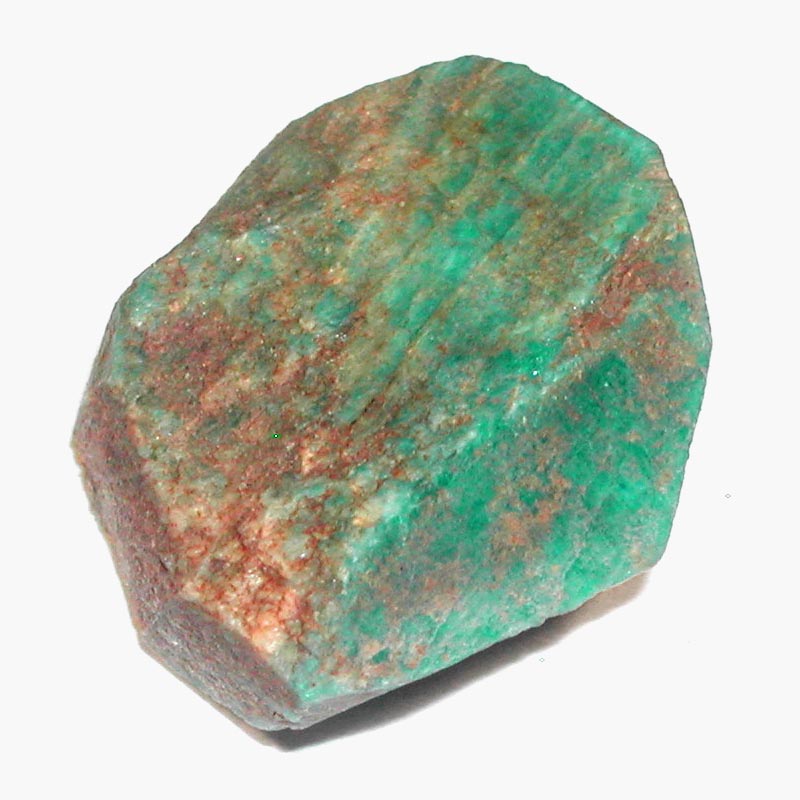
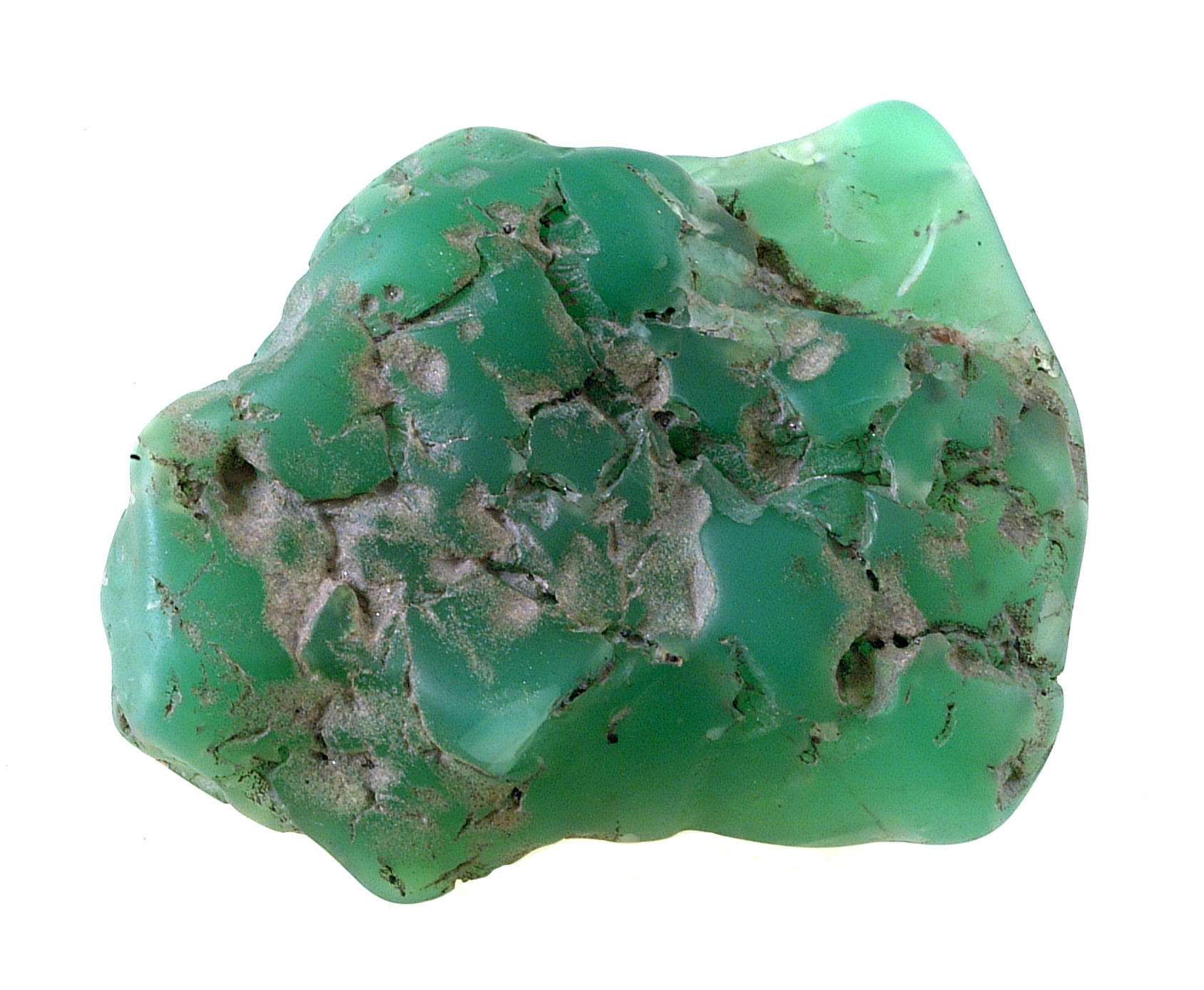
Epidote is a calcium aluminum iron silicate that forms in metamorphic rock and in veins carrying hot mineral-rich water. It grows as long, striated, glassy prisms in shades from bright pistachio to nearly black-green, and it is one of the few gem-quality stones that shows several colors, green, brown, and yellow, depending on the angle you turn it.
Fine crystals come from Austria's Untersulzbach Valley, which is a classic locality, as well as Pakistan and Mexico. At 6–7 on the Mohs scale, epidote is a moderately hard stone.
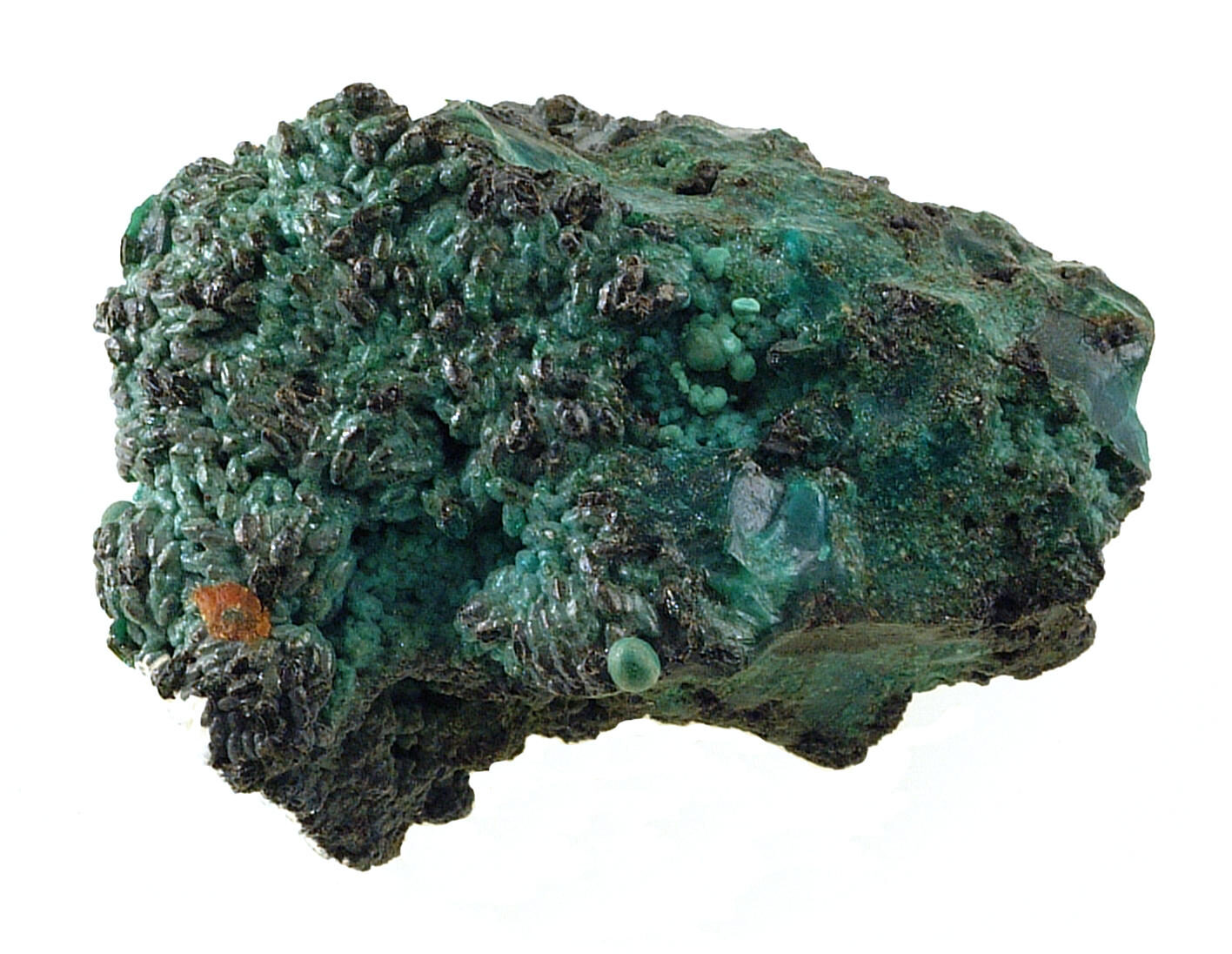
Epidote is also a common mineral in the Earth's crust, found in everything from metamorphic rock to granite and hydrothermal veins, which is why it so often turns up beside quartz, feldspar, and calcite. Facet-grade crystals are rare and usually small, so epidote more often reaches collectors as rough crystals, tumbled stones, or as part of the rock Unakite.
A Stone With a History
Epidote's history is a scientific one rather than an ancient one. The French mineralogist René Just Haüy named it in 1801 from the Greek word epidosis, meaning "increase," because one side of the crystal's prism base is longer than the other. A few years later, the German geologist Abraham Werner gave it another name, pistacite, for its pistachio color; that name eventually faded, but the color it describes is what people still recognize first.
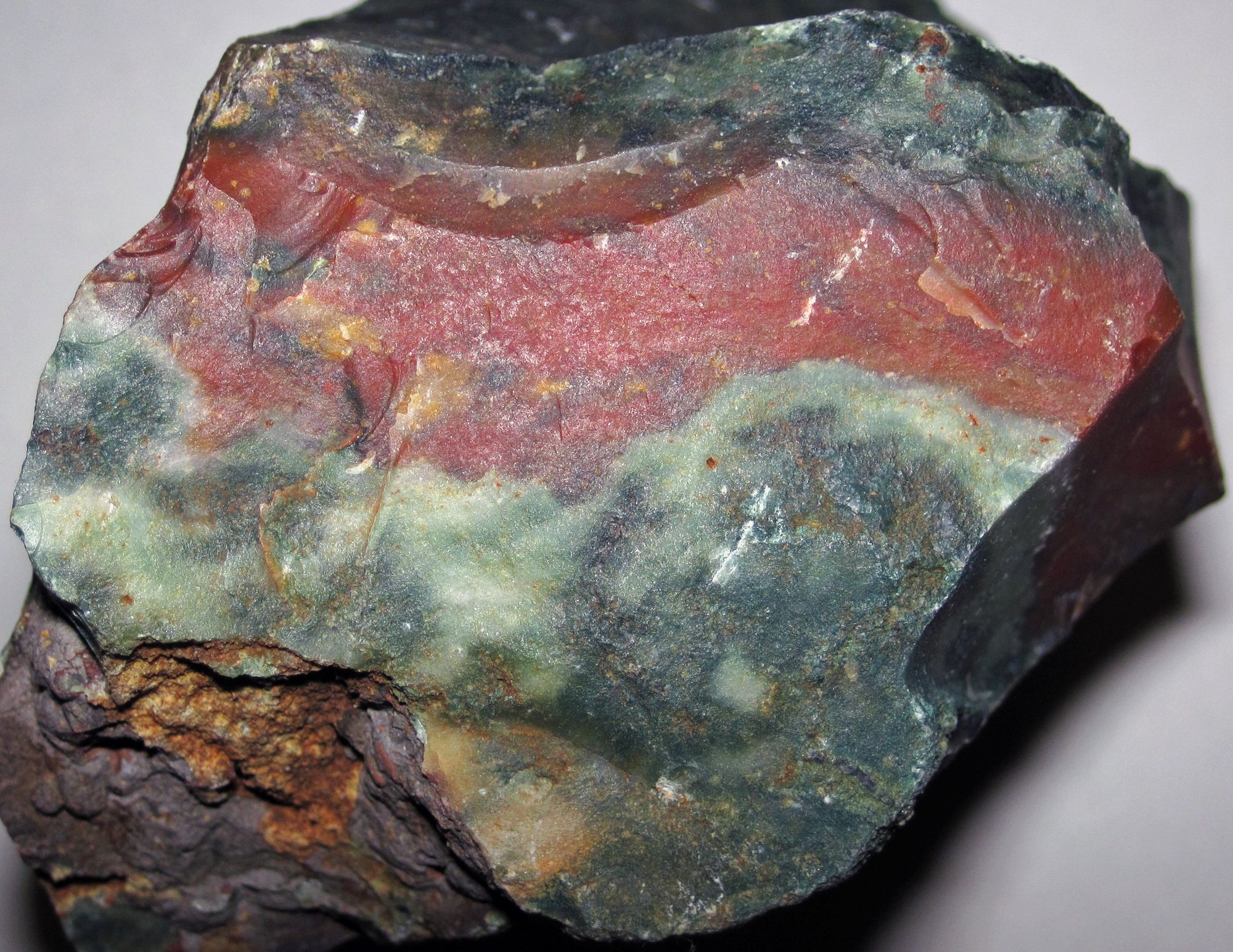
Epidote is also a quiet partner in more famous stones. It is a main ingredient in Unakite, the speckled green-and-pink stone named for the Unaka Mountains of the southern Appalachians, where epidote, pink feldspar, and quartz are found together.
Geologists also treat epidote as a kind of signpost. Because it forms when rock is cooked at moderate temperatures in the presence of water, finding epidote in a rock tells them it was altered by heat and fluids deep underground. A stone that records that kind of slow change fits its association with transformation over time.
Meaning and Symbolism
Epidote's meaning grows out of its own name. "Increase" is a short summary of what the stone is traditionally associated with: growth, renewal, and the idea that good things build up gradually when they are tended. Its green color ties it to growing things, and its glassy, forward-pointing crystals read as energy moving in one direction.
That makes epidote a stone traditionally carried for fresh starts, steady abundance, and a positive outlook, rather than a dramatic jolt of change.
Where some green stones are tied to sudden luck or a quick surge of money, epidote is the slower version: the kind of increase that comes from planting something and seeing it through. People who carry it often do so while starting a long project, such as a new business, a garden, or a course of study, as a reminder that steady effort adds up.
Carried or worn to
- Welcome a fresh start or a new chapter
- Encourage steady growth and abundance
- Keep a positive, forward-looking outlook
- Support balance when things feel stagnant
Chakra, Zodiac & Element
Epidote is tied to the Heart Chakra, the energy center of growth, warmth, and connection, and its green color is the traditional color of that chakra. Its Earth element association follows the same logic: epidote is a mineral of rock, soil, and slow accumulation.
It is linked with Virgo and Taurus, two Earth signs. Virgo shares the stone's patient, detail-minded growth, and Taurus its steady, practical approach to building something lasting.
Varieties of Epidote
Epidote is mostly sold by locality and form. Dark, glassy crystals from Austria are prized by collectors, while Pakistan and Mexico produce crystals in a range of greens. Rough epidote often appears in a matrix with white quartz, and combined with pink feldspar and quartz it becomes Unakite, the stone's best-known relative.
How to Use and Care for Epidote
At 6–7 on the Mohs scale, epidote is suitable for occasional jewelry such as pendants and earrings, but it has a perfect cleavage in one direction, so it can chip or split with a sharp knock. For rings and everyday bracelets, tumbled stones or cabochons hold up better than faceted ones.
Epidote is safe to rinse in water and is traditionally cleansed in moonlight or on a bed of earth. Pair it with other grounding stones for the full effect; our Crystal Combinations guide has ideas.
To recognize genuine epidote, look for the glassy luster and the fine lengthwise striations that run along a crystal, and for the shifting green-to-brown color when you turn it in the light. Those traits help tell it apart from other green stones.
Rough epidote crystals are best kept in a padded box or on a shelf rather than loose in a bag, where their sharp prisms can scratch other stones. As a pocket stone, a tumbled piece is the practical choice.
Frequently Asked Questions
What does epidote mean?
What chakra is epidote associated with?
Is epidote the same as unakite?
Is epidote safe to wear every day?
Can epidote go in water?
A green, quietly growing stone that rewards patience.
Shop by energy
Bracelets for the Heart chakra
We don't have an Epidote bracelet yet. These share its Heart chakra energy.
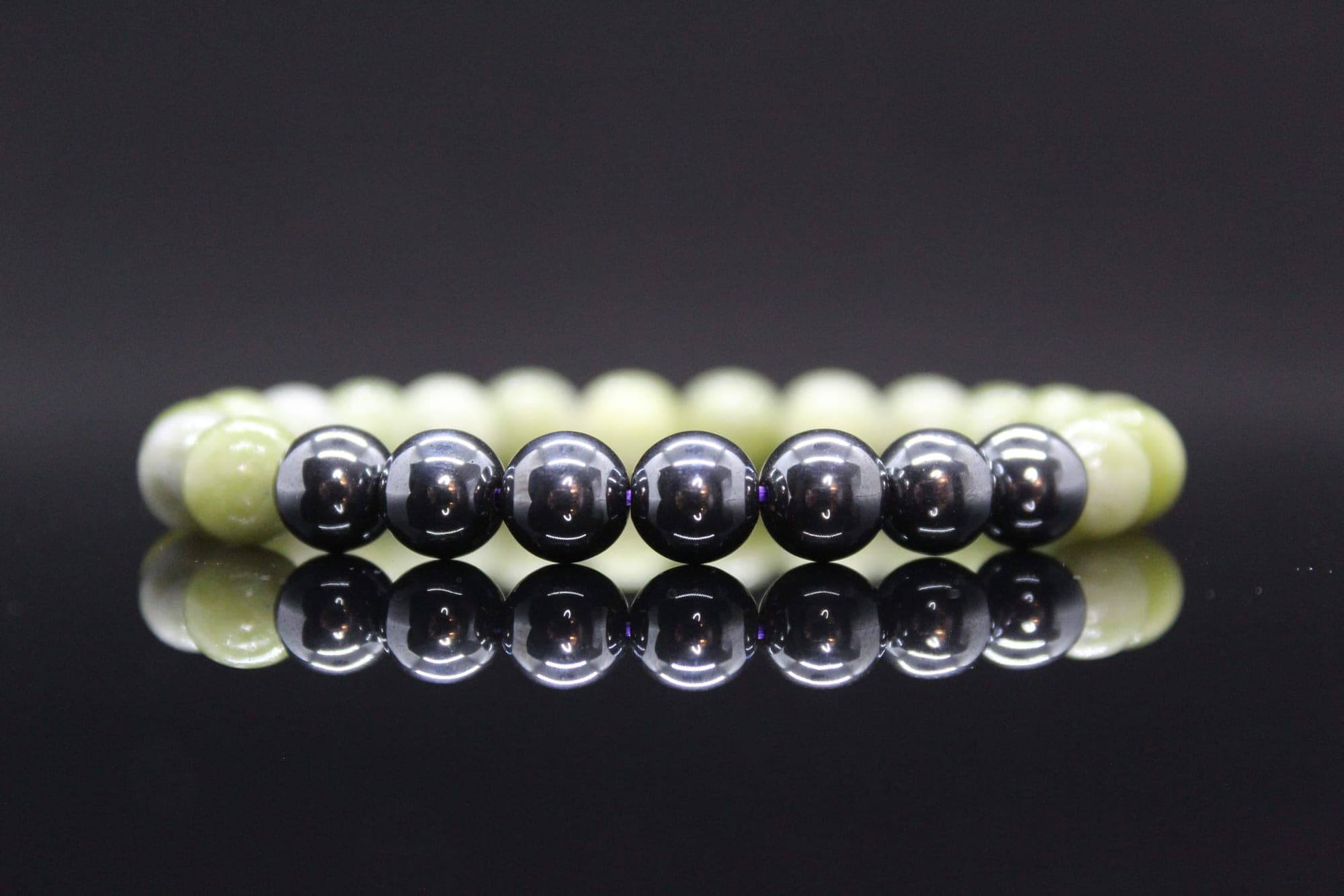
Life Force Energy Bracelet
$24.00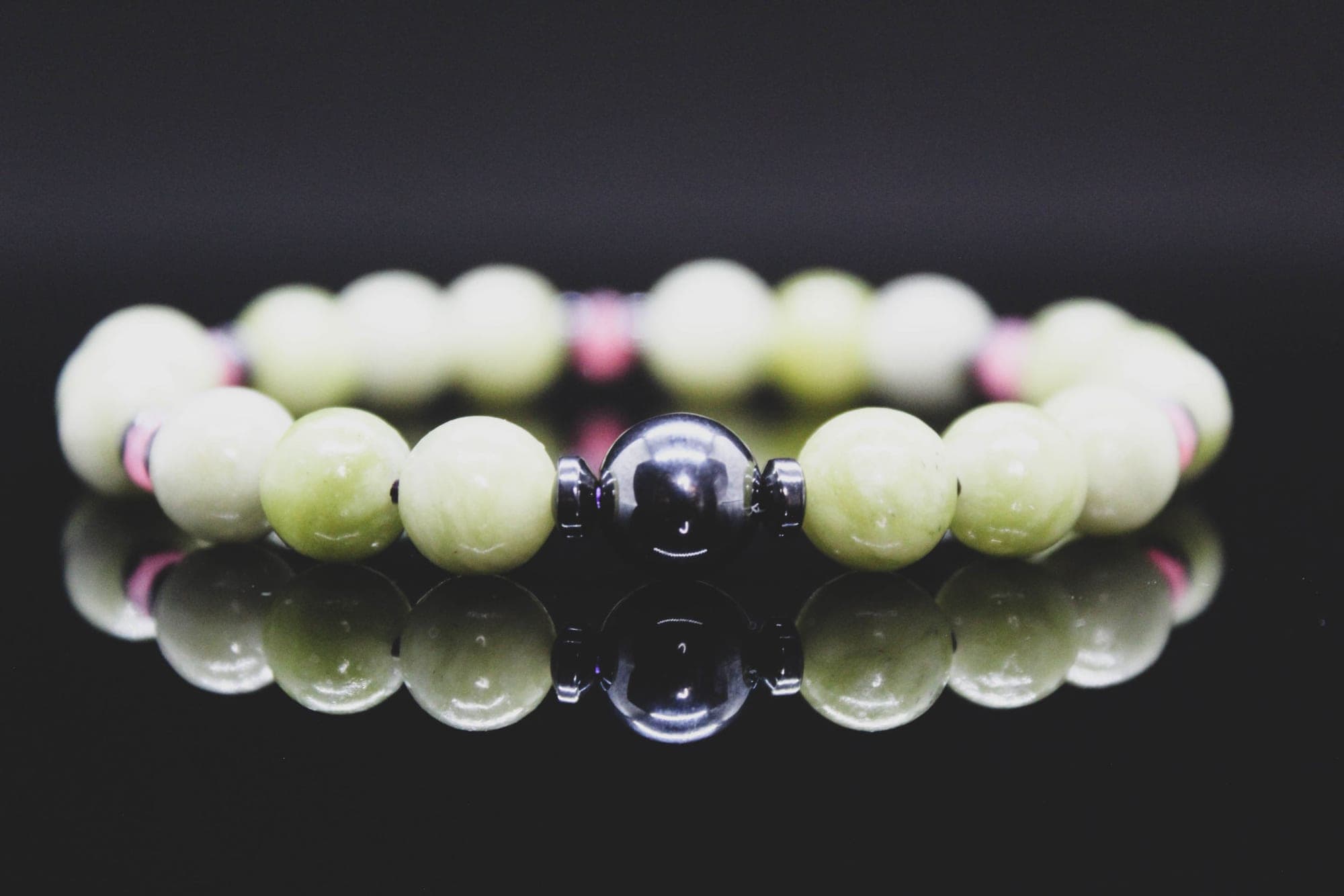
Grounding Love Energy Bracelet
$33.00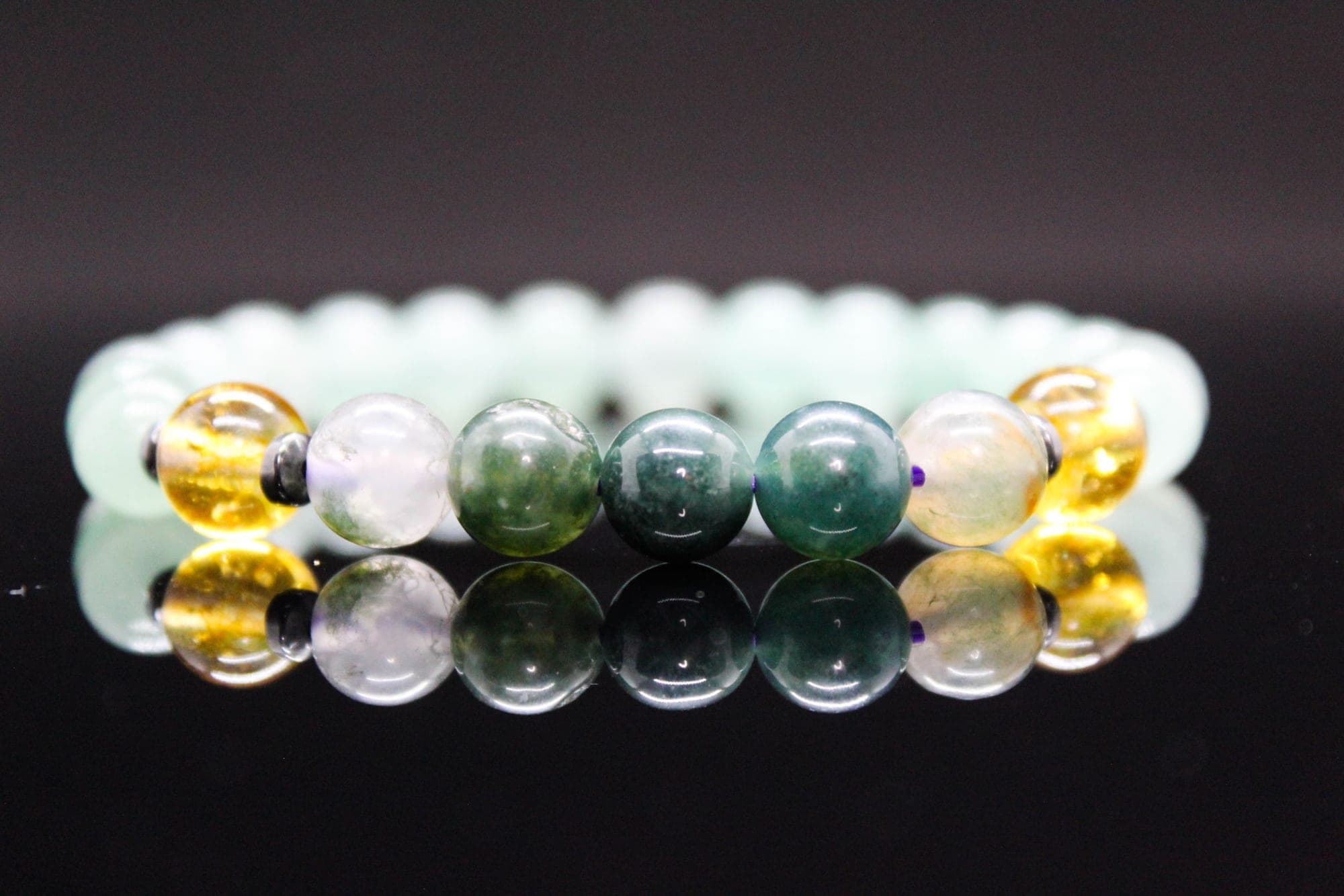
The Opulence Energy Bracelet
$33.00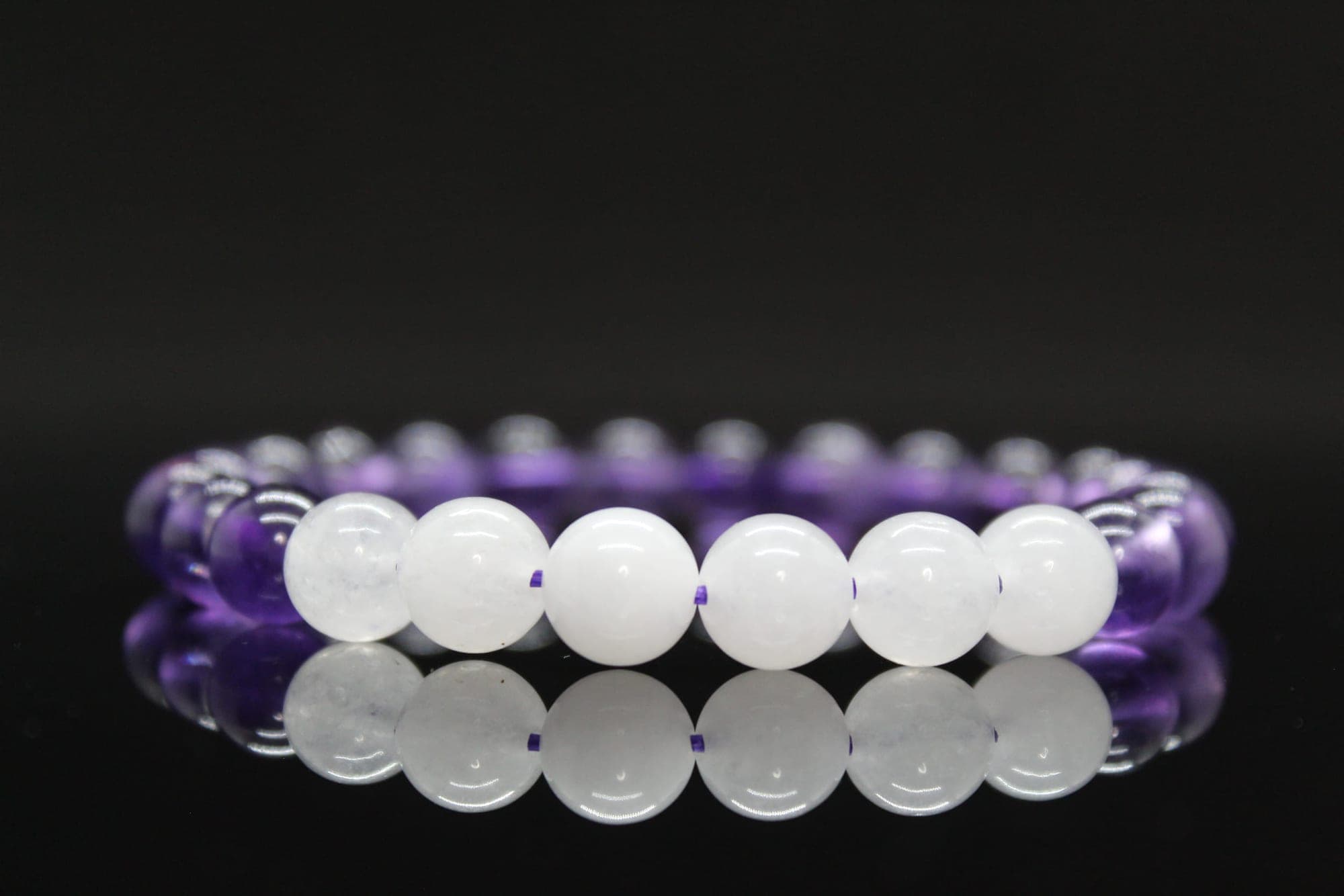
Divine Calming Energy Bracelet
$24.00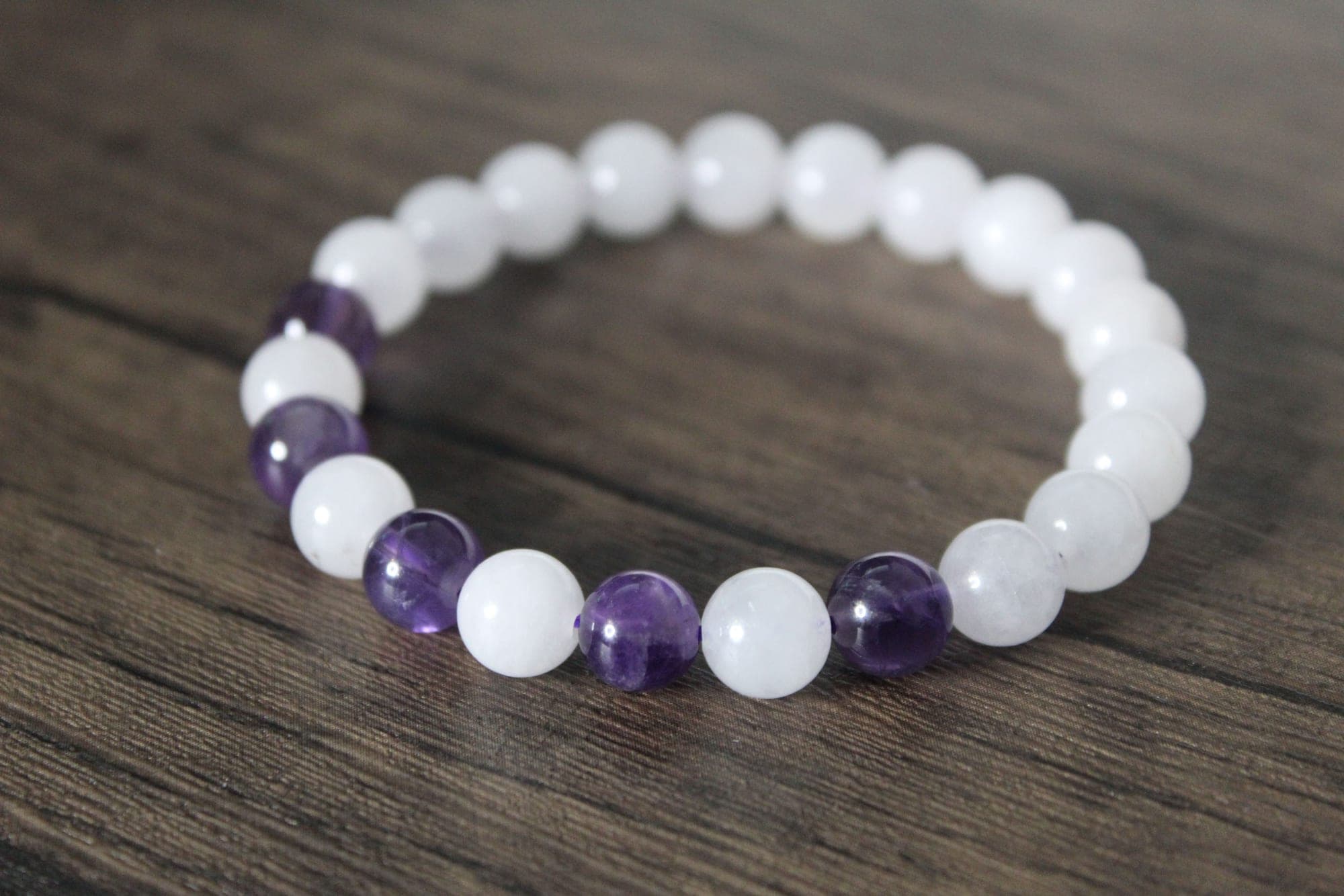
Divine Thoughts Energy Bracelet
$33.00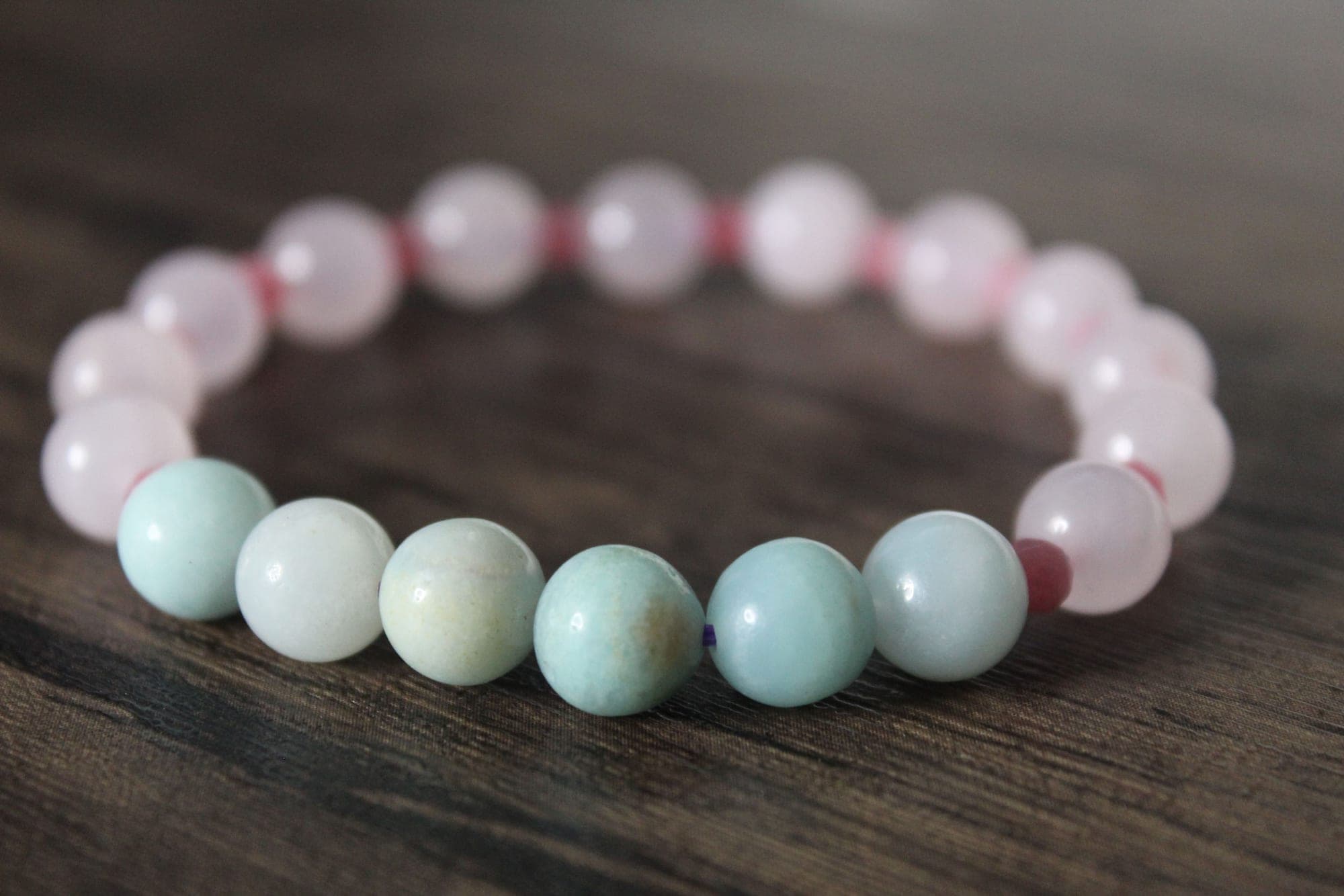
More Love Energy Bracelet
$33.00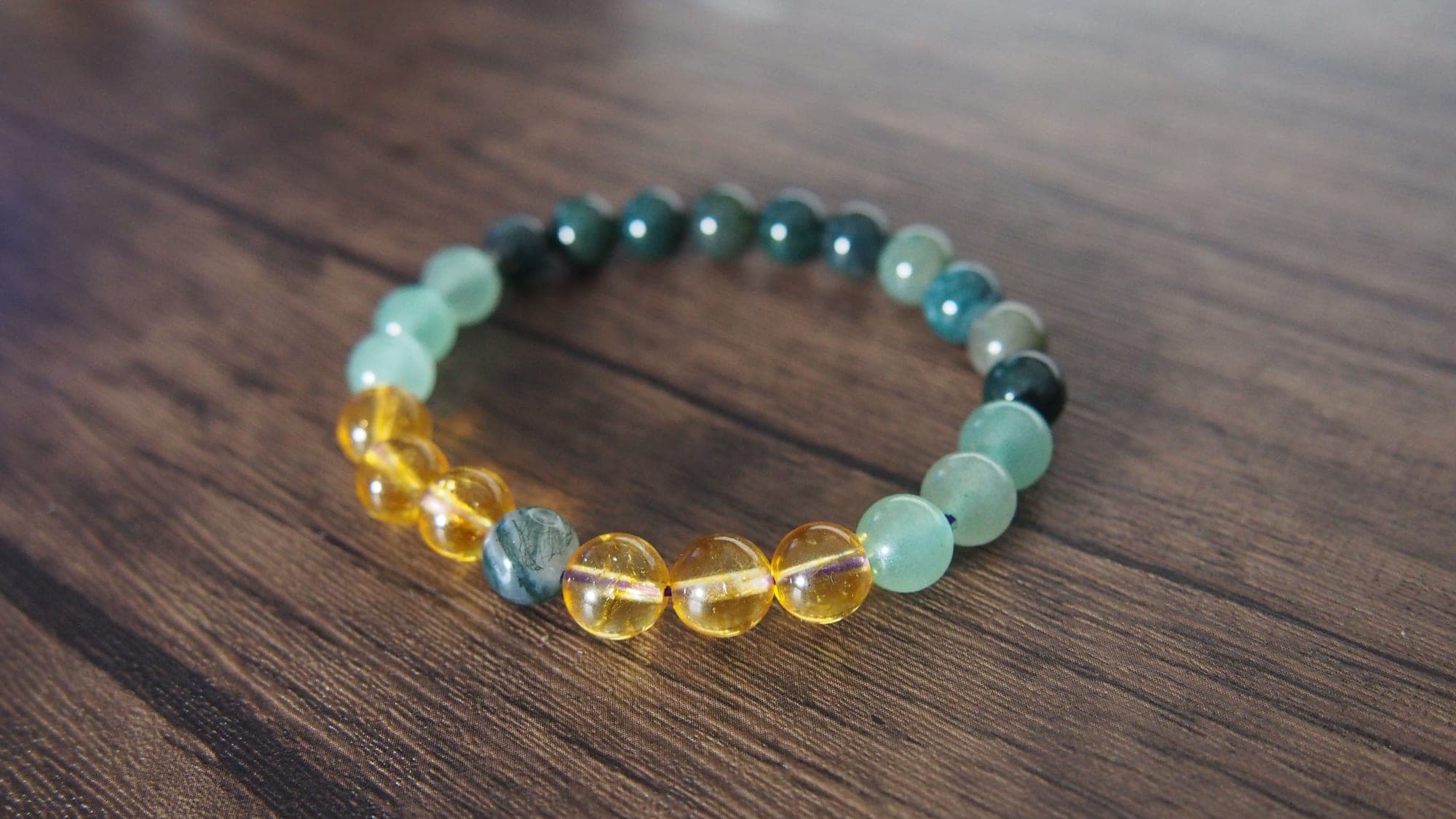
The Dinero Energy Bracelet
$33.00