Unakite
Stone of Balanced Growth
Meaning & uses
Unakite Meaning
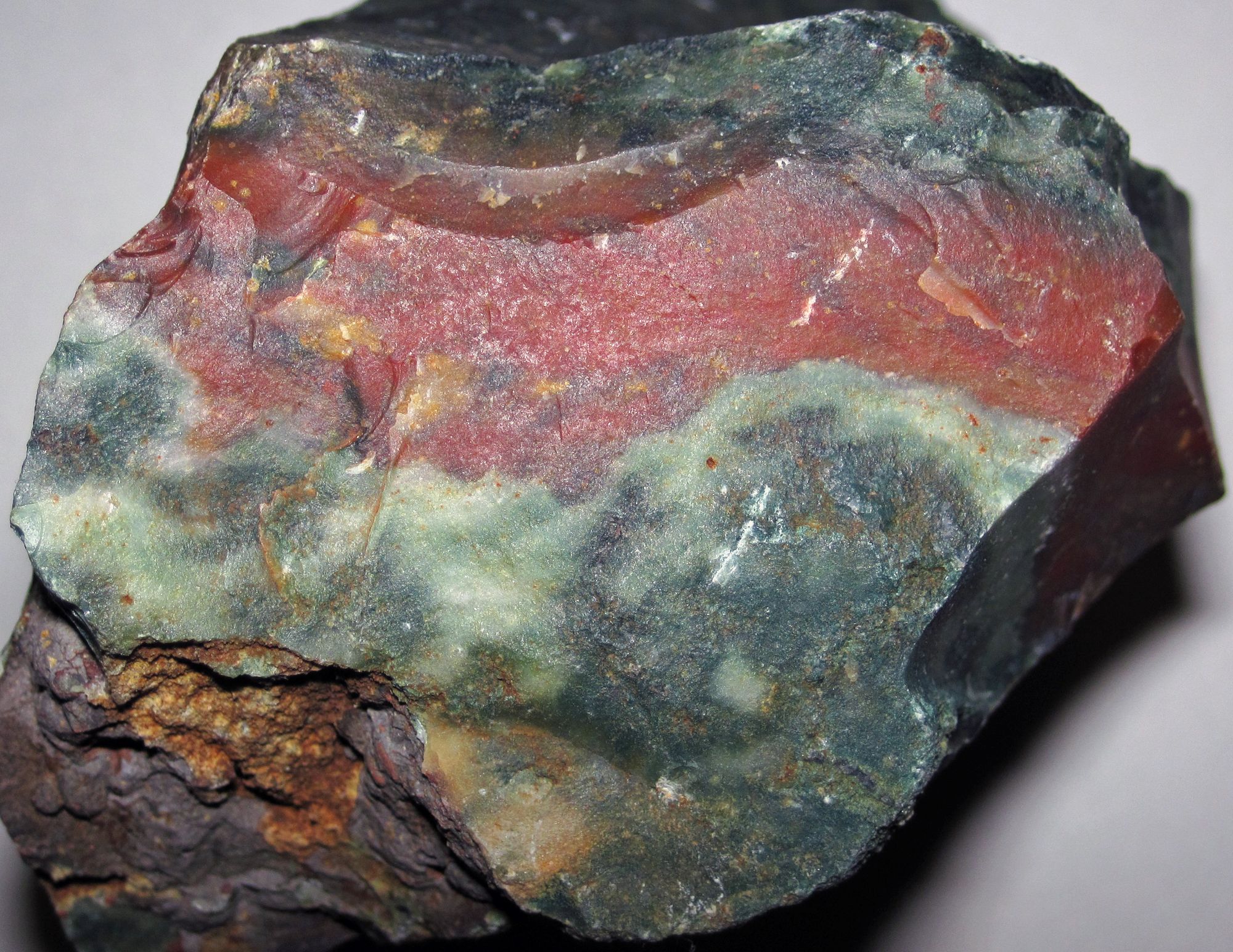
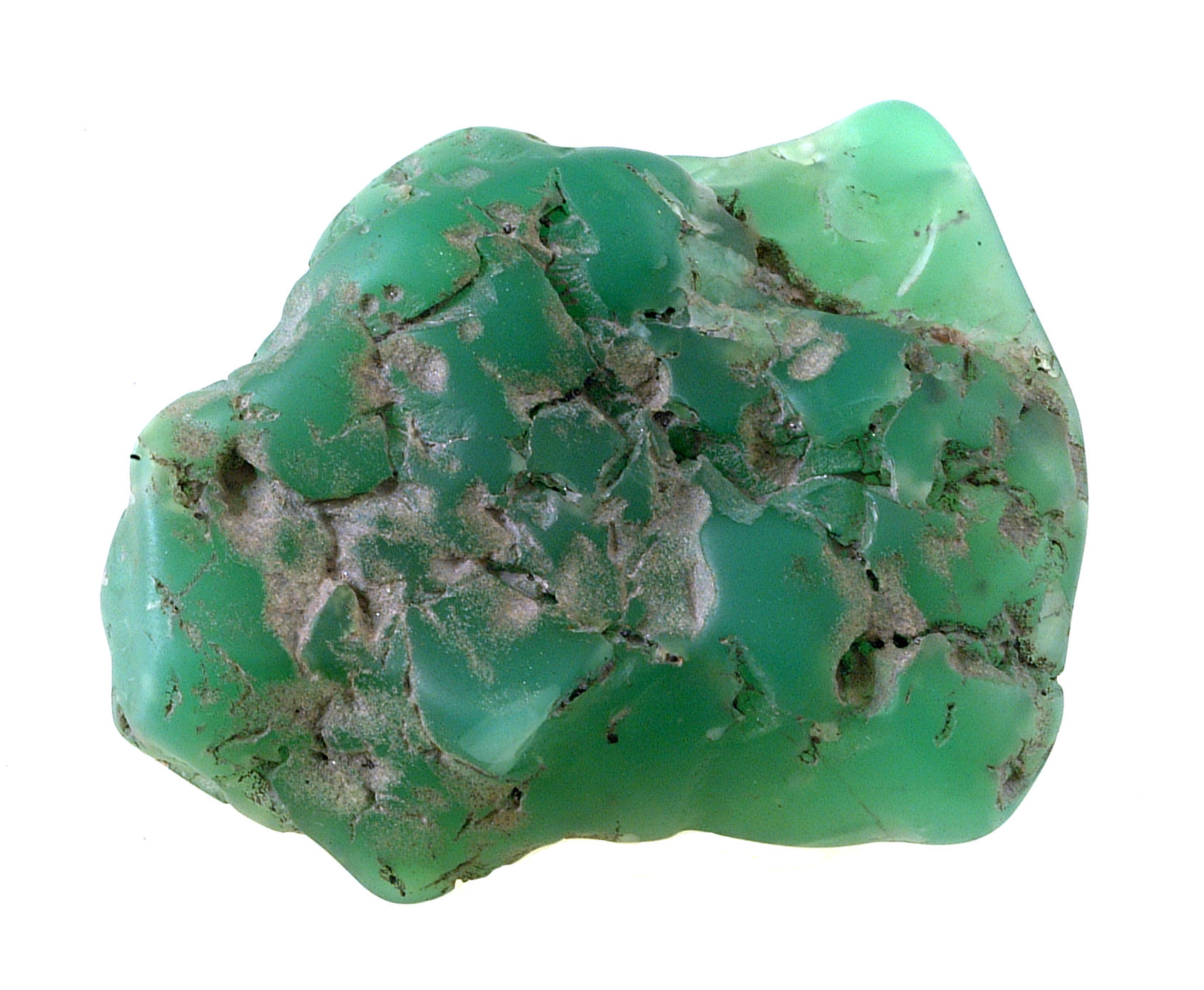
Speckled salmon-pink and moss-green in roughly equal measure, Unakite doesn't have to work hard to justify its "Stone of Balanced Growth" reputation — it's quite literally two different minerals sharing the same rock in close to equal proportion.
What Is Unakite?
Unakite isn't a single mineral at all — it's a rock, specifically a variety of granite altered by hydrothermal activity that converted much of its original feldspar into epidote, a green calcium-iron-aluminum silicate. What's left is a three-part mixture: salmon-pink orthoclase feldspar, moss-green epidote, and clear-to-white quartz, each visible as its own distinct grain rather than blended into a single uniform color. The mottled, speckled look Unakite is known for is simply what that mineral mixture looks like once cut and polished.

It takes its name from the Unaka Mountains, part of the Blue Ridge range along the North Carolina–Tennessee border, where it was first described — Unaka itself a Cherokee-derived name for the range. Most commercial material today, however, comes from a different specific Blue Ridge locality: Buena Vista, Virginia, alongside additional deposits in South Africa.
A Stone With a History
Unakite has no ancient tradition behind it — as a rock formally identified through 19th-century geological mapping of the Appalachian mountains, its documented history is scientific rather than ceremonial, closer in age to Prehnite or Sugilite than to stones with millennia of recorded use.

What it lacks in ceremonial history, it makes up for in an unusual practical one: because Unakite is so visually distinctive and erodes specifically out of Appalachian source rock, geologists and beachcombers along the Atlantic coast have long used the presence of Unakite pebbles on certain beaches as a literal tracer, evidence that a beach's sand was carried downriver from specific Blue Ridge formations far inland. It's one of the few stones in this directory with a genuine scientific day job alongside its decorative one.
Meaning and Symbolism
Unakite's "Stone of Balanced Growth" reputation needs very little interpretation, because the stone does the symbolic work itself. Pink and green are this directory's two colors most associated with the Heart Chakra — pink for love and emotional tenderness, green for growth and renewal — and Unakite simply contains both, visibly and in close to equal measure, rather than leaning toward one or the other the way most stones do.
That balance shapes its traditional use directly: less a stone for a single, focused intention, more one for holding two related but different needs, like emotional openness and forward movement, at the same time without one crowding out the other.
Carried or worn to
- Support balanced emotional and personal growth
- Encourage steady progress without losing self-compassion
- Ground the heart during a period of change
- Deepen connection to both past healing and future intention
Chakra, Zodiac & Element
Unakite is tied to the Heart Chakra, reinforced twice over by both of its component colors rather than the single color association most stones carry. Its Earth element reflects its literal identity as a granite, dense and grounded.
Astrologically it's linked to Scorpio, a sign associated with transformation — a fitting match for a stone whose whole composition is the visible record of one mineral changing into another.
How to Use and Care for Unakite
At 6–7 on the Mohs scale, Unakite is durable enough for daily wear in rings, bracelets, or pendants, holding up comparably well to quartz-family stones like Agate — a direct result of the quartz genuinely present within it. It's water-safe for routine cleansing, with no unusual chemical sensitivities to plan around.
Given its association with steady, ongoing balance rather than a single sharp intention, Unakite is traditionally worn continuously as an everyday stone rather than reserved for occasional use.
Frequently Asked Questions
Is Unakite one mineral or several?
Why is it called Unakite?
Where does commercial Unakite come from?
Is Unakite used for anything besides jewelry?
Is Unakite safe to wear every day?
What chakra is Unakite associated with?
A stone that doesn't choose between healing and growing — it holds both at once.
Shop by energy
Bracelets for the Heart chakra
We don't have an Unakite bracelet yet. These share its Heart chakra energy.
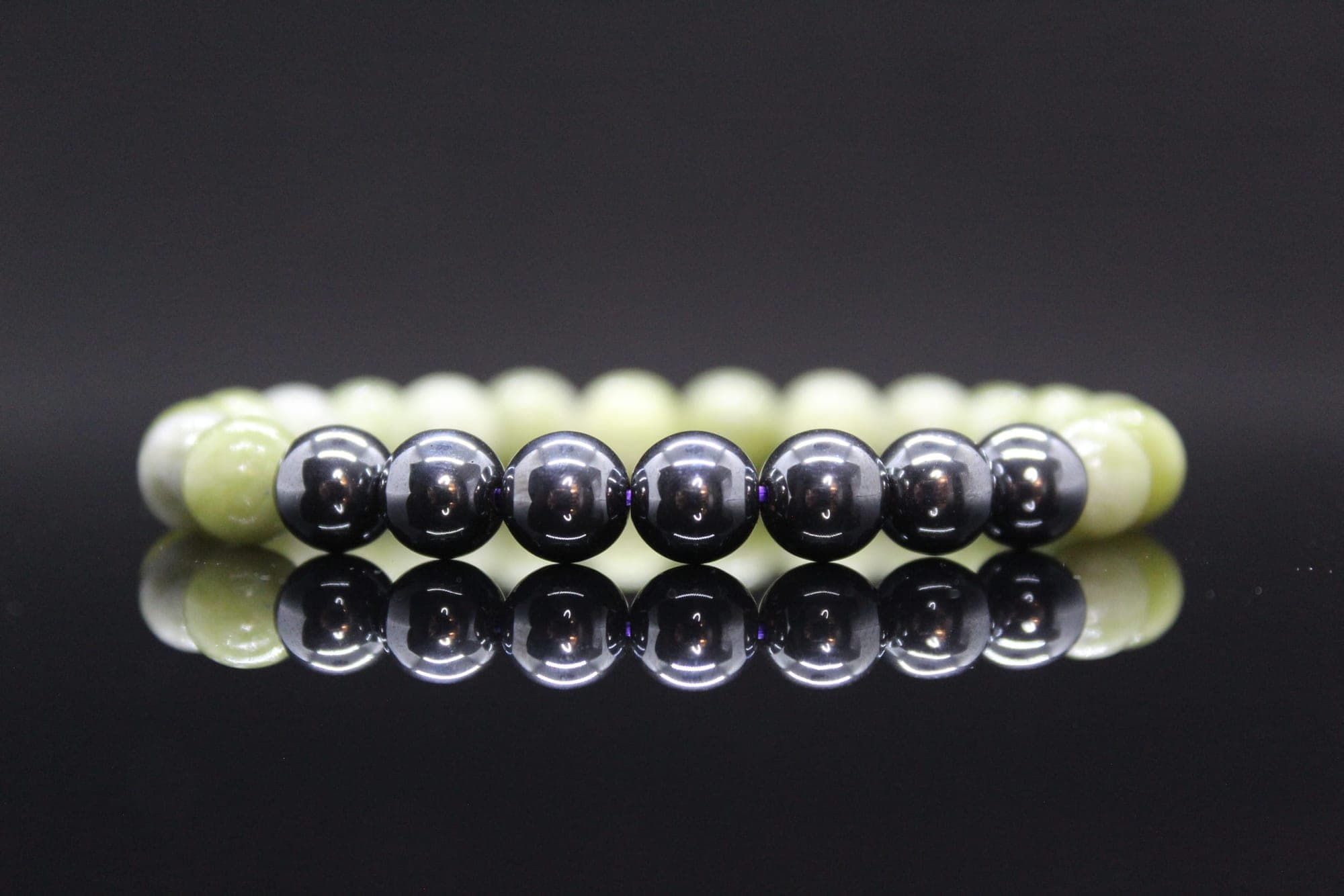
Life Force Energy Bracelet
$24.00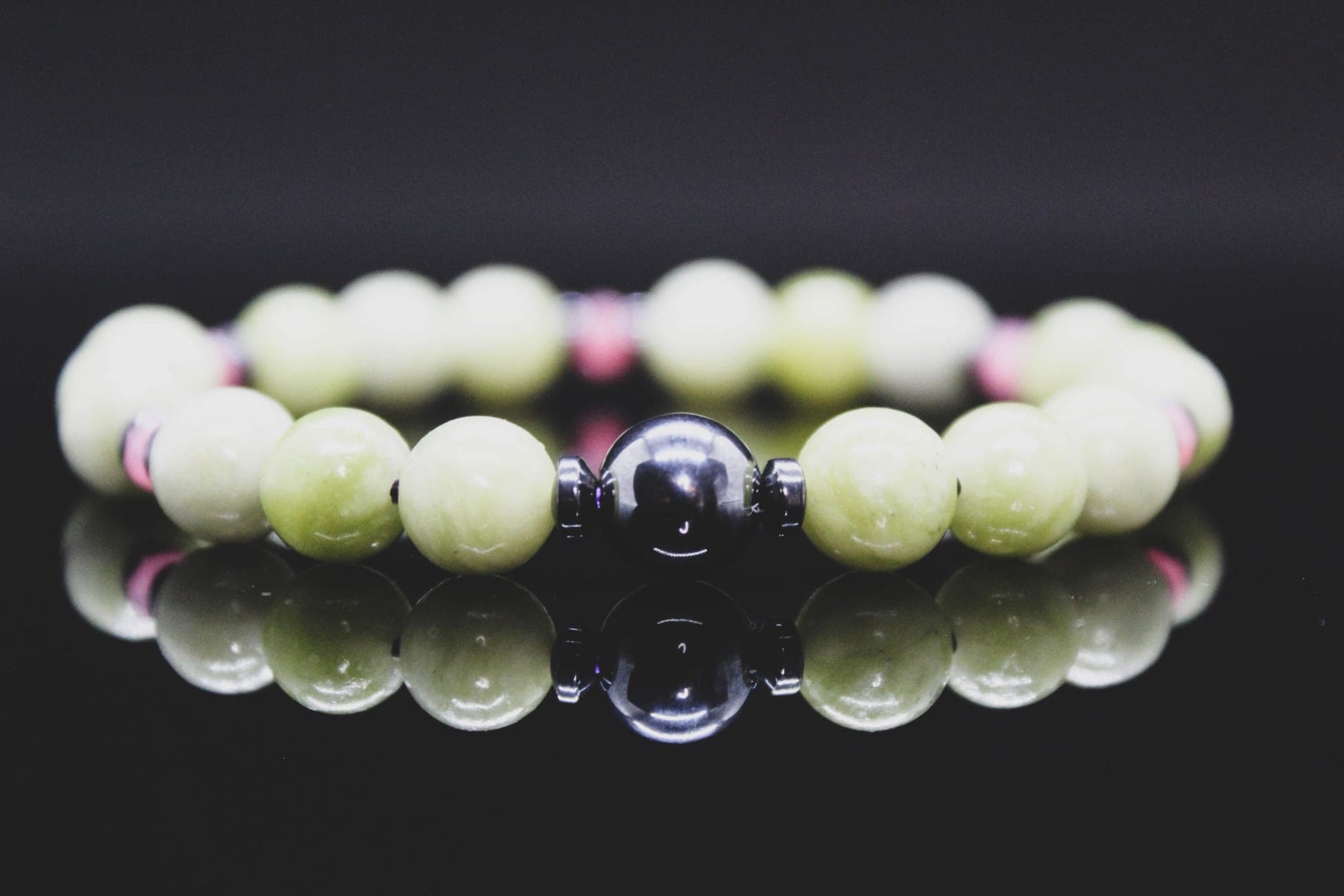
Grounding Love Energy Bracelet
$33.00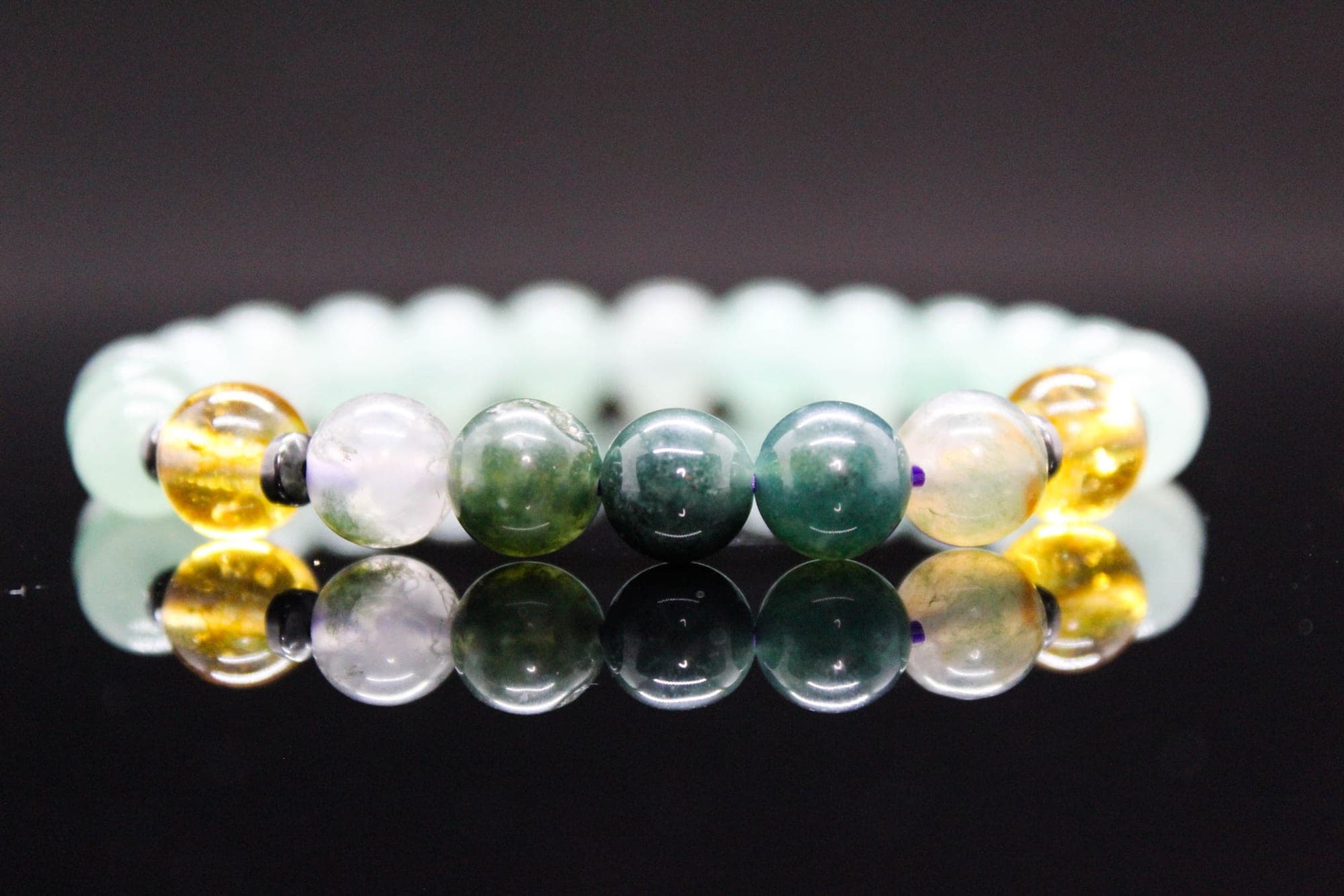
The Opulence Energy Bracelet
$33.00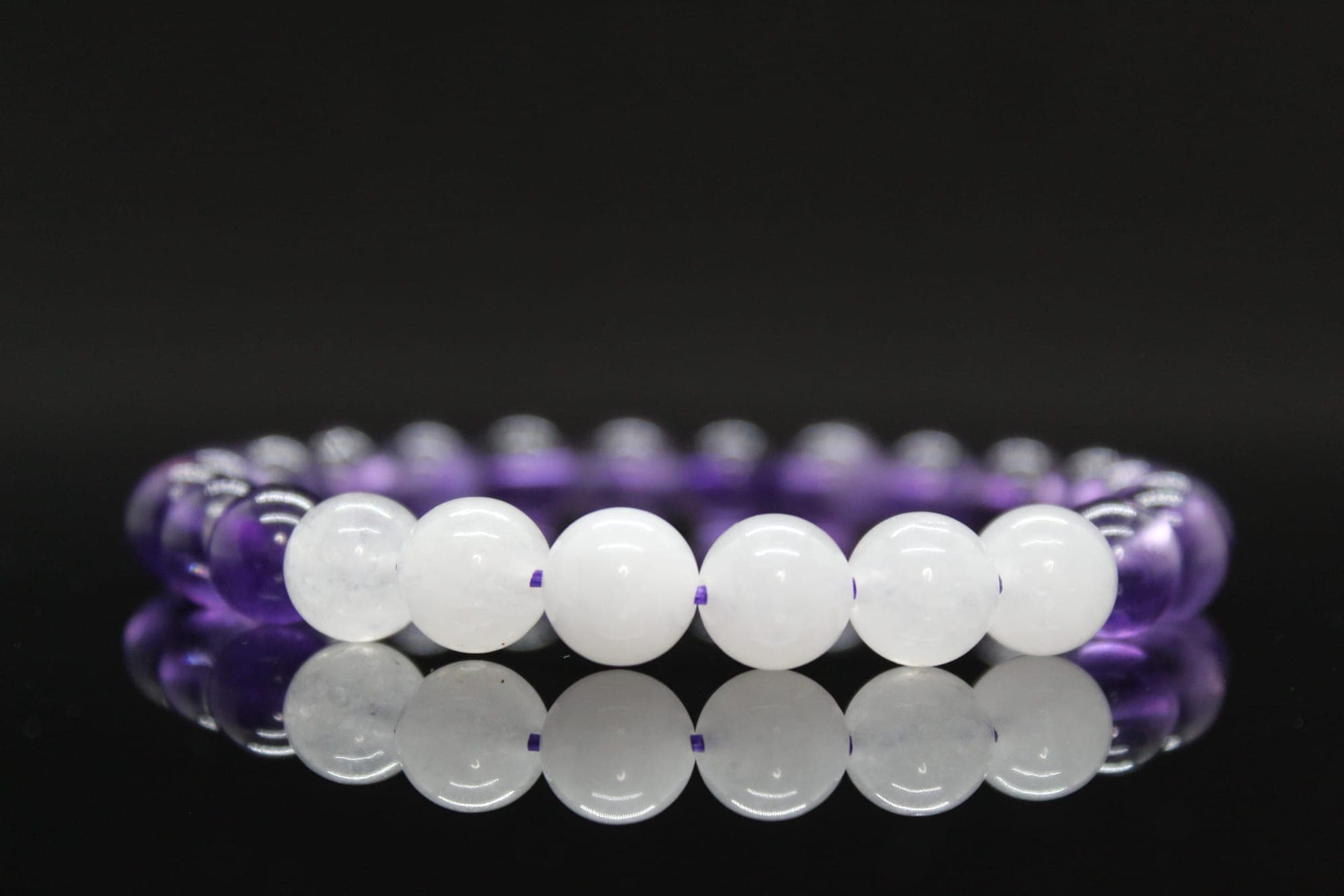
Divine Calming Energy Bracelet
$24.00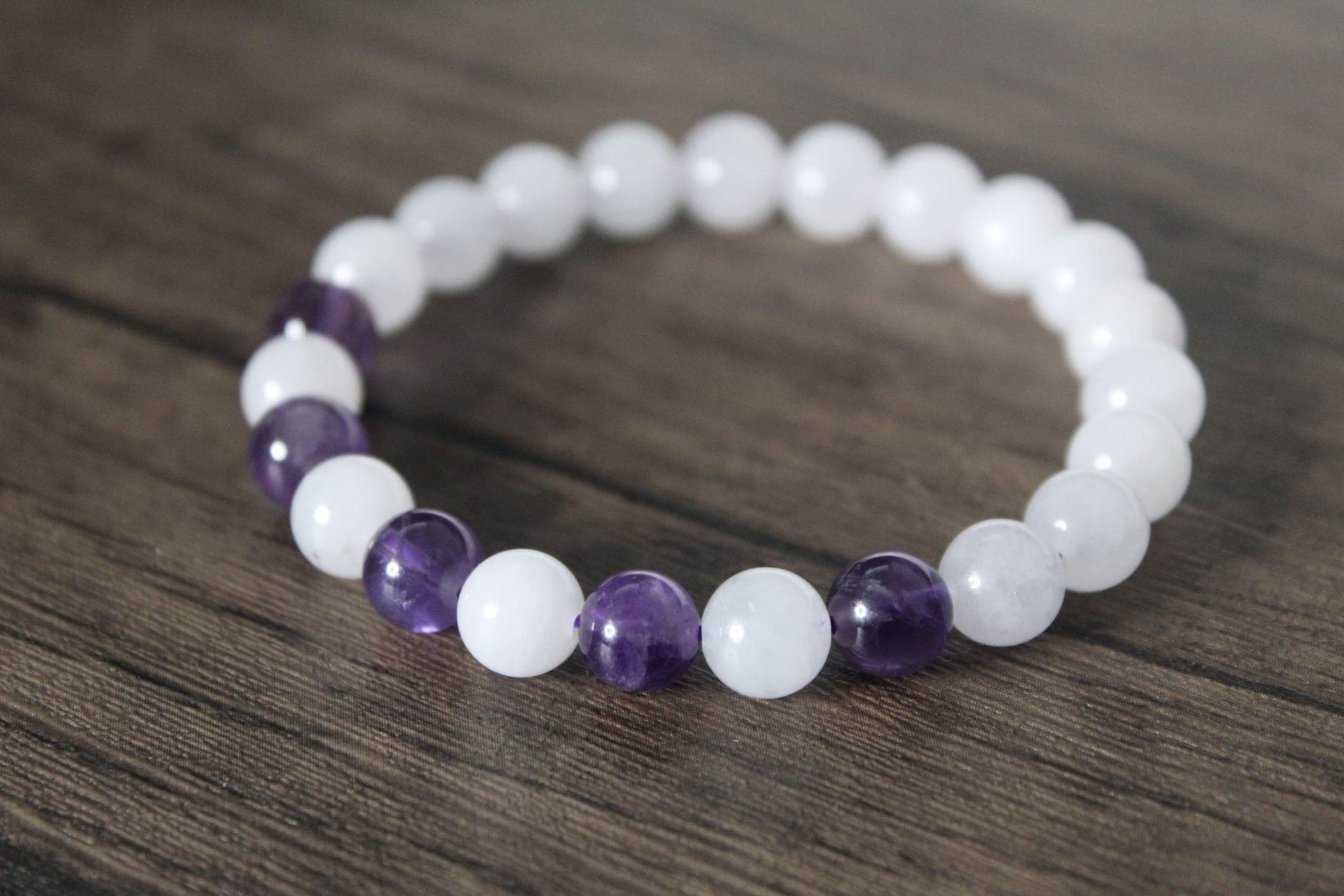
Divine Thoughts Energy Bracelet
$33.00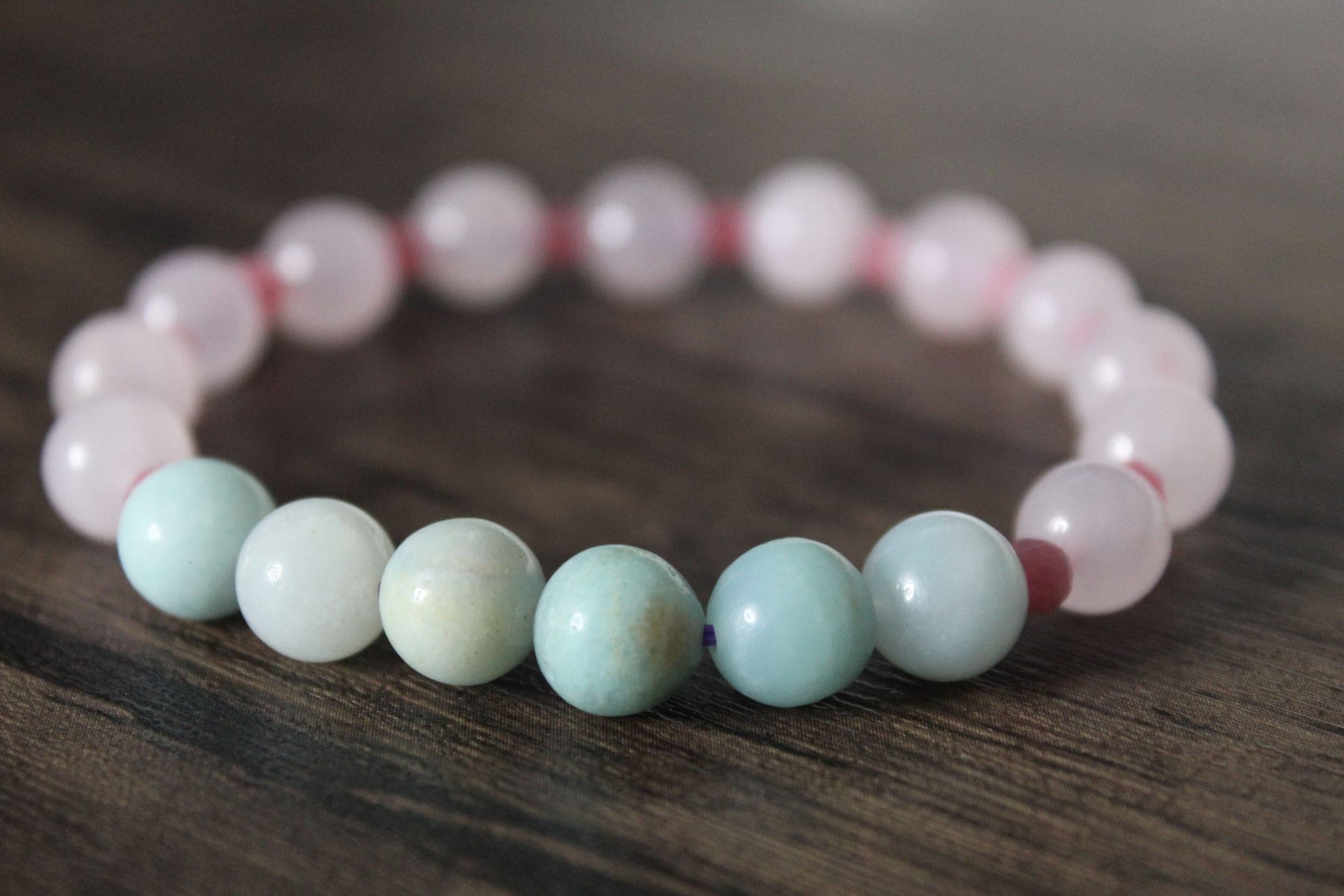
More Love Energy Bracelet
$33.00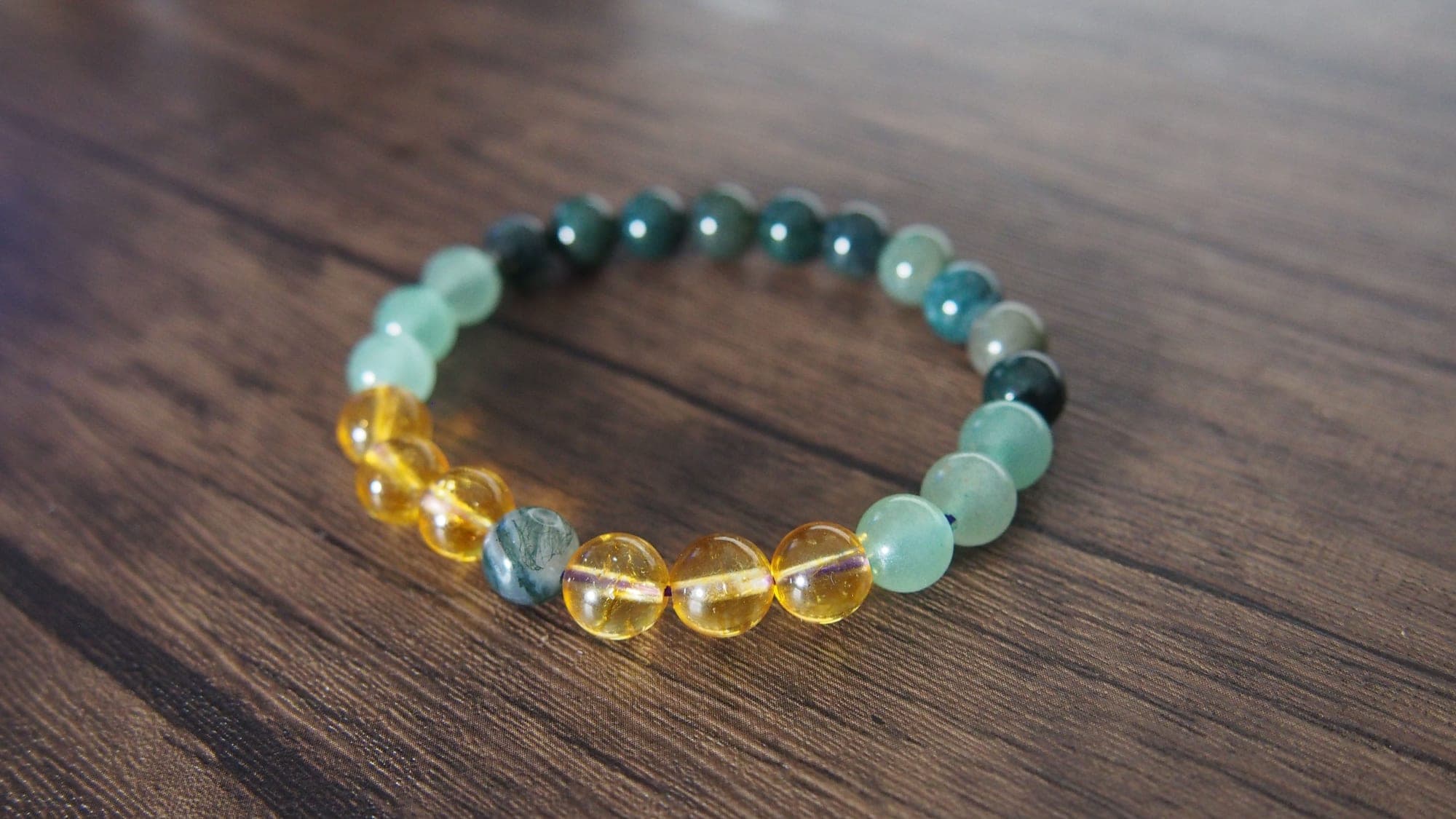
The Dinero Energy Bracelet
$33.00