Zircon
Stone of Deep Time
Meaning & uses
Zircon Meaning
Zircon holds the record for the oldest known mineral crystal on Earth, which makes it a natural symbol of patience, perspective, and deep time.
What Is Zircon?
Zircon is a zirconium silicate that forms in granite and other igneous rocks and survives almost everything geology can throw at it. It is tough enough to outlast the rocks that hold it, which is why scientists use tiny zircon grains as natural clocks: trace uranium locked inside them decays at a known rate, and that lets researchers date them.
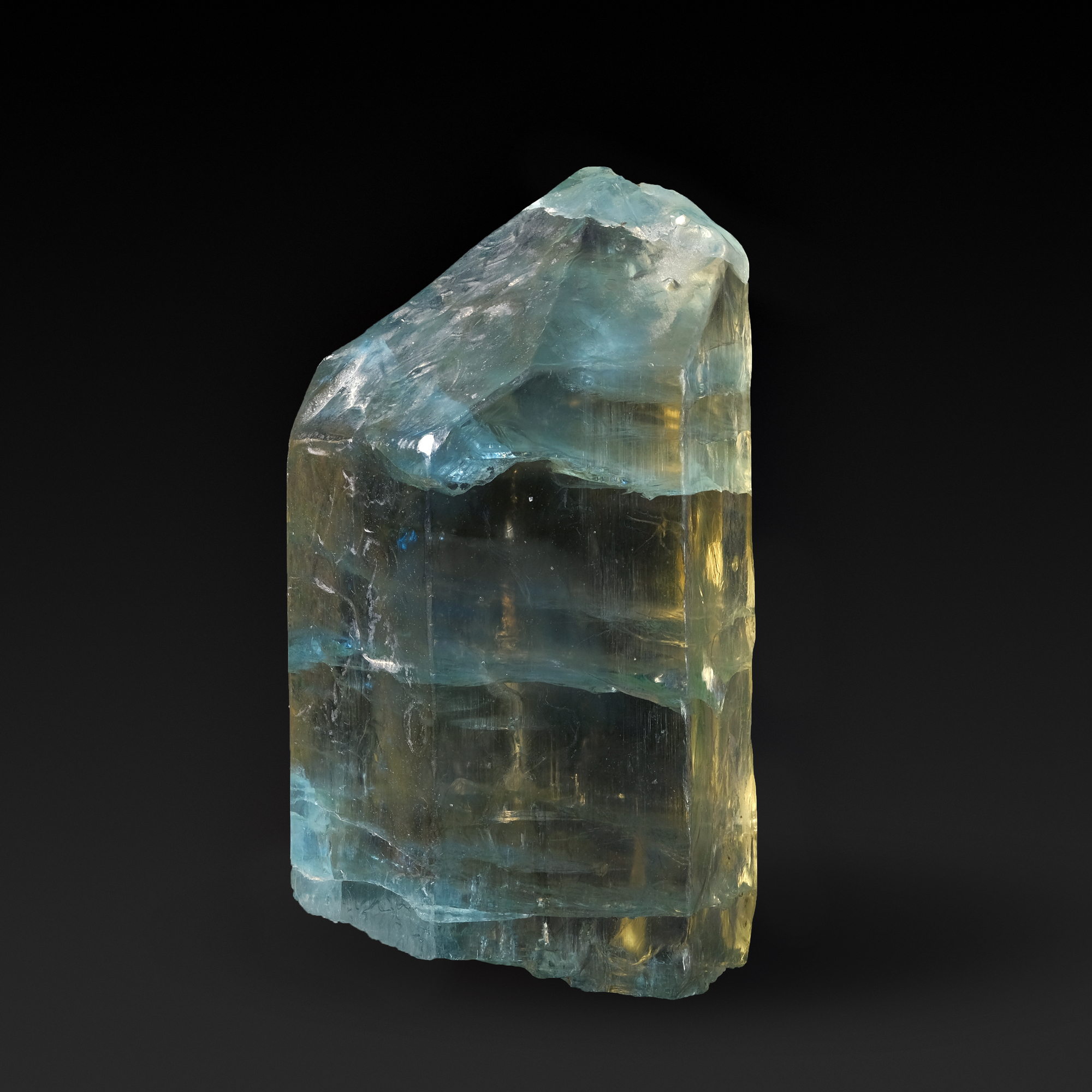
The name is most often traced to the Persian zargun, "gold-colored." Zircon comes in colorless, golden, red-brown, green, and blue, and at 6.5–7.5 on the Mohs scale it is a hard, brilliant stone. Notable sources include Cambodia, Sri Lanka, and Australia.
Zircon also has unusually high brilliance for its price, thanks to a high refractive index and strong fire, a sparkle close to diamond's. That is why it fooled so many people into thinking colorless stones were diamonds.
A Stone With a History
The oldest piece of the Earth ever found is a zircon crystal from the Jack Hills of Western Australia, about 4.4 billion years old. It is only a few hundred microns across, but it formed not long after the planet itself, and it is evidence that Earth had oceans very early on.
Zircon has a long human story too. Red-brown zircon was known in medieval Europe as hyacinth or jacinth, and lapidaries said it brought sleep, prosperity, and honor and protected travelers. Colorless zircon from Sri Lanka, called "Matura diamond," was used as a diamond lookalike for centuries, since heat-treated zircon has a brilliant sparkle.
The same toughness explains why zircon turns up in sands and riverbeds all over the world: when softer minerals around it weather away, zircon survives and washes downstream, collecting in gem gravels like those of Sri Lanka.
Meaning and Symbolism
Zircon's meaning grows out of its age. A stone that has survived billions of years of melting, erosion, and burial is a natural emblem of endurance and perspective. Traditionally, zircon is carried by people who want to feel steady, clear-headed, and unhurried, and who want a reminder that most problems are small on a long enough timeline.
Because zircon is the one mineral that lets scientists look back to the Earth's earliest history, it is also a fitting stone for anyone beginning a long project or a long season of change. It is a reminder that slow, patient processes are how the biggest things get made.
Carried or worn to
- Keep perspective during hurried or stressful seasons
- Support grounded, patient decision-making
- Encourage clear thinking
- Invite steady prosperity and honor
Chakra, Zodiac & Element
Zircon's chakra link follows its color. Red-brown zircon is tied to the Root Chakra, the center of stability, and blue zircon to the Throat Chakra, the center of clear expression. Its Earth element association comes from its age and its place in the planet's oldest rock.
Zircon is a modern birthstone for December, so it is linked with Sagittarius and Capricorn. Sagittarius for the stone's brilliance and wide view, and Capricorn for its patience and endurance.
Varieties of Zircon
Zircon is sold by color. Blue zircon, mostly from Cambodia and usually heat-treated, is the most popular, followed by golden, red-brown, and colorless stones. Rare green zircon is sought by collectors. The bright blue most people associate with zircon is rarely natural: it is usually made by heating brownish zircon, a trade practice that has been standard for about a century. Zircon is not the same as cubic zirconia, a lab-made imitation.
Some zircon contains trace amounts of uranium and thorium, the same elements that let scientists date it. In gem-quality stones the levels are very low and are not a concern for jewelry.
Most people meet zircon as a small jewelry stone, but its story is much bigger than the size on offer. A single faceted zircon carries the same mineral that has recorded nearly the whole history of the planet, which is a good reason to choose it as a stone for reflection.
How to Use and Care for Zircon
At 6.5–7.5 on the Mohs scale, zircon is hard, but it is brittle and its facet edges can chip, so it is best in earrings, pendants, and protected ring settings. It is water-safe and cleans well with warm soapy water; avoid ultrasonic cleaners and sudden temperature changes. Some blue zircon can fade in strong sunlight.
Traditionally, zircon is cleansed in moonlight. Our Crystal Combinations guide has pairing ideas.
Because the names are so similar, zircon is often confused with cubic zirconia, so look for the species name "zircon" and ask whether it has been heat-treated; most blue and colorless stones have been.
Frequently Asked Questions
Is zircon the same as cubic zirconia?
What chakra is zircon associated with?
Is zircon a birthstone?
Is zircon safe to wear every day?
How old is zircon?
A patient stone that has watched the world form.
Shop by energy
Bracelets for the Root and Throat chakras
We don't have a Zircon bracelet yet. These share its Root or Throat chakra energy.
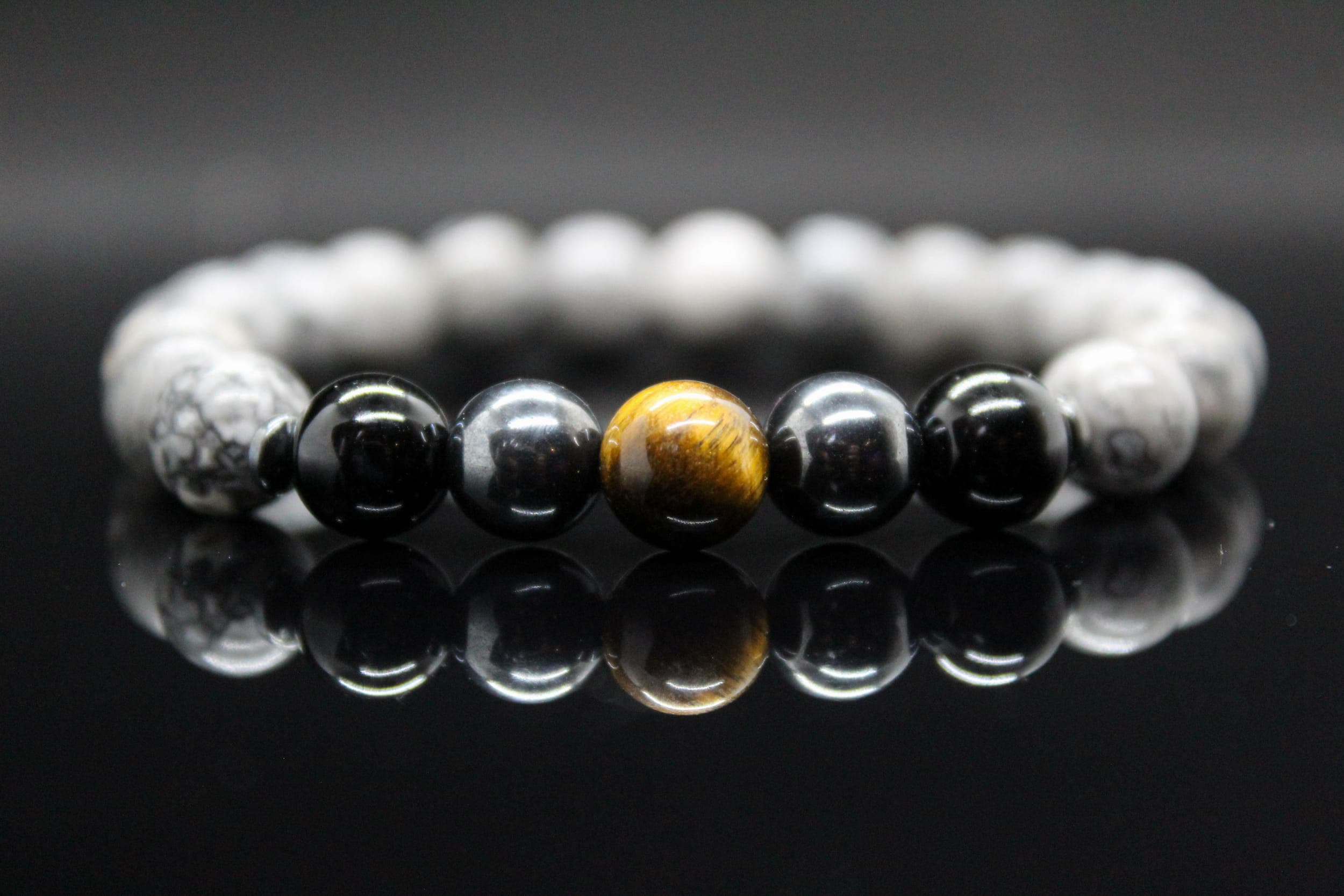
Energetic Balance Energy Bracelet
$24.00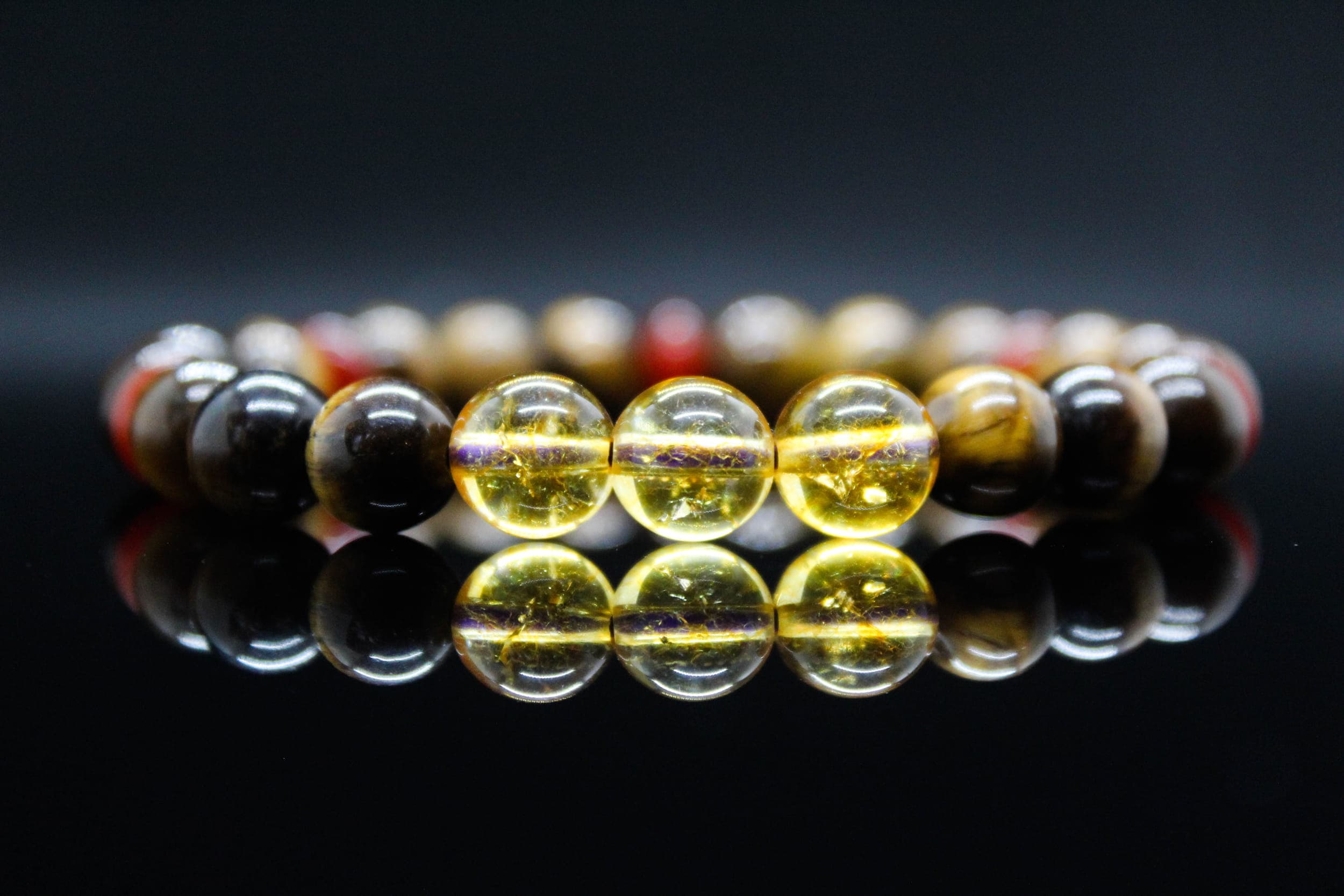
Focus Manifest Energy Bracelet
$24.00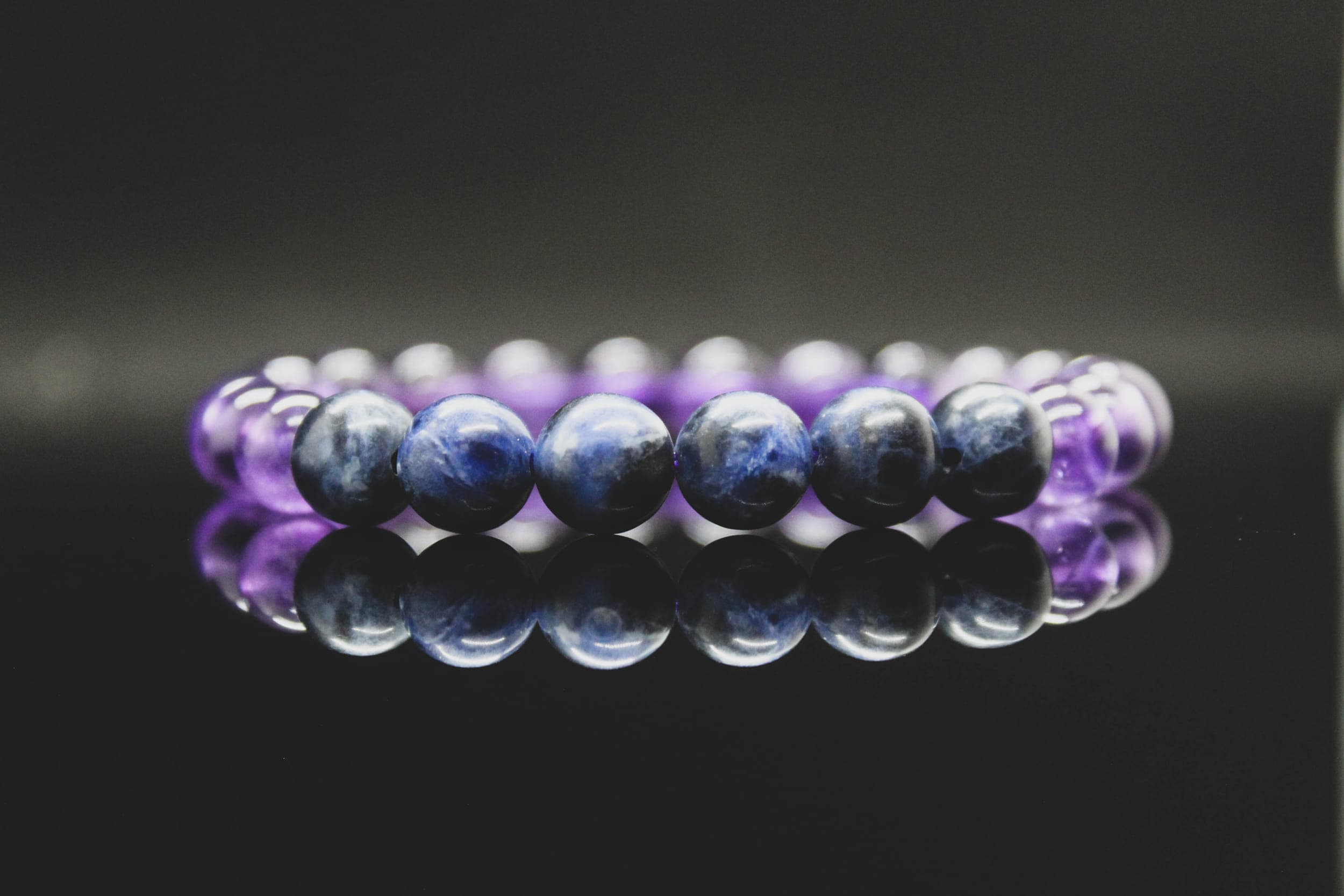
Creative Balance Energy Bracelet
$24.00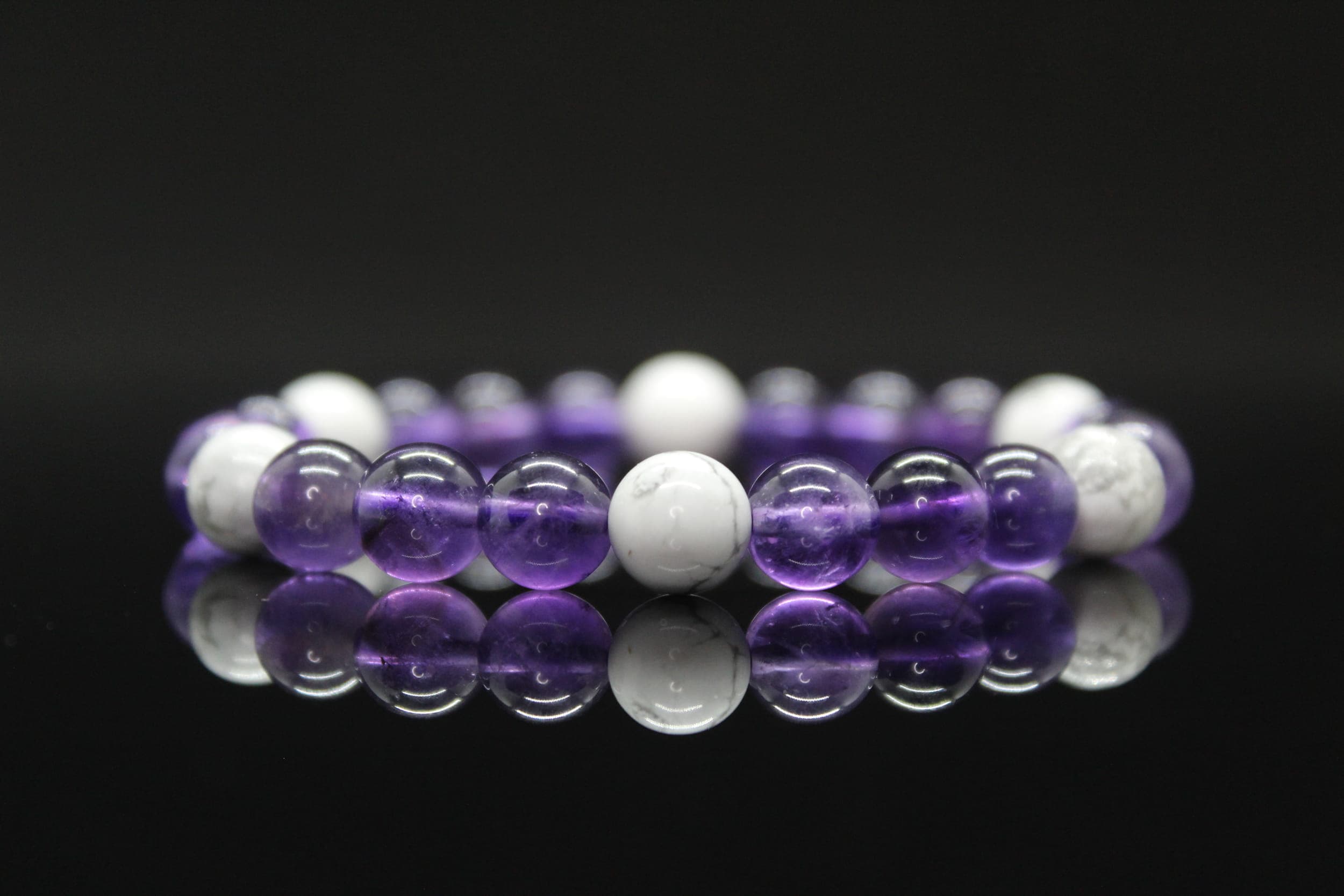
Higher Self Energy Bracelet
$24.00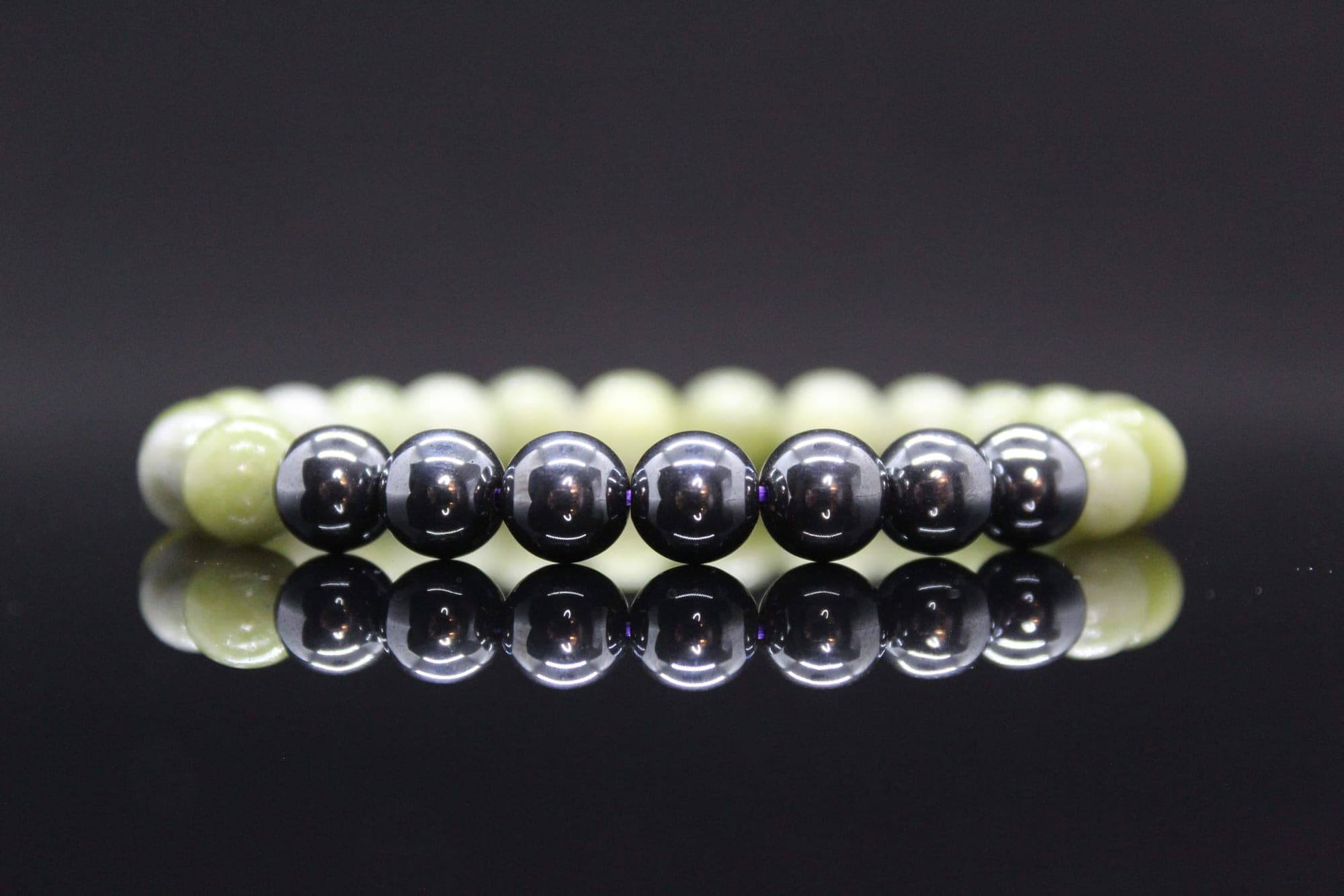
Life Force Energy Bracelet
$24.00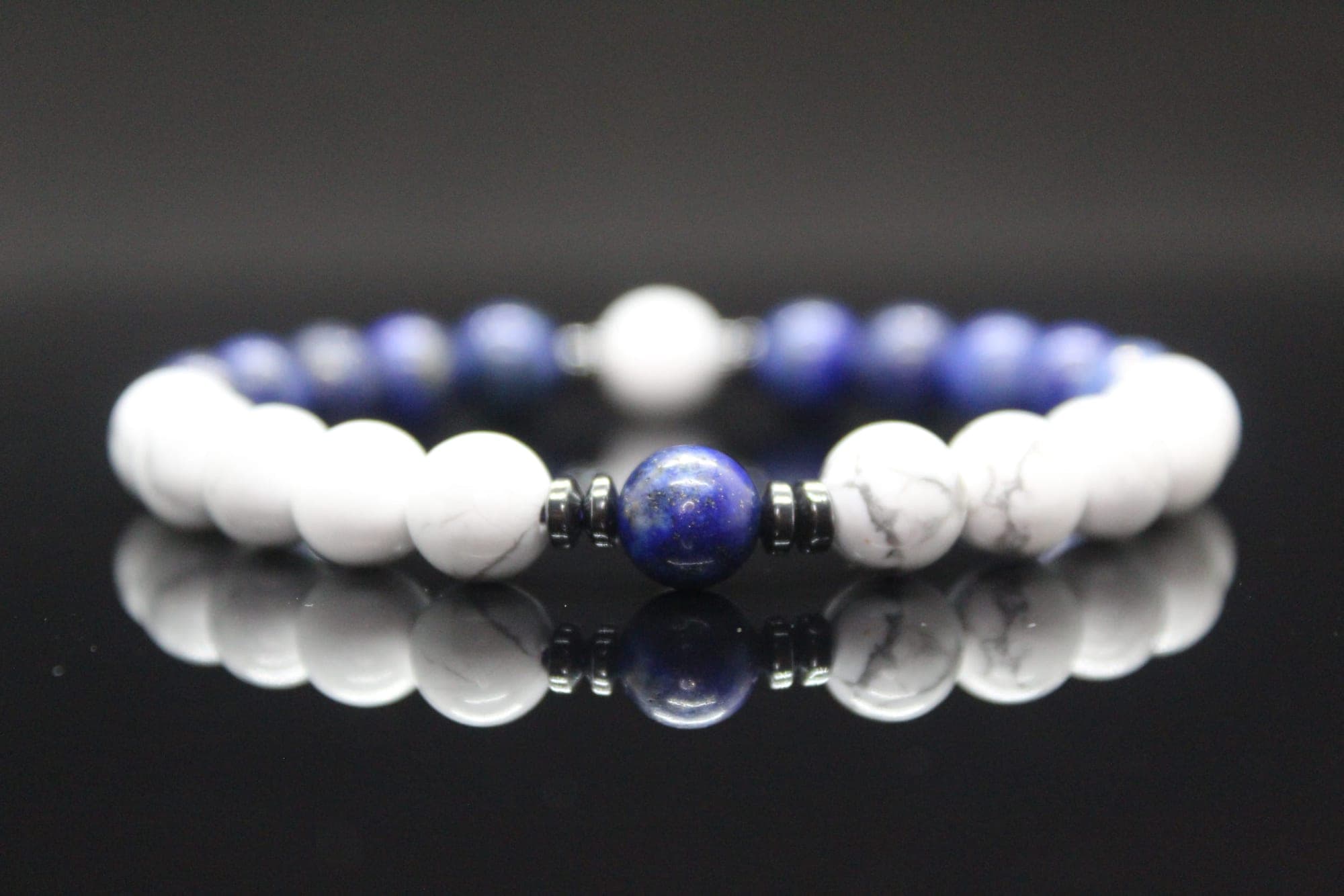
Divine Harmony Energy Bracelet
$24.00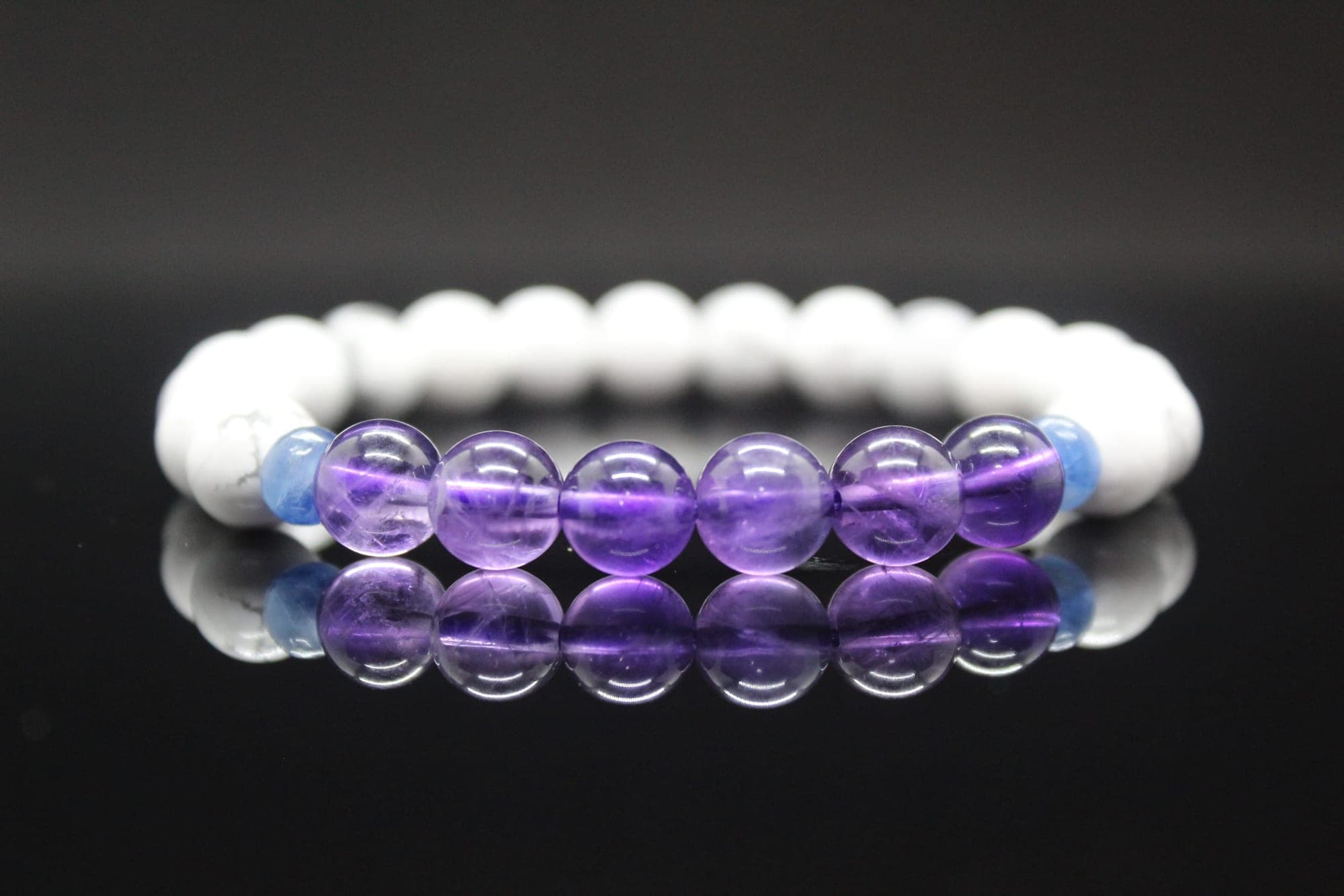
The Crown Energy Bracelet
$24.00