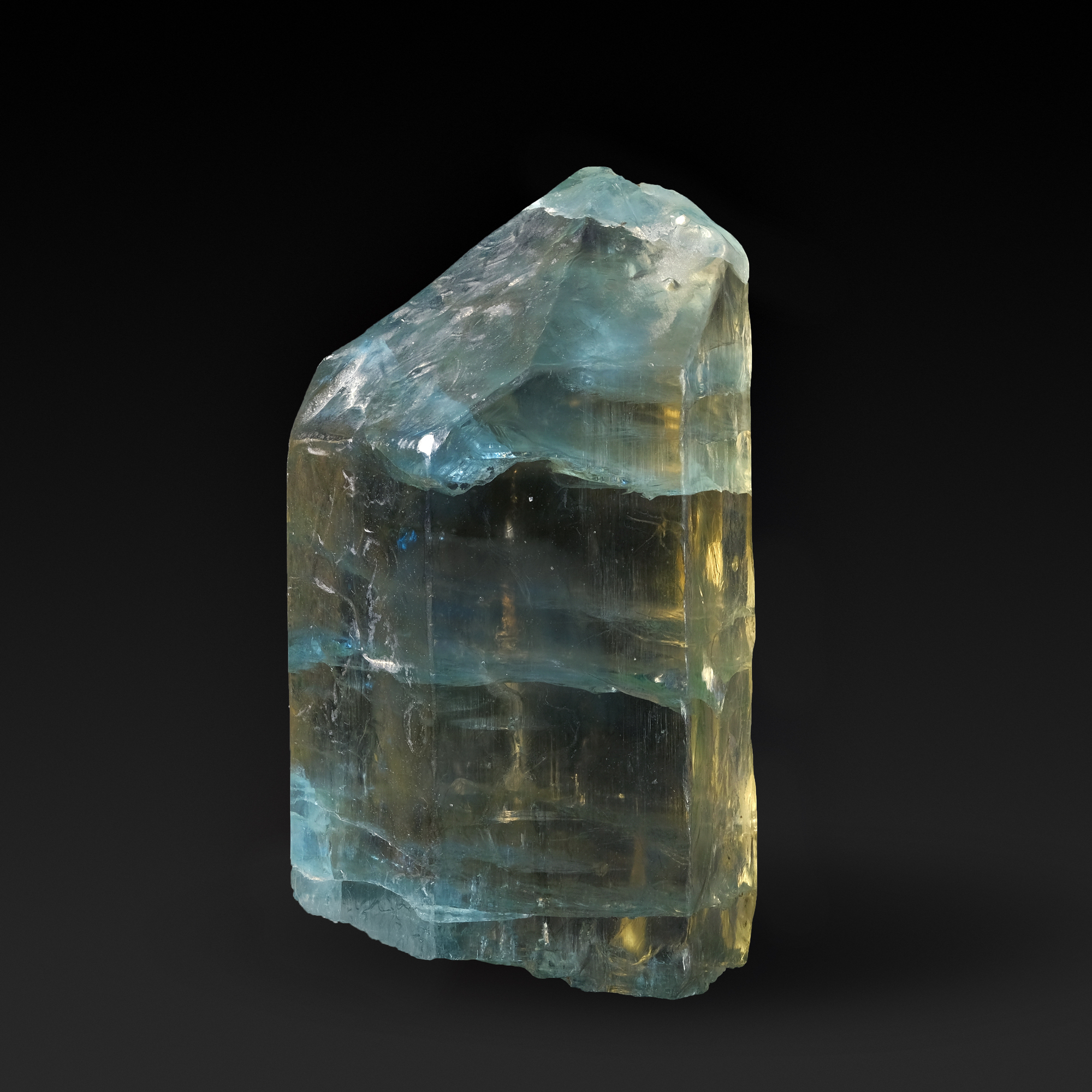
Photo: Robert M. Lavinsky · CC BY-SA 3.0 · Wikimedia Commons
Sugilite
Stone of Spiritual Wisdom
Energy Focus
Meaning & uses
Sugilite Meaning
Discovered by a geologist searching Japanese islets and made famous decades later by a South African mine, Sugilite is one of the youngest named stones in this entire directory — and one of the rarest.
What Is Sugilite?
Sugilite is a complex potassium sodium lithium iron manganese aluminum silicate, a chemically intricate mineral even by the standards of this directory, with manganese responsible for its deep violet-to-magenta color. It's a genuinely uncommon mineral overall, and gem-quality material saturated enough for jewelry is rarer still, coming almost entirely from one now largely depleted South African source.
That chemical complexity sets Sugilite apart even from other manganese-colored stones in this directory. Lepidolite and Rhodochrosite both get their pink-to-purple color from manganese too, but each belongs to an entirely different mineral family — a mica and a carbonate, respectively — while Sugilite's own structure doesn't closely resemble either one once you look past the shared chromophore.

A Stone With a History
Sugilite has no ancient tradition to draw on — it's one of the more recently identified minerals in this directory, first discovered in 1944 by Ken-ichi Sugi, a Japanese petrologist, on Iwagi Islet off the coast of Japan. The mineral wasn't formally described and published as a distinct species until 1976, more than three decades after Sugi first found it, and the original Japanese material was more of a scientific curiosity than a gem — not vivid or clean enough for jewelry use.

What actually made Sugilite a known gemstone happened years later and an ocean away: in 1979, a deposit of richly saturated, gem-quality purple Sugilite was found at the Wessels Mine in South Africa's Kalahari manganese fields — the material that's supplied nearly the entire jewelry trade ever since. That source has been mined close to depletion, which is part of why strongly colored Sugilite commands a real premium today.
Meaning and Symbolism
Sugilite's "Stone of Spiritual Wisdom" reputation leans on its deep violet color and genuine rarity — a stone uncommon enough, and specific enough in where it comes from, to have picked up an aura of exclusivity almost immediately after it became available at all. Unlike stones with millennia of accumulated meaning behind them, Sugilite's symbolism developed quickly and recently, concentrated almost entirely around insight, intuition, and a settled, spiritually attentive mind.
Carried or worn to
- Deepen intuition and spiritual insight
- Support meditation and inner stillness
- Shield personal energy during sensitive emotional work
- Ease anxiety with a calm, grounded presence
Chakra, Zodiac & Element
Sugilite is tied to both the Third Eye and Crown Chakras, its deep violet color following the same convention as other purple stones in this directory — associated with higher awareness and spiritual insight rather than anything more physically grounded. Its Water element reflects the emotional, intuitive undercurrent beneath that insight.
Astrologically it's linked to Virgo, a sign known for discernment and careful analysis — a fitting pairing for a stone whose meaning is less about raw mystical experience and more about actually making sense of what that insight reveals.
How to Use and Care for Sugilite
At 6–6.5 on the Mohs scale, Sugilite is durable enough for regular wear in rings, bracelets, or pendants, holding up comparably well to quartz-family stones like Amethyst or Citrine. It's generally water-safe for a brief rinse, with no unusual chemical sensitivities to plan around.
Because well-saturated Sugilite is genuinely rare and increasingly hard to source, paler or included material is sometimes stabilized or dyed to intensify its color — worth asking about if natural, untreated color matters to you. Lower grades are also sometimes mixed with quartz or chalcedony as a binder to make the most of limited rough material, which can affect both durability and value, so buying from a seller who can speak clearly to a specimen's composition is worth the extra step.
Frequently Asked Questions
Who was Sugilite named after?
Where does gem-quality Sugilite come from?
Is Sugilite rare?
Is Sugilite safe to wear every day?
Can Sugilite get wet?
What chakra is Sugilite associated with?
A stone whose whole reputation was built in decades, not centuries — and built quickly for good reason.
Shop by energy
Bracelets for the Third Eye and Crown chakras
We don't have a Sugilite bracelet yet. These share its Third Eye or Crown chakra energy.
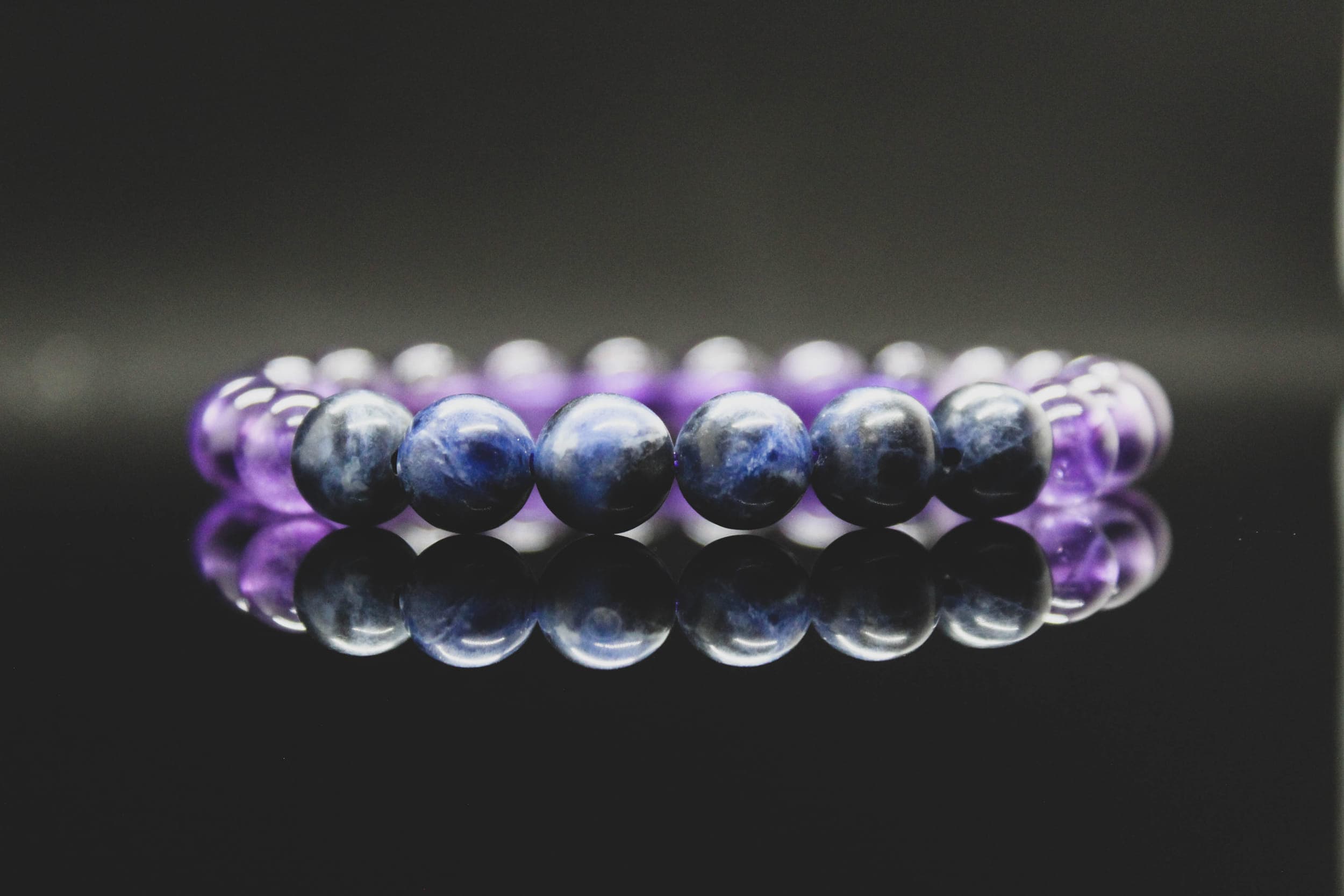
Creative Balance Energy Bracelet
$24.00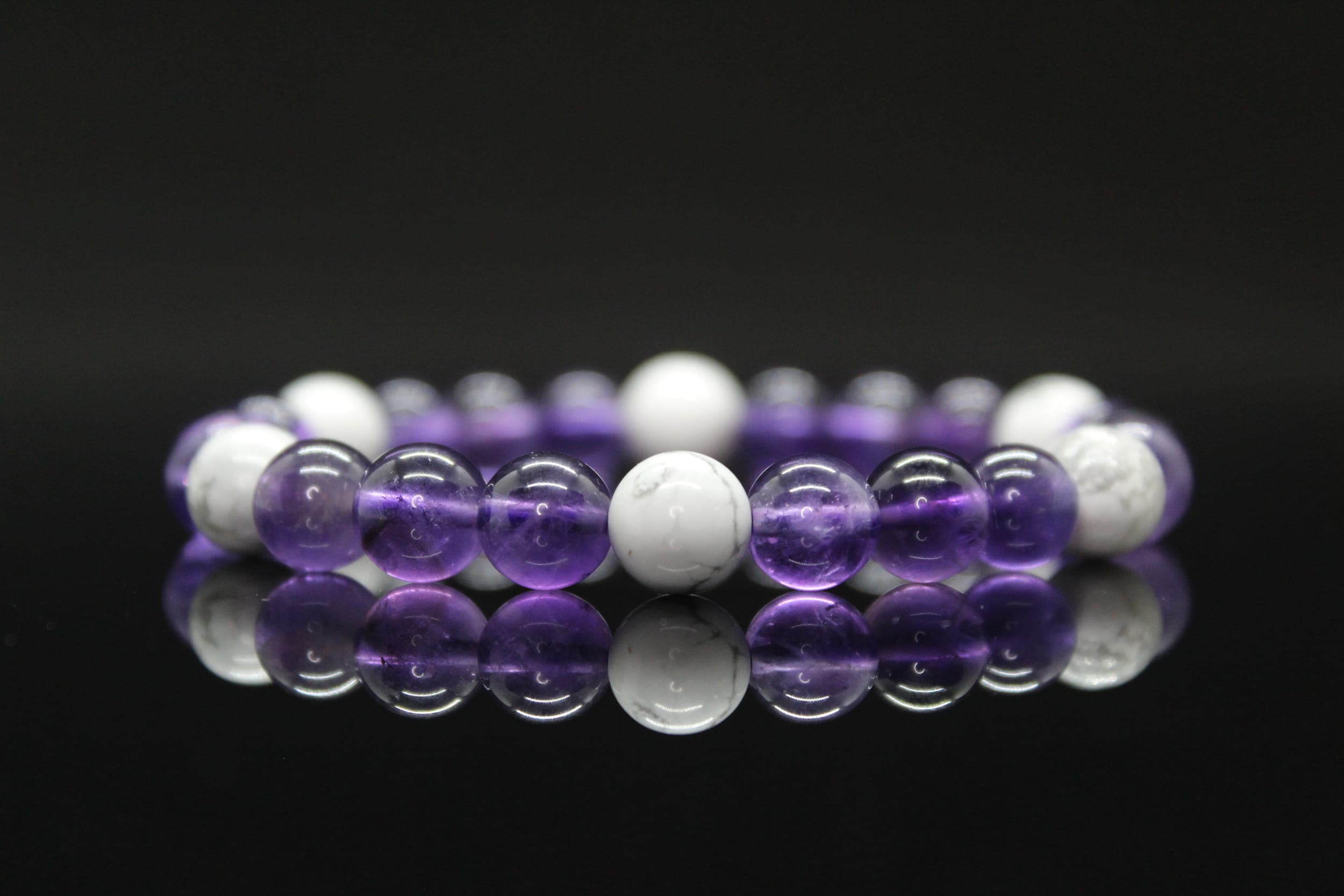
Higher Self Energy Bracelet
$24.00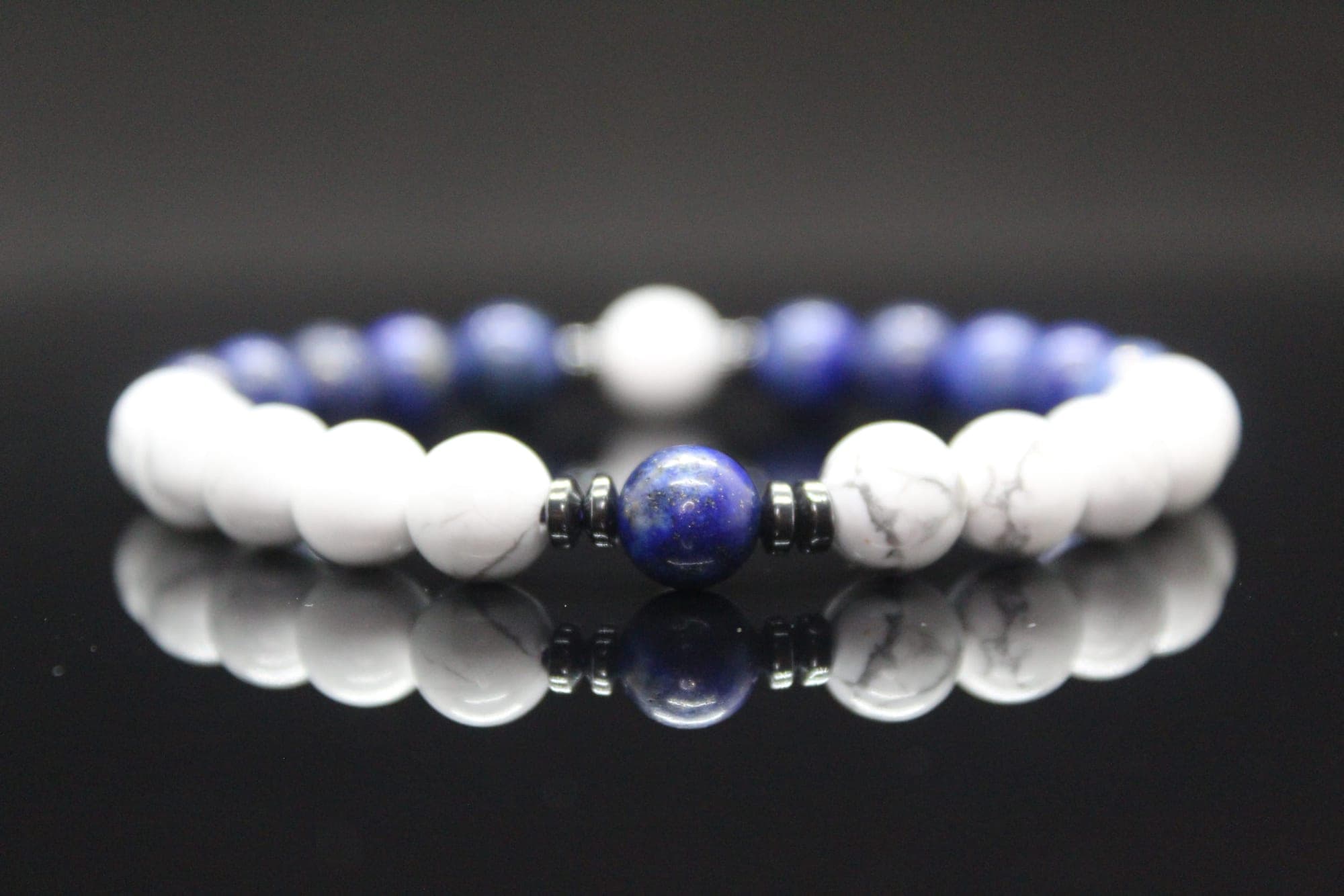
Divine Harmony Energy Bracelet
$24.00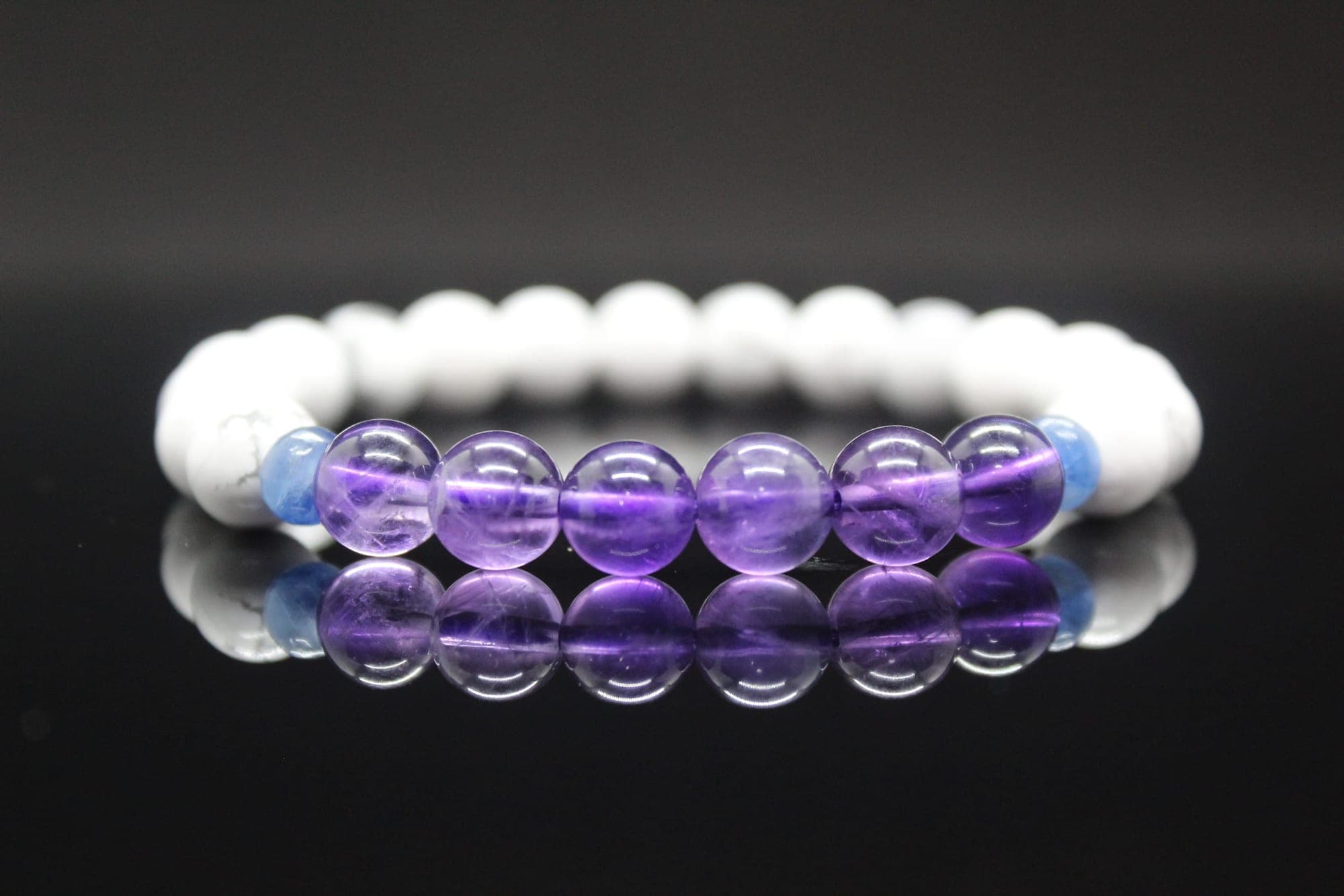
The Crown Energy Bracelet
$24.00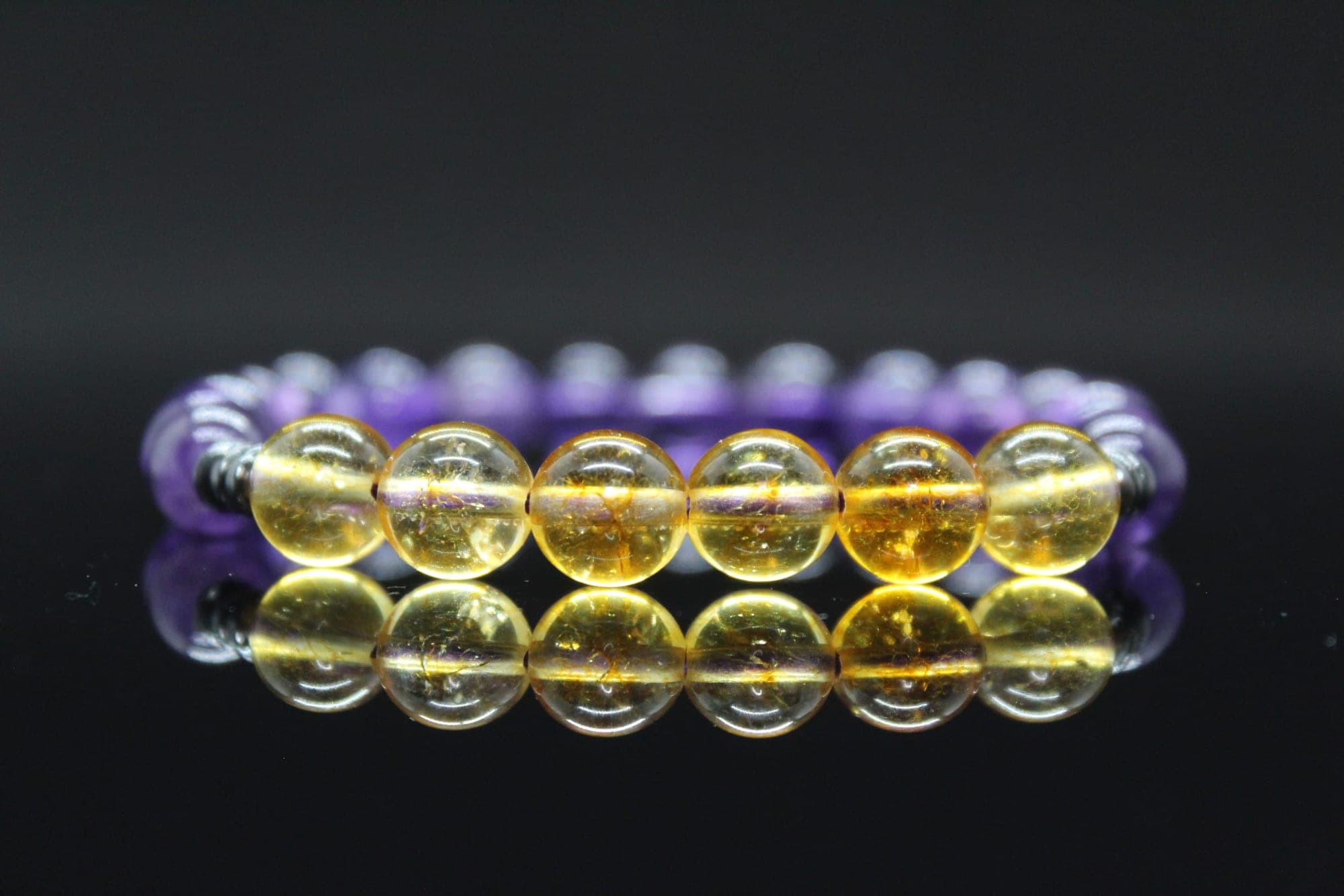
Clear Thoughts Energy Bracelet
$33.00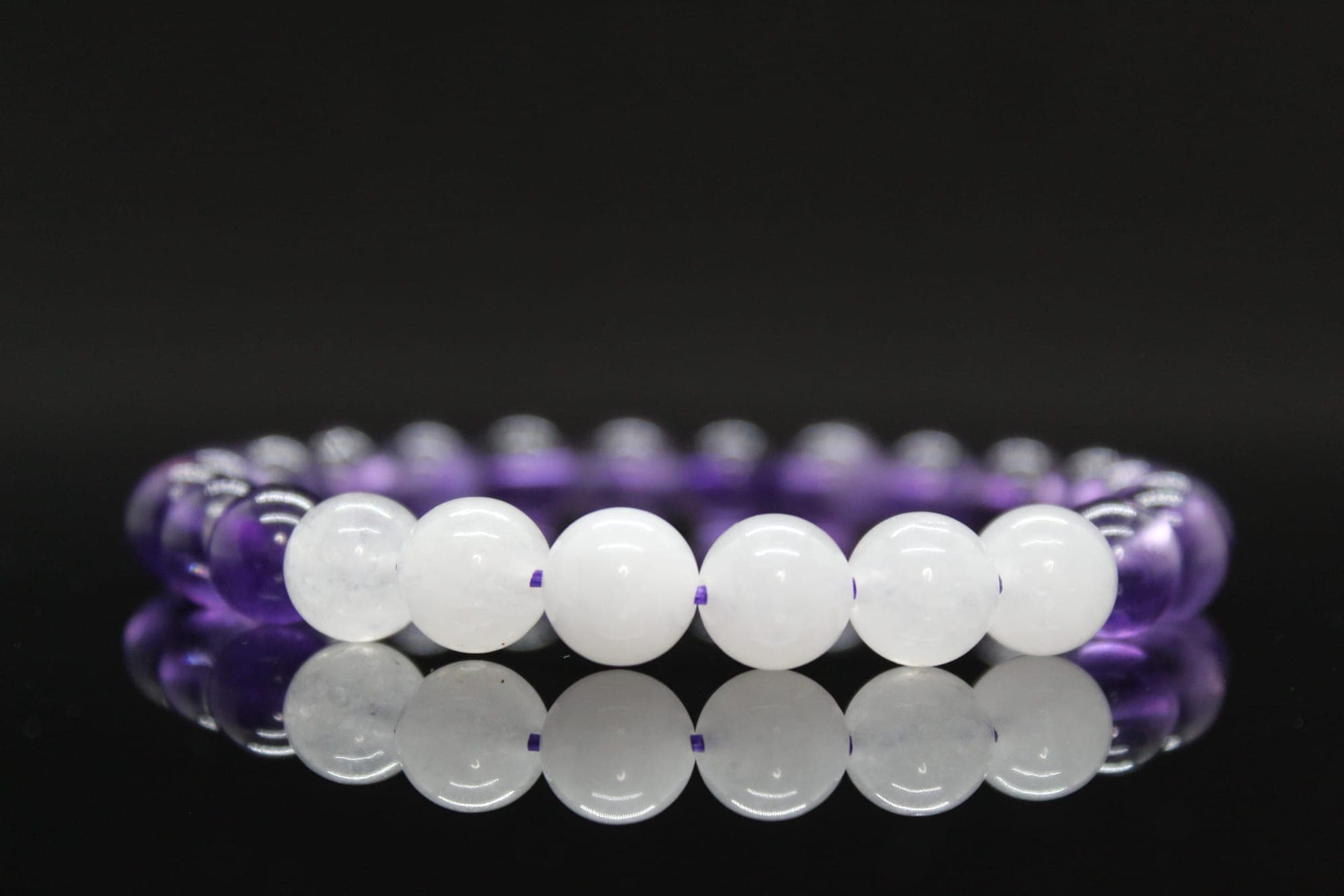
Divine Calming Energy Bracelet
$24.00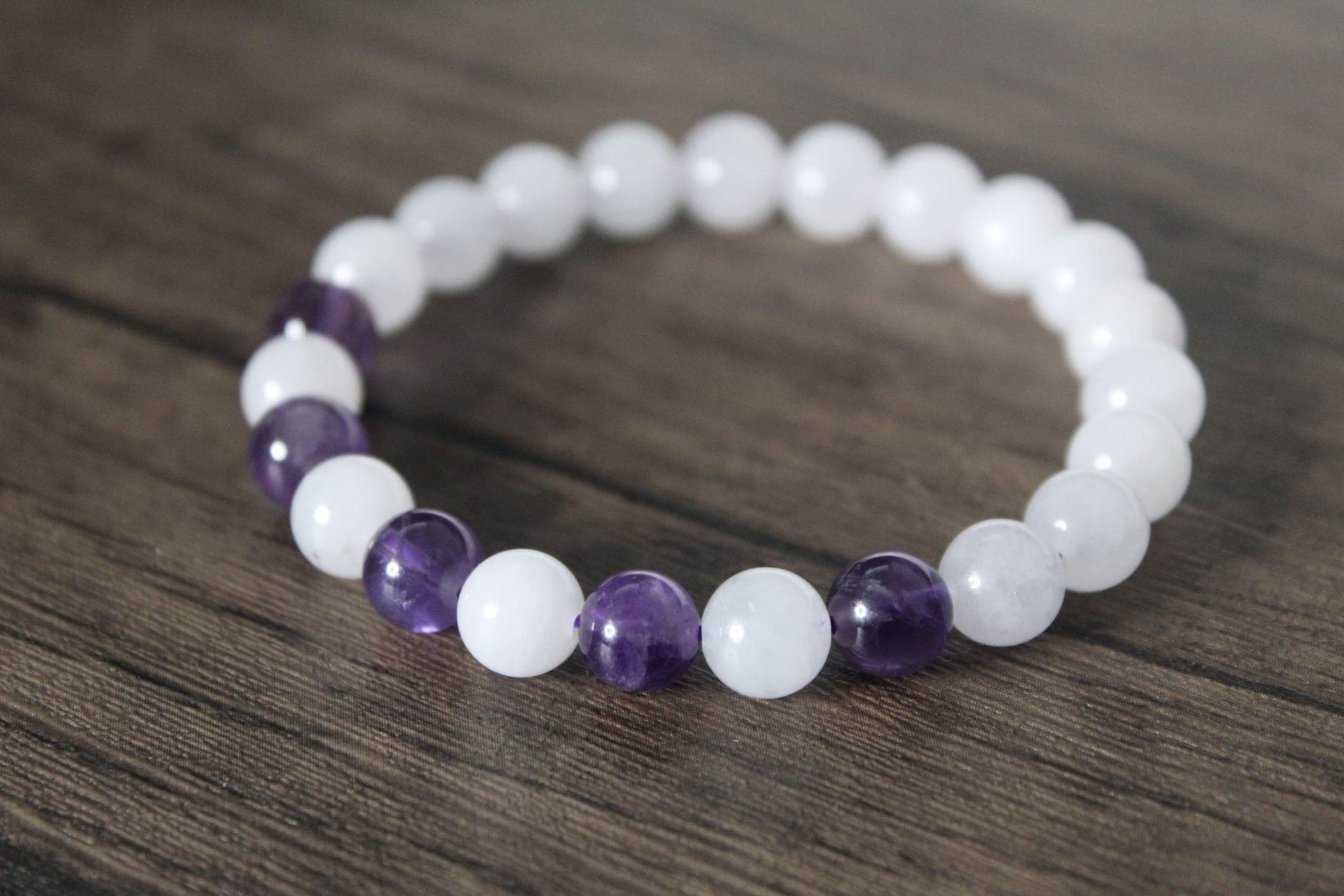
Divine Thoughts Energy Bracelet
$33.00