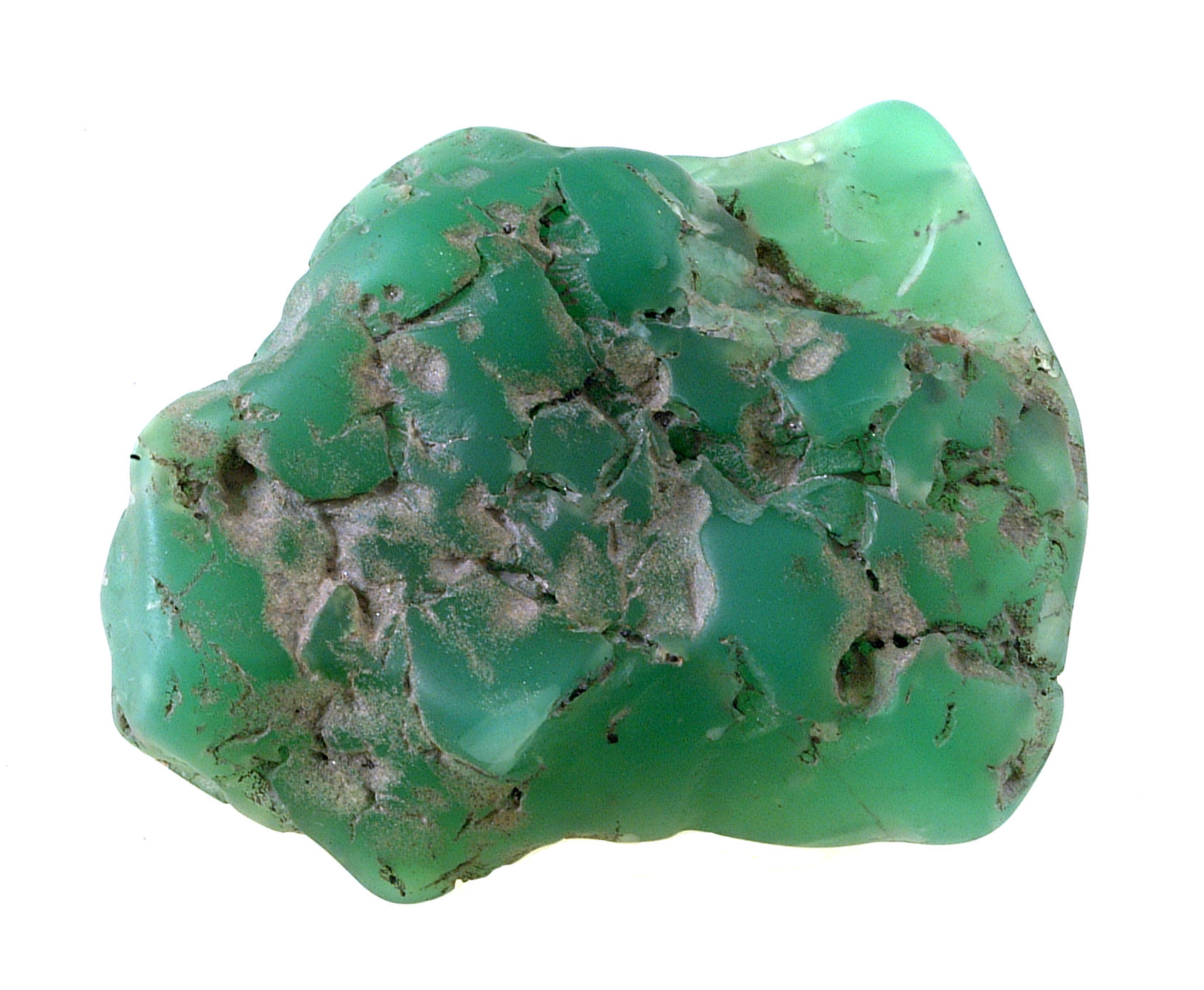
Photo: Jurga Ka · Unsplash License · Unsplash
Serpentine
Stone of Kundalini Awakening
Energy Focus
Meaning & uses
Serpentine Meaning
Mottled, scaled, and named directly after the reptile its surface resembles, Serpentine has long been linked to Kundalini energy — the coiled, serpent-like life force said in yogic tradition to lie dormant at the base of the spine.
What Is Serpentine?
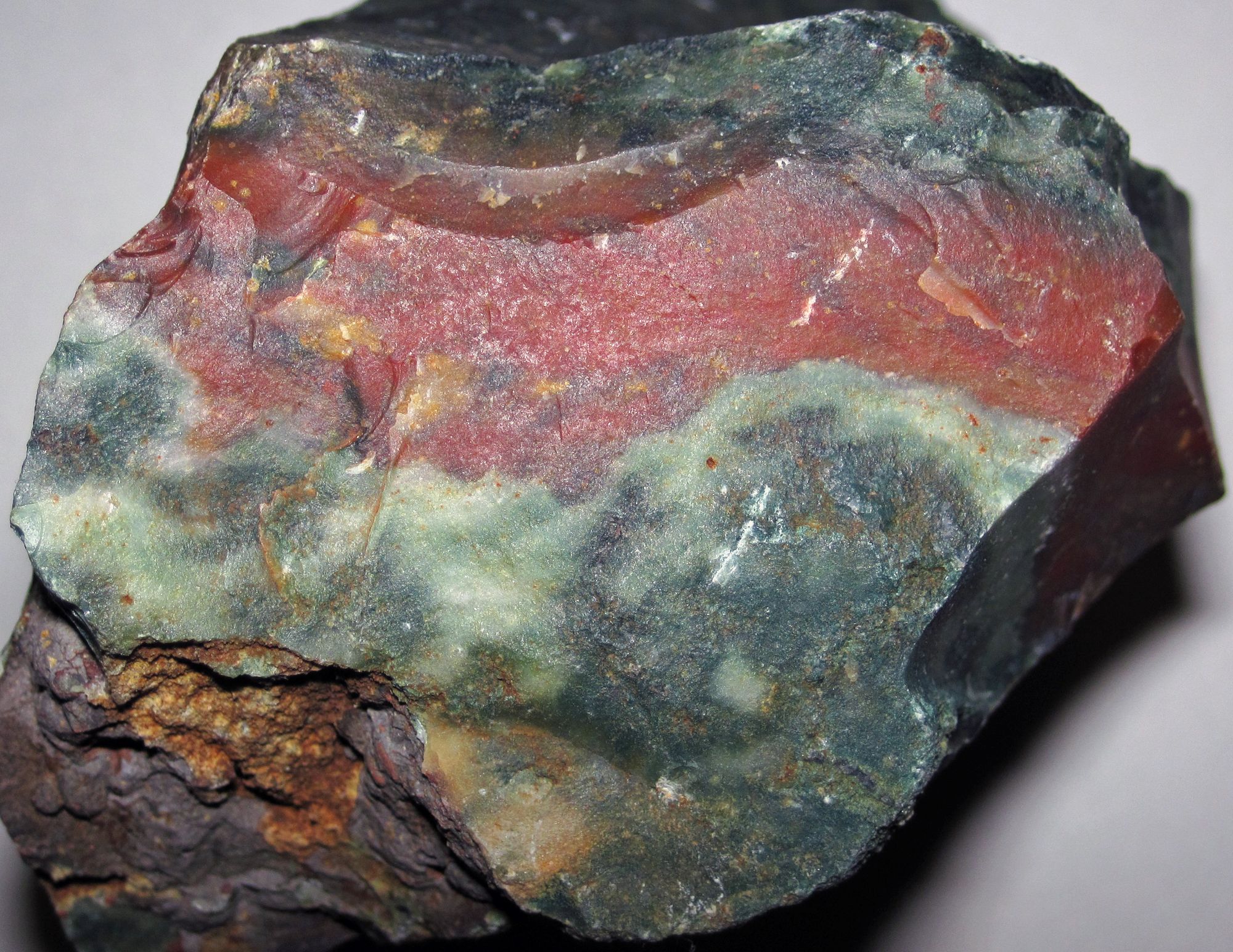
"Serpentine" isn't a single mineral — it's a group name for several closely related magnesium-iron silicates, chiefly antigorite, lizardite, and chrysotile, all sharing nearly the same chemistry but forming in different habits. Most jewelry and carving material comes from the massive, compact varieties, antigorite and lizardite, prized for their soft, easily worked texture and jade-like green color. A harder, more translucent variety called Bowenite, sometimes marketed as "New Jade," has been used historically as a genuine jade substitute in China and by Māori carvers in New Zealand.
The name comes directly from Latin serpentinus, after the serpent — a straightforward description of the mottled, scaled pattern that covers most Serpentine specimens and gives the stone its instantly recognizable look.

One member of the Serpentine group is worth knowing about specifically: chrysotile, the fibrous variety, is the source of commercial white asbestos. It's a different physical form from the solid, massive material typically cut for jewelry and carving, and finished polished pieces aren't considered a comparable risk — but it's a genuine reason to use standard dust precautions, the same way you would with Malachite, if you're ever cutting or grinding raw Serpentine yourself rather than buying it already finished.
A Stone With a History
Serpentine's softness made it a practical jade substitute across multiple cultures for centuries — easy to carve into seals, small vessels, and ornamental objects in places and periods where true Jade was scarce or prohibitively difficult to work. Its use wasn't limited to small carvings, either: Italian Renaissance builders prized decorative Serpentine marble for polychrome facade work, visible today in Tuscan buildings including Florence's Baptistery of San Giovanni.
Meaning and Symbolism
Serpentine's "Stone of Kundalini Awakening" reputation follows directly from both its name and its appearance. Kundalini, in yogic and tantric tradition, describes a coiled, serpent-like energy said to rest dormant at the base of the spine until specific practice awakens it, sending it rising upward through the body. A stone that's literally named for a snake, and visually patterned like one, is about as direct a symbolic match as this directory offers.

That association frames Serpentine's meaning as movement rather than a fixed state — less about settling into one quality and more about energy passing through the body on its way somewhere else.
Carried or worn to
- Support spiritual awakening and energetic movement
- Clear blockages that keep energy from flowing freely
- Encourage emotional release and renewal
- Ground intense spiritual or energetic work
Chakra, Zodiac & Element
Serpentine is tied to the Heart Chakra, its green color following this directory's usual color-based association, even though its Kundalini reputation describes energy moving through the whole spine rather than settling at any single point — the Heart Chakra reads as one stop along that longer journey rather than its sole destination.
Its Earth element reflects its grounded mineral origin, and astrologically it's linked to Gemini, a sign associated with duality and transformation — a fitting match for a stone whose whole meaning is about energy shifting from one state into another.
How to Use and Care for Serpentine
At 2.5–4 on the Mohs scale, Serpentine is on the softer side of this directory, closer to Rhodochrosite than to quartz-family stones like Agate. It suits pendants and earrings better than rings or bracelets that see regular knocks, unless the variety is the harder Bowenite form.
A brief rinse in water is generally fine, though as with any softer stone, avoid prolonged soaking and harsh chemicals. Given its reputation for movement rather than static protection, Serpentine is traditionally used during active meditation or energy work rather than worn purely as a background stone.
Frequently Asked Questions
Is Serpentine one mineral or several?
Does Serpentine contain asbestos?
What is Bowenite, or "New Jade"?
Why is Serpentine linked to Kundalini energy?
Is Serpentine safe to wear every day?
What chakra is Serpentine associated with?
A stone about movement, not stillness — energy passing through rather than settling down.
Shop by energy
Bracelets for the Heart chakra
We don't have a Serpentine bracelet yet. These share its Heart chakra energy.
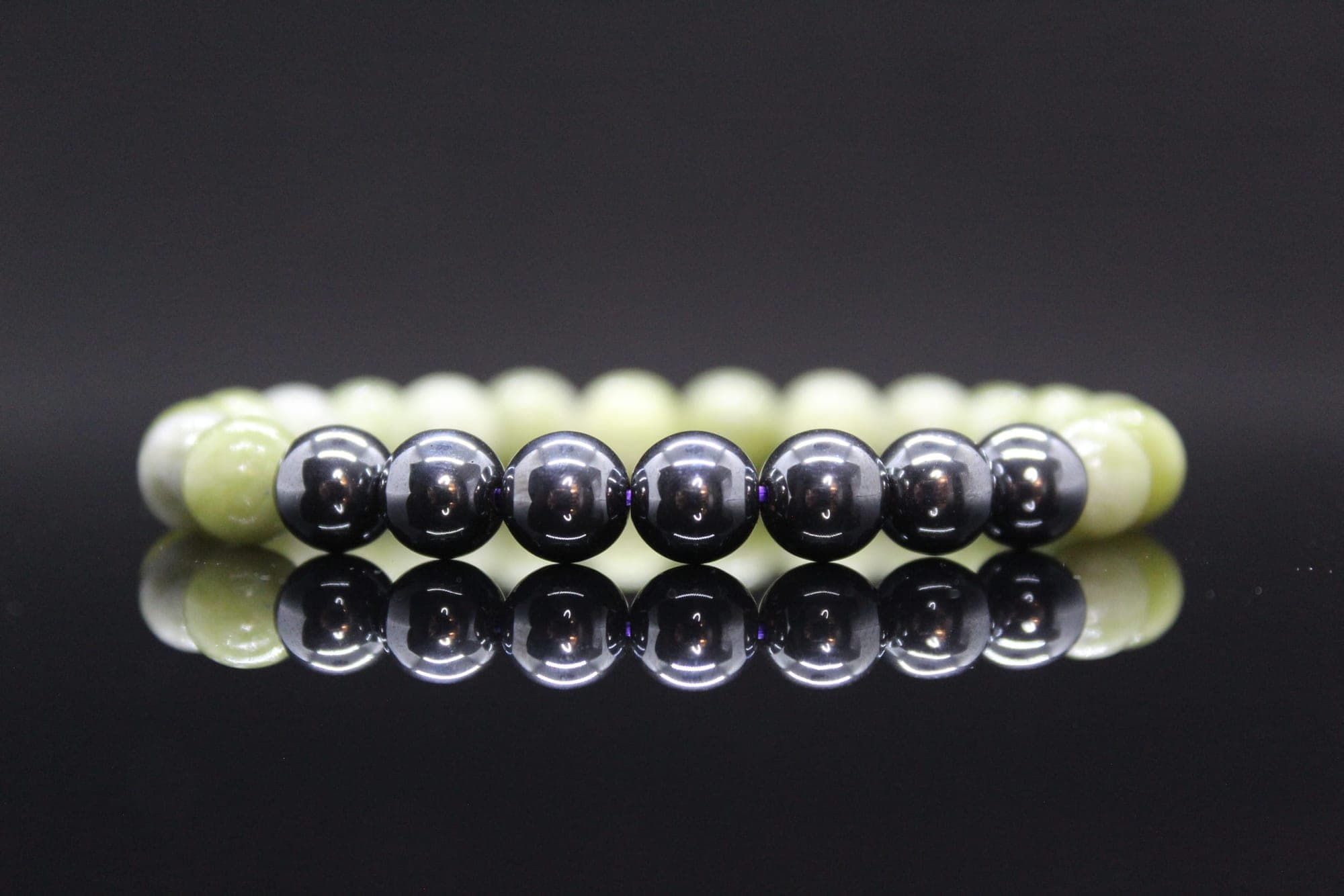
Life Force Energy Bracelet
$24.00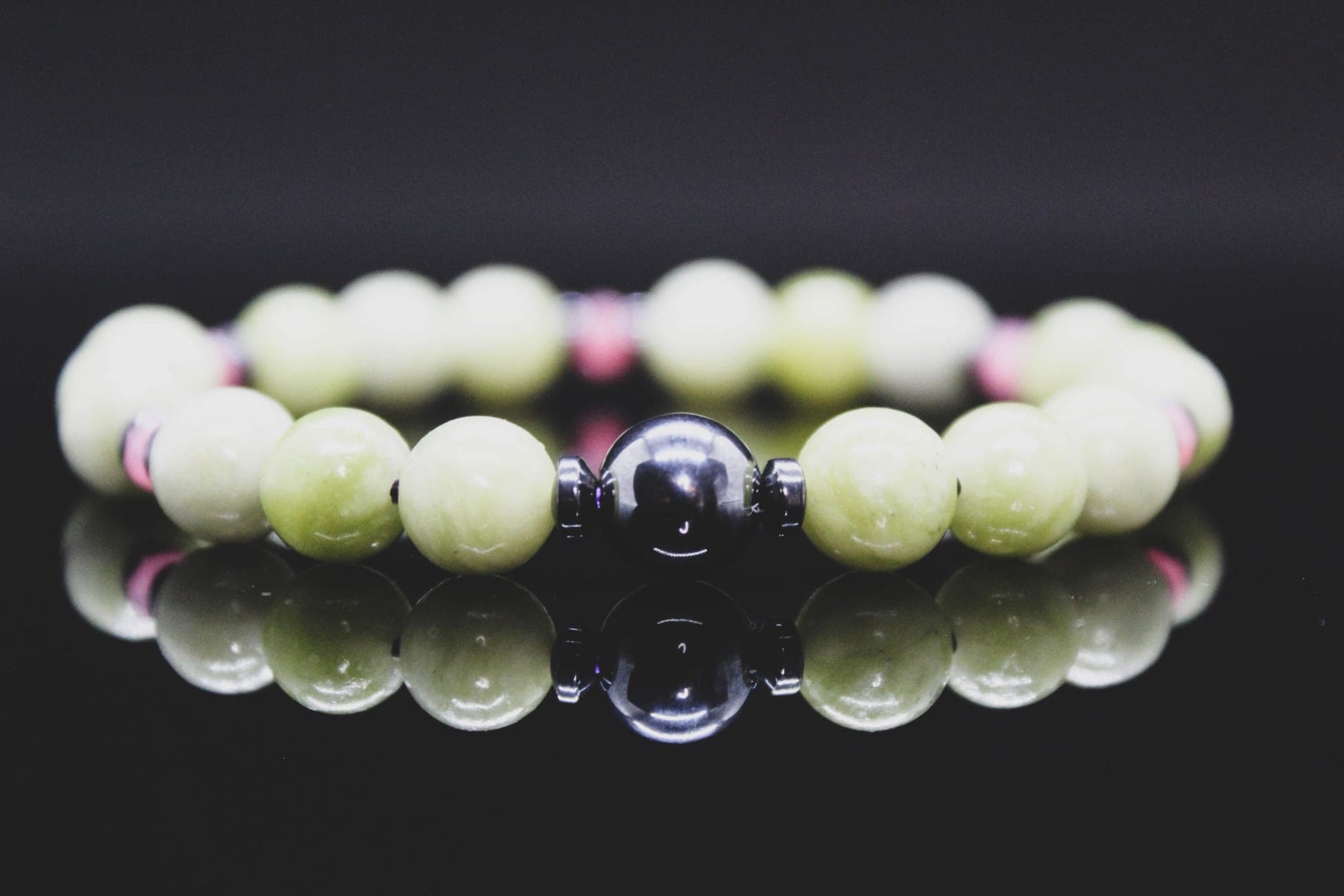
Grounding Love Energy Bracelet
$33.00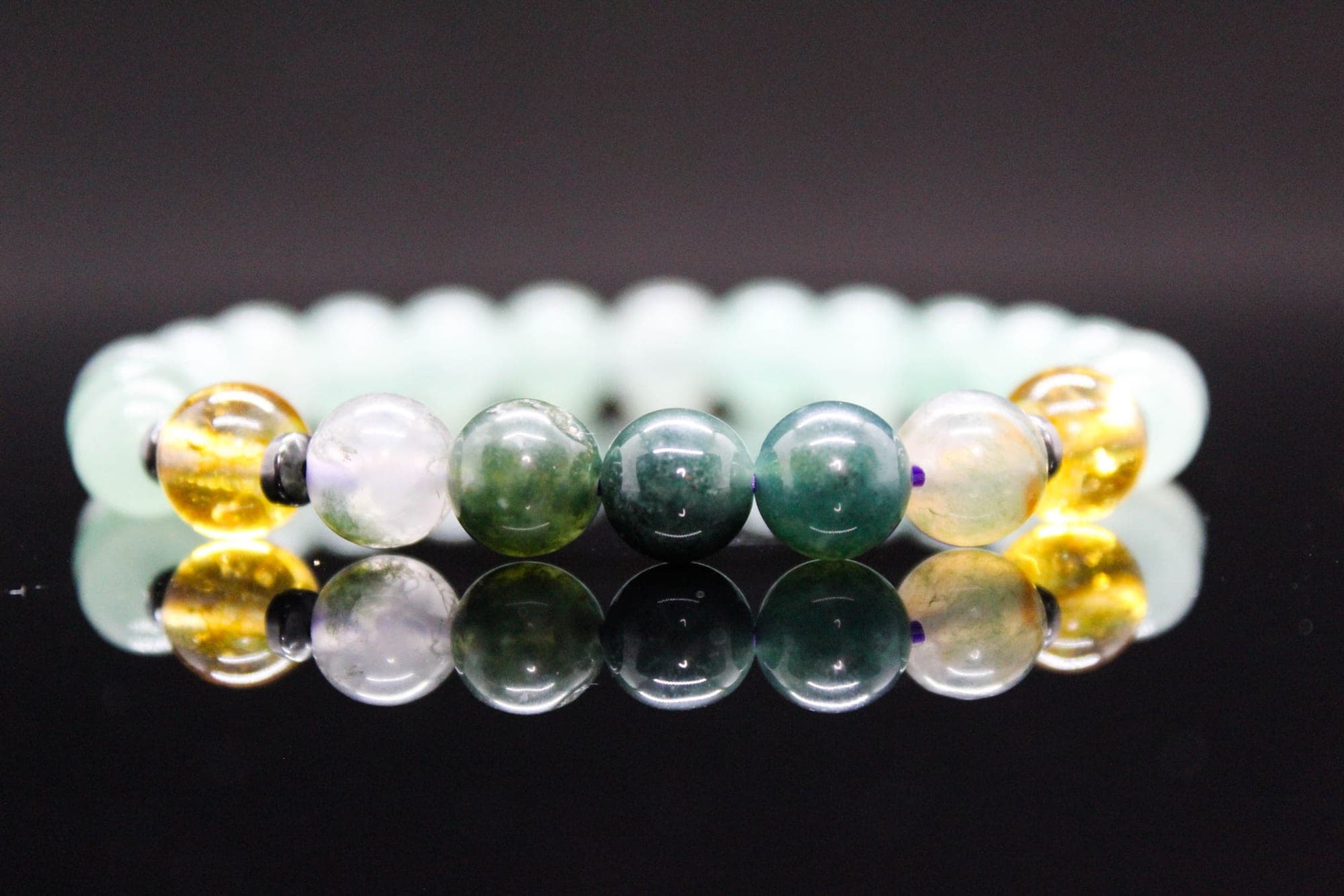
The Opulence Energy Bracelet
$33.00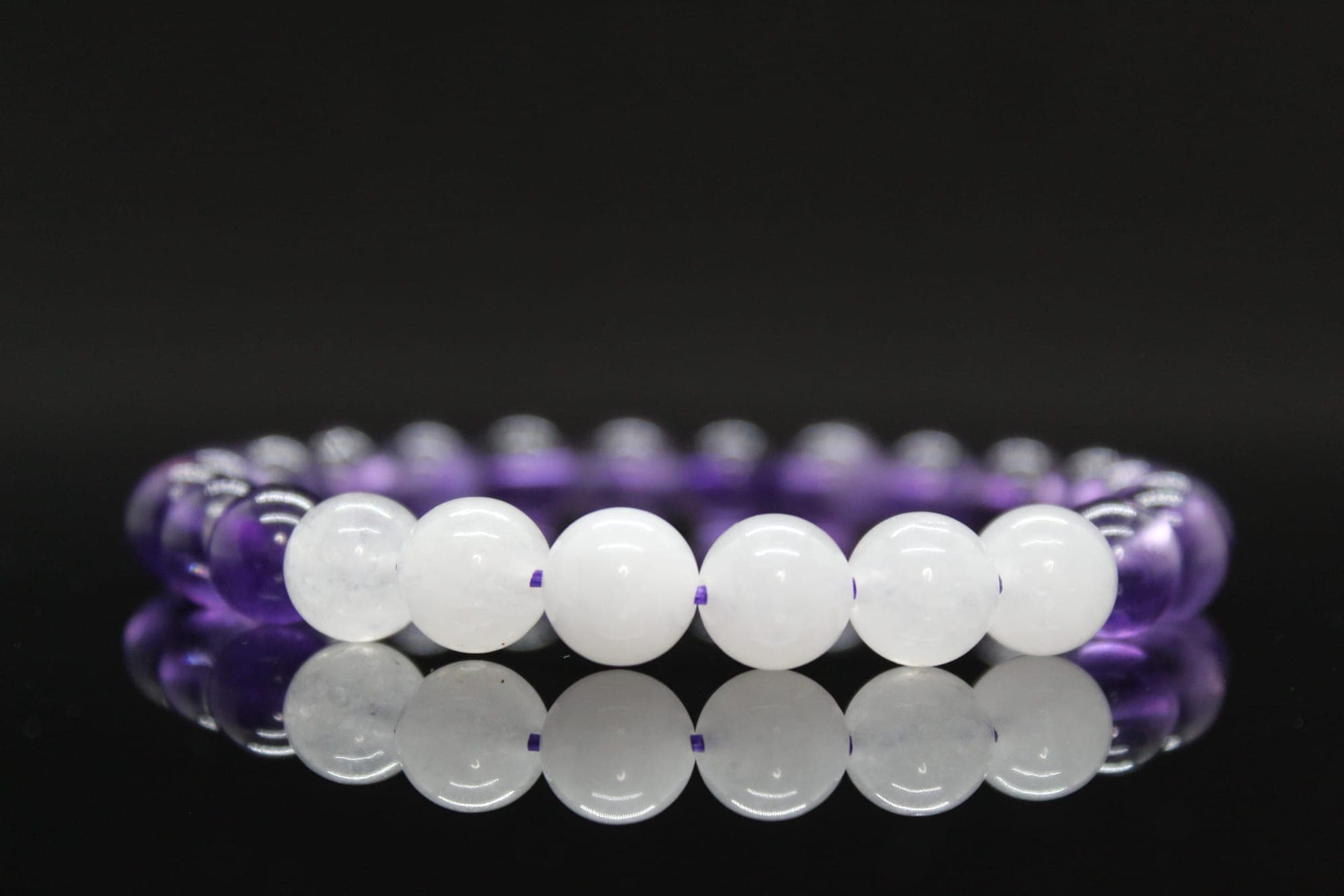
Divine Calming Energy Bracelet
$24.00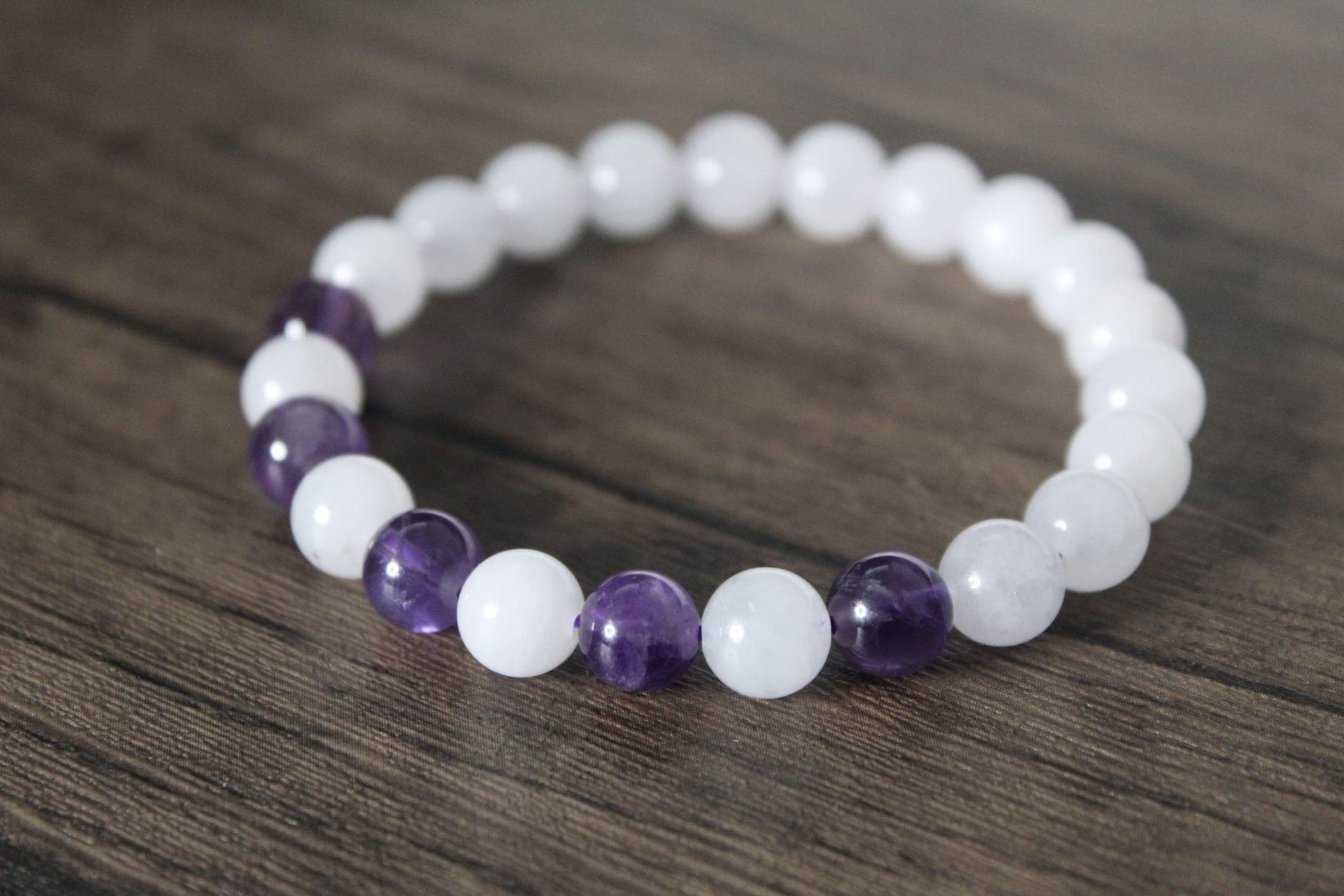
Divine Thoughts Energy Bracelet
$33.00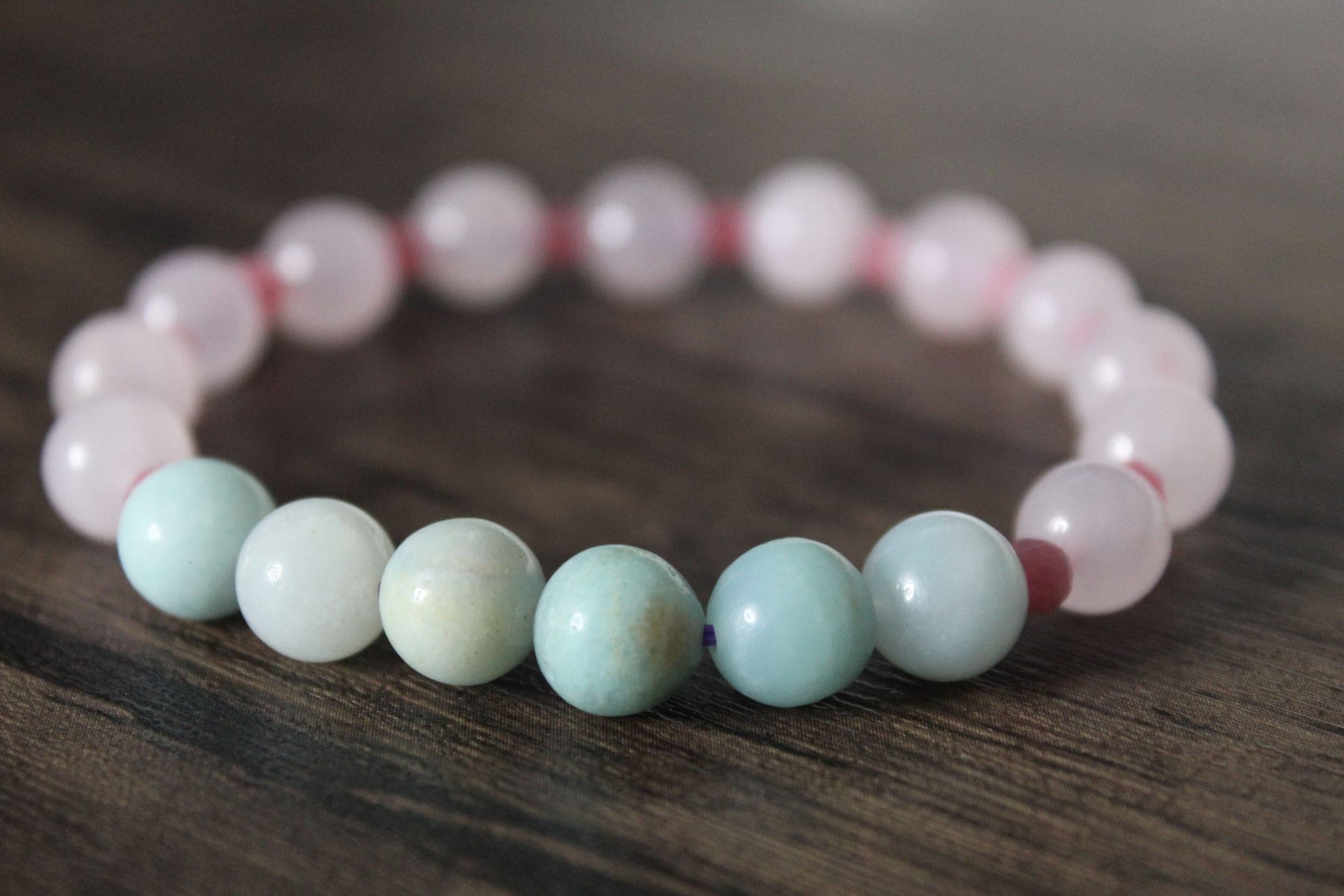
More Love Energy Bracelet
$33.00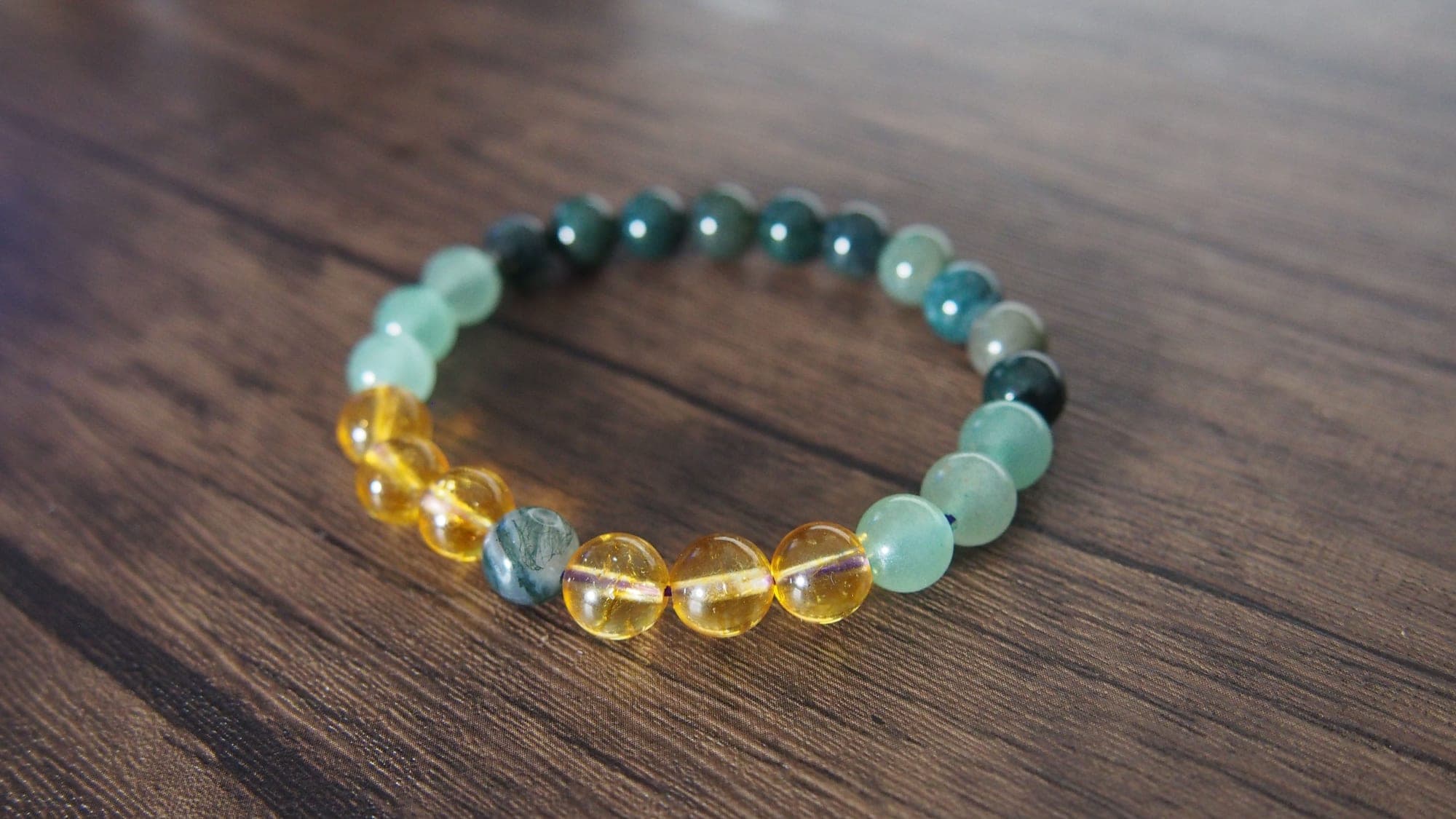
The Dinero Energy Bracelet
$33.00