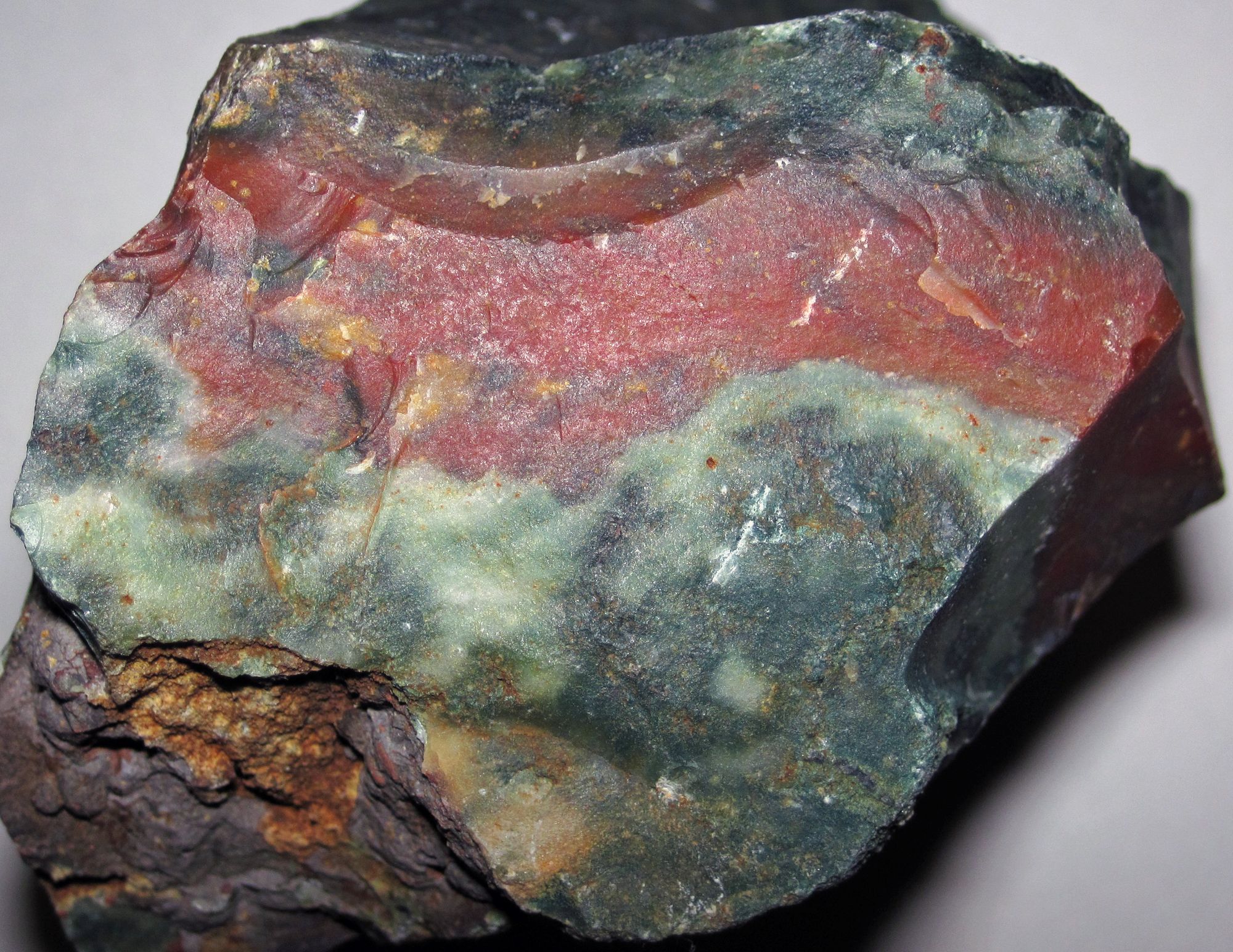
Peridot
Stone of Compassion and Abundance
Energy Focus
Meaning & uses
Peridot Meaning
Called "the gem of the sun" by the ancient Egyptians who mined it, Peridot is one of the very few gemstones that only ever comes in one color family — a vivid, sunlit green that's written directly into its chemistry rather than added by chance.
What Is Peridot?
Peridot is the gem-quality form of olivine, a magnesium iron silicate and one of the most abundant minerals in Earth's upper mantle. Its green color is unusually direct for a gemstone: most colored stones get their hue from trace impurities added to an otherwise colorless base mineral, but Peridot's iron content is a core structural part of the mineral itself, not an impurity. That's why Peridot only ever occurs in shades of green — there's no colorless or differently colored version of the same mineral the way there is with Quartz or Corundum.
Most Peridot reaches the surface carried up in volcanic basalt from deep in the mantle, but a small, genuinely remarkable amount arrives a different way entirely: pallasite meteorites, a rare type formed from the shattered core-mantle boundary of long-destroyed planetesimals, sometimes contain gem-quality olivine embedded directly in a nickel-iron matrix. Unlike Moldavite, whose "extraterrestrial" reputation is a common misconception, a small fraction of genuine Peridot really is meteorite material.

A Stone With a History
Peridot's oldest documented source is Zabargad, a small island in the Red Sea that ancient Egyptians mined for well over 3,000 years. Egyptian rulers reportedly guarded the island's location closely, and later accounts describe miners working at night to avoid detection by rival ships — details that carry a whiff of legend, though the island's status as an ancient, tightly controlled gem source is well documented.
That history left behind a genuinely famous case of mistaken identity. Modern gemologists now believe that several historical "emeralds," including some long attributed to Cleopatra's collection and large stones set into Cologne Cathedral's Shrine of the Three Kings, were actually Peridot from Zabargad rather than true Emerald — an understandable mix-up centuries before gem testing existed, and a reminder that even famous, well-documented treasures can be misidentified for generations.

Meaning and Symbolism
Peridot's "gem of the sun" epithet set the tone for everything that followed: a stone associated with warmth, positivity, and light rather than depth or mystery. Ancient Egyptians believed it protected against night terrors when set in gold, worn specifically to keep something bright between the wearer and the dark.
That sunny reputation has held steady into its modern meaning. Peridot isn't typically reached for during heavy emotional work the way Obsidian or Malachite are — it's associated with lighter, more outward-facing qualities: generosity, gratitude, and the kind of abundance that comes from staying open rather than guarding what you have.
Carried or worn to
- Attract abundance and good fortune
- Encourage compassion and generosity
- Lift mood and support a positive outlook
- Ease resentment and old grudges
Chakra, Zodiac & Element
Peridot is tied to both the Heart and Solar Plexus Chakras — Heart for its green color and compassionate reputation, Solar Plexus for the warmth and confidence carried over from its "gem of the sun" history. Its Earth element reflects its origin deep in the planet's mantle, about as literal a connection as this directory offers.
Astrologically it's linked to Leo, a sun-ruled sign that matches Peridot's solar reputation directly, along with Virgo and Libra. It's also one of the modern birthstones for August.
How to Use and Care for Peridot
At 6.5–7 on the Mohs scale, Peridot is durable enough for daily wear in rings, bracelets, or pendants, holding up comparably well to quartz-family stones like Agate or Citrine. It's generally water-safe for a quick rinse, though ultrasonic cleaners are worth avoiding for stones that have been clarity-enhanced, which is common enough in the trade to ask about before assuming a piece hasn't been treated.
Given its association with warmth and positivity rather than intense or occasional work, Peridot is traditionally worn continuously as an everyday stone rather than reserved for specific rituals.
Frequently Asked Questions
Is Peridot really from meteorites?
Why does Peridot only come in green?
Is Peridot a birthstone?
Was Cleopatra's emerald actually Peridot?
Is Peridot safe to wear every day?
What chakra is Peridot associated with?
A stone that wears its sunniness honestly — the color runs all the way through.
Shop by energy
Bracelets for the Heart and Solar Plexus chakras
We don't have a Peridot bracelet yet. These share its Heart or Solar Plexus chakra energy.
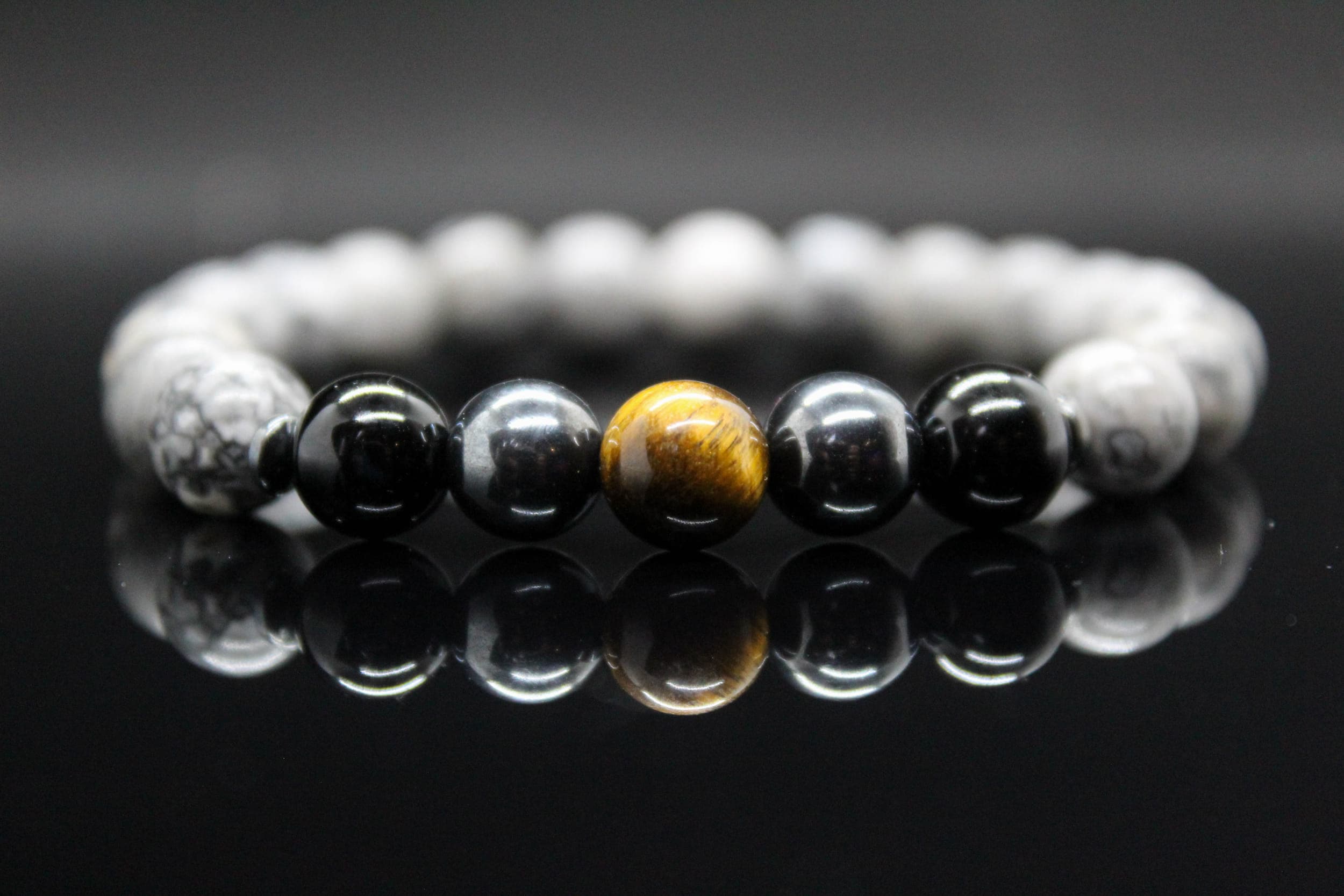
Energetic Balance Energy Bracelet
$24.00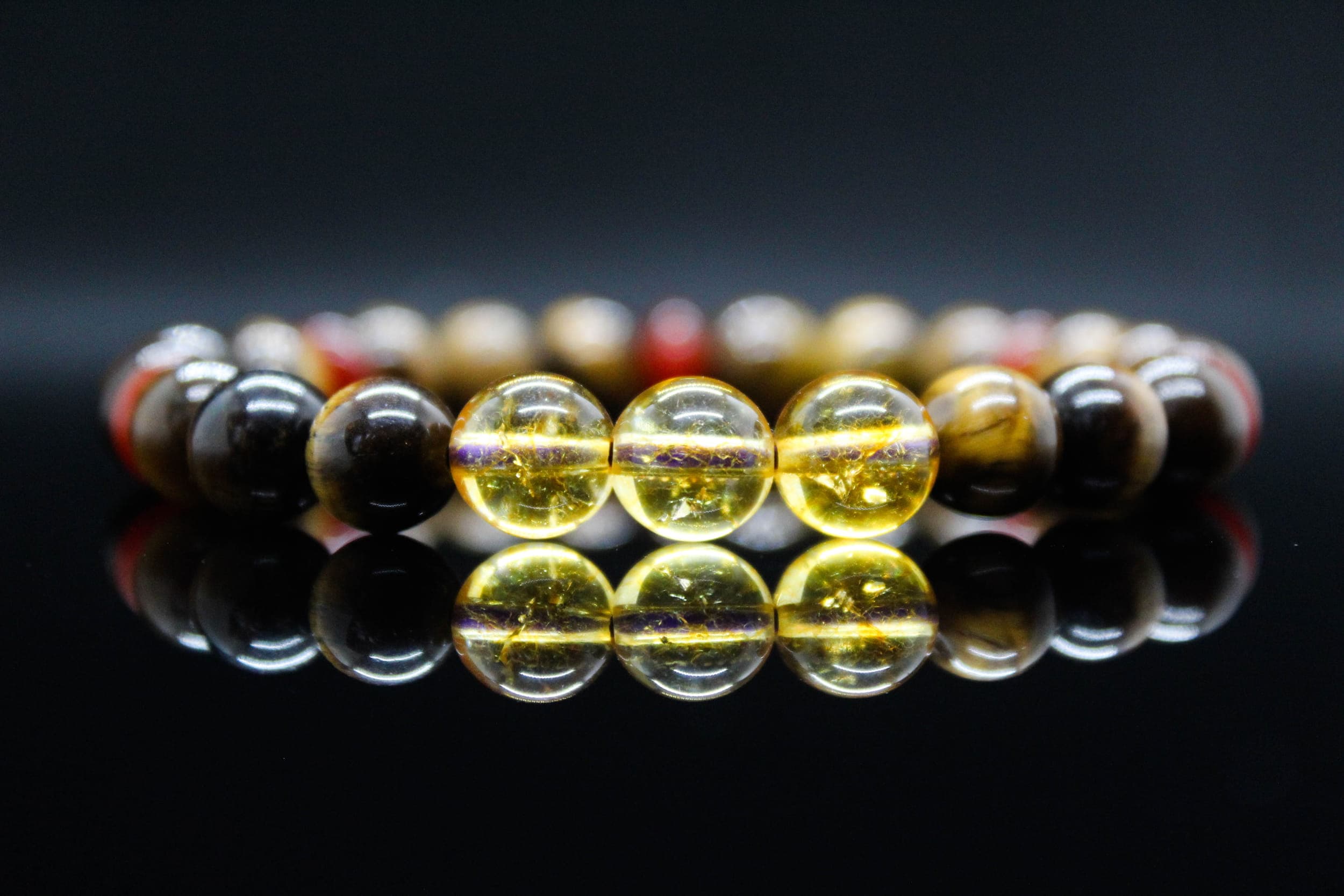
Focus Manifest Energy Bracelet
$24.00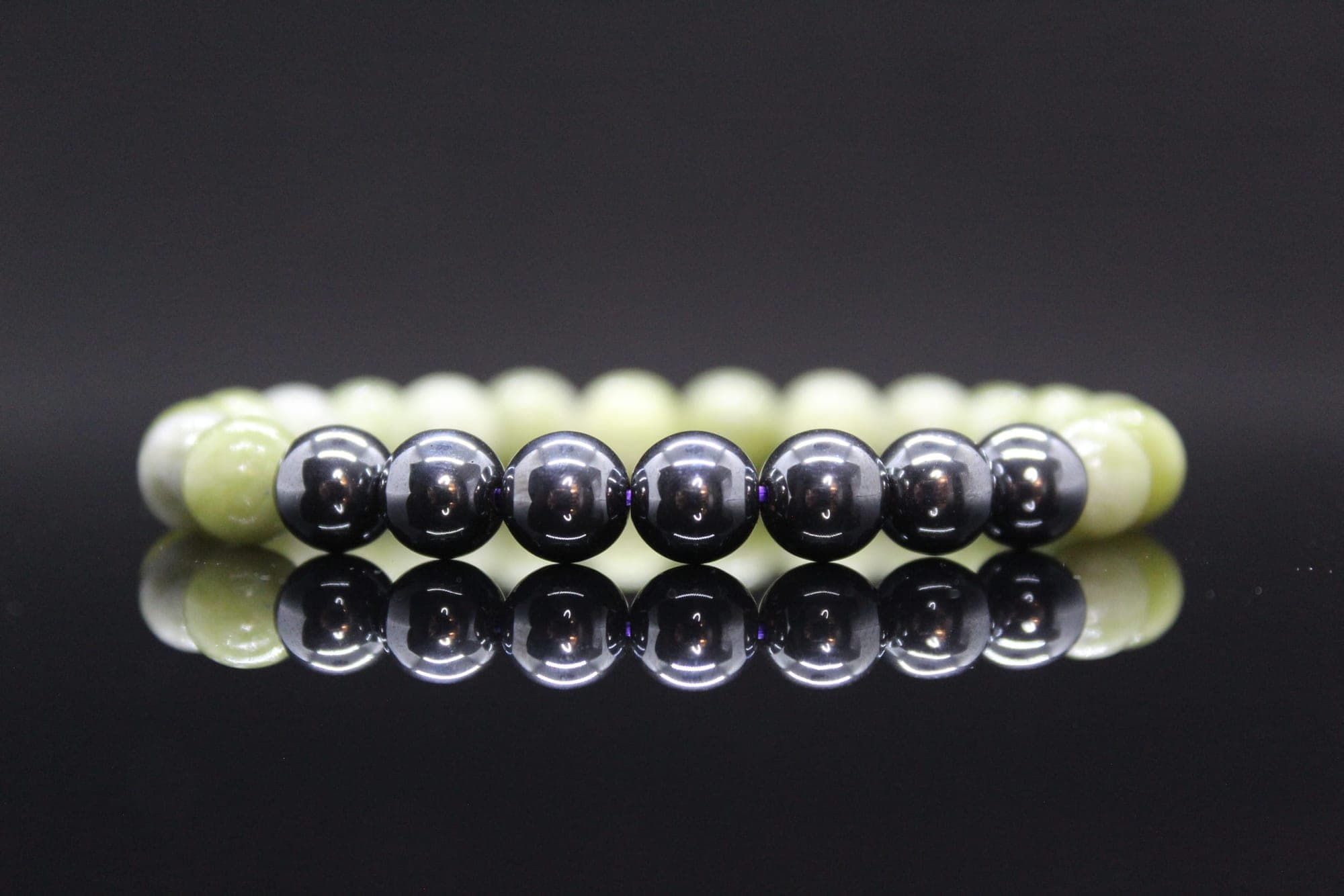
Life Force Energy Bracelet
$24.00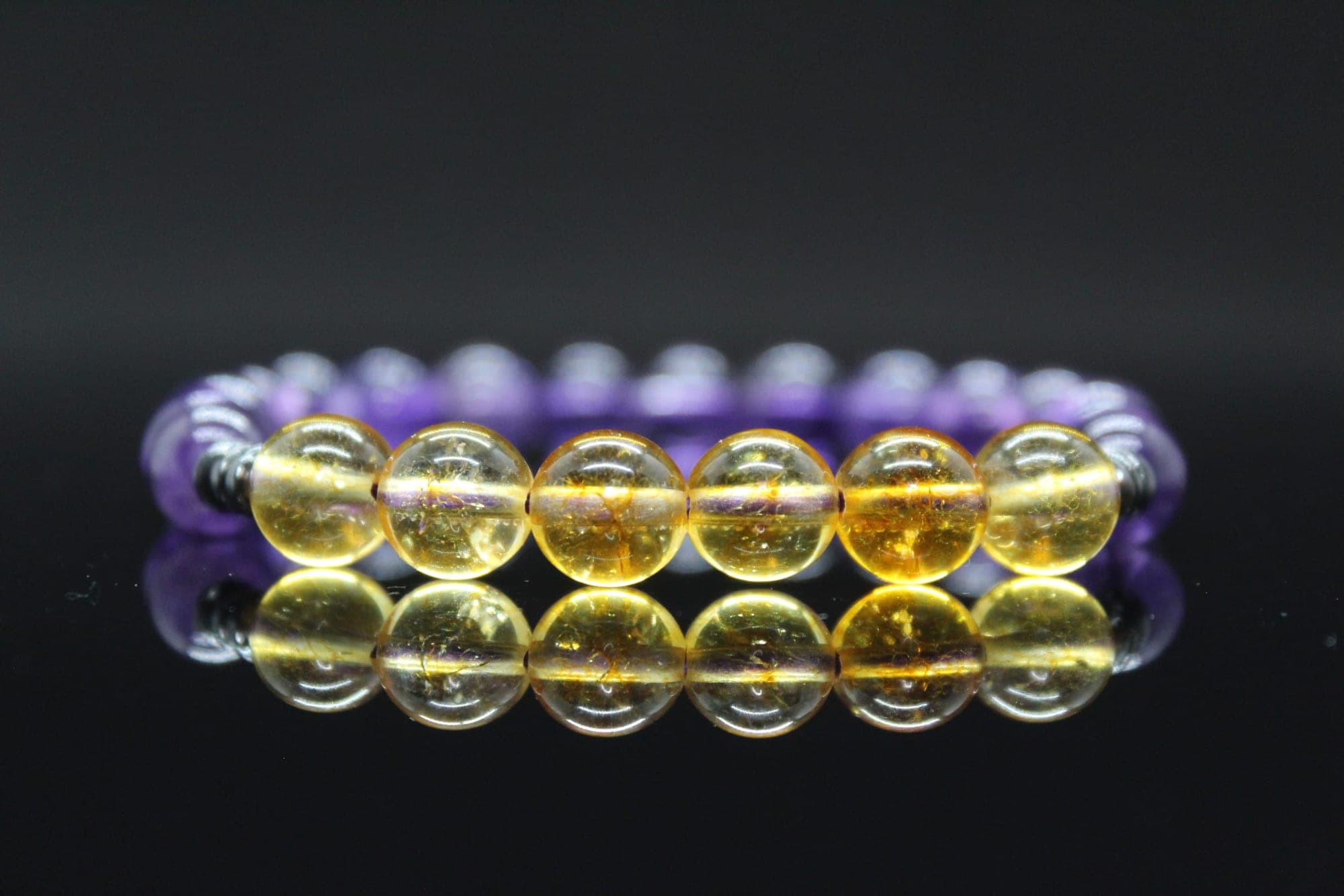
Clear Thoughts Energy Bracelet
$33.00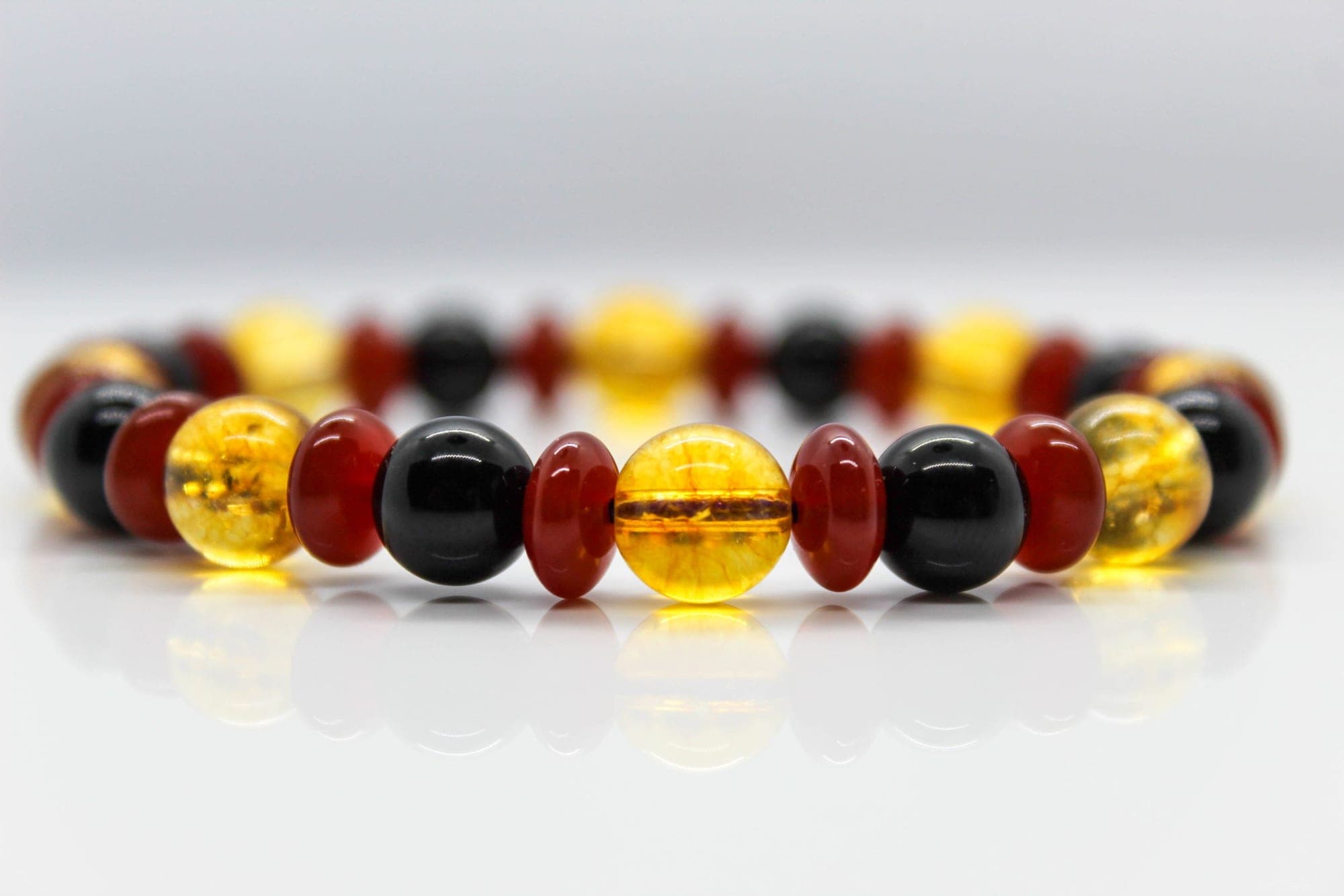
Protective Manifestation Energy Bracelet
$33.00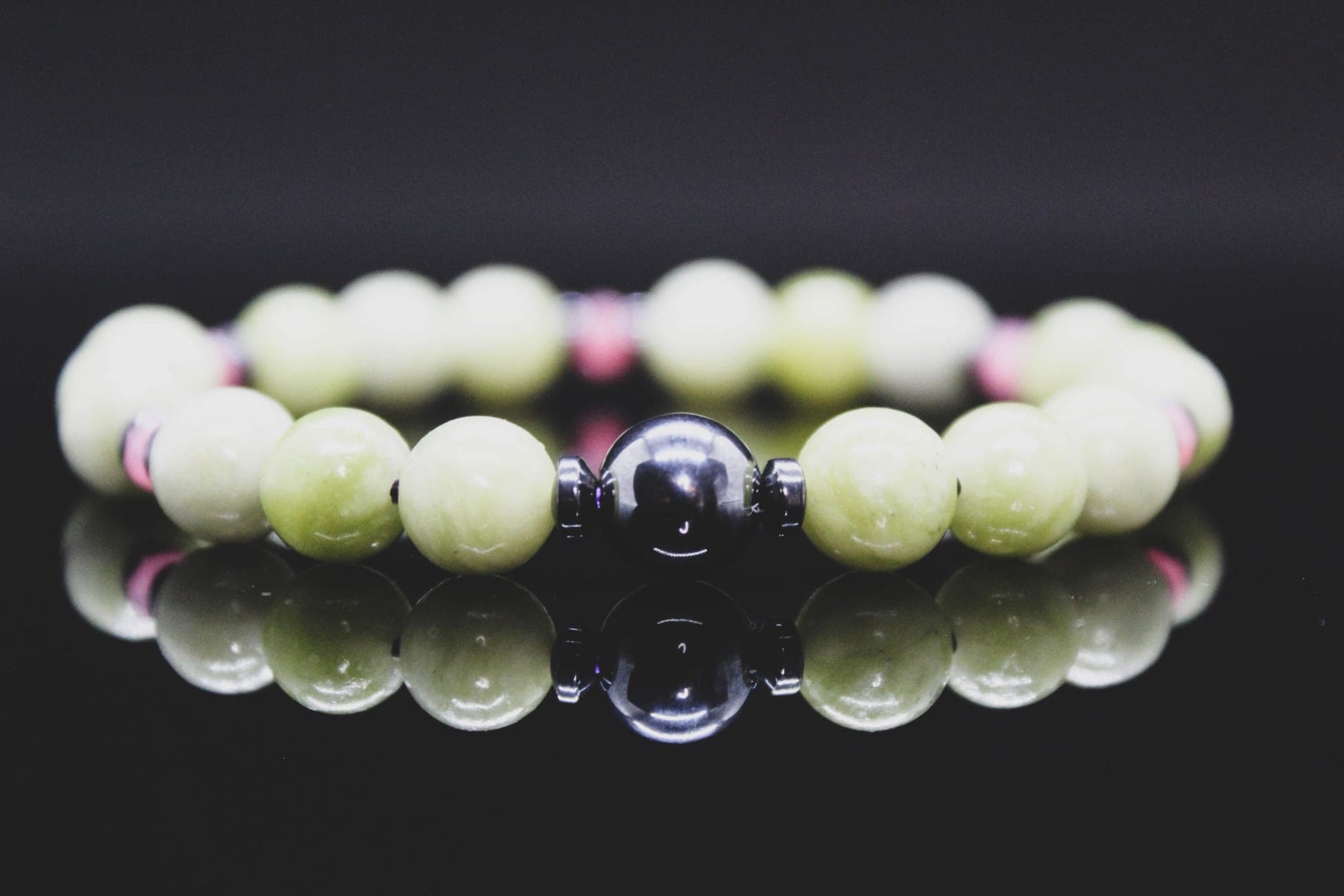
Grounding Love Energy Bracelet
$33.00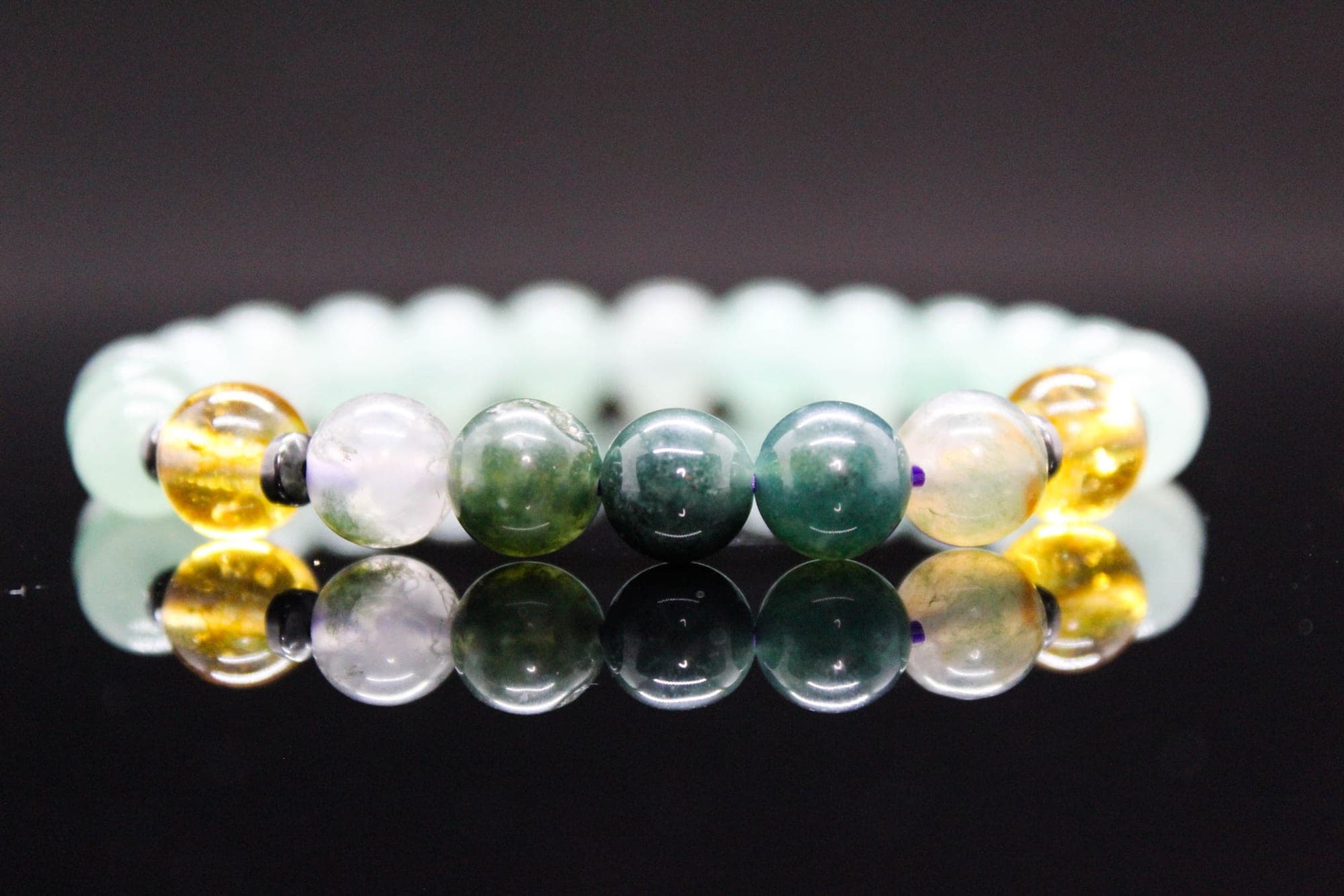
The Opulence Energy Bracelet
$33.00