Photo: Tiia Monto · CC BY-SA 3.0 · Wikimedia Commons
Opal
Stone of Inspiration
Energy Focus
Meaning & uses
Opal Meaning
No two Opals ever flash quite the same way — its shifting rainbow of color comes from a microscopic structure unlike any other gemstone in this directory.
What Is Opal?
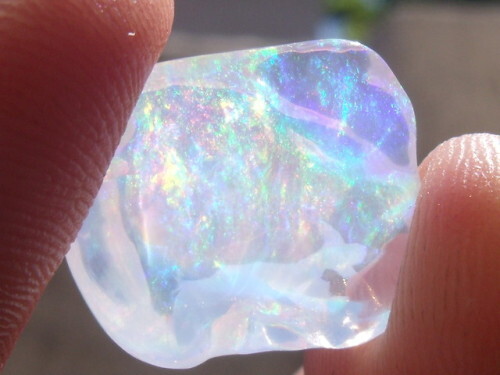
Opal is hydrated silica — chemically related to Quartz, but amorphous rather than crystalline, meaning it lacks the ordered atomic lattice that makes Quartz a true crystal. Precious Opal's signature "play of color" comes from a microscopic internal structure of tiny, evenly stacked silica spheres that diffract light into flashes of spectral color as the stone moves — an optical effect unrelated to how any other gemstone in this directory produces color.
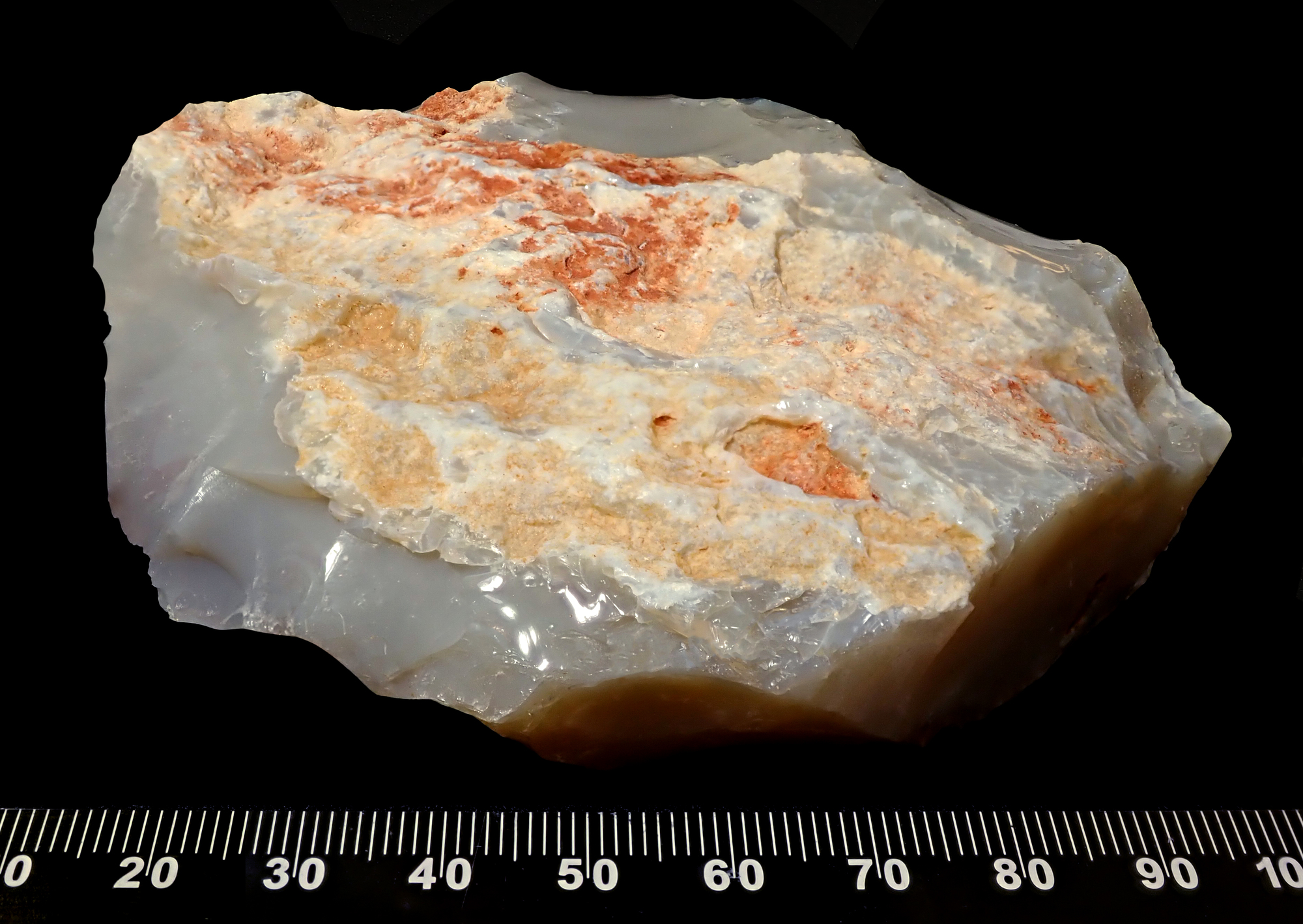
Opal also holds a genuinely unusual amount of water within that silica structure, typically 3 to 21 percent by weight — enough that extreme drying or sudden temperature change can cause it to crack internally, a phenomenon gemologists call crazing.
A Stone With a History
Opal has been valued since antiquity, and the Romans in particular considered it a symbol of hope, purity, and good fortune, believing it held the combined powers and colors of every other gemstone. Pliny the Elder wrote admiringly of Opal's shifting color, comparing it to fire, the deepest blue of the sea, and the purple of amethyst all at once.
That reputation shifted sharply in 19th-century Europe after Sir Walter Scott's 1829 novel Anne of Geierstein featured an enchanted Opal linked to misfortune — a piece of fiction popular enough to spark a real, if temporary, dip in Opal sales across Europe, an unusually direct case of literature affecting a gemstone market.
Meaning and Symbolism
Opal's meaning follows its optical character closely: a stone of inspiration, imagination, and emotional expression, prized for amplifying whatever feeling or intention it's carried with rather than settling on one fixed meaning. Its shifting, unpredictable color has long been read as a symbol of creativity and spontaneity.
Because it amplifies emotion so readily, Opal has a traditional reputation as a stone that responds strongly to the wearer's own state — worn well by someone in a settled, positive place, and traditionally treated with more caution during emotionally turbulent times.
Carried or worn to
- Spark inspiration and creative expression
- Deepen emotional insight and intuition
- Encourage spontaneity and openness to change
- Amplify intention and personal energy
Chakra, Zodiac & Element
Opal is tied to the Crown Chakra, its shifting internal light a fitting match for higher awareness and inspiration. Its Water element is a direct reflection of its own composition — Opal is one of the only gemstones in this directory that genuinely contains a meaningful percentage of water within its structure.
Astrologically it's linked to Libra, a sign associated with balance and aesthetic sensitivity that suits Opal's famously changeable beauty.
How to Use and Care for Opal
At 5.5–6.5 on the Mohs scale, Opal is noticeably softer and more delicate than most gemstones in this directory, and its water content makes it uniquely sensitive to its environment: avoid prolonged direct sunlight, very dry air, and sudden temperature swings, all of which can cause the internal crazing that dulls or cracks a stone. Ultrasonic cleaners are a firm no.
A soft cloth and lukewarm water is the safest way to clean Opal, and it's worth removing before activities that risk knocks, heat, or harsh chemicals — a well-set pendant or earrings generally suit it better than an everyday ring.
Frequently Asked Questions
Why does Opal flash different colors?
Can Opal actually crack from dryness?
Is Opal bad luck?
Is Opal safe to wear every day?
Is Opal a birthstone?
Where does the finest Opal come from?
A stone that never settles on one color, because it was never meant to.
Shop by energy
Bracelets for the Crown chakra
We don't have an Opal bracelet yet. These share its Crown chakra energy.
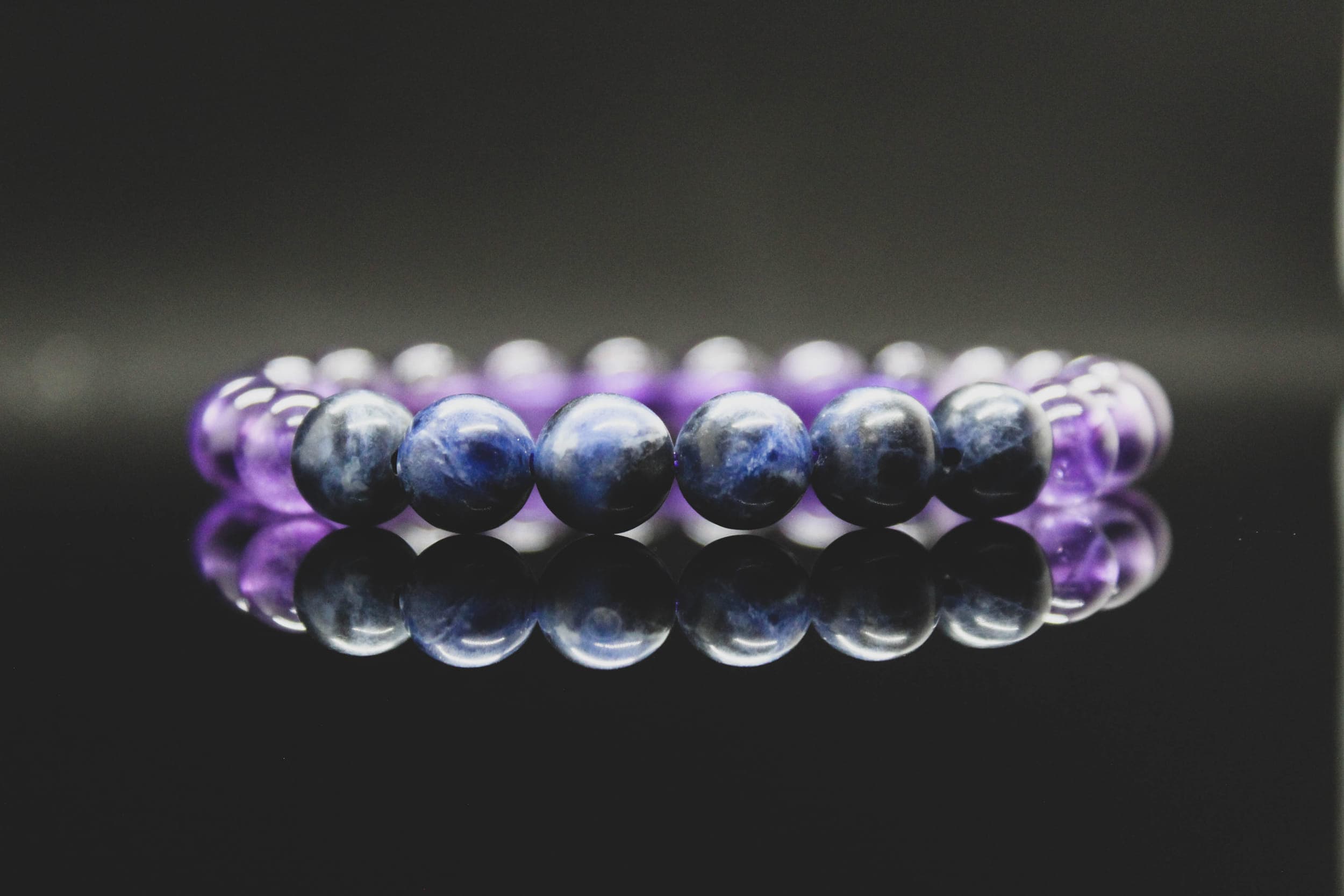
Creative Balance Energy Bracelet
$24.00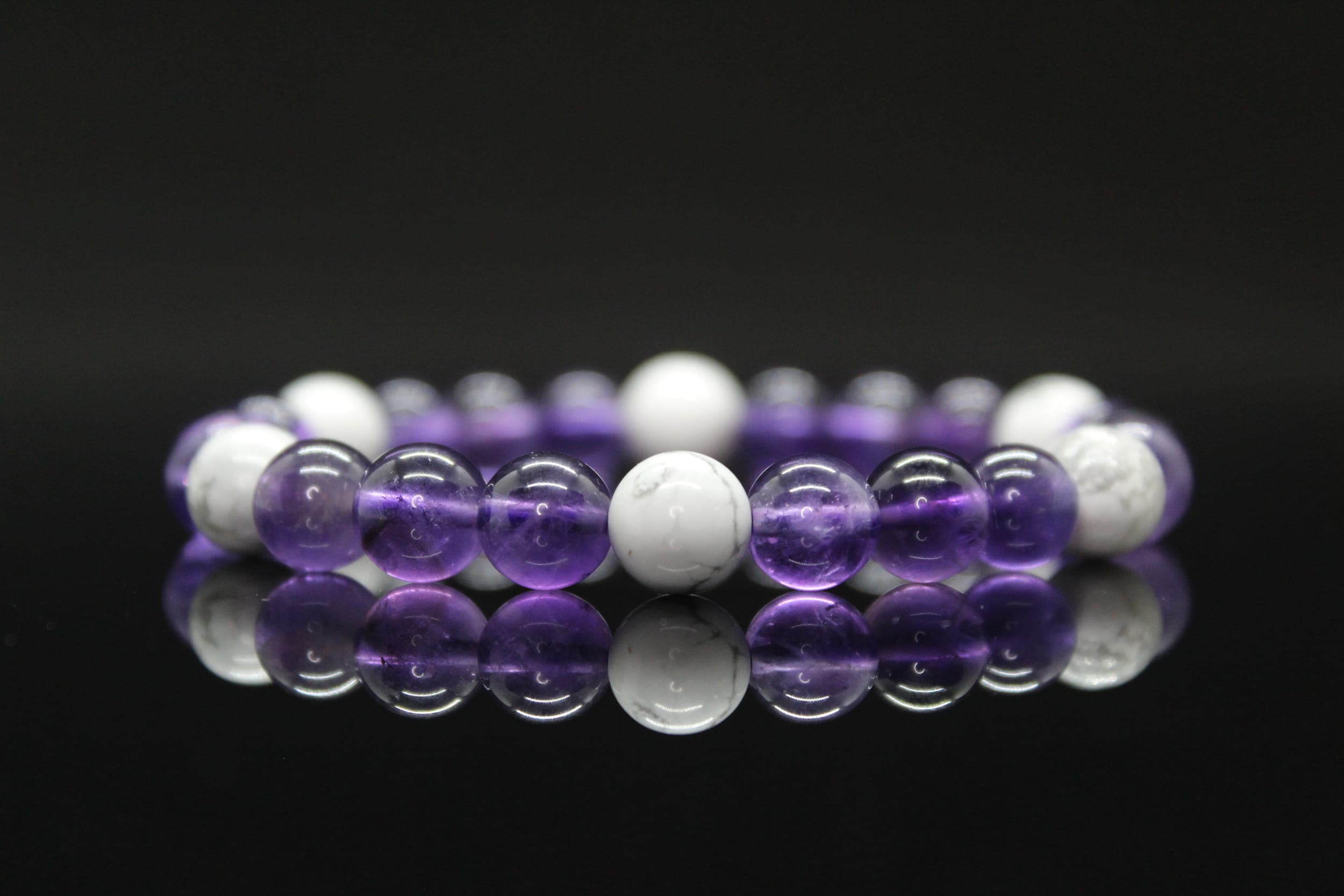
Higher Self Energy Bracelet
$24.00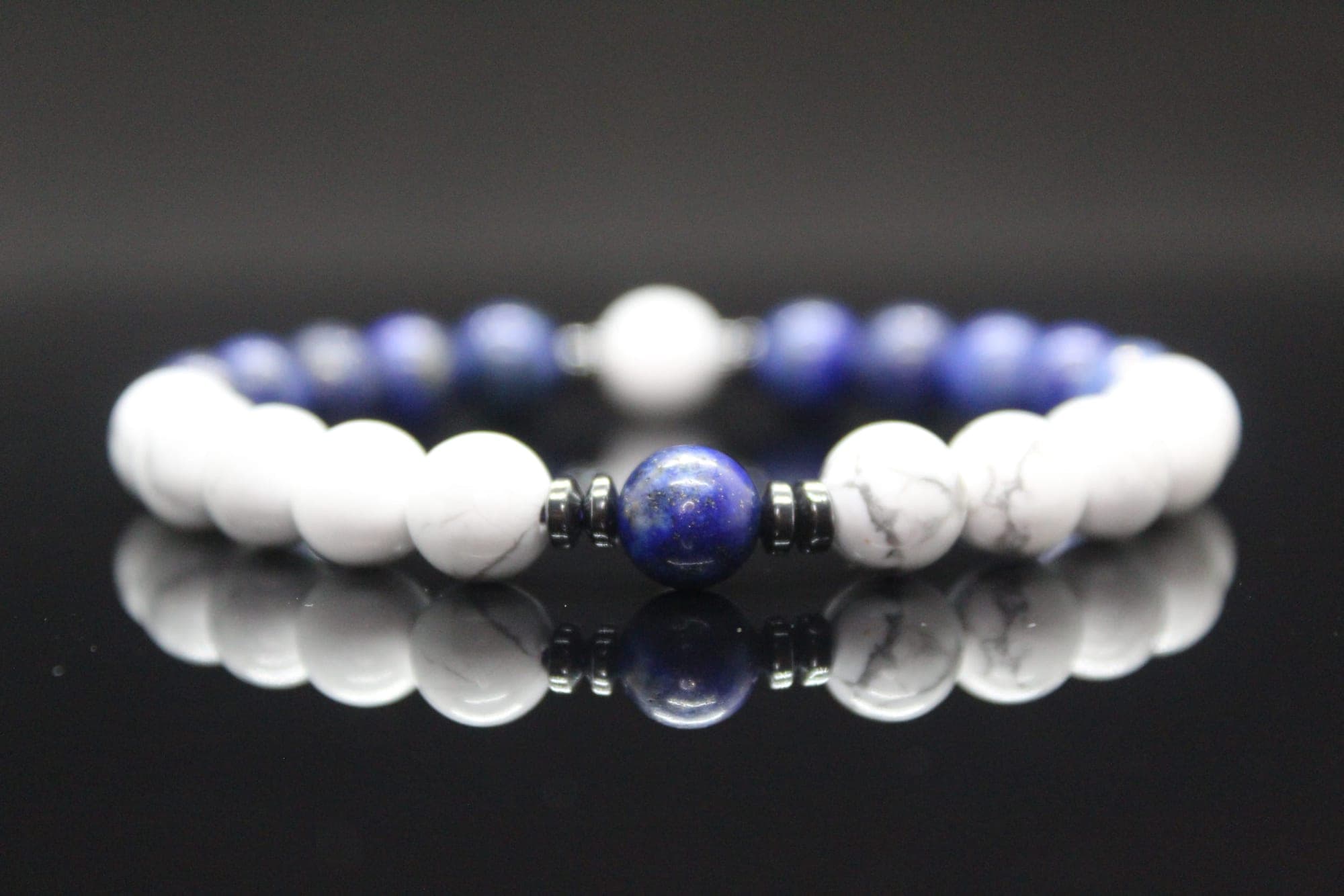
Divine Harmony Energy Bracelet
$24.00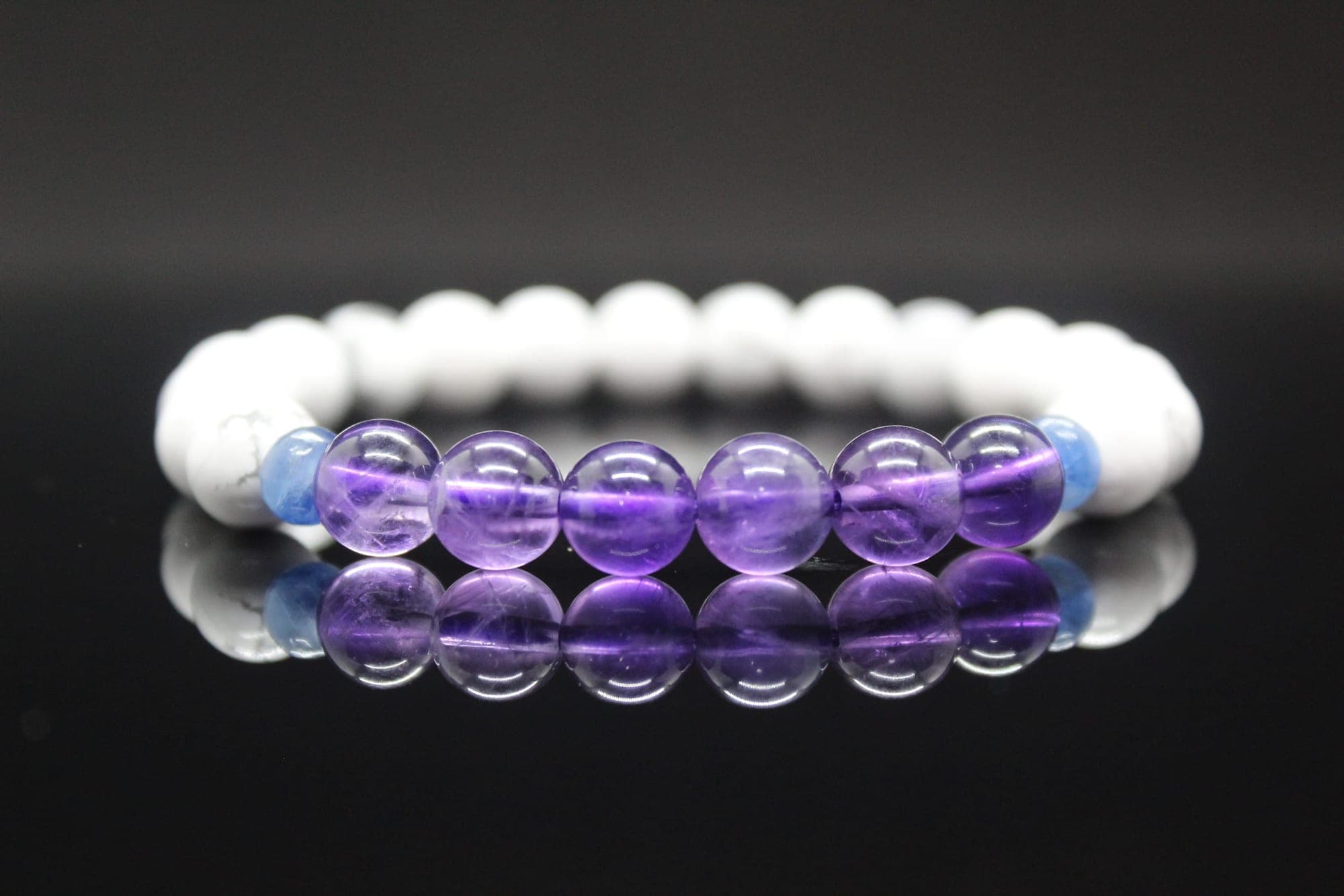
The Crown Energy Bracelet
$24.00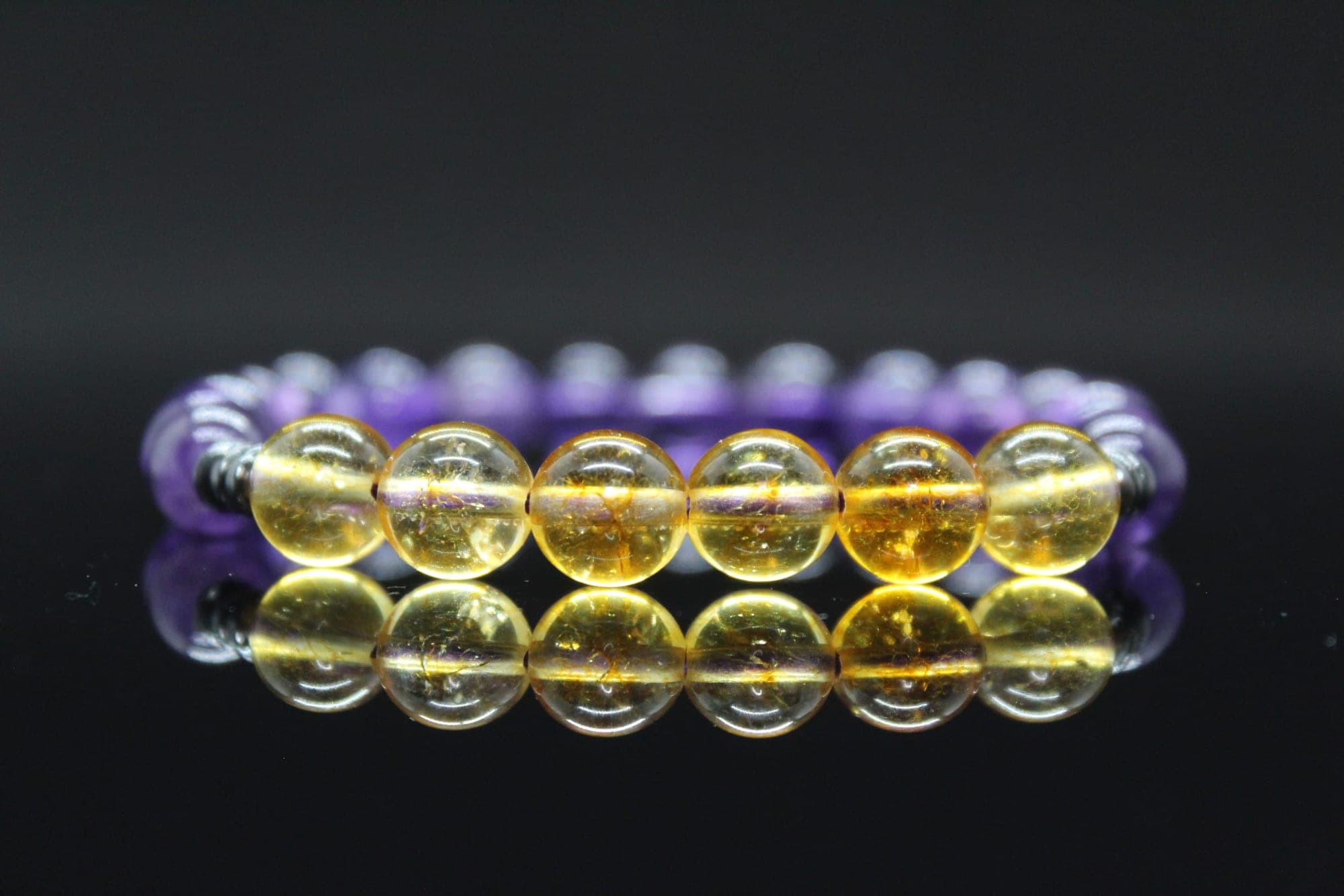
Clear Thoughts Energy Bracelet
$33.00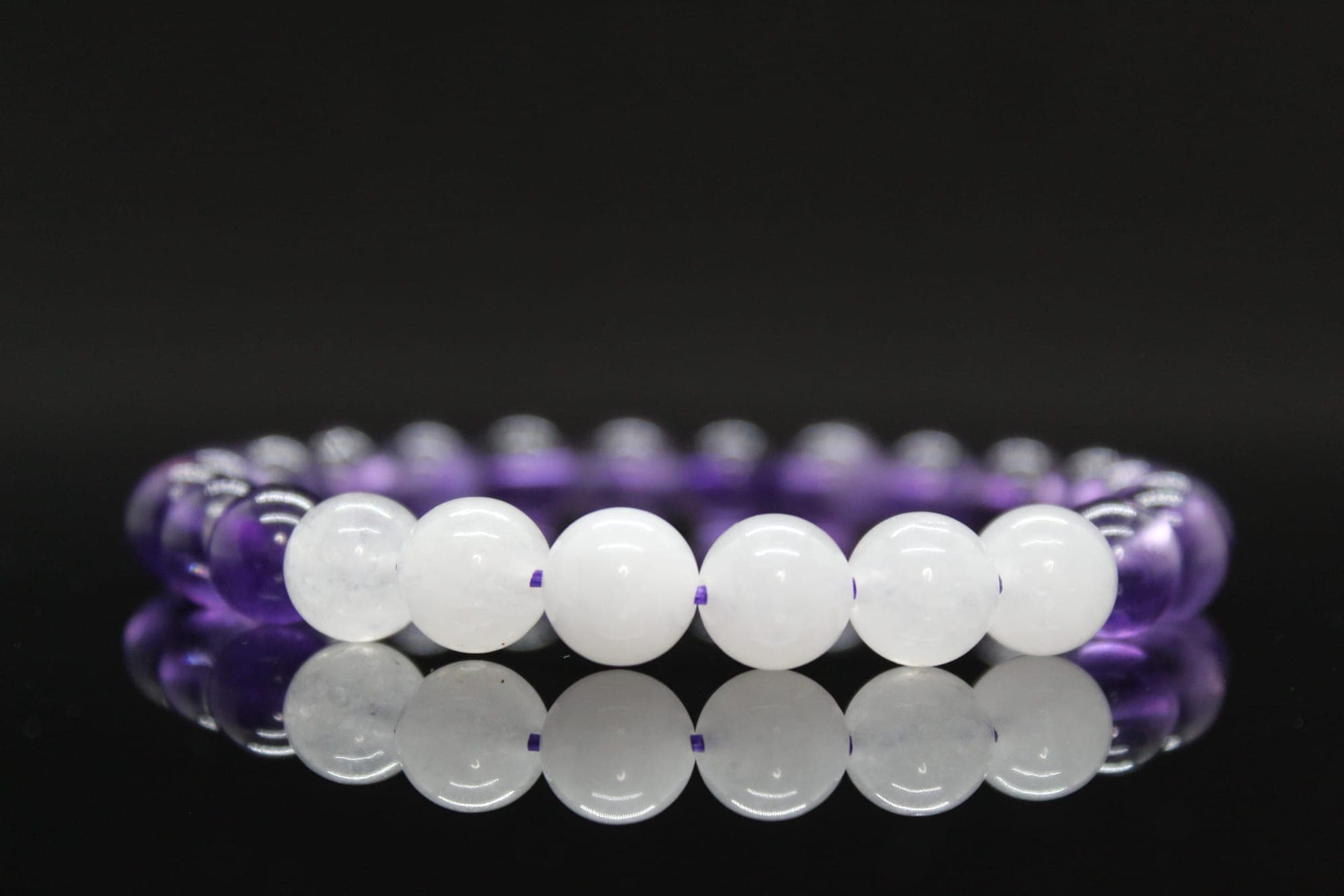
Divine Calming Energy Bracelet
$24.00
Divine Thoughts Energy Bracelet
$33.00