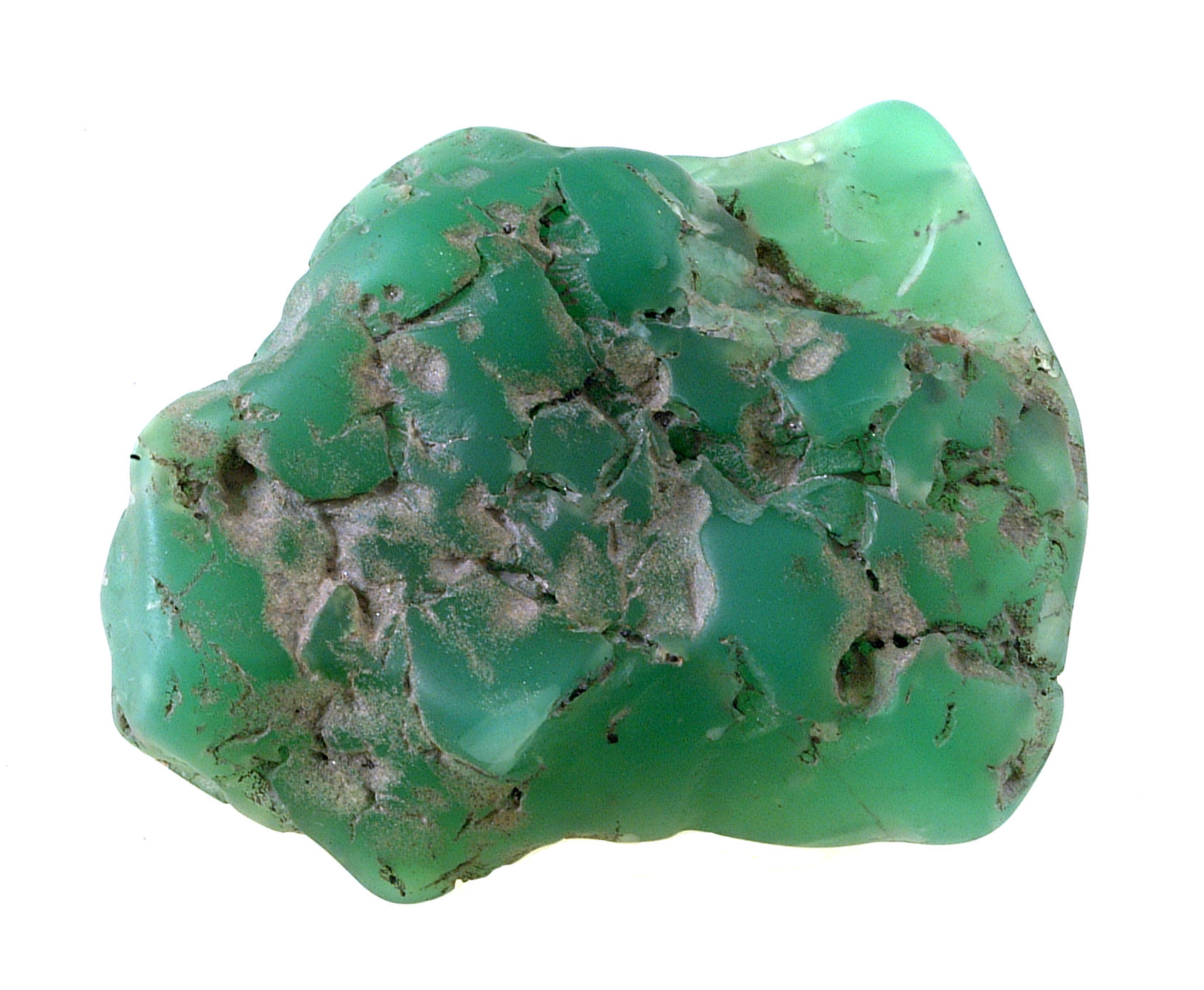
Photo: Robert M. Lavinsky · CC BY-SA 3.0 · Wikimedia Commons
Meaning & uses
Morganite Meaning
A soft pink-to-peach variety of beryl named for financier J.P. Morgan, Morganite carries the same gentle, heart-centered reputation as Rose Quartz with the added brilliance of a true gemstone.
What Is Morganite?
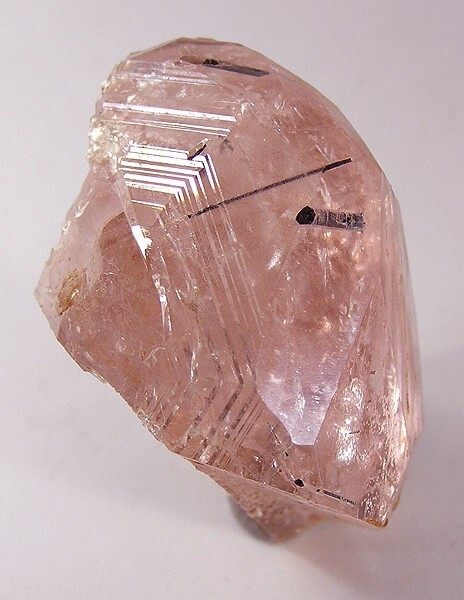
Morganite is a variety of beryl — the same mineral family as Emerald and Aquamarine — colored a soft pink to peach by trace manganese. It was named in 1911 by gemologist George Frederick Kunz, the same expert who identified Kunzite nine years earlier, who chose the name to honor financier and gem collector J.P. Morgan after Morgan donated a significant gem collection to the American Museum of Natural History.
Like other beryl varieties, Morganite forms in granite pegmatites — coarse-grained igneous rock that allows crystals unusually long, slow growth — and larger, more transparent specimens are prized for faceted jewelry in a way few other pink gemstones can match.
A Stone With a History
Morganite has a short but eventful history compared to most stones in this directory — deposits found in Madagascar in the early 20th century were the first significant source, quickly followed by California, where the stone was formally named. Its popularity grew steadily through the 20th century as major deposits were later found in Brazil, which today supplies much of the material on the market, including exceptionally large, fine-colored specimens that have set records at gem auctions.
Because true Morganite deposits are less common than some other colored gemstones, particularly large or vividly colored stones remain genuinely rare and valuable.
Meaning and Symbolism
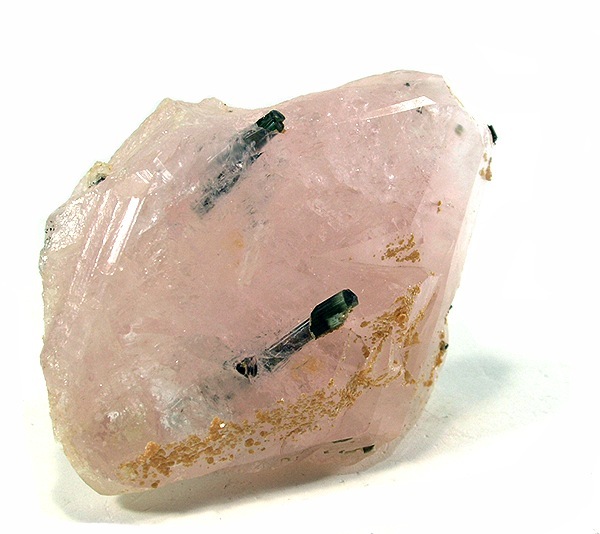
Morganite's soft pink color has given it a reputation closely aligned with Rose Quartz — unconditional love, emotional healing, and gentle self-compassion — though as a harder, more brilliant gemstone, it's often read as carrying that same energy with more clarity and confidence behind it. It's traditionally associated with divine or unconditional love specifically, a step beyond romantic love alone.
That gentle reputation has made Morganite an increasingly popular choice for engagement jewelry among people looking for a soft alternative to traditional diamond or sapphire, valued for the same emotional symbolism as much as its color.
Carried or worn to
- Open the heart to unconditional love
- Support emotional healing and self-compassion
- Ease anxiety in relationships
- Encourage gentle, confident self-expression
Chakra, Zodiac & Element
Morganite is tied to the Heart Chakra, its soft pink color a direct match for gentle, unconditional love. Its Earth element reflects the patient, grounded growth shared by other beryl-family stones like Emerald.
Astrologically it's linked to Taurus and Libra — Taurus for steady, loyal love, Libra for the balance and harmony central to Morganite's romantic reputation.
How to Use and Care for Morganite
At 7.5–8 on the Mohs scale, Morganite is a genuinely durable gemstone, well suited to daily wear including engagement and everyday rings, and considerably more resistant to everyday knocks than softer heart-stones like Rhodochrosite or Kunzite. It's generally safe to clean with warm, soapy water, though ultrasonic cleaners are best avoided if a stone has any visible inclusions.
Frequently Asked Questions
Who was Morganite named after?
Is Morganite the same as Rose Quartz?
Is Morganite safe to wear every day?
Where does Morganite come from?
What chakra is Morganite associated with?
A gemstone soft in color but genuinely durable in hand — gentleness with real staying power.
Shop by energy
Bracelets for the Heart chakra
We don't have a Morganite bracelet yet. These share its Heart chakra energy.
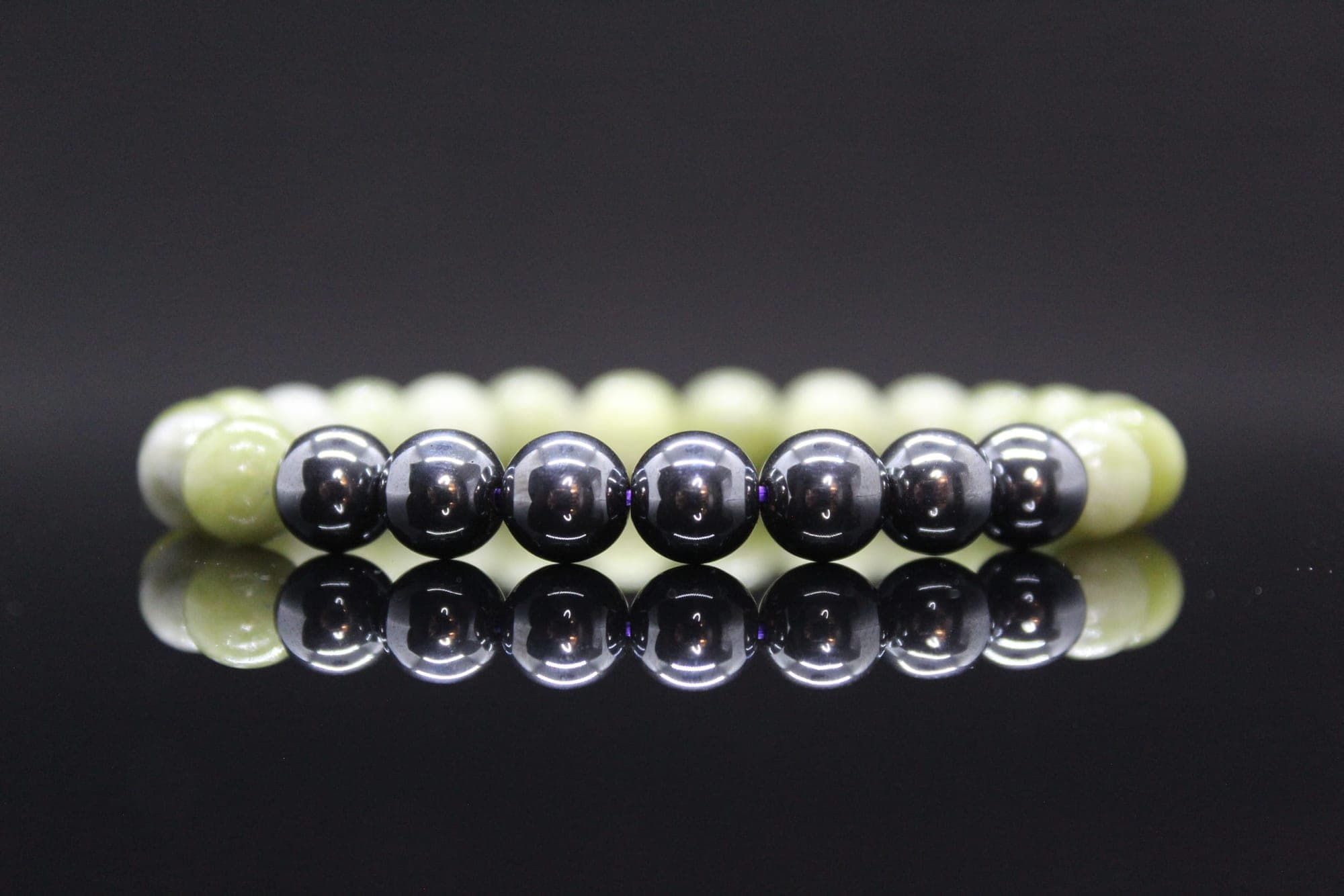
Life Force Energy Bracelet
$24.00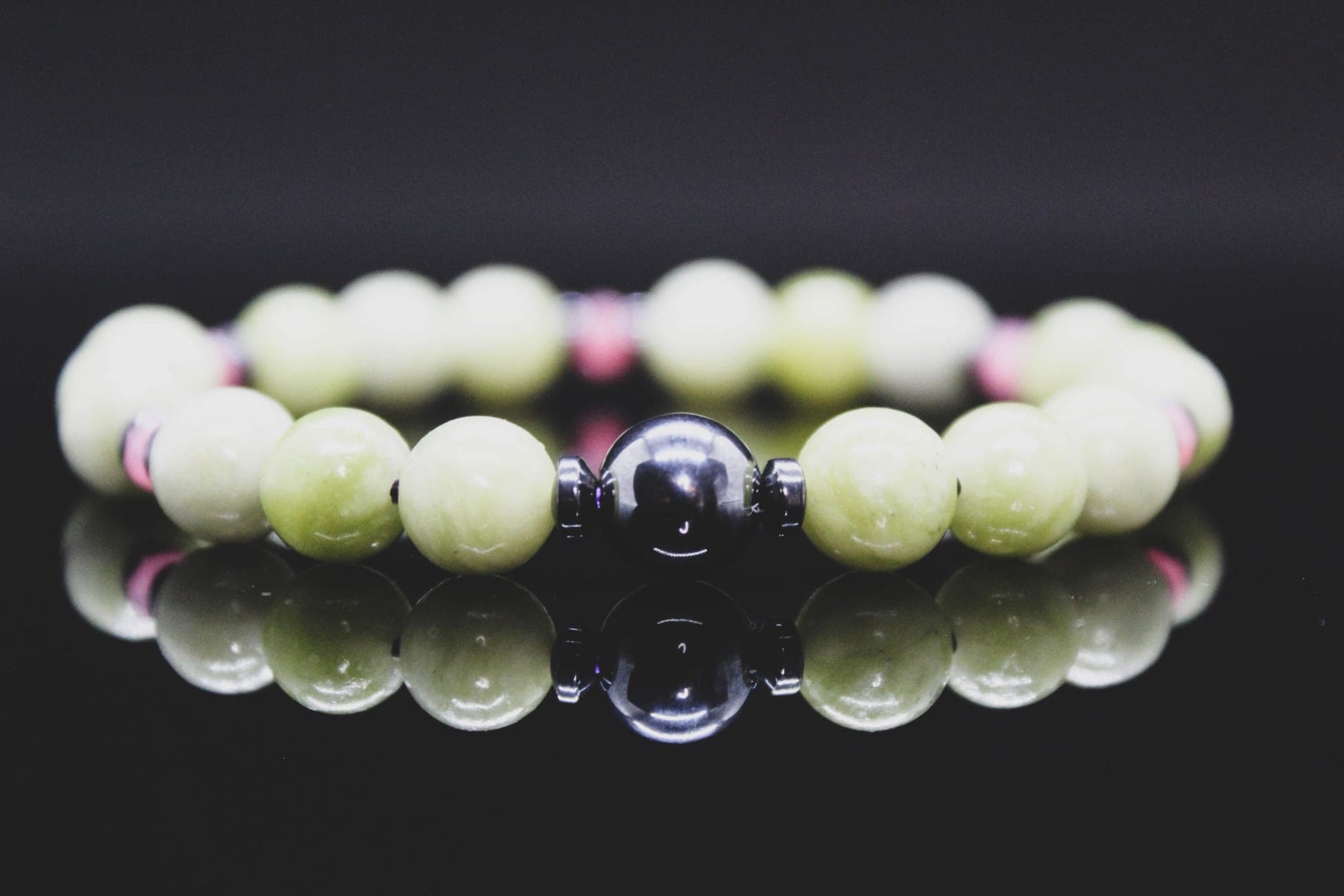
Grounding Love Energy Bracelet
$33.00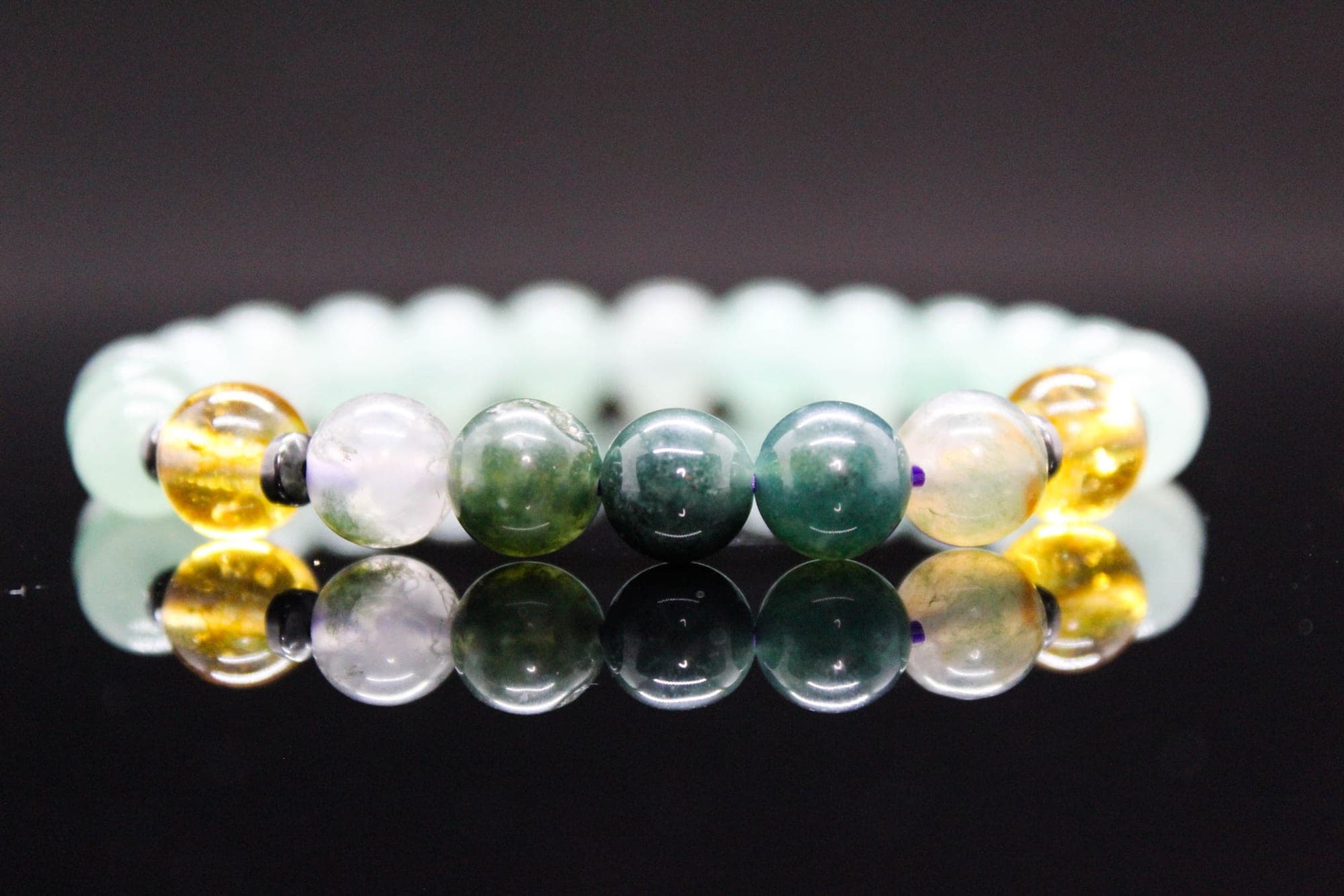
The Opulence Energy Bracelet
$33.00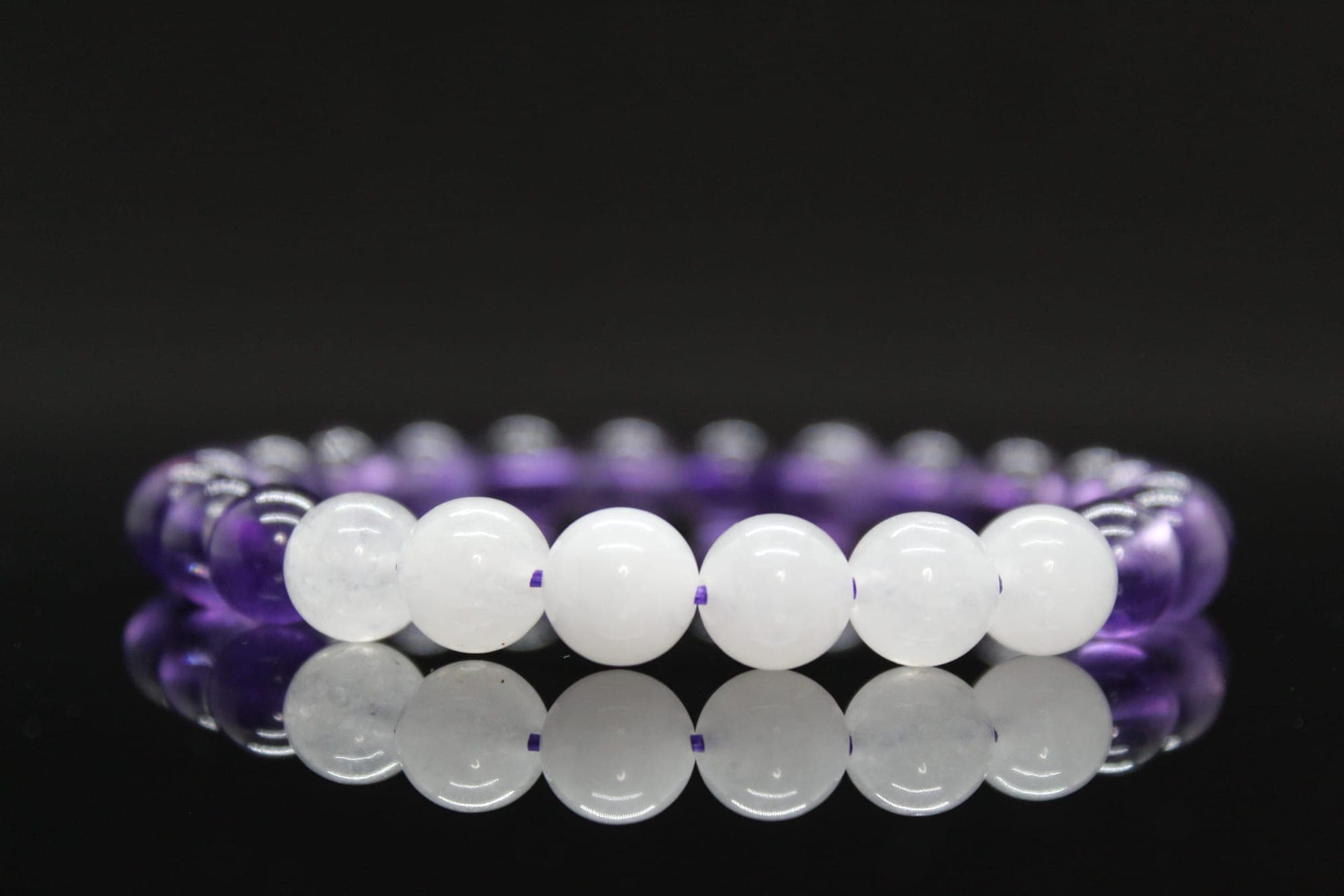
Divine Calming Energy Bracelet
$24.00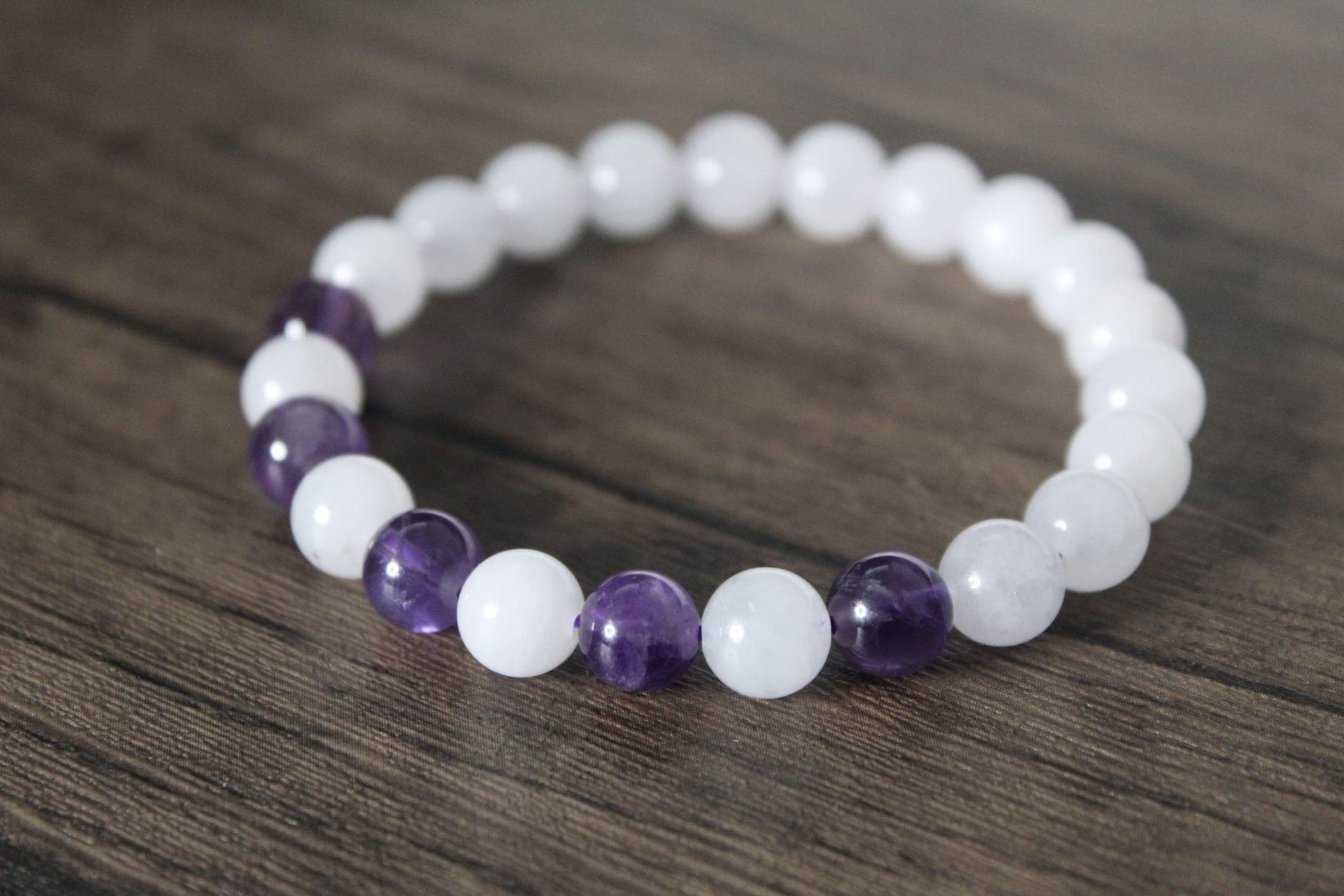
Divine Thoughts Energy Bracelet
$33.00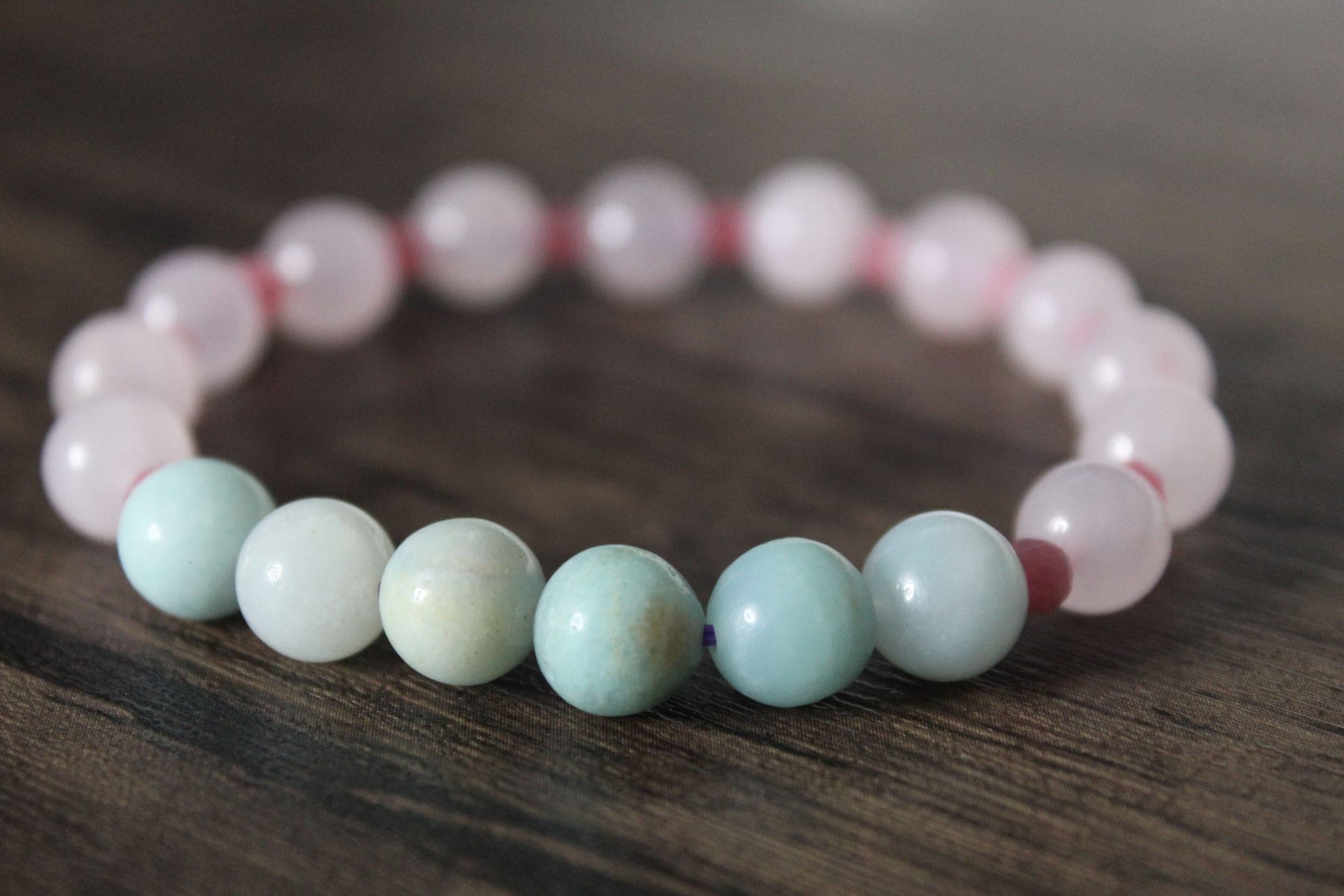
More Love Energy Bracelet
$33.00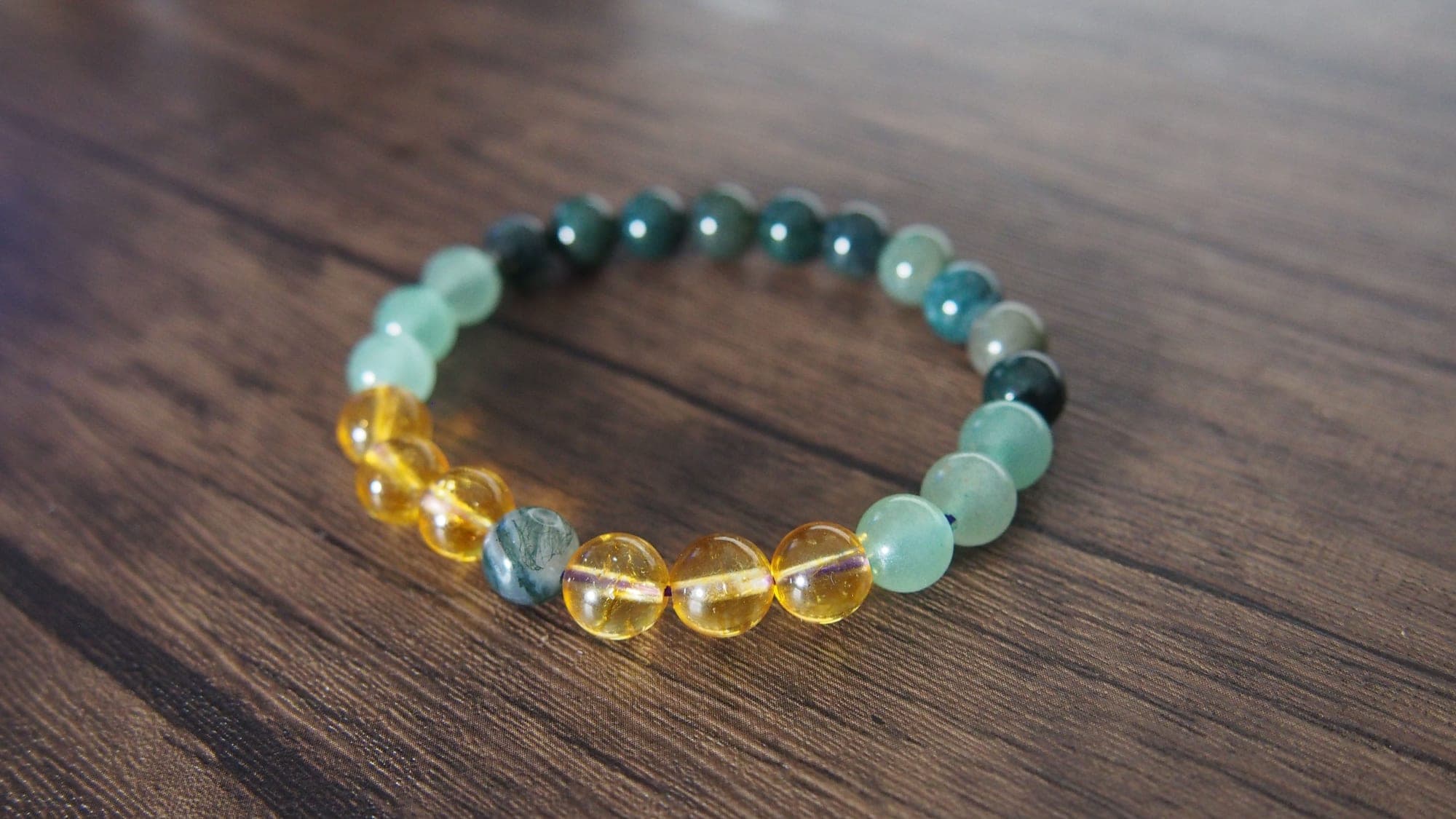
The Dinero Energy Bracelet
$33.00