Photo: Renee Kiffin · Unsplash License · Unsplash
Moonstone
Stone of New Beginnings
Meaning & uses
Moonstone Meaning
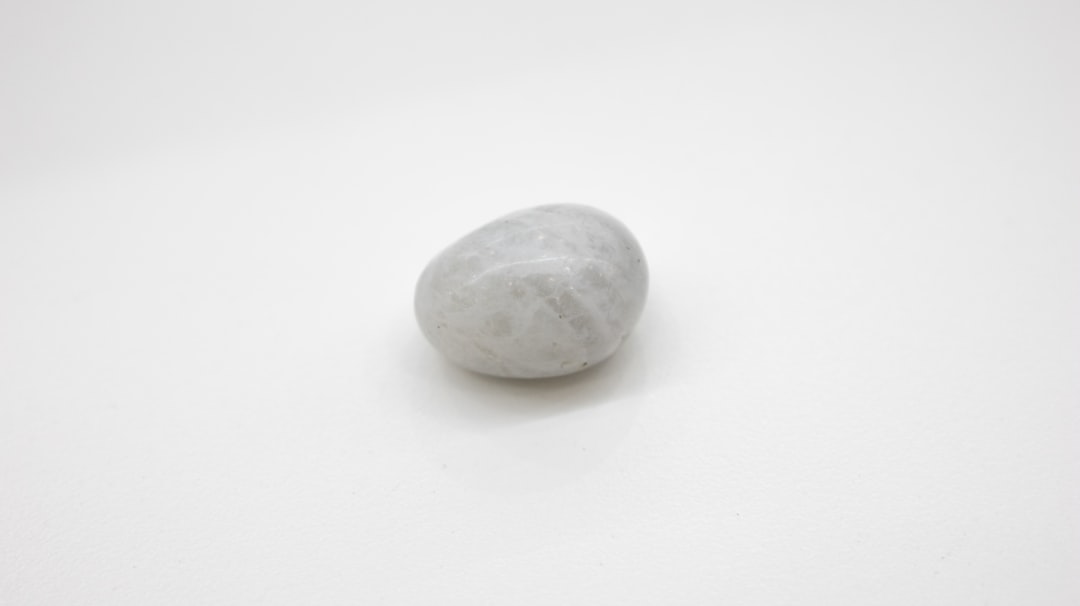
Its soft, floating glow has convinced civilizations on opposite sides of the world that Moonstone was made from actual moonlight — a legend the stone still seems to earn every time it catches the light.
What Is Moonstone?
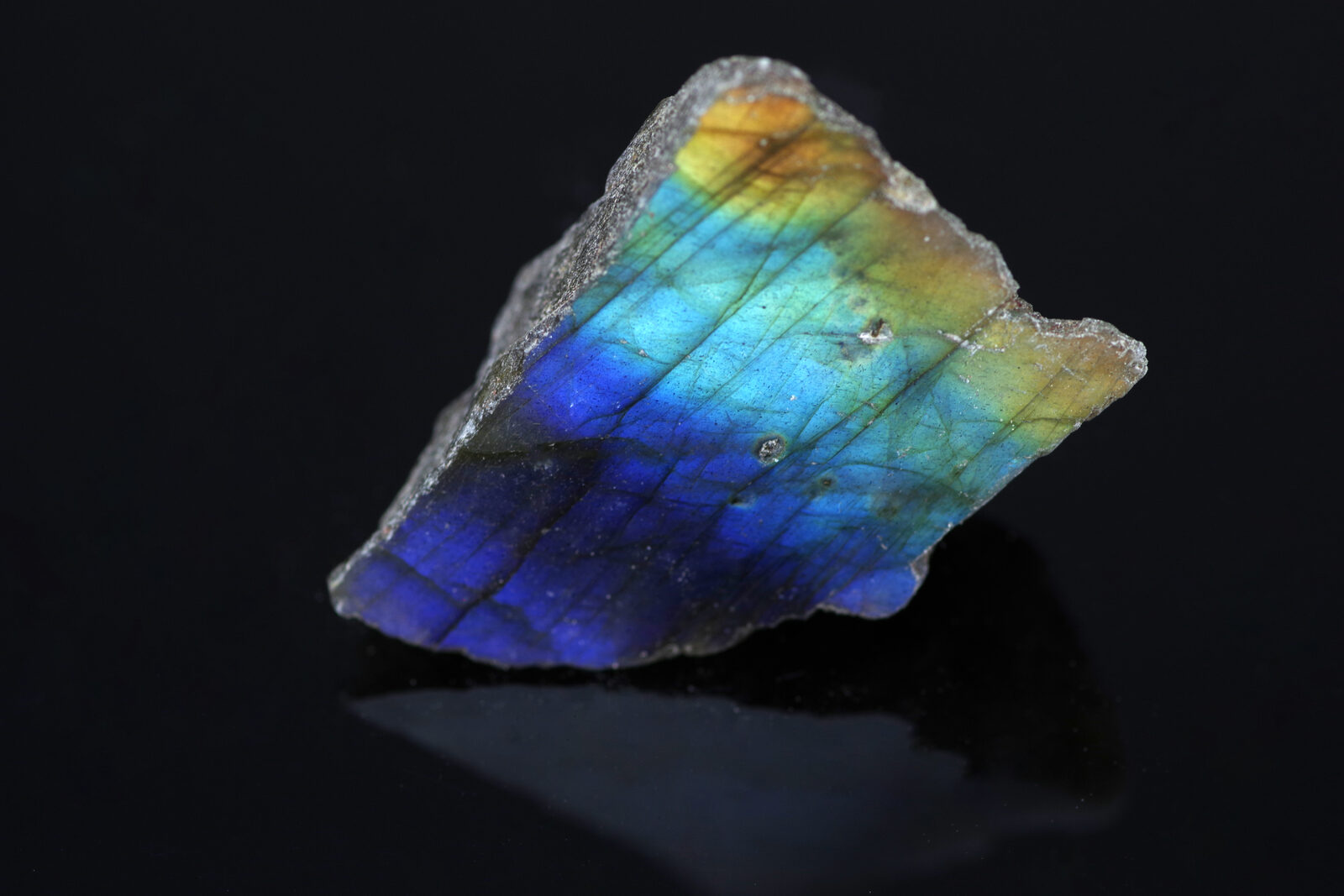
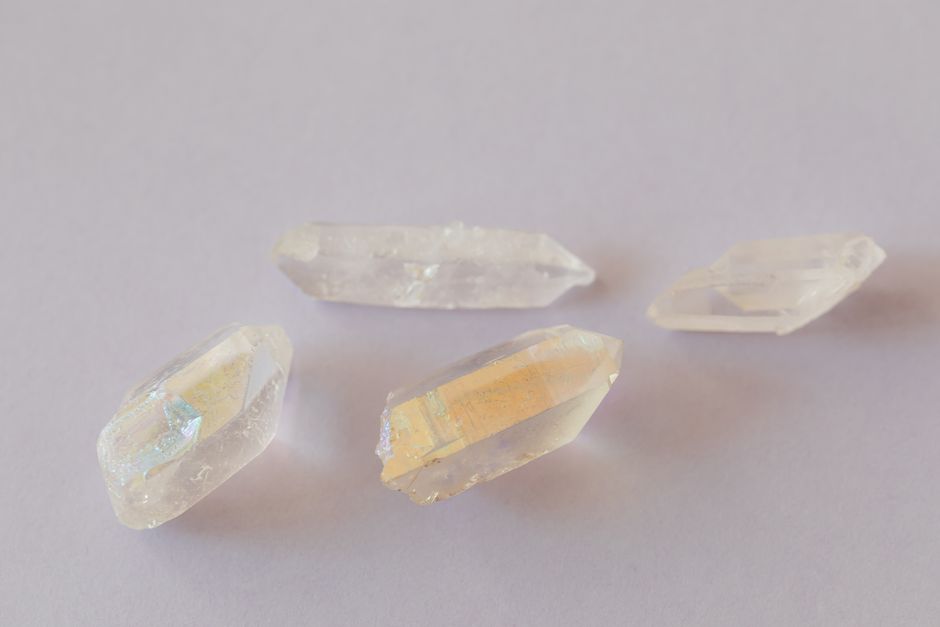
Moonstone is a feldspar, closely related to Labradorite, built from two feldspar types — orthoclase and albite — intergrown in extremely thin alternating layers as the mineral cooled slowly underground. Light entering the stone scatters across those layers and produces a soft, billowing glow called adularescence, named after Adularia, an old term for translucent feldspar first described near Switzerland's Mt. Adula. It's a gentler, more diffuse effect than Labradorite's labradorescence, which flashes in distinct, saturated color rather than glowing evenly across the surface — a useful way to tell the two closely related stones apart at a glance.
The finest Moonstone has long come from Sri Lanka, prized specifically for its blue sheen, with India supplying the bulk of commercial material historically. More recent deposits in Tanzania, Madagascar, and the United States have expanded the supply without displacing Sri Lanka's reputation for top-grade stone.

A Stone With a History
The belief that Moonstone was solidified moonlight is ancient and remarkably widespread. The Roman naturalist Pliny the Elder wrote that the stone's appearance shifted with the phases of the moon itself, a belief that persisted across the ancient Mediterranean. Independently, Hindu tradition in India came to a similar conclusion, considering Moonstone sacred and formed from moonbeams — it's traditionally given as a wedding gift in Indian culture, believed to bring harmony to a marriage.

Moonstone's more recent history is stylistic rather than mythological: it became a defining material of the Art Nouveau jewelry movement at the turn of the 20th century, prized by designers like René Lalique specifically for its soft, otherworldly glow — a natural fit for a movement obsessed with organic, moonlit, faintly mysterious imagery.
Meaning and Symbolism
Moonstone's "Stone of New Beginnings" reputation follows the moon it's named for. A new moon marks the start of a fresh lunar cycle across nearly every tradition that tracks one, and Moonstone's meaning leans directly on that symbolism — new starts, shifting cycles, and the kind of quiet intuition that tends to arrive at night rather than under direct scrutiny.
That lunar association also ties Moonstone to emotional and physical cycles more broadly, a theme reflected in its long-standing association with feminine energy and intuition across multiple cultures.
Carried or worn to
- Support new beginnings and fresh starts
- Deepen intuition and inner awareness
- Ease emotional ups and downs
- Encourage self-love through change
Chakra, Zodiac & Element
Moonstone is tied to both the Sacral and Crown Chakras — Sacral for its association with emotional cycles and intuition, Crown for the higher awareness its glow is said to inspire. Its Water element reinforces the same emotional, cyclical theme running through the rest of its meaning.
Astrologically it's linked to Cancer, a sign ruled by the Moon itself — about as direct a match as this directory offers between a stone and its zodiac sign.
How to Use and Care for Moonstone
At 6–6.5 on the Mohs scale, Moonstone wears about as well as Labradorite day to day, but shares the same feldspar-family caution: natural cleavage planes make it more prone to chipping under a hard, direct knock than quartz-family stones like Agate or Jasper. It suits pendants, earrings, and occasional-wear rings well, with a protective setting worth choosing for daily rings.
A brief rinse in room-temperature water is fine, but avoid soaking it or exposing it to sudden temperature changes. Some Moonstone on the market is treated to enhance its sheen, so ask if natural adularescence matters to you. It pairs especially well with Labradorite for dream work or navigating a major life change — see our Crystal Combinations guide for more on why the two work together.
Frequently Asked Questions
What causes Moonstone's glow?
Is Moonstone a birthstone?
Is Moonstone safe to wear every day?
Can Moonstone get wet?
What chakra is Moonstone associated with?
What's the difference between Moonstone and Labradorite?
A quiet stone that asks for patience — its best light only shows once you stop looking for it directly.
Shop by energy
Bracelets for the Sacral and Crown chakras
We don't have a Moonstone bracelet yet. These share its Sacral or Crown chakra energy.
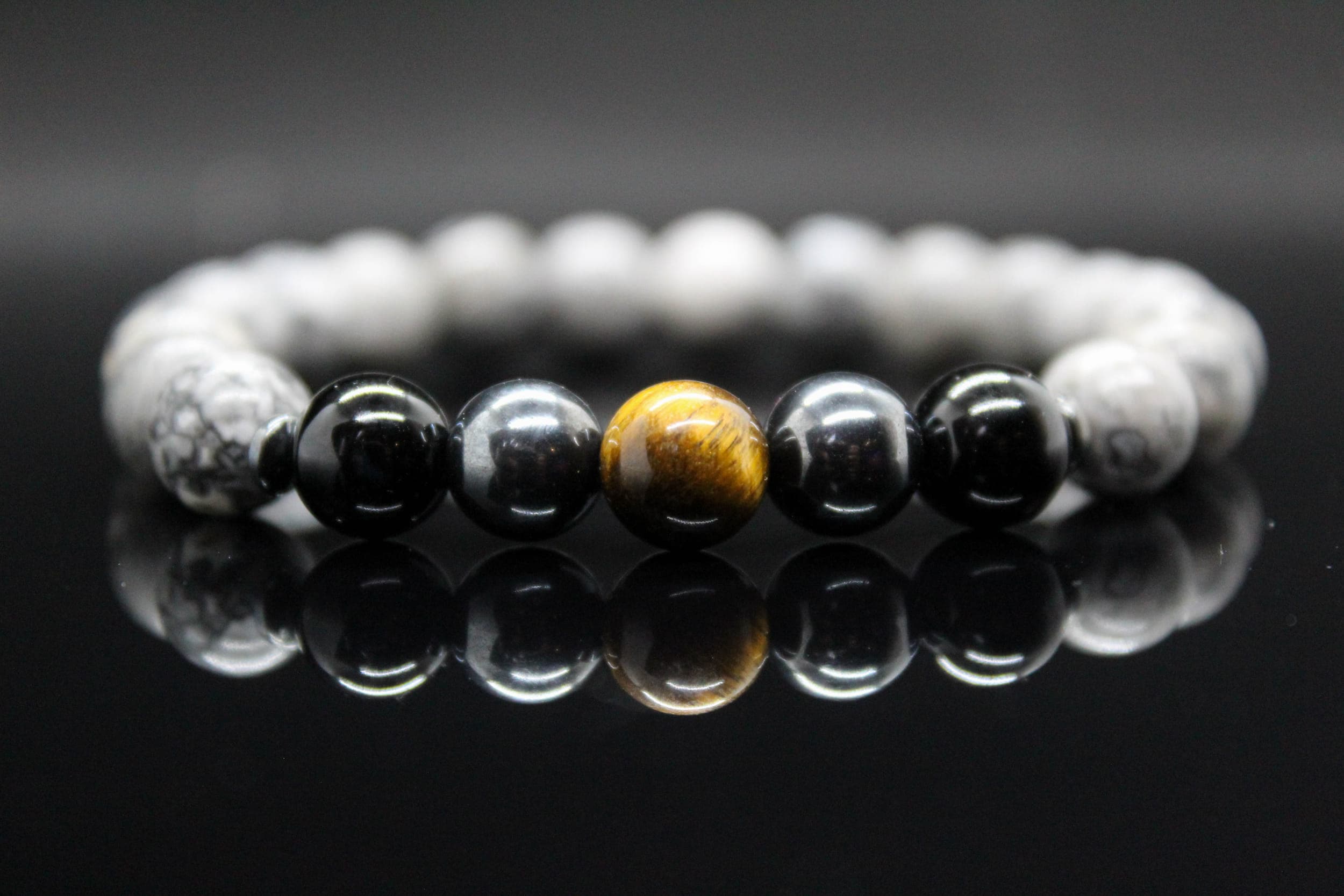
Energetic Balance Energy Bracelet
$24.00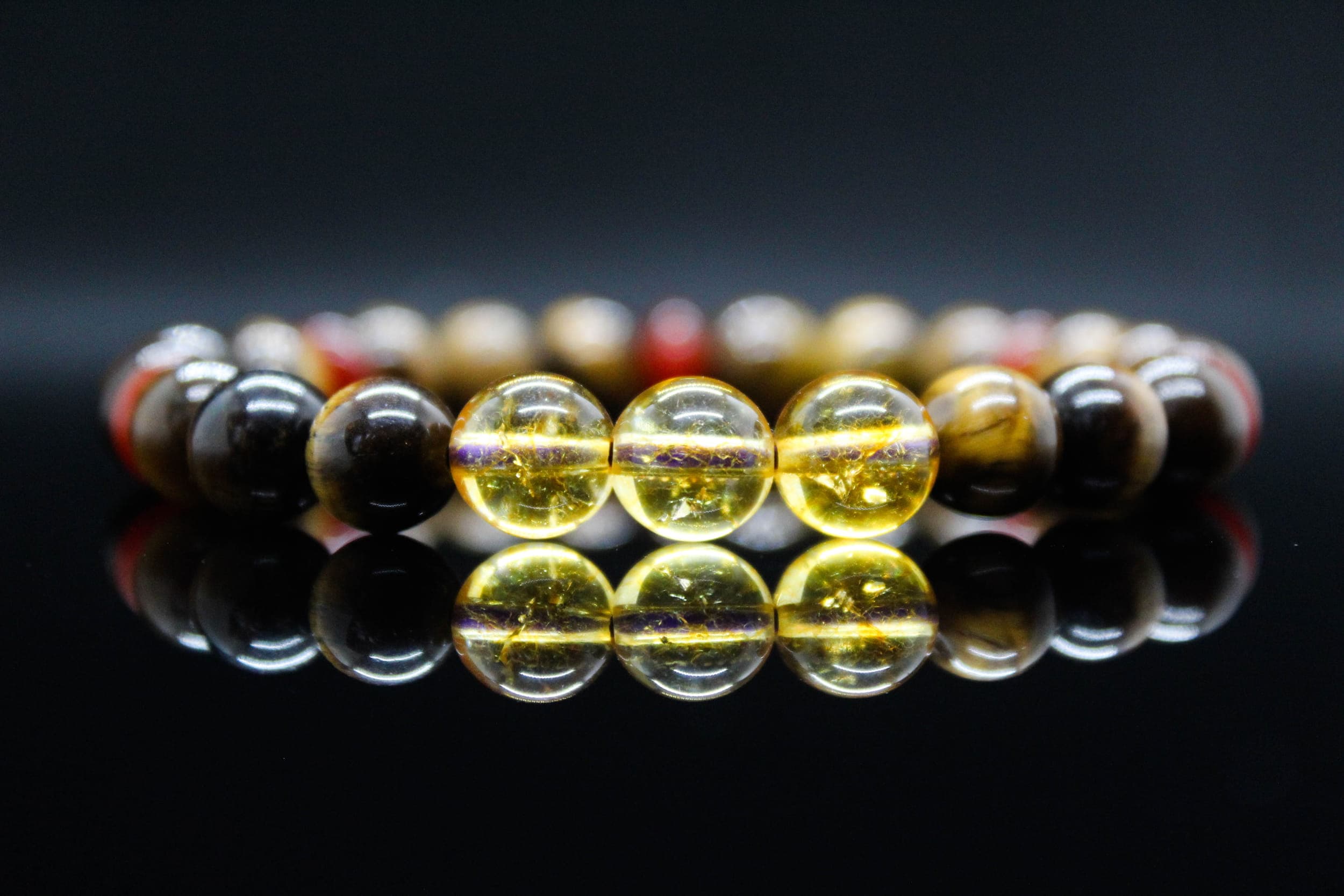
Focus Manifest Energy Bracelet
$24.00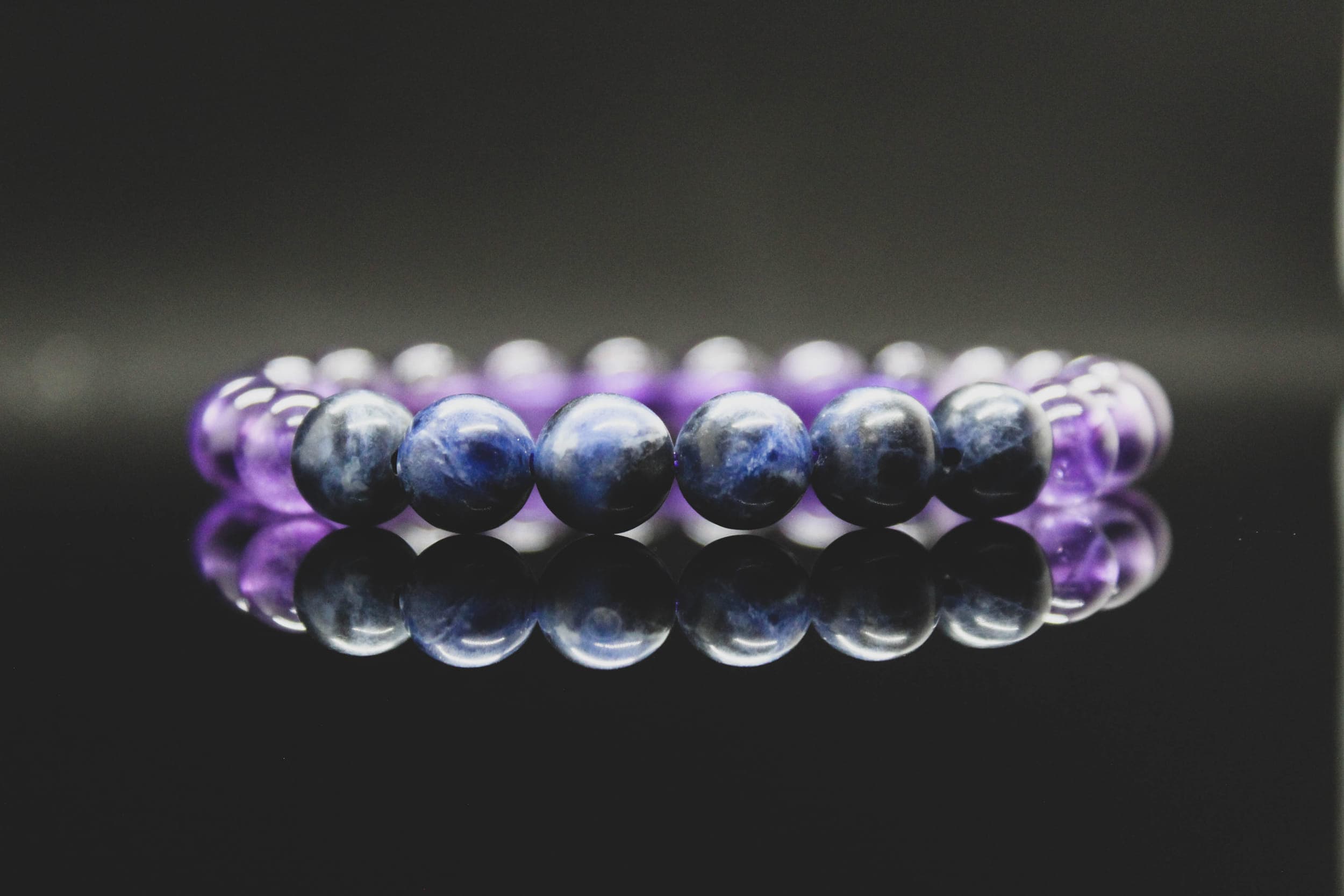
Creative Balance Energy Bracelet
$24.00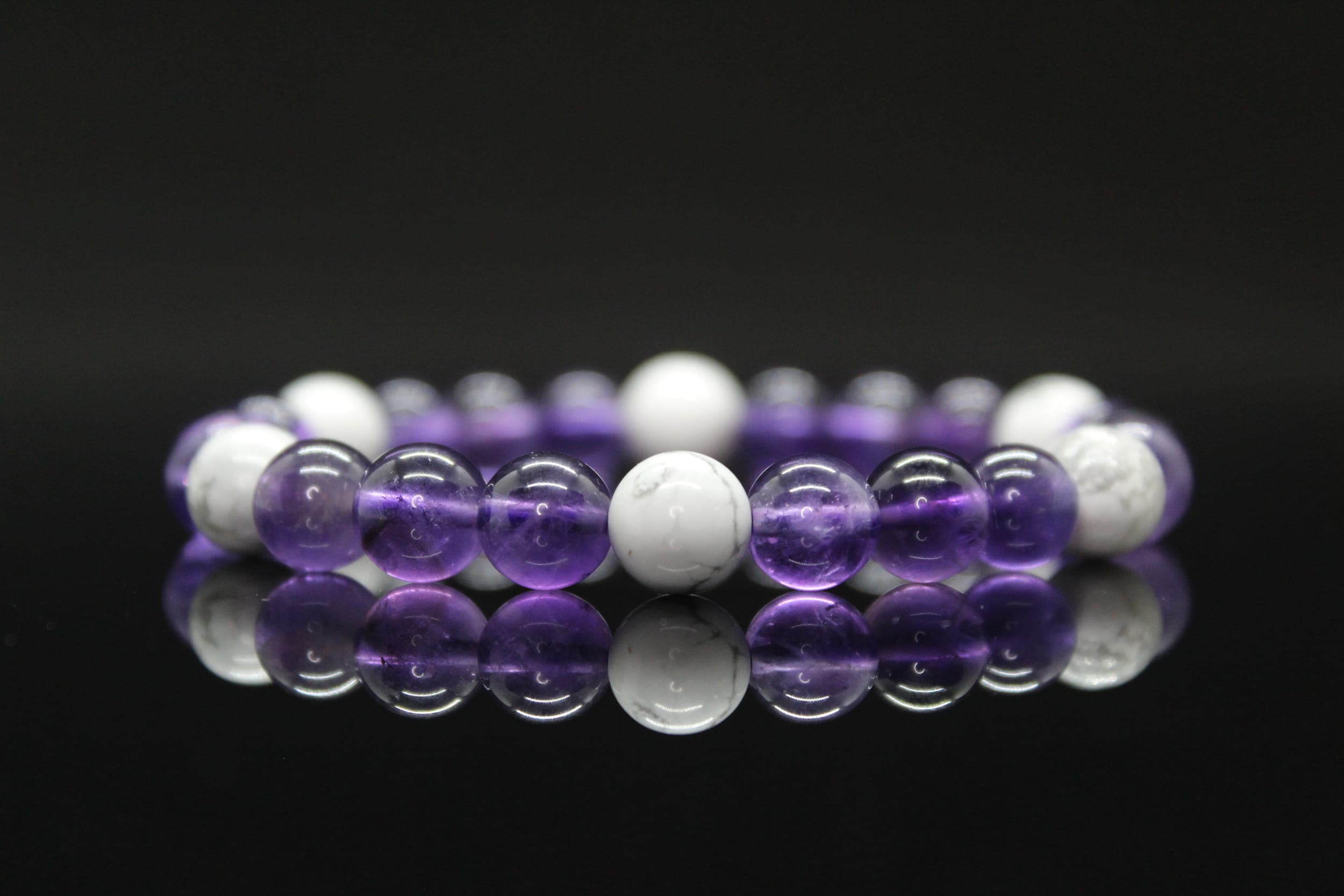
Higher Self Energy Bracelet
$24.00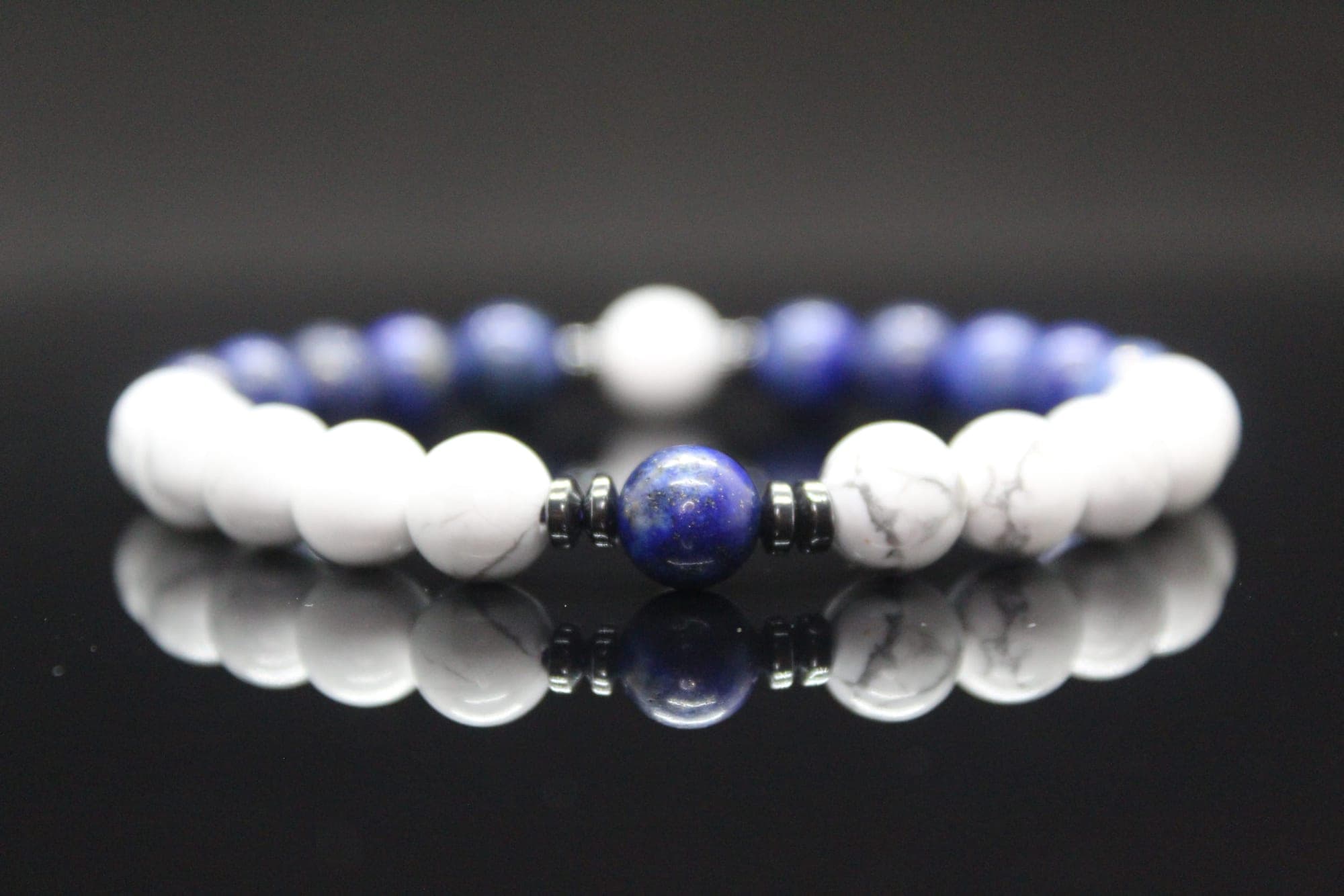
Divine Harmony Energy Bracelet
$24.00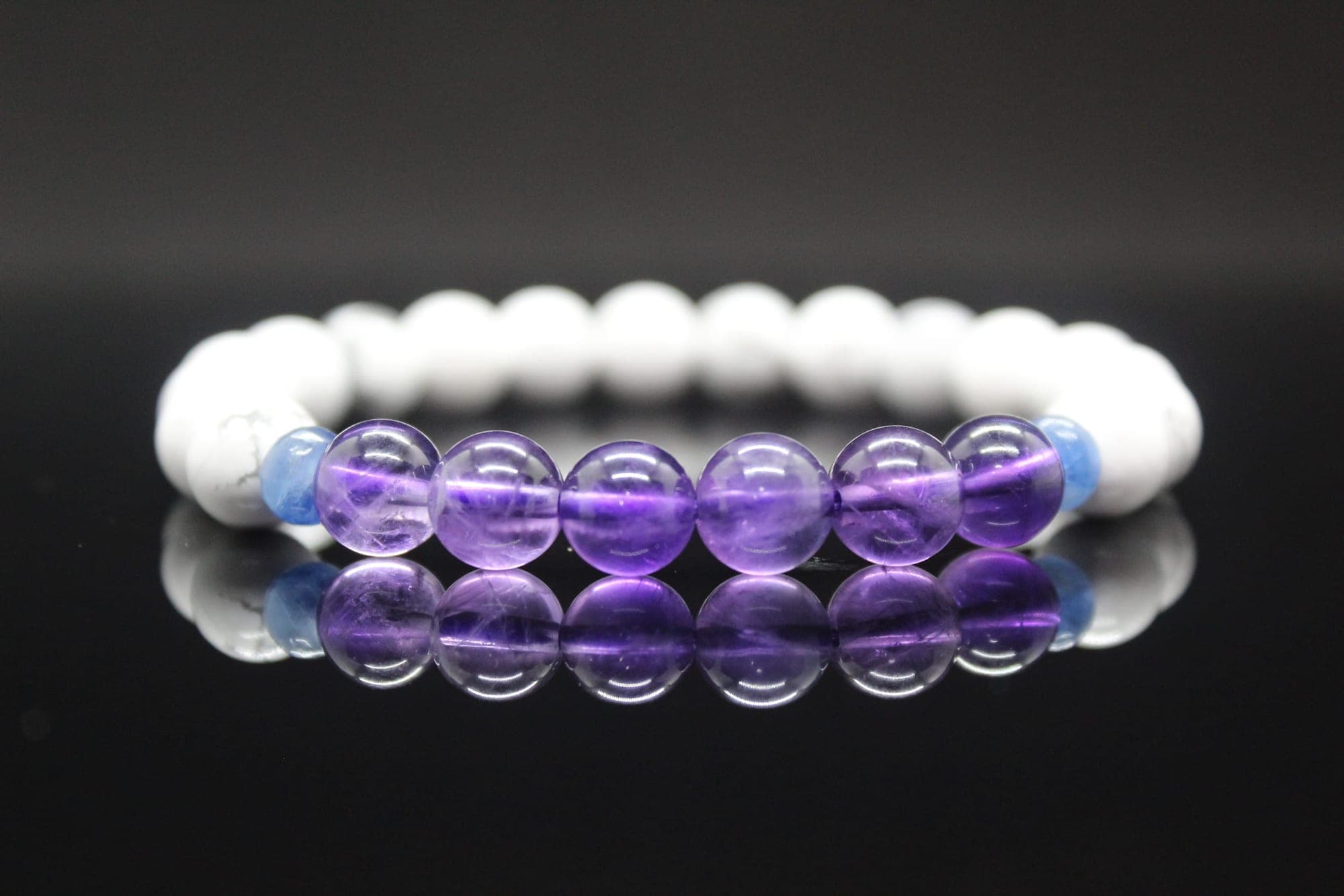
The Crown Energy Bracelet
$24.00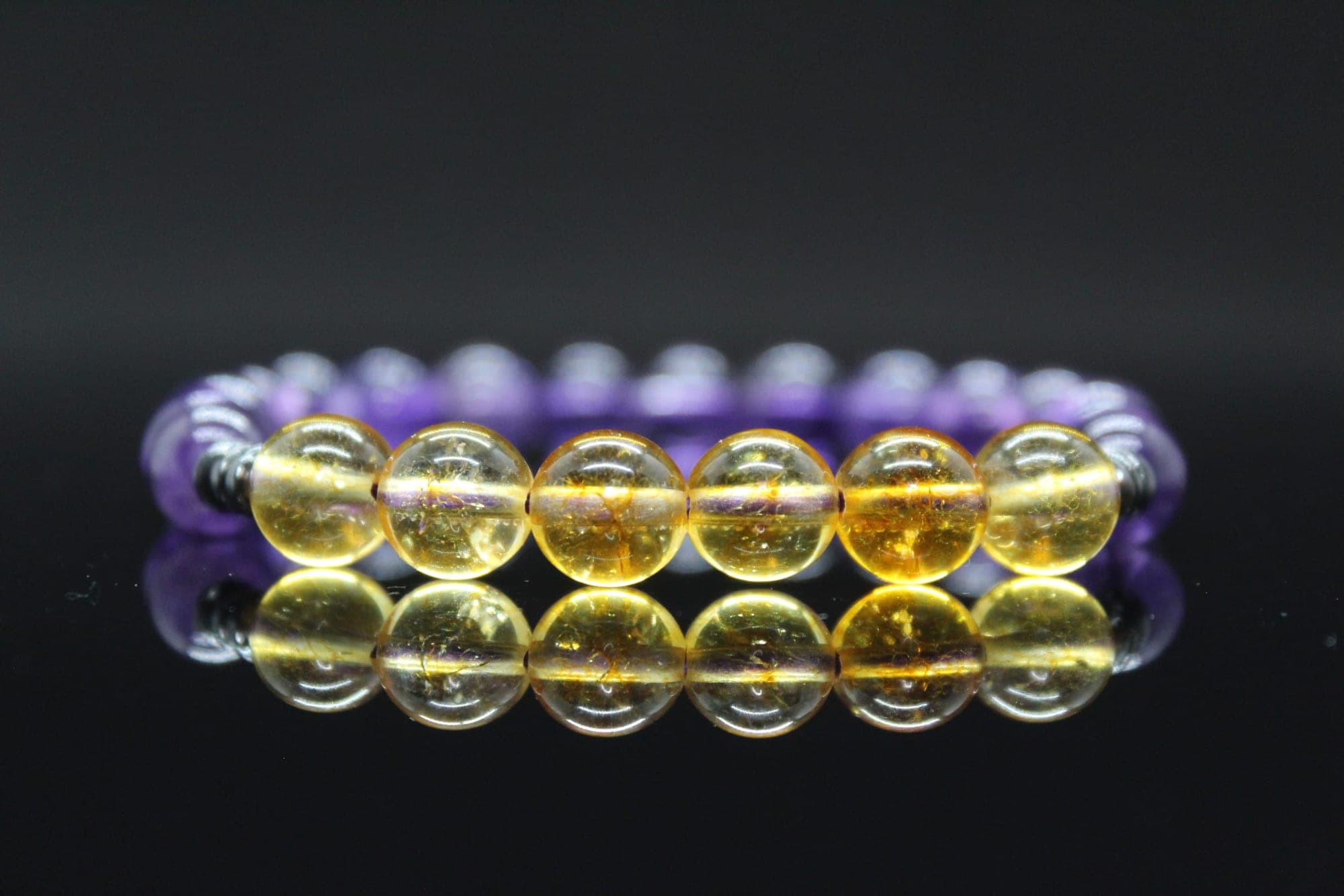
Clear Thoughts Energy Bracelet
$33.00