Photo: Onohej zlatove · CC BY-SA 4.0 · Wikimedia Commons
Moldavite
Stone of Rapid Transformation
Energy Focus
Meaning & uses
Moldavite Meaning
Nearly every stone in this directory formed over millions of years, one slow layer at a time. Moldavite formed in seconds — flung molten from the ground by a meteorite impact — which is exactly why its reputation is for transformation that arrives fast rather than gradually.
What Is Moldavite?
Moldavite is a tektite: natural glass created when a meteorite strikes the earth with enough force to instantly melt the surrounding terrestrial rock, hurling molten droplets into the air that cool and solidify as they fall. It's a common misconception that Moldavite is literally extraterrestrial material — the glass itself is Earth rock, melted and reshaped by the impact rather than fragments of the meteorite itself, though the event that created it was as violent as anything in this directory's geological history.
That event happened roughly 15 million years ago, when a large meteorite struck what's now the Nördlinger Ries area of Bavaria, Germany, with enough force to eject molten material as far as 250 miles away. Some of it landed in the Vltava River valley of Bohemia, in the present-day Czech Republic — the only place on Earth where Moldavite is found, and the source of its name, after the river's German name, Moldau.

Tektites exist from impact sites around the world, but nearly all of them are opaque and black. Moldavite's forest-green translucence is unusually striking by comparison, which is a large part of why it's the only tektite widely cut and sold as a gemstone.
A Stone With a History
Long before mineralogists identified what Moldavite actually was, people in Bohemia were already picking it up. Neolithic communities in the region collected and worked Moldavite into tools and small ornaments, drawn to the same natural glass properties that made Obsidian a prized knapping material elsewhere in the ancient world — a rare case in this directory of a stone's practical, prehistoric use and its modern gem status both tracing back to the exact same physical property.
It wasn't formally catalogued by Western mineralogists until the late 18th century, and its true origin — a specific, datable meteorite impact — wasn't confirmed until the 20th century, once scientists could compare Moldavite's chemistry directly to the Ries crater's impact debris and match the two conclusively.

Meaning and Symbolism
Moldavite's "Stone of Rapid Transformation" reputation is about as literal as a meaning gets in this directory. Every other stone here formed slowly — Agate over millions of years of mineral deposition, Jade under sustained geological pressure. Moldavite formed in an instant, born from catastrophic heat and force, and its traditional meaning follows that origin directly: sudden, intense change rather than gradual growth.
That reputation has produced one of the most specific pieces of folklore attached to any stone in this directory — many owners report an immediate, sometimes intense physical or emotional reaction on first holding a piece, often nicknamed the "Moldavite flush." It's a widely repeated anecdotal claim rather than anything verified, but it's distinctive enough, and consistently reported enough, to be worth knowing before you go looking for it yourself.
Carried or worn to
- Support sudden, meaningful life change
- Accelerate personal growth already in motion
- Deepen intuition and spiritual insight
- Clear old patterns that no longer fit
Chakra, Zodiac & Element
Moldavite is tied to both the Heart and Third Eye Chakras, pairing emotional transformation with the intuitive insight traditionally said to accompany it. Its Fire element is a direct match for its literal origin — few stones in this directory have as clean a link between their physical formation and their assigned element.
Astrologically it's linked to Scorpio, a sign built around transformation, and Sagittarius, associated with sudden expansion and the pursuit of something bigger than what came before.
How to Use and Care for Moldavite
At 5.5 on the Mohs scale, Moldavite sits in moderate territory for hardness, but as a natural glass it's more brittle than that number suggests — a sharp knock can chip or crack it even though it resists everyday scratching reasonably well. Pendants and earrings suit it better than rings that see regular impact.
Because genuine Moldavite is rare and commands a real premium, buy from a reputable seller and look for its characteristic internal flow lines and surface texture; green glass sold fraudulently as Moldavite is a well-documented problem in the trade. A brief rinse in water is fine, but avoid sudden temperature changes, which can stress any natural glass. Given its intensity, Moldavite is traditionally paired with a grounding stone like Smoky Quartz or Black Tourmaline rather than worn alone — see our Crystal Combinations guide for more on why high-vibration stones benefit from that kind of pairing.
Frequently Asked Questions
Is Moldavite really from outer space?
What is the "Moldavite flush"?
Is Moldavite safe to wear every day?
How can I tell if Moldavite is real?
What chakra is Moldavite associated with?
Where does Moldavite come from?
Born in an instant, still asking everyone who holds it to catch up.
Shop by energy
Bracelets for the Heart and Third Eye chakras
We don't have a Moldavite bracelet yet. These share its Heart or Third Eye chakra energy.
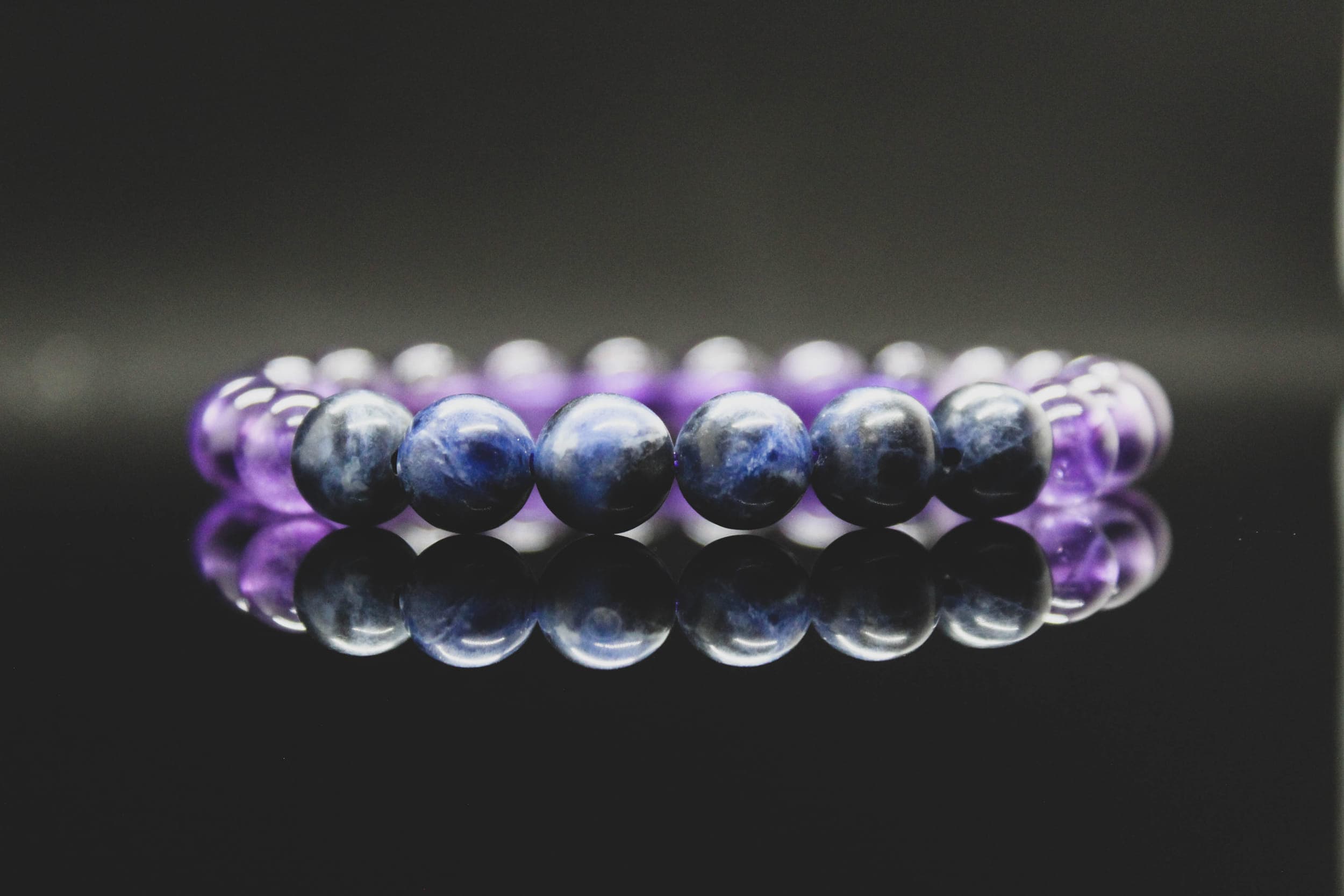
Creative Balance Energy Bracelet
$24.00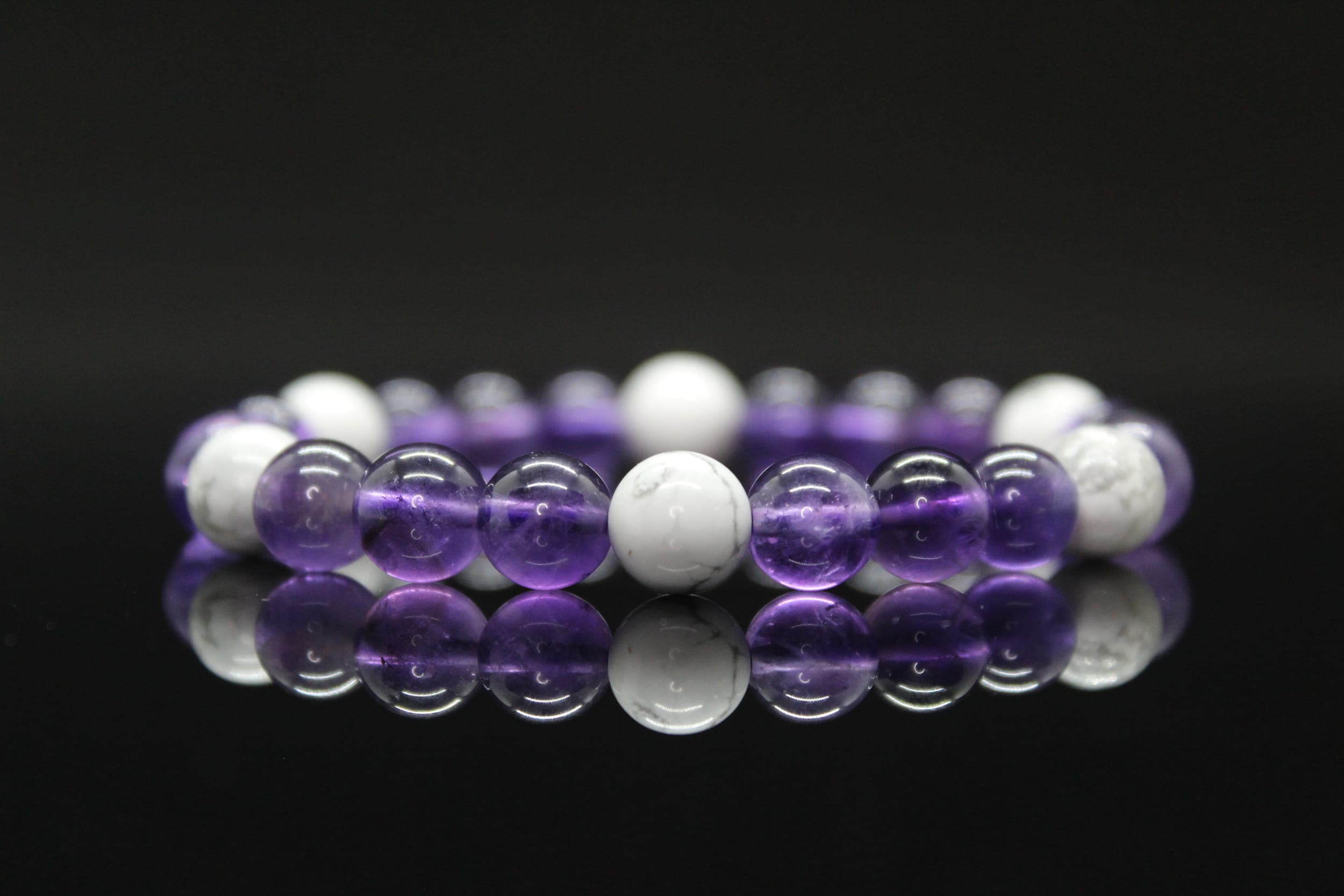
Higher Self Energy Bracelet
$24.00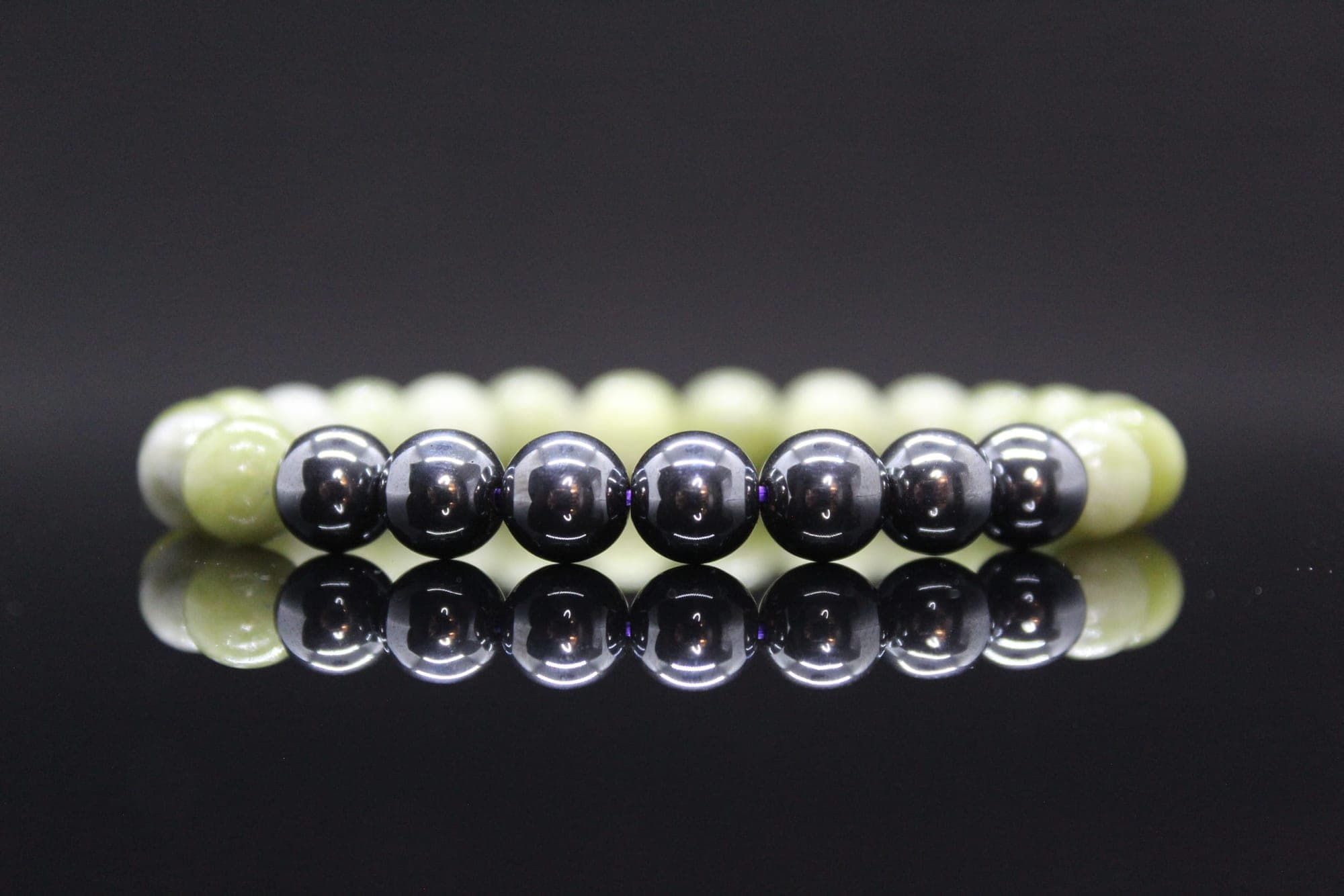
Life Force Energy Bracelet
$24.00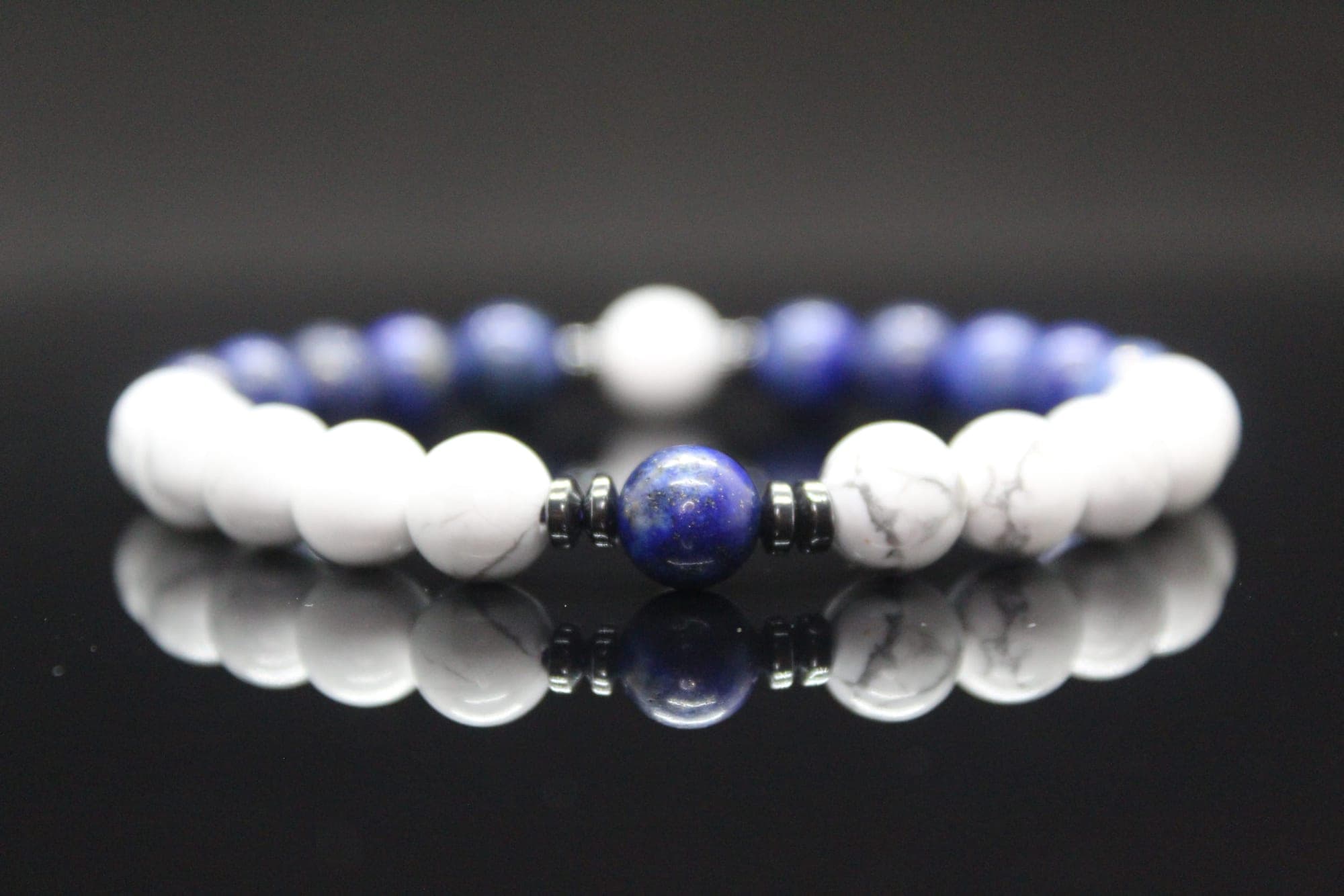
Divine Harmony Energy Bracelet
$24.00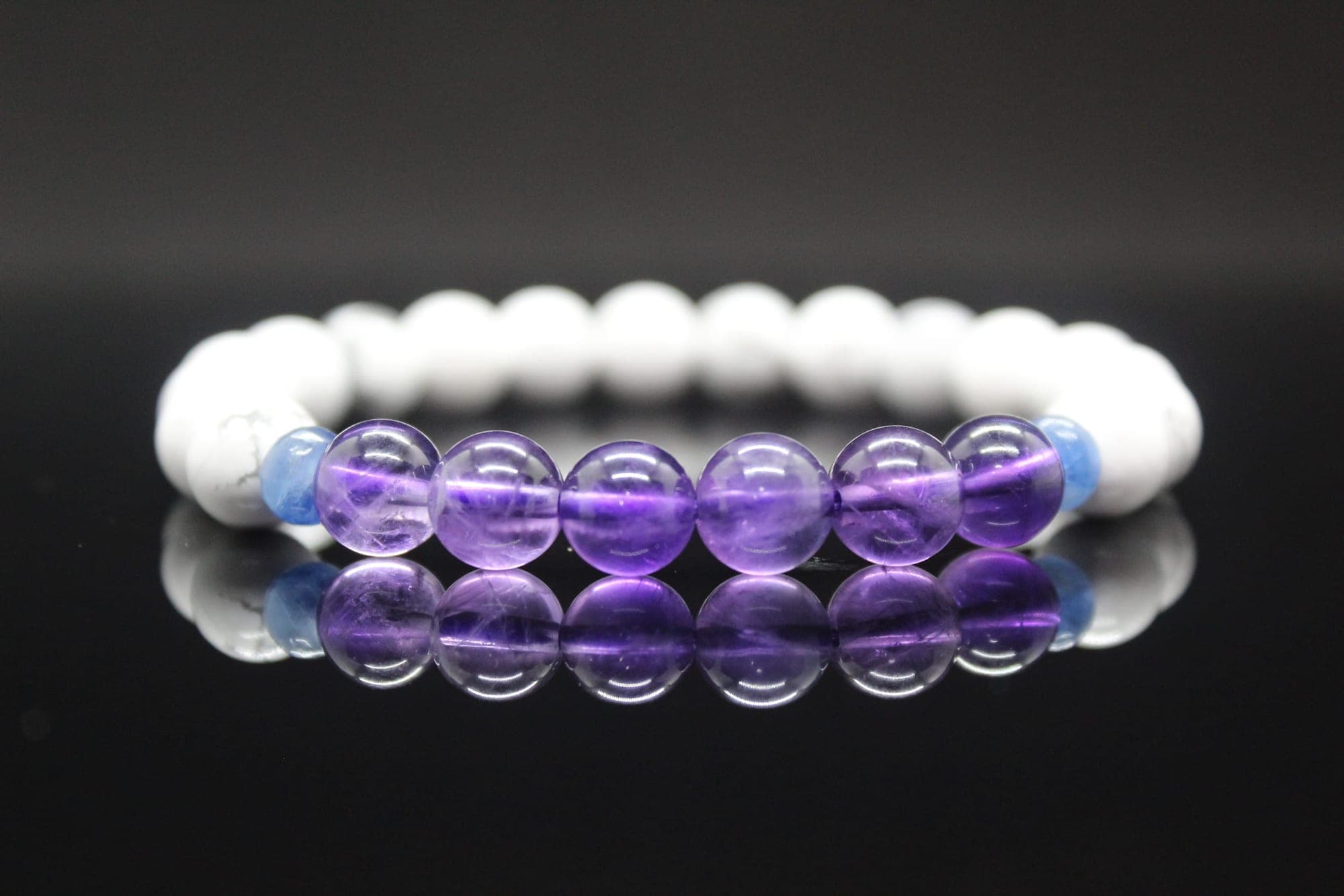
The Crown Energy Bracelet
$24.00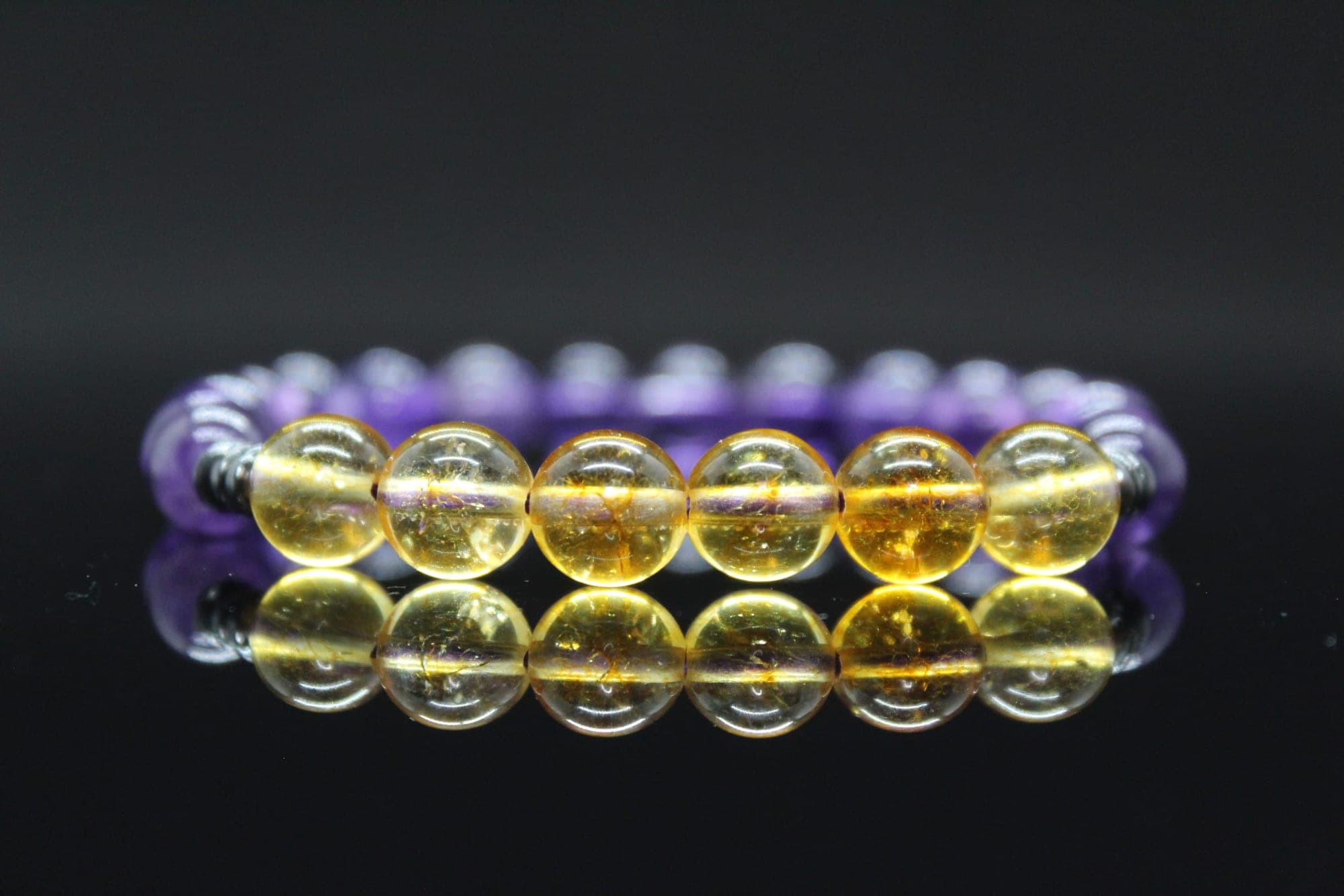
Clear Thoughts Energy Bracelet
$33.00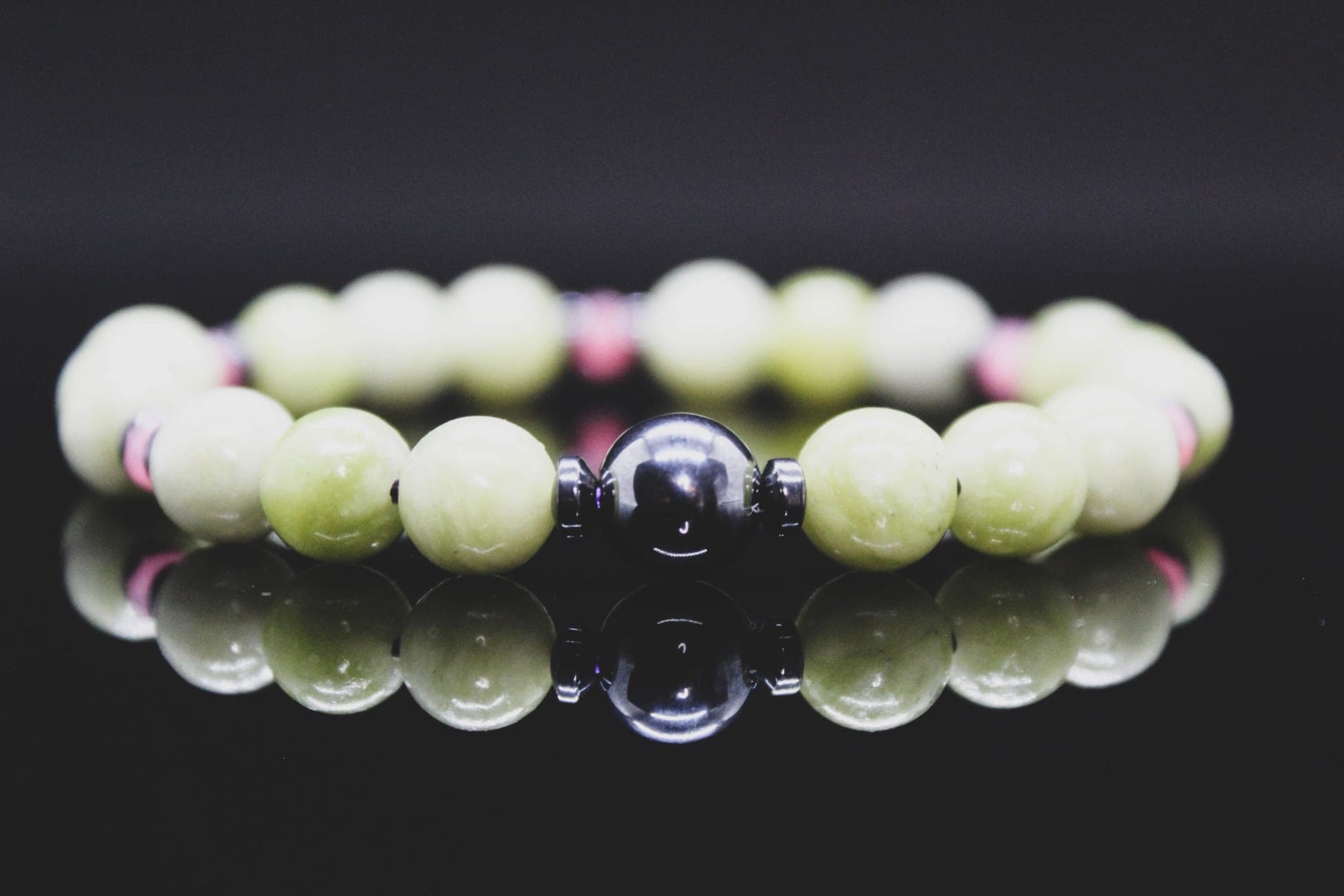
Grounding Love Energy Bracelet
$33.00