Photo: Mr. Pugo · Pexels License · Pexels
Larimar
Stone of Tranquil Waters
Energy Focus
Meaning & uses
Larimar Meaning
With a color that looks like shallow Caribbean water caught in stone, Larimar carries an easy, sun-warmed calm that's made it one of the most recognizable blue stones in the trade despite being barely fifty years old as a named gem.
What Is Larimar?
Larimar is a rare blue variety of pectolite, a calcium sodium silicate that's usually white, grey, or colorless. What makes Larimar different is copper: trace amounts substituted into the mineral's structure as it formed inside gas cavities in volcanic rock, the same chromophore responsible for the blue in Turquoise and Malachite. The result is Larimar's signature look — sky blue to turquoise, streaked and mottled with white, cloud-like patches where the copper content varies across a single piece.
It's found in essentially one place on Earth: the Bahoruco mountain range near Barahona, in the southwestern Dominican Republic. No other confirmed commercial deposit exists anywhere else in the world, making Larimar one of the most geographically exclusive stones in this entire directory.

A Stone With a History
Larimar has no ancient carving tradition, no amulet lineage, no place in a pharaoh's tomb — it wasn't identified as a distinct gem material until 1974, making it one of the youngest named stones in the crystal trade. A Dominican man named Miguel Méndez, working with Peace Corps volunteer Norman Rilling, tracked the blue stone he'd found washed up near a river back to its volcanic source in the Bahoruco mountains. Méndez named it by combining his daughter's name, Larissa, with the Spanish word for sea, mar — a fitting choice for a stone that looks like the Caribbean coastline it comes from.
Interest in the stone got an unusual boost from an older, unrelated prediction: decades before Larimar's discovery, the American psychic Edgar Cayce had claimed a blue stone tied to Atlantis would eventually be found in the Caribbean. Once Larimar turned up, some in the trade connected the two, and "Atlantis Stone" became one of the nicknames that's stuck to it ever since — worth knowing as popular trade folklore rather than a documented fact.
Meaning and Symbolism
Larimar's "Stone of Tranquil Waters" reputation is about as literal as a stone's meaning gets. Its blue-and-white pattern reads directly as shallow sea water and passing clouds, and its meaning follows the same imagery — calm, ease, and a settled emotional state rather than intensity or transformation.

That calm is specifically framed as communicative rather than purely internal — Larimar isn't associated with quiet withdrawal, but with the kind of ease that makes it simpler to speak honestly and gently, the way conversation tends to soften near open water.
Carried or worn to
- Ease stress and invite a settled, calm state
- Support gentle, honest communication
- Soothe emotional overwhelm
- Encourage a sense of ease around change
Chakra, Zodiac & Element
Larimar is tied to both the Throat and Heart Chakras — Throat for the calm, gentle communication its blue color is associated with, Heart for the emotional ease underneath it. Its Water element is about as direct a match as this directory offers, drawn straight from the stone's color and coastal origin.
Astrologically it's linked to Pisces, Taurus, and Leo — Pisces for the obvious water association, Taurus for grounded calm, and Leo for the warmth Larimar's sunlit color carries despite its cool blue tone.
How to Use and Care for Larimar
At 4.5–5 on the Mohs scale, Larimar is one of the softer stones in this directory — noticeably more delicate than Agate or Jasper, and worth treating with real care. It suits pendants and earrings far better than rings for everyday wear, and if you do choose a ring, a protective setting is worth the extra cost.
Larimar is also sensitive to heat and prolonged sun exposure, which can fade its color over time, so it's worth storing away from direct sunlight rather than left on a windowsill. A brief rinse in cool water is fine, but skip ultrasonic cleaners, harsh chemicals, and extended soaking.
Frequently Asked Questions
What gives Larimar its blue color?
Where does Larimar come from?
What does the name "Larimar" mean?
Is Larimar the same as Turquoise?
Is Larimar safe to wear every day?
Can Larimar get wet?
A calm, easy stone — the closest thing in this directory to a permanent day at the beach.
Shop by energy
Bracelets for the Throat and Heart chakras
We don't have a Larimar bracelet yet. These share its Throat or Heart chakra energy.
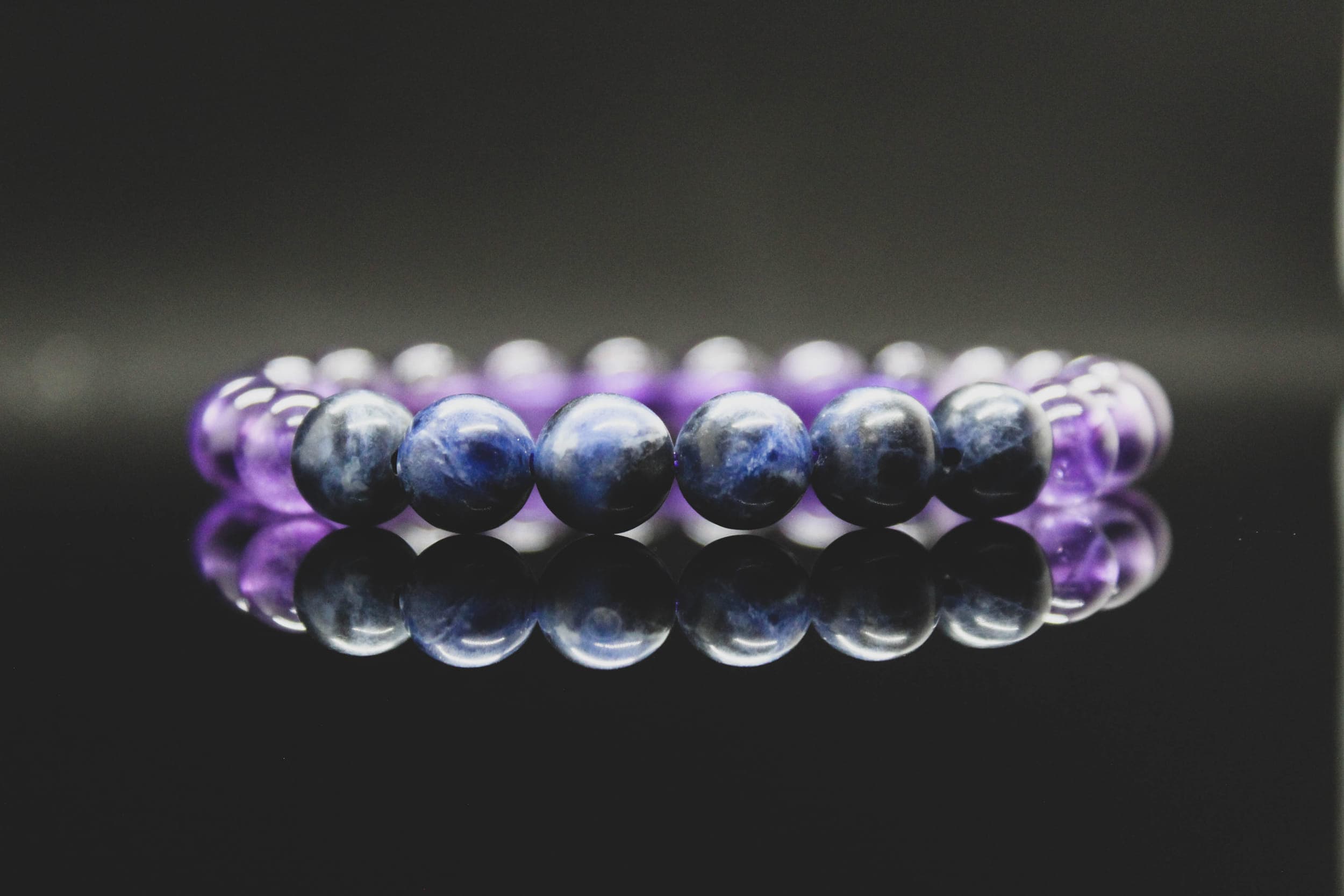
Creative Balance Energy Bracelet
$24.00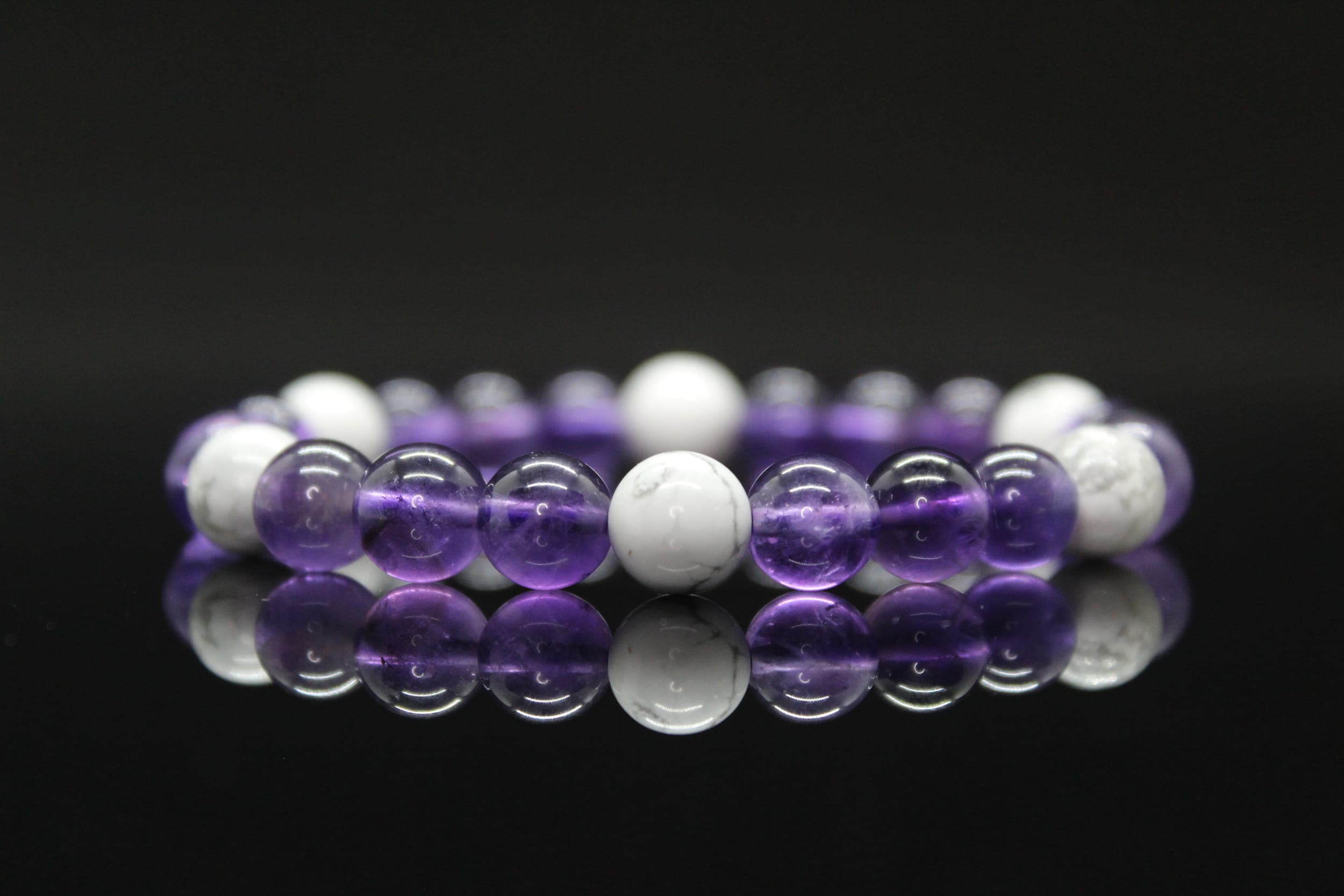
Higher Self Energy Bracelet
$24.00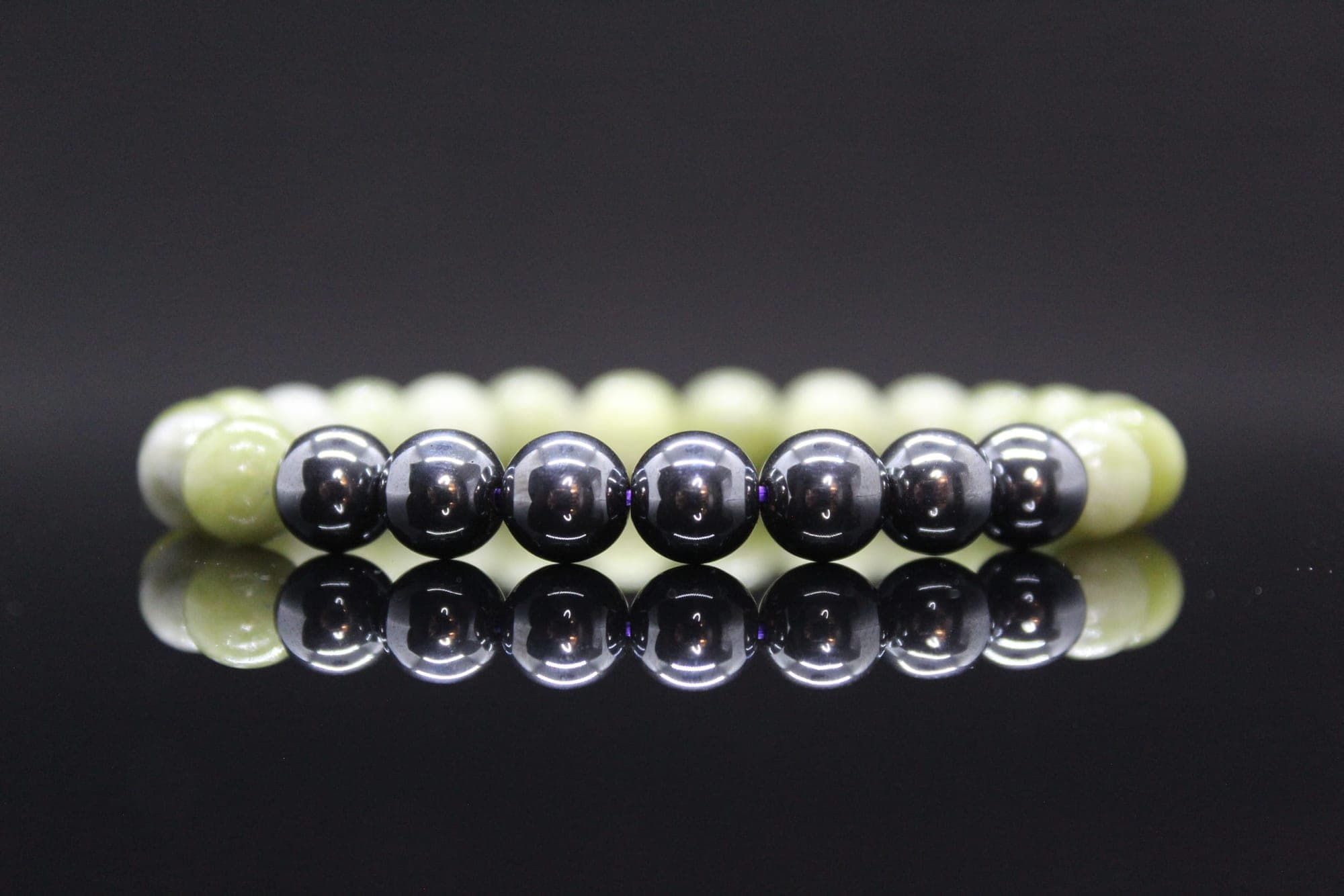
Life Force Energy Bracelet
$24.00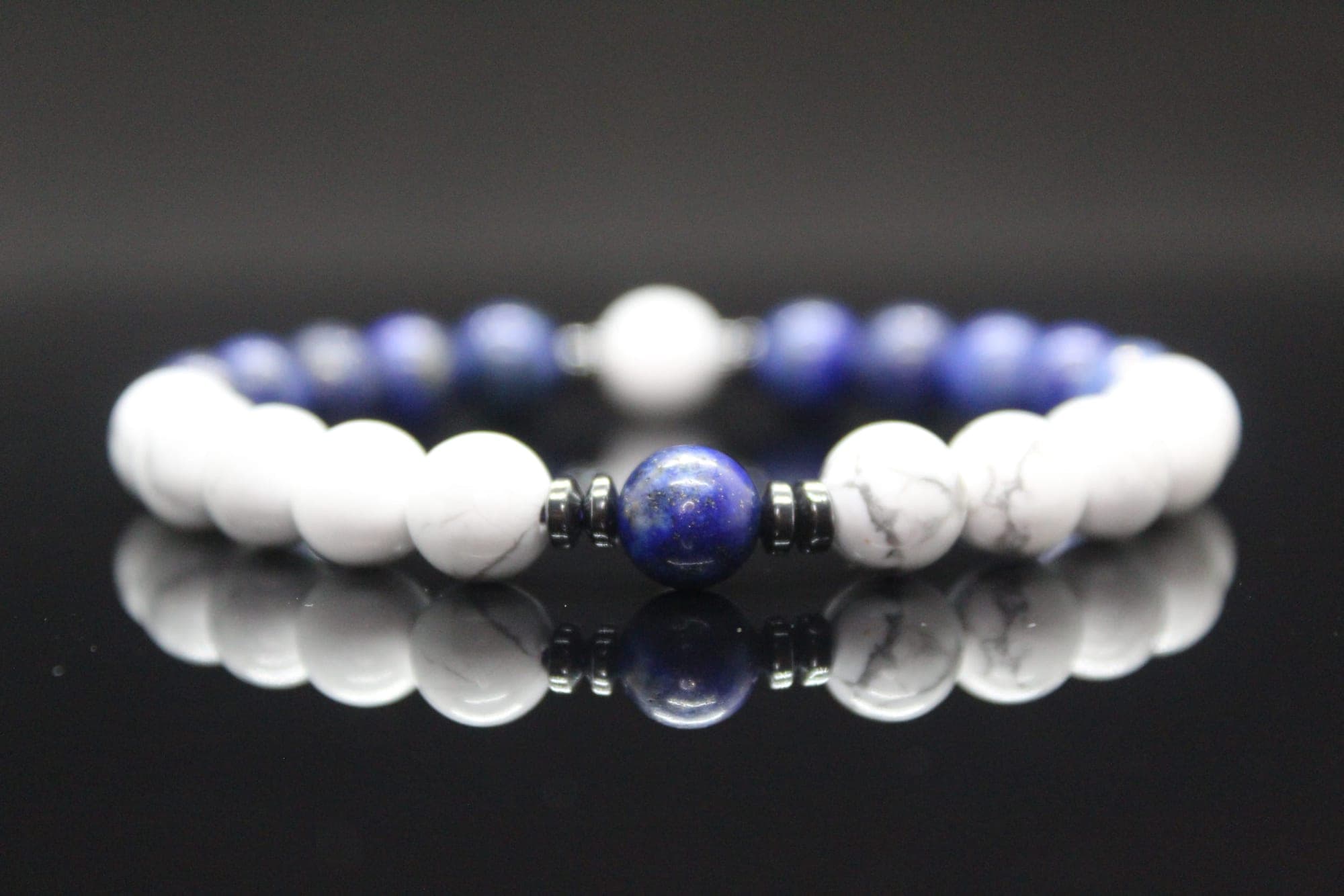
Divine Harmony Energy Bracelet
$24.00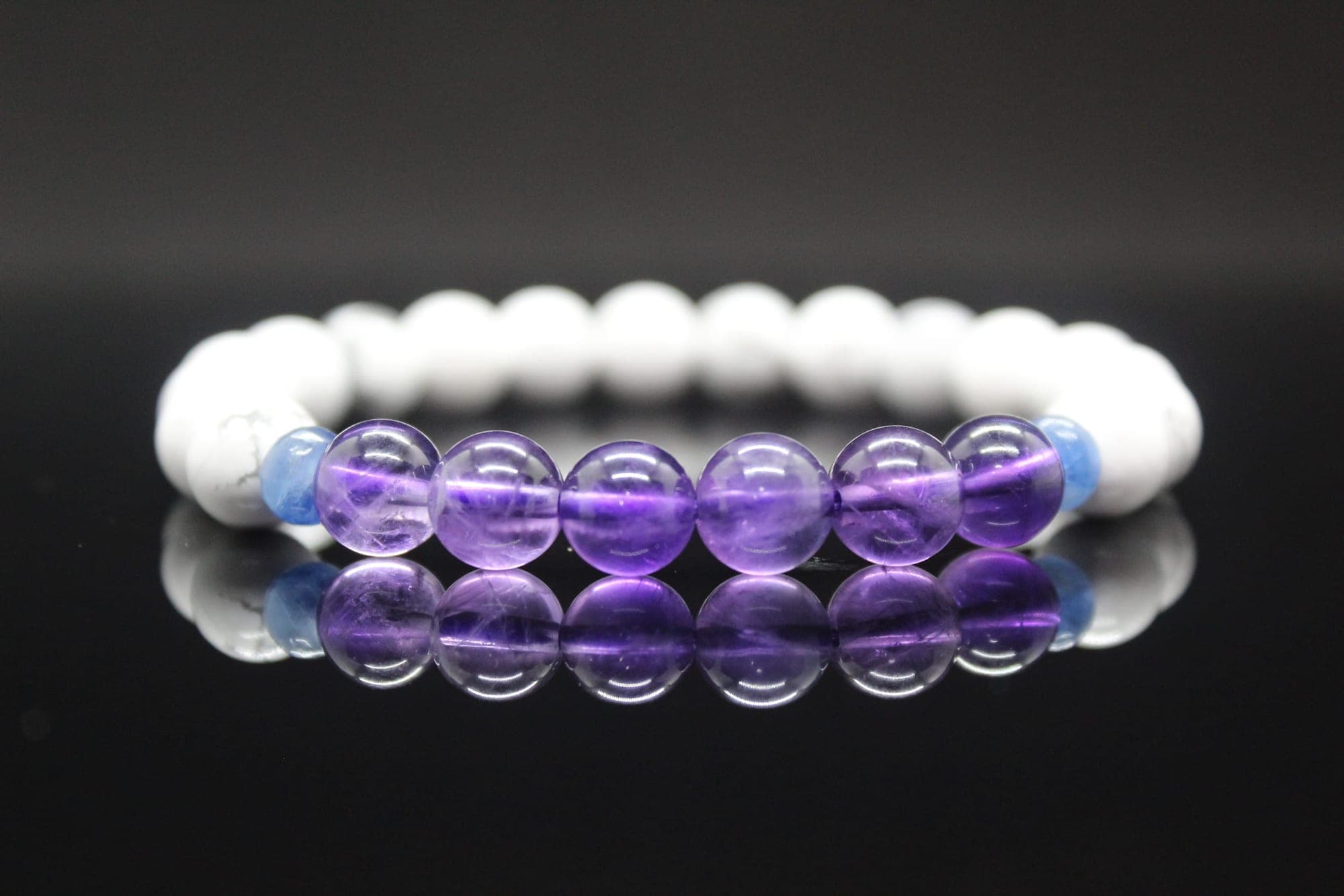
The Crown Energy Bracelet
$24.00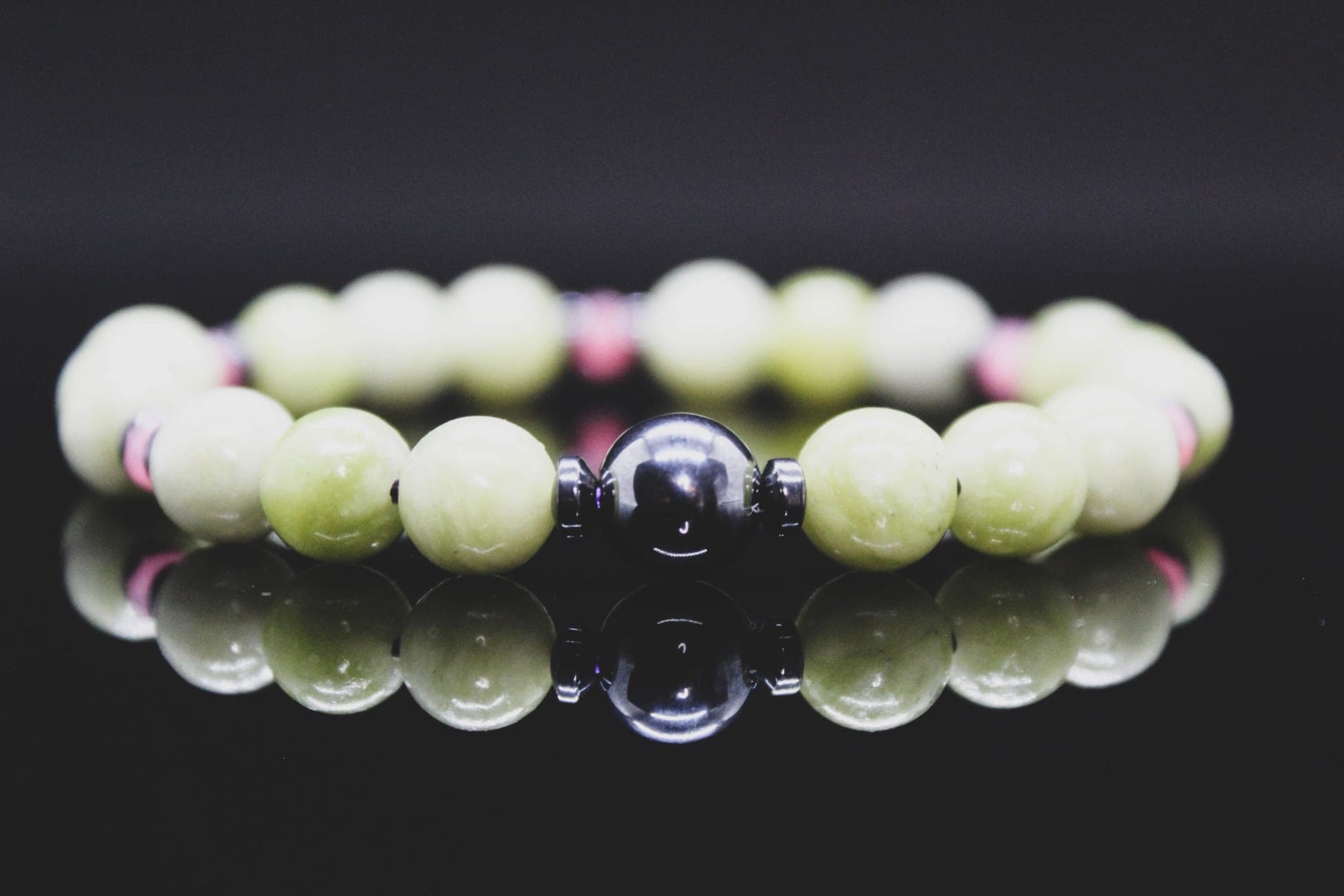
Grounding Love Energy Bracelet
$33.00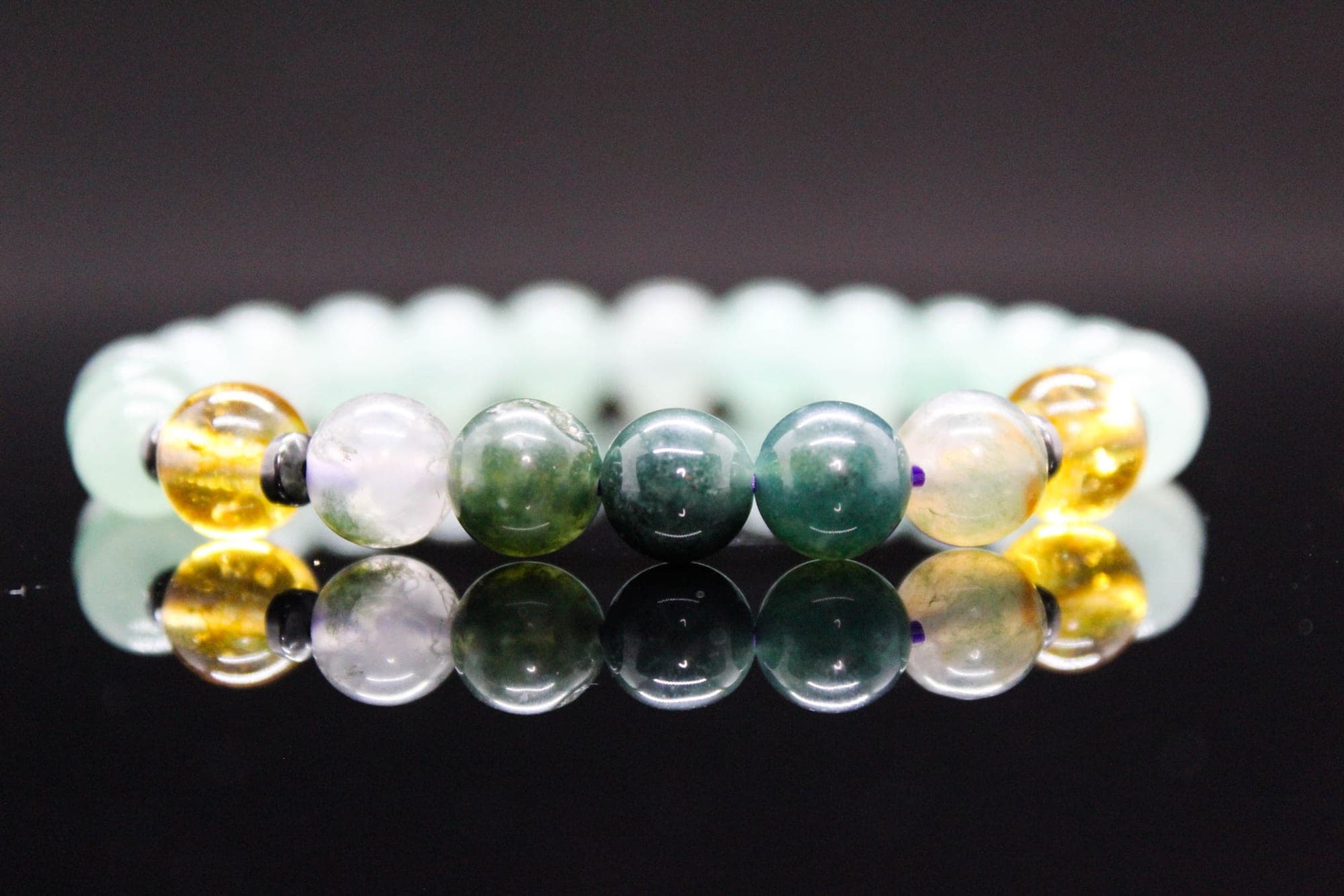
The Opulence Energy Bracelet
$33.00