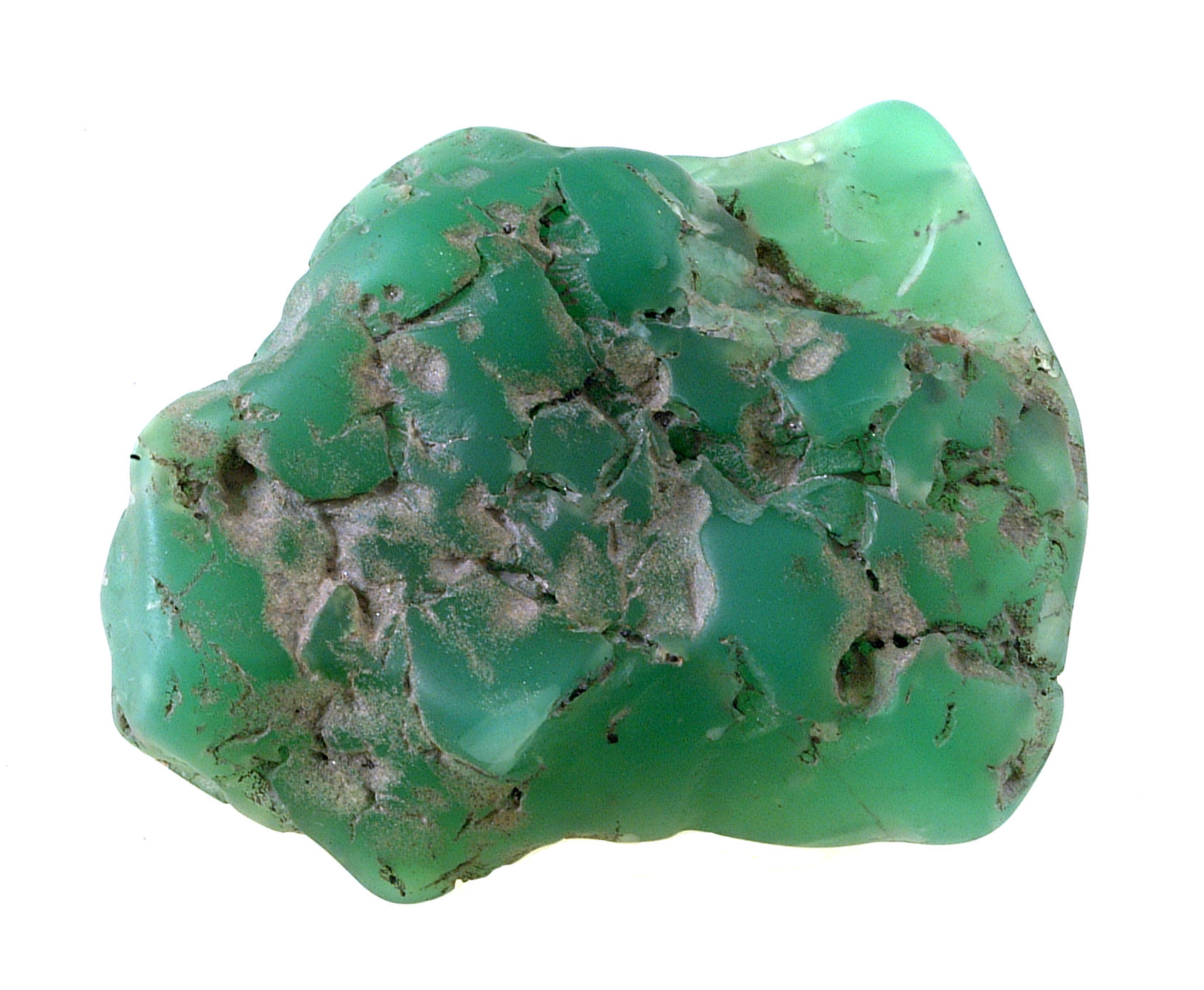
Photo: Ra'ike · CC BY-SA 3.0 · Wikimedia Commons
Kunzite
Stone of Emotional Healing
Energy Focus
Meaning & uses
Kunzite Meaning
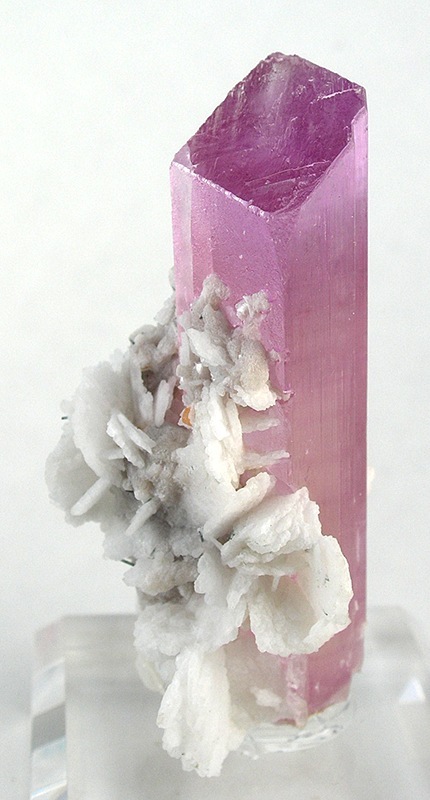
Named for the gemologist who first identified it in 1902, Kunzite is a pale pink-to-lilac variety of spodumene prized as much for its gentle color as for the soft glow it shows under ultraviolet light.
What Is Kunzite?
Kunzite is a lithium aluminum silicate — a variety of the mineral spodumene, colored pale pink to lilac by trace manganese. It was first identified in 1902 by gemologist and mineralogist George Frederick Kunz, who lent his name to the stone after examining specimens from California — the same Kunz who later had Kunzite's chemical cousin, green Hiddenite, named in his circle's honor as well, making him one of the few gem experts with two named stones tied to his career.
Kunzite is also strongly pleochroic, showing different intensities of color depending on the angle it's viewed from, and many specimens fade slightly with prolonged exposure to strong light — a genuine, well-documented property rather than a flaw, and one reason Kunzite jewelry is traditionally recommended for evening wear over constant sun exposure.
A Stone With a History
Unlike most stones in this directory, Kunzite has no ancient history — spodumene itself was known to mineralogists earlier, but the pink gem variety wasn't identified and named until the early 20th century, making it a distinctly modern addition to the crystal world. Tiffany & Co.'s chief gemologist, George Kunz, was instrumental in popularizing it commercially soon after its discovery, and Kunzite quickly found a following in Art Deco jewelry for its soft, romantic color.
Major deposits later emerged in Afghanistan, Brazil, and Madagascar, expanding supply well beyond the original California finds and cementing Kunzite's place as a widely available, if still relatively young, gemstone.
Meaning and Symbolism
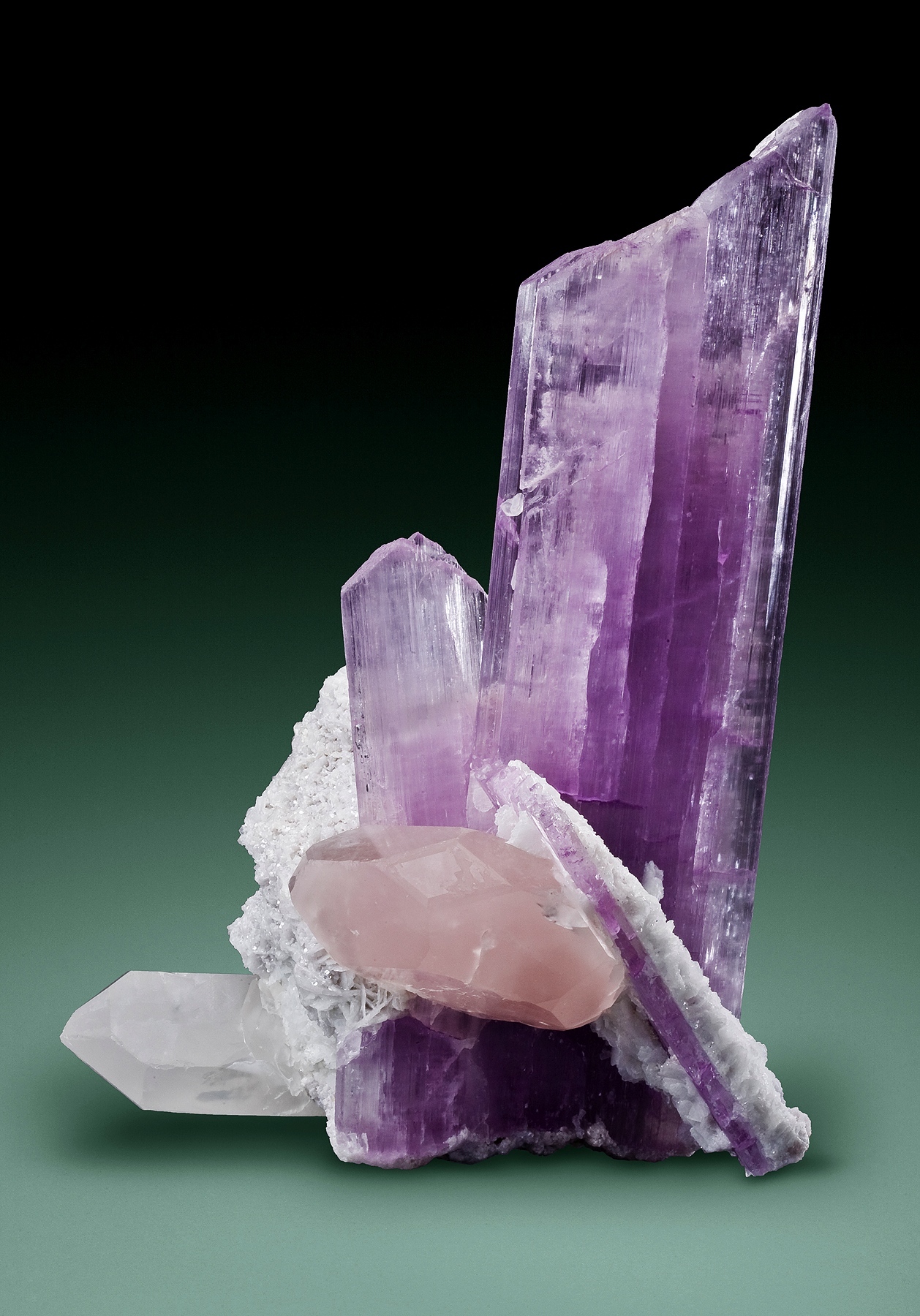
Kunzite's gentle pink color has given it a reputation as a stone of emotional healing and unconditional love, prized for opening the heart gently rather than all at once — a softer, more patient energy than more assertive heart stones. Its tendency to fade in strong light has even picked up a symbolic reading of its own: a reminder that some things call for protection and gentle handling rather than constant exposure.
Carried or worn to
- Open the heart gently to love and healing
- Ease anxiety and emotional overwhelm
- Support calm, patient self-acceptance
- Soften old emotional defenses
Chakra, Zodiac & Element
Kunzite is tied to the Heart Chakra, its soft pink color a direct match for gentle, patient emotional opening. Its Water element reflects the same theme — fluid, receptive, and calming rather than forceful.
Astrologically it's linked to Taurus and Scorpio — Taurus for steady, patient love, Scorpio for the emotional depth Kunzite is said to help soften and release.
How to Use and Care for Kunzite
At 6.5–7 on the Mohs scale, Kunzite is reasonably durable, but its perfect cleavage — a plane along which it splits cleanly — makes it more prone to cracking from a sharp knock than its hardness alone suggests, so a protective setting is worth choosing for rings. Because prolonged strong light can fade its color, Kunzite jewelry is best stored away from direct sun when not worn.
It's generally safe to rinse in lukewarm water, but ultrasonic cleaners are best avoided given its cleavage sensitivity.
Frequently Asked Questions
Does Kunzite really fade in sunlight?
Who was Kunzite named after?
Is Kunzite safe to wear every day?
What's the difference between Kunzite and Hiddenite?
Where does Kunzite come from?
A gentle stone young enough to still be finding its place in the world's crystal traditions.
Shop by energy
Bracelets for the Heart chakra
We don't have a Kunzite bracelet yet. These share its Heart chakra energy.
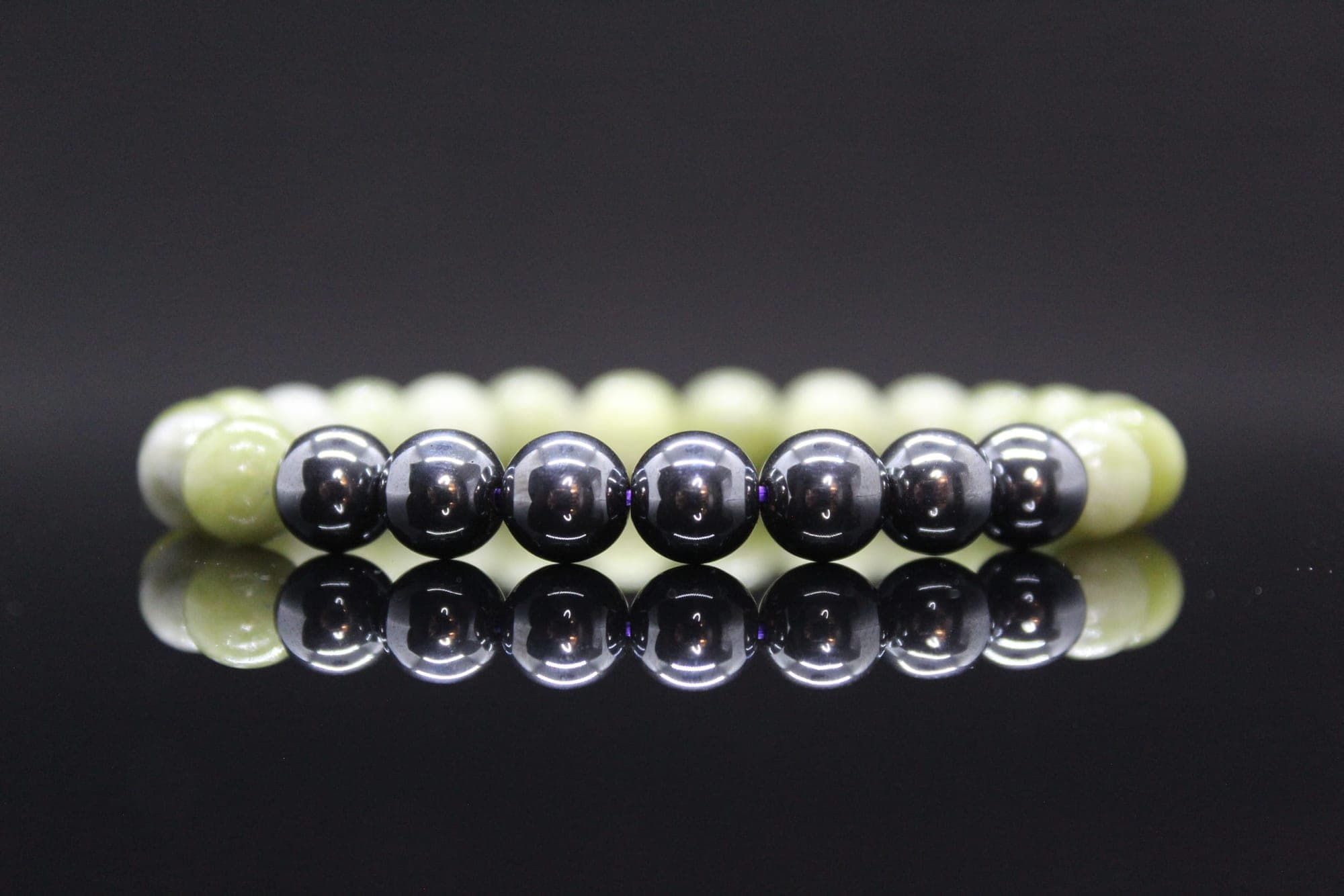
Life Force Energy Bracelet
$24.00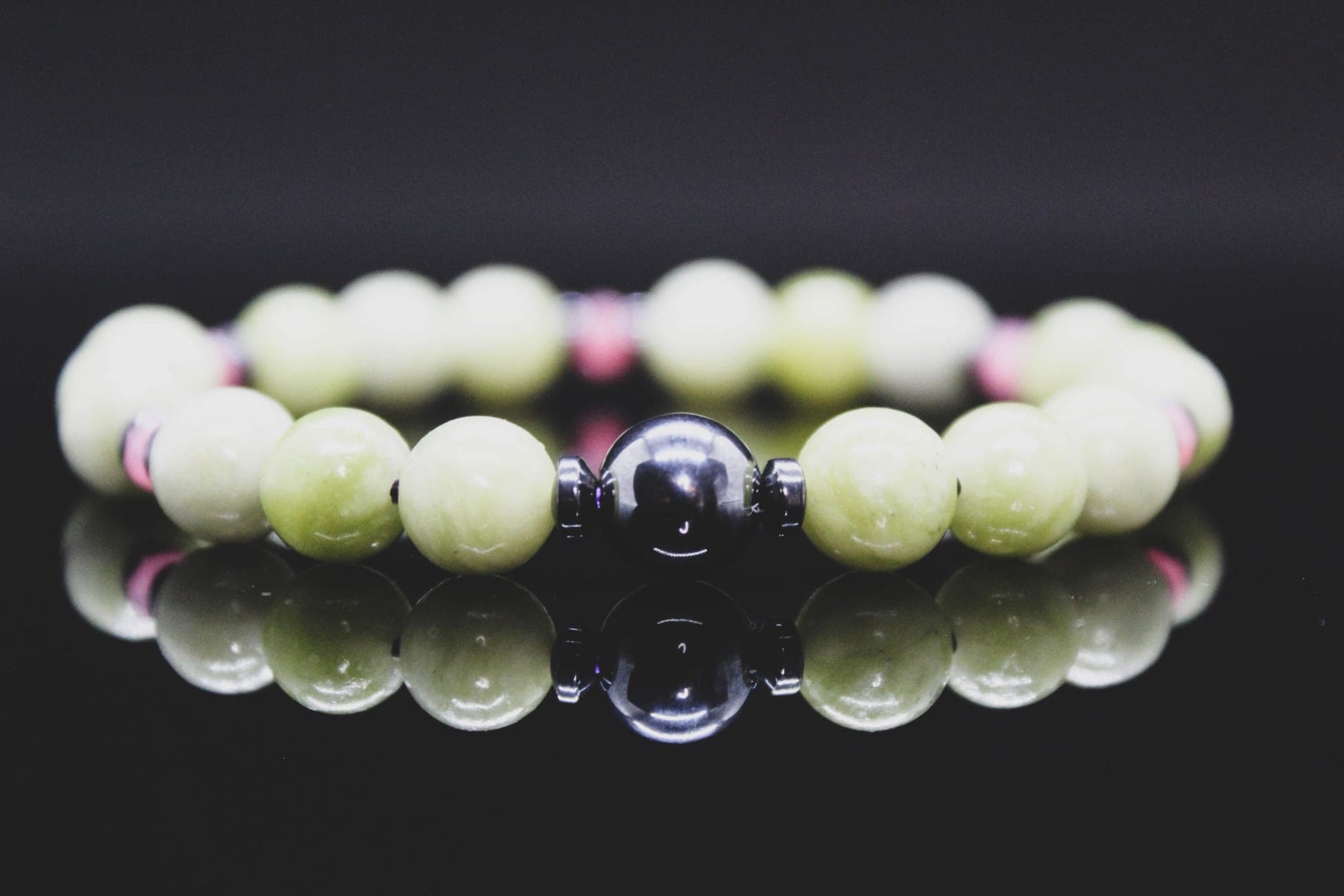
Grounding Love Energy Bracelet
$33.00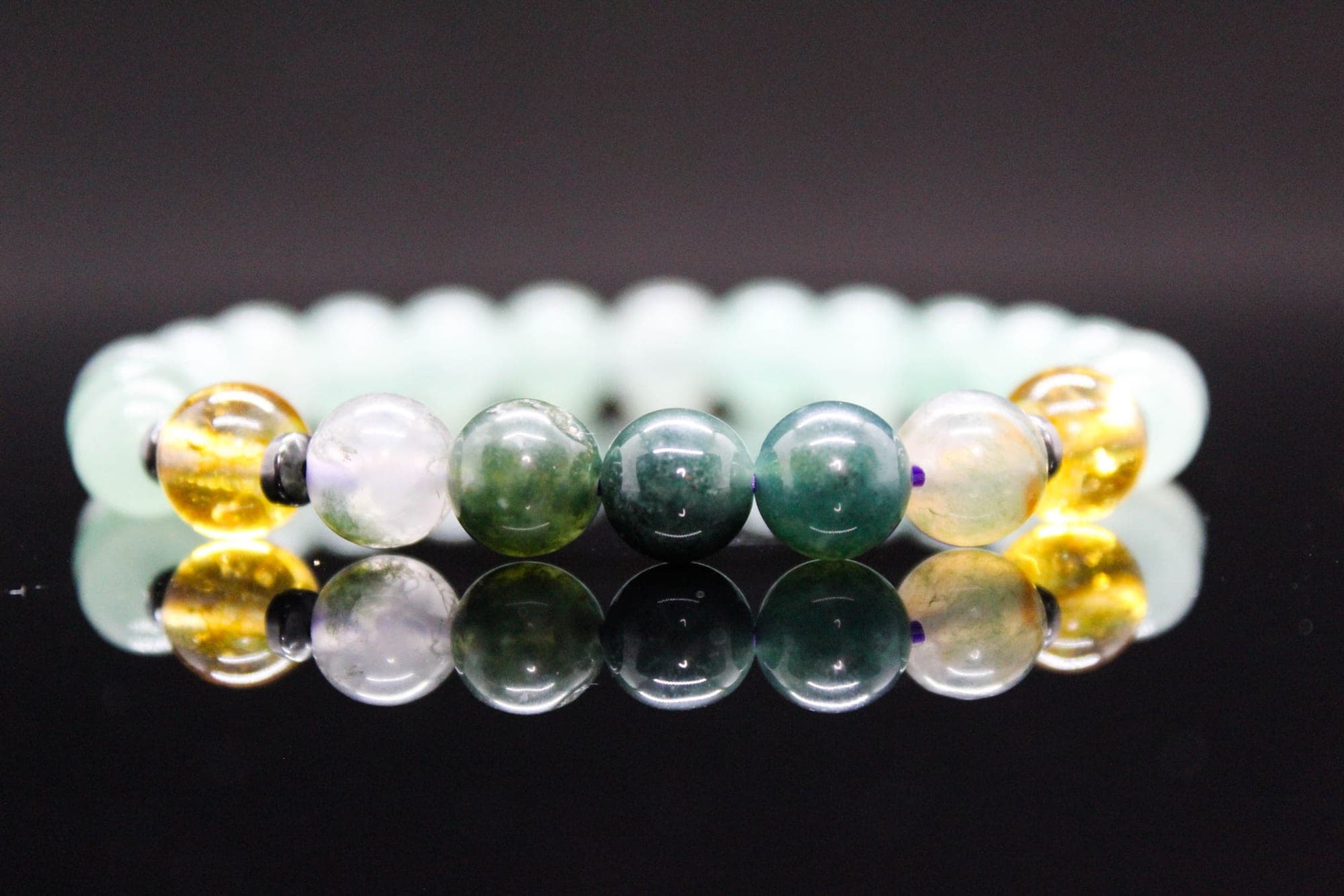
The Opulence Energy Bracelet
$33.00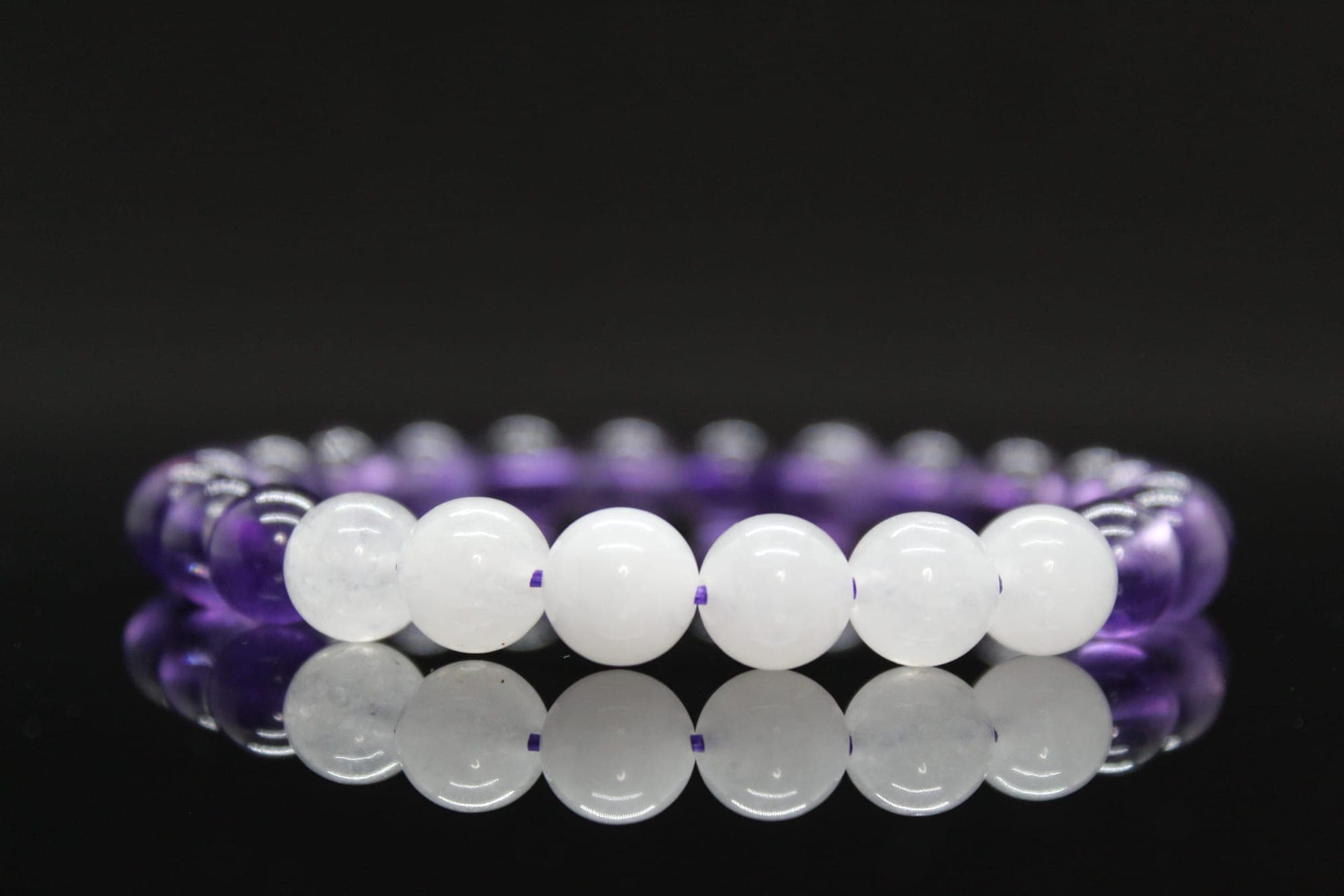
Divine Calming Energy Bracelet
$24.00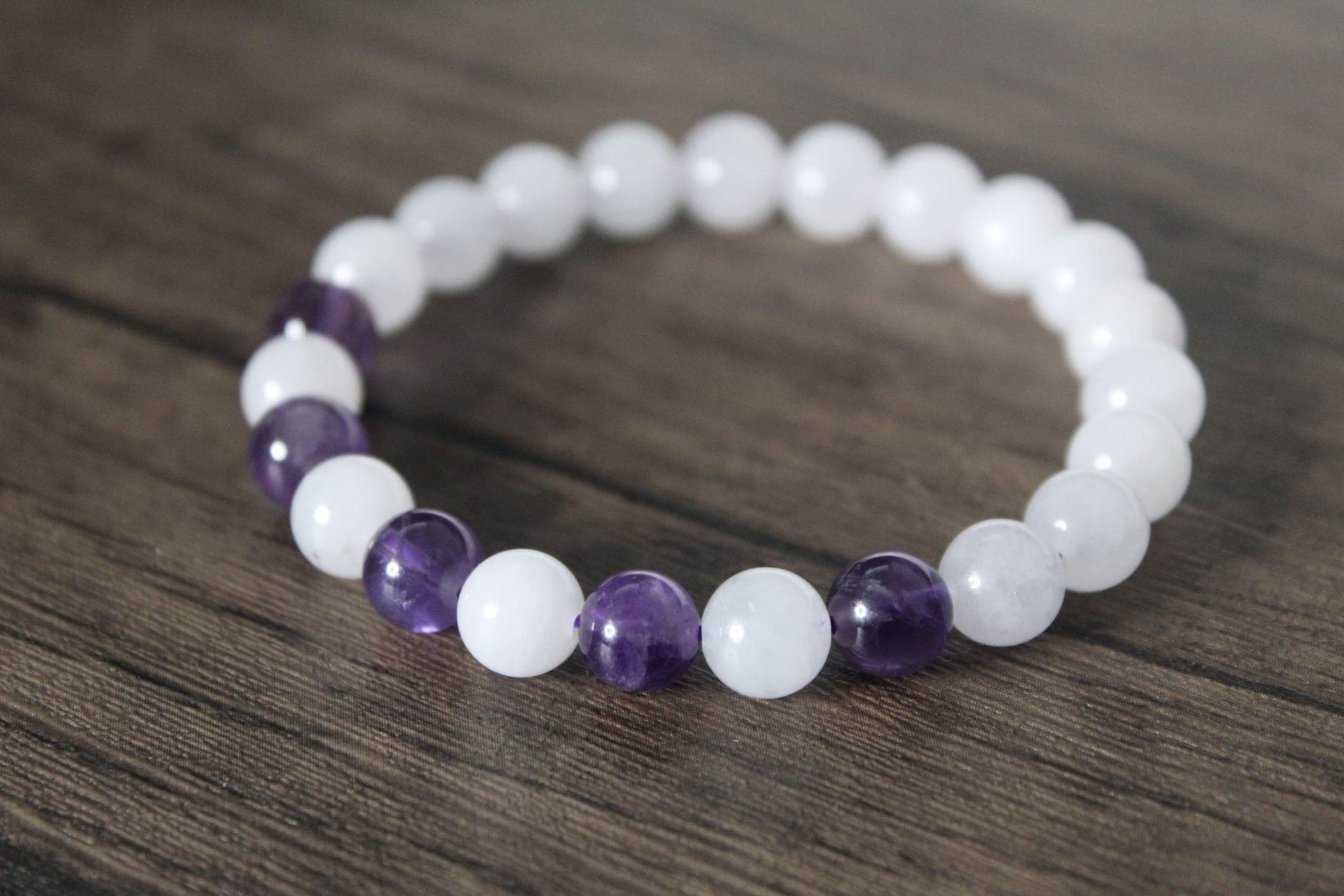
Divine Thoughts Energy Bracelet
$33.00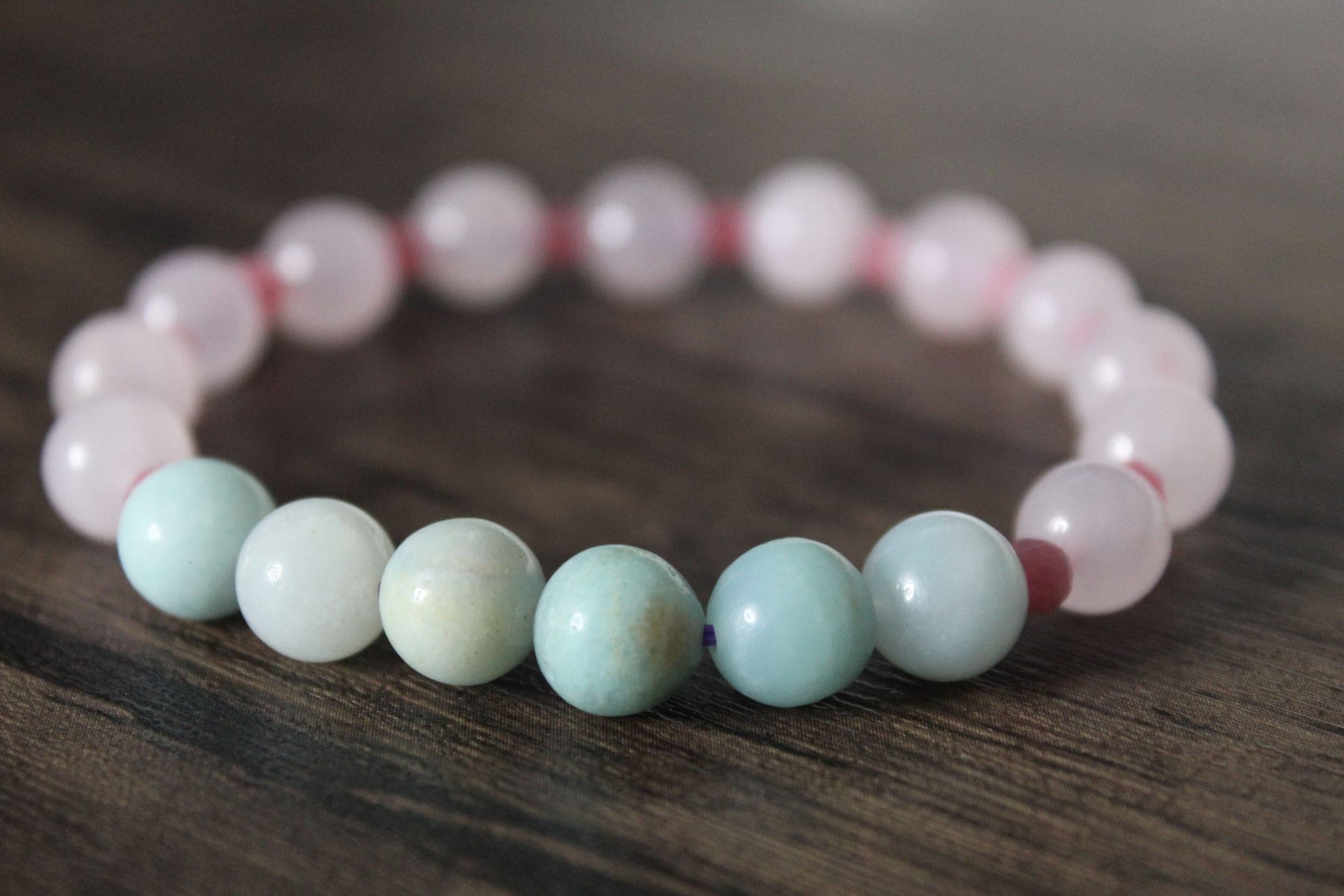
More Love Energy Bracelet
$33.00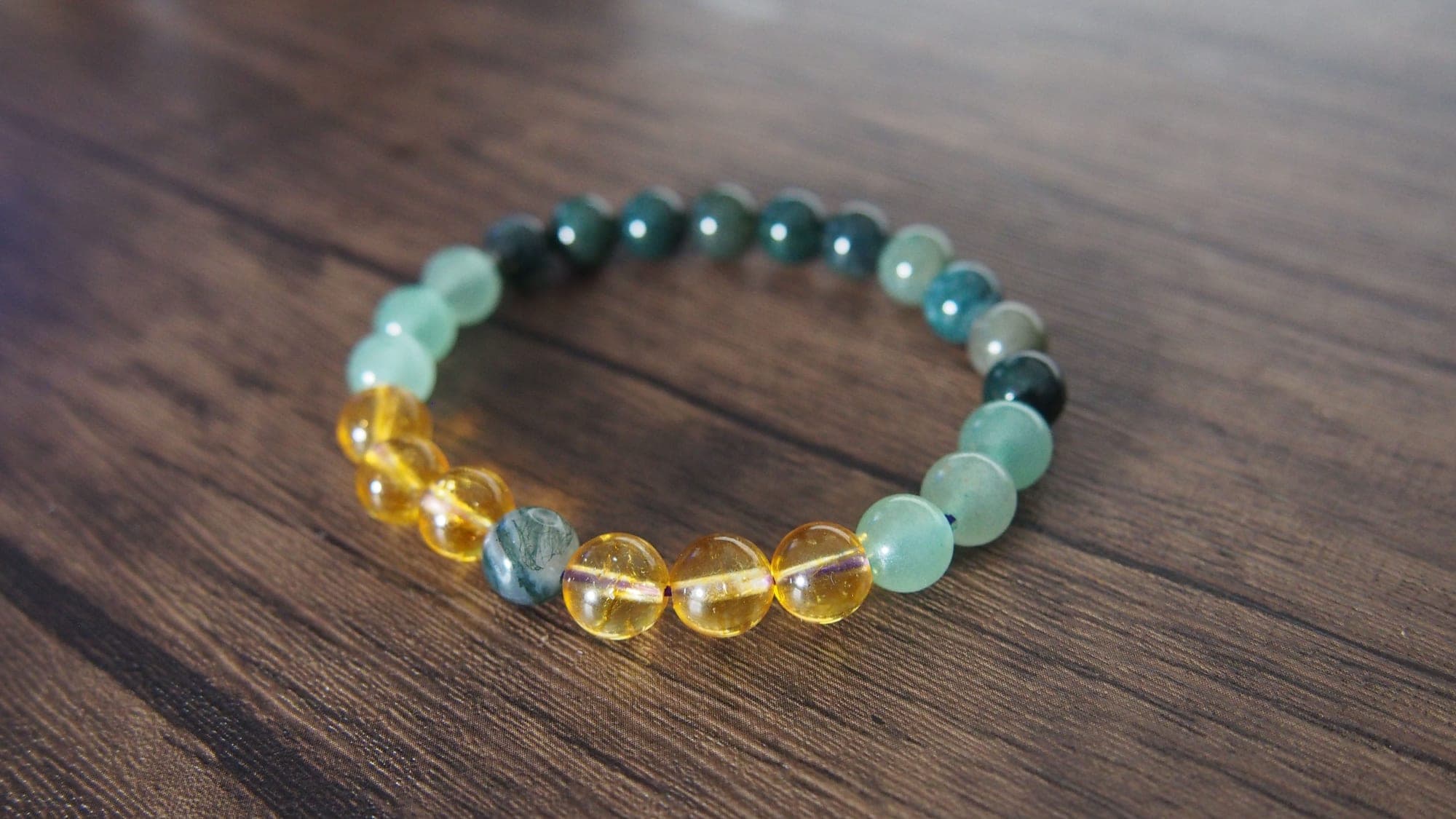
The Dinero Energy Bracelet
$33.00