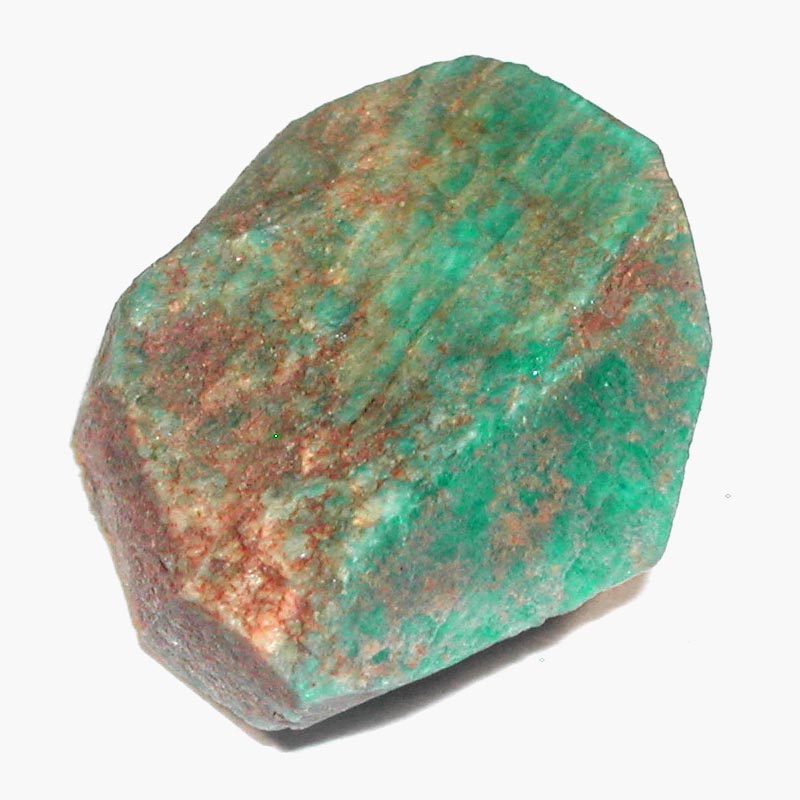
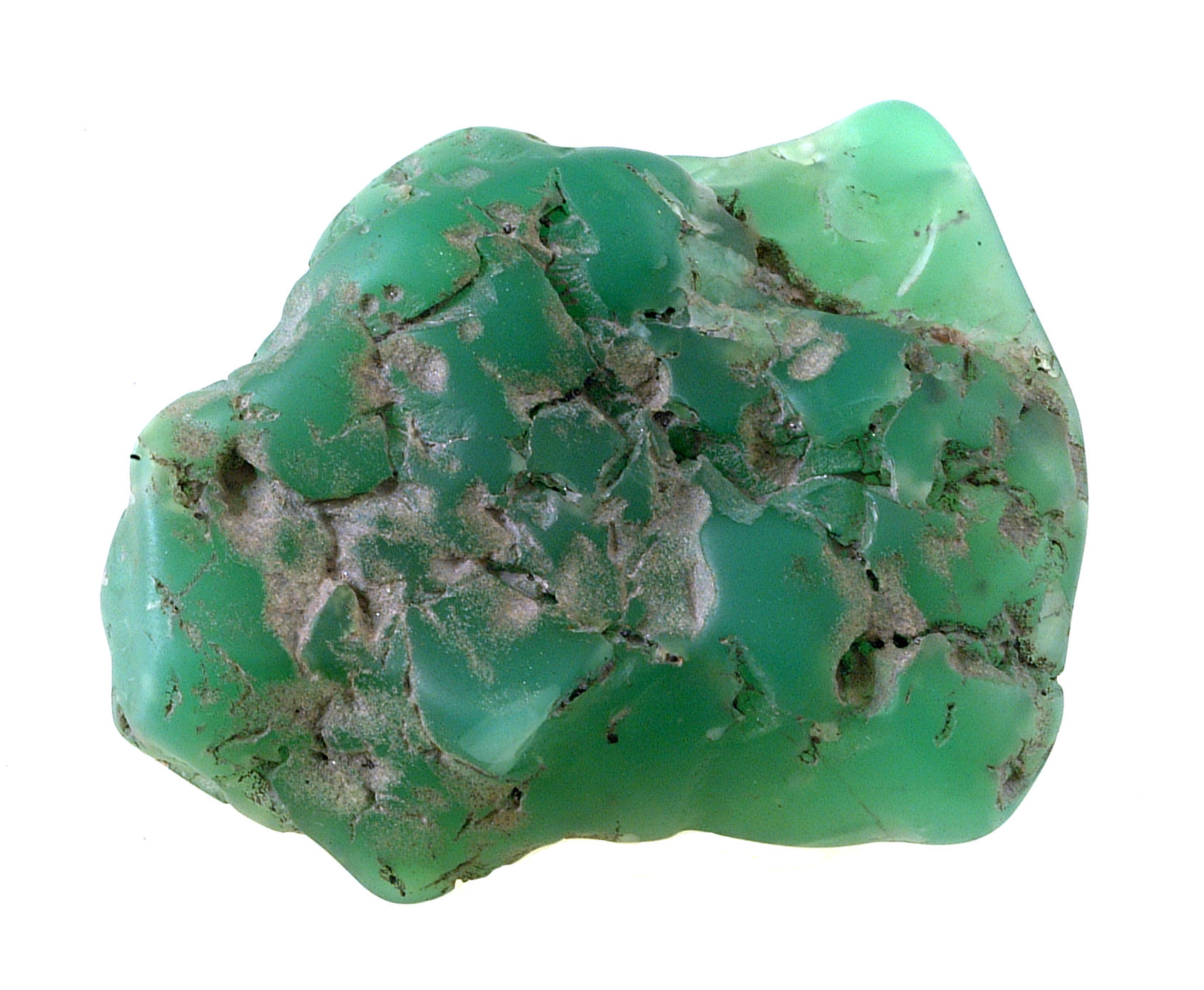
Photo: Dave Dyet http://www.shutterstone.com http://www.dyet.com · Public domain · Wikimedia Commons
Meaning & uses
Emerald Meaning
Revered since antiquity as the stone of successful love, Emerald owes its saturated green to trace chromium or vanadium locked inside beryl's crystal structure — a color so specific it lent its own name to a shade of green.
What Is Emerald?
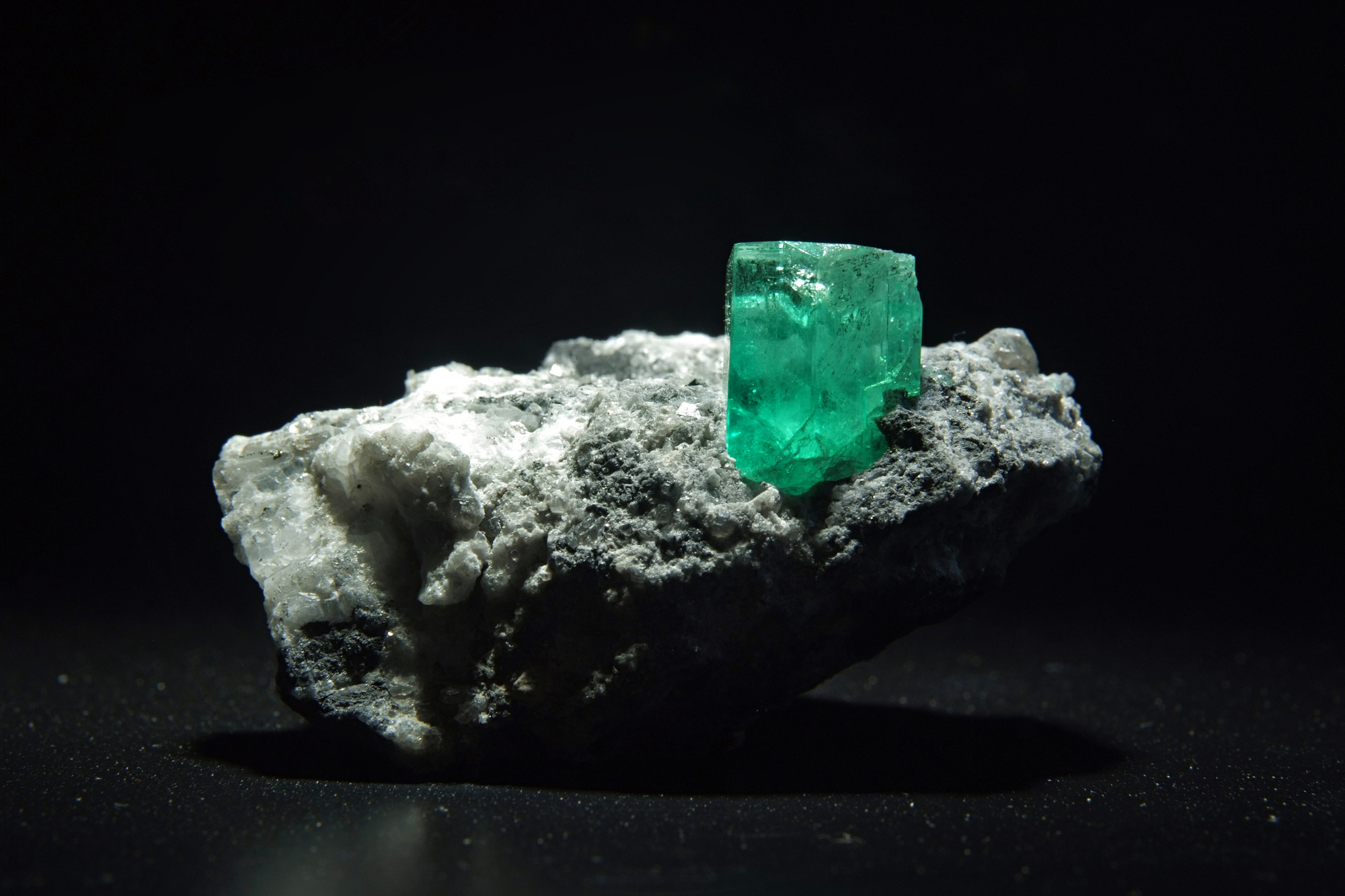
Emerald is a variety of beryl, the same mineral family as Aquamarine, colored a deep, saturated green by trace chromium or, less often, vanadium substituting into the crystal lattice. Unlike most gemstones prized for flawless clarity, Emerald is almost always included — a network of natural fractures and mineral inclusions gemologists affectionately call its "jardin," French for garden, so consistent across the species that a truly clean Emerald is the rare exception rather than the rule.
Because those inclusions can make an Emerald more brittle than its 7.5–8 Mohs hardness suggests, the vast majority sold today are treated with oil or resin to fill surface-reaching fractures and improve clarity — a widely accepted practice in the trade, though it means Emerald calls for gentler handling than its hardness number alone implies.
A Stone With a History
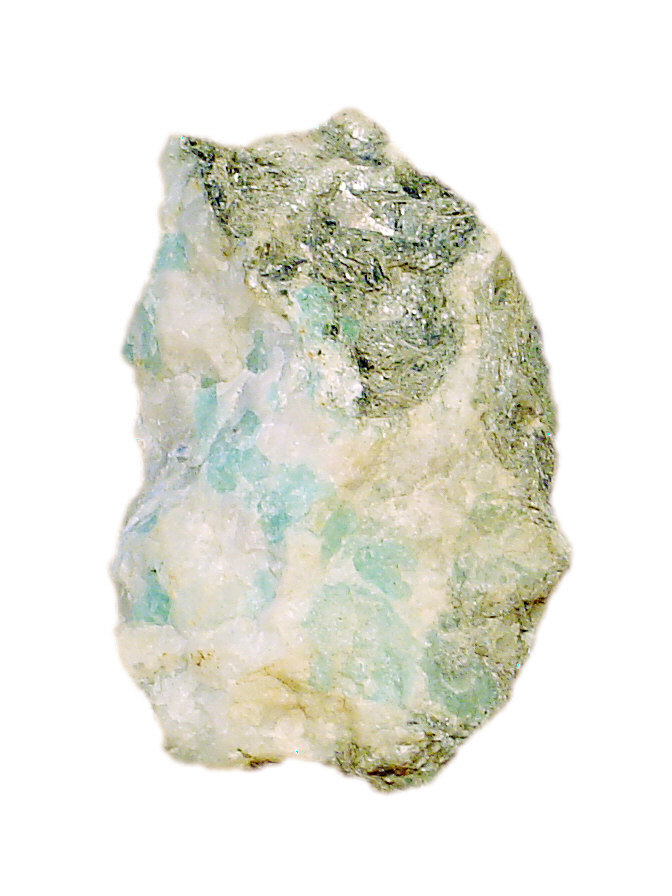
Egypt was mining Emerald as early as 1500 BCE, in deposits near the Red Sea that later became known as "Cleopatra's Mines" after the queen's well-documented love of the stone, though the mines predate her reign by well over a thousand years. Independently, the Muzo and Chivor deposits of what is now Colombia were being worked long before Spanish conquest, and Colombian Emerald flooded into European and Mughal courts after colonization, prized as the finest in the world — a reputation Colombia still holds today.
The Mughal emperors of India took the stone especially seriously, carving Emeralds with sacred verses and wearing them as talismans of protection and wisdom — several of these inscribed "Mughal Emeralds" survive in museum collections today as some of the most famous colored gemstones in the world.
Meaning and Symbolism
Emerald has been called the stone of successful love for centuries, associated with the Roman goddess Venus and traditionally given to strengthen partnership, loyalty, and domestic harmony rather than to spark new romance. That reputation sits alongside an older, separate association with wisdom, patience, and growth — fitting for a stone that takes its color from the same slow mineral processes that build up over geologic time.
Carried or worn to
- Strengthen loyalty and successful partnership
- Support wisdom and clear judgment
- Invite abundance and prosperity
- Encourage patience and personal growth
Chakra, Zodiac & Element
Emerald is tied to the Heart Chakra, its green color a direct, traditional match for love, compassion, and emotional balance. Its Earth element reflects the patient, grounded growth its meaning is built around.
Astrologically it's most associated with Taurus and Gemini — Taurus for steady, loyal love, Gemini as one of Emerald's modern birthstone signs alongside its status as the traditional May birthstone.
How to Use and Care for Emerald
At 7.5–8 on the Mohs scale, Emerald is a genuinely hard stone, but its natural inclusions make it more prone to chipping and cracking under a hard knock than its hardness number suggests — a protective setting is worth choosing for a ring worn daily. Because most Emeralds are oil- or resin-treated to fill surface fractures, avoid ultrasonic cleaners, steam cleaning, and harsh chemicals, all of which can strip the treatment and expose the stone's natural fragility. A soft cloth and mild soapy water is the safest way to clean it.
Frequently Asked Questions
Why does Emerald almost always have visible inclusions?
Is it normal for Emerald to be treated?
Is Emerald safe to wear every day?
Can Emerald get wet?
Where does the finest Emerald come from?
Is Emerald a birthstone?
A stone that asks for patience in return for loyalty — Emerald's garden of inclusions is part of what makes it genuine.
Shop by energy
Bracelets for the Heart chakra
We don't have an Emerald bracelet yet. These share its Heart chakra energy.
Life Force Energy Bracelet
$24.00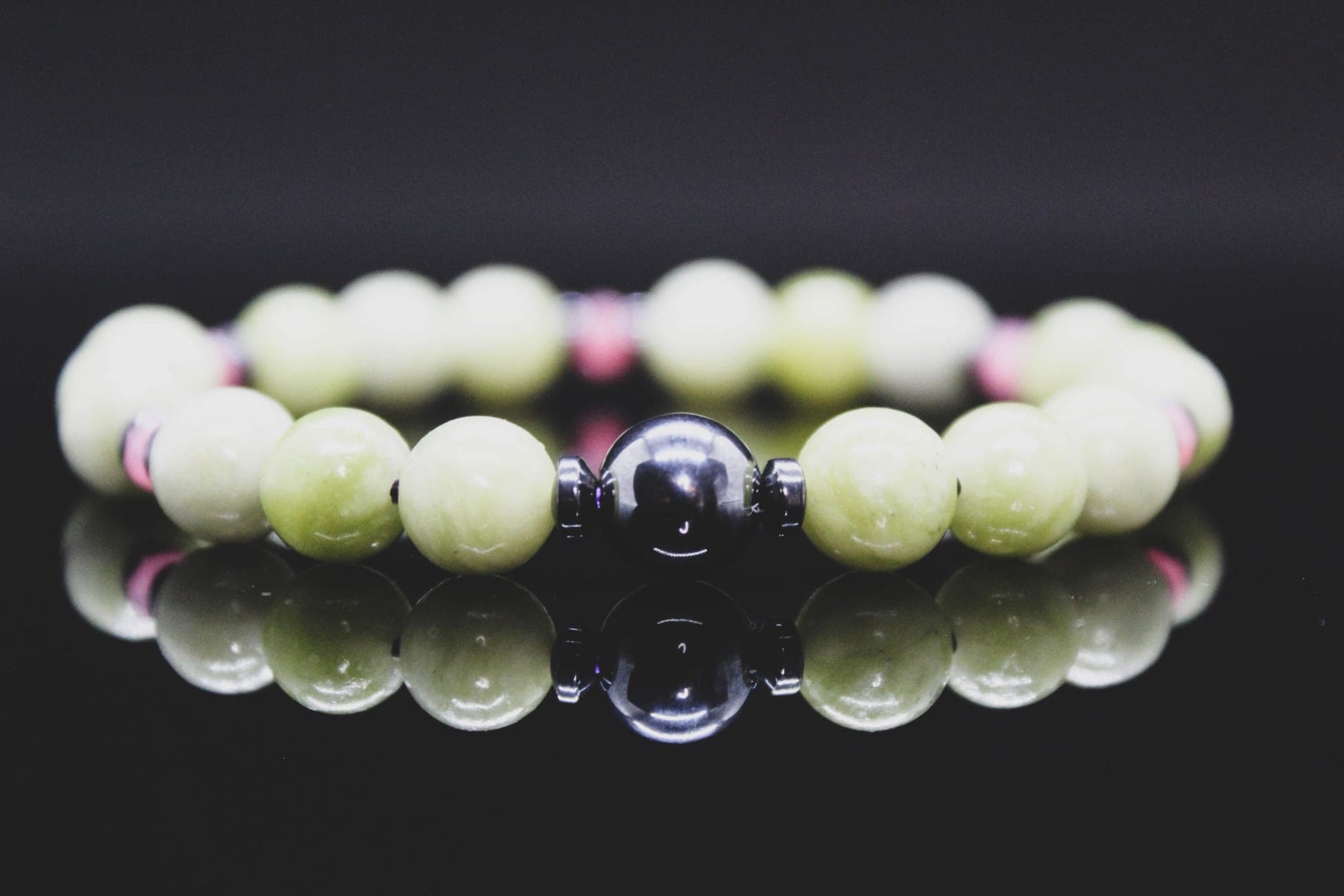
Grounding Love Energy Bracelet
$33.00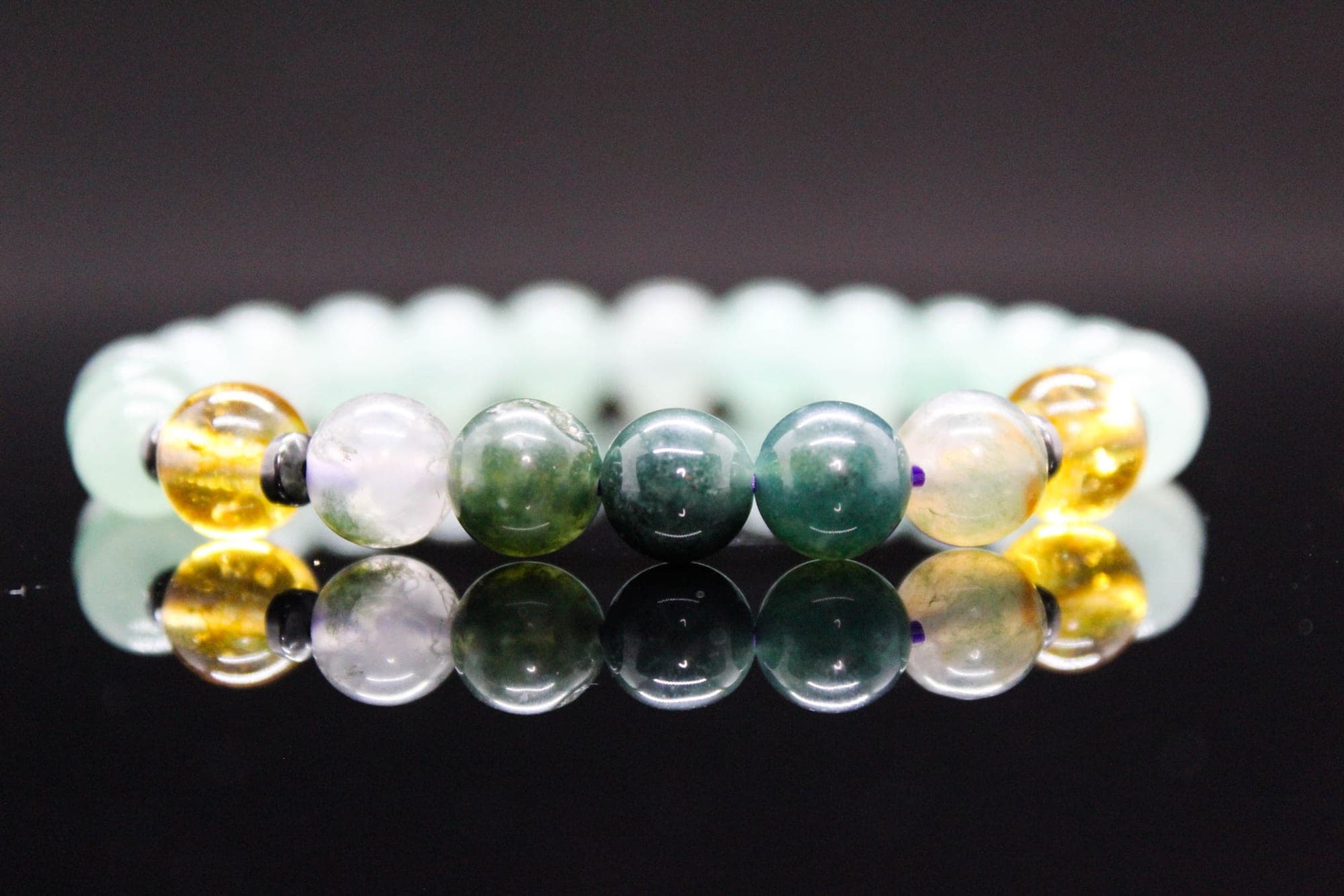
The Opulence Energy Bracelet
$33.00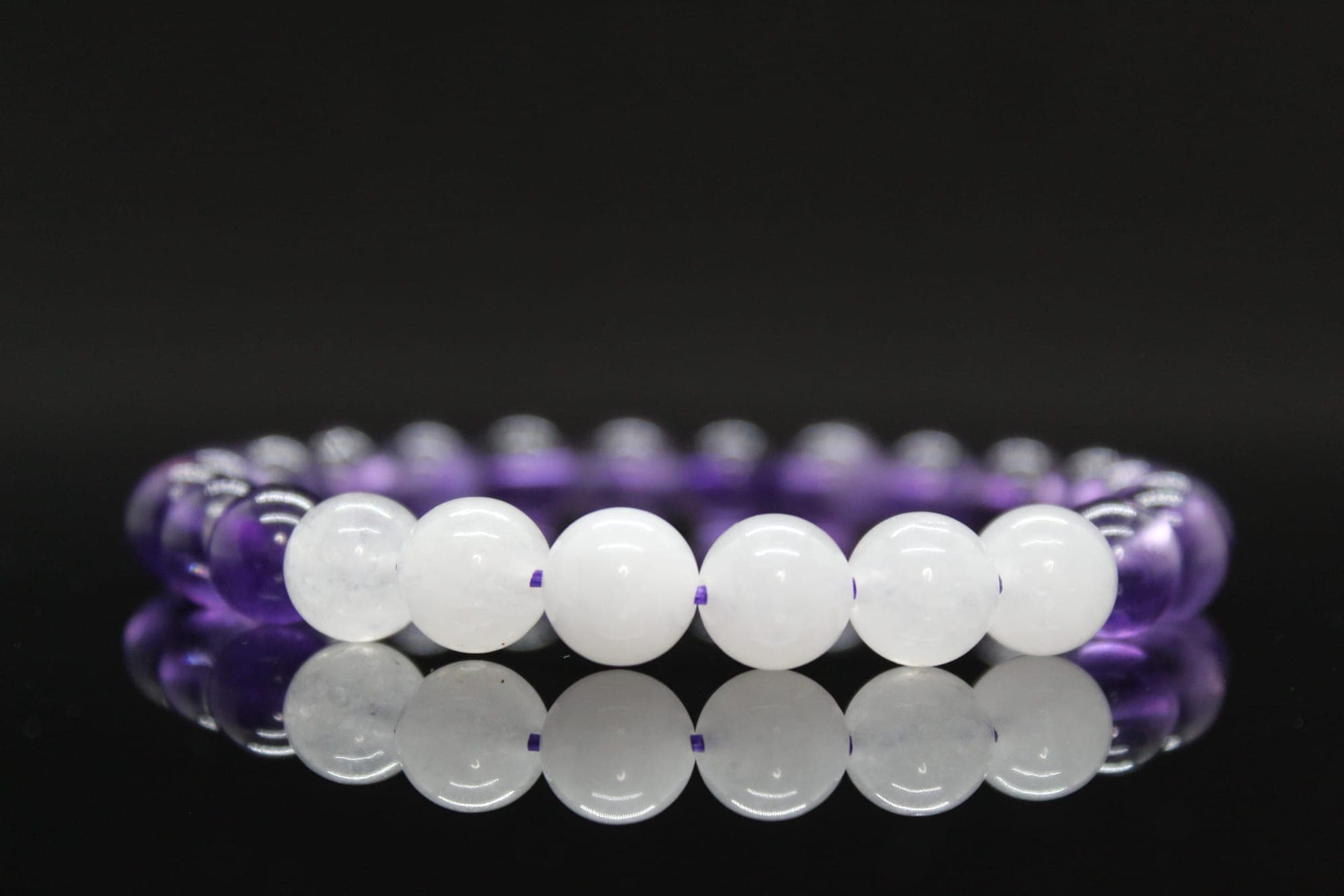
Divine Calming Energy Bracelet
$24.00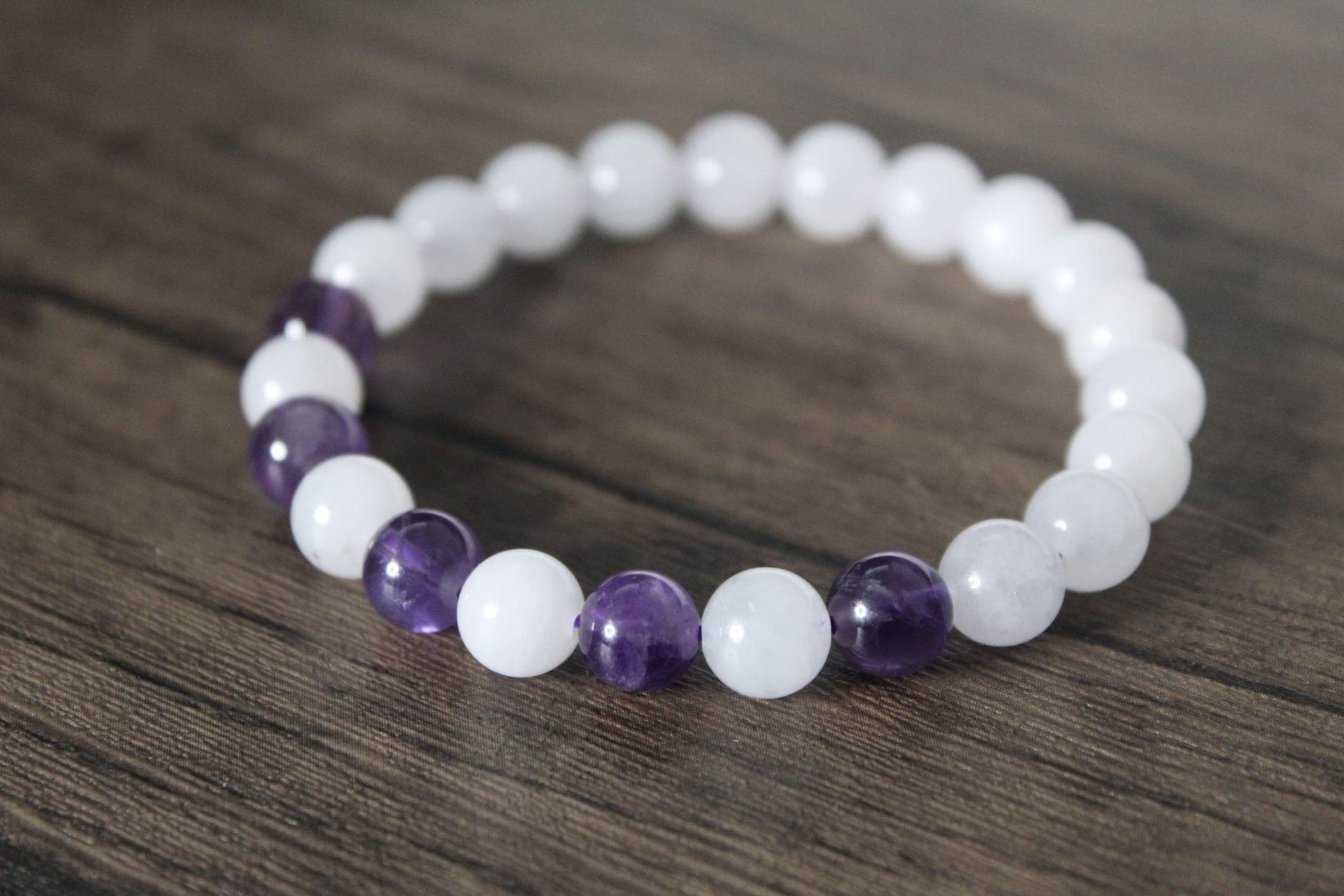
Divine Thoughts Energy Bracelet
$33.00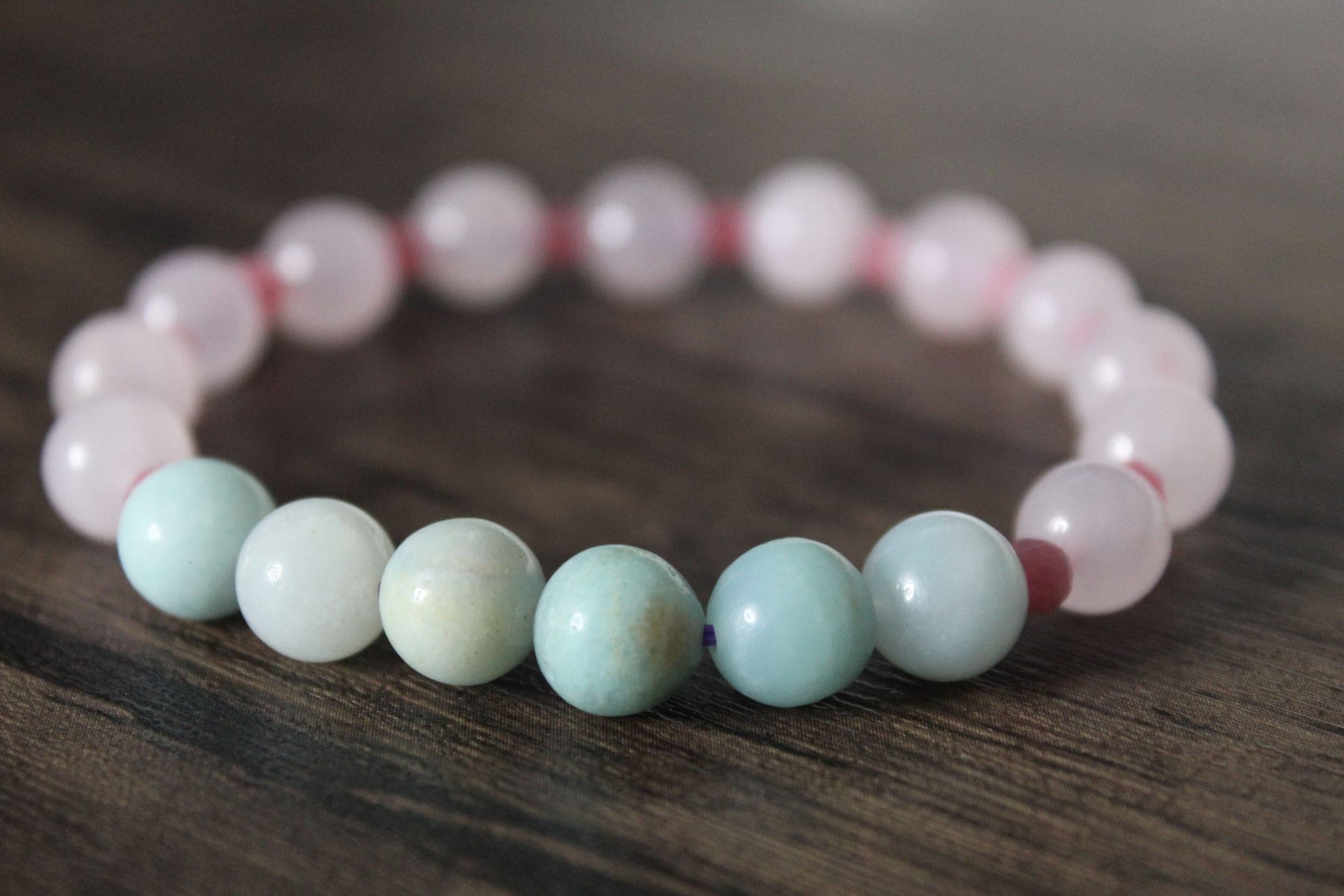
More Love Energy Bracelet
$33.00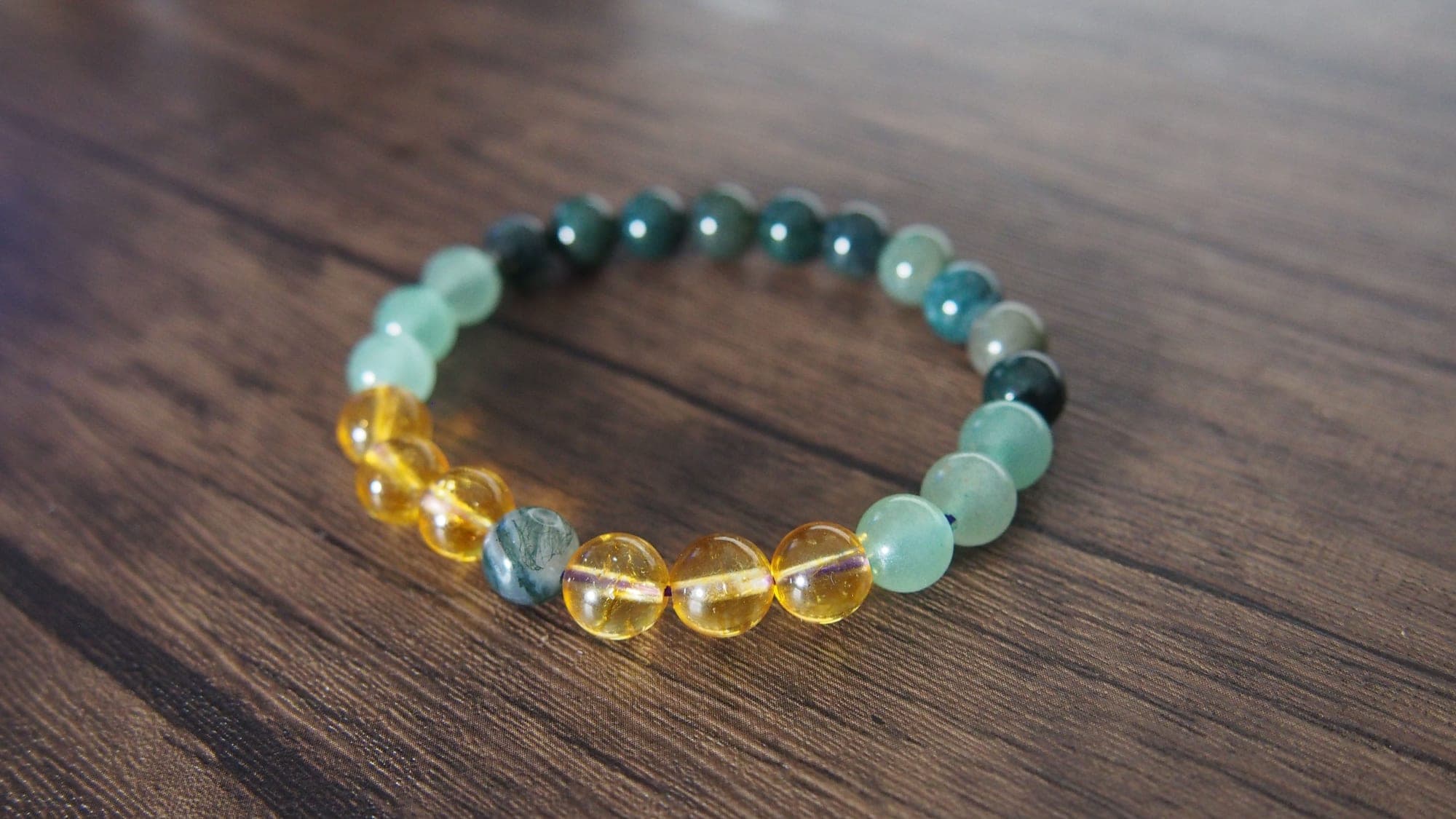
The Dinero Energy Bracelet
$33.00