Communication, truth-telling
Lapis Lazuli + Sodalite
Feel the truth. Then find the words.
Intention
Communication, truth-telling
Energy focus
Knowing what's true and saying it well are separate skills. Some people sense the truth of a situation instantly but can't put it into words; others can build a flawless argument for something they don't quite believe. This pairing is traditionally used to close that gap.
Lapis Lazuli and Sodalite are close mineral cousins and near-identical in color, and both are tied to the throat and third eye chakras. The tradition assigns them different temperaments: Lapis leans intuitive, Sodalite leans logical. Together they're reached for when you need the true thing said in a way that actually lands.
The stones
What each stone brings
Lapis Lazuli
Stone of Wisdom
Knows the truth
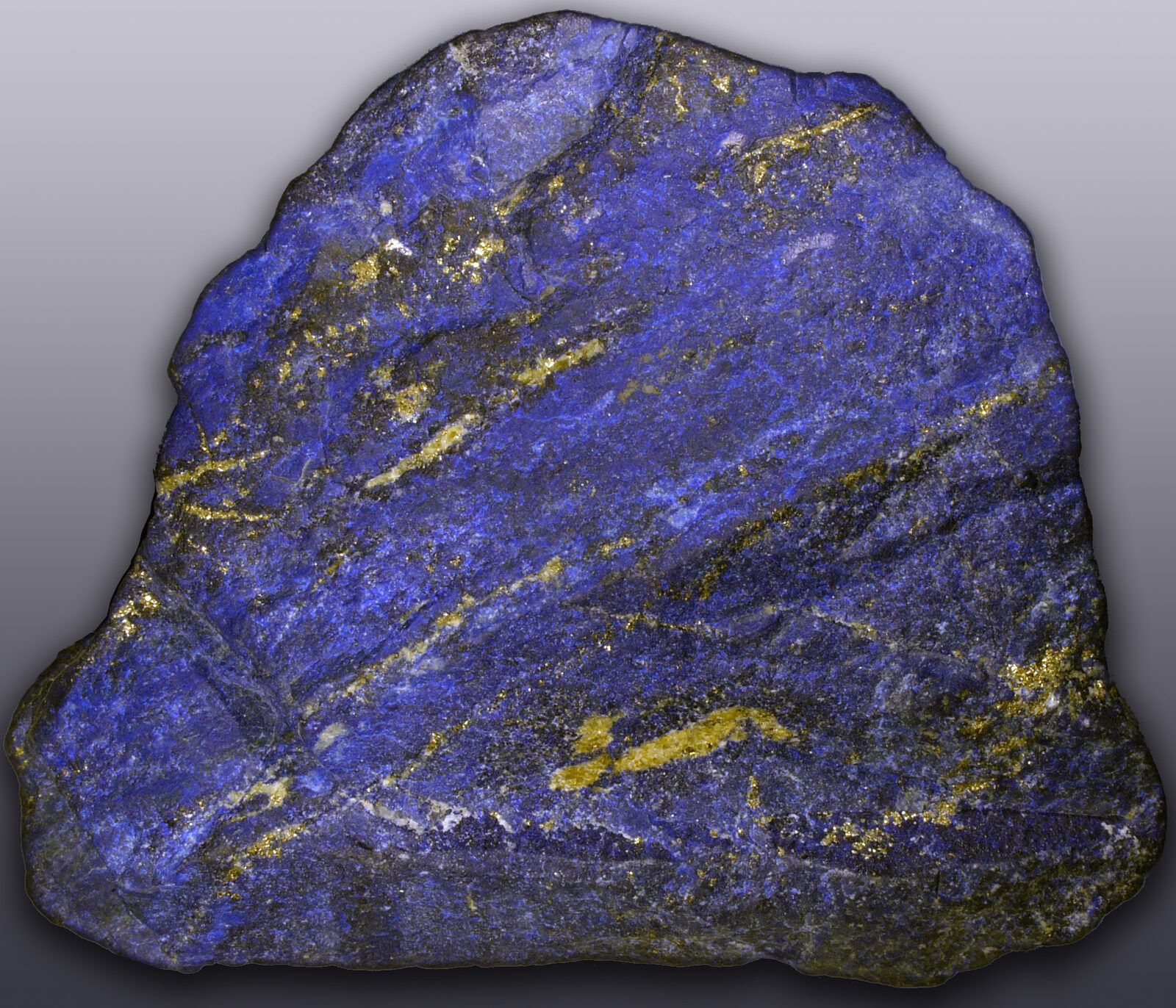
Mined in Afghanistan for over 6,000 years and ground into the ultramarine of Renaissance painting, Lapis has been the stone of wisdom and inner truth across cultures. Its temperament is intuitive: the deep, felt sense of what's actually going on beneath the surface.
Read the full Lapis Lazuli guide →
Sodalite
Stone of Truth
Frames it clearly
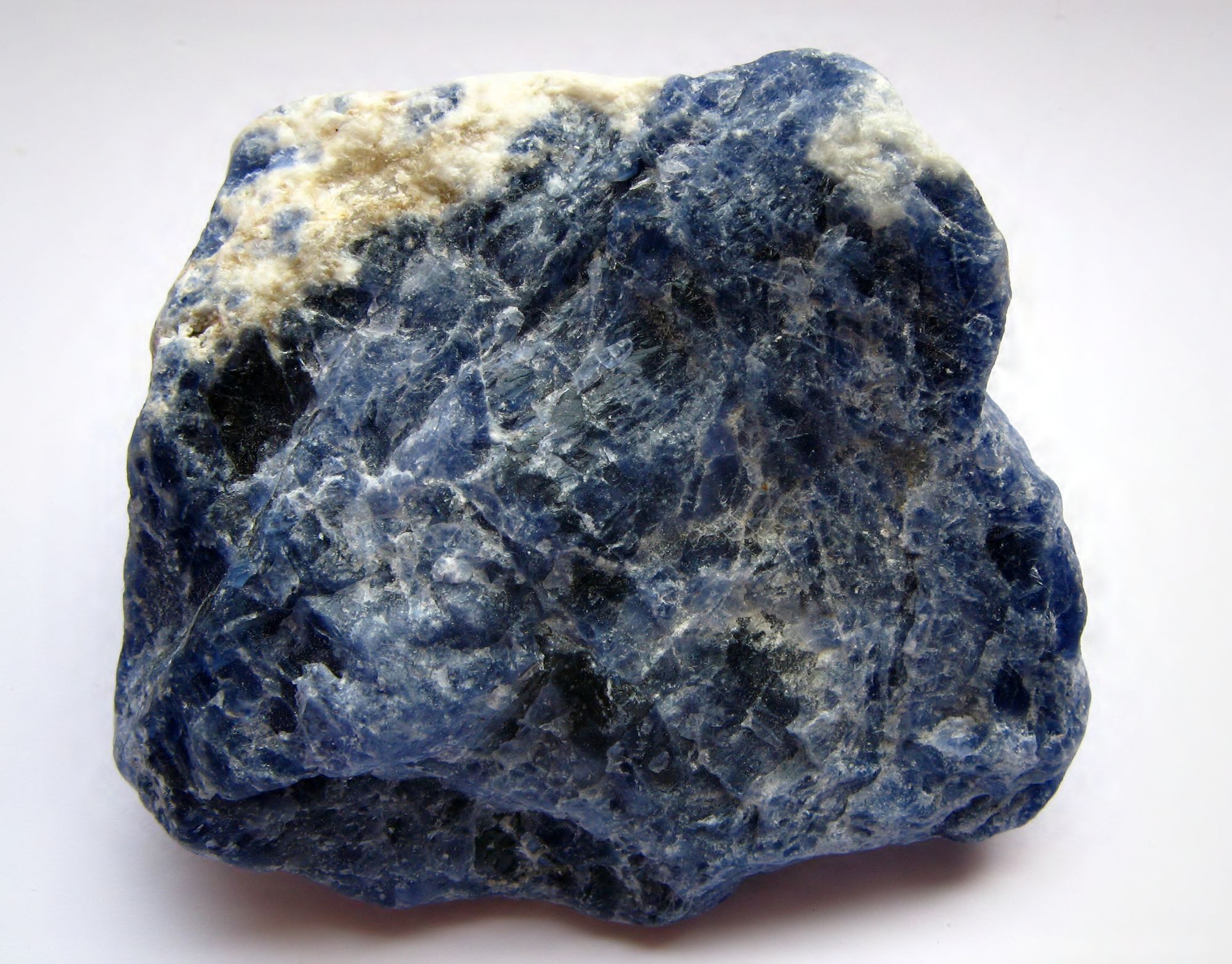
Named for its sodium content and a close relative of the lazurite that colors Lapis, Sodalite is a deep royal blue veined in white. It leans logical rather than mystical — rational thought, objective clarity, and the kind of truth you can actually explain out loud.
Read the full Sodalite guide →
The synergy
How the pairing works
Feel
Lapis Lazuli
Lapis helps you get in touch with what you actually think and feel — the honest, intuitive read that comes before words.
Frame
Sodalite
Sodalite gives that instinct structure, turning a gut sense into clear, organized, speakable points.
Truth that lands
Intuition alone can be hard to explain, and logic alone can be technically right and still miss the point. Paired, they're the tradition's answer to saying what's true so that the other person can actually hear it.
Put it into practice
How to use the pairing
Before a hard conversation
Hold Lapis first and ask what you actually want to say. Then hold Sodalite and work out how to say it clearly.
For writing and drafting
Get the honest first draft down with Lapis nearby, then edit it into something clear with Sodalite at your side.
Presentations and speaking
Keep a small piece of each in your pocket for a talk, pitch, or meeting where both conviction and clarity matter.
As a bracelet
Worn together, the two blues read as one cool, deep color — a constant reminder to speak plainly and mean it.
Reach for it when
- Difficult or emotionally loaded conversations
- Presentations, interviews, and public speaking
- Writing something that needs to be both honest and clear
- Any time your feelings and your words don't seem to match
Care
Similar stones, one difference
Lapis Lazuli (5–5.5) and Sodalite (5.5–6) are close in hardness and fine to store together. The one difference: Lapis is a composite rock with calcite, so keep it away from acids and soaking. Sodalite tolerates a quick rinse. Ask about origin too — some "lapis" is dyed or wax-treated, and dyed blue jasper is sometimes sold as "Swiss lapis."
Good to know
Frequently asked questions
Aren't Lapis Lazuli and Sodalite basically the same stone?
They're close relatives — both belong to the sodalite mineral group, and lazurite, Lapis's main blue mineral, is a cousin of Sodalite. But Lapis Lazuli is a rock that also contains white calcite and gold pyrite flecks, while Sodalite is a single mineral that's usually veined in white.
Why pair two such similar stones?
Because tradition gives them different temperaments. Lapis leans intuitive and Sodalite leans logical, so the pairing covers both what you feel and how you say it.
How can I tell Lapis Lazuli from Sodalite?
Look for gold pyrite flecks, which Lapis has and Sodalite lacks. Sodalite is usually a more uniform blue with white veining rather than gold.
Is this a better pairing than Lapis with Selenite?
It depends on the goal. This pairing is built for speaking and clear communication, while Lapis with Selenite suits quiet, inward work like meditation and journaling.
Can I store them together?
Yes. They're close in hardness, so they won't scratch each other meaningfully.
Is my Lapis Lazuli natural?
It might be treated. Some Lapis is dyed or wax-stabilized, and dyed blue jasper is sometimes sold as "Swiss lapis." Natural Lapis shows deep blue with white calcite and gold pyrite flecks.
One stone to know what's true, one to say it so it's heard.
Keep exploring
More combinations to try

Lapis Lazuli + Selenite
Meditation, inner truth
Lapis opens inward reflection; selenite lifts and clears the space around it — a natural fit for meditation practice.
Read more →
Clear Quartz + Lapis Lazuli
Clear, truthful communication
Quartz clarifies and amplifies, lapis lazuli connects to intuition and deeper truth — worn together to help you speak plainly and mean it.
Read more →